When should you not wash your car?

Table of Content

TITLE: When should you not wash your car?
COUNTRY CODE: US
LANGUAGE CODE: en
TABLE OF CONTENT:

  • Introduction
  • Understanding Car Washing: The Basics
  • Why is Washing Your Car Important?
  • When is it Regrettable to Wash Your Car?
    • Weather Conditions
      • During Rainy Weather
      • Freezing Conditions and Snow
      • High Winds or Dust Storms
    • Specific Situations
      • Direct Sunlight and High Temperatures
      • Shortly Before a Drive on Muddy Roads
      • During Water Restrictions or Droughts
  • How Often Should You Wash Your Car Under Normal Circumstances?
  • Alternatives to Washing Your Car in Unfavorable Conditions
    • Waterless Cleaning Solutions
    • Automated Car Washes with Underbody Sprays
  • Tips for Maintaining Your Car’s Appearance Without Frequent Washing
  • Environmental Considerations and Responsible Car Washing
  • Key Takeaways
  • Conclusion

When is it best to avoid washing your car?

Introduction

Picture this: a glistening car, reflecting the golden rays of the sun, turning heads as it cruises down the street. That’s the magic of a pristine wash. But, as with all good things, timing is everything. Understanding when to avoid washing your car can save you from ineffective results and potential damage.

In this guide, we’ll explore the art of car washing, uncovering not just the ideal moments but also those times when it’s best to hold back. From weather whims to particular scenarios, discover how to keep your vehicle looking its best without unnecessary washes, while also being mindful of environmental considerations.

Why does this matter? Because the key to maintaining that showroom shine lies in knowing when to wield the sponge and when to pause. As we dive into this topic, think of your car as a canvas – one that deserves the right conditions for its masterpiece to shine through. Ready to explore the nuances of car care? Let’s drive into the details!

Understanding Car Washing: The Basics

Imagine your car as a cherished novel, its pages filled with stories of your journeys. Just as you wouldn’t let dust gather on a treasured book, your vehicle deserves regular attention and care. Car washing, at its core, is not merely about aesthetics; it’s about preserving the integrity of your ride.

Every wash is akin to a protective layer, guarding against the elements that seek to tarnish your car’s beauty. Dirt, grime, and road salt are relentless adversaries, eager to corrode and blemish. But fear not, for the act of washing is your car’s armor, shielding it from these harmful invaders.

Yet, timing is pivotal. Washing your car too frequently can strip away essential wax protection, while neglecting it can lead to a buildup of contaminants. The art lies in striking a balance, ensuring that each wash is a rejuvenating ritual. For more insights on how often your car should be washed, delve into our detailed guide.

As we embark on this journey of understanding, remember that each wash is a step towards preserving your car’s legacy, a testament to the adventures it has witnessed and the roads it has yet to conquer.

Why is Washing Your Car Important?

Think of your car as a suit of armor, embarking on daily quests against the elements. Each time you wash your car, it’s akin to polishing that armor, ensuring it gleams under the sun’s watchful gaze. But why is this ritual so vital?

Washing your car isn’t just about aesthetics; it’s about safeguarding your investment. Dirt and grime act as silent saboteurs, potentially eroding the paint and leading to costly repairs in the future. Just as you wouldn’t leave a delicate fabric exposed to harsh conditions, your car deserves the same vigilance.

Moreover, a clean car is a testament to responsible ownership. It’s a reflection of your dedication to maintaining its longevity and performance. Regular washes can even enhance your vehicle’s resale value, proving that a little care can go a long way. While it’s essential to know when not to wash your car, understanding the importance of regular maintenance is equally crucial.

In essence, washing your car is more than a chore; it’s an act of preservation, a commitment to ensuring your trusty steed remains reliable and radiant for years to come.

When is it Regrettable to Wash Your Car?

Imagine planning a grand feast only to have it ruined by a sudden downpour. Similarly, washing your car at the wrong time can be a fruitless endeavor. There are moments when it’s best to refrain from reaching for that bucket and sponge.

Mother Nature, with her whimsical moods, plays a significant role in determining the perfect time for a car wash. Weather conditions such as rain, snow, and high winds can make your efforts go in vain. A freshly washed car can quickly transform into a muddy mess when these elements are at play. To explore further, read more about when to avoid washing your car to prevent such mishaps.

Avoiding washes shortly before a drive through muddy roads or during water restrictions is also prudent. Not only can washing in these conditions be ineffective, but it may also lead to unexpected outcomes like water waste or damage. Understanding these situations ensures that your car’s shine is preserved without unnecessary washes.

Let your car’s maintenance be a strategic game, where the right moves ensure its gleam lasts longer. By being mindful of timing, you’re not only protecting your car but also acting as a considerate steward of the environment.

Weather Conditions

Have you ever washed your car only to see it rain the next day? It’s like baking a cake and having it fall flat. Understanding the role of weather conditions in car washing can save you from frustration and wasted efforts.

Rain, snow, and high winds are not just weather phenomena; they can be your car wash’s worst enemies. Imagine the irony of washing your car under a clear sky, only for a sudden downpour to undo your hard work. It’s a common dilemma many have faced. For those wondering when not to wash your car, these conditions are prime examples.

But it’s not just rain that can ruin your efforts. High winds can carry dust and debris, scratching and dulling your car’s finish. Snow, with its salt and grime, can stick stubbornly to a freshly washed car, mocking your efforts.

Thus, timing your car washes around favorable weather is crucial. By doing so, you ensure your vehicle remains bright and unblemished, and your efforts are not in vain. After all, a little patience can lead to a much more satisfying shine.

During Rainy Weather

Imagine spending your weekend meticulously washing your car, only to have rain clouds roll in, rendering your efforts futile. It’s like building a sandcastle at high tide. Washing your car during rainy weather is often counterproductive, akin to cleaning a window before a storm.

Rainwater, though seemingly clean, can carry impurities and pollutants from the atmosphere. When it dries on your car’s surface, it can leave unsightly water spots and residues, diminishing that freshly washed look. This can be particularly troublesome in urban areas where rain may contain higher levels of pollutants.

Moreover, the effect of washing your car during rain is short-lived, as the continuous downpour can quickly undo the shine. In such conditions, waiting for clearer skies can be more beneficial. By doing so, you not only save time and effort but also ensure your vehicle maintains its gleam.

As a rule of thumb, always check the weather forecast before planning a car wash. This foresight can prevent your hard work from being washed away. To explore more about when you should avoid washing your car, delve into our comprehensive guide.

Ultimately, patience is key. Waiting for the right moment ensures that your car remains a gleaming testament to your care and diligence.

Freezing Conditions and Snow

Imagine washing your car in freezing conditions, only to have the water transform into a thin sheet of ice. It’s like trying to paint a masterpiece while your canvas is still wet. Washing your car during freezing temperatures and snowy conditions can be more harmful than beneficial.

When the mercury drops, water on your car’s surface can freeze quickly, creating a slippery layer of ice. This not only poses a risk for scratches as you attempt to dry your car but can also trap salt and grime underneath, potentially leading to corrosion. Salt, used on roads during snowy conditions, is a relentless adversary, eager to feast on your car’s metal.

Moreover, snow carries its own set of challenges. It can blanket your car in a layer of moisture, making it difficult to dry thoroughly. The moisture can seep into crevices, freeze, and cause damage over time. For car owners pondering when not to wash your car, snowy and icy conditions are prime candidates for caution.

Instead of washing during these times, consider alternative methods such as visiting an automated car wash with underbody sprays designed to combat salt buildup. This proactive approach ensures your car remains protected without the risk of icy mishaps.

High Winds or Dust Storms

Envision a day where high winds whip through town, carrying with them clouds of dust and debris. Washing your car in such conditions can be likened to painting a masterpiece only to have a gust of wind blow a layer of sand across it. High winds and dust storms are formidable adversaries to a freshly washed car.

During these blustery occasions, the air is filled with tiny particles that can settle on your car’s wet surface, acting like abrasive sandpaper. This can lead to scratches and dullness, diminishing your car’s pristine finish. The havoc wreaked by dust storms is so pronounced that it can sometimes feel as though the very elements are conspiring against your efforts to maintain a clean vehicle.

In such instances, timing is crucial. Opt for washing your car when the winds have settled and the atmosphere is clear. This ensures that your efforts are not in vain and that your car remains a shining testament to your care. If you’re unsure about when not to wash your car, understanding the impact of high winds and dust can guide you in making the right decision.

Ultimately, patience and a keen awareness of weather conditions will ensure that your car retains its gleam without any unintended blemishes. So, hold off on washing during these tempestuous times and wait for calmer days to let your car shine without interference.

Specific Situations

Beyond unpredictable weather, there are certain specific situations when washing your car might be more of a faux pas than a favor to your ride. Much like wearing sunglasses at night, some actions just don’t quite fit the scenario. Let’s explore these unique instances where restraint can be your vehicle’s best ally.

For instance, washing your car in direct sunlight and high temperatures can have unintended consequences. The intense heat can cause the water to evaporate too quickly, leaving behind streaks and water spots. It’s akin to painting on a canvas that’s too hot to handle, where your masterpiece ends up marred by unintended marks. For more on maintaining your car’s shine, consider reading about when to avoid washing your car to get better results.

Another situation to avoid is washing your car shortly before driving on muddy roads. Think of it as laying fresh sod only to host a muddy soccer game immediately after. Your efforts will be swiftly undone, and your car will bear the marks of your misjudgment.

Additionally, during times of water restrictions or droughts, washing your car might not only be frowned upon but also against local regulations. In these instances, turning a blind eye to environmental considerations can sully your reputation as a responsible car owner.

By being mindful of these specific situations, you ensure that your car remains a beacon of care and consideration, glistening when the time is right and waiting patiently when circumstances demand it.

Direct Sunlight and High Temperatures

Imagine washing your car on a blistering summer day, only to see it marred by streaks and watermarks. It’s like trying to paint a delicate portrait under a harsh spotlight, where every brushstroke evaporates before it settles. Washing your car in direct sunlight and high temperatures can be just as fruitless.

The sun, while a source of warmth and light, can be a formidable adversary when it comes to car washing. The intense heat causes the water to evaporate rapidly, leaving behind unsightly streaks and spots. It’s an unwelcome transformation that diminishes the gleam you worked so hard to achieve.

Moreover, the heat can also cause soap and cleaning agents to dry too quickly, potentially etching into the paint. This quick evaporation makes rinsing off residues a challenge, leading to frustrating blemishes. For those who are keen on maintaining their car’s luster, understanding when not to wash your car can be a valuable insight.

To ensure a pristine finish, opt for washing your car during cooler parts of the day, such as early morning or late afternoon. This timing helps to avoid the sun’s peak intensity, allowing your car to bask in its newfound shine without the interference of unwanted streaks.

Shortly Before a Drive on Muddy Roads

Consider the scenario: you’ve just finished meticulously washing your car, ensuring every inch sparkles like a diamond in the sun. But then, you embark on a drive down a muddy road. It’s akin to donning a pristine white suit only to jump into a mud puddle. The aftermath? A car that looks as though it never met a drop of soap.

Washing your car right before traversing muddy roads is often an exercise in futility. The mud, with its sticky embrace, clings to your vehicle, undoing every bit of your hard work. It’s not just the exterior that suffers; mud can splatter onto the undercarriage, potentially leading to longer-term issues like corrosion if not addressed promptly.

In these situations, timing is everything. It might be wiser to delay the wash until after your off-road adventure. This way, you save your efforts and ensure a longer-lasting clean. For more insights on the best times to wash your vehicle, consider reading about when to avoid washing your car to get optimal results.

Remember, a little patience can preserve your car’s luster and keep it looking its best, even when the roads seem determined to leave their mark.

During Water Restrictions or Droughts

Imagine a parched landscape, where every drop of water is as precious as gold. In times of water restrictions or droughts, washing your car can seem as indulgent as watering a garden under the midday sun. Environmental responsibility takes the driver’s seat here, urging car owners to rethink their washing habits.

During such periods, local authorities often impose water usage restrictions to conserve this vital resource. Ignoring these restrictions not only puts you at odds with the law but also paints you as someone indifferent to the broader environmental concerns. It’s akin to ignoring a “Road Closed” sign and speeding ahead, oblivious to the consequences.

Instead of a traditional wash, consider alternatives such as waterless cleaning solutions. These innovative products allow you to maintain your car’s appearance without a single drop wasted. For more insights on car maintenance during challenging conditions, check out our guide on cost-effective car washing at home.

Embracing these alternatives not only reflects a conscientious approach to car care but also underscores your commitment to environmental stewardship. After all, in times of scarcity, every action counts, and your choice to conserve water today can ripple into a better tomorrow for all.

How Often Should You Wash Your Car Under Normal Circumstances?

Imagine your car as a beloved companion, always ready for the next adventure. Just like any trusted ally, it deserves regular care to ensure it performs at its best. So, how often should you wash your car under normal conditions? This question, much like the perfect cup of coffee, depends on a blend of factors.

Typically, a bi-weekly wash is recommended for most cars. This frequency allows you to remove the buildup of dust, dirt, and pollutants that your car encounters daily. However, if your journeys often lead you through muddy roads or bustling cities with heavy pollution, a more frequent wash might be necessary.

On the other hand, if your car spends most of its time in a garage or in areas with minimal environmental exposure, you might extend the interval between washes. It’s akin to adjusting a recipe to suit your taste. For those interested in deeper insights, our guide on how frequently you should wash your car offers valuable advice tailored to various circumstances.

Remember, regular maintenance isn’t just about appearances. It’s a proactive measure to protect your car’s integrity, ensuring it remains a gleaming testament to your care and attention, ready for every road ahead.

Alternatives to Washing Your Car in Unfavorable Conditions

Think of those times when the universe seems to conspire against your car washing plans—rainy days, water restrictions, or even that dreaded dusty wind. When Mother Nature throws her curveballs, what can you do? Thankfully, there are savvy alternatives to keep your car looking its best without the need for traditional washing methods.

One such alternative is the use of waterless cleaning solutions. These remarkable products act like a magician’s wand, whisking away dirt and grime without a single drop of water. They are especially handy during droughts or when water restrictions are in place. For a deeper understanding of the cost implications of washing at home, explore our comprehensive guide on home car washing costs.

Another option is to visit automated car washes equipped with underbody sprays. These facilities are designed to efficiently clean your car, especially in winter months when salt and grime cling to the undercarriage. Not only do they save water, but they also provide a thorough clean that traditional methods may struggle to achieve. To learn more about the profitability and features of automated car washes, check out our insights on automated car wash profitability.

In essence, these alternatives are not just a substitute for washing; they are a testament to modern ingenuity, offering solutions that respect both your vehicle’s appearance and the planet’s resources. Embrace these options, and ensure your car remains a shining example of care, regardless of the challenges posed by the elements.

Waterless Cleaning Solutions

Imagine having the power to clean your car without a single drop of water, like a conjurer wielding a magic wand. Waterless cleaning solutions offer exactly this kind of enchantment. These innovative products are designed to whisk away dirt and grime, leaving your vehicle gleaming and refreshed.

In regions where water scarcity is a pressing issue, such as during droughts or periods of water restrictions, these solutions become invaluable allies. They not only conserve precious resources but also allow car owners to maintain their vehicles’ appearance without guilt or environmental impact.

The process is simple: apply the solution, wait a moment for it to work its magic, and then wipe away the dirt with a microfiber cloth. The result? A clean, glossy car ready for any adventure. For more insights into the cost-effectiveness of washing your vehicle at home, consider exploring our guide on washing costs at home.

Embrace the future of car maintenance with waterless cleaning solutions, ensuring your vehicle remains a sparkling testament to your care, no matter the environmental challenges you face.

Automated Car Washes with Underbody Sprays

Picture your car entering an automated car wash, akin to a knight donning armor, ready to face the elements. These modern marvels, equipped with underbody sprays, are not just about convenience; they’re about safeguarding your vehicle from the hidden hazards beneath.

During winter, when road salt and grime cling tenaciously to your car’s undercarriage, these automated washes offer a thorough cleanse that manual methods might miss. The underbody spray acts like a diligent squire, meticulously removing salt and debris that could lead to corrosion.

Not only do these car washes provide a comprehensive clean, but they also save precious resources like water, making them an environmentally friendly choice. For those curious about the profitability and benefits of automated car washes, our detailed exploration on automated car wash profitability offers valuable insights.

Embrace the efficiency and thoroughness of automated car washes with underbody sprays, ensuring your car remains protected and pristine, ready to conquer the roads, come rain or shine. In a world where every drop of water counts, these facilities stand as a testament to innovation and environmental stewardship.

Tips for Maintaining Your Car’s Appearance Without Frequent Washing

Imagine your car as a treasured jewel, gleaming with pride as it navigates through life’s journeys. Yet, maintaining that shine doesn’t always require frequent washes. With a few savvy tips, you can keep your car looking its best, even when washing isn’t feasible.

Start by using a quality car cover when your vehicle is parked. This simple barrier acts like a knight’s shield, protecting against dust, debris, and the sun’s harsh UV rays. A cover can significantly reduce the need for washes by keeping your car clean longer.

Regularly waxing your car is another powerful strategy. Wax creates a protective layer, much like a second skin, that repels dirt and contaminants. This not only preserves your vehicle’s shine but also makes future cleaning sessions easier and less frequent.

Consider using detailing sprays for quick touch-ups. These sprays are like a magician’s touch, instantly refreshing your car’s appearance without the need for water. They’re perfect for removing minor spots and restoring that showroom shine.

Lastly, ensure your car’s interior remains as pristine as the exterior. Regular vacuuming and using protective seat covers can prevent dirt buildup and make your car feel fresh and inviting.

By incorporating these tips, you can maintain your car’s appearance with minimal effort, ensuring it remains a sparkling testament to your care, ready for every adventure without constant washing.

Environmental Considerations and Responsible Car Washing

Imagine washing your car as an art form, where each stroke not only enhances its beauty but also respects the planet. In today’s world, environmental responsibility is not just a choice but a necessity, especially when it comes to car maintenance.

Car washing, while essential for maintaining your vehicle’s appearance, can have environmental impacts if not done thoughtfully. Traditional methods often consume large amounts of water and can introduce harmful chemicals into the ecosystem. But fear not, there are ways to wash your car that are both effective and eco-friendly.

Opt for biodegradable soaps and cleaning agents that won’t harm aquatic life. This simple switch ensures that your car’s shine doesn’t come at the expense of the environment. Additionally, consider using a waterless cleaning solution, which conserves water and provides a thorough clean without runoff.

For those washing at home, wash your car on the lawn or a gravel driveway. This allows the water to be absorbed, reducing harmful runoff into storm drains. Alternatively, visit professional car washes that recycle water and properly dispose of waste.

Embrace these responsible practices, and let your car be a reflection of not just your care for it, but also your commitment to a healthier planet. For further insights on the cost implications of home washing, check out our guide on washing costs at home.

Key Takeaways

In the art of car maintenance, timing and technique are everything. Knowing when to avoid washing your car can save you from ineffective efforts and possible damage. Weather conditions such as rain, snow, and dust storms can quickly undo your hard work, while specific scenarios like washing in direct sunlight or before a muddy drive require strategic thinking.

Embrace alternatives during unfavorable conditions, such as waterless cleaning solutions or automated car washes with underbody sprays, which offer both convenience and environmental benefits. These methods ensure that your car remains a gleaming testament to your care, come rain or shine.

Furthermore, maintaining your car’s shine doesn’t always require frequent washes. Using a car cover, regular waxing, and detailing sprays can keep your vehicle looking pristine without constant cleaning.

Lastly, responsible car washing is about balancing aesthetics with environmental stewardship. Opt for eco-friendly products and techniques that minimize water usage and environmental impact, ensuring your car’s beauty doesn’t come at the planet’s expense. For further insights, explore our guide on washing costs at home.

With these key takeaways, you’re well-equipped to maintain your car’s appearance responsibly and effectively, preserving its shine and your investment for years to come.

Conclusion

As we draw the curtain on this exploration of car washing intricacies, it’s clear that understanding when not to wash your car is as crucial as the wash itself. Like a seasoned captain navigating tumultuous seas, the savvy car owner knows when to steer clear of unfavorable conditions and when to embrace alternative methods.

Whether it’s avoiding the temptation to wash your car during a rainstorm or choosing eco-friendly solutions during water shortages, each decision reflects a commitment to your vehicle and the environment. By implementing the insights shared here, you ensure that your car remains not just a mode of transport, but a gleaming testament to thoughtful care and attention.

For those curious about the financial aspects of maintaining their vehicle’s shine, delve into our guide on cost-effective home car washing. This resource offers valuable insights into the balance of aesthetics and economy.

In essence, car care is a journey, one that intertwines art, science, and responsibility. As you continue to navigate this journey, may your car always be a reflection of the meticulous care you invest in it, brightening not just the road ahead but also the world around you.
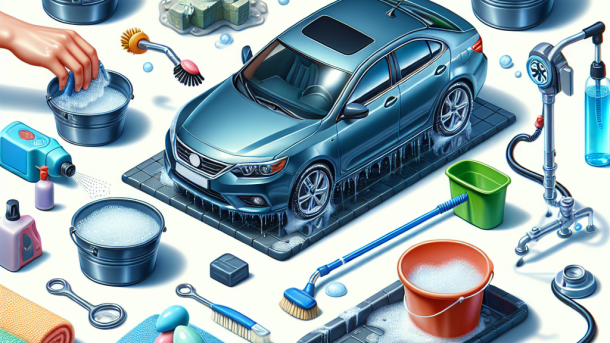
How often do I get my car washed?

Table of Content

TITLE: How often do I get my car washed?
COUNTRY CODE: US
LANGUAGE CODE: en
TABLE OF CONTENT:

  • Introduction
  • Factors Influencing Car Wash Frequency
    • Environmental factors
    • Driving habits
    • Location and climate
  • Benefits of Regular Car Washing
    • Protection against rust and corrosion
    • Maintaining paint and exterior condition
    • Increasing resale value
  • Types of Car Washes
    • Automatic car washes
    • Hand washes
    • Self-service car washes
    • Mobile car wash services
  • Recommended Car Wash Frequency
    • Weekly or biweekly recommendations
    • Adjustments for seasonal changes
    • Special cases: off-road and high-use vehicles
  • DIY Car Washing Tips
    • Essential supplies and tools
    • Proper washing techniques
    • Eco-friendly car washing methods
  • Common Car Wash Mistakes to Avoid
  • Key Takeaways
  • Conclusion

How often should you wash your car, and why is it important?

Introduction

In the bustling rhythm of modern life, the humble car often becomes an unsung hero, tirelessly carrying us from point A to B. But how often do we pause to consider its upkeep, particularly when it comes to washing? Regular car washing is more than just a cosmetic indulgence; it’s a vital component of vehicle maintenance, intertwined with the longevity and performance of your four-wheeled companion.

Understanding how often cars should be washed involves a delicate balance of several factors. From environmental challenges that bombard the exterior, to driving habits that affect dirt accumulation, the frequency of car washes can vary significantly. Moreover, the type of car wash you choose can play a crucial role in maintaining the paint and exterior condition, ultimately impacting the car’s resale value.

In this comprehensive guide, we’ll explore the myriad of elements that influence car wash frequency, delve into the benefits of regular cleaning, and provide practical tips for both DIY enthusiasts and those who prefer professional services. So, buckle up as we embark on a journey to unveil the secrets of keeping your car spotless and gleaming.

Factors Influencing Car Wash Frequency

Have you ever wondered what determines the rhythm of your car’s spa day? The frequency of car washes is not just a matter of preference but a dance of various factors that impact your vehicle over time. Let’s delve into the elements that might dictate how often you should roll up your sleeves or head to the car wash.

Environmental factors

Picture this: Your car is like a shield, constantly warding off external foes such as bird droppings, tree sap, and road salt. These environmental factors are relentless, and if left unchecked, they can lead to rust and corrosion. Regular washing acts as a protective armor, defending your car from these unseen adversaries. For more on how regular washing can stave off rust, you might find this resource on how often you should wash your car insightful.

Driving habits

Your driving habits narrate a tale of dust and grime. Are you an urban warrior navigating the city streets, or do you conquer off-road terrains? The dirt and debris accumulated during your journeys play a significant role in determining wash frequency. If you drive on dusty roads or in harsh conditions, a more frequent wash schedule is essential.

Location and climate

The climate whispers secrets to your car, influencing its cleanliness. In regions prone to heavy rain or snow, washings should be more frequent to remove mud and salt deposits. Conversely, in arid climates, dust becomes the protagonist, requiring regular attention to ensure your car remains pristine. For those curious about the financial aspect of car maintenance, exploring car wash revenue potential might provide intriguing insights.

Understanding these factors is the first step in crafting a tailored car wash schedule that will keep your vehicle not only looking great but also running smoothly for years to come.

Benefits of Regular Car Washing

Imagine your car as a knight in shining armor, gallantly battling the elements day and night. Regular car washing is akin to polishing this armor, ensuring its gleam remains undiminished and its protection unwavering. But what treasures lie hidden beneath the suds and sprays? Let’s explore the myriad benefits that regular car washing bestows upon your trusty steed.

Protection against rust and corrosion

Like a silent villain lurking in the shadows, rust and corrosion can gradually devour your car’s metal surfaces. Regular washing acts as a vigilant guardian, sweeping away harmful elements such as road salt and grime that contribute to this metallic menace. To delve deeper into the importance of washing to protect your vehicle, you can explore when not to wash a car and understand the nuances of timing in this protective ritual.

Maintaining paint and exterior condition

The paint on your car is like a vibrant canvas, reflecting your vehicle’s character. Regular washing preserves this canvas, preventing the dulling effects of accumulated dirt and contaminants. It’s a simple yet effective way to uphold the exterior’s allure and ensure your car turns heads wherever it goes.

Increasing resale value

A well-maintained car is akin to a prized artifact, commanding respect and value in the marketplace. By keeping your car clean and well-cared for, you’re not just enhancing its aesthetic appeal but also boosting its resale value. A car with a gleaming exterior and pristine interior tells a story of care and attention that prospective buyers find irresistible.

As you see, regular car washing is not merely a task but a profound investment in your vehicle’s longevity and value. For those curious about car washes as a financial endeavor, understanding these benefits might inspire new perspectives on this routine activity.

Types of Car Washes

In the realm of car washing, a variety of services beckon, each with its own unique charm and effectiveness. But which type best suits your needs and preferences? Let’s explore the different types of car washes, each akin to a distinct style of dance, inviting your vehicle to join in and twirl away the dirt.

Automatic car washes

Imagine a quick waltz through a tunnel, where machines dance around your car with precision and speed. Automatic car washes offer convenience and efficiency, making them a popular choice for those with a bustling schedule. However, be mindful of the potential for minor scratches from the brushes, and consider alternatives if your vehicle sports a delicate finish.

Hand washes

A hand wash is like a gentle ballet, where skilled hands meticulously cleanse every nook and cranny of your car. This method provides a personal touch and is ideal for those who cherish their vehicle’s aesthetics. While it takes more time, the attention to detail can yield a pristine finish that’s hard to match.

Self-service car washes

For the DIY enthusiast, a self-service car wash is akin to a solo performance, where you take the lead in choreographing your car’s cleanse. These facilities offer the tools and space for you to wash your car at your own pace. Curious about the business side of this option? Delve into the potential earnings of self-serve car washes for an enlightening read.

Mobile car wash services

Picture a tailored service that comes to you, much like a personal stylist attending to your needs. Mobile car wash services bring the convenience of professional cleaning to your doorstep, allowing you to continue with your day while your car receives a thorough cleanse.

Choosing the right type of car wash is a personal decision, influenced by time, budget, and the level of care you wish to bestow upon your vehicle. For those pondering the profitability of car wash ventures, exploring how car washes generate revenue might offer intriguing insights into this industry.

Recommended Car Wash Frequency

Have you ever wondered how often your trusty steed needs a bath? The answer isn’t a one-size-fits-all, but rather a symphony of factors harmonizing to determine the ideal schedule. Let’s explore the recommended frequency with which your car should be pampered to maintain its charm and functionality.

Weekly or biweekly recommendations

For many, a weekly or biweekly wash is the sweet spot. This frequency is often sufficient to remove the everyday grime and pollutants that accumulate during regular use. It’s like a refreshing shower that keeps your car looking and feeling its best. If you’re curious about the different types of car washes and their efficiency, dive into the realm of how often cars should be washed to unravel more insights.

Adjustments for seasonal changes

Seasons bring their own set of challenges and adjustments to your car wash routine. In winter, road salt becomes a notorious foe, necessitating more frequent washes to prevent corrosion. Conversely, spring may herald a break from the harsh elements, allowing for less frequent visits to the car wash. Embracing these seasonal shifts is key to preserving your vehicle’s luster.

Special cases: off-road and high-use vehicles

For those who venture off the beaten path or rely on their vehicle for demanding tasks, a more rigorous washing schedule is warranted. Off-road enthusiasts and high-use vehicles face unique challenges that can lead to rapid dirt accumulation. Regular cleaning is vital to maintain both appearance and performance.

Understanding these recommendations helps craft a car wash schedule that respects your vehicle’s needs and the environment it’s exposed to. For a deeper dive into how car washes can be a lucrative venture, consider exploring the monetary aspect of automated car washes.

DIY Car Washing Tips

Envision transforming your driveway into a personal car spa, where the gentle caress of water and the scent of soap dance in the air. For those who relish the satisfaction of a DIY project, washing your car at home can be a rewarding experience that blends practicality with creativity. Here, we’ll explore essential tips to ensure your car washing endeavor is both effective and enjoyable.

Essential supplies and tools

Before embarking on your car washing adventure, arm yourself with the right supplies. A quality car wash soap, soft microfiber towels, sponges, and a hose with a spray nozzle are your trusty companions. These tools provide the foundation for a thorough clean, ensuring every inch of your vehicle gleams with pride. For insight into the cost of washing your car at home, you might find this resource on home car wash expenses enlightening.

Proper washing techniques

Think of washing your car as a delicate ballet, where each movement is precise and purposeful. Begin by rinsing the car to remove loose dirt, then apply soap with a gentle touch. Use a separate cloth for the wheels to prevent scratches. Rinse thoroughly and dry with a microfiber towel to avoid water spots. This method ensures a sparkling finish worthy of admiration.

Eco-friendly car washing methods

In the spirit of sustainability, consider eco-friendly techniques that minimize water usage and environmental impact. Opt for biodegradable soaps and wash your car on the grass to allow the ground to absorb runoff. These mindful practices not only preserve the environment but also enhance the joy of your DIY car wash experience.

By embracing these DIY tips, you’ll not only maintain your car’s pristine condition but also create cherished moments of tranquility and accomplishment. For those interested in the broader realm of car wash ventures, exploring the investment potential of car washes might offer intriguing insights into this industry.

Common Car Wash Mistakes to Avoid

As you embark on the noble quest of car washing, be wary of the pitfalls that can lurk beneath the suds. These common mistakes can transform a well-intentioned cleaning session into a potential hazard for your vehicle’s pristine appearance. Let’s uncover these traps and learn how to sidestep them, ensuring your car emerges gleaming and unharmed.

One prevalent misstep is using dish soap instead of a dedicated car wash soap. Though it may seem harmless, dish soap can strip away protective wax, leaving your car vulnerable to environmental elements. Instead, opt for a soap specifically designed for vehicles, preserving the delicate balance of shine and protection.

Another common error is neglecting to rinse thoroughly before washing. Residual dirt and debris can act like sandpaper, scratching the paint as you scrub. Begin with a gentle rinse, washing away loose particles, and then proceed with your washing routine.

Moreover, avoid using one cloth for the entire car. Separate cloths for different areas, especially the wheels, prevent cross-contamination and potential scratches. Lastly, drying your car with a regular towel can leave unsightly water spots. Use a microfiber towel to achieve a spotless finish.

By steering clear of these mistakes, you ensure that your car wash experience remains a rewarding endeavor. For those contemplating the financial aspects of car washes, exploring whether car washes are a good investment might provide valuable insights into the industry.

Key Takeaways

As we journey through the myriad aspects of car washing, several key takeaways emerge, offering valuable insights into maintaining your vehicle’s luster and performance:

  • **Regular car washing** is not just a superficial task but a critical maintenance routine that shields your car from detrimental environmental elements and enhances its longevity.
  • The **frequency of washes** should be tailored to your specific circumstances, including environmental conditions, driving habits, and seasonal changes. This personalized schedule ensures optimal protection and appearance.
  • Exploring various **types of car washes**—from automatic to hand washes—allows you to choose the best method that aligns with your vehicle’s needs and your personal preferences.
  • **DIY car washing** can be a rewarding endeavor, offering an opportunity for hands-on care with the right techniques and eco-friendly practices, as detailed in our guide on home car wash expenses.
  • Steering clear of **common car wash mistakes** ensures that your efforts result in a pristine and protected vehicle, safeguarding its value and aesthetic appeal.

Embracing these insights not only maintains your vehicle’s charm but also fosters a deeper appreciation for the care and attention it deserves. For those considering the business side of car washes, the question of whether they are a sound investment is further explored in our article on car wash investments.

Conclusion

As we reach the end of our journey through the world of car washing, it’s clear that this seemingly simple task is imbued with layers of significance. Not only does it enhance the visual appeal of your car, but it also plays a pivotal role in maintaining its structural integrity and resale value. Like a silent guardian, regular car washing shields your vehicle from the relentless onslaught of environmental elements.

Whether you opt for the convenience of automated car washes or the meticulous care of a hand wash, understanding the nuances of each method ensures your car receives the attention it deserves. For those who enjoy a hands-on approach, DIY car washing offers a satisfying experience, blending practicality with creativity. Just remember to avoid common pitfalls, from using the wrong soap to neglecting proper rinsing techniques.

Ultimately, the choice of car wash frequency and type should align with your lifestyle, driving habits, and environmental conditions. By embracing a consistent routine, you not only preserve your car’s beauty but also extend its life, ensuring it continues to serve you faithfully. As you ponder the broader implications, consider exploring whether car washes are a sound investment, as detailed in our article on car wash investments.

So next time you wash your car, remember—it’s not just about a sparkling finish. It’s about honoring your trusty companion and ensuring it remains a steadfast ally on the road of life.

Why is it better to wash your car at night?

Table of Content

TITLE: Why is it better to wash your car at night?
COUNTRY CODE: US
LANGUAGE CODE: en
TABLE OF CONTENT:

  • Introduction
  • The Science Behind Car Washing
    • How water and soap interact with car surfaces
    • The impact of temperature on car washing
  • Advantages of Washing Your Car at Night
    • Reduction in water spots and streaks
    • Less evaporation and better cleaning
    • More comfortable temperatures and convenience
    • Quiet and less traffic
  • Comparing Day vs. Night Car Washing
    • Pros and cons of daytime car washing
    • Effectiveness of car cleaning at night
  • How to Properly Wash Your Car at Night
    • Gathering the right tools and supplies
    • Best practices for ensuring visibility
    • Techniques for achieving a streak-free finish
  • Common Misconceptions About Nighttime Car Washing
    • Is it safe to wash your car at night?
    • Do nighttime conditions damage car paint?
  • Environmental Considerations
    • Water usage and conservation
    • Eco-friendly car washing products
  • Conclusion

Why is it better to wash your car at night? Discover the Advantages!

Introduction

Have you ever considered the art of car washing as a nightly ritual? In the hustle and bustle of daily life, washing your car at night may seem unconventional, yet it holds a myriad of benefits. Like a serene moonlit stroll, this practice offers a peaceful reprieve from the blinding midday sun, transforming an ordinary chore into a tranquil experience.

Imagine gently caressing your car’s surface under the cool night sky, free from the harsh glare of the sun. The moonlight dances across the water droplets, creating a symphony of shimmering patterns that make car washing almost poetic. But there’s more to this nocturnal habit than mere aesthetics.

In this guide, we’ll dive into the scientific underpinnings that make nighttime car washing a smarter choice, explore its myriad advantages, and debunk common misconceptions. As you embark on this journey, you’ll discover how to achieve a perfect, streak-free finish while minimizing environmental impact. Whether you’re a car enthusiast or simply seeking a more efficient cleaning routine, this exploration promises to elevate your car washing experience.

The Science Behind Car Washing

Have you ever pondered the magical interaction between water, soap, and your car’s surface? Imagine this combination as a dance of molecules, each playing its part in the grand performance of car cleaning. When water meets soap, a symphony of chemical reactions unfolds, allowing dirt and grime to loosen their stubborn grip on your car. This fascinating process is not merely surface-level; it involves intricate science at its core.

Temperature, too, plays a vital role in this equation. During the day, when the sun beats down relentlessly, water evaporates quickly, leaving behind pesky water spots. However, at night, the cooler temperatures slow down evaporation, ensuring a more thorough rinse and cleaner result. This is one reason why nighttime car washing can be more effective.

As you delve deeper, you’ll find that the benefits of nighttime washing extend beyond mere aesthetics. If you’re curious about how car washes make money through such practices, you can explore the insights here to understand the profitability of car washes further. Understanding this science can transform your car washing routine into a more efficient and satisfying experience.

For an official perspective on water conservation, the EPA WaterSense program offers valuable insights into more eco-friendly practices when washing your car.

How water and soap interact with car surfaces

Picture your car as a canvas, and the water and soap as the skilled artists painting a masterpiece. When you mix water and soap, it’s akin to creating a magical potion that battles against the dirt and grime clinging to your car. This interaction is a delicate dance of molecules, where the soap acts as a mediator, breaking the surface tension of water and allowing it to spread more evenly across your car’s surface.

The soap molecules have two ends: one that loves water (hydrophilic) and one that detests it (hydrophobic). The hydrophobic end attaches itself to the dirt and grease on your car, while the hydrophilic end bonds with the water. This marriage enables the water to effectively lift away dirt, leaving your car sparkling clean.

However, this dance reaches a crescendo when temperatures rise. In the blistering heat of the day, water evaporates swiftly, disrupting the harmony and leaving behind unsightly water spots. This is why washing your car at night, when temperatures are cooler, can prevent such issues. For insights into the frequency of car washes, you might find this detailed exploration of how often cars should be washed enlightening.

For more scientific insights into water properties, you can explore resources from the US Geological Survey to understand the fascinating science behind the water you use in car washing.

The impact of temperature on car washing

Imagine washing your car under the blistering sun, where every drop of water seems to vanish into thin air before your very eyes. This rapid evaporation is the villain of our car washing story, leaving behind a trail of water spots that mar the pristine finish. But as the sun sets, the temperature drops, creating an ideal environment for car washing. The cooler night air slows down evaporation, giving you ample time to rinse away soap and grime without the fear of unsightly streaks.

Nighttime car washing is like a symphony in slow motion, where each droplet of water plays its part in the cleansing process. The reduced temperatures allow for a more thorough and efficient cleaning, as the water has more time to perform its magic before evaporating. This is one reason why many car enthusiasts prefer to wash their vehicles under the moonlight.

For a deeper dive into the advantages of washing your car at night, consider exploring insights on the financial benefits of self-service car washes during cooler hours, which can provide both a cost-effective and efficient solution.

To further understand the effects of temperature on materials, the National Institute of Standards and Technology offers valuable resources that delve into the science of temperature and its impact on various substances.

Advantages of Washing Your Car at Night

Have you ever found yourself battling the sun’s harsh rays while washing your car during the day? The nighttime offers a sanctuary where the moonlight becomes your gentle guide. There’s no rush, no sizzling heat, just the cool embrace of evening, making it the perfect time to indulge in a car wash. But why, you ask? Let’s unravel the benefits of this serene practice.

Washing your car at night is like painting with a palette of shadows and reflections. The reduction in water spots and streaks becomes evident when the sun is no longer your adversary. The absence of direct sunlight ensures that water evaporates slowly, allowing for a more thorough and even clean.

Moreover, nighttime washing offers a pleasant escape from the hustle and bustle of the day. The world quiets down, and traffic diminishes, creating a peaceful environment for you to focus on every nook and cranny of your car. It’s a time when you can indulge your senses and find satisfaction in the gleaming surface of your vehicle.

For those who appreciate convenience, night washing is a boon. The cooler temperatures make the task more comfortable, and the tranquility of the night provides a sense of relaxation. If you’re curious about how car washes capitalize on such practices, explore the concept of automated car washes and their profitability during off-peak hours.

For additional insights into safe nighttime activities, the National Highway Traffic Safety Administration provides valuable resources on ensuring safety during nighttime endeavors.

Reduction in water spots and streaks

Imagine the sun as an unrelenting artist, painting your car with unwanted water spots and streaks. During the day, the intense heat accelerates water evaporation, leaving behind these unsightly marks. But as night descends, the sun’s harsh gaze retreats, and temperature becomes your ally in achieving a spotless finish.

With cooler night air, water has the luxury of lingering longer on your car, allowing you to rinse thoroughly before it dries. This slower evaporation is akin to giving each droplet a chance to bid farewell, without leaving a trace on your vehicle’s surface. It’s like a symphony where every note is played with precision, resulting in a harmonious and streak-free melody.

This reduction in water spots isn’t just a matter of aesthetics; it’s an enhancement in the overall quality of your car wash. Should you be curious about the profitability behind such practices, explore the insights on how car washes make money by capitalizing on the effective nighttime cleaning.

For those interested in water conservation methods during such processes, the EPA WaterSense program offers valuable resources on eco-friendly water usage.

Less evaporation and better cleaning

Picture a blazing summer day, where each water droplet on your car’s surface seems to race against time to evaporate, leaving behind a trail of stubborn spots. This rapid evaporation is the arch-nemesis of a pristine car wash. However, as the sun dips below the horizon, the night ushers in a cooler, gentler atmosphere, perfect for washing your car.

In the calm embrace of night, evaporation slows down, allowing water and soap to work their magic more effectively. The longer contact time with your car’s surface means that dirt and grime have fewer places to hide. It’s like giving your car a night spa session, where every inch is pampered and polished to perfection.

This slower evaporation is not just a boon for cleanliness; it also makes the process more efficient. By washing your car at night, you ensure a thorough rinse, free from the worry of premature drying. If you’re interested in how such practices could enhance the profitability of car washing businesses, delve into the benefits of investing in car washes that capitalize on these nighttime advantages.

For insights into effective water use practices, the EPA WaterSense program offers guidance on conserving water while achieving a spotless clean.

More comfortable temperatures and convenience

Imagine the sweltering heat of midday, where the sun is relentless and unforgiving. Now, contrast that with the gentle embrace of a cool evening breeze as you wash your car under the moonlit sky. It’s akin to dipping your toes into a tranquil pool after a long, scorching day. Nighttime car washing offers a respite from the heat, making the task not just bearable, but enjoyable.

As the temperature drops, the convenience of spending time outdoors increases. The cooler air provides a comfortable environment, allowing you to wash your car without breaking a sweat. There’s no rush to finish before the sun makes its fiery descent upon you. Instead, you can take your time, ensuring every detail is attended to with care.

This convenience extends beyond just personal comfort. With fewer people around, the roads are less congested, offering a peaceful atmosphere to focus on your task. Plus, if you’re considering the financial aspects of car washing, you might find insights on self-serve car wash profitability during off-peak hours enlightening.

For those curious about nighttime outdoor activities and safety, resources from the National Park Service provide valuable insights into enjoying the serene beauty of the night.

Quiet and less traffic

Imagine a world where the hustle and bustle of traffic fades into a distant memory, leaving you with nothing but the gentle hum of crickets and the whisper of the night breeze. This is the serene ambiance that washing your car at night offers. The streets are quieter, the world slows down, and you find yourself in a peaceful bubble, away from the chaos of the day.

Nighttime car washing is akin to stepping into a tranquil oasis, where you can focus on the task at hand without the distractions of honking horns and bustling streets. The reduced traffic means fewer interruptions and more time to pay attention to every detail of your car, ensuring a thorough clean. It’s a time when the world seems to pause, allowing you to indulge in the simple pleasure of caring for your vehicle.

For those interested in understanding how such peaceful conditions could enhance the profitability of car washes, you might find it insightful to explore how car washes make money by leveraging these nighttime advantages.

For additional insights into safe nighttime activities, the National Highway Traffic Safety Administration provides valuable resources on ensuring safety during nighttime endeavors.

Comparing Day vs. Night Car Washing

Have you ever pondered the battle between the sun’s fierce glare and the moon’s gentle glow during car washing? In the realm of car care, the choice between daytime and nighttime washing can be as significant as choosing between a hot cup of coffee and a soothing cup of tea. Each has its merits and challenges, and understanding these can transform your car washing routine into a more effective endeavor.

During the day, the sun acts as both ally and adversary. While it provides ample light to spot every speck of dirt, it also hastens evaporation, leaving behind water spots and streaks. The heat can make the task laborious, turning what could be a meditative ritual into a hurried chore. In contrast, the nighttime offers a cooler, quieter environment, where the moonlight allows for a more leisurely and thorough clean. The reduced evaporation means fewer water spots, resulting in a gleaming, streak-free finish.

If you’re considering the profitability and effectiveness of different car wash timings, you might explore insights on how automated car washes capitalize on these conditions to enhance their services. The choice between day and night ultimately depends on personal preference and priorities, but understanding the nuances of each can elevate your car care routine to new heights.

Pros and cons of daytime car washing

Imagine standing under the radiant sun, with its golden rays casting a spotlight on every speck of dust on your car. Daytime car washing can be likened to a grand theater performance, where the sun highlights every detail, ensuring you don’t miss a single blemish. This natural illumination is one of the greatest pros of washing your car during the day; it allows for meticulous attention to detail, ensuring a thorough clean.

However, the sun’s spotlight comes with its own set of challenges. The intense heat speeds up evaporation, often leaving behind unsightly water spots and streaks. It’s as if the sun is rushing you, turning what could be a relaxing routine into a frantic race against time. The midday heat can also make the task physically taxing, pushing you to seek shade and relief.

On the flip side, daytime washing can be convenient for those who prefer to complete tasks during regular hours, and the visibility allows for precision in cleaning. For insights into how daytime conditions impact car wash profitability, consider exploring the discussion on car washes as a good investment during different times of the day.

For those interested in safe daytime outdoor activities, the NOAA’s heat safety guidelines provide valuable tips for staying safe while working in the sun.

Effectiveness of car cleaning at night

Imagine the quiet embrace of the night, where the moonlight gently guides your hand as you wash away the day’s grime. Nighttime car cleaning can be likened to a serene symphony, where each stroke of the sponge is deliberate and harmonious. The absence of harsh sunlight transforms the task into a more effective and enjoyable ritual.

The cooler temperatures of the night play a crucial role in this effectiveness. With reduced evaporation rates, water and soap have ample time to dissolve dirt and grime, ensuring a thorough clean. It’s as if the night provides a canvas where each droplet of water is a brushstroke, meticulously crafting a masterpiece of cleanliness. This slower evaporation also means fewer water spots and streaks, resulting in a brilliant finish.

Moreover, the quietude of the night allows for undisturbed focus, enabling you to pay attention to every detail. This tranquility can enhance the overall quality of the cleaning process, akin to a meditative practice. For insights into the financial aspects of such effective practices, you might explore the profitability of automated car washes during nighttime, which capitalize on the advantages of cooler temperatures.

For those interested in the science behind effective cleaning methods, the CDC’s guidelines on cleaning and disinfecting offer valuable insights into achieving optimal cleanliness.

How to Properly Wash Your Car at Night

Washing your car under the tranquil night sky might feel like painting a masterpiece in the dim glow of moonlight. It’s a delicate dance requiring the right tools and techniques to ensure your car sparkles without any streaks. Let’s dive into the essentials of nighttime car washing and transform this routine into an art form.

First, gather the appropriate tools: quality soap, microfiber cloths, a bucket, and a reliable light source. Consider using eco-friendly products that are gentle on both your car and the environment. Proper lighting is crucial to ensure you don’t miss any spots, so make sure to have portable lights or a well-lit area.

Best practices for nighttime washing involve ensuring visibility and taking your time. Use headlights or portable lamps to illuminate your work area, and pay close attention to every detail. The night offers a slower pace, allowing you to clean each nook and cranny without the pressure of the sun’s swift evaporation.

For a streak-free finish, rinse your car thoroughly before the water dries. The cool night air grants you more time to achieve that perfect shine. This meticulous attention to detail not only enhances your car’s appearance but also ensures a comprehensive clean. For insights on the profitability of such methods, consider exploring how car washes maximize efficiency during nighttime hours.

To further enhance your nighttime car washing skills, the Car Care Council offers valuable tips and resources for maintaining your vehicle’s pristine condition.

Gathering the right tools and supplies

Embarking on the nighttime car washing journey is akin to preparing for a serene evening under the stars. Just as a painter chooses their brushes carefully, gathering the right tools for this task sets the stage for a masterpiece. Picture yourself assembling a toolkit that includes quality soap, soft microfiber cloths, a sturdy bucket, and a reliable light source. These are your instruments of cleanliness, transforming your car into a gleaming work of art.

Consider using eco-friendly products that are gentle on both your vehicle and the environment. This not only enhances the shine but also ensures a harmonious balance with nature. Proper lighting is your guiding star; whether it’s portable lamps or headlights, ensure you illuminate every curve and contour of your car.

This thoughtful preparation elevates your nighttime car wash from a mundane chore to an enjoyable ritual. For further insights into effective car maintenance, the Car Care Council offers a treasure trove of tips and resources to keep your vehicle in pristine condition.

Best practices for ensuring visibility

Imagine washing your car under a sky sprinkled with stars, where visibility is key to achieving a flawless finish. Just as a sailor relies on the North Star, ensuring proper visibility during nighttime car washing is your guiding light to success. In the dim glow of night, clarity is king, and a few simple practices can make all the difference.

First and foremost, equip yourself with portable light sources. Consider using LED work lights or headlamps to illuminate every inch of your vehicle. Strategically position these lights to avoid shadows, ensuring each swipe of your sponge is precise and thorough. Additionally, make use of your car’s headlights to cast a broad beam over your work area, enhancing your ability to spot any missed spots.

When washing your car at night, patience is your ally. Take your time to inspect your work, utilizing the enhanced clarity provided by your lighting setup. This attention to detail transforms the task into a mindful experience, where each step is deliberate and satisfying.

For further insights into safe and effective car maintenance practices, the Car Care Council offers valuable resources to help you maintain your vehicle’s pristine condition even in the dim light of night.

Techniques for achieving a streak-free finish

Imagine your car as a blank canvas, ready to be transformed into a masterpiece that gleams under the moonlit sky. Achieving a streak-free finish is the crescendo of your nighttime car washing symphony, where precision and patience play the lead roles. How can you ensure this harmonious finale?

Begin by using quality microfiber cloths, which are gentle on your car’s surface and effective at capturing water droplets. These cloths are akin to a conductor’s baton, guiding each note to its perfect conclusion. After washing, perform a meticulous rinse to remove every trace of soap. The cool night air, a natural ally, allows more time for rinsing without the worry of rapid evaporation.

Drying is the final act. Employ a “blot and pat” technique with your microfiber cloth to absorb water without leaving streaks. It’s as if you’re dabbing a delicate watercolor painting, ensuring each touch is gentle and deliberate. For extra shine, a quick mist of a detailing spray can enhance the finish, adding a final flourish to your work.

If you’re considering the financial benefits of such meticulous practices, explore how car washes capitalize on efficient cleaning techniques to maximize their profitability. For additional insights into car care, the Car Care Council provides valuable resources to ensure your vehicle maintains its stunning appearance.

Common Misconceptions About Nighttime Car Washing

Nighttime car washing often conjures up images of mysterious shadows and eerie reflections, leading to a slew of misconceptions. Many people believe that washing their car at night might be akin to driving through a foggy labyrinth, filled with hidden dangers and potential damage. But are these fears justified, or are they mere phantoms of the night?

Just as myths about full moons abound, so too do misconceptions about nighttime car washing. Some worry that washing a car at night could lead to safety issues. However, with the right precautions, it can be a safe and peaceful experience. The tranquility of night offers a unique opportunity to pamper your car without the rush and chaos of daytime traffic.

Others fear that the lack of sunlight might cause damage to the car’s paint. Yet, when done correctly, washing your car at night can actually protect the paint by avoiding the sun’s harsh rays. It’s akin to a gentle lullaby for your car, soothing it under the moonlit sky.

For those interested in debunking more myths about car care, the insights on how often you should wash your car provide a wealth of information to help you make informed decisions.

For further insights into safe practices at night, the National Highway Traffic Safety Administration offers valuable resources on ensuring safety during nighttime activities.

Is it safe to wash your car at night?

Ah, the night—a time of mystery and tranquility, where shadows dance and the world seems to slow down. But when it comes to washing your car under the moonlit sky, many wonder if it’s truly safe. Is it like wandering through an unknown forest, fraught with unseen perils, or is it a serene stroll through a familiar park?

In truth, washing your car at night can be as safe as a gentle lullaby, provided you take the right precautions. Ensuring proper lighting is key; think of it as your guiding star, illuminating your path to a spotless finish. Portable LED lights or headlamps can provide ample visibility, turning potential hazards into clear, manageable tasks.

Additionally, the quietude of night offers a peaceful environment, free from the hustle and bustle of daytime traffic. This tranquility allows you to focus on the task at hand, ensuring every detail is attended to with care. For insights into safe nighttime activities, the National Highway Traffic Safety Administration provides valuable resources for ensuring safety during these serene hours.

For those who wish to unravel more mysteries surrounding nighttime car care, exploring how often you should wash your car can provide further enlightenment on maintaining your vehicle’s pristine condition.

Do nighttime conditions damage car paint?

Picture the night as a gentle guardian, wrapping your car in its cool embrace. Some might fear that washing a car under this nocturnal canopy could be akin to exposing it to hidden dangers. But is this fear grounded in reality, or is it as unfounded as the belief that the moon is made of cheese?

The truth is, nighttime conditions can actually safeguard your car’s paint. The absence of harsh sunlight means there’s no risk of the sun’s UV rays baking soap residue onto the surface, which can lead to damage over time. It’s like giving your car a soothing night spa, away from the harsh elements of the day.

In fact, washing your car at night can prevent the rapid evaporation that occurs during the daytime, which often leaves behind stubborn water spots and stains. This slower evaporation allows for a more thorough and gentle clean, ensuring your car’s paint maintains its pristine condition. For insights on how to keep your car looking its best, consider exploring how often cars should be washed for optimal maintenance.

For those concerned about automotive paint care, the Consumer Reports Car Wash Guide offers valuable tips to ensure your vehicle’s finish remains flawless.

Environmental Considerations

In our modern world, where environmental consciousness is as vital as the air we breathe, car washing becomes more than just a mundane task—it transforms into an opportunity for eco-friendly practices. How does washing your car at night contribute to this green cause, you might wonder?

Consider water usage. In the quiet of night, the cooler temperatures allow for less evaporation, meaning every drop of water is utilized more efficiently. It’s akin to a gentle whisper of conservation, where less is indeed more. This reduction in water waste aligns with the principles of sustainability, making nighttime car washing an environmentally sound choice.

Eco-friendly car washing products are another aspect to consider. These products are like the gentle hands of Mother Nature, cleansing without harming her delicate balance. Using biodegradable soaps and cleaners ensures that the water runoff doesn’t pollute our precious waterways, echoing the ethos of the EPA WaterSense program.

For those interested in diving deeper into sustainable car washing practices, consider exploring the use of eco-friendly car wash products and methods that not only benefit your vehicle but also the environment. Embracing these considerations turns a simple car wash into a mindful act of environmental stewardship.

Water usage and conservation

Imagine a world where every drop of water is as precious as a hidden gem. In this realm of limited resources, washing your car becomes more than a routine task; it transforms into an act of conservation. Embracing water-efficient practices during nighttime car washing not only benefits your vehicle but also aligns with the principles of sustainability.

At night, the cooler temperatures create an environment where water usage is optimized. It’s like conducting an orchestra where each drop plays its part to perfection, reducing waste and maximizing efficiency. This slow evaporation ensures that every droplet is used effectively, minimizing runoff and preserving our precious water resources.

Moreover, the use of eco-friendly car washing products is akin to a gentle embrace of nature. These biodegradable soaps and cleaners work harmoniously with the environment, ensuring that the water runoff is free from harmful chemicals. This practice echoes the ethos of the EPA WaterSense program, which emphasizes efficient water usage and conservation.

For those keen on understanding the economics behind sustainable car washing, exploring insights on eco-friendly car wash methods can provide a comprehensive view of how to balance quality and conservation. By incorporating these practices, you transform your car washing routine into a mindful act of environmental stewardship.

Eco-friendly car washing products

Imagine washing your car as a dance with nature, where each step is in harmony with the environment. Eco-friendly car washing products play a pivotal role in this dance, transforming a routine chore into a mindful act of stewardship. These products are like gentle whispers from Mother Earth, cleansing your vehicle without disrupting her delicate balance.

Biodegradable soaps and cleaners are at the heart of this eco-conscious approach. They are designed to break down naturally, preventing harmful chemicals from entering our waterways. It’s akin to using a feather to dust off a delicate porcelain vase—effective yet gentle. Incorporating these products into your car washing routine not only protects your vehicle but also contributes to a healthier planet.

For those interested in exploring the financial benefits of incorporating eco-friendly practices, you might consider how cost-effective these methods can be in the long run. By choosing sustainable products, you align your car care with the principles of conservation, ensuring a brighter future for both your vehicle and the environment.

For further insights into sustainable car care practices, the EPA Greener Products resource offers valuable guidance on selecting products that minimize environmental impact while maximizing effectiveness.

Conclusion

As we reach the end of this exploration into the serene world of nighttime car washing, it becomes evident that this practice is more than just a mere chore; it’s an art form that harmonizes efficiency, aesthetics, and environmental consciousness. Like a gentle waltz under the moonlit sky, washing your car at night offers a unique blend of tranquility and effectiveness that’s hard to match during the bustling hours of the day.

The advantages are clear: reduced water spots, slower evaporation, and a cooler, more comfortable environment for both you and your car. Moreover, embracing eco-friendly practices during these twilight hours not only benefits your vehicle but also contributes to the greater good of our planet. It’s a delicate balance between personal satisfaction and environmental stewardship.

For those intrigued by the profitability and sustainability of such practices, consider delving into the financial insights of car washes, especially during off-peak hours. The journey we’ve taken reveals that nighttime car washing can transform a routine task into a mindful ritual—one that leaves your car gleaming and your conscience clear.

For further exploration into the art and science of car care, the Car Care Council offers a wealth of resources to enhance your vehicle maintenance knowledge and practices.

Is it better to wash your car or leave it dirty?

Table of Content

  • Introduction
  • Reasons to Wash Your Car
    • Protecting the Paint and Finish
    • Maintaining Vehicle Value
    • Improving Safety and Visibility
  • Reasons to Leave Your Car Dirty
    • Saving Money and Resources
    • Environmental Considerations
    • Practicality of Washing During Certain Seasons
  • How Often Should You Wash Your Car?
  • Methods for Washing Your Car
    • Professional Car Wash Services
    • DIY Car Wash Tips
    • Waterless Car Wash Alternatives
  • The Impact of Weather on Car Cleanliness
    • Effects of Rain and Snow
    • Impact of Sun and Heat
  • Is Regular Washing Necessary for All Cars?
  • Key Takeaways
  • Conclusion

Is it better to wash your car or leave it dirty?

Introduction

Imagine your car as a canvas, reflecting not just your lifestyle but also your care and attention. But, is it better to wash your car or leave it dirty? This seemingly simple question unravels a tapestry of considerations, from protecting your vehicle’s paint and finish to pondering environmental impacts.

In this exploration, we will delve into the benefits and drawbacks of both sides. While some argue that regular washing enhances safety and maintains vehicle value, others emphasize saving money and resources by letting nature take its course. Furthermore, different seasons and weather conditions add complexity to this decision-making process.

Join us on this journey as we examine various factors, methods, and perspectives on car cleanliness, helping you decide whether to wash your car or embrace its natural, dusty charm. For insights on how often you should wash your car, you can explore our detailed guide on recommended car wash frequency.

Ultimately, this decision may hinge on your priorities, whether it’s the gleaming aesthetic of a spotless vehicle or the practical considerations of leaving nature’s touch untouched. Let’s dive deeper into the world of car cleanliness and uncover the truths that lie beneath the surface.

Reasons to Wash Your Car

Your car is more than just a mode of transportation; it’s an extension of your personality and investment in your lifestyle. Regularly washing your car can protect its paint and finish, ensuring it remains a reflection of your care. But the benefits don’t stop there. Washing your car may also help maintain its value, providing a tangible return on the time and effort you invest.

Moreover, clean windows and mirrors contribute to improved safety and visibility while driving. A car that glistens in the sunlight not only turns heads but also keeps you safely on the road. If you’re wondering about the financial implications, consider the insights in our article on the potential earnings from owning a car wash. This information can provide a perspective on car wash economics.

Ultimately, washing your car is an investment in its longevity, appearance, and safety. So, why not embrace the sparkling allure of a clean vehicle and reap the rewards of regular maintenance?

Protecting the Paint and Finish

Imagine your car’s paint and finish as a delicate armor, warding off the relentless foes of dust, grime, and the elements. Like a knight’s shield, it requires care and attention to maintain its luster and strength. Washing your car regularly is akin to polishing that armor, ensuring it remains resilient and radiant. The paint and finish are not just aesthetic features; they are protective layers that guard against rust and corrosion, which can silently erode your vehicle’s value.

In the same way that one might polish a prized trophy, treating your car to regular washes can prevent the dulling effects of environmental contaminants. For instance, bird droppings, tree sap, and road salt can be corrosive and damaging if left unattended. Thus, regular washing acts as a defensive measure, preserving your car’s exterior and resale value. If you’re contemplating the financial aspect, our article on the cost of washing your car at home provides valuable insights into budget-friendly maintenance. So, why not become the diligent guardian of your car’s paint and finish, and watch it shine as a testament to your care?

Maintaining Vehicle Value

Picture your car as an asset, much like a piece of fine art. Its value isn’t just intrinsic but can appreciate with the right care. Regular washing is akin to a curator preserving a masterpiece, ensuring that your vehicle retains its worth over time. Just as dust and grime can obscure a painting’s beauty, dirt and debris can mask your car’s true value.

By keeping your car clean, you’re not only maintaining its aesthetic appeal but also safeguarding its resale value. A well-maintained exterior signals to potential buyers that the car has been lovingly cared for, akin to presenting a home with freshly painted walls. This attention to detail could be the difference between a good offer and a great one. For those interested in the potential financial benefits of the car wash industry, our article on car wash profitability offers intriguing insights.

Ultimately, maintaining your car’s cleanliness is more than a chore; it’s an investment in its future value. So, treat your vehicle like the prized possession it is, and you’ll find that its worth continues to shine brightly.

Improving Safety and Visibility

Imagine driving through a foggy night, where clarity is obscured by the shroud of mist. Now, picture adding a layer of grime to your car’s windows and mirrors; the world outside becomes even murkier. Regular washing acts as a beacon, illuminating your path and ensuring the safety of your journey. Clean windows and mirrors are akin to a clear lens, offering you a sharp view of the road and its potential hazards.

Moreover, headlights and taillights, when free from dirt, shine brighter, signaling your intentions to fellow travelers. This is not merely about aesthetics; it’s about ensuring that your car communicates effectively in the dance of traffic. If you’re curious about how often this should be a part of your routine, delve into our guide on car wash frequency for more insights.

In essence, washing your car regularly enhances your visibility and safety, turning every drive into a clearer, more secure experience. Like a lighthouse guiding ships through treacherous waters, a clean car helps you navigate the road with confidence.

Reasons to Leave Your Car Dirty

Contrary to popular belief, leaving your car dirty may offer unexpected benefits, painting a picture of practicality and environmental consciousness. Embracing the natural, dusty charm of your vehicle can be a strategic choice, allowing you to save both money and resources. Why spend on frequent washes when you can let nature’s patina add character to your car?

Moreover, washing your car less frequently can be a statement of environmental responsibility. Consider the impact of water consumption and chemical runoff from car washes, which can weigh heavily on our planet. By reducing your car’s washing frequency, you may be contributing to a greener future, echoing the sentiments of those who prioritize sustainability.

Additionally, during certain seasons, such as winter, washing your car can be impractical due to road salt and snow. For insights into when washing may not be ideal, explore our article on when to avoid washing your car. Ultimately, deciding to leave your car dirty can be a conscious choice, balancing practicality with environmental considerations.

Saving Money and Resources

Consider your car as a thrifty companion, one that understands the value of a penny saved. By opting to leave your car dirty, you’re making a savvy decision that can conserve both money and resources. Frequent car washes, whether at home or professionally, can add up in cost. The water, cleaning agents, and time invested all contribute to expenses that might be spared with a more laissez-faire approach to cleanliness.

Moreover, with growing awareness about water scarcity and environmental conservation, reducing water usage is a commendable choice. Rather than rinse away gallons down the drain, embracing a naturally dusty exterior can be a testament to environmental mindfulness. This decision aligns with the broader conversation around sustainability and resource efficiency.

Thus, leaving your car dirty isn’t just about saving money; it’s about adopting a resource-conscious mindset. By balancing financial prudence with ecological considerations, you’re making a decision that benefits both your wallet and the planet. For those interested in the economic side of car maintenance, exploring how automated car washes fare financially can offer additional insights.

Environmental Considerations

Picture your car as a canvas illustrating the delicate balance between convenience and sustainability. Choosing to leave it dirty can be a conscious decision that reflects a commitment to environmental stewardship. Frequent washing can lead to significant water usage and potential runoff of harsh chemicals, impacting our waterways and ecosystems.

By reducing the frequency of car washes, you align with the growing global movement towards environmental conservation. This choice mirrors the ethos of individuals seeking to reduce their carbon footprint and embrace a more sustainable lifestyle. It’s akin to choosing a reusable bag over a plastic one—seemingly small, yet significantly impactful.

Additionally, the environmental implications of car washing extend beyond water consumption. Consider the energy used in automated car washes and the potential pollution from transporting and processing cleaning products. By letting nature take its course, you contribute to a cleaner, greener future. For those pondering the broader impact of car wash practices, our article on the sustainability of car wash investments offers valuable insights.

Ultimately, choosing to leave your car dirty can be a powerful statement, one that champions environmental considerations over mere aesthetics. It embodies a meaningful step towards a more sustainable world.

Practicality of Washing During Certain Seasons

Imagine your car as a stoic traveler, braving the elements through each passing season. During winter, for instance, the roads become a treacherous mix of snow, ice, and road salt, blanketing vehicles in a gritty embrace. Washing your car in such conditions might seem like a Sisyphean task, as the pristine shine is quickly masked by yet another layer of salt and grime.

Similarly, in rainy seasons, nature’s own rinse cycle takes over, rendering frequent washes somewhat redundant. The practicality of washing your car during these times becomes a question of timing and necessity. Does it make sense to battle against the elements, or should you embrace the seasonal patina that your vehicle acquires?

For those curious about when washing might not be ideal, our article on when to avoid washing your car offers guidance tailored to seasonal challenges. Ultimately, understanding the practicality of washing during certain seasons can save time, money, and effort, allowing you to better allocate your resources where they matter most.

How Often Should You Wash Your Car?

Think of washing your car as part of a rhythm, like the changing of seasons or the beats of a drum. But how often should this ritual take place? The answer, much like a finely tuned instrument, depends on a harmony of factors.

For city dwellers navigating through urban jungles, pollutants and grime may call for more frequent washes, akin to regular tune-ups for optimal performance. However, those in rural areas with less exposure to industrial fallout might enjoy a more leisurely washing schedule.

Climate, too, plays a significant role. In snowy regions, frequent washing can remove corrosive road salt, safeguarding your vehicle’s finish. Conversely, during dry, dusty seasons, a less stringent routine may suffice.

Ultimately, the frequency of washing should mirror your environment, lifestyle, and priorities. For a detailed guide on recommended car wash frequency, explore our insights on how often you should wash your car. Understanding these elements will help you strike the right balance, ensuring your car remains as vibrant as a well-rehearsed symphony.

Methods for Washing Your Car

Washing your car is an art, much like painting a masterpiece or crafting a fine sculpture. The method you choose can reflect your personal style and practical needs, whether it be the meticulous attention of a professional service or the satisfying hands-on approach of a DIY wash.

Professional car wash services offer the convenience of expertise and efficiency, akin to having a skilled artisan bring out the brilliance of your vehicle. On the other hand, DIY car wash tips allow you to become the artist, crafting each detail with your personal touch. This method can be both economical and fulfilling, providing a sense of accomplishment as you unveil your car’s radiant shine.

For those seeking eco-friendly options, waterless car wash alternatives present an innovative solution, echoing the ethos of sustainability. These methods conserve water and reduce chemical runoff, aligning with a greener lifestyle. To understand the costs associated with washing your car at home, explore our guide on home car wash expenses.

Ultimately, the method you choose should resonate with your values, preferences, and circumstances, ensuring your car remains a gleaming testament to your care.

Professional Car Wash Services

Envision a team of skilled artisans, each with a discerning eye and practiced hand, ready to transform your vehicle into a gleaming masterpiece. Professional car wash services offer this level of craftsmanship, providing an experience akin to visiting a luxury spa, but for your car. They bring expertise, efficiency, and a range of specialized tools and techniques that can rejuvenate even the most tired of exteriors.

These services are designed to cater to a variety of needs, from a simple exterior wash to a comprehensive detailing package that leaves no stone unturned, or rather, no speck of dust unchallenged. It’s an opportunity to entrust your vehicle to experts who understand the art and science of car care. If you’re curious about the financial landscape of such services, our article on car wash investments offers intriguing insights into their potential profitability and sustainability.

Ultimately, choosing professional car wash services is about more than convenience; it’s an investment in preserving your vehicle’s beauty and longevity, ensuring it continues to turn heads and spark admiration wherever it goes.

DIY Car Wash Tips

Imagine yourself as an artist, standing before a canvas, with your car as the masterpiece waiting to be unveiled. DIY car washing allows you to take the reins, transforming this routine task into a labor of love. With a few simple tools and techniques, you can achieve a shine that rivals professional services, all while enjoying the satisfaction of a job well done.

Start by gathering your essentials: a bucket, car wash soap, a soft sponge or wash mitt, and a microfiber towel for drying. Avoid dish soap, as it can strip your car’s protective wax. Begin by rinsing the car to remove loose dirt, then wash it section by section, rinsing frequently to prevent soap from drying on the surface.

Pay special attention to wheels and lower panels, where grime and brake dust accumulate. Rinse thoroughly, and dry with a microfiber towel to prevent water spots. For those concerned about costs, our guide on home car wash expenses provides insights into making this process budget-friendly.

Embrace the DIY approach as an opportunity to connect with your vehicle, ensuring it remains a reflection of your care and dedication. Each stroke of the sponge, each rinse, and each towel pass contributes to a gleaming finish, showcasing your personal touch and attention to detail.

Waterless Car Wash Alternatives

Imagine your car as a blank canvas, awaiting an artist’s touch, but instead of traditional brushes and colors, you utilize innovative, eco-friendly solutions. Waterless car wash alternatives offer a novel approach, allowing you to achieve a sparkling clean vehicle without the use of a single drop of water. This method is akin to painting a picture using vibrant, sustainable hues that leave no environmental footprint.

These products often come in spray bottles, containing special cleaning agents that lift dirt and grime while leaving a protective layer on your car’s surface. It’s like a magician’s trick, transforming the dusty cloak into a radiant shine with just a few sprays and wipes. Waterless washes are particularly ideal for those living in areas with water restrictions or for quick touch-ups in between regular washes.

Embracing waterless car wash alternatives aligns with the growing movement toward sustainability, conserving precious resources while maintaining your vehicle’s pristine condition. If you’re curious about the financial impact of car wash methods, our article on self-serve car wash earnings provides an insightful perspective.

Ultimately, choosing waterless car wash alternatives is not only a practical decision but also a statement of environmental responsibility. Let your car gleam with the knowledge that you’ve made a choice that reflects both care for your vehicle and the planet.

The Impact of Weather on Car Cleanliness

Imagine weather as a whimsical artist, painting your car with layers of dust, rain, and even sunshine. Each weather condition leaves its mark, affecting how clean or dirty your vehicle appears. Understanding the impact of weather on car cleanliness helps you decide when to wash or let nature take its course.

Rain and snow can act as both a rinse and a magnet for dirt. While they might wash away surface dust, they often leave behind streaks and water spots. Road salt used in winter can be particularly damaging, clinging to your car’s surface like an unwelcome guest.

On the other hand, sun and heat have their own tale to tell. They can bake contaminants onto your car’s finish, making them harder to remove and potentially causing damage over time. For guidance on when washing might be less effective, explore our article on when to avoid washing your car.

Ultimately, weather plays a pivotal role in your car’s cleanliness, serving as both a natural cleaner and a potential culprit in the battle against grime. Understanding its effects can help you maintain your car’s shine, no matter the season.

Effects of Rain and Snow

Picture rain and snow as unpredictable artists, each wielding a brush that can either cleanse or tarnish your car’s exterior. When the sky opens up, rain can act as a temporary rinse, washing away the loose dust that clings to your vehicle. However, this natural cleanse often leaves behind unsightly water spots, akin to a painter’s accidental splatter marring an otherwise pristine canvas.

Snow, on the other hand, is a double-edged sword. While it blankets your car in a soft, white layer, it also mixes with road salt, creating a corrosive concoction that can eat away at your car’s finish like a relentless moth gnawing at a fine tapestry. This relentless assault underscores the importance of timely washing, especially during winter months, to protect against rust and corrosion.

For those seeking guidance on when washing might be less effective due to weather conditions, our article on when to avoid washing your car offers valuable insights. In essence, understanding the effects of rain and snow on your car is crucial for maintaining its pristine appearance and protecting its longevity.

Impact of Sun and Heat

Imagine the sun as a relentless artist, using its heat to etch patterns onto your car’s surface. While sunlight can make a freshly washed car gleam like a jewel, prolonged exposure can also bake contaminants into the paint, much like a potter firing a piece of pottery. This can lead to oxidation, turning your car’s once vibrant hue into a dull, faded memory.

In the sweltering heat, dirt and grime can become stubborn, clinging to the paint and making it harder to remove, akin to a painter’s brush strokes that refuse to fade. The UV rays from the sun can also cause the paint to crack and peel over time, like an ancient fresco losing its luster. If you’re curious about the implications of regular washing in such conditions, our article on car wash economics provides interesting insights.

Ultimately, understanding the impact of sun and heat on your car underscores the importance of regular washing and protective measures, such as waxing, to shield your vehicle from the sun’s relentless gaze. By doing so, you can preserve your car’s appearance and ensure it remains a testament to your care and attention.

Is Regular Washing Necessary for All Cars?

Imagine cars as characters in a grand play, each with its own role and script. Some cars, like daily commuters, face the world with grit, gathering layers of dust and grime as badges of honor. Others, like classic collectibles, are pampered stars, shining under the spotlight with meticulous care. But does every car need the same level of attention when it comes to washing?

The necessity of regular washing largely depends on the car’s lifestyle. For vehicles frequently traversing urban environments, regular washing is crucial to combat pollution and road debris, much like a knight donning armor for battle. Conversely, cars that enjoy the quiet life in rural settings may require less frequent attention, akin to a monk’s serene existence.

Additionally, the choice of washing frequency can be influenced by factors such as paint type, usage, and climate. A car’s paint quality, much like a fine wine, can dictate the level of care needed to preserve its allure. For those pondering the economic implications, our article on car wash profitability offers intriguing insights.

Ultimately, the decision of how often to wash your car is a nuanced one, balancing aesthetics, practicality, and personal preference. Whether your car is a rugged adventurer or a polished gem, understanding its unique needs ensures it remains a reflection of your care and attention.

Key Takeaways

As we navigate the world of car cleanliness, several key takeaways emerge, offering insights into the perennial question: is it better to wash your car or leave it dirty? First and foremost, regular washing is essential for maintaining your car’s paint and finish, much like a knight’s armor, protecting against the elements and preserving resale value.

Conversely, embracing a naturally dusty look can be a strategic choice, saving money and conserving resources, all while championing environmental sustainability. This approach aligns with a commitment to reducing water usage and chemical runoff, akin to choosing a more sustainable path in a world of convenience.

Moreover, the impact of weather plays a significant role, with rain, snow, and sun each leaving their marks on your car’s cleanliness. Understanding these effects can guide your washing routine, ensuring your vehicle remains pristine through every season’s dance.

Ultimately, the decision to wash or not to wash is a personal one, influenced by factors such as lifestyle, environment, and priorities. Whether you choose the gleaming allure of a clean car or embrace the rugged charm of a dusty exterior, it’s about finding the balance that reflects your values and needs. For those interested in the broader car wash industry, our article on car wash profitability offers further insights into this fascinating world.

Conclusion

In the grand tapestry of car maintenance, the choice to wash or leave your car dirty weaves a complex narrative of care, resourcefulness, and environmental mindfulness. As we’ve explored, regularly washing your vehicle not only enhances its aesthetic appeal but also serves as a protective measure, akin to a knight’s armor against the relentless onslaught of the elements. However, this isn’t a one-size-fits-all decision.

Embracing a naturally dusty exterior can be a conscious choice that aligns with values of sustainability and practicality, particularly during certain seasons. This approach resonates with those who prioritize resource conservation, echoing a commitment to a greener planet. It’s a decision that reflects a balance between immediate gratification and long-term stewardship.

Ultimately, the question of whether to wash your car or let nature take its course is deeply personal, influenced by factors such as lifestyle, environment, and individual priorities. Whether you choose to revel in the gleaming allure of a spotless vehicle or embrace the rugged charm of a dusty exterior, remember that this decision is a reflection of your unique values and needs.

For a deeper understanding of how the economics of the car wash industry can influence your decision, explore our insights on car wash profitability. As you navigate this journey, may your choices shine as brightly as the car you cherish.

Does washing your car make it run better?

Table of Content

TITLE: Does washing your car make it run better?
COUNTRY CODE: US
LANGUAGE CODE: en
TABLE OF CONTENT:

  • Introduction
  • The Relationship Between Car Maintenance and Performance
  • How Car Washing Affects Vehicle Performance
    • Exterior Cleanliness and Aerodynamics
    • Preventing Corrosion and Rust
    • Long-term Maintenance Benefits
  • Psychological Effects of a Clean Car
  • The Importance of Regular Car Washing
    • Recommended Frequency
    • DIY vs Professional Car Wash
  • Myths and Facts About Car Washing and Performance
  • Key Takeaways
  • Conclusion

Does washing your car make it run better?

Introduction

Does the sparkle of a freshly washed car go beyond mere aesthetics? It might seem like a mere surface-level indulgence, yet washing your car could hold the key to unlocking hidden performance benefits. Imagine your vehicle as a symphony, where each part plays its role harmoniously. Dust, grime, and debris can disrupt this harmony, potentially affecting the vehicle’s efficiency. But how exactly does a clean car connect with enhanced performance? In this exploration, we delve into the intriguing relationship between regular car washing and vehicle performance. We’ll examine whether sparkling exteriors and well-maintained interiors can truly make your car hum a little happier on the road. For insights on how often you should indulge in this ritual, you might consider the recommended frequency of car washing to get the most out of your vehicle.

The Relationship Between Car Maintenance and Performance

Think of your car as a finely tuned orchestra, where every instrument contributes to the overall harmony. Just as a maestro ensures each musician is well-prepared, regular maintenance ensures your vehicle performs optimally. From oil changes to tire rotations, these rituals are not merely about keeping your car running; they are about enhancing its performance.

But what role does cleanliness play in this symphony? Surprisingly, a clean car can influence its performance more than you might think. A layer of dirt and grime can disrupt the aerodynamics, much like a musician playing out of tune. Over time, neglecting to wash your car might lead to corrosion and rust, akin to an aging instrument losing its luster.

Indeed, the connection between maintenance and performance is profound. Regularly washing your car is akin to regular tuning, ensuring every component functions at its best. If you’re curious about how much you might save or spend on maintaining this harmony, explore the potential earnings and costs of owning a car wash here. Additionally, understanding the financial side of maintaining a clean car can be as enlightening as learning about car washes from an authoritative source like Wikipedia.

How Car Washing Affects Vehicle Performance

Picture your car as a graceful dancer, gliding effortlessly across the stage. Yet, even the most talented performer can stumble if burdened by unnecessary weight or resistance. Similar to how dirt and grime can weigh down a dancer’s costume, they can also hinder your car’s performance.

When it comes to aerodynamics, a sleek, clean exterior allows the vehicle to slice through the air with minimal resistance. Think of it as a streamlined arrow, cutting through the atmosphere with precision. On the other hand, accumulated dirt and debris act like invisible brakes, subtly reducing efficiency and increasing fuel consumption.

Moreover, washing your car regularly can fend off the menacing threat of corrosion and rust. These silent adversaries can eat away at your car’s bodywork, much like how termites gnaw at the foundations of a house. Preventing such damage not only preserves the car’s aesthetic appeal but also safeguards its structural integrity.

In essence, a clean car is not merely about appearances. It’s about ensuring that every journey is as smooth and efficient as possible. And if you’re pondering the potential earnings of entering the car wash business, you might find insights on whether car washes make money valuable. For a deeper dive into the science of aerodynamics, consider exploring resources like NASA’s explanation of aerodynamics.

Exterior Cleanliness and Aerodynamics

Imagine your car as a sleek cheetah, poised to sprint across the savannah. Just as a cheetah’s streamlined body allows it to cut through the wind with minimal resistance, a clean car exterior enhances its aerodynamic efficiency. Dirt and grime, like unwelcome guests, can cling to your vehicle’s surface, creating drag and reducing fuel efficiency. This is why maintaining exterior cleanliness is crucial.

Think of it as your car wearing a tailored suit, designed to move fluidly through the air. When the suit is clean, the car glides effortlessly, consuming less fuel. But when it’s dirty, the suit becomes a cumbersome cloak, slowing the car’s progress. This principle is not mere fiction; it’s grounded in the science of aerodynamics, as explained by experts like NASA.

For car owners considering the financial aspect of maintaining a clean exterior, the car washing industry may offer lucrative opportunities. Discover whether automated car washes make money, and learn if investing in such ventures could align with your goals. Regular washing not only preserves your car’s performance but could also be a gateway to new business prospects.

Preventing Corrosion and Rust

Picture rust as a silent predator, lurking in the shadows, waiting to feast on your beloved vehicle. Much like how termites can slowly devour the wooden beams of a house, corrosion can quietly eat away at your car’s metal framework. But fear not, for regular washing is akin to a knight’s armor, shielding your vehicle from this relentless foe.

When dirt, salt, and moisture conspire, they create the perfect breeding ground for rust. This trio of troublemakers can penetrate the paintwork, attacking the metal beneath. However, consistent car washing acts as a vigilant guardian, removing these harmful elements before they can cause damage.

By preventing corrosion, you’re not only preserving your car’s aesthetic appeal but also safeguarding its longevity and resale value. Think of it as investing in the future of your vehicle. For a deeper understanding of how regular maintenance, including washing, can impact your vehicle’s performance, explore the nuances of self-service car washes and their potential earnings. Additionally, gain insights from authoritative sources like EPA guidelines on maintaining a clean and safe vehicle.

Long-term Maintenance Benefits

Consider your car as a cherished heirloom, passed down through generations. Just as a well-preserved antique gains value over time, maintaining your car’s cleanliness can yield long-term benefits. Regular washing is akin to the gentle care an artisan bestows upon a masterpiece, ensuring its beauty and functionality endure.

Over time, accumulated dirt and grime can act like a corrosive force, slowly eroding your car’s surface and diminishing its value. However, by embracing the routine of washing, you’re investing in the longevity of your vehicle. This practice not only preserves its aesthetic appeal but also enhances its resale value, much like a painting that appreciates with age.

Moreover, a well-maintained exterior and interior can lead to reduced repair costs in the long run. By preventing issues like rust and corrosion, you’re safeguarding your car from potential damage that might require costly fixes. This wise approach to maintenance can also make your vehicle more attractive to potential buyers, should you decide to sell it in the future.

For those pondering the financial implications of car maintenance, consider the insights on whether car washes are a good investment. Additionally, explore trusted resources like the NHTSA to understand the broader impact of regular maintenance on vehicle safety and performance.

Psychological Effects of a Clean Car

Imagine stepping into a pristine, freshly cleaned car. The air feels lighter, your mood brightens, and even the road ahead seems inviting. A clean car can work wonders on your psyche, much like a tidy home can bring about a sense of tranquility and control. This isn’t just about aesthetics; it’s about the profound connection between our environment and mental well-being.

Driving a clean car can boost your confidence and project an image of responsibility and attentiveness to others. It’s akin to wearing a crisp, tailored suit to a job interview—it speaks volumes about your personality and attention to detail. This psychological boost can enhance your driving experience, making you more alert and focused on the road.

Moreover, the act of washing your car can be therapeutic, providing a sense of accomplishment and mindfulness. It’s a chance to disconnect from the chaos of daily life, much like a meditative ritual. For those curious about the financial implications of frequent car washing, explore how much it might cost to wash your car at home. Additionally, delve into the broader impact of cleanliness on mental well-being through resources like Psychology Today.

The Importance of Regular Car Washing

Imagine your car as a loyal companion, always ready for the journey ahead. Just as you would care for a cherished friend, regular car washing is an essential part of maintaining your vehicle’s health and longevity. It’s more than just a superficial cleanse; it’s an act of preservation that can significantly impact your car’s performance and value.

Regular washing removes dirt, grime, and road salt, which can act like tiny daggers, slowly etching away at your car’s exterior. This process helps prevent the onset of rust and corrosion, much like applying sunscreen shields your skin from harmful rays. Moreover, a clean car is more than just a visual treat; it contributes to smoother aerodynamics and improved fuel efficiency.

For those wondering about the financial aspects of regular washing, you might explore whether car washes make money, and how investing in such practices can be both an economic and beneficial choice for your vehicle. Delve into authoritative insights from resources like Consumer Reports to understand the broader impact of regular car maintenance on your vehicle’s performance and longevity.

Recommended Frequency

Think of your car as a living entity that thrives on attention and care. Just like how we need regular check-ups to stay healthy, your car too requires consistent washing to maintain its vitality. So, how often should you wash your car to keep it in optimal condition?

The answer depends on factors such as climate, driving conditions, and personal habits. In dusty or coastal areas, where salt and grime are prevalent, more frequent washes are essential—possibly every week or two. Conversely, in less harsh environments, a monthly wash might suffice.

For many, the idea of washing their car at home is appealing. However, when considering time and effort, professional car washes may provide convenience and efficiency. If you’re curious about the financial implications of this choice, explore whether car washes are a good investment. Additionally, for a broader perspective on car care, consider insights from reputable sources like Consumer Reports.

DIY vs Professional Car Wash

When it comes to washing your car, the age-old debate of DIY versus professional services arises. Think of it as choosing between preparing a homemade meal or dining at a restaurant. Each has its unique flavor and benefits.

DIY car washes offer the satisfaction of hands-on care. Imagine the therapeutic rhythm of water and soap, as you meticulously attend to every detail of your car. It’s a chance to bond with your vehicle, much like how an artist perfects a masterpiece. Plus, washing at home can be cost-effective, as you have control over the materials and tools used. If you’re curious about the expenses involved in this route, you might consider exploring how much it costs to wash your car at home.

On the other hand, professional car washes offer convenience and expertise. Much like entrusting a chef with your meal, professionals possess the skills and equipment to deliver a thorough clean. This option is ideal for those with busy schedules or who prefer a more meticulous clean.

Ultimately, the choice between DIY and professional car washes depends on your priorities—whether it’s the personal touch of a DIY wash or the efficiency of professional services. For insights on the profitability and business side of car washing, consider whether car washes make money, and explore resources like Consumer Reports for a broader perspective on car care.

Myths and Facts About Car Washing and Performance

In the world of car maintenance, myths can often cloud the truth like a dense fog over a serene landscape. One might wonder, does washing your car truly enhance its performance, or is it just a myth whispered among car enthusiasts? Let’s embark on a journey to uncover the reality behind these tales.

Myth: A sparkling clean car automatically runs better. While cleanliness plays a role in vehicle efficiency, it’s not a magic potion. The real benefit lies in removing grime that could interfere with aerodynamics and accumulate moisture, leading to rust.

Fact: Regular washing wards off corrosion. Think of it as a protective shield against the elements, similar to a knight’s armor. This practice preserves the car’s integrity and appearance, akin to polishing a cherished heirloom.

Myth: Washing your car frequently is a waste of time and money. In reality, regular maintenance, including washing, can fend off long-term damage and potential repair costs. For those considering the financial aspects of car washing, you might explore whether car washes make money.

Fact: A clean car can improve fuel efficiency. By reducing drag, the vehicle moves more smoothly, much like a well-oiled machine. For a deep dive into vehicle maintenance, consider resources like Consumer Reports.

Key Takeaways

As we conclude this journey through the realm of car washing and performance, let’s distill the essence of what we’ve discovered. A clean car is not just about aesthetics; it’s a symphony of maintenance and preservation.

A regular wash acts as a protective shield, warding off corrosion and enhancing aerodynamics. Much like a knight’s armor or a cheetah’s sleek form, it ensures your vehicle operates smoothly, saving you on fuel and potential repairs.

Furthermore, the psychological benefits of driving a clean car shouldn’t be underestimated. It boosts confidence, projects a positive image, and offers a therapeutic escape from daily stresses. For those curious about the financial side, exploring the profitability of car washes can provide valuable insights.

In essence, regular maintenance, including washing, is an investment in your vehicle’s future. It’s akin to nurturing a cherished heirloom, ensuring it remains a source of joy and pride for years to come. To deepen your understanding of vehicle maintenance, consider consulting authoritative resources like the NHTSA.

Conclusion

In the grand tapestry of car maintenance, washing your vehicle emerges as a vital thread, weaving together aesthetics, performance, and longevity. Just as an artist carefully preserves their masterpiece, regular car washing safeguards your vehicle’s beauty and functionality.

Beyond the surface shine, a clean car embodies a commitment to optimal performance. By fending off corrosion and enhancing aerodynamics, it ensures that your vehicle remains a reliable companion on every journey. This practice is not merely a vanity project; it’s a proactive measure to prevent potential issues down the road.

Moreover, the psychological upliftment of driving a clean car is akin to donning a meticulously tailored suit—boosting confidence and projecting a positive image. As you consider the benefits of car washing, explore the potential profitability of entering the business world of car washes to see if it aligns with your aspirations.

Ultimately, whether you’re washing your car yourself or opting for professional services, remember that each wash is an investment in your vehicle’s future. Much like a cherished heirloom, your car deserves the care and attention that will keep it gleaming for years to come. For those seeking further insights into vehicle maintenance, consult reputable sources like NHTSA to stay informed about the best practices.

Why do cars drive better after being washed?

Table of Content

TITLE: Why do cars drive better after being washed?
COUNTRY CODE: US
LANGUAGE CODE: en
TABLE OF CONTENT:

  • Introduction
  • The Psychological Impact of Driving a Clean Car
    • Boost in Driver Confidence
    • Enhanced Focus on the Road
  • The Science Behind a Clean Car
    • Reduction of Air Resistance
    • Improved Visibility and Safety
  • Mechanical Benefits of a Car Wash
    • Prevention of Corrosion and Rust
    • Protection of Car Components
  • The Role of Car Detailing in Performance
    • Importance of Proper Waxing and Polishing
    • How Detailing Enhances Vehicle Efficiency
  • Environmental Factors and Car Maintenance
    • Impact of Dirt and Debris on Car Performance
    • Long-term Effects of Neglecting Car Washes
  • Key Takeaways
  • Conclusion

Why do cars drive better after being washed?

Introduction

Have you ever noticed how your car seems to glide more smoothly along the road after a fresh wash? It’s as if the entire driving experience undergoes a transformation, breathing new life into your vehicle’s performance. But what is it about a clean car that makes it seem to drive better? This question delves into more than just aesthetics; it touches upon psychological, scientific, and mechanical aspects that contribute to a car’s improved performance post-wash.

Imagine your vehicle as a knight in shining armor, where the shine doesn’t just reflect its beauty but also its readiness to conquer the roads with renewed vigor. The layers of grime and dust it accumulates over time can act as an invisible cloak, dulling its efficiency and even its safety. By washing away these layers, you’re not only restoring its gleaming exterior but also enhancing its capability to perform at its best.

In this exploration, we’ll uncover the multifaceted reasons why cars seem to drive better after being washed, from the psychological boost to the tangible improvements in aerodynamics and safety. We will also delve into the potential financial benefits of regular car washes, addressing questions like whether car washes can be a lucrative business and if they are a sound investment.

Stick with us as we embark on this journey of discovering how a simple act of cleaning can make a world of difference in your driving experience.

The Psychological Impact of Driving a Clean Car

Picture yourself sliding into the driver’s seat of a freshly washed car. The clean scent, the sparkle of the dashboard, and the shine of the exterior all seem to whisper promises of a smoother, more enjoyable ride. But is this just an illusion? Not entirely. The psychological impact of driving a clean car is a fascinating subject, and it goes deeper than you might think.

Driving a clean car can boost your confidence, much like wearing a well-tailored suit to an important meeting. Just as the suit empowers you to command a room, a clean car can make you feel like you own the road. This confidence isn’t merely vanity; it’s a psychological edge that can enhance your focus and make you more attentive to the driving experience.

Interestingly, this psychological boost also extends to how you perceive the vehicle’s performance. The cleanliness can make it feel as though the car is more responsive, smoother, and, yes, even faster. It’s not just about looking good; it’s about feeling good and driving with an enhanced sense of purpose. To understand how often you should embrace this ritual for both psychological benefits and car maintenance, consider exploring how frequently cars should be washed.

In the following sections, we’ll dive deeper into how this psychological uplift also aligns with some scientific principles, revealing why the sleek, clean lines of a freshly washed car can indeed lead to better driving performance.

Boost in Driver Confidence

Imagine stepping into a freshly polished car, the crisp scent of cleanliness enveloping you like a comforting embrace. This isn’t just about aesthetics; it’s about empowering the driver with a sense of pride and confidence. A clean car can transform your mindset, much like how wearing a new outfit can make you feel invincible.

When you drive a spotless vehicle, it often feels like the road opens up, inviting you to explore with newfound assurance. This psychological boost is not merely a figment of imagination; it significantly influences how you interact with your vehicle. The gleaming surfaces and spotless windows can make you more attentive and engaged, enhancing your overall driving experience.

In turn, this confidence can translate into safer driving habits. With a clear mind and a clearer view, you’re more likely to make informed decisions on the road. For those curious about how this psychological effect intertwines with practical benefits, consider exploring how regular washes contribute to maintaining this confident mindset.

Enhanced Focus on the Road

Have you ever noticed how a clean car seems to sharpen your senses and enhance your focus on the road ahead? It’s as if the act of washing away dirt not only clears your vehicle’s exterior but also sweeps away mental clutter, allowing you to concentrate better. This isn’t just a psychological trick; it’s a blend of perception and reality that impacts your driving experience.

Driving a clean car can be likened to peering through a crystal-clear lens. The absence of smudges and obstructions on your windshield enhances visibility, which naturally boosts your attention to the road. This clarity can lead to more responsive driving, as you’re able to better anticipate and react to the ever-changing dynamics of traffic.

Moreover, the meticulous process of washing and detailing your car can also serve as a meditative ritual, preparing your mind for the journey. By investing time in maintaining your vehicle’s cleanliness, you’re indirectly fostering a mindset of focus and precision, leading to a more engaged driving experience. For those interested in understanding the broader implications of car maintenance, consider exploring when it might be best to skip a wash for optimal results.

The Science Behind a Clean Car

When we delve into the realm of science, the transformation of a vehicle post-wash becomes more than just a superficial makeover. Imagine a finely tuned orchestra where every note plays in harmony, creating a symphony of efficiency. This is what happens when a car sheds its coat of dirt and grime – it becomes an instrument finely attuned to the road.

One might wonder, how does a simple wash translate to better driving? The answer lies in the reduction of air resistance, much like a streamlined bird effortlessly slicing through the air. A clean car minimizes drag, allowing it to glide with greater ease and efficiency. Not only does this enhance fuel economy, but it also contributes to a smoother ride.

Moreover, a clean vehicle is akin to a well-oiled machine where every component works in unison. Improved visibility, unclouded by dirt, ensures that safety isn’t compromised. For those pondering the financial aspect of maintaining a clean car, exploring the profitability of car washes might offer intriguing insights.

As we proceed, let’s explore the mechanical benefits that align with this scientific marvel, unraveling the layers of advantages that a clean car brings to the table.

Reduction of Air Resistance

Imagine a bird soaring through the sky, effortlessly cutting through the air with its sleek form. This is precisely how a clean car behaves on the road. When a car is free from dirt and grime, it experiences a reduction in air resistance, much like a streamlined swimmer gliding through water. This decrease in drag allows the vehicle to move more efficiently, saving fuel and creating a smoother driving experience.

Just as a dusty windscreen can obscure your view, a dirty exterior can disrupt the aerodynamic flow around your car. The accumulation of dirt can act like tiny speed bumps, slowing you down and requiring more energy to maintain speed. By regularly washing your car, you ensure that its sleek design can function as intended, cutting through the air like a knife through butter.

Moreover, the benefits of a clean car extend beyond just aerodynamics. A vehicle that is regularly maintained and washed can also contribute to its longevity and performance. For those interested in understanding the financial implications of maintaining a clean car, exploring how automated car washes operate might provide some valuable insights.

Improved Visibility and Safety

Imagine driving through fog with a pair of smudged glasses; that’s how it feels to drive with a dirty windshield. The simple act of washing your car can transform this cloudy vision into a panorama of clarity. A clean windshield and windows not only enhance your visibility but also play a crucial role in ensuring your safety on the road.

When layers of grime, dust, and bug splatters are removed, your line of sight is unobstructed, allowing you to better perceive potential hazards. This heightened visibility is akin to having a clear pathway, where every detail is crisp and vivid. It’s as if you’re watching the world through a high-definition lens, making your driving experience safer and more enjoyable.

Moreover, clean headlights and taillights can drastically improve your communication with other drivers, reducing the risk of accidents, especially during nighttime or inclement weather. This maintenance ritual isn’t just about aesthetics; it’s a safeguard, ensuring that your vehicle is as safe as it is sleek. To understand the broader context of car maintenance, consider exploring how the costs of washing your car at home compare to professional services.

Mechanical Benefits of a Car Wash

Have you ever thought of your car as a living entity, with each part working in harmony to deliver that perfect ride? Like a well-tended garden, a car thrives with care and attention, and a car wash is more than just a cosmetic touch-up; it’s a mechanical rejuvenation.

Think of all the dirt and grime as tiny invaders, slowly encroaching on your car’s defenses. Left unchecked, they can lead to corrosion and rust, silently eating away at the metallic parts. By washing your car, you actively fend off these intruders, preserving the integrity of your vehicle’s structure.

Moreover, a clean car can enhance the functionality of various components. For instance, headlights and sensors perform better when free of dirt, contributing to safety and efficiency. In essence, a car wash acts like a meticulous caretaker, ensuring that every part of your vehicle remains in optimal condition.

For those intrigued by the long-term financial benefits, consider diving into the potential profitability of owning a car wash by exploring how much you can make a year owning one.

Prevention of Corrosion and Rust

Envision your car as a knight clad in shining armor, charging valiantly down the open road. However, lurking beneath the surface are the silent saboteurs: corrosion and rust, eager to undermine your steed’s strength. A regular car wash acts as a vigilant squire, tirelessly polishing and safeguarding your vehicle from these pernicious foes.

When grime, salt, and moisture cling to your car’s surface, they create a corrosive cocktail that can gradually erode the metal, leading to rust. This isn’t just an aesthetic blemish; rust can compromise structural integrity, affecting everything from the car’s frame to its mechanical components. By frequently washing away these contaminants, you effectively shield your vehicle from their destructive grasp.

Moreover, the ritual of washing extends to areas often overlooked, such as the undercarriage, where road salts and dirt accumulate. These hidden nooks can harbor rust, silently spreading its reach. Hence, regular cleaning isn’t just a matter of vanity; it’s a strategic defense against decay, preserving your car’s longevity. To understand how often you might need to engage in this protective practice, you may find insights in exploring when it might be best to skip a car wash for optimal results.

Protection of Car Components

Think of your car as a finely tuned orchestra, where every component plays a vital note in creating that harmonious driving experience. When dirt and grime accumulate, they act like discordant notes, disrupting the symphony. A regular car wash is akin to a skilled conductor, ensuring that each part performs its role flawlessly.

From your engine to your brakes, every component benefits from staying clean. Dirt can infiltrate delicate areas, causing unnecessary wear and tear. By washing your car, you help maintain the optimal functioning of these parts, much like an athlete keeping their gear in top condition.

Furthermore, a clean car can prevent the buildup of harmful substances on critical areas such as sensors and cameras, which are essential for modern driving aids. These elements rely on clarity to function correctly, and a wash ensures they remain unobstructed. To delve deeper into the financial implications of maintaining your vehicle’s components, consider exploring the potential profitability of running a car wash business and see if self-service car washes are a viable investment.

The Role of Car Detailing in Performance

Imagine your car as a masterpiece, a work of art that requires meticulous care to maintain its brilliance. Car detailing is the artist’s touch, a process that transforms a simple wash into an exquisite restoration. It’s not just about making your vehicle shine; it’s about enhancing its performance and efficiency.

Detailing involves more than just polishing the exterior. It’s about nurturing every nook and cranny, ensuring that every component is operating at its best. Think of it as a spa day for your car, where every element receives special attention, from the engine to the tires. This process can lead to a noticeable improvement in your car’s overall performance.

Proper detailing can also enhance your vehicle’s aerodynamics, reducing drag and improving fuel efficiency. It’s like giving your car a fresh set of wings, allowing it to glide effortlessly down the road. For those considering the financial benefits of such care, exploring whether car washes can be profitable might offer some valuable insights.

Importance of Proper Waxing and Polishing

Imagine your car as a dazzling diamond, its brilliance revealed only through careful cutting and polishing. Just as a jeweler refines a gemstone’s surface to unleash its sparkle, waxing and polishing your car can transform its appearance and performance. But why is this process so crucial?

Waxing acts as a protective shield, much like a knight’s armor, defending your car against the elements. It creates a barrier that repels water, dirt, and harmful UV rays, preserving the paintwork and preventing the dulling effects of oxidation. This protection not only enhances the car’s aesthetics but also prolongs its lifespan by safeguarding against environmental damage.

Polishing, on the other hand, is like a rejuvenating elixir. It removes minor imperfections and surface scratches, restoring your car’s glossy finish. This meticulous care can improve aerodynamics, allowing your vehicle to slice through the air with less resistance. It’s akin to an athlete shedding excess weight to improve performance, resulting in better fuel efficiency and a smoother ride.

For those pondering the financial implications of maintaining such brilliance, exploring the potential profitability of owning a car wash might provide intriguing insights, including how car washes can be a sound investment.

How Detailing Enhances Vehicle Efficiency

Think of detailing as the masterful art of precision, where every stroke and polish contributes to an orchestra of efficiency and elegance. Much like a sculptor chiseling away excess to reveal a masterpiece, detailing removes the layers of grime, dust, and imperfections that hinder your vehicle’s performance. But how exactly does this meticulous care translate into enhanced efficiency?

Detailing involves a thorough cleaning that goes beyond the superficial. By addressing areas such as the undercarriage, wheels, and engine bay, it ensures that every component operates smoothly, free from debris that can cause friction or drag. It’s similar to a well-oiled machine functioning at its peak, where each part complements the other in a seamless dance of performance.

Furthermore, detailing can improve fuel efficiency by reducing aerodynamic drag. A clean, polished surface lessens wind resistance, allowing your vehicle to cut through the air more effortlessly. This is akin to a bird with sleek feathers gliding with grace, conserving energy for longer flights. For those curious about the potential financial benefits of maintaining such efficiency, you might find value in exploring whether car washes can indeed be a lucrative venture.

Environmental Factors and Car Maintenance

Imagine your car as a seasoned explorer, traversing through the elements and braving the unpredictable forces of nature. Just as a traveler would need a sturdy gear to withstand the journey, your vehicle requires diligent care to endure the environmental challenges it faces daily. From scorching sunrays to relentless rain, environmental factors play a pivotal role in influencing your car’s performance and longevity.

Dirt, dust, and debris are like the relentless sands of time, gradually wearing away your vehicle’s exterior and engine components. These particles can infiltrate vital systems, causing undue stress and wear. Regular maintenance, akin to a dedicated caretaker, ensures that your car remains resilient against these environmental adversaries.

Moreover, neglecting car washes can lead to a buildup of contaminants that threaten your vehicle’s well-being. It’s like leaving a suit of armor to rust, compromising its ability to protect. For those keen on understanding the broader implications of environmental influences on car performance, exploring how self-serve car washes fare financially might offer valuable insights into the importance of consistent maintenance.

Impact of Dirt and Debris on Car Performance

Picture your car as a valiant soldier, journeying through the battlefield of daily commutes. Each speck of dirt, each particle of debris, is a relentless adversary, chipping away at its defenses, much like the sands of time eroding a statue’s grandeur. But how does this accumulation affect your car’s performance?

When dirt and debris settle on your vehicle, they don’t just mar its appearance; they act as tiny saboteurs. These particles can infiltrate sensitive areas, from the engine to the suspension, causing friction and wear that compromise efficiency. It’s akin to running a marathon with sand in your shoes, where each step becomes a struggle.

Furthermore, the buildup of grime on critical components, such as sensors and the undercarriage, can impair functionality, leading to decreased fuel efficiency and even safety hazards. Just as a knight keeps their armor polished to maintain its protective quality, regular car washes are essential to maintaining your vehicle’s peak performance. To delve deeper into the financial aspects of such maintenance, consider exploring how home car washing costs compare to professional services.

Long-term Effects of Neglecting Car Washes

Imagine your car as a fortress, designed to withstand the tests of time and weather, yet vulnerable to the relentless assault of neglect. Over time, the absence of regular car washes can lead to a slow but steady erosion of your vehicle’s durability and aesthetics, much like a castle left to crumble under the weight of the elements.

When dirt and grime are allowed to accumulate unchecked, they form a corrosive layer that can eat away at your car’s paint, leading to unsightly blemishes and potential rusting. This isn’t just an aesthetic concern; it can affect the structural integrity of your vehicle, similar to how unchecked decay can undermine a building’s foundation.

Furthermore, neglecting regular washes can result in clogged filters and blocked sensors, impairing the car’s operational efficiency and safety features. It’s like trying to navigate a foggy path without a clear sight, where even the most advanced systems struggle to function effectively. For those interested in the financial implications of such neglect, consider exploring how the costs of professional car washes compare to home washing expenses to determine the most cost-effective approach to maintaining your vehicle’s longevity.

Key Takeaways

The journey to understanding why cars drive better after a wash has taken us through a fascinating exploration of psychological, scientific, and mechanical dimensions. We’ve uncovered how a clean car can boost driver confidence, akin to donning a sharp suit that empowers you to take on the world. This psychological uplift enhances focus, leading to a safer and more enjoyable driving experience.

On the scientific front, a freshly washed car reduces air resistance, much like a bird gliding effortlessly through the sky. This not only improves fuel efficiency but also contributes to smoother rides. The enhanced visibility from clean windows and headlights further underscores the vital role of cleanliness in safety.

Mechanically, a car wash acts as a vigilant guardian against corrosion and rust, preserving your vehicle’s integrity and prolonging its lifespan. Regular washes protect vital components, ensuring that they function optimally and contribute to your car’s overall performance. For those considering the financial implications, exploring whether car washes are a lucrative business might offer valuable insights into the potential profitability of this essential maintenance ritual.

Ultimately, the benefits of regular car washes extend beyond aesthetics, intertwining with various aspects of car maintenance and performance. By embracing the ritual of cleaning, you’re not only enhancing your vehicle’s appearance but also safeguarding its efficiency and longevity.

Conclusion

In our exploration of the multifaceted reasons why cars drive better after being washed, we’ve journeyed through the realms of psychology, science, and mechanics. The transformation of a vehicle from a dusty workhorse to a gleaming steed is more than just an aesthetic change; it’s a holistic enhancement that resonates with the driver and the vehicle itself.

From boosting driver confidence to improving aerodynamics, the benefits of car washing extend far beyond surface-level cleanliness. It’s akin to polishing a mirror, reflecting not just the outer world but also a sense of inner harmony and readiness to tackle the road ahead. This act of care not only enhances the vehicle’s performance but also prolongs its life, preventing the insidious march of rust and corrosion.

For those curious about the financial side of this ritual, understanding how much a self-serve car wash can make might offer intriguing insights into the economic potential of this practice. Whether for personal satisfaction or business interest, embracing regular car washes is a wise investment in both the short and long term.

Ultimately, a clean car is not just about appearances; it’s about maintaining a symphony of performance, safety, and confidence that makes every drive a pleasure. So, the next time you consider skipping a wash, remember the myriad benefits that come from unveiling your car’s true potential beneath the layers of dirt.

Skip to content