Table of Content
TITLE: What are the disadvantages of washing car daily?
COUNTRY CODE: US
LANGUAGE CODE: en
TABLE OF CONTENT:
- Introduction
- Understanding Car Washing
- Types of car washing methods
- Why people wash their cars daily
- Potential Disadvantages of Washing Car Daily
- Damage to paint and finish
- Impact of water spots and mineral deposits
- Scratches from improper washing techniques
- Increased costs
- Cost of water and detergents
- Energy consumption
- Water wastage and environmental impact
- Long-term issues with car materials
- Damage to paint and finish
- Alternatives to Daily Car Washing
- Opting for a weekly or bi-weekly schedule
- Using waterless car wash products
- Investing in professional car care services
- Best Practices for Car Maintenance Without Daily Washing
- Regular interior cleaning
- Protecting the car with a cover
- Promptly removing bird droppings or sap
- Key Takeaways
- Conclusion
Introduction
In the world of automotive care, maintaining the pristine appearance of a vehicle can feel like a never-ending quest. For some, this journey involves washing their car daily, an effort driven by a desire for constant shine and cleanliness. But is this practice truly beneficial, or does it come with hidden costs that outweigh its glossy rewards?
While the allure of a spotless car is undeniable, washing your car daily can have unintended consequences. From potential harm to the vehicle’s paint and finish to the environmental impact of water wastage, the disadvantages of frequent washing can be significant. Moreover, the cost implications, both in terms of water and energy, can add up over time, leaving car owners to ponder whether their efforts are truly worth it.
In this article, we’ll explore the various downsides of washing your car daily. By understanding these drawbacks, you can make informed decisions about your car maintenance routine and discover alternative methods to keep your ride looking its best without daily washing. For more insights into car maintenance, you can check how often cars should be washed, helping you strike the perfect balance between cleanliness and care.
Understanding Car Washing
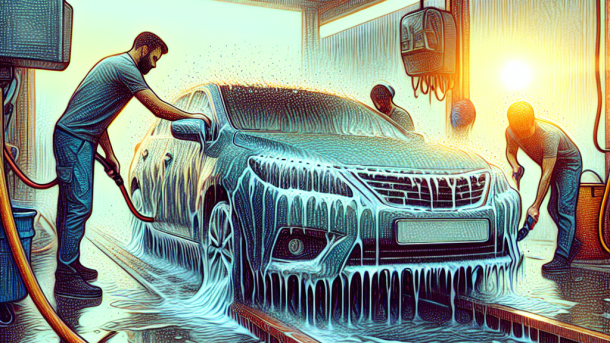
When you think of car washing, images of sudsy water glistening under the sun might come to mind. But this seemingly simple task is more nuanced than it appears. There are various types of car washing methods that cater to different needs and preferences. From the classic hand wash to the convenience of automated car washes, each method has its own set of pros and cons.
For many, the allure of a sparkling vehicle is irresistible, and some even make it a ritual to wash their cars daily. It’s a reflection of pride and meticulousness, but this habit is not without its fair share of potential drawbacks, such as excessive water usage and increased costs. The question then becomes, is this daily ritual truly necessary, or is it a case of overzealous maintenance?
As we delve deeper into the motives that drive individuals to wash their cars daily, we unravel a desire for perfection and a commitment to preserving the vehicle’s aesthetic appeal. However, it’s crucial to weigh these motivations against the potential disadvantages that may arise from this practice, ensuring that the quest for cleanliness doesn’t lead to unintended consequences.
To further explore the impact of frequent car washing, let’s take a closer look at the potential disadvantages it poses, from damage to the car’s finish to the environmental footprint it leaves behind. Additionally, examining Wikipedia’s entry on car washing offers a broader understanding of this common practice, its history, and its evolution over time.
Types of car washing methods
When it comes to car washing, a myriad of techniques exists, each with its own unique charm and effectiveness. At the heart of this soapy saga is the age-old hand wash, a method that allows car enthusiasts to personally pamper their prized possessions. This meticulous approach ensures every nook and cranny is attended to, but it requires time and elbow grease.
On the other hand, the hustle and bustle of modern life have given rise to automated car washes, where machines take the wheel. These mechanical marvels offer convenience and speed, often at the expense of detailed precision. Some wonder, do they truly make money while delivering such services?
Then there’s the touchless wash, a gentler option that uses high-pressure water jets and specialized detergents to cleanse without physical contact. It’s a safe bet for maintaining the car’s finish, but it might leave behind stubborn dirt. For those seeking an eco-friendly alternative, the waterless wash steps in, using chemical solutions to lift away grime without H2O.
Each method, from the traditional to the innovative, caters to different needs. As you ponder how often to indulge in such rituals, consider the frequency of washing that best suits your vehicle’s needs and lifestyle.
Why people wash their cars daily
In the pursuit of perfection, some car owners find themselves indulging in the daily ritual of car washing. This practice, akin to a morning routine, is often fueled by the desire to maintain a pristine, gleaming vehicle that turns heads as it cruises down the street. But what drives this commitment to cleanliness?
For many, it’s about preserving the car’s value and aesthetic appeal—an investment in the vehicle’s longevity. Regular washing helps ward off contaminants like bird droppings and tree sap, which can mar the paint and finish over time. Moreover, for individuals living in regions with harsh weather conditions or frequent exposure to road salt, daily washing becomes a defensive strategy against corrosion and deterioration.
However, it’s crucial to balance this dedication with the potential drawbacks of daily washing. The costs, both financial and environmental, can add up. Instead, consider exploring alternatives to daily washing, such as investing in professional car care services or using waterless car wash products that offer a sustainable approach to maintaining your car’s shine.
Ultimately, understanding the motives behind this habit allows car enthusiasts to make informed decisions about their maintenance routines, ensuring that their quest for perfection doesn’t lead to unintended consequences. For more insights, you might explore the environmental impact of car washing as discussed by the EPA and find ways to conserve resources while keeping your vehicle looking its best.
Potential Disadvantages of Washing Car Daily
While the allure of a freshly washed car shimmering in the sunlight is undeniable, the practice of washing your car daily does come with its own set of pitfalls. Imagine a pristine lake, every ripple in its water a testament to time and nature. Now, imagine that lake being stirred and disturbed daily. Just like the lake, your car’s finish can suffer from this constant agitation.
First and foremost, the frequent washing can lead to erosion of the vehicle’s paint and finish. Each wash, especially when done hastily or without proper technique, can introduce scratches and water spots, marring the car’s surface. Moreover, the minerals in water can leave deposits, acting like tiny daggers that dull the sheen over time.
Then there’s the financial aspect. Costs associated with water, detergents, and energy can accumulate, creating a dent in your wallet. This begs the question: is the daily shine worth the expense? Additionally, the environmental impact of water wastage is a growing concern. As stewards of the Earth, we must ponder the significance of our daily actions.
Furthermore, frequent washing can cause long-term issues with car materials, potentially leading to premature wear and tear. It’s crucial to weigh these disadvantages against the perceived benefits. For more insights into the financial implications, you might want to read about the costs associated with washing your car at home.
Ultimately, while the desire to maintain a spotless car is commendable, it’s essential to consider alternative methods that strike a balance between aesthetics and sustainability. Engaging in mindful car maintenance can ensure that your vehicle remains in pristine condition without the drawbacks of daily washing.
Damage to paint and finish
Picture your car as a canvas, each layer of paint a brushstroke of artistry. Over time, daily washing can act like an abrasive scrub, slowly wearing away the masterpiece. The once-pristine finish, glistening like a polished gem, can become dulled and marred. Why, you ask? Because every wash introduces tiny scratches and imperfections, akin to a relentless artist erasing and redrawing lines on a delicate painting.
Moreover, the persistent presence of water spots and mineral deposits can be likened to a stubborn stain on a cherished photograph. They cling to the surface, slowly eroding the luster and brilliance of your car’s exterior. These blemishes, often overlooked, are the silent saboteurs of your vehicle’s aesthetic appeal.
Even the most technologically advanced car washes aren’t immune to causing potential harm. The harsh chemicals and powerful jets meant to cleanse can sometimes strip away protective layers, leaving your vehicle vulnerable to the elements. It’s a delicate dance between cleanliness and preservation, a balance that, when tipped, can lead to long-term damage.
To safeguard your vehicle’s paint and finish, consider adopting alternative car maintenance practices that reduce the frequency of washes. For further insights, exploring the investment in professional car care services might be a prudent decision, ensuring your car remains a work of art without compromising its integrity.
Impact of water spots and mineral deposits
Imagine your car’s surface as a mirror, reflecting the world around it with clarity and brilliance. Now envision a veil of tiny specks marring that reflection, like a constellation of imperfections. These are water spots and mineral deposits, tenacious foes in the realm of car maintenance. Each droplet left to dry in the sun can etch itself into the paint, leaving behind a mark that diminishes your car’s once-dazzling luster.
Water spots, often overlooked, are the ghosts of raindrops past, leaving behind a residue of minerals such as calcium and magnesium. These minerals, harmless in a glass of water, become abrasive when left on a car’s surface, slowly eroding the finish. The hard water that carries these deposits is like a silent artist, painting your car with a palette of unsightly blemishes.
To combat this, consider adopting a more mindful car washing routine. Frequent washing can exacerbate the problem, especially if not done correctly. Opting for a less frequent washing schedule or using deionized water can help prevent these spots from becoming a permanent fixture on your vehicle’s surface. After all, maintaining that mirror-like finish requires more than just soap and water; it demands a strategy that balances cleanliness with care.
Scratches from improper washing techniques
Imagine a beautiful, untouched canvas, marred not by time, but by careless strokes. This is akin to what your car experiences when subjected to improper washing techniques. Each swipe of a dirty cloth, every hasty rinse, can be like wielding a paintbrush dipped in sand, leaving behind a tapestry of fine scratches and swirls.
These imperfections, often invisible from a distance, become glaringly apparent under direct sunlight, much like a hidden flaw revealed by a spotlight. The culprit? Tiny particles of dirt and grit, clinging to the washing mitt or sponge, scratching the surface with each pass. It’s a paradox, the very act of cleaning becoming the source of blemishes.
Modern car washes, while convenient, may not always guarantee protection. Automated brushes can sometimes harbor debris, turning them into unwitting accomplices in the crime against your car’s finish. To avoid these pitfalls, consider adopting a more meticulous approach. Ensure that your tools are clean, use the two-bucket washing method, and always rinse thoroughly.
For those seeking to protect their vehicle’s aesthetic value, exploring options like investing in professional car care services can provide peace of mind. Such services, often more than just an investment, can ensure your car’s exterior remains a masterpiece in the gallery of the world.
Increased costs
The allure of a showroom-shine car might be hard to resist, but the financial burden of daily washing can quickly add up. Imagine your bank account as a reservoir, and every wash siphons off valuable resources. From the cost of water and detergents to the energy consumed in the process, each wash is a subtle draw on your financial reserves.
Consider the cumulative effect: a drip here, a splash there, until the expense becomes a veritable waterfall. The cost of water alone, especially in regions where it is a precious commodity, can be significant. Detergents and cleaning agents, often taken for granted, also contribute to the mounting bill. Not to mention the environmental impact; excessive water usage can strain local resources, leaving communities to ponder the broader implications.
Moreover, there’s the hidden cost of wear and tear on washing equipment or the occasional need for repairs from overuse. As stewards of our planet, it’s worth considering alternatives that can balance the sheen we desire with the sustainability we need. By exploring options like washing your car at home less frequently or using waterless products, you can maintain your vehicle’s gleam without draining your financial resources or the planet’s.
Cost of water and detergents
When you think of washing your car, the image of sparkling water and a frothy lather of soap may come to mind. However, behind this picturesque scene lies a less glamorous reality—the mounting cost of water and detergents. Imagine each droplet of water not just as a means to an end, but as a coin slipping away from your pocket. The financial impact might seem insignificant at first, but over time, it accumulates like grains of sand forming a dune.
Water, especially in drought-prone regions, is a precious resource, and frequent car washing can lead to significant usage. According to the EPA, a single car wash can use anywhere from 20 to 100 gallons of water. Multiply this by a daily habit, and the numbers can be staggering, both in terms of cost and environmental impact.
Detergents, while essential for a thorough clean, also come with their own price tag. These cleaning agents, often formulated with specialized ingredients, can add up over time, creating a substantial recurring expense. Additionally, improper disposal of soapy runoff can harm local ecosystems, raising ethical considerations.
To mitigate these costs, consider alternatives such as adopting a less frequent washing schedule or exploring waterless car wash products that offer an eco-friendly approach. By balancing cleanliness with cost-consciousness, car owners can maintain their vehicle’s allure without breaking the bank or compromising the environment.
Energy consumption
Picture an invisible meter, ticking away with every turn of the faucet and every squeeze of the spray nozzle. This is the reality of energy consumption when it comes to washing your car daily. Each wash not only taps into water resources but also draws on energy, akin to a hidden siphon draining from your power supply.
Consider the energy used in heating water, powering pressure washers, and running automated car washes. It’s a cost that often goes unnoticed, much like a shadow following silently behind. The cumulative effect of this energy draw can be significant, impacting both your utility bills and the environment.
Moreover, automated car washes, while efficient, are energy-intensive operations. The machinery involved requires substantial power to operate, contributing to a larger carbon footprint. This raises an important question: Is the convenience worth the environmental cost?
For those seeking to reduce energy consumption, alternatives like using manual washing techniques or opting for professional car care services, which often employ energy-efficient practices, may be wise choices. Balancing the desire for a gleaming vehicle with sustainable practices can help ensure that our quest for cleanliness doesn’t come at the expense of the planet. To learn more about the cost-effectiveness of car washing, consider exploring the insights on how much a self-service car wash makes a month, which can offer valuable perspectives on the financial and environmental aspects of car maintenance.
Water wastage and environmental impact
Imagine an oasis in a desert, a precious reservoir of life-giving water. Now picture that oasis slowly draining away, drop by drop, with each seemingly innocuous action. This metaphor aptly describes the environmental impact of washing your car daily. It’s not just about keeping your vehicle pristine; it’s a matter of conservation and responsibility.
Water is a vital resource, and its excessive use for car washing can lead to significant wastage, particularly in areas prone to drought. According to the EPA, conventional car washes can use between 20 to 100 gallons per wash. Multiply this by a daily routine, and you have a staggering amount of water slipping away.
Beyond water wastage, the runoff from car washes often contains pollutants like oil, grease, and detergents, which can contaminate local water bodies and harm aquatic ecosystems. It’s a silent ripple effect, where each wash contributes to a larger environmental footprint.
To mitigate these impacts, consider exploring alternative methods, such as using waterless car wash products or reducing the frequency of washes. These approaches not only conserve water but also reduce pollution, helping preserve our planet’s precious resources. For further insights, you might explore how often cars should be washed, which offers guidance on balancing cleanliness with environmental stewardship.
Long-term issues with car materials
Imagine your car as a finely crafted tapestry, each thread representing materials engineered to withstand the test of time. However, daily washing can be akin to a relentless, subtle unraveling. Over time, the constant exposure to water, detergents, and harsh chemicals may weaken the very fibers that constitute your vehicle’s structure.
Materials such as rubber and plastic, so vital in protecting and insulating different components, can suffer from degradation. Repeated exposure to detergents and water can lead to drying and cracking, much like the way a river slowly erodes the banks it flows against. The seals, designed to keep moisture out, may lose their elasticity, allowing water to seep into places it shouldn’t be.
Furthermore, metal parts, while often treated to resist rust, are not immune. Continuous washing can strip away protective coatings, leaving them vulnerable to corrosion. Picture it as armor slowly losing its shine and strength, subject to the relentless assault of the elements. This degradation can lead to long-term issues, such as leaks or even structural damage.
To mitigate these risks, consider balancing your car maintenance routine. Avoid daily washing and instead focus on regular checks and protective measures. Using covers and ensuring proper drying techniques can help keep your car’s materials intact and robust. For more insights, you might explore professional car care services that can offer targeted solutions and longevity for your vehicle.
Alternatives to Daily Car Washing
In our relentless pursuit of keeping our cars in pristine condition, we often overlook the potential downsides of daily washing. But fear not! There are alternatives that can help maintain your vehicle’s shine without the daily ritual of soapy suds. Consider these strategies as your car’s personal spa day, designed to pamper without the pitfalls.
One practical approach is to adopt a weekly or bi-weekly washing schedule. This not only reduces water consumption but also helps preserve the car’s finish by minimizing exposure to harsh chemicals and potential scratches. While it might seem like a longer interval, in reality, it strikes a balance between cleanliness and conservation.
For those seeking a more eco-friendly option, waterless car wash products offer an innovative solution. These products, akin to a magic eraser, lift dirt and grime without the need for water, leaving your car sparkling clean with minimal effort. They’re a boon for those in drought-prone areas or anyone looking to reduce their environmental impact.
Moreover, investing in professional car care services can provide a comprehensive approach to vehicle maintenance. These services often use specialized techniques and products that protect your car’s finish while delivering a thorough clean. It’s an investment in your car’s longevity, ensuring it remains a gleaming masterpiece.
Ultimately, by exploring these alternatives, you can maintain your vehicle’s allure without the drawbacks of daily washing. For more insights into car maintenance strategies, you might find it helpful to learn about how often cars should be washed, offering guidance on optimal cleaning frequencies.
Opting for a weekly or bi-weekly schedule
Imagine savoring a luxurious dessert, but instead of indulging every day, you relish it once a week. This is akin to choosing a weekly or bi-weekly car washing schedule, where you strike a balance between indulgence and moderation. This approach not only conserves water but also preserves the vehicle’s finish, reducing exposure to potential damage from excessive washing.
By spacing out your washes, you allow the car’s protective coatings time to settle, akin to a fine wine aging gracefully. It’s a dance of patience and prudence, ensuring that your vehicle remains a gleaming spectacle without the daily grind. Moreover, this schedule can significantly cut down on costs associated with water and detergents, offering a breath of relief to both your wallet and the environment.
For those in regions with harsh weather conditions, a bi-weekly schedule might seem like a longer stretch. However, the benefits far outweigh the cons, providing ample time for the paint to breathe and the car to shine. To ensure your vehicle stays pristine between washes, consider using car covers to protect against dust and debris.
Ultimately, adopting a less frequent washing routine can help you maintain your vehicle’s allure without the drawbacks of daily washing. For more insights into maintaining your car’s cleanliness, you might explore optimal cleaning frequencies and discover what best suits your lifestyle and vehicle needs.
Using waterless car wash products
Think of waterless car wash products as the magic wands in the world of automotive care. These innovative solutions, much like an artist’s brush, can transform the appearance of your vehicle without a single drop of water. Imagine a desert landscape, arid yet beautiful, where every resource is precious—waterless car washes are your desert oasis.
These products work by encapsulating dirt and grime, lifting them away from the surface without scratching the paint. It’s akin to a gentle embrace, leaving your car as spotless as a freshly polished gem. They are particularly advantageous in regions where water scarcity is a pressing concern, allowing car enthusiasts to maintain a pristine finish without guilt.
Moreover, waterless car wash products are not just environmentally friendly; they are also time savers. In the hustle and bustle of daily life, they offer a swift and effective alternative to traditional methods. For those pondering whether self-serve car washes can compete, remember that these products provide a convenience that is unmatched.
Incorporating waterless car wash products into your car care routine can provide a sustainable yet effective way to keep your vehicle looking its best. For more insights, consider exploring Wikipedia’s entry on car washing, where you can delve deeper into various methods and their environmental impacts.
Investing in professional car care services
Imagine your car as a cherished masterpiece, deserving of expert attention and meticulous care. Investing in professional car care services can be akin to entrusting your prized possession to a skilled artisan, ensuring it remains in pristine condition. These services, much like a bespoke tailor crafting a perfect suit, provide personalized and comprehensive maintenance tailored to your vehicle’s unique needs.
Professional car care services offer a range of treatments, from thorough detailing to protective coatings that shield your car from the elements. It’s a holistic approach, addressing both the aesthetic and functional aspects of your vehicle. This investment, while initially more costly than a DIY wash, can save you money in the long run by preventing damage and preserving the car’s value.
Moreover, professional services often utilize advanced techniques and eco-friendly products that minimize environmental impact. It’s a commitment not just to your car’s well-being but also to sustainable practices. For those considering the financial aspect, exploring how much you can make a year owning a car wash might provide insights into the value and potential return on such investments.
Ultimately, opting for professional car care services can be a wise choice for maintaining your vehicle’s allure and longevity. By prioritizing quality and expertise, you ensure that your car remains a shining example of automotive excellence.
Best Practices for Car Maintenance Without Daily Washing
Maintaining a car’s pristine condition without resorting to daily washing can seem daunting, yet it is entirely achievable with strategic care. Imagine your vehicle as a fine-crafted watch, where each cog and wheel works in harmony, requiring only occasional adjustments to keep time flawlessly. Here are some best practices that allow your car to remain in top form without incessant washing.
First, consider regular interior cleaning. Much like the heart of a home, the car’s interior sets the tone for your driving experience. A clean and tidy interior not only enhances comfort but also prevents dust and debris from accumulating, which can eventually seep into more sensitive components.
Another practice is protecting the car with a cover. Think of it as a cozy blanket shielding your vehicle from the elements, whether it’s harsh sunlight, rain, or dust. This protective layer helps maintain the car’s finish, reducing the need for frequent external washes.
Lastly, promptly removing bird droppings or sap is essential. These can be likened to stubborn stains on a favorite shirt, capable of causing permanent damage if left unattended. Quick action ensures that your car’s paint remains unblemished and vibrant.
By incorporating these practices, you can ensure your car remains a gleaming testament to your care and attention without the drawbacks of daily washing. For more insights into effective car maintenance, you might explore how often cars should be washed, which provides valuable guidance on finding the right balance between cleanliness and care.
Regular interior cleaning
Think of your car’s interior as the living room of your home—a space that reflects your personality and comfort. Just as you wouldn’t let dust and grime accumulate in your living space, regular interior cleaning is crucial for your vehicle’s well-being. It’s like giving your car a refreshing breath of air, ensuring that every journey is a pleasant experience.
Regularly vacuuming the seats and carpets, wiping down surfaces, and using air fresheners can make a world of difference. Imagine the satisfaction of stepping into a car that feels as fresh as a morning breeze, untainted by the remnants of yesterday’s snacks or dust accumulating over time. For those pondering the cost-effectiveness of such practices, you might find it enlightening to explore how much it costs to maintain your car’s cleanliness at home.
Moreover, a clean interior isn’t just about aesthetics; it also contributes to the longevity of your car’s components. Dust and debris can infiltrate air vents and electrical systems, potentially leading to costly repairs down the line. By embracing regular interior cleaning, you not only enhance your driving experience but also protect your investment.
Incorporating these practices into your routine can keep your car’s interior as inviting and immaculate as the day you first drove it. For further insights into maintaining your car’s allure, consider exploring Wikipedia’s entry on car interiors for a deeper understanding of the components and their care.
Protecting the car with a cover
Think of a car cover as a guardian angel, shielding your vehicle from the elements with unwavering diligence. It’s akin to wrapping your car in a protective cocoon, safe from the harsh sun, relentless rain, or drifting dust. This simple yet effective measure ensures that your car’s finish remains as pristine as a freshly polished gem.
A cover acts like an umbrella, offering refuge from the sun’s UV rays, which can fade paint over time, and fending off rain that could lead to water spots and mineral deposits. Moreover, it prevents dust and debris from settling on the surface, minimizing the need for frequent washes. It’s a proactive approach to car care, much like wearing a raincoat before stepping into a storm.
Beyond aesthetic preservation, a cover can also deter potential thieves by keeping your vehicle’s contents hidden from view. It’s a silent sentinel, standing guard over your prized possession. For those considering the financial implications, investing in a quality cover is a cost-effective strategy that can extend the life of your car’s exterior.
By incorporating the use of a car cover into your maintenance routine, you can ensure that your vehicle remains in top condition without the drawbacks of daily washing. For more insights into effective car maintenance, you might explore how often cars should be washed, which provides valuable guidance on balancing cleanliness with care.
Promptly removing bird droppings or sap
Picture your car as a canvas, a masterpiece of design and engineering. Yet, even the most exquisite artwork can be marred by unsightly blemishes. Bird droppings and tree sap are the paint splatters of the automotive world, capable of causing irreparable damage if left unchecked. Like an artist preserving their work, it’s crucial to act swiftly in removing these contaminants.
Bird droppings, rich in acidic content, are like tiny chemical bombs that can eat away at the clear coat and paint, leaving behind dull spots. Similarly, tree sap is a sticky nuisance that adheres to the surface, hardening over time and potentially leading to permanent stains. These unwelcome intrusions are akin to stubborn stains on a pristine white shirt, requiring immediate attention.
To combat these nuisances, keep a microfiber cloth and a bottle of quick-detailing spray handy in your car. Like a first-aid kit for your vehicle, these tools allow for prompt intervention, ensuring that your car’s finish remains unblemished. By treating such contaminants as emergencies, much like a doctor addressing a wound, you can protect your car’s aesthetic value.
For further insights into maintaining your car’s allure without daily washing, consider exploring how often cars should be washed, which provides guidance on balancing cleanliness with care. Additionally, learning about the environmental impact of car washing from authoritative sources like the EPA can offer valuable perspectives on sustainable car maintenance practices.
Key Takeaways
As we journey through the landscape of car maintenance, it’s clear that daily washing, while tempting, isn’t always the best route. Imagine your car as a delicate flower; too much water can drown its beauty, while just enough keeps it flourishing. Balancing the desire for a spotless vehicle with practical concerns is crucial.
Frequent washing can damage the paint, increase costs, and impact the environment. Instead, consider alternatives like weekly washing schedules or waterless products. These methods conserve resources and protect the car’s finish, much like a skilled gardener tending to their prized plants.
Regular interior cleaning and using car covers can also maintain your car’s allure without the need for daily washes. These practices are akin to nurturing a personal sanctuary, ensuring your vehicle remains a haven of comfort and style.
Ultimately, finding the right balance between cleanliness and sustainability will allow your car to remain a gleaming masterpiece without the pitfalls of daily maintenance. For more car maintenance insights, consider how much you can make a year owning a car wash, which offers perspectives on balancing cost and care.
Conclusion
As we wrap up our exploration of car maintenance, it becomes evident that while the sparkle of a freshly washed car is captivating, daily washing might not be the wisest choice. Much like a delicate piece of art, your vehicle requires thoughtful attention and care, balancing the need for cleanliness with the potential downsides.
Frequent washing can unintentionally harm your car’s finish, elevate costs, and contribute to environmental challenges. Instead, embracing alternative methods such as a weekly washing routine or utilizing waterless products can provide a harmonious blend of preservation and sustainability. These approaches act like a gentle breeze, maintaining your car’s allure without stirring up the storm of daily maintenance.
Furthermore, regular interior cleaning, the use of car covers, and prompt attention to contaminants like bird droppings or sap can play pivotal roles in keeping your vehicle in pristine condition. These mindful practices ensure that your car remains not only a mode of transport but a cherished possession, polished and protected.
Ultimately, the key lies in finding a maintenance rhythm that aligns with both your lifestyle and environmental considerations. By doing so, you can enjoy the gleaming beauty of your vehicle while safeguarding its longevity and the planet. For those interested in exploring the financial aspects of car care, learning about how much a self-service car wash makes a month can offer valuable insights into balancing cost and care.