eco-friendly car wash

Why is it better to wash your car at night?

Table of Content

TITLE: Why is it better to wash your car at night?
COUNTRY CODE: US
LANGUAGE CODE: en
TABLE OF CONTENT:

  • Introduction
  • The Science Behind Car Washing
    • How water and soap interact with car surfaces
    • The impact of temperature on car washing
  • Advantages of Washing Your Car at Night
    • Reduction in water spots and streaks
    • Less evaporation and better cleaning
    • More comfortable temperatures and convenience
    • Quiet and less traffic
  • Comparing Day vs. Night Car Washing
    • Pros and cons of daytime car washing
    • Effectiveness of car cleaning at night
  • How to Properly Wash Your Car at Night
    • Gathering the right tools and supplies
    • Best practices for ensuring visibility
    • Techniques for achieving a streak-free finish
  • Common Misconceptions About Nighttime Car Washing
    • Is it safe to wash your car at night?
    • Do nighttime conditions damage car paint?
  • Environmental Considerations
    • Water usage and conservation
    • Eco-friendly car washing products
  • Conclusion

Why is it better to wash your car at night? Discover the Advantages!

Introduction

Have you ever considered the art of car washing as a nightly ritual? In the hustle and bustle of daily life, washing your car at night may seem unconventional, yet it holds a myriad of benefits. Like a serene moonlit stroll, this practice offers a peaceful reprieve from the blinding midday sun, transforming an ordinary chore into a tranquil experience.

Imagine gently caressing your car’s surface under the cool night sky, free from the harsh glare of the sun. The moonlight dances across the water droplets, creating a symphony of shimmering patterns that make car washing almost poetic. But there’s more to this nocturnal habit than mere aesthetics.

In this guide, we’ll dive into the scientific underpinnings that make nighttime car washing a smarter choice, explore its myriad advantages, and debunk common misconceptions. As you embark on this journey, you’ll discover how to achieve a perfect, streak-free finish while minimizing environmental impact. Whether you’re a car enthusiast or simply seeking a more efficient cleaning routine, this exploration promises to elevate your car washing experience.

The Science Behind Car Washing

Have you ever pondered the magical interaction between water, soap, and your car’s surface? Imagine this combination as a dance of molecules, each playing its part in the grand performance of car cleaning. When water meets soap, a symphony of chemical reactions unfolds, allowing dirt and grime to loosen their stubborn grip on your car. This fascinating process is not merely surface-level; it involves intricate science at its core.

Temperature, too, plays a vital role in this equation. During the day, when the sun beats down relentlessly, water evaporates quickly, leaving behind pesky water spots. However, at night, the cooler temperatures slow down evaporation, ensuring a more thorough rinse and cleaner result. This is one reason why nighttime car washing can be more effective.

As you delve deeper, you’ll find that the benefits of nighttime washing extend beyond mere aesthetics. If you’re curious about how car washes make money through such practices, you can explore the insights here to understand the profitability of car washes further. Understanding this science can transform your car washing routine into a more efficient and satisfying experience.

For an official perspective on water conservation, the EPA WaterSense program offers valuable insights into more eco-friendly practices when washing your car.

How water and soap interact with car surfaces

Picture your car as a canvas, and the water and soap as the skilled artists painting a masterpiece. When you mix water and soap, it’s akin to creating a magical potion that battles against the dirt and grime clinging to your car. This interaction is a delicate dance of molecules, where the soap acts as a mediator, breaking the surface tension of water and allowing it to spread more evenly across your car’s surface.

The soap molecules have two ends: one that loves water (hydrophilic) and one that detests it (hydrophobic). The hydrophobic end attaches itself to the dirt and grease on your car, while the hydrophilic end bonds with the water. This marriage enables the water to effectively lift away dirt, leaving your car sparkling clean.

However, this dance reaches a crescendo when temperatures rise. In the blistering heat of the day, water evaporates swiftly, disrupting the harmony and leaving behind unsightly water spots. This is why washing your car at night, when temperatures are cooler, can prevent such issues. For insights into the frequency of car washes, you might find this detailed exploration of how often cars should be washed enlightening.

For more scientific insights into water properties, you can explore resources from the US Geological Survey to understand the fascinating science behind the water you use in car washing.

The impact of temperature on car washing

Imagine washing your car under the blistering sun, where every drop of water seems to vanish into thin air before your very eyes. This rapid evaporation is the villain of our car washing story, leaving behind a trail of water spots that mar the pristine finish. But as the sun sets, the temperature drops, creating an ideal environment for car washing. The cooler night air slows down evaporation, giving you ample time to rinse away soap and grime without the fear of unsightly streaks.

Nighttime car washing is like a symphony in slow motion, where each droplet of water plays its part in the cleansing process. The reduced temperatures allow for a more thorough and efficient cleaning, as the water has more time to perform its magic before evaporating. This is one reason why many car enthusiasts prefer to wash their vehicles under the moonlight.

For a deeper dive into the advantages of washing your car at night, consider exploring insights on the financial benefits of self-service car washes during cooler hours, which can provide both a cost-effective and efficient solution.

To further understand the effects of temperature on materials, the National Institute of Standards and Technology offers valuable resources that delve into the science of temperature and its impact on various substances.

Advantages of Washing Your Car at Night

Have you ever found yourself battling the sun’s harsh rays while washing your car during the day? The nighttime offers a sanctuary where the moonlight becomes your gentle guide. There’s no rush, no sizzling heat, just the cool embrace of evening, making it the perfect time to indulge in a car wash. But why, you ask? Let’s unravel the benefits of this serene practice.

Washing your car at night is like painting with a palette of shadows and reflections. The reduction in water spots and streaks becomes evident when the sun is no longer your adversary. The absence of direct sunlight ensures that water evaporates slowly, allowing for a more thorough and even clean.

Moreover, nighttime washing offers a pleasant escape from the hustle and bustle of the day. The world quiets down, and traffic diminishes, creating a peaceful environment for you to focus on every nook and cranny of your car. It’s a time when you can indulge your senses and find satisfaction in the gleaming surface of your vehicle.

For those who appreciate convenience, night washing is a boon. The cooler temperatures make the task more comfortable, and the tranquility of the night provides a sense of relaxation. If you’re curious about how car washes capitalize on such practices, explore the concept of automated car washes and their profitability during off-peak hours.

For additional insights into safe nighttime activities, the National Highway Traffic Safety Administration provides valuable resources on ensuring safety during nighttime endeavors.

Reduction in water spots and streaks

Imagine the sun as an unrelenting artist, painting your car with unwanted water spots and streaks. During the day, the intense heat accelerates water evaporation, leaving behind these unsightly marks. But as night descends, the sun’s harsh gaze retreats, and temperature becomes your ally in achieving a spotless finish.

With cooler night air, water has the luxury of lingering longer on your car, allowing you to rinse thoroughly before it dries. This slower evaporation is akin to giving each droplet a chance to bid farewell, without leaving a trace on your vehicle’s surface. It’s like a symphony where every note is played with precision, resulting in a harmonious and streak-free melody.

This reduction in water spots isn’t just a matter of aesthetics; it’s an enhancement in the overall quality of your car wash. Should you be curious about the profitability behind such practices, explore the insights on how car washes make money by capitalizing on the effective nighttime cleaning.

For those interested in water conservation methods during such processes, the EPA WaterSense program offers valuable resources on eco-friendly water usage.

Less evaporation and better cleaning

Picture a blazing summer day, where each water droplet on your car’s surface seems to race against time to evaporate, leaving behind a trail of stubborn spots. This rapid evaporation is the arch-nemesis of a pristine car wash. However, as the sun dips below the horizon, the night ushers in a cooler, gentler atmosphere, perfect for washing your car.

In the calm embrace of night, evaporation slows down, allowing water and soap to work their magic more effectively. The longer contact time with your car’s surface means that dirt and grime have fewer places to hide. It’s like giving your car a night spa session, where every inch is pampered and polished to perfection.

This slower evaporation is not just a boon for cleanliness; it also makes the process more efficient. By washing your car at night, you ensure a thorough rinse, free from the worry of premature drying. If you’re interested in how such practices could enhance the profitability of car washing businesses, delve into the benefits of investing in car washes that capitalize on these nighttime advantages.

For insights into effective water use practices, the EPA WaterSense program offers guidance on conserving water while achieving a spotless clean.

More comfortable temperatures and convenience

Imagine the sweltering heat of midday, where the sun is relentless and unforgiving. Now, contrast that with the gentle embrace of a cool evening breeze as you wash your car under the moonlit sky. It’s akin to dipping your toes into a tranquil pool after a long, scorching day. Nighttime car washing offers a respite from the heat, making the task not just bearable, but enjoyable.

As the temperature drops, the convenience of spending time outdoors increases. The cooler air provides a comfortable environment, allowing you to wash your car without breaking a sweat. There’s no rush to finish before the sun makes its fiery descent upon you. Instead, you can take your time, ensuring every detail is attended to with care.

This convenience extends beyond just personal comfort. With fewer people around, the roads are less congested, offering a peaceful atmosphere to focus on your task. Plus, if you’re considering the financial aspects of car washing, you might find insights on self-serve car wash profitability during off-peak hours enlightening.

For those curious about nighttime outdoor activities and safety, resources from the National Park Service provide valuable insights into enjoying the serene beauty of the night.

Quiet and less traffic

Imagine a world where the hustle and bustle of traffic fades into a distant memory, leaving you with nothing but the gentle hum of crickets and the whisper of the night breeze. This is the serene ambiance that washing your car at night offers. The streets are quieter, the world slows down, and you find yourself in a peaceful bubble, away from the chaos of the day.

Nighttime car washing is akin to stepping into a tranquil oasis, where you can focus on the task at hand without the distractions of honking horns and bustling streets. The reduced traffic means fewer interruptions and more time to pay attention to every detail of your car, ensuring a thorough clean. It’s a time when the world seems to pause, allowing you to indulge in the simple pleasure of caring for your vehicle.

For those interested in understanding how such peaceful conditions could enhance the profitability of car washes, you might find it insightful to explore how car washes make money by leveraging these nighttime advantages.

For additional insights into safe nighttime activities, the National Highway Traffic Safety Administration provides valuable resources on ensuring safety during nighttime endeavors.

Comparing Day vs. Night Car Washing

Have you ever pondered the battle between the sun’s fierce glare and the moon’s gentle glow during car washing? In the realm of car care, the choice between daytime and nighttime washing can be as significant as choosing between a hot cup of coffee and a soothing cup of tea. Each has its merits and challenges, and understanding these can transform your car washing routine into a more effective endeavor.

During the day, the sun acts as both ally and adversary. While it provides ample light to spot every speck of dirt, it also hastens evaporation, leaving behind water spots and streaks. The heat can make the task laborious, turning what could be a meditative ritual into a hurried chore. In contrast, the nighttime offers a cooler, quieter environment, where the moonlight allows for a more leisurely and thorough clean. The reduced evaporation means fewer water spots, resulting in a gleaming, streak-free finish.

If you’re considering the profitability and effectiveness of different car wash timings, you might explore insights on how automated car washes capitalize on these conditions to enhance their services. The choice between day and night ultimately depends on personal preference and priorities, but understanding the nuances of each can elevate your car care routine to new heights.

Pros and cons of daytime car washing

Imagine standing under the radiant sun, with its golden rays casting a spotlight on every speck of dust on your car. Daytime car washing can be likened to a grand theater performance, where the sun highlights every detail, ensuring you don’t miss a single blemish. This natural illumination is one of the greatest pros of washing your car during the day; it allows for meticulous attention to detail, ensuring a thorough clean.

However, the sun’s spotlight comes with its own set of challenges. The intense heat speeds up evaporation, often leaving behind unsightly water spots and streaks. It’s as if the sun is rushing you, turning what could be a relaxing routine into a frantic race against time. The midday heat can also make the task physically taxing, pushing you to seek shade and relief.

On the flip side, daytime washing can be convenient for those who prefer to complete tasks during regular hours, and the visibility allows for precision in cleaning. For insights into how daytime conditions impact car wash profitability, consider exploring the discussion on car washes as a good investment during different times of the day.

For those interested in safe daytime outdoor activities, the NOAA’s heat safety guidelines provide valuable tips for staying safe while working in the sun.

Effectiveness of car cleaning at night

Imagine the quiet embrace of the night, where the moonlight gently guides your hand as you wash away the day’s grime. Nighttime car cleaning can be likened to a serene symphony, where each stroke of the sponge is deliberate and harmonious. The absence of harsh sunlight transforms the task into a more effective and enjoyable ritual.

The cooler temperatures of the night play a crucial role in this effectiveness. With reduced evaporation rates, water and soap have ample time to dissolve dirt and grime, ensuring a thorough clean. It’s as if the night provides a canvas where each droplet of water is a brushstroke, meticulously crafting a masterpiece of cleanliness. This slower evaporation also means fewer water spots and streaks, resulting in a brilliant finish.

Moreover, the quietude of the night allows for undisturbed focus, enabling you to pay attention to every detail. This tranquility can enhance the overall quality of the cleaning process, akin to a meditative practice. For insights into the financial aspects of such effective practices, you might explore the profitability of automated car washes during nighttime, which capitalize on the advantages of cooler temperatures.

For those interested in the science behind effective cleaning methods, the CDC’s guidelines on cleaning and disinfecting offer valuable insights into achieving optimal cleanliness.

How to Properly Wash Your Car at Night

Washing your car under the tranquil night sky might feel like painting a masterpiece in the dim glow of moonlight. It’s a delicate dance requiring the right tools and techniques to ensure your car sparkles without any streaks. Let’s dive into the essentials of nighttime car washing and transform this routine into an art form.

First, gather the appropriate tools: quality soap, microfiber cloths, a bucket, and a reliable light source. Consider using eco-friendly products that are gentle on both your car and the environment. Proper lighting is crucial to ensure you don’t miss any spots, so make sure to have portable lights or a well-lit area.

Best practices for nighttime washing involve ensuring visibility and taking your time. Use headlights or portable lamps to illuminate your work area, and pay close attention to every detail. The night offers a slower pace, allowing you to clean each nook and cranny without the pressure of the sun’s swift evaporation.

For a streak-free finish, rinse your car thoroughly before the water dries. The cool night air grants you more time to achieve that perfect shine. This meticulous attention to detail not only enhances your car’s appearance but also ensures a comprehensive clean. For insights on the profitability of such methods, consider exploring how car washes maximize efficiency during nighttime hours.

To further enhance your nighttime car washing skills, the Car Care Council offers valuable tips and resources for maintaining your vehicle’s pristine condition.

Gathering the right tools and supplies

Embarking on the nighttime car washing journey is akin to preparing for a serene evening under the stars. Just as a painter chooses their brushes carefully, gathering the right tools for this task sets the stage for a masterpiece. Picture yourself assembling a toolkit that includes quality soap, soft microfiber cloths, a sturdy bucket, and a reliable light source. These are your instruments of cleanliness, transforming your car into a gleaming work of art.

Consider using eco-friendly products that are gentle on both your vehicle and the environment. This not only enhances the shine but also ensures a harmonious balance with nature. Proper lighting is your guiding star; whether it’s portable lamps or headlights, ensure you illuminate every curve and contour of your car.

This thoughtful preparation elevates your nighttime car wash from a mundane chore to an enjoyable ritual. For further insights into effective car maintenance, the Car Care Council offers a treasure trove of tips and resources to keep your vehicle in pristine condition.

Best practices for ensuring visibility

Imagine washing your car under a sky sprinkled with stars, where visibility is key to achieving a flawless finish. Just as a sailor relies on the North Star, ensuring proper visibility during nighttime car washing is your guiding light to success. In the dim glow of night, clarity is king, and a few simple practices can make all the difference.

First and foremost, equip yourself with portable light sources. Consider using LED work lights or headlamps to illuminate every inch of your vehicle. Strategically position these lights to avoid shadows, ensuring each swipe of your sponge is precise and thorough. Additionally, make use of your car’s headlights to cast a broad beam over your work area, enhancing your ability to spot any missed spots.

When washing your car at night, patience is your ally. Take your time to inspect your work, utilizing the enhanced clarity provided by your lighting setup. This attention to detail transforms the task into a mindful experience, where each step is deliberate and satisfying.

For further insights into safe and effective car maintenance practices, the Car Care Council offers valuable resources to help you maintain your vehicle’s pristine condition even in the dim light of night.

Techniques for achieving a streak-free finish

Imagine your car as a blank canvas, ready to be transformed into a masterpiece that gleams under the moonlit sky. Achieving a streak-free finish is the crescendo of your nighttime car washing symphony, where precision and patience play the lead roles. How can you ensure this harmonious finale?

Begin by using quality microfiber cloths, which are gentle on your car’s surface and effective at capturing water droplets. These cloths are akin to a conductor’s baton, guiding each note to its perfect conclusion. After washing, perform a meticulous rinse to remove every trace of soap. The cool night air, a natural ally, allows more time for rinsing without the worry of rapid evaporation.

Drying is the final act. Employ a “blot and pat” technique with your microfiber cloth to absorb water without leaving streaks. It’s as if you’re dabbing a delicate watercolor painting, ensuring each touch is gentle and deliberate. For extra shine, a quick mist of a detailing spray can enhance the finish, adding a final flourish to your work.

If you’re considering the financial benefits of such meticulous practices, explore how car washes capitalize on efficient cleaning techniques to maximize their profitability. For additional insights into car care, the Car Care Council provides valuable resources to ensure your vehicle maintains its stunning appearance.

Common Misconceptions About Nighttime Car Washing

Nighttime car washing often conjures up images of mysterious shadows and eerie reflections, leading to a slew of misconceptions. Many people believe that washing their car at night might be akin to driving through a foggy labyrinth, filled with hidden dangers and potential damage. But are these fears justified, or are they mere phantoms of the night?

Just as myths about full moons abound, so too do misconceptions about nighttime car washing. Some worry that washing a car at night could lead to safety issues. However, with the right precautions, it can be a safe and peaceful experience. The tranquility of night offers a unique opportunity to pamper your car without the rush and chaos of daytime traffic.

Others fear that the lack of sunlight might cause damage to the car’s paint. Yet, when done correctly, washing your car at night can actually protect the paint by avoiding the sun’s harsh rays. It’s akin to a gentle lullaby for your car, soothing it under the moonlit sky.

For those interested in debunking more myths about car care, the insights on how often you should wash your car provide a wealth of information to help you make informed decisions.

For further insights into safe practices at night, the National Highway Traffic Safety Administration offers valuable resources on ensuring safety during nighttime activities.

Is it safe to wash your car at night?

Ah, the night—a time of mystery and tranquility, where shadows dance and the world seems to slow down. But when it comes to washing your car under the moonlit sky, many wonder if it’s truly safe. Is it like wandering through an unknown forest, fraught with unseen perils, or is it a serene stroll through a familiar park?

In truth, washing your car at night can be as safe as a gentle lullaby, provided you take the right precautions. Ensuring proper lighting is key; think of it as your guiding star, illuminating your path to a spotless finish. Portable LED lights or headlamps can provide ample visibility, turning potential hazards into clear, manageable tasks.

Additionally, the quietude of night offers a peaceful environment, free from the hustle and bustle of daytime traffic. This tranquility allows you to focus on the task at hand, ensuring every detail is attended to with care. For insights into safe nighttime activities, the National Highway Traffic Safety Administration provides valuable resources for ensuring safety during these serene hours.

For those who wish to unravel more mysteries surrounding nighttime car care, exploring how often you should wash your car can provide further enlightenment on maintaining your vehicle’s pristine condition.

Do nighttime conditions damage car paint?

Picture the night as a gentle guardian, wrapping your car in its cool embrace. Some might fear that washing a car under this nocturnal canopy could be akin to exposing it to hidden dangers. But is this fear grounded in reality, or is it as unfounded as the belief that the moon is made of cheese?

The truth is, nighttime conditions can actually safeguard your car’s paint. The absence of harsh sunlight means there’s no risk of the sun’s UV rays baking soap residue onto the surface, which can lead to damage over time. It’s like giving your car a soothing night spa, away from the harsh elements of the day.

In fact, washing your car at night can prevent the rapid evaporation that occurs during the daytime, which often leaves behind stubborn water spots and stains. This slower evaporation allows for a more thorough and gentle clean, ensuring your car’s paint maintains its pristine condition. For insights on how to keep your car looking its best, consider exploring how often cars should be washed for optimal maintenance.

For those concerned about automotive paint care, the Consumer Reports Car Wash Guide offers valuable tips to ensure your vehicle’s finish remains flawless.

Environmental Considerations

In our modern world, where environmental consciousness is as vital as the air we breathe, car washing becomes more than just a mundane task—it transforms into an opportunity for eco-friendly practices. How does washing your car at night contribute to this green cause, you might wonder?

Consider water usage. In the quiet of night, the cooler temperatures allow for less evaporation, meaning every drop of water is utilized more efficiently. It’s akin to a gentle whisper of conservation, where less is indeed more. This reduction in water waste aligns with the principles of sustainability, making nighttime car washing an environmentally sound choice.

Eco-friendly car washing products are another aspect to consider. These products are like the gentle hands of Mother Nature, cleansing without harming her delicate balance. Using biodegradable soaps and cleaners ensures that the water runoff doesn’t pollute our precious waterways, echoing the ethos of the EPA WaterSense program.

For those interested in diving deeper into sustainable car washing practices, consider exploring the use of eco-friendly car wash products and methods that not only benefit your vehicle but also the environment. Embracing these considerations turns a simple car wash into a mindful act of environmental stewardship.

Water usage and conservation

Imagine a world where every drop of water is as precious as a hidden gem. In this realm of limited resources, washing your car becomes more than a routine task; it transforms into an act of conservation. Embracing water-efficient practices during nighttime car washing not only benefits your vehicle but also aligns with the principles of sustainability.

At night, the cooler temperatures create an environment where water usage is optimized. It’s like conducting an orchestra where each drop plays its part to perfection, reducing waste and maximizing efficiency. This slow evaporation ensures that every droplet is used effectively, minimizing runoff and preserving our precious water resources.

Moreover, the use of eco-friendly car washing products is akin to a gentle embrace of nature. These biodegradable soaps and cleaners work harmoniously with the environment, ensuring that the water runoff is free from harmful chemicals. This practice echoes the ethos of the EPA WaterSense program, which emphasizes efficient water usage and conservation.

For those keen on understanding the economics behind sustainable car washing, exploring insights on eco-friendly car wash methods can provide a comprehensive view of how to balance quality and conservation. By incorporating these practices, you transform your car washing routine into a mindful act of environmental stewardship.

Eco-friendly car washing products

Imagine washing your car as a dance with nature, where each step is in harmony with the environment. Eco-friendly car washing products play a pivotal role in this dance, transforming a routine chore into a mindful act of stewardship. These products are like gentle whispers from Mother Earth, cleansing your vehicle without disrupting her delicate balance.

Biodegradable soaps and cleaners are at the heart of this eco-conscious approach. They are designed to break down naturally, preventing harmful chemicals from entering our waterways. It’s akin to using a feather to dust off a delicate porcelain vase—effective yet gentle. Incorporating these products into your car washing routine not only protects your vehicle but also contributes to a healthier planet.

For those interested in exploring the financial benefits of incorporating eco-friendly practices, you might consider how cost-effective these methods can be in the long run. By choosing sustainable products, you align your car care with the principles of conservation, ensuring a brighter future for both your vehicle and the environment.

For further insights into sustainable car care practices, the EPA Greener Products resource offers valuable guidance on selecting products that minimize environmental impact while maximizing effectiveness.

Conclusion

As we reach the end of this exploration into the serene world of nighttime car washing, it becomes evident that this practice is more than just a mere chore; it’s an art form that harmonizes efficiency, aesthetics, and environmental consciousness. Like a gentle waltz under the moonlit sky, washing your car at night offers a unique blend of tranquility and effectiveness that’s hard to match during the bustling hours of the day.

The advantages are clear: reduced water spots, slower evaporation, and a cooler, more comfortable environment for both you and your car. Moreover, embracing eco-friendly practices during these twilight hours not only benefits your vehicle but also contributes to the greater good of our planet. It’s a delicate balance between personal satisfaction and environmental stewardship.

For those intrigued by the profitability and sustainability of such practices, consider delving into the financial insights of car washes, especially during off-peak hours. The journey we’ve taken reveals that nighttime car washing can transform a routine task into a mindful ritual—one that leaves your car gleaming and your conscience clear.

For further exploration into the art and science of car care, the Car Care Council offers a wealth of resources to enhance your vehicle maintenance knowledge and practices.

What is the safest thing to wash your car with?

Table of Content

TITLE: What is the safest thing to wash your car with?
COUNTRY CODE: US
LANGUAGE CODE: en
TABLE OF CONTENT:

  • Introduction
  • Understanding Safe Car Washing
    • Importance of using the right products
    • Common mistakes in car washing
  • Choosing the Right Cleaning Products
    • Car-specific soaps vs. household products
    • Eco-friendly and biodegradable options
  • Required Tools for a Safe Car Wash
    • Recommended sponges and mitts
    • Best practices for using high-pressure washers
  • Step-by-Step Guide to Safely Washing Your Car
    • Pre-wash preparation
    • Safe washing techniques
    • Proper rinsing and drying methods
  • Protecting Your Car’s Paint and Finish
    • Using wax and sealants
    • When and how to detail your car
  • Common Myths and Misconceptions about Car Washing
  • Key Takeaways
  • Conclusion

What is the safest thing to wash your car with?

Introduction

Washing your car is not just about keeping it shiny; it’s about preserving its integrity and longevity. The world of car washing is vast, and choosing the right products can often feel like navigating a labyrinth. Have you ever wondered what is the safest thing to wash your car with? Well, you’re not alone. Using the wrong products can lead to a parade of scratches or a foggy finish, and nobody wants that.

In this guide, we dive deep into the essentials of safe car washing, from understanding the importance of using the right products to avoiding common pitfalls. Whether you’re curious about how frequently you should wash your car or pondering the merits of car-specific soaps over household alternatives, we’ve got you covered. Buckle up as we explore the best practices to help your car gleam like new, every time!

For more tips on keeping your car in top shape, consider checking out resources from reputable agencies like Consumer Reports for expert advice on car maintenance.

Understanding Safe Car Washing

Imagine your car as a cherished canvas, waiting to be preserved and protected. The art of safe car washing involves using the right tools and techniques to maintain this masterpiece. But why is it so crucial to use the right products? Well, just like using the wrong paint can ruin a canvas, using incorrect cleaning agents can harm your car’s surface. It’s a delicate balance between cleanliness and care.

One of the most common mistakes in car washing is using household cleaning products. These might seem convenient, but they can be harsh and abrasive, stripping away the protective layer of your car’s paint. Instead, consider the benefits of car-specific soaps designed to be gentle yet effective.

Additionally, it’s important to be aware of the frequency of washing. Over-washing can be just as detrimental as neglecting your car. For a deeper dive into the nuances of frequency, you might want to explore how often cars should be washed to maintain their optimal condition.

For authoritative advice on maintaining your vehicle, the National Highway Traffic Safety Administration offers a wealth of resources on vehicle care and safety.

Importance of using the right products

Think of your car as a delicate flower, needing the right nutrients to bloom radiantly. The products you choose to wash your car can be likened to these nutrients. Using the wrong ones can be akin to feeding a rose with salty water—it might seem harmless initially, but over time, the damage becomes evident.

Car-specific soaps are crafted like a bespoke suit, tailored for your car’s needs. They maintain the wax and protective coatings, ensuring longevity and shine. In contrast, household cleaners might seem like a quick fix, but they can strip away these essential layers, leaving your car vulnerable to scratches and fading. The distinction is like night and day.

It’s not just about the soap, though. Consider the tools you use, such as sponges and mitts. They play a fundamental role in ensuring your car’s surface remains unscathed during the washing process. For more insights on the right washing techniques, explore when it might be best to avoid washing altogether.

For expert insights into the best products for your car, you can consult resources like Auto Geek Online, where enthusiasts and experts share their tips and experiences.

Common mistakes in car washing

Imagine embarking on a journey, only to find roadblocks at every turn. Car washing can be just like that if you’re not aware of the common pitfalls. Many car owners unknowingly commit mistakes that can jeopardize their vehicle’s appearance and longevity.

One of the biggest blunders is using dirty or abrasive sponges that might seem harmless but act like sandpaper on your car’s surface, leading to unsightly scratches. It’s akin to a gentle breeze turning into a hurricane, leaving a trail of damage.

Another frequent misstep is washing under direct sunlight. The sun can dry up soap and water quickly, causing water spots and streaks that are hard to remove. It’s like basking in the sun only to get a sunburn instead of a tan—unexpectedly harmful.

Additionally, some may think more is better when it comes to washing frequency. However, excessive washing can wear down protective coatings, leaving your car vulnerable. For a comprehensive understanding of how often to wash your vehicle, you might want to check out how often should you wash your car.

For more expert advice on car maintenance, consider exploring resources from AAA, a trusted authority in automotive care.

Choosing the Right Cleaning Products

When it comes to washing your car, the choice of cleaning products can be the difference between a sparkling finish and a regrettable disaster. Imagine your car as a prized possession, akin to a beloved pet that deserves only the finest care. Would you feed your pet something harmful? Of course not! The same principle applies to your car.

Car-specific soaps are crafted to be gentle on your car’s surface, maintaining the protective wax layers and ensuring a pristine finish. In contrast, the allure of household products may be tempting due to convenience, but they can be as harsh as a storm on your car’s delicate surface. It’s like using a sledgehammer to crack a nut—a forceful approach for a delicate job.

Moreover, for those environmentally conscious car owners, there are eco-friendly and biodegradable options available. These products promise not only to protect your car but also to care for the planet. By choosing these options, you can wash your car with a clear conscience, knowing you’re doing your part for the environment.

To delve deeper into the world of car cleaning, consider exploring the costs of washing your car at home to weigh the benefits of various cleaning products. Additionally, resources like EPA’s Safer Choice provide valuable insights into choosing environmentally friendly products.

Car-specific soaps vs. household products

Imagine your car as a fine piece of art, requiring the utmost care and attention. Using the right cleaning products is akin to selecting the perfect brush for a masterpiece. Car-specific soaps are like gentle strokes of a skilled artist, designed to cleanse without causing harm. They maintain the protective layers and shine, ensuring your car remains a gleaming marvel.

In contrast, household cleaners can be likened to a sledgehammer in the world of art—a tool far too harsh for the delicate work required. These products, while convenient, often contain abrasive chemicals that can strip away the protective wax, leaving your car vulnerable to scratches and fading. It’s a decision between nurturing an orchid and trimming a hedge—a choice that requires understanding and care.

For those who care deeply about the environment, there are also eco-friendly and biodegradable options available. These products ensure that your car gets the care it needs without compromising the planet’s health. So, when choosing cleaning products, think of your car as that cherished artwork, and select products that ensure its beauty endures.

For more insights on choosing the right cleaning products, consider exploring how often cars should be washed to maintain their optimal condition. Additionally, resources like Consumer Reports offer expert advice on car maintenance and product selection.

Eco-friendly and biodegradable options

Imagine the gentle touch of nature as you wash your car, knowing that each drop of soap is as kind to the environment as it is to your vehicle. Eco-friendly and biodegradable options offer this serene assurance, much like a gentle rain nurturing a garden. These products are crafted with the planet in mind, ensuring that your car remains pristine without leaving a negative footprint.

Choosing environmentally conscious cleaning solutions is akin to planting a tree with every wash. Traditional cleaning agents can be harsh, like a raging storm on your car and the environment. In contrast, eco-friendly products are like a soft whisper of the wind, effective yet gentle. They break down naturally, ensuring that no harmful chemicals find their way into our precious water systems.

If you’re curious about the cost implications of these eco-friendly solutions, you might explore how much it costs to wash your car at home to weigh the benefits. Additionally, resources like the EPA Safer Choice program offer insights into selecting products that are both effective and environmentally responsible.

Required Tools for a Safe Car Wash

Imagine embarking on a culinary journey without the right utensils; washing your car without the proper tools is no different. The right equipment can transform your car wash experience from a mundane chore into a gratifying ritual. It’s like having the perfect orchestra of sponges, mitts, and washers that harmonize to keep your car in pristine condition.

Choosing the appropriate tools is vital to ensure your car’s surface remains unblemished and gleaming. From high-quality sponges to innovative mitts, each tool plays a pivotal role in safeguarding your vehicle’s paintwork. For instance, using a high-pressure washer without proper knowledge can lead to unintended scratches, similar to an untrained maestro hitting the wrong notes.

For additional insights on the economic aspects of car maintenance, you may want to explore cost implications of home car washing. Furthermore, reputable sources like the Consumer Reports offer expert advice on selecting the best tools tailored for your needs.

Recommended sponges and mitts

Picture yourself as an artist, with your car as the canvas—every stroke needs to be just right. The tools you use, such as sponges and mitts, are your brushes, essential in crafting a masterpiece. Choosing the right ones is crucial. High-quality sponges and mitts are designed to be gentle on your car’s surface, much like a feather caressing skin, ensuring a scratch-free shine.

Microfiber mitts are often recommended for their softness and ability to trap dirt particles, preventing them from scratching the paint. They are like the gentle hands of a craftsman, working meticulously to maintain the integrity of your car’s finish. In contrast, using the wrong sponge can be akin to a bull in a china shop—unwieldy and potentially damaging.

When selecting your car washing tools, consider the benefits of using products specifically designed for vehicles. For instance, automated car washes often use specialized materials that protect the car’s surface, and these insights can guide your choices at home.

For further tips on maintaining your car’s appearance, explore reputable resources like the Auto Geek Online, where enthusiasts share expert advice on car care products and techniques.

Best practices for using high-pressure washers

Imagine wielding a mighty sword—powerful, yet requiring precision and care. A high-pressure washer is much like this sword, offering a potent stream of water to cleanse your car, but needing a gentle touch to avoid harm. The key to mastering this tool lies in understanding its force and respecting its power.

Firstly, always maintain a safe distance from your car’s surface while using the washer. Too close, and it can act like a fierce wind, stripping away paint and protective coatings. A general rule of thumb is to keep the nozzle at least a foot away from the surface, ensuring a thorough yet safe clean.

Secondly, it’s essential to use the correct nozzle and pressure settings. Opt for a wide spray pattern to distribute the pressure evenly, much like a gentle rain shower that nurtures rather than a torrential downpour that erodes. Start with a lower pressure setting and gradually increase if necessary, always erring on the side of caution.

For more insights into prudent car maintenance practices, consider exploring trusted resources like the Consumer Reports. Additionally, if you’re pondering the financial viability of automated car washes, you might find value in understanding how they make money and their impact on car care.

Step-by-Step Guide to Safely Washing Your Car

Washing your car can be a therapeutic ritual, much like tending to a beloved garden. When done correctly, it not only preserves your vehicle’s beauty but also extends its life. Let’s embark on this cleaning journey, ensuring every step is as smooth as a well-tuned engine.

Before you begin, gather all necessary tools and products, such as car-specific soaps, soft sponges, and microfiber towels. It’s like preparing for a grand feast; having everything in place ensures a seamless process.

Next, you’ll want to start with a pre-wash preparation. This initial step is akin to laying the groundwork for a masterpiece. Rinse off loose dirt and grime with gentle strokes, setting the stage for a more thorough clean.

As you delve into the washing phase, employ safe techniques to avoid any damage. Circular motions with a microfiber mitt can be compared to a painter’s delicate brushstrokes, ensuring every inch of your car gleams with pride.

Finally, the rinsing and drying process should be handled with care, much like wrapping a precious gift. Use clean water for rinsing, and dry with a soft towel to avoid water spots. This attention to detail ensures your car leaves the wash looking as stunning as a sunset.

For additional insights into preserving your car’s shine and understanding how much you can make owning a car wash, consider exploring expert resources. These insights can enhance both your car’s longevity and your knowledge of the car washing industry.

Pre-wash preparation

Imagine setting the stage for a mesmerizing performance—the pre-wash preparation is your opening act, ensuring everything is in perfect harmony before the main event. Just as a painter primes their canvas, you must ready your car for the wash by removing loose dirt and debris.

Begin by parking your car in a shaded area to prevent the sun from drying soap and water prematurely, much like shielding a delicate flower from harsh sunlight. Gather all your tools—car-specific soaps, soft sponges, and microfiber towels—like an artist assembling their brushes and paints for a masterpiece.

Next, rinse your car with clean water, akin to a refreshing shower after a long day, to wash away surface grime. This step is crucial as it helps prevent scratches and swirls when you begin the washing process. By setting this foundation, you’re ensuring a safer, more effective wash.

For further guidance on car maintenance and washing techniques, consider exploring resources like the Consumer Reports. Additionally, if you’re curious about the financial aspects of car washing, you may find it insightful to learn how much a self-service car wash can make a month and its impact on car care.

Safe washing techniques

Imagine the gentle caress of a breeze on a warm day—that’s the kind of touch your car needs during washing. Safe washing techniques are akin to this delicate embrace, ensuring your vehicle remains unblemished and gleaming. Begin by using a microfiber mitt, which offers a soft and protective layer, much like a cloud hugging a mountain, preventing scratches.

Employ a two-bucket method, one with soapy water and the other for rinsing the mitt. This approach is like a dance of cleanliness, where each step ensures that dirt doesn’t return to the car’s surface. Wash your car in sections, starting from the top and working your way down, akin to painting a masterpiece from the sky to the earth.

For those wondering about the benefits of automated car washes, they often incorporate these techniques to maximize their efficiency and protect the car’s surface. Additionally, for insights into car washing best practices, consider consulting resources like the Consumer Reports, which provides expert advice on maintaining your vehicle’s pristine condition.

Proper rinsing and drying methods

Imagine the final brushstrokes that complete a masterpiece—this is what proper rinsing and drying represent in car washing. These steps ensure that your vehicle leaves the wash without water spots, just as an artist ensures their work is flawless before unveiling it to the world.

Begin with a generous rinse using clean water, allowing the gentle cascade to remove any lingering soap and dirt. This step is like a refreshing rain on a parched landscape, ensuring every crevice is free from residue. Using a high-pressure washer can be effective, but remember to maintain a safe distance to avoid damaging the paint.

When it comes to drying, a microfiber towel is your best ally. Much like a soft breeze drying morning dew, it absorbs water without scratching the surface. Pat the car dry rather than dragging the towel across it, avoiding any potential harm. For those curious about the financial aspects of car maintenance, consider exploring how car wash ownership can be a lucrative venture.

For more expert advice on maintaining your car’s pristine condition, you might want to explore resources from AAA, a trusted authority on automotive care.

Protecting Your Car’s Paint and Finish

Imagine your car as a precious jewel, its paint and finish as the shimmering facets that catch the light and turn heads. Protecting this sheen is essential, much like preserving the luster of a diamond. A well-maintained paint job not only enhances your car’s appearance but also acts as a shield against the elements.

The use of wax and sealants serves as an armor, much like a knight’s polished suit, offering a gleaming defense against dust, dirt, and UV rays. Regular application can protect your car from the harshness of the sun and the wear of daily driving, ensuring your vehicle remains a shining beacon on the road.

When considering the timing and method for detailing your car, it’s akin to a meticulous artist deciding when to apply the final touches. Detailing can enhance the depth of your car’s color and provide an additional layer of protection. For more insights on car care and maintenance, explore how investing in car washes can be a prudent choice.

For authoritative advice on vehicle maintenance, consider consulting resources like the National Highway Traffic Safety Administration, which offers a wealth of information on car safety and care.

Using wax and sealants

Imagine your car as a regal chariot, proudly parading its glossy armor through the bustling streets. This sheen and protection are courtesy of wax and sealants, the unsung heroes tasked with preserving your vehicle’s majestic appearance. Just as a knight’s armor shields him from harm, wax and sealants fortify your car’s surface against dirt, grime, and the sun’s relentless rays.

Waxing your car is like dressing it in a fine silk robe—smooth, luxurious, and protective. It not only enhances the shine but also adds a layer of defense against environmental aggressors. Sealants, on the other hand, are akin to the invisible force field of a sci-fi hero, offering long-lasting protection that can endure harsh conditions.

Regular application of wax and sealants ensures your car maintains its showroom finish, much like a timeless classic that never loses its charm. For those curious about the financial implications of car care, exploring whether car washes are a wise investment might offer intriguing insights.

For expert advice on vehicle care, consider consulting resources from the National Highway Traffic Safety Administration, which provides valuable information on maintaining your car’s integrity and safety.

When and how to detail your car

Picture your car as a magnificent work of art, and detailing is the curator’s touch that enhances its allure and preserves its beauty. Detailing is not just about a superficial shine; it’s a meticulous process that breathes new life into your vehicle, ensuring it stands out like a masterpiece in a gallery.

Timing your detailing sessions is crucial. Think of it as the changing of seasons—each brings its own set of challenges. Ideally, detailing should be done at least twice a year, typically before winter and after summer, to prepare and restore your car from seasonal wear. It’s akin to giving your vehicle a coat of armor for the cold and a refreshing rejuvenation after the sun’s harsh rays.

The process itself is an art form. Begin with a thorough cleaning, akin to preparing a canvas. Follow with a clay bar treatment to remove embedded contaminants, much like an artist smoothing out imperfections. The application of polish and wax is the final flourish, akin to the masterstroke that brings the painting to life.

For those interested in understanding how detailing fits into the broader car maintenance landscape, consider exploring whether car washes are a wise investment and how they contribute to your car’s long-term care. Additionally, resources from the National Highway Traffic Safety Administration offer valuable insights into maintaining your vehicle’s pristine condition.

Common Myths and Misconceptions about Car Washing

In the world of car washing, myths and misconceptions abound, much like the tall tales of legendary sea monsters. These myths can lead us astray, causing more harm than good to our prized possessions. Let’s debunk some of the most common misconceptions and steer you toward the right path.

One widespread belief is that using dish soap is harmless for washing cars. While it might seem like an economical choice, dish soap is a wolf in sheep’s clothing. It’s designed to cut through grease, which means it can strip away protective wax layers, leaving your car’s paint vulnerable. Instead, opt for car-specific soaps that are gentle yet effective.

Another common myth is that washing your car frequently can damage it. On the contrary, regular washing is essential to maintaining your car’s appearance and preventing buildup that can harm the paint. For clarity on how often to wash, check out recommended washing frequencies.

For more insights, consider authoritative resources like the Consumer Reports, which offers expert advice on car care and maintenance.

Key Takeaways

In the grand tapestry of car care, washing your vehicle isn’t just about aesthetics; it’s about nurturing and safeguarding your cherished ride. Remember, the products and techniques you choose can make a world of difference, much like the choices in a fine recipe. Using car-specific soaps and the right tools ensures your car remains a gleaming masterpiece.

Be mindful of common pitfalls, such as using harsh household cleaners or washing in direct sunlight, both of which can turn a sparkling finish into a faded memory. Consider the benefits of eco-friendly products, akin to a gentle touch of nature, ensuring your car—and the planet—are treated with care.

For those seeking to delve deeper into the world of car washing, resources like Consumer Reports offer expert insights into maintaining your vehicle’s condition. Armed with these key takeaways, your car washing routine can transform into a rewarding ritual, much like tending to a beloved garden or crafting a masterpiece.

Conclusion

In the world of car care, washing your vehicle is more than just a routine—it’s a symphony of steps that, when executed correctly, can preserve your car’s beauty and value. Reflecting on your car as a cherished companion, the products and techniques you choose are akin to selecting the right notes for a harmonious tune. From using car-specific soaps to embracing eco-friendly options, the choices you make will ensure your vehicle remains a gleaming masterpiece.

Avoiding common pitfalls, such as using harsh household cleaners or washing in direct sunlight, can prevent a sparkling finish from becoming a distant memory. Embrace the gentle touch of nature with eco-friendly products, ensuring your car and the planet are treated with care. Remember, understanding the appropriate washing frequency is crucial to maintaining your car’s pristine condition.

For those eager to delve deeper into the world of car washing, resources like Consumer Reports offer expert insights into maintaining your vehicle’s condition. With these key takeaways in hand, your car washing routine can transform into a rewarding ritual, much like tending to a beloved garden or crafting a masterpiece. Keep your car shining bright and driving proud!

Is it bad to take your car through a carwash?

Table of Content

TITLE: Is it bad to take your car through a carwash?
COUNTRY CODE: US
LANGUAGE CODE: en
TABLE OF CONTENT:

  • Introduction
  • Understanding Car Wash Options
    • Automated Car Washes
    • Hand Wash Services
    • Self-Service Car Washes
  • Potential Risks of Automated Car Washes
    • Damage to the Car’s Paint
    • Damage to Antennas and Side Mirrors
    • How to Minimize Risks
  • Benefits of Using a Car Wash
    • Convenience and Time-Saving
    • Better for the Environment
    • Professional Cleaning Services
  • Comparing Different Car Wash Methods
    • Cost Comparison
    • Effectiveness in Cleaning
    • Impact on the Car’s Longevity
  • DIY Car Washing Tips
    • Tools and Supplies You Need
    • Best Practices for Washing Your Car at Home
    • How Often Should You Wash Your Car?
  • Environmental Considerations
    • Water Consumption and Waste
    • Eco-Friendly Car Wash Practices
  • Key Takeaways
  • Conclusion

Is it bad to take your car through a car wash? Pros and Cons

Introduction

The age-old question of whether taking your car through a car wash is beneficial or detrimental has fueled many debates among car enthusiasts. On one hand, the allure of a quick and efficient clean is undeniable. Yet, whispers of potential damage linger in the air, leaving many drivers hesitant. But fear not, for this article aims to unravel the mysteries surrounding car washes by delving into the pros and cons, exploring the different methods available, and providing valuable insights on maintaining your vehicle’s pristine condition.

As we embark on this journey, we’ll uncover how car washes can be both a boon and a bane, and how to navigate this slippery slope with confidence. Whether you’re contemplating an automated wash or considering a DIY approach, we’ve got you covered. Let’s dive into the sudsy world of car washes and discover what’s best for your beloved ride.

Understanding Car Wash Options

When it comes to keeping your car clean and presentable, the choices can be as varied as the colors in a rainbow. Navigating through the myriad of car wash options can feel like choosing a path in a bustling marketplace. But fear not, for understanding these options is key to making the right decision for your beloved vehicle.

First up, we have automated car washes. These modern marvels promise a speedy and hassle-free experience. However, they come with their own set of considerations that we’ll explore further.

Then there’s the timeless charm of hand wash services, where skilled professionals pamper your car as if it were their own. This method often involves a meticulous touch, ensuring every nook and cranny is spick and span.

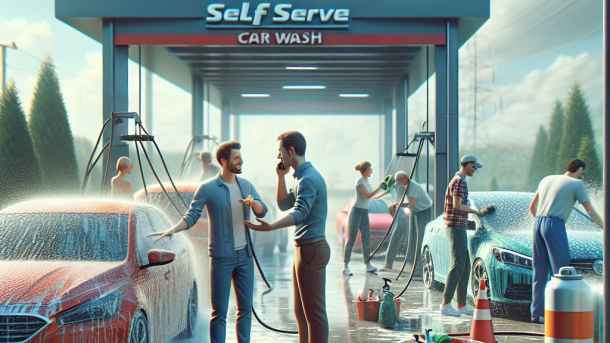
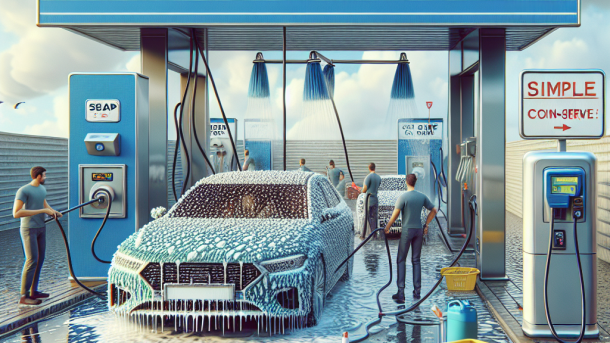
For those who enjoy a hands-on approach, self-service car washes offer the perfect blend of autonomy and satisfaction. Here, you control the wash cycle, applying your personal touch to achieve the desired shine.

Each option comes with its own set of advantages and challenges, akin to choosing between a sturdy umbrella or a raincoat on a stormy day. As we delve deeper, you’ll discover which method aligns best with your needs and preferences, ensuring your car gleams like a polished gem.

For a deeper dive into the history and types of car washes, Wikipedia offers a wealth of information to satisfy your curiosity.

Automated Car Washes

Picture this: you’re cruising through the city, and your car is in dire need of a bath. Enter the realm of automated car washes, where machines effortlessly transform your dusty vehicle into a sparkling spectacle. But what exactly makes these mechanical marvels tick, and are they the best option for your trusty ride?

Automated car washes offer a quick and efficient solution to car cleaning, much like a fast-food drive-thru for your vehicle. They employ an array of brushes, soaps, and high-pressure jets to whisk away grime and dirt. While the convenience factor is undeniable, there’s a potential trade-off lurking beneath the surface. Concerns about the impact on your car’s paint and delicate parts, such as antennas and side mirrors, may cause hesitation.

Despite these concerns, automated washes can be an excellent choice for those seeking speedy results without breaking a sweat. By selecting the right type and taking precautionary measures, you can ensure your car emerges unscathed, much like a phoenix rising from the ashes. And if you’re wondering about the profitability of these operations, explore how automated car washes can be lucrative ventures.

For a deeper understanding of their mechanics and benefits, you might want to check out the Wikipedia page on automatic car washes. This resource delves into the evolution and variations of these machines, enhancing your knowledge of this fascinating world.

Hand Wash Services

Imagine a serene oasis where your car receives the royal treatment, akin to a spa day for vehicles. In the world of hand wash services, skilled professionals meticulously attend to every detail, ensuring that your car is pampered and polished to perfection. This method is the epitome of precision and care, often leaving your car gleaming like a precious jewel.

Unlike the hurried rush of automated washes, hand wash services offer a slower, more deliberate approach. Here, each crevice is attended to with the utmost care, ensuring that no speck of dirt remains. This level of attention can be particularly beneficial for luxury cars or those with special detailing needs.

However, this personalized touch often comes with a higher price tag and requires more time than other methods. But for those who value quality over speed, hand wash services can be a worthy investment in maintaining your vehicle’s pristine appearance.

For those considering the financial aspect of car washes, exploring if car washes are a profitable venture might provide valuable insights. Understanding the economics of car washes can aid in making informed decisions, whether you’re a car owner or an aspiring entrepreneur.

Self-Service Car Washes

Consider the self-service car wash as a playground for car enthusiasts, where the thrill lies in taking matters into your own hands. Here, you become the artist, meticulously crafting the canvas that is your car. With hoses and brushes at your disposal, you control the entire washing process, tailoring it to meet your standards.

Self-service facilities offer a sense of freedom and autonomy, allowing you to dictate the pace and focus on areas that need extra attention. It’s a perfect blend of convenience and personalization, much like a DIY project that reflects your individual touch. Moreover, it’s a cost-effective option, letting you wash as per your budget and preference.

Yet, as liberating as it is, self-service washes come with their own set of challenges. It requires time, effort, and a bit of know-how to ensure your car emerges spotless without causing inadvertent damage. For those who relish the satisfaction of a job well done, this option can be immensely rewarding.

If you’re curious about the financial aspect of self-service car washes, delving into how they generate revenue monthly might provide some enlightening insights. Understanding this can be particularly useful if you’re considering investing in or starting your own car wash business.

Potential Risks of Automated Car Washes

Stepping into the realm of automated car washes can feel like entering a futuristic world, where machines promise to cleanse your car with the precision of a clockwork dance. Yet, beneath the allure of convenience, certain risks lurk, akin to hidden thorns in a rose bush.

For starters, one of the primary concerns is the potential damage to the car’s paint. The harsh brushes and high-pressure jets, while effective in removing grime, can sometimes be too aggressive, leading to scratches or the dulling of your car’s finish. It’s like a stormy sea that, although cleanses, might also erode the shoreline.

Additionally, automated car washes may inadvertently harm external features such as antennas and side mirrors. These delicate components, much like the fragile wings of a butterfly, require gentle handling, which is not always guaranteed by the relentless motions of automated machines.

Despite these risks, many drivers find solace in the quick and efficient service offered by automated washes. By selecting the right type and taking necessary precautions, such as retracting mirrors and removing antennas, the experience can be safer. If you’re curious about the financial side of these operations, exploring if automated car washes are a profitable investment might shed some light.

For a more comprehensive understanding of potential risks and benefits, you can consult resources such as the Wikipedia page on automatic car washes, which offers a detailed exploration of their mechanics and history.

Damage to the Car’s Paint

Imagine your car’s paint as a delicate work of art, a canvas that tells the story of your journeys. Yet, the seemingly harmless journey through an automated car wash can sometimes turn into an unexpected storm, leaving scars on this masterpiece. The high-pressure jets and robust brushes, akin to a tempest, can be too aggressive, resulting in scratches or a dulled finish.

This is akin to the relentless waves that, while cleansing the shore, may also erode its beauty over time. While automated car washes promise efficiency, they can sometimes become unwitting vandals to your car’s aesthetic charm. Understanding these potential pitfalls is crucial when weighing the convenience against the preservation of your car’s allure.

If you’re pondering over whether the convenience of automated washes outweighs the potential risks, consider exploring how certain conditions can further exacerbate these issues.

For a deeper dive into the intricacies of car paint and its care, the Wikipedia page on automotive paint offers an extensive overview of its composition and vulnerabilities.

Damage to Antennas and Side Mirrors

Picture your car’s antennas and side mirrors like the delicate feathers of a bird, essential yet vulnerable. The automated car wash, with its swirling brushes and powerful jets, can sometimes be an unintentional predator to these appendages. While designed to cleanse, these machines may inadvertently snag or jostle, leaving antennas bent and mirrors askew, akin to a ruffled plumage.

This risk is not merely theoretical. As vehicles pass through the labyrinth of mechanical arms, the potential for misalignment or outright damage is real. However, much like a cautious bird avoiding a storm, there are ways to mitigate these risks. Many drivers find solace in retracting mirrors and removing detachable antennas before entering the wash.

Understanding these vulnerabilities is key to ensuring your car emerges unscathed. For more insights into safeguarding your vehicle, you might explore how often you should consider washing your car, balancing cleanliness with care.

For further reading on car care and maintenance, consider visiting the Wikipedia page on car care, which offers a wealth of information on preserving your vehicle’s integrity.

How to Minimize Risks

Venturing into the realm of automated car washes doesn’t have to be a roll of the dice. By adopting a few precautionary measures, you can significantly reduce the risks associated with these mechanical marvels, ensuring your car’s journey through is as smooth as silk.

Firstly, consider choosing a touchless car wash option. These systems rely on high-pressure jets rather than brushes, minimizing contact with your car’s surface and reducing the risk of scratches akin to avoiding a thorny path in a rose garden. Ensuring your vehicle’s antennas are retracted and side mirrors are folded is vital, much like securing a ship’s sails before a storm.

Moreover, regular waxing of your car can act as a protective shield, akin to a knight donning armor. This layer can provide an additional safeguard against minor abrasions, preserving the luster of your car’s paint. For more tips on car care, you might explore when to avoid washing your car under certain conditions.

For a more comprehensive understanding of car maintenance, consider visiting authoritative resources such as the Wikipedia page on car maintenance, which offers valuable insights into keeping your vehicle in prime condition.

Benefits of Using a Car Wash

Imagine a world where your car gleams with a brilliance that rivals the sun. That’s the magic a good car wash can bring to your ride. But beyond aesthetics, there are several compelling reasons why using a car wash is a smart choice.

Firstly, convenience and time-saving stand out as undeniable benefits. In today’s fast-paced world, finding time to wash your car can be as elusive as a mirage. With a professional car wash, your vehicle is cleaned while you go about your day, allowing you to focus on other priorities.

Additionally, opting for a car wash can be better for the environment. Many commercial washes use water-efficient systems and proper waste management to minimize their environmental footprint, unlike the typical home wash that might use more water and release harmful substances into storm drains.

Moreover, professional cleaning services offer a level of expertise and equipment that can achieve a deeper clean, ensuring that every inch of your car is spotless. It’s akin to having a gourmet chef prepare your meal, rather than doing it yourself.

If you’re curious about the cost-effectiveness of car washes, exploring the financial side of owning and operating a car wash might provide some enlightening insights.

For those interested in the environmental impact and benefits of various car wash methods, you can explore resources from reputable organizations such as the Environmental Protection Agency (EPA) for guidance and information.

Convenience and Time-Saving

In the bustling rhythm of modern life, time is a luxury that often feels out of reach. Imagine a world where you can reclaim precious moments, all while ensuring your car gleams like a diamond in the sunlight. That’s the promise of a professional car wash. Like a magician waving their wand, car washes offer the convenience of a spotless vehicle without the sweat and toil of doing it yourself.

Picture this: you drop off your car, grab a coffee, and return to find it transformed, as if touched by Midas himself. No more spending hours with a bucket and sponge, battling stubborn grime. Instead, you gain the freedom to focus on what truly matters—be it work, family, or leisure.

For those intrigued by the economic aspects of car washes, delving into how owning a car wash can be financially rewarding might spark new insights. Additionally, understanding the environmental benefits can be explored through resources like the Environmental Protection Agency (EPA), which provides guidance on eco-friendly practices.

Better for the Environment

Imagine a world where each drop of water counts, and every action we take leaves a gentle footprint on the earth. This vision isn’t just a dream; it’s the promise of modern car washes. Unlike the traditional home wash, which can be as wasteful as leaving a faucet running, professional car washes are akin to a well-oiled machine, using water-efficient systems that conserve precious resources.

These facilities often employ closed-loop systems that recycle water, ensuring that every drop is utilized to its fullest potential. It’s like a dance where every step is calculated, leaving no room for excess. Moreover, the use of biodegradable soaps and proper waste management means less harmful chemicals find their way into ecosystems, much like a painter choosing eco-friendly colors for their masterpiece.

For those curious about the environmental benefits, exploring resources from the Environmental Protection Agency (EPA) can provide valuable insights into eco-friendly car wash practices. This approach not only keeps your car clean but also contributes to a healthier planet, allowing you to drive with a clear conscience.

Additionally, understanding how car washes can be a sustainable business venture might offer enlightening perspectives on balancing profitability with environmental responsibility.

Professional Cleaning Services

Imagine your car as a canvas, and the cleaning experts as artists, skillfully restoring its luster with each meticulous stroke. Professional cleaning services offer a level of care and precision that transforms even the most neglected vehicles into shining masterpieces. It’s akin to a tailor crafting a bespoke suit, where every detail is attended to with the utmost care.

These services employ specialized tools and products, much like a chef with a well-stocked kitchen, to ensure every inch of your car is spotless. This expertise extends beyond the surface, reaching into crevices and corners that often elude a regular wash. For those who value both time and excellence, professional cleaning is an investment in your car’s aesthetic and longevity.

If you’re curious about how professional cleaning services compare with other car washing methods, you might explore the differences in earnings between self-service and professional setups. Additionally, for insights on the broader economic landscape of car washes, resources like the financial potential of owning a car wash can provide valuable perspectives.

Comparing Different Car Wash Methods

In the vibrant marketplace of car cleaning, choosing the right method can feel like selecting the finest silk. Each car wash method has its own story, its own rhythm, and its own set of strengths. From the swift efficiency of automated washes to the artisan touch of hand services, and the DIY satisfaction of self-service options, the spectrum is as colorful as a sunset. But how do these methods stack up against each other?

Consider the cost factor. Automated washes offer speed and convenience, often at a moderate price, while hand washes can be pricier due to the personalized care. Self-service washes, on the other hand, provide a budget-friendly option, letting you decide how much to spend based on your preferences and time.

When it comes to effectiveness in cleaning, each method has its merits. Automated washes excel in speed, hand washes in detail, and self-service in personalization. It’s like choosing between a gourmet meal, a home-cooked feast, or a quick bite, each satisfying in its own way.

Ultimately, the impact on your car’s longevity is a crucial consideration. Hand washes offer meticulous care, automated washes provide efficient service, and self-service allows for gentle handling, all contributing to maintaining your car’s brilliance over time.

For those curious about the financial aspects of these methods, exploring how much a car wash can make annually might provide insightful perspectives. Additionally, understanding the environmental and practical implications of each approach can be further explored through reputable sources such as the Environmental Protection Agency (EPA).

Cost Comparison

When it comes to choosing a car wash method, cost is often the deciding factor. It’s like standing in front of a menu, weighing the options based on your appetite and budget. Automated car washes, much like fast-food chains, offer a quick and efficient clean at a moderate price, making them an attractive option for those on the go.

In contrast, hand wash services are akin to dining at a fine restaurant. They provide a meticulous and personalized touch but come with a higher price tag. This method is ideal for car owners seeking luxury treatment and are willing to invest in their vehicle’s appearance.

Self-service car washes, however, offer a more budget-friendly approach, similar to cooking at home. You control the amount spent and the time invested, making it a flexible option for those who prefer to personalize their car cleaning experience. If you’re curious about the profitability of self-service options, exploring how they generate revenue monthly can provide some enlightening insights.

For a broader perspective on the environmental and economic implications of each method, reputable sources such as the Environmental Protection Agency (EPA) can offer valuable information.

Effectiveness in Cleaning

When it comes to the effectiveness of cleaning, the choice of car wash method can be as personal as selecting a favorite tune. Each option plays its own unique melody, catering to different needs and preferences. Automated car washes, for instance, are like a high-energy pop song—quick and efficient but sometimes lacking the depth and nuance of a slower ballad.

Hand wash services, on the other hand, are akin to a classical symphony, offering meticulous attention to detail. Each stroke of the sponge is deliberate, ensuring every inch of your vehicle is spotless. This method is particularly effective for luxury cars or those requiring special detailing, much like a finely tailored suit.

Self-service car washes allow you to be the conductor of your own cleaning symphony. You control the intensity, timing, and areas of focus, much like a personalized playlist. This method can be highly effective for those who enjoy a hands-on approach and have specific areas they wish to target.

Understanding how often to wash your car can also impact effectiveness. For insights on maintaining cleanliness and care, explore when to wash your car to achieve optimal results. Additionally, for a deeper understanding of the environmental implications, visit resources from the Environmental Protection Agency (EPA).

Impact on the Car’s Longevity

Choosing the right car wash method can be as crucial to your vehicle’s lifespan as selecting the right fuel. Each method—automated, hand wash, or self-service—has varying effects on the longevity of your car, akin to different diets impacting an athlete’s performance.

Automated car washes, while convenient, can sometimes be harsh on your car’s exterior. The vigorous brushes and high-pressure jets may cause wear over time, much like a marathon runner’s knees taking a toll from constant pounding. However, selecting a touchless option can mitigate these risks, akin to switching to a low-impact workout routine.

Hand washes, with their meticulous care, are like a personalized training program. They tend to be gentler on the car’s paint and finish, contributing positively to its longevity. This method is ideal for those who view their vehicle as a long-term investment, much like nurturing a garden to full bloom.

Self-service washes offer a middle ground, where you control the intensity of the cleaning process, akin to adjusting the difficulty level of an exercise regimen. This method allows for gentle handling, preserving your car’s condition while offering a personal touch.

For insights into how often to wash your car for optimal longevity, explore how frequent cleaning impacts your car. Additionally, understanding the environmental benefits of each method can be further explored through reputable sources such as the Environmental Protection Agency (EPA).

DIY Car Washing Tips

Embarking on a DIY car wash adventure is like stepping into a world of personal creativity and satisfaction. It’s a gratifying experience that allows you to transform your vehicle into a shining testament of your efforts. But how do you ensure that your car wash at home is as effective as a professional service?

First off, gathering the right tools and supplies is crucial. Think of them as your trusty sidekicks, ready to assist in your quest for a spotless car. A quality car shampoo, microfiber towels, and a soft sponge are essentials. For those who wish to delve deeper into the costs associated with home washing, understanding the expenses involved can be enlightening.

Next comes the art of best practices for washing your car at home. It’s akin to a well-choreographed dance, where each step contributes to an immaculate finish. Begin with a pre-rinse to remove loose dirt, followed by a gentle wash using the two-bucket method—one for the soapy water and one for rinsing. This technique minimizes the risk of scratches, much like a painter cleaning their brushes between strokes.

But how often should you indulge in this ritual? The answer varies, depending on factors like climate and driving conditions. For more insights, consider exploring how frequent washing impacts your car.

For those curious about eco-friendly practices, incorporating biodegradable soaps and water-saving techniques can make your DIY wash not only effective but also environmentally conscious. Resources from the Environmental Protection Agency (EPA) offer valuable guidance on sustainable car washing methods.

Tools and Supplies You Need

Embarking on a DIY car wash is akin to setting sail on a smooth ocean, where preparation is key to reaching your desired destination—a pristine, gleaming vehicle. But what tools and supplies will guide you on this voyage?

First, a quality car shampoo is essential, much like a compass guiding you through the sudsy waters. It ensures that the dirt loosens without stripping away the protective wax layer. Microfiber towels are your trusty crew members, gentle yet effective in drying and buffing without leaving a trace of lint.

A soft sponge or wash mitt is your sail, gliding smoothly over the car’s surface, gently lifting away grime without causing scratches. A bucket, or two if you’re following the two-bucket method, provides the reservoir for your cleaning solutions, ensuring that dirty water doesn’t mar your efforts.

For those curious about the cost implications, exploring how much it might cost to wash your car at home can provide insightful perspectives. Additionally, incorporating eco-friendly practices, such as using biodegradable soaps, can make your DIY wash not only effective but also environmentally conscious. To understand more about sustainable methods, consider visiting resources like the Environmental Protection Agency (EPA) for guidance.

Best Practices for Washing Your Car at Home

Washing your car at home can be a delightful ritual, akin to a personal spa day for your vehicle. But to achieve that showroom shine, it’s essential to follow best practices, much like a chef adhering to a trusted recipe.

Begin by rinsing your car with a gentle spray of water, removing loose dirt and debris. Imagine this as laying a blank canvas, ready for the masterpiece to unfold. A pre-rinse is crucial to prevent grit from scratching the paint during the wash.

Next, employ the two-bucket method: one for soapy water and the other for rinsing your sponge or mitt. This technique, akin to a painter cleaning their brushes between colors, ensures that dirt doesn’t re-enter the wash process, reducing the risk of scratches.

Work from top to bottom, allowing gravity to assist in the rinse, and use a microfiber towel to dry the surface. This method, much like a meticulous artist, ensures that water spots are averted, leaving a flawless finish.

For those curious about maintaining the vehicle’s longevity, understanding how often to wash your car can provide useful insights. And remember, incorporating eco-friendly practices can enhance your car wash experience while benefiting the environment, as outlined by resources from the Environmental Protection Agency (EPA).

How Often Should You Wash Your Car?

Determining the ideal frequency for washing your car can be as puzzling as choosing the right wine for dinner. It’s a delicate balance influenced by a variety of factors, each playing its own tune in the symphony of car care.

For those residing in urban areas, where pollution and dust are as common as the morning sun, a weekly wash might be your best bet. This routine, akin to a regular fitness regimen, helps maintain your car’s shine and protects the paint from the elements.

In contrast, if your car resides in a more rural setting, away from the hustle and bustle, a bi-weekly or even monthly wash may suffice. Much like a plant needing less water in a shaded spot, your car requires less frequent attention when sheltered from pollutants.

For a deeper dive into the factors influencing washing frequency, consider exploring insights on how often you should wash your car. Additionally, understanding the environmental impact of frequent washing can be further explored through resources from the Environmental Protection Agency (EPA), providing valuable guidance on sustainable practices.

Environmental Considerations

As stewards of this planet, every action we take echoes in the chambers of nature, and car washing is no exception. The process, while seemingly benign, can be a double-edged sword, much like a river that nourishes yet can also erode. Understanding the environmental considerations of car washing allows us to strike a balance between cleanliness and conservation.

One of the primary concerns is water consumption and waste. Traditional car washing methods can be as wasteful as a leaking faucet, letting precious water slip away. However, by opting for professional car washes, which often utilize water-efficient systems and EPA-approved procedures, you can significantly reduce water wastage.

Furthermore, embracing eco-friendly car wash practices is akin to planting seeds of sustainability. Using biodegradable soaps, recycling water, and employing proper waste disposal methods ensure that harmful chemicals do not leach into our ecosystems. These practices not only protect our waterways but also contribute to a cleaner, healthier environment.

If you’re curious about the broader environmental implications of various car wash methods, exploring insights from reputable sources such as the Environmental Protection Agency can provide valuable guidance. By making informed choices, we can ensure our cars shine brilliantly without casting a shadow on the planet.

Water Consumption and Waste

Imagine a cascading waterfall, its droplets shimmering in the sunlight—such is the allure of a clean car. Yet, the water we use to achieve this sparkle can be as precious as gold. Traditional car washes, akin to a gushing river, often consume vast amounts of water, with much of it going to waste. This indulgence, while satisfying, can take a toll on our planet’s dwindling resources.

Professional car washes, however, are like skilled gardeners tending to a desert oasis. Many have adopted water-efficient systems that recycle and reuse water, minimizing waste and conserving this invaluable resource. According to the Environmental Protection Agency (EPA), these systems can significantly reduce water consumption compared to DIY methods.

For those committed to sustainability, embracing these eco-friendly practices is akin to planting trees in a barren land—small steps that yield significant environmental benefits. By choosing car washes that prioritize water conservation, you contribute to a healthier planet, ensuring that our waterways remain as pristine as a mountain stream.

For a deeper dive into the impacts of water usage in car washes, exploring resources from the Environmental Protection Agency can provide valuable insights into making responsible and informed decisions.

Eco-Friendly Car Wash Practices

Imagine a world where every car wash breathes life into the environment rather than draining it. This is the promise of eco-friendly car wash practices, akin to a gentle rain nourishing the earth. By adopting these methods, we can transform the act of washing a car from a potential environmental burden into a harmonious dance with nature.

One such practice is the use of biodegradable soaps. These eco-friendly detergents, like nature’s own cleansing agents, break down naturally without leaving harmful residues in our waterways. It’s akin to choosing organic produce—good for you and the planet.

Another key practice is water recycling. Modern car washes, much like efficient water mills, are designed to minimize waste by reusing water throughout the washing process. This not only conserves precious resources but also reduces the overall environmental footprint.

For those washing their vehicles at home, consider techniques like washing on a permeable surface, allowing water to seep back into the ground rather than flowing into storm drains. This simple step can make a significant difference, akin to planting a seed in fertile soil.

For more insights into sustainable car wash practices, the Environmental Protection Agency (EPA) offers comprehensive resources on eco-friendly methods. By embracing these practices, we ensure that our vehicles shine brightly without casting a shadow on our planet.

Key Takeaways

As we journey through the world of car washes, the choice between convenience and care becomes a balancing act, much like walking a tightrope. Understanding the potential risks and benefits of different car wash methods allows us to make informed decisions that ensure our vehicles remain as pristine as we envision them.

Whether opting for the swift efficiency of automated washes or the meticulous touch of hand services, each method offers its own unique set of advantages and challenges. By considering factors such as cost, effectiveness, and environmental impact, we can tailor our choices to align with our values and needs.

DIY car washing provides a personal touch, allowing us to control every aspect of the process. However, understanding the costs and best practices involved is crucial to avoid common pitfalls. For a deeper exploration of home washing expenses, consider how home washing costs compare with professional services.

In our quest for a clean car, environmental considerations play a pivotal role. By embracing eco-friendly practices and opting for water-efficient systems, we contribute to a sustainable future, ensuring our cars shine without casting shadows on the earth. For further insights into sustainable car wash practices, the Environmental Protection Agency (EPA) offers valuable guidance.

Conclusion

As we wrap up our exploration of the car wash universe, it’s clear that the journey involves more than just soap and water. It’s a tapestry woven with choices, considerations, and consequences. Each method, whether automated, hand wash, or self-service, offers its own melody in the symphony of car care, and choosing the right one requires a keen ear.

The potential risks, such as the damage to your car’s paint or exterior features, can be mitigated with informed decisions and precautionary measures. Meanwhile, the benefits of convenience, environmental responsibility, and professional expertise shine brightly, guiding us like a lighthouse in a storm.

As we navigate the waters of car washing, embracing eco-friendly practices and understanding the financial implications can steer us towards a sustainable future. By aligning our choices with our values, we ensure our vehicles remain as pristine as a polished gemstone, all while treading lightly on our planet.

For those looking to delve deeper into the economics of car washing, exploring the potential earnings of owning a car wash might provide intriguing insights. Additionally, the Environmental Protection Agency (EPA) remains a beacon of guidance for eco-conscious car care practices, ensuring our rides continue to shine without casting shadows.

How often should cars be washed?

Table of Content

TITLE: How often should cars be washed?
COUNTRY CODE: US
LANGUAGE CODE: en
TABLE OF CONTENT:

  • Introduction
  • The Benefits of Washing Your Car
    • Prolonging the life of your vehicle
    • Enhancing your car’s appearance
    • Maintaining the vehicle’s resale value
  • Factors Influencing Car Wash Frequency
    • Climate considerations
    • Driving habits and frequency
    • Environmental pollutants and location
  • How Often Should You Wash Your Car?
    • Monthly vs. weekly car washes
    • Signs your car needs a wash
  • Types of Car Washes
    • Hand washes
    • Automatic car washes
    • Touchless car washes
  • DIY Car Wash Tips
    • Tools and materials needed
    • Step-by-step guide to washing at home
    • Common mistakes to avoid
  • Environmental Considerations
    • Water usage and conservation
    • Eco-friendly car wash products
  • Key Takeaways
  • Conclusion

How often should you wash your car to keep it in the best condition?

Introduction

In the symphony of car care, washing your vehicle is akin to hitting the perfect note that echoes longevity and beauty. But how often should this ritual be performed? Just like a maestro fine-tuning an orchestra, the frequency of washing your car can significantly impact its performance and appearance. Whether it’s your trusty companion for daily commutes or a prized possession for weekend joyrides, understanding the art of car washing can make all the difference.

Consider the environment your car traverses; the urban jungle with its bustling streets or the serene countryside with its gentle breezes. Each setting presents unique challenges that dictate how often you should indulge your car in a cleansing bath. Moreover, the type of wash you choose can be the gentle caress of a hand wash or the efficient swipe of an automatic car wash. Discovering the optimal washing schedule and method can be as rewarding as the gleaming finish on your vehicle’s surface.

As we delve into the nuances of car washing frequency, you’ll uncover the secrets to preserving your car’s luster, safeguarding its resale value, and embracing eco-friendly practices. To understand how often the average person gets a car wash, you may want to explore this insightful read. Let the journey to an immaculate vehicle begin!

The Benefits of Washing Your Car

Imagine your car as a gleaming knight, clad in armor, ready to face the elements of the road. Regular washing is like polishing this armor, providing a radiant sheen while ensuring its longevity on the battlefield. But beyond mere aesthetics, what are the real benefits of washing your car?

Prolonging the life of your vehicle

Much like a knight’s armor, your car’s exterior is its first line of defense against the elements. Regular washing removes corrosive agents like salt and grime, preventing rust and decay. This simple act can be as crucial as a guardian angel, looking over your vehicle’s well-being, ensuring it remains roadworthy for years.

Enhancing your car’s appearance

There’s a unique satisfaction in driving a car that looks as good as the day it rolled off the assembly line. Washing your car regularly ensures that the paintwork remains vibrant, turning heads and earning admiring glances. It’s like dressing your car in a suit of elegance, making every journey feel like a red-carpet event.

Maintaining the vehicle’s resale value

Just as a well-maintained castle commands respect and value, so does a car that gleams with care. Regular washing helps maintain its resale value, ensuring that when the time comes to part ways, you can command a price that reflects your diligence. It’s a smart investment, paying dividends in the form of a higher resale value.

For a deeper understanding of how often you should wash your car to harness these benefits, explore this insightful guide. Remember, a clean car is not just about appearances; it’s about preserving the heart and soul of your faithful companion.

Factors Influencing Car Wash Frequency

In the grand tapestry of car care, several threads determine how frequently you should wash your car. Just as a seasoned traveler adjusts their gear based on the terrain, so should you tailor your car washing habits according to specific factors.

Consider the climate; the blazing sun, the relentless rain, or the icy chill. Each casts its unique spell on your vehicle, influencing how often it craves a wash. Driving habits also play a role; frequent road warriors encounter more grime and dust compared to occasional drivers. Furthermore, environmental pollutants and the location where your car resides can dictate the washing schedule, ensuring your car remains a beacon of cleanliness.

Discovering the optimal washing frequency is an art, much like painting a picturesque landscape. For more insights, dive into this comprehensive guide on determining how often you should wash your car. Remember, each car is a story, and washing it is a chapter that deserves attention and care.

Climate considerations

Imagine your car as an adventurer, braving the elements on a never-ending quest. Just as a seasoned traveler adapts to diverse climates, so must your car washing routine adapt to the weather it faces. In areas with scorching heat, the relentless sun can bake dirt and grime onto your car’s surface, demanding more frequent washes to keep it pristine. Conversely, in regions where rain is a constant companion, the moisture can aid in cleaning away dust but may also leave unsightly water spots.

Winter brings its own set of challenges, with road salt and slush acting as agents of corrosion, crying out for regular cleansing to stave off rust. Even the gentle caress of coastal breezes carries salt that can damage your vehicle’s finish. To navigate these climatic challenges, consider your environment and adjust your car washing schedule accordingly. For a more in-depth exploration of how climate affects car wash frequency, you might find this resourceful guide enlightening.

Remember, like any true adventurer, your car’s journey is shaped by the elements, and its care is a reflection of your understanding of its needs.

Driving habits and frequency

Consider your car as an intrepid explorer, navigating through the urban labyrinth or meandering down serene country roads. The frequency and style of your driving can dramatically influence how often it requires a thorough wash. If your daily routine involves traversing bustling city streets, your car may accumulate layers of dust and exhaust residue, akin to a seasoned traveler collecting souvenirs along the way. This necessitates more frequent washes to maintain its pristine appearance.

For those who frequently embark on long road trips or off-road adventures, your vehicle may encounter road tar, mud, or even pesky insects splattering the windshield. These elements demand regular attention to prevent damage to the paintwork and ensure optimal visibility. Conversely, if your vehicle predominantly enjoys the quiet life, tucked away in a garage and driven sparingly, it may not require as frequent washes.

To further understand how your driving habits impact car wash frequency and ensure the longevity of your vehicle, consider this insightful guide. Each journey leaves its mark, and maintaining a clean car is like preserving the tales of its travels, ensuring it remains a trusted companion on the road.

Environmental pollutants and location

Picture your vehicle as a majestic ship navigating through a sea of environmental challenges. The air it sails through is filled with invisible foes—pollutants that can mar its pristine surface. Living near industrial areas or bustling highways, where smog and grime cling to every contour, demands vigilance in car care. These pollutants act like an invisible coat of grime, slowly dulling your car’s shine and potentially damaging the paintwork.

Even the charm of rural settings isn’t without its challenges. Pollen, dust, and bird droppings become the uninvited guests that can tarnish your vehicle’s beauty. If your car often parks under trees, sap and leaves can also become troublesome companions. The location where your car resides plays a significant role in determining how often it should be washed.

Embracing a regular washing routine can be akin to donning a shield against these environmental adversaries. For guidance on how often to wash your car based on environmental factors, explore this detailed guide. Remember, your car’s exterior tells a story of its environment, and regular washes help keep its tale one of resilience and beauty.

How Often Should You Wash Your Car?

Imagine your car as a canvas, with every wash revealing a fresh masterpiece beneath layers of accumulated dust and grime. The question is, how often should this artistic ritual be performed? The answer is a complex tapestry woven from the threads of climate conditions, driving habits, and environmental influences.

Some drivers might choose to wash their cars weekly, ensuring a consistently pristine appearance akin to a well-groomed racehorse. Others might opt for a monthly cleanse, allowing a little dust to gather before unveiling their car’s true brilliance. Understanding the balance between necessity and preference is key here. For more insights into the average person’s car wash habits, you might find this article enlightening.

Ultimately, the frequency with which you wash your car should harmonize with your unique circumstances. Whether it’s a weekly indulgence or a monthly ritual, each wash is a chapter in your car’s story, preserving its beauty and spirit for the journeys ahead.

Monthly vs. weekly car washes

Choosing between monthly and weekly car washes is akin to deciding between a leisurely stroll and a brisk jog—both have their benefits, but the choice depends on your specific needs and circumstances. A weekly wash can be likened to a spa day for your vehicle, ensuring it remains in pristine condition amidst the hustle and bustle of daily life. It’s especially beneficial for those navigating urban environments, where dirt and pollutants accumulate rapidly.

On the other hand, a monthly wash might suffice for vehicles residing in less polluted areas or those driven less frequently. This approach allows for a bit of dust to settle, creating a canvas that tells tales of month-long adventures. However, waiting too long between washes can lead to stubborn grime, much like a neglected garden overtaken by weeds.

Ultimately, the decision between a weekly or monthly car wash hinges on factors such as your vehicle’s exposure to dirt, your driving habits, and your personal preference for cleanliness. For more guidance on determining the right frequency for your car, you might explore this insightful guide. Remember, each wash is a step in maintaining your car’s vitality and charm.

Signs your car needs a wash

Picture your car as a vibrant canvas, each road trip adding layers to its story. However, how do you know when it’s time for a refresh? Just like a cherished painting dulled by dust, your car exhibits signs that it’s yearning for a wash. The most obvious indication is the visible layer of grime that masks its once gleaming surface. This uninvited layer can be as subtle as a fine film or as blatant as mud splatters, each whispering the need for attention.

Another telltale sign is the buildup of residue on your windshield and windows, impairing visibility. It’s like trying to view the world through a fogged lens, reminding you that a clear outlook starts with a clean car. Additionally, if you notice a marked decrease in the sheen of your paintwork, it’s a cue to restore its luster with a thorough wash.

Furthermore, if the tactile sensation of running your fingers over the surface leaves them dusty or sticky, it’s time for a cleansing ritual. For more insights on maintaining your car’s appearance and understanding when a wash is due, consider exploring this detailed guide. Remember, a timely wash is the secret to keeping your car’s story fresh and vibrant.

Types of Car Washes

Imagine the world of car washing as a bustling marketplace, each type of wash offering a unique experience to suit different needs and preferences. Just as a traveler selects the perfect route for their journey, choosing the right car wash can make all the difference in your vehicle’s upkeep. From the artisanal touch of hand washes to the swift efficiency of automatic car washes, and the gentle embrace of touchless systems, each has its charm and advantages.

Hand washes are akin to a bespoke service, providing meticulous attention to detail. It’s the choice for those who appreciate the craftsmanship of a personal touch. Automatic car washes, on the other hand, are the modern-day marvels, offering speed and convenience for those pressed for time. Meanwhile, touchless car washes stand as the gentle giants, using high-pressure sprays to cleanse without contact, ideal for preserving delicate paintwork.

Each type of car wash serves a purpose, much like different genres in music, catering to diverse tastes and requirements. To delve deeper into the nuances of these car wash types, consider exploring this comprehensive guide, helping you decide the best fit for your beloved vehicle.

Hand washes

Picture the world of car care as an artisan’s workshop, where hand washes reign supreme as the ultimate bespoke service. Imagine a skilled craftsman meticulously attending to every curve and crevice of your vehicle, treating it as a masterpiece deserving of the utmost care. Hand washes are akin to a gentle symphony, where each stroke of the wash mitt dances across the surface, ensuring a pristine finish.

This type of wash is ideal for those who savor the craftsmanship of a personal touch, valuing the precision and attention to detail that only human hands can provide. It’s the perfect choice for car enthusiasts who view their vehicles as more than just modes of transportation, but as cherished companions on the road.

Moreover, hand washes are particularly beneficial for cars with intricate detailing or delicate paintwork, as they minimize the risk of scratches and damage that can occur with more aggressive washing methods. For insights on whether a hand wash is the right choice for your car, consider exploring this in-depth guide. Embrace the artistry of hand washes, and let your vehicle shine with the brilliance it deserves.

Automatic car washes

Imagine stepping into a futuristic world where efficiency meets elegance—this is the realm of automatic car washes. These modern marvels transform the mundane task of cleaning your car into an orchestrated performance of brushes and sprays, working in harmony to deliver a sparkling finish. It’s as if your vehicle is entering a magical tunnel, emerging on the other side with renewed brilliance.

Automatic car washes are beloved for their speed and convenience, making them the go-to choice for those who lead busy lives. In just a few minutes, your car is treated to a thorough cleanse, leaving you with more time to enjoy the open road. For an overview of the advantages and potential drawbacks of automatic car washes, you may find this informative article enlightening.

However, like any technological wonder, automatic car washes have their nuances. While efficient, they may not provide the meticulous attention that a hand wash offers, and certain systems with vigorous brushes could pose risks to delicate paintwork. For a more detailed exploration of whether an automatic car wash suits your needs, this insightful guide might be of interest. Embrace the convenience of an automatic car wash, and let your car shine with effortless elegance.

Touchless car washes

Imagine a gentle rain washing away the dust of a long journey, leaving your car refreshed without ever laying a hand on it. This is the essence of touchless car washes—a serene dance of water and soap, ensuring your vehicle emerges pristine without any physical contact. It’s like a spa treatment for your car, where high-pressure sprays and specialized detergents work their magic to cleanse every inch.

Touchless car washes are ideal for those who treasure their car’s delicate paintwork, as they eliminate the risk of scratches from brushes or cloths. This method is also faster than traditional hand washes, making it a convenient option for those with a busy lifestyle. To understand the financial aspects of choosing a touchless car wash over other methods, you might find this cost comparison guide insightful.

However, while touchless car washes are gentle, they may not always provide the deep clean that a hands-on approach can achieve. For a comprehensive understanding of whether a touchless car wash is the right choice for your vehicle’s needs, consider exploring this detailed guide. Embrace the grace of a touchless car wash and let your vehicle bask in the gentle embrace of water and air.

DIY Car Wash Tips

Imagine embarking on a journey where you become the artist, and your car is the canvas. DIY car washes offer a unique opportunity to nurture your vehicle with a personal touch, allowing you to connect with it on a deeper level. This hands-on experience not only saves money but also ensures every nook and cranny receives the attention it deserves.

However, like any artist, you need the right tools and techniques to bring your masterpiece to life. From selecting the perfect sponge to choosing the right cleaning agents, each decision shapes the outcome of your endeavor. As we delve into the world of DIY car washes, you’ll discover the secrets to achieving a showroom shine right in your driveway.

For those who are curious about the cost implications of washing your car at home versus a professional wash, this cost analysis might provide valuable insights. Remember, a DIY car wash is not merely a chore—it’s an opportunity to forge a bond with your vehicle and revel in the satisfaction of a job well done.

Tools and materials needed

Imagine stepping into an artist’s studio, where every tool and material is meticulously chosen to create a masterpiece. Similarly, embarking on a DIY car wash requires the right arsenal to ensure your vehicle emerges as a shining emblem of your dedication. What are the essentials for this transformative process?

First and foremost, you’ll need a high-quality microfiber wash mitt or sponge, the gentle brushstroke that cleans without scratching. Pair it with a bucket equipped with a grit guard, ensuring your water remains as pristine as your intentions. Choose a car-specific shampoo, designed to cleanse without stripping away protective waxes, much like a gentle rain nourishing a delicate garden.

Next, a sturdy hose or pressure washer becomes your trusted companion, rinsing away the suds and revealing the brilliance beneath. For the finishing touches, a microfiber drying towel and a clay bar kit work in harmony to polish and protect, much like a final flourish on a painting. To explore the financial implications of washing your car at home, consider this cost analysis.

Remember, having the right tools and materials not only makes the process more efficient but also transforms it into a rewarding experience, leaving your car gleaming with pride.

Step-by-step guide to washing at home

Imagine the satisfaction of watching your car transform from a dust-covered traveler to a gleaming masterpiece—all within the comfort of your driveway. A DIY car wash is akin to a symphony, where each step contributes to the crescendo of a spotless finish. Ready to embark on this artistic endeavor? Here’s your guide to orchestrating the perfect at-home wash.

Begin by gathering your tools and materials, ensuring you have everything needed for a seamless process. Start by rinsing your car with water to remove loose dirt and debris, much like sweeping a canvas clean before painting. Then, prepare your soapy solution using a car-specific shampoo in a bucket.

  • *Stage 1: The Wash* – Use a microfiber wash mitt or sponge, working from the top down in gentle, overlapping strokes. This ensures dirt flows away, preventing scratches.
  • *Stage 2: The Rinse* – Thoroughly rinse each section before moving on to the next, revealing the lustrous surface beneath.
  • *Stage 3: The Dry* – Use a microfiber towel to gently pat the car dry, avoiding swirl marks.

For a deeper dive into the financial aspects of washing at home versus other methods, consider this cost analysis. Embrace the journey, and let your car shine as a testament to your handiwork.

Common mistakes to avoid

Imagine yourself as an artist, diligently crafting a masterpiece. Just as an artist must avoid certain pitfalls to achieve perfection, so must you when washing your car at home. Mistakes can be costly, not just financially, but also in terms of your car’s appearance and longevity.

  • *Using the wrong cleaning products* – It’s like using oil paints on watercolors; choose products designed specifically for cars to avoid damaging the paint.
  • *Washing in direct sunlight* – Much like a sculptor avoiding harsh light for precision, washing under the sun can lead to soap spots and premature drying.
  • *Ignoring the wheels* – Your car’s wheels are akin to a knight’s steed needing care; neglect can allow grime to damage brake components.
  • *Using one bucket* – Avoid cross-contamination by using a two-bucket method: one for soapy water and one for rinsing the mitt, preserving the car’s finish.

For a better understanding of how economically viable it is to wash your car at home, you might want to explore this detailed cost analysis. Remember, each step in the washing process is a brushstroke, and with care, your car will emerge as a shining testament to your skill and dedication.

Environmental Considerations

Imagine the world as a delicate tapestry, where each action we take leaves an indelible mark on its intricate weave. Car washing, a seemingly routine task, is no exception. The environmental implications of this activity can be as profound as a pebble dropped into a serene pond, sending ripples far and wide. But fear not, for with conscious choices, we can ensure our actions align with the symphony of nature.

Water usage, a precious resource, is a key concern in the realm of car washing. Each wash can consume gallons of water, akin to a river flowing endlessly. However, by adopting water-saving techniques and using eco-friendly products, we can transform this process into an environmentally harmonious act. Moreover, the choice between washing at home or utilizing a professional service can influence our ecological footprint, as explored in this cost comparison guide.

Join us as we delve into the nuances of responsible car washing, discovering how small changes can create a symphony of sustainability. Together, we can embrace practices that honor the Earth while maintaining the brilliance of our beloved vehicles. For further insights on eco-friendly car wash practices, you may explore resources such as the EPA’s guide on green vehicles. Let us embark on this journey of environmental stewardship, where every wash becomes a step towards a brighter, greener future.

Water usage and conservation

Imagine water as the lifeblood of our planet, flowing through the veins of our ecosystems and sustaining all forms of life. Yet, in the realm of car washing, this precious resource often becomes an overlooked casualty. Each wash can consume a staggering amount of water, akin to a small river flowing down the driveway. But, with a mindful approach, we can turn this routine task into an act of environmental stewardship.

Embracing water conservation techniques is like crafting a symphony of sustainability. Opt for a hose with a shutoff nozzle, allowing you to control the flow and reduce wastage. Consider using a bucket system, where a limited amount of water becomes your canvas, ensuring every drop serves its purpose. Additionally, explore waterless car wash products, which offer a gentle yet effective cleanse without the need for gallons of water.

For those who prefer professional car washes, seek out facilities that use recycled water systems, transforming potential waste into a resource. By choosing eco-friendly methods, we can ensure our actions resonate harmoniously with the environment. To delve deeper into the financial aspects of washing at home versus professional services, explore this cost comparison guide. Remember, each drop saved is a step towards a more sustainable future, where our cars shine as ambassadors of responsible care.

Eco-friendly car wash products

Imagine a lush garden, teeming with life, responding to the gentle care of an experienced gardener. Similarly, our cars, when washed with eco-friendly products, bask in the benefits of a gentle touch that nurtures without harm. These products are like the whispering wind, cleansing without leaving a trace of pollution in their wake.

Eco-friendly car wash products, often biodegradable and non-toxic, are designed to protect both your vehicle and the environment. They are akin to a soothing balm, leaving the paintwork radiant while ensuring that no harmful residues flow into our waterways. Opting for such products is like choosing a path of harmony, where your car’s brilliance does not come at the expense of nature’s beauty.

Furthermore, these products often require less water, embracing the principles of conservation while providing an effective clean. For those considering the financial aspects of washing at home versus professional services, you might find this cost analysis insightful.

To explore a curated list of eco-friendly car wash products, consider visiting reputable sources like the EPA’s green vehicle guide, where sustainability meets style. Embrace the power of eco-friendly choices, allowing your car to shine as a beacon of responsible care.

Key Takeaways

As we journey through the intricacies of car washing, it becomes clear that each decision, from frequency to method, plays a crucial role in maintaining your vehicle’s health and appearance. Regular washing not only enhances your car’s shine but also acts as a protective shield against environmental elements, much like a knight’s armor in battle.

Various factors, such as climate, driving habits, and environmental pollutants, influence how often you should wash your car. Tailor your washing routine to meet these unique challenges, just as a seasoned traveler adjusts their gear for different terrains. Understanding these factors can guide you in determining the ideal washing schedule for your vehicle, as explored in this comprehensive guide.

Choosing the right type of car wash, whether hand, automatic, or touchless, is akin to selecting the perfect tool for a masterpiece. Each method has its benefits and drawbacks, and your choice should align with your car’s needs and your lifestyle. For more insights, explore this detailed comparison.

DIY car washes offer a personal touch, allowing you to connect with your vehicle while saving money. However, avoid common mistakes and use the appropriate tools and materials to ensure a flawless finish. For a cost analysis of washing at home, visit this informative guide.

Lastly, embrace eco-friendly practices to minimize your environmental impact. By choosing water-conserving techniques and eco-friendly products, you can ensure that each wash is a step toward a sustainable future. For further guidance on eco-friendly car care, consult reputable sources such as the EPA’s green vehicle guide.

Remember, car washing is not merely a chore but an opportunity to preserve your vehicle’s beauty and integrity, ensuring it remains a faithful companion on your life’s journey.

Conclusion

In the grand theater of car maintenance, washing your vehicle emerges as both an art form and a science, balancing the interplay between aesthetic appeal and mechanical longevity. Just as a maestro crafts a symphony, the frequency and method of washing your car can dictate its performance and visual allure.

Understanding the nuances of how often you should wash your car involves a symphony of factors—climate, driving habits, and environmental pollutants all play their part in this harmonious equation. By tailoring your car wash routine to these unique influences, you ensure that your vehicle remains a beacon of cleanliness and resilience. For those curious about the average wash frequency, consider exploring this insightful article.

Moreover, the choice between hand, automatic, and touchless car washes is akin to selecting the perfect brushstroke for a masterpiece. Each method offers distinct advantages, and your decision should align with your car’s needs and your lifestyle preferences. This exploration might lead you to weigh the costs and benefits in this detailed comparison.

Finally, embracing eco-friendly practices is not only a nod to sustainability but also a testament to responsible car care. By conserving water and utilizing eco-friendly products, you ensure that each wash is a step toward a greener future. For further guidance on eco-conscious car washing, consider consulting reputable sources such as the EPA’s green vehicle guide.

Remember, car washing is not merely a chore—it’s a ritual that preserves your vehicle’s spirit, ensuring it remains a loyal companion on all your adventures.

How often does the average person get a car wash?

Table of Content

TITLE: How often does the average person get a car wash?
COUNTRY CODE: US
LANGUAGE CODE: en
TABLE OF CONTENT:

  • Introduction
  • The Importance of Car Washes
  • Factors Influencing Car Wash Frequency
    • Climate and Environment
    • Type of Vehicle
    • Personal Preferences and Habits
  • How Often Do People Generally Wash Their Cars?
    • Survey Data and Statistics
    • Regional Differences in Car Wash Frequency
  • Types of Car Washes
    • Automatic Car Washes
    • Self-Service Car Washes
    • Professional Detailing Services
  • Benefits of Regular Car Washes
    • Protecting Vehicle Paint and Finish
    • Preserving Vehicle Value
    • Improving Aesthetic Appeal
  • Environmental Considerations and Alternatives
    • Water Usage and Conservation
    • Eco-Friendly Car Wash Options
  • Tips for Maintaining a Clean Car Between Washes
    • Routine Cleaning Practices
    • Using Waterless Car Wash Products
  • Key Takeaways
  • Conclusion

How often should you wash your car, and what influences the frequency?

Introduction

Have you ever wondered how the shimmering beauty of a freshly washed car seems to turn heads on the street? It’s more than just a sparkle; it’s a reflection of care and pride in one’s vehicle. But, how often should one indulge in the ritual of a car wash to maintain this allure? The answer isn’t as straightforward as one might think. It varies based on several factors, including individual habits and environmental conditions.

In this exploration, we’ll delve into the average car wash frequency, uncovering the influences that govern this seemingly mundane yet crucial aspect of car maintenance. From the impact of climate to the nuances of personal preferences, we aim to illuminate the path to a cleaner, more pristine vehicle. As we journey through the world of car washing, we’ll also consider the potential benefits of regular washing, such as protecting your vehicle’s value and appearance. Join us as we embark on this enlightening ride!

For further insights into car washing practices, you might find the comprehensive data and guidelines from the Environmental Protection Agency enlightening.

The Importance of Car Washes

Imagine your car as a loyal companion, always ready to take you on adventures, whether through bustling city streets or serene countryside roads. Just like any trusty sidekick, your vehicle needs a bit of pampering to stay in prime condition. Regular car washes are not just about keeping up appearances; they are an essential part of vehicle maintenance.

Dirt, grime, and environmental pollutants can cling to your car’s surface like unwelcome guests, slowly eroding the paint and finish. A regular car wash acts as a protective shield, warding off these intruders and ensuring your vehicle’s longevity. Furthermore, a clean car can contribute to better fuel efficiency by reducing aerodynamic drag—a feature often overlooked. To understand more about how often you should wash your car to maintain its optimal state, consider exploring how often you should wash your car.

In a world where first impressions matter, your car’s gleaming exterior can speak volumes. Whether it’s impressing a client or simply boosting your own confidence, a well-maintained car is your statement piece. To dive deeper into the benefits and considerations of regular car washes, you might also want to check resources like the Consumer Reports, which provide valuable insights into effective car maintenance practices.

Factors Influencing Car Wash Frequency

Have you ever pondered why some drivers wash their cars religiously, while others seem to let the dust settle for weeks on end? The frequency of car washes is influenced by a tapestry of factors that intertwine like a masterful painting.

From the relentless embrace of the climate to the unique demands of the vehicle type, each element plays a part in shaping our car washing habits. Even personal preferences and habits weave their way into this intricate dance, guiding how often we decide to give our beloved vehicles a refreshing cleanse.

Understanding these factors not only sheds light on our car washing routines but also unlocks the secrets to preserving the allure of our vehicles. To explore this further, consider diving into insights on how often you should wash your car and uncover the mysteries behind maintaining that sparkling shine.

Additionally, insights from reputable sources like NOAA Weather can provide valuable information about local climate impacts, helping you tailor your car wash schedule to your specific environment.

Climate and Environment

The climate and environment are like the invisible puppeteers controlling the strings of our car washing frequency. Imagine living in a coastal area where salty sea breezes dance around your vehicle, leaving a corrosive trail. In such places, the need for frequent car washes becomes as essential as breathing.

Conversely, in arid regions where dust storms are a regular visitor, the car might wear a dusty veil, urging its owner to reach for the hose more often. These environmental elements act as the unseen artists painting patterns of grime, dust, and salt on our cars, influencing how often we feel compelled to wash them.

For a more comprehensive understanding of how environmental factors affect car washing habits, exploring resources like the NOAA Weather can offer insights into local climatic conditions. Moreover, understanding the impact of weather conditions can guide you in determining how often you should wash your car to combat these environmental challenges effectively.

Type of Vehicle

The type of vehicle you own can be likened to the protagonist in a novel, dictating the narrative of your car washing routine. Picture a rugged off-road warrior, its tires caked with mud from thrilling adventures, demanding a more frequent visit to the car wash. In contrast, a sleek city sedan might glide through urban landscapes with minimal grime, requiring less frequent cleaning.

Each vehicle, with its unique purpose and design, influences how often it needs a wash. Larger vehicles like SUVs and trucks, often used for outdoor escapades, may gather more dirt and debris than their compact counterparts. Meanwhile, luxury cars, with their impeccable finishes, might beckon for frequent care to maintain their pristine allure.

To delve deeper into understanding how vehicle type impacts washing frequency, you can consider exploring insights on whether it’s better to hand wash or go to a car wash. Additionally, exploring authoritative insights like those from Car and Driver can provide valuable information on specific vehicle care needs, helping you tailor your car wash routine to your vehicle’s demands.

Personal Preferences and Habits

When it comes to car washing, personal preferences and habits are like the brushstrokes that paint the final touches on a masterpiece. Each driver, with their unique inclinations, dictates how often their vehicle receives a bath. Some see their cars as extensions of themselves, craving that perfect shine and making car washing a weekly ritual. Others might prefer a more laid-back approach, content with a monthly cleanse.

Imagine a person who views their car wash as a therapeutic escape, a moment to unwind and bond with their vehicle. For them, the frequency may be higher, driven by the joy of the process rather than necessity. Conversely, someone with a hectic schedule might stretch the intervals, prioritizing convenience over the pristine gleam.

Understanding your own habits can help you determine the ideal washing routine for your lifestyle. To further explore how personal washing habits align with vehicle maintenance, you might find it helpful to consider if it’s cheaper to wash at home or a car wash. Additionally, insights from resources like Psychology Today can provide intriguing perspectives on how personal habits form and influence behavior, including car maintenance practices.

How Often Do People Generally Wash Their Cars?

When it comes to washing cars, frequency is as varied as the colors of a rainbow. People approach this task with different mindsets, influenced by a combination of factors that we’ve explored in earlier sections. But what does the data say? How often does the average person get a car wash?

On average, car owners tend to drive their vehicles through a wash every two weeks, but this is not a hard-and-fast rule. Some enthusiasts might indulge in weekly washes, while others might stretch it out to once a month or even longer. The decision often hinges on factors like climate, vehicle type, and personal habits.

To paint a clearer picture of these trends, let’s dive into some survey data and statistics that reveal the fascinating variations in car washing habits across different regions and demographics. Alongside this, you might find it interesting to explore how various car wash facilities handle varying volumes of vehicles, providing a broader perspective on car washing practices.

Survey Data and Statistics

Peering into the world of car washes through the lens of survey data and statistics provides a fascinating glimpse into the habits and trends of vehicle owners. According to recent studies, about half of car owners in the United States wash their cars every two weeks. This frequency, however, often varies based on several factors, including climate, lifestyle, and personal preferences.

Interestingly, surveys reveal that urban dwellers tend to wash their cars more frequently than those in rural areas, possibly due to the higher levels of pollution and dirt in city environments. Moreover, statistics show that individuals with luxury vehicles or cars that are subject to harsh conditions—like salty coastal air or dusty rural roads—tend to invest more time in regular washing.

For those curious about the economic side of car washing, exploring the profitability of car wash businesses can provide insights into why car wash services are so prevalent and how they cater to varying consumer needs. Additionally, for more on vehicle washing habits, you might find the Statista automotive reports enlightening, offering comprehensive data on car maintenance trends and consumer behavior.

Regional Differences in Car Wash Frequency

Regional differences in car wash frequency are as varied as the landscapes they inhabit. Imagine the bustling streets of New York City, where vehicles are subjected to a constant barrage of dirt, grime, and pollutants. Here, frequent car washes are almost a necessity to maintain that coveted urban shine. Conversely, picture the wide open spaces of rural Montana, where the leisurely pace of life might allow a car’s dust coat to linger a bit longer.

These regional variations are influenced by factors such as climate, population density, and lifestyle. For instance, coastal areas might see salt and humidity take a toll on vehicles, prompting more frequent washes. Meanwhile, inland regions with less environmental stress might not require such regular attention. Understanding these differences helps tailor car washing habits to meet specific regional demands.

For those interested in exploring how regional climate impacts car maintenance, resources like NOAA Weather can provide valuable insights. Additionally, examining average car wash frequencies can further illuminate how geography plays a pivotal role in shaping car washing routines.

Types of Car Washes

Imagine a spectrum of options, each offering its unique approach to achieving that gleaming, freshly-washed car look. The world of car washes presents an array of choices, each catering to different needs and preferences. Whether you prefer the convenience of modern technology or the satisfaction of a hands-on approach, there’s a car wash type that aligns with your desires.

From the high-tech allure of automatic car washes, where machines delicately caress your vehicle with soap and water, to the hands-on experience of self-service facilities where you hold the power of the hose, each option offers its own charm. Or perhaps you crave the meticulous attention to detail provided by professional detailing services, where experts transform your car into a masterpiece.

As we explore these diverse types of car washes, consider how they fit into your routine and lifestyle. For those pondering whether it’s better to hand wash or go to a car wash, this section may provide valuable insights. Additionally, understanding the variety of car wash options can help you decide if it’s cheaper to wash your car at home or at a facility, offering a broader perspective on maintaining your vehicle’s shine.

Automatic Car Washes

Picture yourself driving into a car wash bay, where a symphony of machines awaits to perform their intricate dance. Automatic car washes are akin to an orchestra, with each component playing its part in delivering a harmonious and efficient cleaning experience. These facilities offer a convenient solution for busy individuals seeking a quick and effective way to maintain their vehicle’s shine.

With a simple drive-through process, your car undergoes a series of automated cleaning stages, from pre-soak to rinse, often completed in mere minutes. This mechanized approach is not just about speed; it ensures consistency, as each vehicle receives the same level of care, leaving no room for human error. However, the gentle caress of a machine may not always reach the nooks and crannies that a hand wash might.

For those contemplating whether an automatic wash is the right choice, it’s worth considering the balance between convenience and thoroughness. If you’re curious about how many cars these facilities can handle, explore insights on car wash volumes. Additionally, you might find the perspectives from Consumer Reports enlightening, offering valuable insights into the benefits and considerations of using automatic car washes.

Self-Service Car Washes

Picture yourself standing in the open air, wand in hand, ready to tackle the challenge of a self-service car wash. It’s a bit like being the artist and your car, the canvas. Here, you have the liberty to wield the hose, scrub the suds, and focus on every detail that demands your attention. Self-service car washes offer a unique blend of control and cost-effectiveness, allowing you to tailor the wash to your vehicle’s specific needs.

This hands-on approach is particularly favored by those who take pride in the personal touch. Whether it’s targeting a stubborn mud stain or ensuring the rims gleam like polished silver, the self-service option provides unparalleled flexibility. Plus, it can be a budget-friendly choice for those pondering if it’s cheaper to wash at home or a car wash, offering a middle ground between professional services and DIY methods.

For those curious about how self-service washes fit into the broader landscape of vehicle care, resources like Consumer Reports can offer valuable insights into the practicalities and benefits of this approach. Embrace the opportunity to be your car’s personal caretaker and enjoy the satisfaction of a job well done!

Professional Detailing Services

Imagine entrusting your vehicle to a team of skilled artisans, where each stroke and polish is executed with precision and care. Professional detailing services are akin to a spa day for your car, offering an unparalleled level of attention to detail and craftsmanship. These services go beyond the ordinary wash, delving into the intricacies of your vehicle’s interior and exterior to achieve a pristine finish.

Unlike a typical car wash, professional detailing encompasses a comprehensive range of services—from meticulous hand washes and wax applications to interior vacuuming and leather conditioning. It’s an experience tailored for those who seek perfection, transforming your vehicle into a gleaming masterpiece. For those curious about how often such services are utilized, you might find it intriguing to explore the recommended frequency of car washing.

For anyone pondering the investment in professional detailing, it’s worth considering the long-term benefits of maintaining your vehicle’s aesthetic and value. To explore more about professional detailing and its impact on vehicle maintenance, resources like Autoblog offer valuable insights and tips, helping you make an informed decision about this luxurious car care option.

Benefits of Regular Car Washes

Imagine your car as a gleaming knight, ready to conquer the roads with its polished armor. Regular car washes are the secret to keeping your vehicle’s shine and maintaining its value. Just as a knight’s armor requires care to stay free from rust and tarnish, so does your car need regular washing to fend off dirt and grime.

A regular car wash routine is not just a cosmetic indulgence; it plays a vital role in vehicle maintenance. By routinely washing your car, you protect its paint and finish from corrosive elements like road salts, bird droppings, and pollutants that cling like unwanted barnacles. This protective measure can save you from costly repairs and repainting in the future. For more insights on how regular washing can maintain your car’s value, you might want to explore the cost-effective benefits of car washing.

For those interested in understanding more about the environmental aspects of car washing, the Environmental Protection Agency offers guidelines that highlight the environmental advantages of frequent car washes, ensuring that your vehicle care routine is both effective and eco-friendly.

Protecting Vehicle Paint and Finish

Think of your car’s paint and finish as a delicate shield, protecting the heart of your vehicle from the relentless elements. Just like a knight’s armor, it requires diligent care to maintain its integrity and brilliance. Regular car washes are akin to polishing that armor, ensuring it remains untarnished by the ravages of time and environment.

When dirt, grime, and pollutants cling to your vehicle’s surface, they act as abrasive agents, slowly wearing away the protective layers. Frequent washing acts as a safeguard, removing these harmful substances before they can cause any damage. This simple yet effective routine can prevent rust, fading, and chipping, preserving your car’s aesthetic appeal and resale value.

For those curious about how often to wash their vehicle to ensure optimal protection, exploring insights on how often you should wash your car can provide valuable guidance. Additionally, understanding the importance of protecting your vehicle’s paint and finish can be further enhanced by resources like the Autoblog guide on paint protection, offering practical tips and techniques to maintain that showroom shine.

Preserving Vehicle Value

Imagine your vehicle as a prized possession, a timeless artifact that holds both sentimental and monetary value. Regular car washes are akin to a gentle curator, preserving the allure and worth of your treasured asset. Much like artwork, a vehicle’s value can diminish if not maintained, and neglecting its exterior could lead to costly devaluation.

Consistent car washing is more than just aesthetic upkeep; it protects your investment. By removing dirt, salt, and contaminants, you shield your vehicle from rust and corrosion, which are notorious for eating away at its resale value. A well-maintained car, with its paint and finish in pristine condition, often fetches a higher price in the market, reflecting its cared-for history.

For those pondering the financial benefits of maintaining a clean car, exploring insights on the cost of regular car washes might offer intriguing perspectives. Additionally, understanding how regular cleaning impacts vehicle depreciation can be further explored through resources like the Kelley Blue Book guide, giving you valuable tips on preserving your vehicle’s worth over time.

Improving Aesthetic Appeal

Imagine your car as an artist’s canvas, where every wash enhances the masterpiece with gleaming hues and vibrant reflections. Regular car washes are like the brushstrokes that add depth and beauty, transforming a mundane vehicle into a head-turning spectacle. They are the guardians of brilliance, ensuring that your car’s exterior remains a dazzling testament to your care and attention.

Each wash removes the layers of dust and grime that dull the paint, revealing the lustrous finish beneath. It’s a bit like unveiling a hidden gem, where every sparkle and shine speaks volumes about your vehicle’s maintenance. Whether you’re cruising through sunlit streets or parked under a moonlit sky, a clean car exudes confidence and pride, inviting admiration from all who behold it.

For those who wish to delve deeper into maintaining their car’s aesthetic allure, exploring whether it’s better to hand wash or go to a car wash might provide helpful insights. Additionally, resources like Consumer Reports offer valuable information on safe car washing practices, ensuring your vehicle’s beauty is preserved without compromise.

Environmental Considerations and Alternatives

Imagine the world as a fragile ecosystem, where every drop of water counts and each action leaves a lasting imprint. Car washing, while essential for maintaining your vehicle, also carries environmental implications that merit thoughtful consideration. The average car wash can use up to 150 gallons of water, contributing to water wastage and pollution if not managed responsibly.

In the quest for a cleaner vehicle, it’s vital to explore eco-friendly alternatives that minimize environmental impact. Innovations in waterless car wash products, for instance, offer a sustainable solution, allowing you to achieve a spotless finish without excessive water use. These products, often composed of biodegradable ingredients, provide an effective cleaning method while conserving precious resources.

For those curious about environmentally responsible car washing practices, exploring the EPA guidelines can offer valuable insights into sustainable vehicle maintenance. Additionally, considering whether it’s more eco-friendly to wash at home or use a car wash can help you make informed decisions about reducing your environmental footprint.

Water Usage and Conservation

Picture water as the lifeblood of our planet, a precious resource that sustains all living things. In the realm of car washing, water usage looms as a significant concern, with the potential for wastage casting a shadow over even the shiniest vehicles. On average, a single car wash might consume between 40 to 150 gallons of water, an amount that could fill an entire swimming pool if multiplied by the number of vehicles washed daily.

Thankfully, innovative minds have crafted solutions that allow us to indulge in car cleaning without compromising our environmental responsibilities. Water recycling systems, used in many commercial car washes, are akin to nature’s own cycle, capturing and purifying water for repeated use. Meanwhile, waterless car wash products offer an enchanting alternative, using sprays and biodegradable solutions to cleanse without a single drop of water wasted.

For those pondering eco-friendly car washing practices, delving into insights on whether it’s more sustainable to wash at home or at a car wash may provide valuable perspectives. Additionally, resources like the EPA’s WaterSense program offer guidance on water conservation, ensuring your car’s gleam doesn’t come at the planet’s expense.

Eco-Friendly Car Wash Options

Imagine a world where your car sparkles like a gem, and the planet breathes a sigh of relief. Eco-friendly car wash options are the bridge between maintaining your vehicle’s allure and preserving our precious environment. These alternatives offer a harmonious blend of cleanliness and conservation, ensuring that every wash is a gentle caress rather than a harsh footprint.

From waterless car wash products, which use innovative formulas to lift dirt without a drop of water, to biodegradable soaps that leave no trace behind, these options are tales of ingenuity and responsibility. Many modern car washes also employ water recycling systems, akin to nature’s own cycles, ensuring that the water usage is minimal and sustainable.

For those curious about how often to embrace these eco-friendly practices, exploring insights on how often cars should be washed can provide guidance on balancing vehicle care with environmental consciousness. Additionally, resources like the Union of Concerned Scientists offer valuable insights into eco-friendly washing techniques, empowering you to make environmentally sound choices while maintaining your vehicle’s shine.

Tips for Maintaining a Clean Car Between Washes

Imagine trying to keep a sandcastle intact as the tide rolls in—maintaining a clean car between washes can sometimes feel just as challenging. Yet, with a few simple habits, you can keep your vehicle looking fresh, extending that just-washed sparkle for longer.

Consider incorporating routine cleaning practices into your schedule. A quick wipe-down of the interior with a microfiber cloth can prevent dust from settling, while a portable vacuum keeps crumbs and debris at bay. For the exterior, a simple rinse with water can wash away loose dirt and prevent buildup. These small gestures are akin to daily grooming, ensuring your car remains pristine.

For those interested in exploring cost-effective ways to maintain their vehicle’s cleanliness, you might find insights on whether it’s cheaper to wash at home or a car wash valuable. Additionally, resources like Consumer Reports offer practical advice on keeping your car clean without breaking the bank.

Routine Cleaning Practices

Imagine your car as a cherished book, its pages open to the elements, collecting dust and fingerprints with every journey. Routine cleaning practices are like the gentle, loving care you give to a prized novel, preserving its beauty and ensuring it remains a joy to behold.

Start with the basics: a quick interior wipe-down using a microfiber cloth can work wonders, sweeping away dust and crumbs that settle like forgotten memories. A portable vacuum becomes your trusty companion, whisking away debris that might otherwise linger in the crevices. For the exterior, a simple rinse with water can act as a refreshing splash, preventing dirt from embedding itself into the paint.

These small yet impactful gestures are akin to daily grooming, keeping your car looking polished between washes. If you’re pondering the cost-effectiveness of maintaining your vehicle’s cleanliness, you might find insights on whether it’s cheaper to wash at home or a car wash valuable. Additionally, exploring resources like Consumer Reports can provide practical advice on keeping your car clean without breaking the bank.

Using Waterless Car Wash Products

Imagine a world where your car gleams in the sun, and not a drop of water is wasted. Enter the realm of waterless car wash products, where innovation meets environmental consciousness. These remarkable formulas are akin to a magician’s spell, lifting dirt and grime from your vehicle’s surface with just a spray and a wipe—no hose required.

Waterless car wash products are not only a boon for the environment but also a time-saving solution for those on the go. Picture yourself, cloth in hand, transforming your car into a shining masterpiece without the hassle of setting up hoses or dealing with water runoff. It’s as simple as spraying the solution onto the surface and gently wiping away the dirt, leaving behind a streak-free shine.

For those pondering the cost-effectiveness of these products, exploring insights on whether it’s cheaper to wash at home or a car wash can provide valuable perspectives. Additionally, resources like the Union of Concerned Scientists offer insights into the environmental benefits of waterless car wash options, empowering you to make eco-friendly choices while maintaining your car’s pristine appearance.

Key Takeaways

As we journey through the world of car washing, several insights emerge, painting a comprehensive picture of this essential vehicle maintenance ritual. Regular car washes are not just about aesthetics; they are a vital component in preserving your vehicle’s value and longevity. Whether you drive through an automatic car wash or opt for professional detailing, each choice offers its unique benefits and considerations.

The frequency with which people wash their cars is influenced by a myriad of factors, including climate, the type of vehicle, and personal preferences. Understanding these factors can help you tailor a washing routine that meets the needs of both your car and your lifestyle. Moreover, the advent of eco-friendly car wash options paves the way for responsible vehicle care, ensuring that our desire for cleanliness doesn’t come at the planet’s expense.

Finally, maintaining a clean car between washes can be achieved through simple yet effective practices, such as using waterless car wash products, which offer a sustainable and convenient solution. By embracing these insights, you can ensure your car remains a gleaming companion on your journeys, reflecting the care and pride you have in your vehicle.

Conclusion

In the symphony of car maintenance, the car wash stands as a crescendo, harmonizing aesthetics, preservation, and environmental responsibility. As we’ve traversed the landscape of car washing, we’ve uncovered how factors like climate, vehicle type, and personal habits weave the fabric of our car cleaning routines. From the bustling streets of urban centers to the serene expanses of rural regions, each driver’s approach to car washing paints a unique picture.

Understanding the benefits of regular washing, such as protecting your vehicle’s paint and preserving its value, is crucial. For those weighing options, the choice between hand washing or using a car wash facility offers varying levels of convenience, thoroughness, and cost-effectiveness. Resources like the comparison of washing methods can guide you in making an informed decision.

Moreover, embracing eco-friendly alternatives ensures that our quest for a pristine vehicle doesn’t compromise our planet. Whether it’s through waterless products or sustainable practices, there’s a path to cleanliness that respects our environment. For further exploration, resources such as the Union of Concerned Scientists provide valuable insights into responsible car washing practices.

In the end, a clean car isn’t just a reflection of your vehicle’s care; it’s a testament to your commitment to preserving its beauty and value. Let these insights guide you in crafting a car washing routine that resonates with your lifestyle, keeping your vehicle as a gleaming companion on life’s journeys.

Is a car wash once a week too much?

Table of Content

TITLE: Is a car wash once a week too much?
COUNTRY CODE: US
LANGUAGE CODE: en
TABLE OF CONTENT:

  • Introduction
  • Benefits of Regular Car Washes
    • Protecting Your Car’s Paint and Finish
    • Maintaining Vehicle Resale Value
    • Improved Fuel Efficiency
  • Potential Downsides of Washing Your Car Too Often
    • Water Usage and Environmental Impact
    • Wear and Tear on Your Vehicle’s Exterior
    • Costs Associated with Frequent Car Washing
  • When is the Right Time to Wash Your Car?
    • Factors to Consider for Different Climates
    • Weather Conditions and Their Impact
  • Alternatives to Weekly Car Washes
    • Waterless Car Wash Solutions
    • DIY vs. Professional Car Wash Options
  • Environmental Considerations
    • Eco-Friendly Car Wash Practices
    • Impact of Car Wash Products on the Environment
  • Key Takeaways
  • Conclusion

Is washing your car once a week too often?

Introduction

Have you ever pondered the regularity with which you should wash your car? A shiny, clean vehicle is often seen as a reflection of its owner’s pride and attention to detail, but is there a point where car washing becomes excessive? When you drive your beloved car through that sudsy tunnel of a car wash, you might wonder if washing it once a week is too much or just right. In this article, we will delve into whether a weekly car wash is beneficial or excessive, considering the benefits, potential downsides, and environmental impacts.

Many factors come into play, from how often you should wash your car to the costs associated with it. We’ll explore the nuances and help you decide the perfect frequency for keeping your precious ride gleaming. Let’s embark on this journey and unveil the secrets of optimal car washing practices!

Benefits of Regular Car Washes

Regularly washing your car can seem like a chore, but it’s akin to giving your vehicle the spa treatment it truly deserves. Imagine your car’s exterior as a knight’s armor, constantly defending against the relentless attacks of dirt, grime, and environmental pollutants. A steady regimen of car washes acts as the shining polish that keeps this armor resilient and gleaming.

Not only does a clean car exude elegance and prestige, but it also plays a crucial role in preserving the paint and finish, maintaining its resale value, and even enhancing fuel efficiency. Each wash is like a rejuvenating tonic, breathing life back into your beloved ride. As we explore further, you’ll discover the hidden advantages that a regular car wash has to offer. Curious about how often others get their cars washed? Check out insights on average car wash frequency to see how you compare.

Protecting Your Car’s Paint and Finish

Imagine your car’s paint as a delicate canvas, constantly exposed to nature’s harsh elements like UV rays, bird droppings, and road salt. Regular car washes serve as the guardian of this canvas, shielding it from the relentless wear and tear. Just as a knight’s shield deflects blows, a thorough wash removes contaminants that can deteriorate the paint’s integrity.

Each wash acts like a gentle exfoliation, removing grime that can scratch the surface over time. This not only preserves the aesthetic of your vehicle but also significantly extends the lifespan of the paint. Want to know how often cars should be washed to maintain that pristine finish? Dive into our guide on recommended car wash frequency for best results.

In a world where first impressions matter, maintaining your car’s paint and finish is akin to wearing a crisp, tailored suit. It’s about making a statement, ensuring that your vehicle always looks its best and is protected from the elements. For more tips on car maintenance, you might find Consumer Reports recommendations helpful to further safeguard your investment.

Maintaining Vehicle Resale Value

Think of your car as a prized possession, much like a collector’s item, where its condition can significantly influence its value. Regular car washes are akin to polishing a rare gem, ensuring that your vehicle retains its market appeal. In the competitive world of car re-sales, a well-maintained exterior is your ticket to securing a favorable deal.

Just as a well-kept home attracts potential buyers, a clean and shiny car is more likely to catch the eye of prospective buyers. The consistent upkeep through regular washes can prevent long-term damage, preserving the vehicle’s exterior and, in turn, its resale value. Curious about the cost implications of maintaining your car’s value through washes? Explore the average cost of a car wash to make informed decisions.

Moreover, regular washing can be likened to a protective seal that guards against depreciation. It’s not just about aesthetics; it’s about safeguarding your investment. For further insights on maximizing your car’s resale value, you might find the guidelines provided by Edmunds beneficial.

Improved Fuel Efficiency

Picture your car as a sleek vessel cutting through the air with the grace of a dolphin gliding through water. A clean car not only sparkles under the sun but also slices through the air more effortlessly, boosting its fuel efficiency. The aerodynamics of a car can be subtly impacted by accumulated dirt and grime, creating drag that makes the engine work harder.

Regularly washing your car is akin to stripping away the barnacles from a ship’s hull, allowing it to sail smoother and faster. This seemingly simple act can lead to noticeable savings at the gas pump over time. For those intrigued by the financial aspects of car maintenance, understanding whether it’s cheaper to wash your car at home or at a car wash might offer some valuable insights.

In essence, a well-maintained car is not just about aesthetics; it’s about performance. It’s about ensuring that every drop of fuel is utilized efficiently, keeping your journey smooth and cost-effective. For more insights into optimizing your vehicle’s performance, you might find the expert advice from FuelEconomy.gov enlightening as you strive to maximize your car’s efficiency.

Potential Downsides of Washing Your Car Too Often

Like the age-old adage “too much of a good thing,” frequent car washes can sometimes have unintended consequences. While a clean car is a joy to behold, there are potential downsides to consider when washing your vehicle too often. Picture your car as a beloved pet; giving it too many baths might strip away its natural oils, leaving it vulnerable.

Overwashing can lead to increased water usage and environmental impacts, wear and tear on your vehicle’s exterior, and rising costs associated with frequent car washing. These factors can turn the joyous act of cleaning into a chore that takes a toll on both your car and the environment. Curious about whether it’s better to hand wash or go to a car wash? You might find insights on hand washing versus car washes enlightening as you weigh your options.

However, understanding these potential downsides doesn’t mean you should abandon regular car washes altogether. Instead, it encourages a more mindful approach, balancing the benefits with the costs. For those interested in sustainable practices, exploring eco-friendly car wash techniques can provide solutions that are gentle on both your vehicle and the planet. For further information on environmental impacts, consider reading insights from reputable sources like the Environmental Protection Agency.

Water Usage and Environmental Impact

Imagine turning on the faucet and watching gallons of water swirl down the drain, carrying with it not only dirt but also the echoes of our planet’s precious resources. With each splash, a seemingly innocent car wash can become an environmental conundrum, especially when it becomes a weekly ritual. It’s akin to watering a garden during a drought—well-intentioned but potentially wasteful.

According to the EPA’s WaterSense program, conserving water is crucial, and car washes can be a significant source of water consumption. Frequent washing translates to increased water usage, which, over time, can have a substantial impact on local water supplies. As conscientious stewards of the Earth, it’s vital to consider the environmental footprint of our car cleaning habits.

Exploring eco-friendly car wash practices, such as waterless car wash solutions, can help mitigate this impact. These alternatives not only conserve water but also reduce the runoff of harmful chemicals into the environment. For those exploring whether a car wash is good money, balancing profitability with sustainability is key. Discover more about the economics of car washes in our discussion on car wash profitability.

Wear and Tear on Your Vehicle’s Exterior

Imagine your car’s exterior as a delicate piece of art, with every wash potentially brushing away its vibrancy, like sand slowly eroding a masterpiece. While the allure of a spotless car is undeniable, overzealous washing can inadvertently lead to wear and tear on your vehicle’s exterior. It’s akin to polishing a gem too often, where the shine begins to dull over time.

Frequent washing, especially with abrasive materials or harsh chemicals, can strip away the protective wax layer, leaving your car’s paint vulnerable to scratches and fading. This wear and tear may manifest as a gradual loss of luster, akin to the fading colors of a cherished painting exposed to the elements. To learn more about the balance between frequency and preservation, explore insights on optimal car wash frequency for your specific needs.

In the pursuit of maintaining a pristine vehicle, it’s crucial to adopt gentle washing techniques and use products designed to protect rather than harm. By doing so, you ensure that your car remains a work of art, preserving its beauty for years to come. For further insights into maintaining your vehicle’s exterior, consider recommendations from reputable sources like the Consumer Reports.

Costs Associated with Frequent Car Washing

Consider the cost of frequent car washing as a slow leak in your wallet, where each visit to the car wash siphons away not just dirt, but also your hard-earned money. Just as a dripping tap can lead to a surprisingly high water bill, frequent car washes can accrue substantial expenses over time.

Whether you opt for professional services or wash at home, costs can quickly add up. Professional washes might offer convenience and quality, but they come with a price tag that could rival a small luxury. On the other hand, washing at home might seem economical, yet it’s essential to account for the cost of water, cleaning supplies, and equipment maintenance. Curious whether it’s more economical to wash your car at home or at a car wash? Explore our detailed comparison of home versus professional car washes for more insights.

Balancing the desire for a spotless car with the financial implications requires a strategic approach. It’s about finding the sweet spot where your car remains clean without breaking the bank. For those pondering the financial aspects of vehicle maintenance, investigating the costs of home car washing might offer valuable insights. Additionally, for financial tips on vehicle upkeep, consider resources like Money Crashers to further guide your decision-making process.

When is the Right Time to Wash Your Car?

Timing is everything, isn’t it? Just as you wouldn’t wear a wool coat in the sweltering heat, washing your car at the wrong time can be more harm than good. But how do you determine when it’s the right moment to give your car that much-needed bath?

The decision on when to wash your car often hinges on a variety of factors, such as climate, weather conditions, and even personal driving habits. For instance, if you frequently find yourself on dusty, gravel roads, your car might require a more frequent wash than if you primarily drive on city streets. But don’t worry, we’ve got you covered! Whether you’re in a chilly northern climate or basking in the southern sun, understanding these factors will help you determine the ideal wash schedule. To get a sense of how often cars are typically washed, explore our insights on average car wash frequency.

By aligning your car wash schedule with the rhythm of your environment, you ensure that your vehicle remains in its prime condition, ready to face the elements. For those seeking additional guidance, resources like National Weather Service can provide up-to-date weather conditions to better plan your car wash routine.

Factors to Consider for Different Climates

Imagine your car as a chameleon, adapting to the ever-changing hues of its environment. Just as the chameleon changes its colors, your car’s care routine should adjust to the climate it resides in. The climate you live in plays a pivotal role in determining how often you should wash your car. In arid desert regions, where dust storms are frequent, a more regular wash might be necessary to keep your vehicle clean and functional. Conversely, in regions with heavy rainfall, dirt can be washed away naturally, potentially reducing the need for frequent washing.

In snowy climates, road salt can be a silent adversary, creeping into your car’s crevices and causing rust. Regular washing during winter is crucial to combat this issue. On the other hand, if you reside in a coastal area, the salty air can be corrosive, necessitating a more frequent wash to protect your car’s exterior. For those curious about the optimal frequency for different climates, you can gain insights by exploring how often cars should be washed based on environmental conditions.

Ultimately, understanding the unique challenges posed by your local climate ensures that your car remains resilient and gleaming, regardless of what Mother Nature throws its way. For further guidance on adjusting your car maintenance routine to your climate, refer to trusted sources such as the National Weather Service for climate-specific advice.

Weather Conditions and Their Impact

Weather, much like an unpredictable artist, can paint your car with a myriad of elements, each leaving a unique mark. From torrential downpours to dusty winds, these conditions can dictate your car wash schedule, turning a mundane task into a strategic endeavor.

Consider rain, for instance; while it may seem like nature’s free car wash, it often leaves behind mineral deposits and dirt that can mar your car’s surface. Similarly, sunny days, though pleasant, can bake contaminants onto the paint, requiring a timely wash to prevent damage. Dusty conditions, akin to a fine layer of sandpaper, can scratch the paint if not promptly addressed.

Timing your car wash according to the weather not only ensures a sparkling finish but also protects your vehicle from potential harm. For those eager to fine-tune their wash routine, insights into optimal car wash frequency can offer valuable guidance based on prevailing weather patterns.

Ultimately, by understanding the whims of the weather, you can master the art of car maintenance, ensuring your vehicle always shines bright, regardless of the elements. For up-to-the-minute weather forecasts to plan your car wash, consider resources like the National Weather Service, keeping you a step ahead in preserving your car’s luster.

Alternatives to Weekly Car Washes

In the quest to keep your vehicle gleaming without the commitment of a weekly car wash, you might wonder, are there viable alternatives? Absolutely! Imagine a world where your car stays clean and shiny without frequent dashes to the car wash. Embracing alternatives can be like finding a hidden oasis in a desert of grime and dirt.

From waterless car wash solutions to DIY techniques, there’s a buffet of options to suit every car owner’s needs and preferences. These alternatives not only save time and money but also align with eco-friendly practices. For those contemplating whether it’s more economical to wash their car at home or at a professional service, our comprehensive comparison of home versus professional car washes can offer insightful guidance.

So, as you explore these alternatives, consider the blend of convenience, cost-effectiveness, and environmental responsibility they bring. Your car’s shine need not come at the expense of your time or the planet. For further exploration of sustainable car maintenance, resources from the Environmental Protection Agency can provide valuable insights into eco-friendly practices.

Waterless Car Wash Solutions

Imagine a magical potion that cleans your car without a single drop of water. Waterless car wash solutions offer just that—a transformative approach to car cleaning that saves water and time. Much like a skilled magician waving their wand, these eco-friendly products lift dirt and grime, leaving your vehicle sparkling clean.

Waterless washes are ideal for those living in areas with water restrictions or anyone seeking a quick and efficient cleaning method. They typically come in spray bottles, allowing you to simply spray, wipe, and enjoy the gleam. It’s akin to giving your car a refreshing polish without the fuss of hoses and buckets.

Besides conserving water, these solutions often include ingredients that add a protective layer to your car’s surface, similar to a shield guarding against future dirt. Curious about the cost implications of this method compared to traditional washes? Discover insights on whether it’s cheaper to wash at home or at a car wash for a more informed decision.

Ultimately, embracing waterless car wash solutions is not just about convenience; it’s about contributing to a sustainable future. For more on eco-friendly car care, consider exploring insights from the Environmental Protection Agency.

DIY vs. Professional Car Wash Options

Imagine standing at a crossroads, with two paths leading to a sparkling clean car. On one side, the allure of a DIY car wash—the personal touch, the familiarity of home, and the satisfaction of a job well done. On the other, the promise of a professional car wash—the convenience, the expertise, and the time saved. Which path to choose?

DIY car washes offer the advantage of cost savings. You have full control over the products used, and with the right techniques, you can achieve a thorough clean without breaking the bank. For those curious about the expenses involved, our detailed overview on home car wash costs provides valuable insights into budgeting for a DIY approach.

On the flip side, professional car washes provide a level of expertise and equipment that might be hard to replicate at home. They can tackle stubborn grime with precision, offering services like waxing and polishing that go beyond a simple wash. However, the costs can add up, as you might discover in our analysis of average car wash costs.

Ultimately, the choice between DIY and professional washes depends on your priorities—be it cost, convenience, or the quality of the wash. For those seeking further guidance on car care, resources like the Consumer Reports offer expert tips to help you make an informed decision.

Environmental Considerations

Picture the Earth as a delicate tapestry, each thread representing the interwoven elements of our ecosystem. Every car wash, though seemingly insignificant, tugs at these threads, impacting the environment in both subtle and profound ways. As responsible stewards of the planet, we must weigh the environmental considerations of our car washing habits.

In today’s world, where climate change and resource depletion are pressing concerns, it’s critical to adopt eco-friendly car wash practices. The choice between traditional and alternative methods can significantly influence our environmental footprint. Curious about the potential environmental impact of frequent washes? Explore insights on cheaper car wash options that align with sustainable practices.

As we delve deeper into this topic, we’ll uncover eco-friendly techniques and products that not only keep your vehicle pristine but also protect our planet. For those seeking to balance their car care routine with environmental responsibility, insights from reputable sources like the Environmental Protection Agency can provide valuable guidance on sustainable car washing practices.

Eco-Friendly Car Wash Practices

Imagine transforming your car wash routine into a dance with nature, where each move respects the Earth’s delicate balance. Eco-friendly car wash practices are the choreography we need to embrace, ensuring our vehicles stay clean while minimizing environmental impact. It’s like performing a symphony with the planet as your audience, where harmony is key.

One significant step is choosing biodegradable soaps and detergents that wash away dirt without leaving harmful residues. These eco-conscious products, much like a gentle rain, cleanse without causing harm. Additionally, consider using a bucket to wash your car rather than a running hose. This simple change can save gallons of water, akin to a conservationist’s dream.

Another eco-friendly approach is exploring waterless car wash options, which offer a convenient and sustainable cleaning method. These innovative solutions reduce water usage and help preserve local water supplies. Curious about the economic aspect of these methods? Delve into our analysis on whether it’s cheaper to wash at home or at a car wash to make informed decisions.

Ultimately, by adopting eco-friendly car wash practices, we contribute to a cleaner planet, ensuring that our car maintenance habits align with our environmental values. For more insights into sustainable car care, consider exploring resources from the Environmental Protection Agency, guiding us towards a greener future.

Impact of Car Wash Products on the Environment

Imagine the vibrant hues of a blossoming garden, each petal meticulously painted by nature. Now consider how the chemicals in car wash products can disrupt this harmony, leaching into the soil and waterways, leaving a trail of unintended consequences. Car wash products, while effective in removing dirt and grime, often contain harsh chemicals that can harm the environment. It’s akin to using a sledgehammer to crack a nut—effective, but with collateral damage.

Many traditional car wash soaps and detergents contain phosphates and surfactants that can be detrimental to aquatic life. When these substances enter our waterways, they can lead to issues like algal blooms, which deplete oxygen levels and harm marine ecosystems. By using eco-friendly car wash products, we can mitigate these impacts, much like choosing a gentle lullaby over a disruptive cacophony. For those curious about the cost-effectiveness of eco-friendly options, our exploration of home car wash costs might provide valuable insights.

Ultimately, the choice of car wash products plays a significant role in shaping our environmental footprint. By opting for biodegradable and non-toxic alternatives, we contribute to preserving the natural beauty of our planet, ensuring that our car care practices reflect our commitment to sustainability. For further guidance on making environmentally conscious choices, consider resources from the Environmental Protection Agency, offering insights into eco-friendly car maintenance.

Key Takeaways

In the grand tapestry of car maintenance, the frequency of car washes plays a pivotal role, yet striking a balance is key. Regular car washes are not merely about aesthetics; they’re akin to shielding your vehicle in a protective coat of armor, preserving its paint, resale value, and fuel efficiency. However, like a double-edged sword, washing too often can lead to increased costs, environmental concerns, and wear on your car’s exterior.

To navigate these waters, consider factors like climate and weather to determine the ideal wash schedule, while exploring alternatives such as waterless solutions and DIY methods. These options can offer a harmonious blend of cleanliness, cost-effectiveness, and environmental responsibility. For more guidance on whether it’s cheaper to wash your car at home or in a professional setting, our in-depth analysis of home versus professional car washes can offer valuable insights.

Ultimately, the journey toward a clean car is about embracing sustainable practices that reflect our commitment to both our vehicles and the planet. For further insights into eco-friendly car maintenance, consider exploring resources from the Environmental Protection Agency, guiding us towards a greener future.

Conclusion

In the intricate dance of car care, the frequency of washing emerges as a key choreographer, guiding us toward the ultimate goal of a pristine and well-maintained vehicle. A weekly car wash can be both a boon and a bane, akin to a double-edged sword that requires careful handling. On one side, it offers the allure of a spotless car, enhancing its paint, resale value, and fuel efficiency. On the other, it poses potential risks like increased costs, environmental impact, and wear on your vehicle’s exterior.

As you navigate this delicate balance, consider the unique factors of your climate and weather conditions to tailor your car wash schedule. Embrace alternatives like waterless solutions and DIY methods to find that sweet spot where cleanliness meets sustainability. If you’re curious whether it’s more economical to wash your car at home or seek professional services, our comprehensive analysis of cost-effective options can provide valuable insights.

Ultimately, the journey to a clean car is about more than aesthetics; it’s about fostering practices that honor both your vehicle and the planet. By adopting eco-friendly methods, you contribute to a greener future, ensuring that your car’s gleam reflects not just its beauty, but also your commitment to sustainability. For further exploration of environmentally conscious car maintenance, delve into resources from the Environmental Protection Agency, guiding us all toward a brighter, cleaner tomorrow.

Skip to content