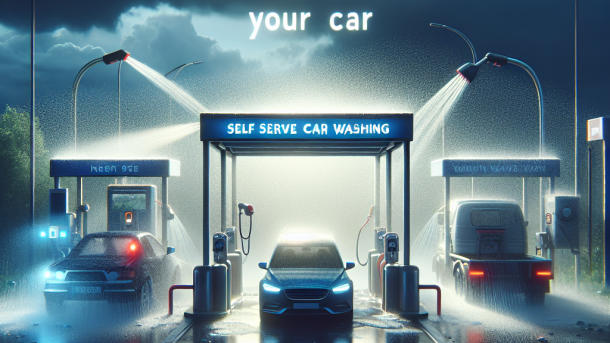
eco-friendly car cleaning

When not to wash your car?

Table of Content

TITLE: When not to wash your car?
COUNTRY CODE: US
LANGUAGE CODE: en
TABLE OF CONTENT:

  • Introduction
  • Why not washing your car can be beneficial
  • Weather Conditions
    • Winter and snow
    • Rainy days
    • Extreme heat
  • Environmental Considerations
    • Water conservation during droughts
    • Importance of eco-friendly practices
  • Maintenance Concerns
    • Polish and wax protection
    • Avoiding unnecessary wear and tear
  • Alternative Cleaning Methods
    • Dusting and using microfiber cloths
    • Waterless car wash solutions
  • Common Myths About Car Washing
  • Key Considerations Before Deciding
    • Frequency based on location and usage
    • Understanding protective coatings
  • Key Takeaways
  • Conclusion

When not to wash your car: smart tips and considerations

Introduction

Have you ever wondered if there are times when washing your car might not be the best idea? It’s a question that may not cross our minds often, but there are circumstances when skipping a wash is not only smart but also beneficial for your vehicle. Imagine the rain pouring down right after a fresh wash or the sun scorching your newly waxed car. These are just some scenarios when it might be wise to hold off on a car wash.

Understanding when not to wash your car involves more than just looking at the weather. It involves considering environmental impacts, maintenance concerns, and even some common misconceptions about car washing. As we delve into these aspects, you’ll gain insights into how to better care for your vehicle, while also being environmentally conscious.

Let’s embark on a journey through the world of car maintenance and discover when letting your car gather a bit of dust might actually be the best course of action. After all, sometimes less is more, and your car will thank you for it.

Why not washing your car can be beneficial

While the idea of a spotless, gleaming car might sound enticing, there are times when stepping away from the suds can be advantageous. Imagine your car basking under the gentle embrace of nature’s elements, allowing it to breathe and exist without the constant interference of detergents and water. This isn’t just a whimsical notion but a practical strategy embraced by many car enthusiasts.

One might wonder why neglecting a wash could possibly be beneficial. Well, for starters, avoiding frequent washes can help preserve the delicate coatings and finishes that protect your vehicle’s paintwork. Constant washing, especially with harsh chemicals, can strip away these layers, leaving your car vulnerable to the elements. Just as a knight’s armor needs careful maintenance, so does your car’s exterior. Additionally, during certain weather conditions, such as the rainy season, letting nature handle the cleaning can actually be more efficient and cost-effective.

Furthermore, by reducing the frequency of washes, you contribute to water conservation efforts, which is becoming increasingly important in today’s environmentally-conscious world. For more insights into how often one should wash their car, refer to our detailed guide on average car wash frequency. There are times when the best action is inaction, and your car might just shine brighter for it.

Weather Conditions

Weather, the capricious artist of nature, often dictates when it’s best to avoid washing your car. Picture a winter wonderland, where snow blankets the earth, and your car, too. Washing it in sub-zero temperatures can lead to freezing locks and doors, creating a frosty inconvenience. Therefore, during the icy grip of winter, it’s prudent to skip the wash.

Similarly, when rain dances from the sky, it might be time to hold off on that car wash. The rain, though not a perfect substitute for a thorough clean, provides a natural rinse. Why not let nature play its part? After all, the art of timing is key, and understanding the seasons can save both effort and money. Curious about the cost comparison between washing your car at home versus a professional service? Explore our analysis on home vs. professional car wash expenses.

Then comes the scorching summer, where the sun blazes like a relentless furnace. Washing your car under such heat can lead to soap and water drying too quickly, leaving unsightly spots. Waiting for cooler temperatures ensures a streak-free shine. The National Weather Service provides reliable forecasts, helping you plan the perfect time for your car’s next bath. Embrace weather’s wisdom, and let it guide you in the care of your cherished vehicle.

Winter and snow

Ah, winter—the season where snowflakes dance gracefully from the sky, creating a picturesque landscape. But beneath this beauty lies a challenge for car owners. Imagine washing your car in the freezing cold, only to find the doors sealed shut by ice. This is the reality of winter washing.

During the colder months, washing your car can lead to frozen locks and hinges, transforming a simple wash into a frosty ordeal. It’s often wiser to let your car embrace its snowy cloak, shielding it from the harsh chemicals of winter road treatments. Additionally, the snow itself can act as a gentle cleanser, removing dirt as it melts away.

For those keen on protecting their vehicle, understanding the impact of winter on car maintenance is essential. Frequent washes might seem necessary, but they can strip away wax and polish layers, leaving your car vulnerable to the elements. Discover more about the importance of maintaining polish and wax protection during winter in our detailed discussion on washing frequency.

So, when the world turns into a winter wonderland, consider the benefits of postponing that wash. Your car, much like a hibernating creature, may thrive with a little less attention during these chilly months.

Rainy days

Rainy days are nature’s way of giving your car a free wash, albeit not a thorough one. Picture droplets cascading down your vehicle, rinsing away surface dust and grime. While it may not provide the deep clean of a commercial wash, it can save you a trip to the car wash, especially when the rain is relentless.

On such days, you might be tempted to reach for your soap and bucket, but consider the futility of battling the elements. Washing your car during a downpour might feel like trying to dry clothes in a storm, an exercise in futility. Embrace the rain’s gentle touch and let it do the work for you, saving both time and water.

Moreover, frequent washing after rain can strip away protective wax layers, leaving your car susceptible to the elements. Instead, focus on occasional maintenance, like using a microfiber cloth to wipe down areas prone to water spots. For more insights on when to wash your car, explore our guide on the ideal washing frequency.

So, next time the clouds gather and the rain begins to fall, consider postponing that wash. Your car will thank you, and you’ll have more time to enjoy the sound of raindrops dancing on your roof.

Extreme heat

When the sun beats down like a relentless fire, washing your car can become a challenge akin to taming a wild beast. Imagine soap drying faster than you can rinse it, leaving unsightly streaks and spots behind. This is the reality of attempting a wash under extreme heat.

During these scorching days, the sun’s harsh rays can quickly evaporate water, leading to a less-than-perfect finish. It’s akin to painting a picture with watercolors only to have the colors bleed and blur. The solution? Timing is everything. Opt for early morning or late evening washes when temperatures are cooler, allowing for a thorough and effective clean.

Moreover, frequent washing in such conditions can contribute to the deterioration of your car’s paint and protective coatings. For those curious about the economics of car maintenance, our analysis on average car wash costs provides valuable insights.

So, in the face of extreme heat, allow your car to bask in the sun’s embrace, sparing it the rigors of a midday wash. In doing so, you protect its luster and preserve its beauty, much like a cherished work of art.

Environmental Considerations

In a world increasingly conscious of its environmental footprint, the act of washing your car takes on new meaning. It’s not just about the shine; it’s about the ripple effect on our planet. Imagine a single car wash consuming up to 150 gallons of water, an amount that could sustain several households for a day. This is where the art of conservation comes into play.

Choosing when not to wash your car can significantly contribute to water conservation efforts, especially during droughts. By skipping a wash, you’re not only saving water but also reducing the runoff of harmful chemicals into our waterways. It’s a small step that makes a big difference.

Moreover, embracing eco-friendly practices such as using biodegradable soaps and opting for waterless car wash solutions can further enhance your green credentials. For those interested in exploring sustainable car maintenance options, EPA’s Green Vehicle Guide offers valuable insights.

So, as you consider the delicate balance between a clean car and a clean conscience, remember that every drop counts. Let your car’s care be a testament to your commitment to the environment, a silent pledge to protect our precious natural resources.

Water conservation during droughts

In times of drought, every drop of water becomes as precious as gold. Imagine the parched earth, desperate for moisture, while your car gleams with the excess of a wash. This is a scenario that prompts a reevaluation of priorities. During these dry spells, skipping a car wash can be a vital step in conserving water, a resource that’s becoming increasingly scarce in many regions.

By choosing to forego a wash, you’re not just being considerate of the current climate conditions, but also playing a part in a larger, communal effort to preserve water. Water conservation is crucial during droughts, and by reducing your water usage, you’re helping to ensure that this precious resource remains available for essential needs. For more information on water conservation, the EPA’s WaterSense program provides valuable resources and tips.

So, the next time you consider washing your car during a drought, remember that sometimes, the best way to shine is to show restraint. Let your car wear its dust as a badge of your commitment to sustainability, knowing that you’re making a difference, one unwashed car at a time.

Importance of eco-friendly practices

In a rapidly changing world, the call for eco-friendly practices in car maintenance is growing louder. Picture a world where every car wash contributes to environmental harmony, rather than discord. This is the vision that eco-conscious car enthusiasts are striving towards. By adopting sustainable practices, you not only ensure a cleaner vehicle but also a cleaner planet, creating a ripple effect of positive change.

One might wonder, how can washing a car impact the environment so significantly? The answer lies in the chemicals used and the water wasted. Traditional car washes often lead to harmful runoff, polluting water bodies and ecosystems. Switching to biodegradable soaps and waterless car wash solutions can drastically reduce this environmental footprint. For more insights on the costs associated with these environmentally friendly alternatives, explore our guide on home car washing costs.

Moreover, by embracing such practices, you contribute to a movement that prioritizes the planet over mere aesthetics. The Greenpeace USA offers a wealth of information on sustainable living, further inspiring responsible choices. As stewards of the environment, let us lead by example, showcasing that a clean car and a clean conscience are not mutually exclusive.

Maintenance Concerns

When it comes to maintaining your vehicle, sometimes less is more. Consider the analogy of a cherished book; too much handling can lead to wear and tear, while careful attention preserves its integrity. Your car, much like that book, requires a balanced approach to maintenance.

Frequent washing, although seemingly beneficial, can actually strip away essential protective layers such as polish and wax. These layers act as your car’s shield, defending against the elements and preserving its lustrous finish. Over-washing can be akin to erasing the protective coat, leaving your vehicle vulnerable to scratches and fading. To understand more about maintaining these protective layers, our insights on optimal car washing frequency can be enlightening.

Additionally, the act of washing itself, especially with abrasive materials, can contribute to unnecessary wear and tear. Think of your car’s surface as a delicate canvas that requires gentle care. Avoiding excessive washing, particularly in adverse weather conditions, can help maintain its pristine condition. For an exploration of whether hand washing or professional services are less abrasive, see our comparison on hand vs. professional car washes.

In essence, car maintenance is not just about keeping it clean, but ensuring its long-term health. By striking the right balance, your vehicle can remain a shining testament to your thoughtful care.

Polish and wax protection

Imagine your car as a knight in shining armor, with its polish and wax serving as the glistening shield against the relentless forces of nature. These layers are not just for aesthetics; they are the unsung heroes of your vehicle’s defense system, safeguarding it from scratches, UV rays, and environmental pollutants. Frequent washing, though well-intentioned, can inadvertently strip away these protective layers, leaving your car vulnerable to the elements.

Preserving these coatings is akin to maintaining the luster of an heirloom. By reducing the frequency of washes, especially with harsh detergents, you allow these protective layers to serve their purpose effectively. This approach not only enhances your car’s appearance but also extends the longevity of its finish. For further insights into maintaining these protective layers, explore our comprehensive guide on optimal car washing frequency.

In the grand tapestry of car maintenance, polish and wax protection play a pivotal role. Ensuring their preservation is a testament to your commitment to your vehicle’s well-being, allowing it to weather the storms of time with grace and resilience.

Avoiding unnecessary wear and tear

Imagine your car as an exquisite tapestry, each thread representing a component meticulously woven together. Excessive washing, akin to overzealous handling of this tapestry, can fray these threads, leading to unnecessary wear and tear. While cleanliness is important, the art of balance in car maintenance is crucial for longevity.

Frequent washing, especially using abrasive materials or harsh detergents, can scratch and dull your car’s paint. These micro-abrasions might not be visible immediately, but over time, they accumulate, eroding the car’s shine and integrity. To maintain the pristine condition of your vehicle, consider the benefits of reducing wash frequency and using gentle cleaning methods. For more on the benefits of home car washing, explore our insights on home car washing costs.

Additionally, timing your washes during less harsh weather conditions can further protect against wear. Understanding when to wash and when to let your car embrace its natural state can save you from future restoration expenses. For a deeper dive into whether professional or hand washes are more effective, refer to our comparison on hand vs. professional car washes.

In essence, the journey to preserving your car’s elegance lies in mindful maintenance practices. By avoiding unnecessary wear, you allow your vehicle to retain its splendor, much like a timeless masterpiece.

Alternative Cleaning Methods

In the realm of car maintenance, traditional washing is not the only path to a clean and well-kept vehicle. Imagine a world where dusting and gentle cleaning become your car’s daily ritual, much like brushing one’s hair. This approach not only preserves your car’s exterior but also aligns with eco-friendly practices.

Consider the humble microfiber cloth, a gentle companion in your car’s cleaning routine. With its soft fibers, it glides over the car’s surface, lifting away dust and debris without a drop of water. By incorporating such methods, you reduce water usage and protect your car’s paint from the potential damage caused by frequent washing. For those interested in the cost-effectiveness of these methods, explore our insights on home car washing costs.

For a more thorough clean, waterless car wash solutions offer a modern twist. These innovative products, often containing biodegradable ingredients, provide a shine akin to a traditional wash without the water waste. Embracing these alternatives not only maintains your car’s elegance but also contributes to a sustainable future. For more tips on eco-friendly car maintenance, visit the EPA’s Green Vehicle Guide.

In this dance of maintenance, alternative cleaning methods offer a harmonious blend of care and conservation, ensuring your car remains a shining star on the road.

Dusting and using microfiber cloths

Imagine the gentle caress of a breeze as you glide a microfiber cloth across your car’s surface, effortlessly lifting away dust and debris. This simple yet effective method is a testament to the art of minimal maintenance, where less truly is more. Microfiber cloths, with their soft and intricate fibers, act like a magnet for dirt, ensuring your car remains pristine without the need for water or harsh chemicals.

In a world where water conservation is paramount, the use of microfiber cloths offers an eco-friendly alternative to traditional car washes. By incorporating regular dusting into your routine, you not only extend the life of your car’s paint but also contribute to sustainable practices. For those interested in the cost benefits of maintaining your car at home, our insights on home car washing costs provide valuable information.

Embracing this gentle approach is akin to choosing a walk in the park over a strenuous workout; it’s kinder, gentler, and just as rewarding. So, let your car bask in the tender touch of a microfiber cloth, and watch as it gleams with the understated elegance of a well-cared-for masterpiece.

Waterless car wash solutions

Imagine a world where your car gleams with brilliance, yet not a single drop of water is wasted. This is the promise of waterless car wash solutions, a modern marvel in the realm of vehicle maintenance. These innovative products are like a magician’s wand, turning a dusty vehicle into a sparkling masterpiece with just a few sprays and wipes.

Waterless car wash solutions are formulated with advanced cleaning agents that encapsulate dirt and grime, allowing you to wipe them away effortlessly. It’s akin to watching a master painter remove every speck from a canvas, revealing the vibrant colors beneath. Not only do these solutions save water, but they also reduce the harmful runoff of chemicals into our ecosystems, aligning with the growing demand for eco-friendly practices.

For those curious about the economic implications of waterless methods, our guide on home car washing costs offers valuable insights. By adopting waterless solutions, you not only protect the environment but also preserve your car’s finish, ensuring it remains a shining star on the road.

In this dance of innovation and sustainability, waterless car wash solutions offer a harmonious blend of convenience and care, transforming car maintenance into an art form that respects both nature and your vehicle.

Common Myths About Car Washing

In the world of car maintenance, myths often swirl like a dust storm, clouding our judgment with misconceptions about what truly benefits our vehicles. Imagine a game of telephone, where each whisper distorts the truth slightly more until fiction becomes indistinguishable from fact. Let’s unravel some of these common myths about car washing, separating fact from fiction.

One prevailing myth is that frequent washing always leads to a cleaner car. However, this isn’t necessarily true. Over-washing can strip away essential protective layers like wax and polish, leaving your car vulnerable to the elements. To explore the ideal washing frequency, our guide on when to wash your car offers practical insights.

Another misconception is that rainwater effectively cleans your car. While rain might rinse away surface dust, it often leaves behind mineral deposits that can damage the paint over time. It’s akin to thinking a drizzle will replace a good, thorough bath. For a better understanding of when nature’s wash might be enough, check out our discussion on natural cleaning methods.

Lastly, many believe that all car washes are created equal. In reality, the choice between hand washing and automatic car washes can significantly impact your vehicle’s condition. Discover the differences in our analysis of hand vs. professional washes.

As we dispel these myths, remember that informed care is the key to maintaining your car’s beauty and longevity. Embrace the truth, and let it guide your vehicle maintenance journey.

Key Considerations Before Deciding

Before deciding on the best approach to washing your car, it’s essential to consider several key factors to ensure your vehicle’s longevity and appearance. Just like a painter selecting the right brush, finding the perfect balance in car maintenance can make all the difference.

Firstly, the frequency of car washes should be guided by your location and usage. For those residing in areas with harsh weather conditions or heavy urban pollution, more frequent washes may be necessary. On the other hand, if you live in a region with mild climate and minimal road salt, you might enjoy a more relaxed washing schedule. For insights on how often people typically wash their vehicles, take a look at our analysis on average car wash frequency.

Another consideration is the type of protective coatings your vehicle has. Cars with advanced ceramic coatings or high-quality wax may require less frequent washing, as these layers provide an additional shield against the elements. Understanding the nature of these coatings can help you tailor your washing routine accordingly. Dive deeper into this topic with our guide on protective coatings.

Ultimately, the decision on when and how to wash your car should be a reflection of your environment, lifestyle, and commitment to maintaining your vehicle’s health. By considering these aspects, you can make informed choices that benefit both your car and the planet. Remember, thoughtful care is the cornerstone of effective car maintenance.

Frequency based on location and usage

Think of your car as an actor on life’s stage, with its performance shaped by the environment and its role in your daily life. Just as an actor adjusts to different roles and stages, your car’s washing frequency should adapt to its surroundings and usage. It’s a dance of balance, ensuring your car remains a star performer, ready for every scene it encounters.

For those residing in bustling urban jungles, where pollution and road grime play a relentless symphony, more frequent washes may be necessary to keep your car looking its best. Yet, if you live in a serene countryside, where nature’s gentle embrace keeps grime at bay, you might find solace in a less rigorous schedule. Curious about how often others wash their cars? Our analysis on average car wash frequency offers intriguing insights.

Additionally, consider how you use your car. Is it a daily commuter, braving the elements and city streets, or a cherished classic, reserved for weekend adventures? Each role demands its own washing cadence, tailored to protect its allure and longevity. By understanding your car’s unique needs, you can craft a maintenance routine that harmonizes with both your lifestyle and environment, ensuring your vehicle remains a shining testament to thoughtful care.

Understanding protective coatings

Picture your car as a valiant knight, with its armor being the protective coatings that shield it from the relentless elements of nature. These coatings, much like a knight’s chainmail, are designed to deflect the harsh rays of the sun, the corrosive effects of road salt, and the abrasive touch of dust and debris. Understanding these protective layers is crucial in tailoring your car maintenance routine.

Protective coatings such as wax, sealants, and advanced ceramic coatings serve as a barrier, preserving your vehicle’s shine while minimizing the need for frequent washes. They are akin to a cocoon, safeguarding your car’s paint from fading and deterioration. For those curious about how often to wash a car with these coatings, our detailed guide on optimal car washing frequency provides valuable insights.

Moreover, the longevity of these coatings depends on proper care and maintenance. Regular inspections and touch-ups ensure they remain effective, much like a knight ensuring his armor is polished and intact. For an in-depth understanding of the costs associated with maintaining these coatings, our analysis on home car washing costs offers practical information.

In the grand saga of car care, protective coatings play a pivotal role. By recognizing their importance and adjusting your washing routine accordingly, you ensure your vehicle remains a shining beacon, ready to face whatever the road may bring.

Key Takeaways

As we navigate the intricate dance of car maintenance, it’s clear that the decision of when not to wash your car is as critical as knowing when to wash it. Consider the weather’s symphony, where winter’s chill can freeze your doors, and summer’s heat can leave streaks. Embrace the rain as nature’s gentle rinse and recognize the role of protective coatings akin to a knight’s armor.

Environmentally, the art of conservation shines through every choice. Skipping a wash during droughts saves precious water, while eco-friendly practices like waterless solutions and microfiber cloths protect both your car and the planet. Maintenance is a balance, where avoiding unnecessary wear and tear prolongs your car’s luster, much like a cherished heirloom.

Ultimately, the key is understanding your car’s needs, shaped by location and usage, and adopting a routine that aligns with these factors. Thoughtful care ensures your vehicle remains a gleaming testament to informed decisions, a journey where less can indeed be more. Let these takeaways guide you in crafting a maintenance plan that harmonizes with both nature and your car’s well-being.

Conclusion

In the ever-evolving landscape of car maintenance, the decision of when not to wash your car is as pivotal as knowing when to do so. We’ve journeyed through the wisdom of weather, explored the environmental implications, and delved into the nuances of vehicle maintenance. Each aspect, from winter’s icy grip to summer’s scorching rays, demands thoughtful consideration, ensuring your car remains a resilient companion on the road.

The harmony of care extends beyond the aesthetics of a clean vehicle. Embracing eco-friendly practices, like waterless solutions and microfiber cloths, reflects our commitment to a sustainable future. Meanwhile, understanding the role of protective coatings and timing washes based on location and usage reinforces the longevity and beauty of your car.

As stewards of both our vehicles and the environment, let us celebrate the art of balance in car maintenance. By making informed choices, we not only preserve our cherished cars but also contribute positively to the world around us. Remember, sometimes, the most profound shine comes from knowing when to step back and let nature take its course.

What percentage of Americans wash their cars?

Table of Content

TITLE: What percentage of Americans wash their cars?
COUNTRY CODE: US
LANGUAGE CODE: en
TABLE OF CONTENT:

  • Introduction
  • The importance of washing your car
  • Statistics on car washing in the US
    • Percentage of Americans who wash their cars regularly
    • Frequency of car washing among Americans
  • Factors influencing car washing habits
    • Geographical differences in car washing
    • Climate and weather considerations
    • Urban vs. rural car washing trends
  • Methods of car washing
    • DIY vs. professional car wash services
    • Environmental impact of car washing methods
  • Benefits and drawbacks of regular car washing
    • Impact on car maintenance and longevity
    • Cost considerations
  • Alternatives to traditional car washing
    • Waterless car washing solutions
    • Eco-friendly car wash products
  • Key Takeaways
  • Conclusion

Car Washing Habits in the US: How Many Americans Keep Their Cars Clean?

Introduction

In the bustling world of automobiles, the ritual of car washing has become more than just a routine; it’s a dance of care and maintenance that many Americans partake in. But just how many of us are dedicated to this gleaming endeavor? This exploration delves into the statistics and habits surrounding car washing in the United States, shedding light on the percentage of Americans who regularly wash their cars and the myriad factors influencing these habits.

It’s fascinating to ponder the connection between a sparkling vehicle and the pride of ownership. In a nation where cars are not merely modes of transport but symbols of freedom and adventure, maintaining their cleanliness becomes an emblem of respect. So, let us embark on this journey, unraveling the mysteries of car washing practices across the country.

For further insights into what drives these habits, and how often the average person gets a car wash, you might find this discussion intriguing.

The importance of washing your car

Imagine your car as a loyal companion, always ready to whisk you away on life’s adventures. Just as you wouldn’t neglect your trusty friend, your car deserves a regular pampering session to keep it in tip-top shape. But why is washing your car so crucial?

Beyond aesthetics, washing your car is akin to giving it a protective shield. The road is a battlefield of grime, salt, and pollutants, all vying to wear down your car’s lustrous armor. Regular cleaning removes these harmful elements, preserving the paint and preventing rust from taking its toll.

Moreover, a clean car is a reflection of diligence and respect. It tells the world that you care for what you own, enhancing not only your pride but also the vehicle’s resale value. With regular washing, you’re not just maintaining your car; you’re nurturing an investment.

If you’re pondering whether it’s more economical to wash your car at home or opt for a professional car wash, consider exploring our detailed comparison.

For those curious about the financial aspects of car washes, our analysis might provide some valuable insights.

In essence, washing your car is not merely about vanity; it’s a vital ritual that ensures longevity and performance. So, the next time you see your dusty ride, remember that a simple wash might be the best gift you can give it.

Statistics on car washing in the US

As we dive into the world of car washing habits in the United States, the numbers reveal intriguing patterns. Have you ever wondered how many Americans are committed to keeping their cars pristine? Let’s explore the statistics that paint this picture.

Interestingly, a significant percentage of Americans wash their cars regularly. Whether driven by pride, necessity, or habit, many individuals prioritize this task. According to various surveys, a large portion of car owners indulge in this ritual on a consistent basis, ensuring their vehicles gleam under the sun.

Yet, the frequency of car washing varies greatly. Some folks embrace a weekly routine, while others might only wash their cars when the dust becomes too hard to ignore. This fluctuation often depends on individual lifestyles, environmental conditions, and regional norms. To gain a deeper understanding of how often people wash their cars, you might find our analysis enlightening.

For those curious about the frequency with which the average person indulges in a car wash, our discussion provides a glimpse into common practices. Let’s continue to unravel the factors influencing these habits, exploring the geographical and climatic influences that shape America’s car washing trends.

Percentage of Americans who wash their cars regularly

In the vast realm of car care, the percentage of Americans who regularly wash their cars is a testament to the nation’s dedication to vehicle maintenance. It’s estimated that approximately 60% of Americans consistently engage in this ritual, treating their cars to a routine cleanse. This figure reflects a blend of necessity and passion, highlighting the pride many take in maintaining their vehicles’ appearance.

Interestingly, the motivation behind regular car washing is as diverse as the American population itself. For some, it’s a matter of aesthetics, ensuring their cars shine with brilliance. For others, it’s a practical approach to protecting their investment from the harsh elements of nature. If you’re curious about how often individuals should ideally wash their cars, our in-depth guide offers valuable insights.

The dedication to keeping vehicles clean is a reflection of the broader cultural appreciation for automobiles in the U.S. Cars, often viewed as extensions of personal identity and freedom, deserve the care and attention that regular washing provides. As we delve deeper, let’s explore the frequency with which Americans indulge in this practice, shedding light on the rhythms of car washing across the nation.

Frequency of car washing among Americans

Amidst the daily hustle and bustle, how often do Americans find time to pamper their vehicles with a thorough wash? The answer, much like the American landscape itself, is varied and multifaceted. Some car owners adhere to a weekly ritual, ensuring their trusty steeds are always sparkling, while others may only roll up their sleeves once the dust becomes too conspicuous.

According to studies, the average American washes their car approximately every two weeks. However, this frequency can fluctuate significantly based on factors such as climate, lifestyle, and even regional traditions. For instance, those residing in harsh winter climates might wash more frequently to combat road salt and grime, while urban dwellers might opt for a less frequent schedule due to convenience and accessibility.

For a deeper dive into how often cars should be washed to maintain their pristine condition, our detailed guide provides actionable insights. Additionally, if you’re interested in understanding the average car wash habits, our discussion can shed more light on common practices.

In essence, the rhythm of car washing in America is a dance of necessity and personal preference, reflecting the diverse personalities and environments that define the nation. As we continue our exploration, let’s delve into the factors that influence these habits, from geographical nuances to weather patterns.

Factors influencing car washing habits

The decision to wash a car often goes beyond mere aesthetics; it’s a tapestry woven with threads of geography, climate, and lifestyle. Have you ever pondered why some regions boast gleaming vehicles while others seem to embrace a more rustic look? Let’s explore the factors that shape car washing habits across the United States.

Geographical differences play a pivotal role in these habits. For instance, those living in coastal areas might find themselves battling salt and sand, prompting more frequent washes. Conversely, residents in arid regions might wash less frequently, avoiding water wastage. For insights on how geographical nuances impact car washing, check out the detailed discussion.

Weather and climate also leave their mark. In snowy regions, road salt becomes a formidable adversary, necessitating regular washes to prevent corrosion. Meanwhile, those in sunnier climes might wash less often, enjoying the natural cleansing of occasional rain showers. This intricate dance with nature underscores the impact of climate on car washing practices.

Urban versus rural settings further influence these habits. Urban dwellers, with limited access to home washing facilities, might rely more on professional services, while rural residents may opt for the DIY approach. If you’re contemplating the convenience and cost-effectiveness of different car washing methods, our comparison offers valuable insights.

As we delve deeper, let’s uncover the diverse methods of car washing embraced by Americans, each reflecting personal preferences and environmental considerations.

Geographical differences in car washing

Imagine driving along the sun-kissed highways of California, where the salty breeze whispers tales of the ocean. Here, the geographical nuances dictate a more frequent car washing routine to combat the relentless embrace of salt and sand. The coastal climate becomes both a challenge and a reason to maintain that pristine shine.

In contrast, the arid landscapes of the Southwest tell a different story. The dry air and lack of rain lead to less frequent washes, as water conservation becomes a priority. These regions often advocate for a more restrained approach to car washing, reflecting a deeper connection to environmental sustainability.

Meanwhile, in the heartland of America, where the seasons paint the landscape in vibrant hues, car washing habits vary with the rhythm of nature. Snow-laden roads call for regular washes to ward off corrosive salts, whereas the gentle rains of spring might naturally cleanse the vehicle, allowing for a more relaxed washing schedule.

These geographical differences not only influence the frequency but also the methods of car washing. For instance, the bustling cities might lean towards professional car wash services due to convenience, while rural areas might see residents rolling up their sleeves for a DIY wash. To explore the nuances of whether it’s better to hand wash or opt for a car wash service, consider our detailed comparison.

In essence, the geographical tapestry of America weaves a diverse pattern of car washing habits, each thread reflecting the unique challenges and beauty of its environment. As we continue, let’s delve into how climate and weather further shape these practices.

Climate and weather considerations

The rhythm of car washing in America dances to the tune of climate and weather, creating a symphony of habits that ebb and flow with the seasons. Imagine the icy grip of winter, where snow blankets the streets and road salt becomes an unyielding adversary. In such frosty realms, regular washes are essential to fend off the corrosive embrace of salt, preserving the car’s luster.

Meanwhile, the sun-drenched expanses of the South tell a different tale. Here, the relentless sun bakes the earth, often accompanied by sporadic rain showers. These conditions might naturally cleanse the vehicles, leading to less frequent washing. Yet, the scorching heat can also demand more frequent attention to prevent paint damage.

In the Midwest, where weather changes like a kaleidoscope, car washing habits shift with the seasons. Spring’s gentle rains might suffice for a natural wash, while the autumn leaves and winter snow require a more vigilant approach.

For a comprehensive understanding of how often cars should be washed based on climate, our guide offers valuable insights. As we continue, let’s explore how urban and rural settings paint their own unique story in the tapestry of car washing practices.

Urban vs. rural car washing trends

In the bustling heart of urban America, where skyscrapers cast their shadows and cars weave through daily commutes, the trend of car washing takes on a unique rhythm. Here, the convenience of professional car wash services often reigns supreme, as city dwellers seek efficiency amidst their hectic schedules. The availability of automated car washes and detailing services offers a quick solution, allowing vehicles to gleam while their owners juggle the demands of urban life. For those contemplating if it’s more economical to wash at home or opt for a professional service, our detailed comparison provides valuable insights.

Meanwhile, in the tranquil embrace of rural landscapes, where nature’s beauty stretches as far as the eye can see, car washing trends reflect a different story. Here, the DIY approach often prevails, with residents rolling up their sleeves to wash their cars at home. The abundance of space and access to water sources make this a practical choice, fostering a sense of connection to the land and the vehicle.

Urban and rural settings thus paint contrasting pictures in the realm of car washing, each shaped by the unique demands and opportunities of their environment. As we continue our exploration, let’s delve into the diverse methods of car washing embraced across the nation, considering both environmental impact and personal preference.

Methods of car washing

In the kaleidoscope of car washing methods, each approach offers its own unique blend of convenience, effectiveness, and environmental impact. As drivers, we’re presented with a rich tapestry of choices, each reflecting different priorities and lifestyles. But what are these methods, and how do they resonate with our diverse needs?

The age-old debate between DIY and professional car wash services is akin to choosing between homemade meals and dining out. DIY enthusiasts might revel in the satisfaction of hand-washing their vehicles, feeling the cool water and soap suds as they caress the car’s surface. It’s a labor of love, offering a personal touch and attention to detail that machines may lack. If you’re curious about the cost-effectiveness of washing at home, consider our detailed comparison.

On the other hand, professional services offer the allure of convenience and expertise. With advanced equipment and trained staff, these establishments can provide a thorough clean with minimal effort from the car owner. For those who prefer efficiency and have busy schedules, this option might be the key to maintaining a pristine vehicle without sacrificing time.

As we explore further, let’s consider the environmental impact of these methods, weighing the benefits and drawbacks of each. The choice of car washing method is more than just a matter of preference; it’s a reflection of our values and environmental consciousness.

DIY vs. professional car wash services

In the vibrant world of car washing, the choice between DIY and professional services can feel like choosing between two distinct paths on a scenic journey. Each path offers its own unique experiences and benefits, catering to different preferences and priorities.

For the DIY enthusiast, washing a car at home is a ritual filled with satisfaction and personal touch. Imagine spending a sunny afternoon in your driveway, hose in hand, as you lovingly scrub away the remnants of the road. This approach allows for meticulous attention to detail, as you control every aspect of the cleaning process. Moreover, it’s an opportunity to connect with your vehicle, turning a routine task into a moment of zen. For those curious about the costs involved, our analysis offers valuable insights.

On the other hand, professional car wash services offer the allure of convenience and efficiency. With state-of-the-art equipment and skilled staff, these establishments can provide a thorough clean in a fraction of the time. For busy individuals, this option is a boon, allowing them to maintain a pristine vehicle without carving out time from their hectic schedules. If you’re considering whether it’s more economical to wash your car at home or opt for a professional service, our detailed comparison can guide you.

Ultimately, the choice between DIY and professional services is a reflection of personal values and lifestyle. Whether you cherish the hands-on experience or prefer the ease of a professional touch, both paths lead to the same destination: a clean, gleaming car ready to hit the road.

Environmental impact of car washing methods

When it comes to car washing, the environmental impact is like the unseen ripple in a pond, influencing ecosystems beyond the driveway. With each wash, water usage, chemical runoff, and energy consumption play their part in the ecological balance. But how do different methods weigh on Mother Nature’s scales?

DIY car washing at home, though intimate and satisfying, can be a double-edged sword. Without proper drainage, soap and grime can flow into storm drains, leading to water pollution. The use of biodegradable soaps and eco-friendly practices can mitigate this, yet many still unwittingly contribute to environmental strain. If you’re considering the cost of washing your car at home, our analysis sheds light on both expenses and environmental considerations.

Conversely, professional car wash services often incorporate water recycling systems and environmentally friendly products, minimizing their footprint. These establishments are bound by regulations to treat wastewater, preventing harmful chemicals from entering natural waterways. For those pondering the financial and ecological benefits, our comparison offers insights into the economic and environmental trade-offs.

Ultimately, the choice of car washing method reflects more than personal preference; it’s a commitment to sustainability and stewardship of the planet. As we explore further, let’s consider the benefits and drawbacks of regular car washing, balancing the pursuit of cleanliness with our responsibility to the environment.

Benefits and drawbacks of regular car washing

Regular car washing is a double-edged sword, much like a well-tended garden that flourishes but requires constant care. On one hand, it offers a plethora of benefits. Imagine your car as a knight in shining armor, its paint gleaming under the sun. Regular washing not only enhances its aesthetic appeal but also acts as a shield against the relentless assault of dirt, grime, and environmental pollutants.

By washing away corrosive elements, you’re preserving the vehicle’s paintwork and preventing rust, ultimately extending its lifespan. Moreover, a clean car reflects your attention to detail and pride in ownership, potentially boosting its resale value. For insights into how regular car washing impacts maintenance and longevity, our guide offers valuable perspectives.

However, the drawbacks must also be considered. Frequent washing, if not done correctly, can lead to scratches and swirl marks on the paint. There’s also the cost factor, as regular visits to a professional car wash can add up over time. If you’re weighing the financial implications, our analysis provides a detailed breakdown.

Balancing these benefits and drawbacks requires a thoughtful approach, ensuring your car remains a trusted companion without unnecessary wear and tear. As we continue, let’s explore alternatives to traditional car washing that might offer a more eco-friendly approach.

Impact on car maintenance and longevity

The act of washing your car regularly is akin to nurturing a cherished garden, where each meticulous wash serves as a protective embrace, guarding against the relentless foes of time and nature. Imagine your vehicle as a steadfast companion, its gleaming exterior a testament to the care you’ve bestowed upon it. But what impact does this ritual truly have on car maintenance and longevity?

Regular car washing is akin to providing a protective armor, shielding your vehicle from the corrosive elements it encounters on the road. Road grime, salt, and pollutants are relentless adversaries, but with consistent cleaning, you remove these threats, preserving the paint’s integrity and preventing rust from taking hold. This proactive maintenance not only enhances the car’s appearance but also significantly extends its lifespan, much like a well-tended suit of armor standing the test of time.

Moreover, the benefits extend beyond aesthetics. A clean car is often easier to maintain, as regular washing allows you to spot potential issues early, such as chipped paint or emerging rust. This vigilance ensures that minor problems are addressed before they escalate, ultimately reducing the need for costly repairs down the road.

If you’re curious about how often you should wash your car to maintain its pristine condition, consider exploring our insightful guide, which provides valuable perspectives on optimal washing frequency.

In essence, the impact of regular car washing on maintenance and longevity is profound, offering a blend of protection, vigilance, and pride. As we delve further, let’s consider the financial implications of this practice, weighing the costs and benefits of keeping your vehicle in peak condition.

Cost considerations

When it comes to regular car washing, cost considerations are akin to weighing the scales of practicality and luxury. Imagine each wash as a coin dropped into a piggy bank, accumulating over time. But how do these coins add up, and what should you consider when budgeting for car washes?

Firstly, the choice between washing your car at home and opting for professional services plays a significant role in the overall cost. Washing at home might seem more economical, as our comparison suggests, but it also requires an investment in cleaning supplies, equipment, and water usage. On the other hand, professional car washes come with a price tag, which varies depending on the type of service and frequency. For a detailed look at the expenses involved, our analysis offers valuable insights into the average costs.

Additionally, consider the hidden costs of not washing your car regularly. Neglecting this maintenance ritual can lead to long-term damage, such as rust and paint deterioration, which might result in costly repairs or decreased resale value. Balancing these financial factors requires a thoughtful approach, ensuring you maintain your car’s appearance and longevity without breaking the bank.

Ultimately, the cost of car washing is more than just a monetary calculation; it’s an investment in your vehicle’s health and your peace of mind. As we explore further, let’s delve into alternatives to traditional car washing that may offer cost-effective and eco-friendly solutions.

Alternatives to traditional car washing

In the quest to keep our vehicles pristine, the road less traveled often reveals innovative alternatives to traditional car washing. Imagine a world where water isn’t a prerequisite for cleanliness, and eco-friendliness takes center stage. These alternatives not only cater to environmental concerns but also offer convenience for the modern car owner.

One such alternative is waterless car washing solutions. Picture a spray-on formula that lifts dirt and grime, allowing you to simply wipe it away, leaving a polished finish. This method is not only time-efficient but also conserves water, making it an ideal choice for those in drought-prone regions or urban areas with water restrictions. For those curious about the environmental impact of various car washing methods, our discussion provides a comprehensive overview.

Eco-friendly car wash products are another avenue worth exploring. These products use biodegradable ingredients, reducing the harmful runoff that traditional soaps and detergents often produce. By choosing green alternatives, you’re contributing to a cleaner planet while ensuring your car remains spotless.

Ultimately, these innovative methods offer a blend of practicality and environmental stewardship, paving the way for a cleaner future. As we continue, let’s summarize the key takeaways from our exploration of car washing habits and methods in the United States, highlighting the choices that align with both our values and our vehicles’ needs.

Waterless car washing solutions

Imagine a world where cleaning your car doesn’t require a hose, buckets of water, or a driveway, but merely a spray bottle and a soft cloth. Welcome to the realm of waterless car washing solutions, a revolution in car care that marries convenience with environmental consciousness.

These innovative solutions are designed to lift dirt and grime with just a spritz and a wipe, leaving a polished finish without the need for rinsing. It’s like having a full car wash in the palm of your hand, cutting down both time and water usage—a boon for those in drought-prone areas or urban settings with water restrictions.

But the benefits don’t stop at water conservation. By eliminating runoff, waterless washes reduce the pollutants entering storm drains, making them a greener choice for eco-conscious drivers. For a deeper understanding of the environmental impact of various car washing methods, our comprehensive discussion provides valuable insights.

In essence, waterless car washing solutions offer a harmonious blend of practicality and sustainability, catering to the modern car owner’s needs while respecting our planet’s resources. As we wrap up our exploration, let’s consider the wider implications of embracing such eco-friendly alternatives in our car care routines.

Eco-friendly car wash products

Imagine a world where every sudsy splash and cleaning swipe contributes to the planet’s well-being. Enter the realm of eco-friendly car wash products, where green meets clean in an enchanting dance of sustainability. These products are like the gentle whispers of nature, offering a guilt-free way to maintain your vehicle’s gleam.

Eco-friendly car wash products utilize biodegradable ingredients, ensuring that every wash leaves behind not just a spotless car, but a clearer conscience. Unlike traditional car wash soaps that may release harmful chemicals into waterways, these green alternatives are designed to minimize environmental impact. It’s a choice that resonates with those who cherish Mother Earth while keeping their cars pristine.

Moreover, these products often require less water, aligning with the ethos of conservation. Whether you’re a DIY enthusiast or a professional car wash aficionado, opting for eco-friendly solutions is a step towards a cleaner, greener future. For those weighing the benefits of different car washing methods, consider our detailed comparison to make an informed choice.

In essence, embracing eco-friendly car wash products is more than just a trend; it’s a commitment to sustainability, offering a harmonious blend of care for both your car and the environment. As we conclude our exploration, let’s reflect on the profound impact of these choices on our planet and our automotive companions.

Key Takeaways

As we journey through the intricate world of car washing in the United States, several key takeaways emerge, painting a vivid picture of American car care habits. The percentage of Americans who regularly wash their cars reflects a blend of necessity and pride, with approximately 60% engaging in this ritual to maintain their vehicles’ appearance and longevity. This dedication underscores the cultural appreciation for automobiles as symbols of freedom and identity.

The frequency of car washing varies across the nation, influenced by factors such as geography, climate, and lifestyle. Whether it’s the coastal battle against salt and sand or the Midwest’s seasonal shifts, these regional nuances shape how often and why Americans wash their cars. If you’re curious about how often cars should ideally be washed, our comprehensive guide provides valuable insights.

In terms of methods, the choice between DIY and professional services highlights personal preferences and environmental considerations. From the hands-on satisfaction of home washing to the convenience of professional expertise, each approach offers unique benefits. For those pondering the cost-effectiveness of different methods, our detailed comparison may be enlightening.

Innovative alternatives like waterless car washing solutions and eco-friendly products pave the way for a more sustainable future, catering to modern drivers who prioritize environmental consciousness. As we reflect on these takeaways, it’s clear that car washing in America is a multifaceted practice, intertwined with personal values, environmental stewardship, and the ever-evolving landscape of automotive care.

Conclusion

As we wrap up our exploration of car washing habits in the United States, it’s clear that this seemingly mundane task reveals much about cultural values, environmental considerations, and personal preferences. With approximately 60% of Americans regularly washing their cars, this practice is not only about aesthetics but also about protecting one’s investment and expressing pride in ownership.

The diverse factors that influence these habits, from geographical differences to urban versus rural settings, paint a rich tapestry of how and why Americans approach car washing. Whether driven by the salty sea air of coastal regions or the harsh winters of the Midwest, these regional nuances highlight the adaptability and resourcefulness of car owners across the nation.

The choice between DIY and professional car wash services adds another layer of complexity, with each option offering distinct advantages. For those pondering the cost implications of washing at home versus a professional wash, our comparison provides a detailed breakdown.

Ultimately, innovative alternatives like waterless car washing solutions and eco-friendly products signal a shift towards more sustainable practices. These options not only conserve resources but also align with a growing awareness of environmental stewardship. As we conclude, let’s reflect on how these choices collectively shape the future of car care, balancing the needs of our vehicles with the health of our planet.

Skip to content