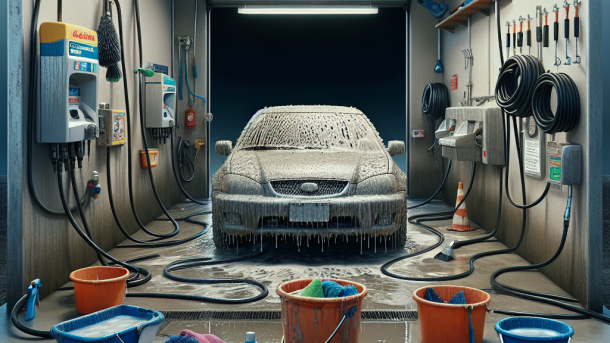
dirty car

Is it better to wash your car or leave it dirty?

Table of Content

  • Introduction
  • Reasons to Wash Your Car
    • Protecting the Paint and Finish
    • Maintaining Vehicle Value
    • Improving Safety and Visibility
  • Reasons to Leave Your Car Dirty
    • Saving Money and Resources
    • Environmental Considerations
    • Practicality of Washing During Certain Seasons
  • How Often Should You Wash Your Car?
  • Methods for Washing Your Car
    • Professional Car Wash Services
    • DIY Car Wash Tips
    • Waterless Car Wash Alternatives
  • The Impact of Weather on Car Cleanliness
    • Effects of Rain and Snow
    • Impact of Sun and Heat
  • Is Regular Washing Necessary for All Cars?
  • Key Takeaways
  • Conclusion

Is it better to wash your car or leave it dirty?

Introduction

Imagine your car as a canvas, reflecting not just your lifestyle but also your care and attention. But, is it better to wash your car or leave it dirty? This seemingly simple question unravels a tapestry of considerations, from protecting your vehicle’s paint and finish to pondering environmental impacts.

In this exploration, we will delve into the benefits and drawbacks of both sides. While some argue that regular washing enhances safety and maintains vehicle value, others emphasize saving money and resources by letting nature take its course. Furthermore, different seasons and weather conditions add complexity to this decision-making process.

Join us on this journey as we examine various factors, methods, and perspectives on car cleanliness, helping you decide whether to wash your car or embrace its natural, dusty charm. For insights on how often you should wash your car, you can explore our detailed guide on recommended car wash frequency.

Ultimately, this decision may hinge on your priorities, whether it’s the gleaming aesthetic of a spotless vehicle or the practical considerations of leaving nature’s touch untouched. Let’s dive deeper into the world of car cleanliness and uncover the truths that lie beneath the surface.

Reasons to Wash Your Car

Your car is more than just a mode of transportation; it’s an extension of your personality and investment in your lifestyle. Regularly washing your car can protect its paint and finish, ensuring it remains a reflection of your care. But the benefits don’t stop there. Washing your car may also help maintain its value, providing a tangible return on the time and effort you invest.

Moreover, clean windows and mirrors contribute to improved safety and visibility while driving. A car that glistens in the sunlight not only turns heads but also keeps you safely on the road. If you’re wondering about the financial implications, consider the insights in our article on the potential earnings from owning a car wash. This information can provide a perspective on car wash economics.

Ultimately, washing your car is an investment in its longevity, appearance, and safety. So, why not embrace the sparkling allure of a clean vehicle and reap the rewards of regular maintenance?

Protecting the Paint and Finish

Imagine your car’s paint and finish as a delicate armor, warding off the relentless foes of dust, grime, and the elements. Like a knight’s shield, it requires care and attention to maintain its luster and strength. Washing your car regularly is akin to polishing that armor, ensuring it remains resilient and radiant. The paint and finish are not just aesthetic features; they are protective layers that guard against rust and corrosion, which can silently erode your vehicle’s value.

In the same way that one might polish a prized trophy, treating your car to regular washes can prevent the dulling effects of environmental contaminants. For instance, bird droppings, tree sap, and road salt can be corrosive and damaging if left unattended. Thus, regular washing acts as a defensive measure, preserving your car’s exterior and resale value. If you’re contemplating the financial aspect, our article on the cost of washing your car at home provides valuable insights into budget-friendly maintenance. So, why not become the diligent guardian of your car’s paint and finish, and watch it shine as a testament to your care?

Maintaining Vehicle Value

Picture your car as an asset, much like a piece of fine art. Its value isn’t just intrinsic but can appreciate with the right care. Regular washing is akin to a curator preserving a masterpiece, ensuring that your vehicle retains its worth over time. Just as dust and grime can obscure a painting’s beauty, dirt and debris can mask your car’s true value.

By keeping your car clean, you’re not only maintaining its aesthetic appeal but also safeguarding its resale value. A well-maintained exterior signals to potential buyers that the car has been lovingly cared for, akin to presenting a home with freshly painted walls. This attention to detail could be the difference between a good offer and a great one. For those interested in the potential financial benefits of the car wash industry, our article on car wash profitability offers intriguing insights.

Ultimately, maintaining your car’s cleanliness is more than a chore; it’s an investment in its future value. So, treat your vehicle like the prized possession it is, and you’ll find that its worth continues to shine brightly.

Improving Safety and Visibility

Imagine driving through a foggy night, where clarity is obscured by the shroud of mist. Now, picture adding a layer of grime to your car’s windows and mirrors; the world outside becomes even murkier. Regular washing acts as a beacon, illuminating your path and ensuring the safety of your journey. Clean windows and mirrors are akin to a clear lens, offering you a sharp view of the road and its potential hazards.

Moreover, headlights and taillights, when free from dirt, shine brighter, signaling your intentions to fellow travelers. This is not merely about aesthetics; it’s about ensuring that your car communicates effectively in the dance of traffic. If you’re curious about how often this should be a part of your routine, delve into our guide on car wash frequency for more insights.

In essence, washing your car regularly enhances your visibility and safety, turning every drive into a clearer, more secure experience. Like a lighthouse guiding ships through treacherous waters, a clean car helps you navigate the road with confidence.

Reasons to Leave Your Car Dirty

Contrary to popular belief, leaving your car dirty may offer unexpected benefits, painting a picture of practicality and environmental consciousness. Embracing the natural, dusty charm of your vehicle can be a strategic choice, allowing you to save both money and resources. Why spend on frequent washes when you can let nature’s patina add character to your car?

Moreover, washing your car less frequently can be a statement of environmental responsibility. Consider the impact of water consumption and chemical runoff from car washes, which can weigh heavily on our planet. By reducing your car’s washing frequency, you may be contributing to a greener future, echoing the sentiments of those who prioritize sustainability.

Additionally, during certain seasons, such as winter, washing your car can be impractical due to road salt and snow. For insights into when washing may not be ideal, explore our article on when to avoid washing your car. Ultimately, deciding to leave your car dirty can be a conscious choice, balancing practicality with environmental considerations.

Saving Money and Resources

Consider your car as a thrifty companion, one that understands the value of a penny saved. By opting to leave your car dirty, you’re making a savvy decision that can conserve both money and resources. Frequent car washes, whether at home or professionally, can add up in cost. The water, cleaning agents, and time invested all contribute to expenses that might be spared with a more laissez-faire approach to cleanliness.

Moreover, with growing awareness about water scarcity and environmental conservation, reducing water usage is a commendable choice. Rather than rinse away gallons down the drain, embracing a naturally dusty exterior can be a testament to environmental mindfulness. This decision aligns with the broader conversation around sustainability and resource efficiency.

Thus, leaving your car dirty isn’t just about saving money; it’s about adopting a resource-conscious mindset. By balancing financial prudence with ecological considerations, you’re making a decision that benefits both your wallet and the planet. For those interested in the economic side of car maintenance, exploring how automated car washes fare financially can offer additional insights.

Environmental Considerations

Picture your car as a canvas illustrating the delicate balance between convenience and sustainability. Choosing to leave it dirty can be a conscious decision that reflects a commitment to environmental stewardship. Frequent washing can lead to significant water usage and potential runoff of harsh chemicals, impacting our waterways and ecosystems.

By reducing the frequency of car washes, you align with the growing global movement towards environmental conservation. This choice mirrors the ethos of individuals seeking to reduce their carbon footprint and embrace a more sustainable lifestyle. It’s akin to choosing a reusable bag over a plastic one—seemingly small, yet significantly impactful.

Additionally, the environmental implications of car washing extend beyond water consumption. Consider the energy used in automated car washes and the potential pollution from transporting and processing cleaning products. By letting nature take its course, you contribute to a cleaner, greener future. For those pondering the broader impact of car wash practices, our article on the sustainability of car wash investments offers valuable insights.

Ultimately, choosing to leave your car dirty can be a powerful statement, one that champions environmental considerations over mere aesthetics. It embodies a meaningful step towards a more sustainable world.

Practicality of Washing During Certain Seasons

Imagine your car as a stoic traveler, braving the elements through each passing season. During winter, for instance, the roads become a treacherous mix of snow, ice, and road salt, blanketing vehicles in a gritty embrace. Washing your car in such conditions might seem like a Sisyphean task, as the pristine shine is quickly masked by yet another layer of salt and grime.

Similarly, in rainy seasons, nature’s own rinse cycle takes over, rendering frequent washes somewhat redundant. The practicality of washing your car during these times becomes a question of timing and necessity. Does it make sense to battle against the elements, or should you embrace the seasonal patina that your vehicle acquires?

For those curious about when washing might not be ideal, our article on when to avoid washing your car offers guidance tailored to seasonal challenges. Ultimately, understanding the practicality of washing during certain seasons can save time, money, and effort, allowing you to better allocate your resources where they matter most.

How Often Should You Wash Your Car?

Think of washing your car as part of a rhythm, like the changing of seasons or the beats of a drum. But how often should this ritual take place? The answer, much like a finely tuned instrument, depends on a harmony of factors.

For city dwellers navigating through urban jungles, pollutants and grime may call for more frequent washes, akin to regular tune-ups for optimal performance. However, those in rural areas with less exposure to industrial fallout might enjoy a more leisurely washing schedule.

Climate, too, plays a significant role. In snowy regions, frequent washing can remove corrosive road salt, safeguarding your vehicle’s finish. Conversely, during dry, dusty seasons, a less stringent routine may suffice.

Ultimately, the frequency of washing should mirror your environment, lifestyle, and priorities. For a detailed guide on recommended car wash frequency, explore our insights on how often you should wash your car. Understanding these elements will help you strike the right balance, ensuring your car remains as vibrant as a well-rehearsed symphony.

Methods for Washing Your Car

Washing your car is an art, much like painting a masterpiece or crafting a fine sculpture. The method you choose can reflect your personal style and practical needs, whether it be the meticulous attention of a professional service or the satisfying hands-on approach of a DIY wash.

Professional car wash services offer the convenience of expertise and efficiency, akin to having a skilled artisan bring out the brilliance of your vehicle. On the other hand, DIY car wash tips allow you to become the artist, crafting each detail with your personal touch. This method can be both economical and fulfilling, providing a sense of accomplishment as you unveil your car’s radiant shine.

For those seeking eco-friendly options, waterless car wash alternatives present an innovative solution, echoing the ethos of sustainability. These methods conserve water and reduce chemical runoff, aligning with a greener lifestyle. To understand the costs associated with washing your car at home, explore our guide on home car wash expenses.

Ultimately, the method you choose should resonate with your values, preferences, and circumstances, ensuring your car remains a gleaming testament to your care.

Professional Car Wash Services

Envision a team of skilled artisans, each with a discerning eye and practiced hand, ready to transform your vehicle into a gleaming masterpiece. Professional car wash services offer this level of craftsmanship, providing an experience akin to visiting a luxury spa, but for your car. They bring expertise, efficiency, and a range of specialized tools and techniques that can rejuvenate even the most tired of exteriors.

These services are designed to cater to a variety of needs, from a simple exterior wash to a comprehensive detailing package that leaves no stone unturned, or rather, no speck of dust unchallenged. It’s an opportunity to entrust your vehicle to experts who understand the art and science of car care. If you’re curious about the financial landscape of such services, our article on car wash investments offers intriguing insights into their potential profitability and sustainability.

Ultimately, choosing professional car wash services is about more than convenience; it’s an investment in preserving your vehicle’s beauty and longevity, ensuring it continues to turn heads and spark admiration wherever it goes.

DIY Car Wash Tips

Imagine yourself as an artist, standing before a canvas, with your car as the masterpiece waiting to be unveiled. DIY car washing allows you to take the reins, transforming this routine task into a labor of love. With a few simple tools and techniques, you can achieve a shine that rivals professional services, all while enjoying the satisfaction of a job well done.

Start by gathering your essentials: a bucket, car wash soap, a soft sponge or wash mitt, and a microfiber towel for drying. Avoid dish soap, as it can strip your car’s protective wax. Begin by rinsing the car to remove loose dirt, then wash it section by section, rinsing frequently to prevent soap from drying on the surface.

Pay special attention to wheels and lower panels, where grime and brake dust accumulate. Rinse thoroughly, and dry with a microfiber towel to prevent water spots. For those concerned about costs, our guide on home car wash expenses provides insights into making this process budget-friendly.

Embrace the DIY approach as an opportunity to connect with your vehicle, ensuring it remains a reflection of your care and dedication. Each stroke of the sponge, each rinse, and each towel pass contributes to a gleaming finish, showcasing your personal touch and attention to detail.

Waterless Car Wash Alternatives

Imagine your car as a blank canvas, awaiting an artist’s touch, but instead of traditional brushes and colors, you utilize innovative, eco-friendly solutions. Waterless car wash alternatives offer a novel approach, allowing you to achieve a sparkling clean vehicle without the use of a single drop of water. This method is akin to painting a picture using vibrant, sustainable hues that leave no environmental footprint.

These products often come in spray bottles, containing special cleaning agents that lift dirt and grime while leaving a protective layer on your car’s surface. It’s like a magician’s trick, transforming the dusty cloak into a radiant shine with just a few sprays and wipes. Waterless washes are particularly ideal for those living in areas with water restrictions or for quick touch-ups in between regular washes.

Embracing waterless car wash alternatives aligns with the growing movement toward sustainability, conserving precious resources while maintaining your vehicle’s pristine condition. If you’re curious about the financial impact of car wash methods, our article on self-serve car wash earnings provides an insightful perspective.

Ultimately, choosing waterless car wash alternatives is not only a practical decision but also a statement of environmental responsibility. Let your car gleam with the knowledge that you’ve made a choice that reflects both care for your vehicle and the planet.

The Impact of Weather on Car Cleanliness

Imagine weather as a whimsical artist, painting your car with layers of dust, rain, and even sunshine. Each weather condition leaves its mark, affecting how clean or dirty your vehicle appears. Understanding the impact of weather on car cleanliness helps you decide when to wash or let nature take its course.

Rain and snow can act as both a rinse and a magnet for dirt. While they might wash away surface dust, they often leave behind streaks and water spots. Road salt used in winter can be particularly damaging, clinging to your car’s surface like an unwelcome guest.

On the other hand, sun and heat have their own tale to tell. They can bake contaminants onto your car’s finish, making them harder to remove and potentially causing damage over time. For guidance on when washing might be less effective, explore our article on when to avoid washing your car.

Ultimately, weather plays a pivotal role in your car’s cleanliness, serving as both a natural cleaner and a potential culprit in the battle against grime. Understanding its effects can help you maintain your car’s shine, no matter the season.

Effects of Rain and Snow

Picture rain and snow as unpredictable artists, each wielding a brush that can either cleanse or tarnish your car’s exterior. When the sky opens up, rain can act as a temporary rinse, washing away the loose dust that clings to your vehicle. However, this natural cleanse often leaves behind unsightly water spots, akin to a painter’s accidental splatter marring an otherwise pristine canvas.

Snow, on the other hand, is a double-edged sword. While it blankets your car in a soft, white layer, it also mixes with road salt, creating a corrosive concoction that can eat away at your car’s finish like a relentless moth gnawing at a fine tapestry. This relentless assault underscores the importance of timely washing, especially during winter months, to protect against rust and corrosion.

For those seeking guidance on when washing might be less effective due to weather conditions, our article on when to avoid washing your car offers valuable insights. In essence, understanding the effects of rain and snow on your car is crucial for maintaining its pristine appearance and protecting its longevity.

Impact of Sun and Heat

Imagine the sun as a relentless artist, using its heat to etch patterns onto your car’s surface. While sunlight can make a freshly washed car gleam like a jewel, prolonged exposure can also bake contaminants into the paint, much like a potter firing a piece of pottery. This can lead to oxidation, turning your car’s once vibrant hue into a dull, faded memory.

In the sweltering heat, dirt and grime can become stubborn, clinging to the paint and making it harder to remove, akin to a painter’s brush strokes that refuse to fade. The UV rays from the sun can also cause the paint to crack and peel over time, like an ancient fresco losing its luster. If you’re curious about the implications of regular washing in such conditions, our article on car wash economics provides interesting insights.

Ultimately, understanding the impact of sun and heat on your car underscores the importance of regular washing and protective measures, such as waxing, to shield your vehicle from the sun’s relentless gaze. By doing so, you can preserve your car’s appearance and ensure it remains a testament to your care and attention.

Is Regular Washing Necessary for All Cars?

Imagine cars as characters in a grand play, each with its own role and script. Some cars, like daily commuters, face the world with grit, gathering layers of dust and grime as badges of honor. Others, like classic collectibles, are pampered stars, shining under the spotlight with meticulous care. But does every car need the same level of attention when it comes to washing?

The necessity of regular washing largely depends on the car’s lifestyle. For vehicles frequently traversing urban environments, regular washing is crucial to combat pollution and road debris, much like a knight donning armor for battle. Conversely, cars that enjoy the quiet life in rural settings may require less frequent attention, akin to a monk’s serene existence.

Additionally, the choice of washing frequency can be influenced by factors such as paint type, usage, and climate. A car’s paint quality, much like a fine wine, can dictate the level of care needed to preserve its allure. For those pondering the economic implications, our article on car wash profitability offers intriguing insights.

Ultimately, the decision of how often to wash your car is a nuanced one, balancing aesthetics, practicality, and personal preference. Whether your car is a rugged adventurer or a polished gem, understanding its unique needs ensures it remains a reflection of your care and attention.

Key Takeaways

As we navigate the world of car cleanliness, several key takeaways emerge, offering insights into the perennial question: is it better to wash your car or leave it dirty? First and foremost, regular washing is essential for maintaining your car’s paint and finish, much like a knight’s armor, protecting against the elements and preserving resale value.

Conversely, embracing a naturally dusty look can be a strategic choice, saving money and conserving resources, all while championing environmental sustainability. This approach aligns with a commitment to reducing water usage and chemical runoff, akin to choosing a more sustainable path in a world of convenience.

Moreover, the impact of weather plays a significant role, with rain, snow, and sun each leaving their marks on your car’s cleanliness. Understanding these effects can guide your washing routine, ensuring your vehicle remains pristine through every season’s dance.

Ultimately, the decision to wash or not to wash is a personal one, influenced by factors such as lifestyle, environment, and priorities. Whether you choose the gleaming allure of a clean car or embrace the rugged charm of a dusty exterior, it’s about finding the balance that reflects your values and needs. For those interested in the broader car wash industry, our article on car wash profitability offers further insights into this fascinating world.

Conclusion

In the grand tapestry of car maintenance, the choice to wash or leave your car dirty weaves a complex narrative of care, resourcefulness, and environmental mindfulness. As we’ve explored, regularly washing your vehicle not only enhances its aesthetic appeal but also serves as a protective measure, akin to a knight’s armor against the relentless onslaught of the elements. However, this isn’t a one-size-fits-all decision.

Embracing a naturally dusty exterior can be a conscious choice that aligns with values of sustainability and practicality, particularly during certain seasons. This approach resonates with those who prioritize resource conservation, echoing a commitment to a greener planet. It’s a decision that reflects a balance between immediate gratification and long-term stewardship.

Ultimately, the question of whether to wash your car or let nature take its course is deeply personal, influenced by factors such as lifestyle, environment, and individual priorities. Whether you choose to revel in the gleaming allure of a spotless vehicle or embrace the rugged charm of a dusty exterior, remember that this decision is a reflection of your unique values and needs.

For a deeper understanding of how the economics of the car wash industry can influence your decision, explore our insights on car wash profitability. As you navigate this journey, may your choices shine as brightly as the car you cherish.
Does leaving your car dirty ruin the paint?

Table of Content

TITLE: Does leaving your car dirty ruin the paint?
COUNTRY CODE: US
LANGUAGE CODE: en
TABLE OF CONTENT:

  • Introduction
  • Understanding Car Paint
  • Common Elements That Damage Car Paint
    • Dirt and Dust
    • Bird Droppings
    • Tree Sap
    • Road Salt
    • Bug Splatter
  • Impact of Leaving Your Car Dirty
    • Short-term Effects
    • Long-term Consequences
    • Potential Repair Costs
  • How Dirt Speeds Up Paint Degradation
    • Chemical Reactions on Paint
    • Pitting and Surface Wear
  • Best Practices for Protecting Your Car’s Paint
    • Regular Washing Schedule
    • Using Protective Wax
    • Parking Solutions
  • How to Properly Wash Your Car to Preserve Paint
    • Recommended Tools and Products
    • Step-by-Step Cleaning Guide
  • Key Takeaways
  • Conclusion

Does leaving your car dirty ruin the paint? Find out the consequences and protective measures.

Introduction

Imagine your car as a knight, clad in shiny armor, bravely facing the elements. Yet, what happens when that armor is left unpolished, unkempt, and caked with dirt? Does it lose its sheen, its strength, its ability to dazzle? In much the same way, the paint on your car serves as its armor, protecting it from the harsh elements and keeping it looking pristine.

But have you ever pondered the consequences of neglecting this armor? Does leaving your car dirty actually ruin the paint? This question might seem trivial, yet it holds the key to maintaining your vehicle’s aesthetic appeal and long-term value. To unravel this mystery, we’ll delve into the impacts of dirt, explore the chemical reactions that occur, and discover how best practices, such as maintaining a regular washing schedule, can shield your car’s paint.

Join us as we embark on this journey, exploring the hidden dangers lurking beneath that layer of grime. Your car’s future may depend on the knowledge you gain today.

Understanding Car Paint

Car paint, much like the skin of a chameleon, plays a crucial role in defining the identity and allure of your vehicle. Beneath its glossy surface lies a complex composition of layers designed to provide both aesthetic charm and protection against the elements. But what exactly makes up this intricate shield?

Typically, car paint consists of multiple layers: a primer, base coat, and clear coat. The primer serves as the foundation, adhering to the metal surface and ensuring the base coat’s adhesion. The base coat, or color layer, is what gives your car its distinctive hue. Finally, the clear coat adds the glossy finish, acting as a barrier against environmental hazards.

However, even the most robust armor can falter under certain conditions. The clear coat, though resilient, is susceptible to damage from various elements like dirt, bird droppings, and tree sap. Understanding these vulnerabilities helps us appreciate why regular maintenance and protective measures are essential for preserving your car’s paintwork.

Interested in exploring how often you should maintain this protective shield? Discover insights on a regular washing schedule to keep your car’s paint in pristine condition.

Common Elements That Damage Car Paint

Imagine your car’s paint as a delicate canvas, exposed to a myriad of elements that aim to mar its appearance. These elements are like silent marauders, stealthily wreaking havoc on your vehicle’s pristine facade. Let’s unravel the enigma of these common culprits and understand how they threaten your car’s shimmer.

Dirt and dust might seem innocuous, but they act like fine sandpaper, gradually wearing down the paint’s protective layer. Bird droppings, on the other hand, are akin to acidic potions, their corrosive nature eating away at the clear coat and causing unsightly blemishes. Similarly, the sticky residue of tree sap is a stubborn adversary, bonding with the paint and becoming a magnet for grime.

As winter wields its icy hand, road salt becomes a villain, accelerating rust and corrosion. Meanwhile, bug splatter is the epitome of a sticky situation, its acidic properties leaving etchings on the paintwork. To combat these foes, a vigilant approach is necessary, ensuring your car’s armor remains unscathed.

Curious about the frequency of facing these challenges? Discover how often the average person might need a car wash to defend against such elements.

Dirt and Dust

Imagine the wind as a mischievous artist, wielding a brush laden with dirt and dust. With each gust, it paints an unwanted layer upon your car, turning its once-glossy surface into a canvas of grime. While these particles may seem harmless, they are, in fact, insidious culprits that can wreak havoc on your car’s paint.

Much like a thousand tiny grains of sandpaper, dirt and dust gradually abrade the clear coat, diminishing its luster and exposing the vulnerable layers beneath. This continuous wear and tear can lead to micro-scratches, dulling the paint’s shine and making it more susceptible to environmental damage.

For those who cherish their car’s appearance, understanding the impact of dirt and dust is vital. A consistent cleaning routine, such as adhering to a regular washing schedule, can help maintain the integrity of your car’s paint and ensure it remains a gleaming masterpiece on the road.

For more insights on the cost of keeping your car pristine, you may wonder if it’s cheaper to wash your car at home or at a car wash. Exploring these options can guide you in preserving your vehicle’s brilliance without breaking the bank.

Bird Droppings

Imagine a mischievous artist splattering your car with abstract designs of white and gray. While these patterns may seem like nature’s artistry, bird droppings are anything but harmless. They are, in fact, corrosive agents that can quickly undermine your car’s paint job.

Much like a potent potion, bird droppings contain uric acid, which reacts with the paint’s clear coat. This reaction can tarnish the sheen and etch unsightly marks into the surface. If left unattended, these blemishes can become permanent, requiring costly repairs or repainting.

For car enthusiasts, recognizing the threat posed by bird droppings is crucial. Regular cleaning and prompt removal of these droppings can prevent lasting damage. But how often should you wash your car to avoid such perils? Understanding the frequency and urgency of cleaning can save your vehicle’s paint from this avian assault.

For a scientific insight into the damage caused by bird droppings, the Science Daily offers a detailed analysis, emphasizing the importance of timely action to protect your car’s exterior.

Tree Sap

Picture yourself strolling through a tranquil forest, the air fragrant with the scent of pine. But as serene as it seems, a silent threat lingers in the form of tree sap, a sticky adversary that can mar the beauty of your car’s paint. This viscous substance, akin to nature’s superglue, adheres tenaciously to your vehicle’s surface.

Tree sap is not just a sticky inconvenience; it harbors compounds that can chemically interact with the paint, leading to discoloration and etching. Much like a stubborn stain on a cherished garment, the longer it remains, the more challenging it becomes to remove. If ignored, tree sap can become a permanent blemish, marring your car’s luster.

To safeguard your vehicle from this arboreal menace, it’s essential to remove sap promptly. Regular washing and protective measures, such as frequent car washes, can help maintain the integrity of your car’s paint.

For those intrigued by the science behind tree sap’s stickiness, the Scientific American provides an in-depth exploration, shedding light on this natural adhesive’s tenacious nature.

Road Salt

Picture winter’s icy hand casting its chill over the roads, rendering them slippery and treacherous. Enter road salt, the knight in shining armor, scattered to melt the ice and make pathways safe. Yet, this seemingly benevolent substance harbors a hidden menace to your car’s paintwork.

Much like a relentless villain, road salt can cling to your vehicle’s surface, initiating a corrosive dance. The moisture from melting snow and ice combines with the salt, creating a briny solution that seeps into every nook and cranny, accelerating rust and corrosion. Over time, this chemical reaction can eat away at the paint’s protective layers, leaving your car vulnerable to further damage.

To combat this wintry foe, a vigilant car owner should prioritize regular washing, especially during and after the snowy season. This proactive approach can help remove the salt residue and safeguard your vehicle’s paint. If you’re curious about the frequency of washes during winter, exploring insights on how often the average person might need a car wash can help tailor your maintenance schedule.

For more in-depth information on the effects of road salt, you can explore this informative article from NHTSA, which discusses the impact of salt on vehicle corrosion and offers preventive measures. Engaging in these practices can ensure that your car’s armor remains unblemished, even in the harshest of winters.

Bug Splatter

Imagine driving down a countryside road, the air filled with the sweet scents of summer, when suddenly, your windshield and paint become canvases for a swarm of bugs. These tiny invaders, unfortunately, leave more than a fleeting mark; they can be a persistent problem for your vehicle’s paintwork.

Bug splatter is not just a minor nuisance; it’s a chemical conundrum. The remains of bugs contain acidic compounds that can etch into the clear coat, leaving behind pockmarks and stains that resemble a painter’s accidental splatters. Over time, this can compromise the integrity of the paint, leading to dullness and blemishes that mar the car’s appearance.

For the diligent car owner, addressing bug splatter promptly is essential to maintain the car’s pristine look. Regular washing and using specialized cleaning products can help remove these stubborn remnants. Curious about how often such maintenance might be necessary? Delve into insights on maintaining a regular washing schedule to keep your vehicle shining.

For those seeking scientific insights on the effects of bug splatter, the Autogeek offers a detailed discussion on the subject, emphasizing the importance of prompt action to preserve your car’s exterior.

Impact of Leaving Your Car Dirty

Imagine your car as a delicate artwork, its paintwork a canvas that tells a story of elegance and care. But what happens when this masterpiece is left neglected, hidden beneath layers of dirt and grime? The impact of leaving your car dirty extends beyond mere aesthetics, potentially leading to significant consequences.

In the short term, a dirty car can lose its luster, appearing dull and unkempt. But the long-term consequences are far more insidious. Dirt and grime can act like tiny daggers, scratching the clear coat and exposing the paint to environmental hazards. Over time, this can lead to fading, oxidation, and even rust—transforming your car from a gleaming gem into a tarnished relic.

The potential repair costs of neglecting your car’s cleanliness can be steep, involving repainting and extensive restoration efforts. A proactive approach, such as maintaining a regular washing schedule, can help prevent these costly issues, preserving your car’s value and beauty.

For those pondering the economics of keeping their car clean, exploring whether it’s cheaper to wash your car at home or at a car wash can provide valuable insights. This knowledge can guide you in making informed decisions to protect your vehicle’s paint for the long haul.

Short-term Effects

Picture your car as a vibrant tapestry, each thread representing the care and attention you’ve woven into its appearance. Yet, when left dirty, this masterpiece begins to unravel, losing its brilliance. In the short term, dirt and grime can dull your car’s shine, making it look worn and neglected.

Think of these particles as a thin veil, obscuring the vivid colors beneath. Dust and dirt cling to the surface, acting like a shroud that robs your car of its luster. Bird droppings and bug splatter, with their acidic properties, can create unsightly marks that mar the once-flawless finish.

Regular cleaning can serve as a rejuvenating ritual, restoring your car’s gleam and safeguarding against these short-lived blemishes. Are you curious about how often this upkeep should occur? Discover insights on maintaining a regular washing schedule to ensure your car continues to captivate with its brilliant sheen.

For a broader perspective on maintaining your vehicle’s aesthetics, consider exploring the Consumer Reports guide on car maintenance. It offers practical tips for keeping your car in pristine condition, even in the short term.

Long-term Consequences

Imagine your car as a timeless masterpiece, a work of art meant to endure the test of time. Yet, neglecting its cleanliness can lead to the slow erosion of this artistry. The long-term consequences of leaving your car dirty can be as severe as a slow poison, gradually eating away at its beauty and value.

Over time, dirt and grime act like a corrosive agent, dulling the vibrant colors and eroding the protective clear coat. This persistent assault exposes the underlying layers, making the paint more susceptible to environmental damage. As the paint loses its integrity, oxidation sets in, leading to fading and discoloration.

Furthermore, prolonged exposure to corrosive elements like bird droppings, tree sap, and road salt can cause permanent etching and rust, compromising the structural integrity of the vehicle. These blemishes require extensive repairs or repainting, which can be costly and time-consuming.

Maintaining a regular cleaning regimen can thwart these long-term consequences and preserve your car’s allure. Curious about the financial implications of regular upkeep? Explore whether it’s cheaper to wash your car at home or at a car wash for insights that can help you protect your investment.

Potential Repair Costs

Picture the financial burden of an unexpected expense, much like an unwelcome guest at your doorstep. This is what potential repair costs feel like when you neglect your car’s cleanliness. What starts as a minor oversight of leaving your car dirty can balloon into significant repair bills.

Imagine dirt and grime as silent thieves, stealthily eroding the protective layers of your car’s paint. Over time, this leads to fading, oxidation, and even rust—issues that require professional intervention. Repainting a car isn’t just about aesthetics; it’s a costly endeavor involving labor-intensive processes to restore the paintwork.

Furthermore, the cumulative effect of corrosive elements like bird droppings and road salt can result in permanent damage, demanding extensive repairs that reach deep into your pockets. Regular maintenance, such as sticking to a regular washing schedule, can avert these costly repairs, preserving both your car’s beauty and your bank account.

If you’re weighing the cost-effectiveness of maintaining your car’s cleanliness, consider whether it’s cheaper to wash your car at home or at a car wash. This exploration can provide insights to make informed decisions that protect your vehicle’s paint and your finances.

How Dirt Speeds Up Paint Degradation

Imagine dirt as a silent saboteur, stealthily infiltrating the fortress of your car’s paint. It’s not just an innocent layer of dust; it’s a catalyst, accelerating the degradation of your vehicle’s protective armor. But how does this seemingly harmless substance wreak such havoc?

When dirt accumulates on your car’s surface, it creates a microenvironment ripe for chemical reactions. The particles trap moisture, leading to oxidation—a process akin to rusting, but for paint. This constant exposure to moisture weakens the clear coat, wearing it down over time and leaving the base coat vulnerable to the elements.

Additionally, dirt acts like a magnifying glass, intensifying the sun’s UV rays and causing the paint to fade prematurely. It’s like leaving your car under a relentless spotlight, slowly sapping its vibrancy. This degradation process can lead to costly repairs or repainting if not addressed promptly.

Maintaining a regular washing schedule can mitigate these effects, ensuring your car’s paint remains a vibrant and resilient shield against the elements. For more scientific insights into paint degradation, consider exploring EPA’s resources on automotive paint coatings and protection.

Chemical Reactions on Paint

Imagine your car’s paint as a delicate shield, constantly under siege by invisible forces. Dirt, seemingly innocent, is actually the mastermind behind a series of chemical reactions that can erode this protective barrier. But how do these reactions unfold, and what havoc do they wreak on your car’s paint?

When dirt settles on your car’s surface, it creates a perfect environment for moisture retention. This moisture, coupled with environmental pollutants, initiates oxidation—a process similar to rusting but affecting the paint. Oxidation gradually weakens the clear coat, exposing the paint to further degradation.

Furthermore, compounds present in bird droppings and tree sap can interact with the paint, causing corrosive damage. These substances act like tiny chemical grenades, etching into the clear coat and leaving permanent scars. Over time, these reactions result in fading, discoloration, and even peeling of the paint.

Regular maintenance, such as adhering to a consistent car washing schedule, can neutralize these chemical threats, preserving your car’s pristine appearance. For a deeper dive into the science of paint degradation, the Autogeek offers insights into effective car paint care and protection strategies.

Pitting and Surface Wear

Imagine your car’s paint as a smooth, unblemished lake, reflecting the sky’s azure hue. Yet, lurking beneath the serene surface, tiny forces of nature are at play, slowly eroding this tranquility. This is the menace of pitting and surface wear, where dirt and environmental aggressors carve minuscule craters into the paintwork.

Just as wind and water sculpt landscapes over eons, dirt particles act like abrasive winds on your car’s paint. As you drive, these particles collide with the surface at high speeds, leading to micro-abrasions that pockmark the clear coat. Over time, this relentless assault results in pitting—small indentations that mar the smoothness of the paint.

Surface wear, on the other hand, is akin to an artist’s brush, subtly altering the canvas. It’s the gradual wearing down of the paint’s protective layer, rendering it more susceptible to environmental damage. This process can lead to a dull, lackluster appearance, robbing your car of its showroom shine.

To combat pitting and surface wear, consider embracing a regular washing schedule to remove abrasive particles. This proactive approach can help preserve the integrity of your car’s paint, ensuring it remains as smooth and reflective as a tranquil lake.

For a scientific perspective on paint protection, the ScienceDirect provides in-depth research on automotive paint technologies, offering insights into advanced coatings that minimize pitting and wear.

Best Practices for Protecting Your Car’s Paint

Imagine your car’s paint as a delicate tapestry, woven with threads of color and gloss, each thread representing the care and attention you invest in its upkeep. To ensure this masterpiece remains vivid and pristine, one must adopt a vigilant approach to paint protection. But what are the best practices to shield this intricate artwork from the ravages of time and elements?

First and foremost, maintaining a regular washing schedule is akin to performing a ritual of renewal, cleansing the car of dirt, grime, and corrosive agents. This practice not only preserves the paint’s luster but also prevents long-term damage. Wondering how often this ritual should occur? Discover insights on an ideal washing frequency that aligns with your car’s needs and environment.

Additionally, applying a protective wax is like wrapping your car in an invisible shield, enhancing its resistance to environmental aggressors. This layer not only adds a gleaming finish but acts as a barrier against UV rays, pollutants, and moisture.

Furthermore, strategic parking solutions can play a vital role in paint protection. Parking under cover or using a car cover can safeguard your vehicle from bird droppings, tree sap, and the sun’s harsh rays.

For those seeking authoritative insights on automotive paint care, the EPA’s resources provide comprehensive guidance on paint protection technologies. Engaging in these best practices ensures your car’s paint remains a vibrant tapestry, telling a story of meticulous care and attention.

Regular Washing Schedule

Imagine your car as a treasured heirloom, its paintwork a shield that safeguards its beauty and value. Just as you wouldn’t neglect a prized possession, maintaining a regular washing schedule is essential for preserving your vehicle’s luster. But how often should you wash your car to keep it gleaming like new?

Think of washing your car as a ritual of renewal, a chance to cleanse away the dirt, grime, and corrosive elements that threaten its shine. For most vehicles, washing every two weeks is a recommended baseline, but factors such as local climate and driving conditions can influence this frequency. For example, if you live in an area with heavy pollution or near the coast, you might need to wash your car more frequently to combat salt and environmental contaminants.

Maintaining a regular washing schedule not only keeps your car looking its best but also prevents long-term damage. Curious about how often others wash their cars? Discover insights on the average frequency of car washes to tailor your own routine.

For more detailed guidance on car washing practices and schedules, the Consumer Reports offers practical tips to keep your car in top condition throughout its lifespan.

Using Protective Wax

Picture your car as a majestic steed, galloping through the elements with grace and poise. Yet, even the most noble charger requires armor to shield it from the trials of time. This is where protective wax comes into play, serving as the shining armor that envelops your vehicle’s paint in a protective embrace.

Applying wax to your car is akin to draping it in an invisible cloak, fortifying it against the relentless assault of environmental aggressors. This waxy shield enhances the paint’s resistance to UV rays, pollutants, and moisture, ensuring that your car’s vibrant hues remain untarnished.

Just as a knight polishes his armor before battle, regular waxing is essential to maintain this protective barrier. Ideally, waxing should be done every three months, or more frequently if your car is exposed to harsh conditions. This ritual not only adds a gleaming finish but also preserves the integrity of the paint, much like a guardian warding off potential threats.

For a deeper understanding of car care, consider the insights provided by Consumer Reports, offering practical guidance on maintaining your vehicle’s aesthetic appeal. Engaging in these practices ensures your car remains a radiant masterpiece, protected by its waxen armor.

Parking Solutions

Envision your car as a precious artifact, deserving of a secure sanctuary to shield it from the elements. Parking solutions play a pivotal role in safeguarding your vehicle’s paintwork, much like a protective fortress that guards its treasures. But how can you best defend your car from the onslaught of environmental hazards?

Consider the strategic placement of your car. Parking in shaded areas or under a carport can protect it from the sun’s harsh UV rays, which can fade and degrade the paint over time. In urban areas, garages serve as a haven, shielding your car from bird droppings, tree sap, and inclement weather.

For those without access to covered parking, car covers offer a portable solution. These protective shields are like armor, enveloping your vehicle and guarding it against dust, pollutants, and the elements. Investing in high-quality, breathable covers ensures that moisture doesn’t get trapped, preventing potential damage.

For insights on maintaining your car’s appearance, the Consumer Reports provides valuable tips on effective parking strategies and paint protection. By adopting these parking solutions, you ensure that your car’s paint remains as vibrant and pristine as a newly unveiled masterpiece.

How to Properly Wash Your Car to Preserve Paint

Imagine your car as a cherished piece of art, its paintwork a vibrant tapestry that deserves meticulous care. Properly washing your car is akin to restoring a masterpiece, ensuring that every stroke of color remains intact. But how can you achieve this level of care without compromising the paint’s integrity?

The process of washing your car is not merely a task—it’s a ritual of preservation. Begin by gathering the right tools and products, much like an artist selecting the finest brushes and paints. Quality car shampoos, microfiber cloths, and soft sponges are your allies in this endeavor.

Next, embrace a step-by-step cleaning guide that mirrors an artist’s careful strokes. Start with a gentle rinse to remove loose dirt, followed by a thorough wash using a two-bucket method—one for soapy water, the other for rinsing. This technique prevents dirt from scratching the surface, ensuring a pristine finish.

For those curious about the essentials of car washing, explore insights on whether it’s better to hand wash or go to a car wash. This knowledge can guide you in making informed decisions to preserve your car’s paint as a masterpiece on wheels.

For authoritative guidance on car washing techniques, consider the insights offered by Consumer Reports, which provides practical tips to maintain the brilliance of your vehicle’s paintwork. Engaging in these practices ensures your car remains a radiant testament to your care and attention.

Recommended Tools and Products

Imagine your car as a canvas, and you, the artist, meticulously maintaining its pristine allure. The right tools and products are your brushes and paints, essential for preserving the vibrancy of your vehicle’s paint. But which ones truly make a difference in this delicate art form?

Firstly, a high-quality car shampoo is like a gentle cleanser for your canvas, designed to lift dirt without stripping away the protective wax. Opt for pH-balanced formulas that safeguard the clear coat while providing a fresh, clean finish.

Microfiber cloths are your best allies, akin to soft, gentle brushes that prevent scratches and swirl marks. These cloths delicately glide across the surface, ensuring a smooth and flawless outcome. Pair them with a soft sponge or mitt for effective dirt removal.

The two-bucket method is a game-changer, much like an artist’s dual palette—one for soapy water, the other for rinsing. This technique minimizes dirt transfer, protecting your car’s paint as you wash.

Curious about the cost of maintaining your car’s brilliance? Explore insights on washing your car at home to strike a balance between quality and budget.

For a comprehensive guide on car care, the Consumer Reports offers expert advice on the best tools and products to keep your vehicle shining, ensuring your car remains a testament to your artistic care.

Step-by-Step Cleaning Guide

Imagine your car as a grand symphony, each note representing the meticulous care you invest in its upkeep. To preserve its harmonious beauty, a step-by-step cleaning guide is essential. But how can you conduct this cleaning symphony to perfection?

Begin with a prelude of rinsing, using a gentle spray to remove loose dirt and debris, much like clearing the stage for a performance. This initial rinse prevents scratches during the washing process. Next, mix your car shampoo in a bucket, creating a lather as rich as a maestro’s composition.

Use the two-bucket method—one for soapy water, the other for rinsing your mitt—as your conductor’s baton. This technique ensures that dirt is not transferred back onto the car, much like maintaining the purity of a musical note.

Start from the top, washing sections with a soft microfiber mitt in straight strokes, akin to a conductor’s precise movements. Rinse each section thoroughly before moving to the next, ensuring no soap residue lingers. This rhythm ensures an even, scratch-free finish.

Finally, dry your car using a microfiber towel, patting gently as if concluding a symphony with a soft, fading note. For insights on whether it’s better to hand wash or go to a car wash, explore options that align with your preferences and the care your car deserves.

For expert guidance on washing techniques, the Consumer Reports provides valuable tips to ensure your car’s paint remains a symphony of brilliance, echoing your dedication to its care.

Key Takeaways

Reflect on your car as a cherished relic, its paintwork a testament to the care you imbue within it. Over time, neglecting this vibrant shield can lead to a cascade of consequences, from the dulling of its luster to costly repairs. Maintaining a vigilant approach is paramount to preserving your vehicle’s aesthetic and value.

In our journey, we’ve unearthed the silent marauders—dirt, bird droppings, tree sap, and more—that threaten your car’s paint. These common elements, much like unseen forces, initiate chemical reactions that can erode the protective barrier. Understanding these threats emphasizes the importance of a regular washing schedule, a ritual of renewal that wards off potential damage.

Furthermore, adopting best practices like using protective wax and strategic parking solutions can serve as added layers of defense. These proactive measures ensure your car’s paint remains a vibrant tapestry, echoing the attention and care you invest. If you’re curious about whether it’s cheaper to wash your car at home or at a car wash, exploring these options can help you make informed decisions to protect your investment.

For authoritative guidance on car maintenance, the Consumer Reports offers practical insights to ensure your vehicle remains a pristine masterpiece, testament to your dedication and care.

Conclusion

As we conclude this exploration into the impact of dirt on your car’s paint, imagine your vehicle as a cherished heirloom. Its paintwork is not just a layer of color but a testament to your care and attention. Leaving your car dirty is akin to neglecting this precious artifact, allowing the elements to tarnish its beauty over time.

From the abrasive nature of dirt and dust to the corrosive threats posed by bird droppings and road salt, the enemies of your car’s paint are numerous and relentless. Yet, with knowledge comes power—the power to protect and preserve. By maintaining a regular washing schedule and utilizing protective measures such as waxing and strategic parking, you can safeguard your car’s paint against these adversaries.

Ultimately, your car is more than just a mode of transportation; it’s a reflection of your commitment to its longevity and appearance. Continuing this journey of care ensures that your vehicle remains a gleaming masterpiece on the road. For further insights into maintaining this brilliance, consider exploring resources like the Consumer Reports, which offers valuable tips on effective car maintenance.

By embracing these practices, you ensure your car’s paint remains a vibrant testament to your dedication, echoing the reverence you hold for this treasured possession.

Skip to content