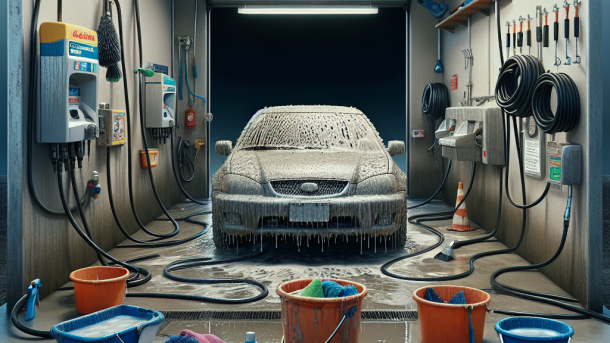
car washing tips

Does leaving your car dirty ruin the paint?

Table of Content

TITLE: Does leaving your car dirty ruin the paint?
COUNTRY CODE: US
LANGUAGE CODE: en
TABLE OF CONTENT:

  • Introduction
  • Understanding Car Paint
  • Common Elements That Damage Car Paint
    • Dirt and Dust
    • Bird Droppings
    • Tree Sap
    • Road Salt
    • Bug Splatter
  • Impact of Leaving Your Car Dirty
    • Short-term Effects
    • Long-term Consequences
    • Potential Repair Costs
  • How Dirt Speeds Up Paint Degradation
    • Chemical Reactions on Paint
    • Pitting and Surface Wear
  • Best Practices for Protecting Your Car’s Paint
    • Regular Washing Schedule
    • Using Protective Wax
    • Parking Solutions
  • How to Properly Wash Your Car to Preserve Paint
    • Recommended Tools and Products
    • Step-by-Step Cleaning Guide
  • Key Takeaways
  • Conclusion

Does leaving your car dirty ruin the paint? Find out the consequences and protective measures.

Introduction

Imagine your car as a knight, clad in shiny armor, bravely facing the elements. Yet, what happens when that armor is left unpolished, unkempt, and caked with dirt? Does it lose its sheen, its strength, its ability to dazzle? In much the same way, the paint on your car serves as its armor, protecting it from the harsh elements and keeping it looking pristine.

But have you ever pondered the consequences of neglecting this armor? Does leaving your car dirty actually ruin the paint? This question might seem trivial, yet it holds the key to maintaining your vehicle’s aesthetic appeal and long-term value. To unravel this mystery, we’ll delve into the impacts of dirt, explore the chemical reactions that occur, and discover how best practices, such as maintaining a regular washing schedule, can shield your car’s paint.

Join us as we embark on this journey, exploring the hidden dangers lurking beneath that layer of grime. Your car’s future may depend on the knowledge you gain today.

Understanding Car Paint

Car paint, much like the skin of a chameleon, plays a crucial role in defining the identity and allure of your vehicle. Beneath its glossy surface lies a complex composition of layers designed to provide both aesthetic charm and protection against the elements. But what exactly makes up this intricate shield?

Typically, car paint consists of multiple layers: a primer, base coat, and clear coat. The primer serves as the foundation, adhering to the metal surface and ensuring the base coat’s adhesion. The base coat, or color layer, is what gives your car its distinctive hue. Finally, the clear coat adds the glossy finish, acting as a barrier against environmental hazards.

However, even the most robust armor can falter under certain conditions. The clear coat, though resilient, is susceptible to damage from various elements like dirt, bird droppings, and tree sap. Understanding these vulnerabilities helps us appreciate why regular maintenance and protective measures are essential for preserving your car’s paintwork.

Interested in exploring how often you should maintain this protective shield? Discover insights on a regular washing schedule to keep your car’s paint in pristine condition.

Common Elements That Damage Car Paint

Imagine your car’s paint as a delicate canvas, exposed to a myriad of elements that aim to mar its appearance. These elements are like silent marauders, stealthily wreaking havoc on your vehicle’s pristine facade. Let’s unravel the enigma of these common culprits and understand how they threaten your car’s shimmer.

Dirt and dust might seem innocuous, but they act like fine sandpaper, gradually wearing down the paint’s protective layer. Bird droppings, on the other hand, are akin to acidic potions, their corrosive nature eating away at the clear coat and causing unsightly blemishes. Similarly, the sticky residue of tree sap is a stubborn adversary, bonding with the paint and becoming a magnet for grime.

As winter wields its icy hand, road salt becomes a villain, accelerating rust and corrosion. Meanwhile, bug splatter is the epitome of a sticky situation, its acidic properties leaving etchings on the paintwork. To combat these foes, a vigilant approach is necessary, ensuring your car’s armor remains unscathed.

Curious about the frequency of facing these challenges? Discover how often the average person might need a car wash to defend against such elements.

Dirt and Dust

Imagine the wind as a mischievous artist, wielding a brush laden with dirt and dust. With each gust, it paints an unwanted layer upon your car, turning its once-glossy surface into a canvas of grime. While these particles may seem harmless, they are, in fact, insidious culprits that can wreak havoc on your car’s paint.

Much like a thousand tiny grains of sandpaper, dirt and dust gradually abrade the clear coat, diminishing its luster and exposing the vulnerable layers beneath. This continuous wear and tear can lead to micro-scratches, dulling the paint’s shine and making it more susceptible to environmental damage.

For those who cherish their car’s appearance, understanding the impact of dirt and dust is vital. A consistent cleaning routine, such as adhering to a regular washing schedule, can help maintain the integrity of your car’s paint and ensure it remains a gleaming masterpiece on the road.

For more insights on the cost of keeping your car pristine, you may wonder if it’s cheaper to wash your car at home or at a car wash. Exploring these options can guide you in preserving your vehicle’s brilliance without breaking the bank.

Bird Droppings

Imagine a mischievous artist splattering your car with abstract designs of white and gray. While these patterns may seem like nature’s artistry, bird droppings are anything but harmless. They are, in fact, corrosive agents that can quickly undermine your car’s paint job.

Much like a potent potion, bird droppings contain uric acid, which reacts with the paint’s clear coat. This reaction can tarnish the sheen and etch unsightly marks into the surface. If left unattended, these blemishes can become permanent, requiring costly repairs or repainting.

For car enthusiasts, recognizing the threat posed by bird droppings is crucial. Regular cleaning and prompt removal of these droppings can prevent lasting damage. But how often should you wash your car to avoid such perils? Understanding the frequency and urgency of cleaning can save your vehicle’s paint from this avian assault.

For a scientific insight into the damage caused by bird droppings, the Science Daily offers a detailed analysis, emphasizing the importance of timely action to protect your car’s exterior.

Tree Sap

Picture yourself strolling through a tranquil forest, the air fragrant with the scent of pine. But as serene as it seems, a silent threat lingers in the form of tree sap, a sticky adversary that can mar the beauty of your car’s paint. This viscous substance, akin to nature’s superglue, adheres tenaciously to your vehicle’s surface.

Tree sap is not just a sticky inconvenience; it harbors compounds that can chemically interact with the paint, leading to discoloration and etching. Much like a stubborn stain on a cherished garment, the longer it remains, the more challenging it becomes to remove. If ignored, tree sap can become a permanent blemish, marring your car’s luster.

To safeguard your vehicle from this arboreal menace, it’s essential to remove sap promptly. Regular washing and protective measures, such as frequent car washes, can help maintain the integrity of your car’s paint.

For those intrigued by the science behind tree sap’s stickiness, the Scientific American provides an in-depth exploration, shedding light on this natural adhesive’s tenacious nature.

Road Salt

Picture winter’s icy hand casting its chill over the roads, rendering them slippery and treacherous. Enter road salt, the knight in shining armor, scattered to melt the ice and make pathways safe. Yet, this seemingly benevolent substance harbors a hidden menace to your car’s paintwork.

Much like a relentless villain, road salt can cling to your vehicle’s surface, initiating a corrosive dance. The moisture from melting snow and ice combines with the salt, creating a briny solution that seeps into every nook and cranny, accelerating rust and corrosion. Over time, this chemical reaction can eat away at the paint’s protective layers, leaving your car vulnerable to further damage.

To combat this wintry foe, a vigilant car owner should prioritize regular washing, especially during and after the snowy season. This proactive approach can help remove the salt residue and safeguard your vehicle’s paint. If you’re curious about the frequency of washes during winter, exploring insights on how often the average person might need a car wash can help tailor your maintenance schedule.

For more in-depth information on the effects of road salt, you can explore this informative article from NHTSA, which discusses the impact of salt on vehicle corrosion and offers preventive measures. Engaging in these practices can ensure that your car’s armor remains unblemished, even in the harshest of winters.

Bug Splatter

Imagine driving down a countryside road, the air filled with the sweet scents of summer, when suddenly, your windshield and paint become canvases for a swarm of bugs. These tiny invaders, unfortunately, leave more than a fleeting mark; they can be a persistent problem for your vehicle’s paintwork.

Bug splatter is not just a minor nuisance; it’s a chemical conundrum. The remains of bugs contain acidic compounds that can etch into the clear coat, leaving behind pockmarks and stains that resemble a painter’s accidental splatters. Over time, this can compromise the integrity of the paint, leading to dullness and blemishes that mar the car’s appearance.

For the diligent car owner, addressing bug splatter promptly is essential to maintain the car’s pristine look. Regular washing and using specialized cleaning products can help remove these stubborn remnants. Curious about how often such maintenance might be necessary? Delve into insights on maintaining a regular washing schedule to keep your vehicle shining.

For those seeking scientific insights on the effects of bug splatter, the Autogeek offers a detailed discussion on the subject, emphasizing the importance of prompt action to preserve your car’s exterior.

Impact of Leaving Your Car Dirty

Imagine your car as a delicate artwork, its paintwork a canvas that tells a story of elegance and care. But what happens when this masterpiece is left neglected, hidden beneath layers of dirt and grime? The impact of leaving your car dirty extends beyond mere aesthetics, potentially leading to significant consequences.

In the short term, a dirty car can lose its luster, appearing dull and unkempt. But the long-term consequences are far more insidious. Dirt and grime can act like tiny daggers, scratching the clear coat and exposing the paint to environmental hazards. Over time, this can lead to fading, oxidation, and even rust—transforming your car from a gleaming gem into a tarnished relic.

The potential repair costs of neglecting your car’s cleanliness can be steep, involving repainting and extensive restoration efforts. A proactive approach, such as maintaining a regular washing schedule, can help prevent these costly issues, preserving your car’s value and beauty.

For those pondering the economics of keeping their car clean, exploring whether it’s cheaper to wash your car at home or at a car wash can provide valuable insights. This knowledge can guide you in making informed decisions to protect your vehicle’s paint for the long haul.

Short-term Effects

Picture your car as a vibrant tapestry, each thread representing the care and attention you’ve woven into its appearance. Yet, when left dirty, this masterpiece begins to unravel, losing its brilliance. In the short term, dirt and grime can dull your car’s shine, making it look worn and neglected.

Think of these particles as a thin veil, obscuring the vivid colors beneath. Dust and dirt cling to the surface, acting like a shroud that robs your car of its luster. Bird droppings and bug splatter, with their acidic properties, can create unsightly marks that mar the once-flawless finish.

Regular cleaning can serve as a rejuvenating ritual, restoring your car’s gleam and safeguarding against these short-lived blemishes. Are you curious about how often this upkeep should occur? Discover insights on maintaining a regular washing schedule to ensure your car continues to captivate with its brilliant sheen.

For a broader perspective on maintaining your vehicle’s aesthetics, consider exploring the Consumer Reports guide on car maintenance. It offers practical tips for keeping your car in pristine condition, even in the short term.

Long-term Consequences

Imagine your car as a timeless masterpiece, a work of art meant to endure the test of time. Yet, neglecting its cleanliness can lead to the slow erosion of this artistry. The long-term consequences of leaving your car dirty can be as severe as a slow poison, gradually eating away at its beauty and value.

Over time, dirt and grime act like a corrosive agent, dulling the vibrant colors and eroding the protective clear coat. This persistent assault exposes the underlying layers, making the paint more susceptible to environmental damage. As the paint loses its integrity, oxidation sets in, leading to fading and discoloration.

Furthermore, prolonged exposure to corrosive elements like bird droppings, tree sap, and road salt can cause permanent etching and rust, compromising the structural integrity of the vehicle. These blemishes require extensive repairs or repainting, which can be costly and time-consuming.

Maintaining a regular cleaning regimen can thwart these long-term consequences and preserve your car’s allure. Curious about the financial implications of regular upkeep? Explore whether it’s cheaper to wash your car at home or at a car wash for insights that can help you protect your investment.

Potential Repair Costs

Picture the financial burden of an unexpected expense, much like an unwelcome guest at your doorstep. This is what potential repair costs feel like when you neglect your car’s cleanliness. What starts as a minor oversight of leaving your car dirty can balloon into significant repair bills.

Imagine dirt and grime as silent thieves, stealthily eroding the protective layers of your car’s paint. Over time, this leads to fading, oxidation, and even rust—issues that require professional intervention. Repainting a car isn’t just about aesthetics; it’s a costly endeavor involving labor-intensive processes to restore the paintwork.

Furthermore, the cumulative effect of corrosive elements like bird droppings and road salt can result in permanent damage, demanding extensive repairs that reach deep into your pockets. Regular maintenance, such as sticking to a regular washing schedule, can avert these costly repairs, preserving both your car’s beauty and your bank account.

If you’re weighing the cost-effectiveness of maintaining your car’s cleanliness, consider whether it’s cheaper to wash your car at home or at a car wash. This exploration can provide insights to make informed decisions that protect your vehicle’s paint and your finances.

How Dirt Speeds Up Paint Degradation

Imagine dirt as a silent saboteur, stealthily infiltrating the fortress of your car’s paint. It’s not just an innocent layer of dust; it’s a catalyst, accelerating the degradation of your vehicle’s protective armor. But how does this seemingly harmless substance wreak such havoc?

When dirt accumulates on your car’s surface, it creates a microenvironment ripe for chemical reactions. The particles trap moisture, leading to oxidation—a process akin to rusting, but for paint. This constant exposure to moisture weakens the clear coat, wearing it down over time and leaving the base coat vulnerable to the elements.

Additionally, dirt acts like a magnifying glass, intensifying the sun’s UV rays and causing the paint to fade prematurely. It’s like leaving your car under a relentless spotlight, slowly sapping its vibrancy. This degradation process can lead to costly repairs or repainting if not addressed promptly.

Maintaining a regular washing schedule can mitigate these effects, ensuring your car’s paint remains a vibrant and resilient shield against the elements. For more scientific insights into paint degradation, consider exploring EPA’s resources on automotive paint coatings and protection.

Chemical Reactions on Paint

Imagine your car’s paint as a delicate shield, constantly under siege by invisible forces. Dirt, seemingly innocent, is actually the mastermind behind a series of chemical reactions that can erode this protective barrier. But how do these reactions unfold, and what havoc do they wreak on your car’s paint?

When dirt settles on your car’s surface, it creates a perfect environment for moisture retention. This moisture, coupled with environmental pollutants, initiates oxidation—a process similar to rusting but affecting the paint. Oxidation gradually weakens the clear coat, exposing the paint to further degradation.

Furthermore, compounds present in bird droppings and tree sap can interact with the paint, causing corrosive damage. These substances act like tiny chemical grenades, etching into the clear coat and leaving permanent scars. Over time, these reactions result in fading, discoloration, and even peeling of the paint.

Regular maintenance, such as adhering to a consistent car washing schedule, can neutralize these chemical threats, preserving your car’s pristine appearance. For a deeper dive into the science of paint degradation, the Autogeek offers insights into effective car paint care and protection strategies.

Pitting and Surface Wear

Imagine your car’s paint as a smooth, unblemished lake, reflecting the sky’s azure hue. Yet, lurking beneath the serene surface, tiny forces of nature are at play, slowly eroding this tranquility. This is the menace of pitting and surface wear, where dirt and environmental aggressors carve minuscule craters into the paintwork.

Just as wind and water sculpt landscapes over eons, dirt particles act like abrasive winds on your car’s paint. As you drive, these particles collide with the surface at high speeds, leading to micro-abrasions that pockmark the clear coat. Over time, this relentless assault results in pitting—small indentations that mar the smoothness of the paint.

Surface wear, on the other hand, is akin to an artist’s brush, subtly altering the canvas. It’s the gradual wearing down of the paint’s protective layer, rendering it more susceptible to environmental damage. This process can lead to a dull, lackluster appearance, robbing your car of its showroom shine.

To combat pitting and surface wear, consider embracing a regular washing schedule to remove abrasive particles. This proactive approach can help preserve the integrity of your car’s paint, ensuring it remains as smooth and reflective as a tranquil lake.

For a scientific perspective on paint protection, the ScienceDirect provides in-depth research on automotive paint technologies, offering insights into advanced coatings that minimize pitting and wear.

Best Practices for Protecting Your Car’s Paint

Imagine your car’s paint as a delicate tapestry, woven with threads of color and gloss, each thread representing the care and attention you invest in its upkeep. To ensure this masterpiece remains vivid and pristine, one must adopt a vigilant approach to paint protection. But what are the best practices to shield this intricate artwork from the ravages of time and elements?

First and foremost, maintaining a regular washing schedule is akin to performing a ritual of renewal, cleansing the car of dirt, grime, and corrosive agents. This practice not only preserves the paint’s luster but also prevents long-term damage. Wondering how often this ritual should occur? Discover insights on an ideal washing frequency that aligns with your car’s needs and environment.

Additionally, applying a protective wax is like wrapping your car in an invisible shield, enhancing its resistance to environmental aggressors. This layer not only adds a gleaming finish but acts as a barrier against UV rays, pollutants, and moisture.

Furthermore, strategic parking solutions can play a vital role in paint protection. Parking under cover or using a car cover can safeguard your vehicle from bird droppings, tree sap, and the sun’s harsh rays.

For those seeking authoritative insights on automotive paint care, the EPA’s resources provide comprehensive guidance on paint protection technologies. Engaging in these best practices ensures your car’s paint remains a vibrant tapestry, telling a story of meticulous care and attention.

Regular Washing Schedule

Imagine your car as a treasured heirloom, its paintwork a shield that safeguards its beauty and value. Just as you wouldn’t neglect a prized possession, maintaining a regular washing schedule is essential for preserving your vehicle’s luster. But how often should you wash your car to keep it gleaming like new?

Think of washing your car as a ritual of renewal, a chance to cleanse away the dirt, grime, and corrosive elements that threaten its shine. For most vehicles, washing every two weeks is a recommended baseline, but factors such as local climate and driving conditions can influence this frequency. For example, if you live in an area with heavy pollution or near the coast, you might need to wash your car more frequently to combat salt and environmental contaminants.

Maintaining a regular washing schedule not only keeps your car looking its best but also prevents long-term damage. Curious about how often others wash their cars? Discover insights on the average frequency of car washes to tailor your own routine.

For more detailed guidance on car washing practices and schedules, the Consumer Reports offers practical tips to keep your car in top condition throughout its lifespan.

Using Protective Wax

Picture your car as a majestic steed, galloping through the elements with grace and poise. Yet, even the most noble charger requires armor to shield it from the trials of time. This is where protective wax comes into play, serving as the shining armor that envelops your vehicle’s paint in a protective embrace.

Applying wax to your car is akin to draping it in an invisible cloak, fortifying it against the relentless assault of environmental aggressors. This waxy shield enhances the paint’s resistance to UV rays, pollutants, and moisture, ensuring that your car’s vibrant hues remain untarnished.

Just as a knight polishes his armor before battle, regular waxing is essential to maintain this protective barrier. Ideally, waxing should be done every three months, or more frequently if your car is exposed to harsh conditions. This ritual not only adds a gleaming finish but also preserves the integrity of the paint, much like a guardian warding off potential threats.

For a deeper understanding of car care, consider the insights provided by Consumer Reports, offering practical guidance on maintaining your vehicle’s aesthetic appeal. Engaging in these practices ensures your car remains a radiant masterpiece, protected by its waxen armor.

Parking Solutions

Envision your car as a precious artifact, deserving of a secure sanctuary to shield it from the elements. Parking solutions play a pivotal role in safeguarding your vehicle’s paintwork, much like a protective fortress that guards its treasures. But how can you best defend your car from the onslaught of environmental hazards?

Consider the strategic placement of your car. Parking in shaded areas or under a carport can protect it from the sun’s harsh UV rays, which can fade and degrade the paint over time. In urban areas, garages serve as a haven, shielding your car from bird droppings, tree sap, and inclement weather.

For those without access to covered parking, car covers offer a portable solution. These protective shields are like armor, enveloping your vehicle and guarding it against dust, pollutants, and the elements. Investing in high-quality, breathable covers ensures that moisture doesn’t get trapped, preventing potential damage.

For insights on maintaining your car’s appearance, the Consumer Reports provides valuable tips on effective parking strategies and paint protection. By adopting these parking solutions, you ensure that your car’s paint remains as vibrant and pristine as a newly unveiled masterpiece.

How to Properly Wash Your Car to Preserve Paint

Imagine your car as a cherished piece of art, its paintwork a vibrant tapestry that deserves meticulous care. Properly washing your car is akin to restoring a masterpiece, ensuring that every stroke of color remains intact. But how can you achieve this level of care without compromising the paint’s integrity?

The process of washing your car is not merely a task—it’s a ritual of preservation. Begin by gathering the right tools and products, much like an artist selecting the finest brushes and paints. Quality car shampoos, microfiber cloths, and soft sponges are your allies in this endeavor.

Next, embrace a step-by-step cleaning guide that mirrors an artist’s careful strokes. Start with a gentle rinse to remove loose dirt, followed by a thorough wash using a two-bucket method—one for soapy water, the other for rinsing. This technique prevents dirt from scratching the surface, ensuring a pristine finish.

For those curious about the essentials of car washing, explore insights on whether it’s better to hand wash or go to a car wash. This knowledge can guide you in making informed decisions to preserve your car’s paint as a masterpiece on wheels.

For authoritative guidance on car washing techniques, consider the insights offered by Consumer Reports, which provides practical tips to maintain the brilliance of your vehicle’s paintwork. Engaging in these practices ensures your car remains a radiant testament to your care and attention.

Recommended Tools and Products

Imagine your car as a canvas, and you, the artist, meticulously maintaining its pristine allure. The right tools and products are your brushes and paints, essential for preserving the vibrancy of your vehicle’s paint. But which ones truly make a difference in this delicate art form?

Firstly, a high-quality car shampoo is like a gentle cleanser for your canvas, designed to lift dirt without stripping away the protective wax. Opt for pH-balanced formulas that safeguard the clear coat while providing a fresh, clean finish.

Microfiber cloths are your best allies, akin to soft, gentle brushes that prevent scratches and swirl marks. These cloths delicately glide across the surface, ensuring a smooth and flawless outcome. Pair them with a soft sponge or mitt for effective dirt removal.

The two-bucket method is a game-changer, much like an artist’s dual palette—one for soapy water, the other for rinsing. This technique minimizes dirt transfer, protecting your car’s paint as you wash.

Curious about the cost of maintaining your car’s brilliance? Explore insights on washing your car at home to strike a balance between quality and budget.

For a comprehensive guide on car care, the Consumer Reports offers expert advice on the best tools and products to keep your vehicle shining, ensuring your car remains a testament to your artistic care.

Step-by-Step Cleaning Guide

Imagine your car as a grand symphony, each note representing the meticulous care you invest in its upkeep. To preserve its harmonious beauty, a step-by-step cleaning guide is essential. But how can you conduct this cleaning symphony to perfection?

Begin with a prelude of rinsing, using a gentle spray to remove loose dirt and debris, much like clearing the stage for a performance. This initial rinse prevents scratches during the washing process. Next, mix your car shampoo in a bucket, creating a lather as rich as a maestro’s composition.

Use the two-bucket method—one for soapy water, the other for rinsing your mitt—as your conductor’s baton. This technique ensures that dirt is not transferred back onto the car, much like maintaining the purity of a musical note.

Start from the top, washing sections with a soft microfiber mitt in straight strokes, akin to a conductor’s precise movements. Rinse each section thoroughly before moving to the next, ensuring no soap residue lingers. This rhythm ensures an even, scratch-free finish.

Finally, dry your car using a microfiber towel, patting gently as if concluding a symphony with a soft, fading note. For insights on whether it’s better to hand wash or go to a car wash, explore options that align with your preferences and the care your car deserves.

For expert guidance on washing techniques, the Consumer Reports provides valuable tips to ensure your car’s paint remains a symphony of brilliance, echoing your dedication to its care.

Key Takeaways

Reflect on your car as a cherished relic, its paintwork a testament to the care you imbue within it. Over time, neglecting this vibrant shield can lead to a cascade of consequences, from the dulling of its luster to costly repairs. Maintaining a vigilant approach is paramount to preserving your vehicle’s aesthetic and value.

In our journey, we’ve unearthed the silent marauders—dirt, bird droppings, tree sap, and more—that threaten your car’s paint. These common elements, much like unseen forces, initiate chemical reactions that can erode the protective barrier. Understanding these threats emphasizes the importance of a regular washing schedule, a ritual of renewal that wards off potential damage.

Furthermore, adopting best practices like using protective wax and strategic parking solutions can serve as added layers of defense. These proactive measures ensure your car’s paint remains a vibrant tapestry, echoing the attention and care you invest. If you’re curious about whether it’s cheaper to wash your car at home or at a car wash, exploring these options can help you make informed decisions to protect your investment.

For authoritative guidance on car maintenance, the Consumer Reports offers practical insights to ensure your vehicle remains a pristine masterpiece, testament to your dedication and care.

Conclusion

As we conclude this exploration into the impact of dirt on your car’s paint, imagine your vehicle as a cherished heirloom. Its paintwork is not just a layer of color but a testament to your care and attention. Leaving your car dirty is akin to neglecting this precious artifact, allowing the elements to tarnish its beauty over time.

From the abrasive nature of dirt and dust to the corrosive threats posed by bird droppings and road salt, the enemies of your car’s paint are numerous and relentless. Yet, with knowledge comes power—the power to protect and preserve. By maintaining a regular washing schedule and utilizing protective measures such as waxing and strategic parking, you can safeguard your car’s paint against these adversaries.

Ultimately, your car is more than just a mode of transportation; it’s a reflection of your commitment to its longevity and appearance. Continuing this journey of care ensures that your vehicle remains a gleaming masterpiece on the road. For further insights into maintaining this brilliance, consider exploring resources like the Consumer Reports, which offers valuable tips on effective car maintenance.

By embracing these practices, you ensure your car’s paint remains a vibrant testament to your dedication, echoing the reverence you hold for this treasured possession.

How to wash a car at self service car wash?

Table of Content

TITLE: How to wash a car at self service car wash?
COUNTRY CODE: US
LANGUAGE CODE: en
TABLE OF CONTENT:

  • Introduction
  • What is a self service car wash?
    • Benefits of using a self service car wash
    • What to expect at a self service car wash?
  • Essential equipment and supplies needed
  • Step-by-step process to wash your car at a self service car wash
    • Preparation: Before you start
    • Pre-rinse your vehicle
    • Apply soap to remove dirt
    • Scrub: Using the brush correctly
    • Rinsing: Removing all soap residue
    • Spot-free rinse for a perfect finish
  • Tips for a more effective car wash
    • How to avoid streaks and stains
    • Using wax or protectant options
  • Cost-effectiveness: Saving money at a self service car wash
  • Common mistakes to avoid
    • Preventing damage to your car’s paint
    • Minimizing water usage
  • Key Takeaways
  • Conclusion

How to wash a car at a self service car wash, like a pro?

Introduction

Imagine standing in front of a gleaming car, sunlight dancing off its spotless surface. Your pride swells as you admire the work of your own hands. But how did you get there? The secret lies in mastering the art of using a self-service car wash. Like a maestro conducting a symphony, you orchestrate every step, from the initial rinse to the final spot-free sheen.

Self-service car washes offer the thrill of DIY with the convenience of professional facilities. Whether you’re a car enthusiast or simply looking to save some cash, these facilities provide a canvas for you to create your masterpiece. But, how often should you wash your car to maintain its pristine condition? It all depends on your driving habits, weather conditions, and personal preference.

In this guide, we will delve into the step-by-step process of washing your car at a self-service station. We will explore the benefits, necessary equipment, and tips to avoid common pitfalls, ensuring your vehicle looks its best. For those pondering if it’s cheaper to wash at home or at a car wash, we’ll unravel the cost-effectiveness of self-service car washes.

What is a self service car wash?

Picture yourself at a bustling car wash station, where you are the conductor of your own vehicle’s transformation. A self-service car wash is a place that offers you the tools and facilities to wash your car personally, without the need for an attendant. It’s a place where you are in control, armed with high-pressure hoses, foaming brushes, and coin-operated machines that provide all you need to make your car shine like new.

Unlike automatic car washes that do the job for you, self-service stations offer a hands-on experience, allowing you to meticulously clean every nook and cranny of your prized possession. These facilities often have multiple bays, each equipped with a variety of cleaning options to cater to different parts of the car. But what makes them truly appealing? The benefits of using a self-service car wash are numerous, from cost savings to the flexibility of washing your car at your own pace.

For those wondering if a car wash is good money, self-service car washes can be a savvy option for those looking to save on expenses while ensuring their car gets the care it deserves. Whether you’re washing your car for the first time or are a seasoned pro, understanding what to expect at a self-service car wash will set the stage for a successful cleaning session.

Benefits of using a self service car wash

Imagine a world where you’re the captain of your car’s cleanliness, steering every scrub and rinse. That’s the allure of a self-service car wash. One of the primary benefits is the flexibility it offers. You dictate the pace and pressure, ensuring every inch of your vehicle gets the attention it deserves, unlike in a rushed automatic wash.

Moreover, it’s a cost-effective choice. For those pondering if it’s cheaper to wash at home or at a car wash, the answer often leans towards self-service facilities. They provide all the essential tools without the need for a hefty investment in equipment, saving you money in the long run.

Additionally, self-service car washes are environmentally friendly. They often use less water compared to washing at home, thanks to their efficient systems. This not only conserves a precious resource but also minimizes your water bill. Furthermore, these facilities are equipped to handle wastewater appropriately, reducing pollution.

Lastly, there’s a sense of accomplishment. Knowing you’ve meticulously cleaned your car with your own hands can be incredibly satisfying. It’s not just about the end result but also the journey, making every visit to a self-service car wash a rewarding experience. For those curious about how often you should wash your car, frequent visits to a self-service station allow for regular upkeep without breaking the bank.

What to expect at a self service car wash?

Stepping into a self-service car wash is like entering a realm where you wield the power to rejuvenate your vehicle. But what should you anticipate as you embark on this cleaning adventure? First, you’ll find yourself in a bay equipped with an array of tools, ready for your command. High-pressure hoses, foaming brushes, and coin-operated machines are at your disposal, each with a specific role in the symphony of car cleaning.

As you insert coins or tokens, the machines come to life, offering a variety of settings to tackle every part of your car. From a gentle pre-rinse to a powerful soap spray, you can tailor each step to meet your car’s unique needs. For those wondering how often should you wash your car, these facilities allow for frequent, thorough cleaning without the hefty price tag.

Moreover, expect a sense of control and satisfaction as you meticulously wash your vehicle, ensuring no crevice is left untouched. The experience also offers insight into cost-effectiveness, as you weigh the benefits of washing your car at home against using a car wash. With a self-service facility, you’re given the tools to transform your car, making it not just a wash, but an artful endeavor.

As you leave the bay, your car gleaming under the sun, you’ll carry a sense of pride and accomplishment. It’s not just about the cleanliness; it’s about the journey and the hands-on experience that self-service car washes uniquely provide.

Essential equipment and supplies needed

Embarking on a self-service car wash adventure is akin to setting out on a journey, and every journey requires the right tools. Picture yourself as a craftsman, with each piece of equipment acting as a brush, ready to paint your car’s masterpiece. But what exactly do you need to bring this vision to life?

First and foremost, you’ll need a collection of microfiber towels. These are your secret weapons, gentle yet effective in removing water spots and drying your vehicle to a pristine finish. Next, consider a high-quality car wash soap, one that’s tough on grime but kind to your car’s paint. It’s the soap that acts as the protagonist in the story, lifting dirt away without leaving a trace.

A soft-bristle brush or mitt is also essential, playing the role of a gentle giant, scrubbing away stubborn stains without scratching your car’s surface. And don’t forget the tire cleaner; your car’s shoes need a little love too, ensuring they gleam as brightly as the rest of your vehicle.

Lastly, a wax or protectant is the final flourish, a protective shield that enhances your car’s shine and defends against the elements. With these tools in hand, you’re ready to transform any vehicle into a shining work of art, worthy of admiration on any street. For those curious about cost-effectiveness, consider the balance between washing your car at home and using a car wash, to ensure your efforts are as economical as they are effective.

Step-by-step process to wash your car at a self service car wash

Embarking on the journey of a self-service car wash is like setting off on a grand adventure, where every step is a crucial chapter in the story of your car’s transformation. This guide will walk you through each stage, ensuring you emerge victorious with a vehicle that gleams like a knight’s armor.

The process begins with preparation, akin to gathering your tools before painting a masterpiece. Next, the pre-rinse acts as the first stroke, gently washing away loose dirt and setting the stage for the main event. As you apply soap, imagine it as the magical elixir that dissolves grime, revealing the hidden beauty beneath.

With the brush in hand, you’re like a sculptor, carefully shaping each detail of your car, ensuring no spot is left untouched. The rinsing stage is where your masterpiece takes form, washing away the remnants of dirt and soap, leaving a clean canvas. Finally, the spot-free rinse is the finishing touch, a protective veil that enhances your car’s shine.

This meticulous process not only ensures your vehicle looks its best but also provides an opportunity to reflect on the cost-effectiveness of your efforts. Is it cheaper to wash your car at home or at a car wash? With a self-service facility, the balance of cost and quality often tilts in your favor. Follow along as we delve into each step, guiding you through this transformative experience.

Preparation: Before you start

Imagine a painter setting up their easel, gathering brushes and colors before bringing a vision to life. The same meticulous preparation is essential before you embark on your self-service car wash journey. Each item you gather is a tool, ready to transform your vehicle into a canvas of cleanliness.

Begin by ensuring you have a pocketful of coins or tokens. These are your tickets to accessing the self-service car wash’s arsenal of equipment. Next, arm yourself with microfiber towels, ready to tackle water spots and ensure a streak-free shine.

Don’t forget a high-quality car wash soap, the unsung hero of the day, which lifts dirt with a gentle touch. For those pondering the average cost of a car wash, knowing the right supplies can make your experience both economical and effective.

Additionally, a soft-bristle brush or mitt will be your trusty companion, scrubbing without scratching. Gather your thoughts, focus your intent, and prepare yourself to transform your car into a gleaming masterpiece, ready to shine on any road. For more insights into car washing, explore the topic of cost-effectiveness of home versus car wash to ensure your efforts are as rewarding as they are economical.

Pre-rinse your vehicle

Imagine your car as a blank canvas, waiting to be unveiled. The pre-rinse stage is akin to an artist preparing their canvas, ensuring it’s free of any impurities before the masterpiece begins. It’s the gentle rain before the storm, washing away loose dirt and debris to reveal the true surface beneath.

As you step into the bay, grip the high-pressure hose with determination. Feel the power coursing through as you release a steady stream of water, sweeping across your vehicle. This isn’t just about removing dirt; it’s about setting the stage for the deep clean that follows.

Start from the top and work your way down, letting gravity assist you in your quest for cleanliness. The water cascades, carrying away the remnants of road trips and daily commutes, leaving a clean slate ready for transformation. If you’re curious about how many cars are washed at a car wash, imagine each one undergoing this same meticulous process, each pre-rinse a prelude to perfection.

With your car now free of loose debris, you’re ready to dive into the heart of the cleaning process. The pre-rinse is more than just a step; it’s a promise of the pristine finish to come, ensuring your vehicle emerges from the wash as a testament to your care and dedication.

Apply soap to remove dirt

Picture your car as a cherished sculpture, waiting for the sculptor’s touch to reveal its beauty. In this case, soap is your chisel, working to unveil the brilliance beneath the grime. As you reach for the foamy brush or soap sprayer, imagine it as a magic wand, ready to cast a spell that lifts dirt away effortlessly.

Your journey begins as you slide coins into the machine, activating the soap flow. With deliberate movements, cover your car in a lather of bubbles, ensuring every inch is cloaked in this cleansing elixir. This soap is not just a simple detergent; it’s a concoction designed to cling to dirt and dissolve it with precision.

Work methodically, section by section, allowing the soap to penetrate and loosen the bonds of dirt. Start from the roof, cascading your efforts downward, ensuring gravity aids your endeavor. Visualize the soap forming a protective barrier, lifting away impurities while safeguarding the paint beneath.

As the lather works its magic, take a moment to ponder the balance of cost and efficiency in your car washing routine. With each stroke of the brush, imagine the dollars saved compared to professional services. For insights on whether it’s better to hand wash or go to a car wash, this hands-on approach offers a rewarding blend of economy and effectiveness.

Scrub: Using the brush correctly

Imagine being a maestro, wielding your brush like a conductor’s baton, orchestrating a symphony of cleanliness on your car’s surface. The brush is your primary tool, a gentle giant that scrubs away the stubborn remnants of dirt and grime, revealing the lustrous beauty beneath.

As you grasp the brush, ensure it’s soaked in the soapy solution, ready to tackle even the most persistent stains. Begin with gentle, circular motions, as if you’re painting a masterpiece, ensuring even coverage and avoiding harsh lines that might mar the finish. Picture the brush as a soft whisper, caressing the surface, its bristles working their magic without leaving a scratch.

Pay special attention to the areas that accumulate the most grime, such as the lower panels and wheels. Here, the brush acts like a detective, uncovering hidden dirt and banishing it to the past. Remember, the goal is to cleanse, not to scour, so maintain a light touch, allowing the soap to do the heavy lifting.

For those curious about the cost-effectiveness of washing at home versus a car wash, consider the balance of effort and economy. With each stroke of the brush, you’re not only enhancing your car’s appearance but also embracing a financially savvy approach to vehicle maintenance. Whether you’re a novice or seasoned in the art of car washing, this hands-on experience is both a skillful dance and an opportunity to reflect on how often the average person gets a car wash, ensuring your vehicle remains a shining testament to your care.

Rinsing: Removing all soap residue

Picture yourself as an artist, nearing the completion of your masterpiece. The soap has done its work, and now it’s time for the grand reveal. Rinsing is that crucial moment, where you wash away the remnants of soap, unveiling the gleaming, pristine surface beneath.

As you reach for the high-pressure hose again, imagine it as a gentle rain, washing away the suds and leaving a spotless finish. Begin at the top and let the water cascade down, much like a waterfall cleansing the rocks below. The key here is thoroughness; ensure no soap residue is left behind, as it can lead to unsightly streaks and stains.

Take your time, paying attention to the nooks and crannies where soap might linger, such as the door handles, mirrors, and wheel wells. This meticulous rinse not only enhances the shine but also protects your car’s paint, preserving its luster for longer.

In this moment, reflect on the balance of effort and expense. For those weighing the option of washing at home versus a car wash, consider how this hands-on approach offers both satisfaction and savings. As you rinse away the last of the soap, you’re not just cleaning your car; you’re crafting a testament to your dedication and skill.

Spot-free rinse for a perfect finish

Imagine the final act in a captivating play, where the curtain rises to reveal a flawless performance. The spot-free rinse is that grand finale, the moment when your car truly shines in all its glory. This step is essential, ensuring that every drop of water evaporates without leaving a trace, much like a magician’s disappearing act.

As you engage the spot-free rinse setting, envision the water as a gentle mist, delicately caressing your car. It’s infused with demineralized water, free of impurities that can cause unsightly spots and blemishes. This magical solution ensures that as the water dries, it leaves behind a pristine, streak-free surface, akin to a clear blue sky after a summer rain.

Methodically work your way from the top down, allowing the water to cascade and envelop every inch of your vehicle. This final touch not only enhances the shine but also adds a protective layer, guarding against future dirt and grime. It’s the difference between a good wash and a remarkable one, where every detail is polished to perfection.

Reflect on the artistry of your efforts and the cost-effectiveness of utilizing a self-service car wash. This method provides a superior finish without the premium price tag, showcasing the balance of quality and thrift. As you step back to admire your handiwork, consider how often should cars be washed to maintain this level of brilliance, ensuring your vehicle remains a testament to your care and craftsmanship.

Tips for a more effective car wash

Imagine yourself as an artist, standing before a blank canvas, ready to create a masterpiece. Washing your car is much the same, where each stroke and detail contributes to the overall brilliance of your vehicle. Here are some tips to enhance the effectiveness of your car wash, ensuring your car emerges like a shining star.

  • **Choose the Right Time:** Avoid washing your car in direct sunlight. The sun can cause the soap to dry too quickly, leading to streaks and spots. Opt for a cloudy day or wash your car in the early morning or late afternoon.
  • **Use Two Buckets:** One bucket for soapy water and another for rinsing your sponge or mitt. This method prevents dirt from being reintroduced to your car’s surface, ensuring a cleaner wash.
  • **Mind the Details:** Pay attention to often-overlooked areas like wheel wells, door jambs, and the underside of mirrors. These spots can harbor dirt and grime, detracting from the overall shine.
  • **Dry Thoroughly:** Use a microfiber towel to avoid water spots. Gently pat your car dry rather than dragging the towel across the surface, which can cause scratches.
  • **Regular Maintenance:** Keeping a consistent wash schedule is key. But, how often should you wash your car to maintain its pristine condition? It depends on your local environment and driving habits; however, regular washes help preserve the paint and overall appearance.

For those pondering the balance of home washing versus a car wash, consider the cost-effectiveness of each option. By incorporating these tips, you can achieve a professional-level clean without the premium price tag. Whether you’re a novice or a seasoned pro, these strategies will elevate your car washing game, ensuring your vehicle remains a gleaming testament to your dedication.

How to avoid streaks and stains

Imagine painting a masterpiece only to have unwanted smudges ruin your work. Avoiding streaks and stains when washing your car is akin to ensuring every brushstroke remains pristine. The secret lies in technique and timing, much like crafting a perfect piece of art.

First, choose your washing time wisely. Avoid direct sunlight, which can cause soap to dry too quickly, leaving unsightly streaks. Opt for overcast days or wash during the cooler hours of the morning or evening.

Next, invest in quality microfiber towels. These are your allies, absorbing water without scratching and leaving a streak-free surface. When drying, gently pat your car rather than dragging the towel, allowing the fabric to soak up moisture without disturbing the finish.

Rinsing thoroughly is crucial. Ensure all soap is removed before drying, as leftover suds can lead to stains. If you’re curious about the common mistakes to avoid during a car wash, remember that proper rinsing and drying are key.

Lastly, consider a spot-free rinse to eliminate mineral deposits that cause spots. This final touch ensures your vehicle gleams like a polished gem, a testament to your meticulous care. For those pondering cost-effectiveness, these techniques offer a professional finish without the professional price tag.

Using wax or protectant options

Imagine your car as a prized jewel, and the wax or protectant as its protective casing, ensuring it remains untarnished by the elements. Just as a jeweler polishes a gem to enhance its brilliance, using wax or a protective coating on your car adds a lustrous sheen while shielding it from environmental wear and tear.

After washing and drying your vehicle, consider applying a layer of car wax. This step is akin to giving your car a suit of armor, guarding against harmful UV rays, dirt, and moisture. Think of it as an invisible shield, enhancing the depth of your car’s color and extending the life of its paint.

For those contemplating the balance of cost and effectiveness, a quality wax or protectant can reduce the need for frequent washes, ultimately saving you time and money. The question often arises: how often should you wash your car? Regular maintenance with wax or protectant can prolong the intervals between washes, while ensuring your vehicle continues to sparkle.

Incorporate this step into your car care routine, and your vehicle will not only shine but also withstand the test of time, much like a masterpiece preserved for future generations. This thoughtful care not only enhances your car’s appearance but also ensures it remains a testament to your attention to detail and dedication.

Cost-effectiveness: Saving money at a self service car wash

Imagine embarking on a treasure hunt, where the prize is the gleaming finish of your car without the burden on your wallet. Self-service car washes offer a cost-effective solution, allowing you to achieve a spotless shine without breaking the bank. But how does this work, and why is it a savvy choice?

Firstly, self-service car washes provide all the essential equipment without the need for a hefty investment in personal tools. This means you can access high-pressure hoses, foaming brushes, and other specialized equipment for a fraction of the cost. It’s akin to borrowing a master artist’s brushes to create your masterpiece, without purchasing your own set.

Moreover, the flexibility of a self-service car wash allows you to tailor the washing process to your budget. You decide how much time and resources to dedicate, enabling you to save money by focusing only on necessary steps. For those curious about whether it’s cheaper to wash at home or at a car wash, self-service options often strike the perfect balance.

Additionally, frequent visits to a self-service station can prevent buildup, reducing the need for costly detailing services in the long run. By maintaining a regular wash schedule, you can keep your vehicle in top condition without the premium price tag. For insights into how often the average person gets a car wash, this method offers a thrifty yet effective approach to vehicle maintenance.

In essence, opting for a self-service car wash is like embarking on a smart financial journey, where every dollar spent is an investment in your car’s longevity and appearance. It’s the art of balancing quality with thrift, ensuring your vehicle remains a testament to your savvy care and dedication.

Common mistakes to avoid

Imagine setting out to craft a masterpiece, only to stumble on a few missteps that could mar your creation. Washing your car at a self-service car wash can be a rewarding experience, but it’s essential to steer clear of common pitfalls that can lead to less-than-perfect results. Let’s explore some of these blunders and how to avoid them.

First, consider the water temperature. Using water that’s too hot can damage your car’s paint, much like a scorching sun can wilt a flower. Stick to lukewarm water for the best results. Secondly, avoid using the brush on dry surfaces. This can lead to scratches, akin to dragging sandpaper across a delicate surface. Always ensure your car is wet before scrubbing.

Another mistake is being too aggressive with the high-pressure hose. While it’s tempting to blast away dirt, excessive force can lead to paint chipping. Treat your car as you would a prized artifact, with gentle and deliberate care. Additionally, skipping the drying process can result in water spots, much like leaving a painting exposed to the elements.

Lastly, neglecting regular maintenance can lead to a buildup of grime, requiring more effort and resources to clean. For those curious about the frequency, knowing how often cars should be washed can help maintain your vehicle’s luster. By avoiding these common mistakes, you ensure your car remains a testament to your care and craftsmanship, gleaming with the pride of a job well done.

Preventing damage to your car’s paint

Imagine your car’s paint as a delicate flower, vulnerable to the harsh elements of the outside world. Just as a gardener tends to their blooms with care, you must take steps to protect your car’s exterior from damage. But how can you ensure the longevity of your vehicle’s finish while using a self-service car wash?

Firstly, choose your tools wisely. Avoid abrasive brushes or cloths that can act like sandpaper on your car’s surface. Instead, opt for soft microfiber towels, which are gentle yet effective in maintaining the shine. These towels are akin to a gentle breeze, caressing your car without causing harm.

Next, mind the pressure. High-pressure hoses can be both a blessing and a curse. While they effectively remove dirt, excessive force can chip away at the paint, much like a storm eroding a cliffside. Use them with caution, keeping a safe distance to prevent damage.

Finally, consider the importance of regular maintenance. Much like a regular watering schedule keeps a garden thriving, frequent washes shield your car from the buildup of grime and contaminants. For insights on how often the average person gets a car wash, maintaining a consistent routine ensures your vehicle remains a testament to your diligent care.

By taking these precautions, you not only preserve the beauty of your car’s paint but also extend its life, ensuring it continues to shine brightly on every journey. For more insights into car wash frequency and maintenance, explore the topic of how often cars should be washed to make informed decisions that benefit your vehicle.

Minimizing water usage

Imagine a world where every drop of water is as precious as gold. In our quest to maintain the shine of our beloved vehicles, it’s crucial to use water judiciously, much like a careful artist conserving their paints. But how can we wash our cars effectively while being mindful of water usage?

Firstly, understand the power of pre-rinsing. A brief but focused pre-rinse can loosen dirt, allowing you to use less water during the main wash. This step is like preparing a canvas, ensuring minimal resources are used for maximum effect. Additionally, consider using a spray nozzle with an adjustable setting. This tool allows you to control the water flow, reducing wastage and targeting specific areas with precision, much like a sculptor chiseling away at stone.

Another strategy is to employ a two-bucket wash method. By using one bucket for soapy water and another for rinsing, you can minimize the running hose time and conserve water, ensuring your efforts are as economical as they are effective. For those pondering the balance of environmental impact and car maintenance, this method offers a perfect solution.

Lastly, regular upkeep can prevent the need for excessive washing, saving both water and money in the long run. For insights on how much it costs to wash your car at home, you’ll find that mindful water usage not only benefits your wallet but also the environment. By embracing these techniques, you ensure your car remains a shining testament to sustainable practices.

Key Takeaways

Imagine embarking on a journey where every step is a careful, well-calculated move towards achieving the perfect shine for your car. From this comprehensive guide on utilizing a self-service car wash, several key takeaways emerge to shape your path to car cleaning mastery.

Firstly, understanding the benefits of a self-service car wash is crucial. It offers the flexibility and cost-effectiveness that many car owners seek, allowing you to wield control over every aspect of the wash process. This approach often proves to be more economical compared to washing at home or opting for full-service car washes.

Secondly, the step-by-step process is your roadmap to success. Each phase, from preparation to the final spot-free rinse, plays a pivotal role in ensuring your vehicle emerges gleaming like a gem. Being meticulous in each step not only enhances your car’s appearance but also extends the life of its paint.

Moreover, avoiding common mistakes and implementing effective car wash tips, like proper rinsing and using the right tools, can prevent damage and ensure optimal results. These strategies, combined with regular maintenance, help maintain your car’s pristine condition.

Lastly, the balance of cost and quality is at the heart of this journey. Whether pondering if it’s cheaper to wash at home or at a car wash, or considering how often cars should be washed, understanding these nuances ensures your efforts are both financially and environmentally responsible.

In essence, mastering the art of self-service car washing is not just about cleaning your car; it’s about embracing a holistic approach that marries efficiency, cost-effectiveness, and sustainability. Your vehicle becomes a testament to your skill, care, and dedication, shining brightly on every road it travels.

Conclusion

As we reach the finish line of our car washing journey, it’s clear that mastering the art of a self-service car wash is akin to painting a masterpiece. Each step, from the initial rinse to the final spot-free gleam, is a stroke that contributes to the overall beauty of your vehicle. This process not only enhances your car’s appearance but also extends its life, ensuring it remains a testament to your care and dedication.

Self-service car washes offer a unique blend of flexibility and cost-effectiveness, allowing you to be both the artist and the curator of your car’s cleanliness. It’s about more than just saving money; it’s about embracing a hands-on approach that empowers you to maintain your vehicle with precision and pride. For those pondering the balance between washing at home or at a car wash, the self-service option often emerges as a savvy choice, providing the tools and convenience without the hefty price tag.

In essence, the journey through a self-service car wash is a rewarding endeavor, where every step is an opportunity to reflect on the balance of cost, quality, and sustainability. Your vehicle becomes more than just a mode of transportation; it transforms into a gleaming testament to your skill, care, and attention to detail. As you drive away, you carry not just the shine of your car but the satisfaction of a job well done.

When not to wash your car?

Table of Content

TITLE: When not to wash your car?
COUNTRY CODE: US
LANGUAGE CODE: en
TABLE OF CONTENT:

  • Introduction
  • Why washing your car is important
  • When is it not advisable to wash your car?
    • During extreme weather conditions
      • Freezing temperatures
      • During a heatwave
    • After waxing or sealing treatments
    • Immediately after a paint job
  • Environmental factors affecting car washing
    • Water shortages or droughts
    • Local regulations and restrictions
    • Impact on the environment
  • Alternatives to traditional car washing
    • Waterless car wash solutions
    • Professional detailing services
    • Using microfiber cloths
  • How to maintain your car’s appearance without washing constantly
  • Key Takeaways
  • Conclusion

When not to wash your car to maintain its longevity and appearance?

Introduction

Have you ever pondered the delicate dance between cleanliness and preservation when it comes to your car? While the allure of a sparkling vehicle is undeniable, there are moments when washing it might not be the best choice. In this guide, we’ll explore the times when holding back on that wash can actually enhance your car’s longevity and appearance.

Imagine your car as a prized possession, similar to a cherished book. Just as you wouldn’t dive into reading during a thunderstorm, your vehicle, too, has its own set of circumstances when a wash isn’t advisable. From weather conditions to environmental concerns, we aim to shed light on the perfect storm of factors that can make or break your car’s well-being.

So, before you reach for that sponge, let’s embark on a journey through the nuances of car care. Whether you’re a car enthusiast or a casual driver, understanding these considerations can ensure your vehicle remains a trusted companion on your life’s journey.

Why washing your car is important

Every car owner has, at some point, admired the gleaming finish of their freshly washed vehicle. It’s akin to the feeling of wearing a new outfit—invigorating and confidence-boosting. But beyond aesthetics, why is washing your car vital?

Picture the layers of grime, dust, and pollutants that settle on your vehicle over time. These aren’t just cosmetic nuisances; they can be corrosive, akin to the slow rusting of a beloved artifact. Regular washing acts as a protective shield, preserving your car’s paint and preventing long-term damage.

Furthermore, consider the impact of road salt during winter months. Like a silent predator, it can erode your car’s undercarriage, leading to costly repairs. By washing your car regularly, you actively fend off these threats, much like a proactive guardian.

For additional insights into keeping your car pristine, explore our Car Washing Near Me Blog for expert advice and tips. Remember, while there are times to avoid washing, maintaining a routine can ensure your car remains as vibrant and reliable as the day you drove it off the lot.

When is it not advisable to wash your car?

While the allure of a shiny, clean car is undeniable, there are times when it’s best to hold off on the car wash. Imagine trying to paint a masterpiece during a storm; sometimes, the conditions just aren’t right for achieving the best results. Let’s explore those scenarios when washing your car might do more harm than good.

Firstly, consider the dramatic effects of extreme weather conditions. Just as you’d avoid venturing out in the harshest weather, your car, too, needs protection from such elements. During freezing temperatures, water can turn to ice and damage your car’s exterior. Similarly, washing during a heatwave might cause water to evaporate too quickly, leaving unsightly spots behind.

Moreover, right after waxing or sealing treatments, it’s crucial to give the product time to set. Think of it as allowing a cake to cool before icing; washing too soon can strip away the protective layer. Additionally, immediately washing after a fresh paint job can result in uneven surfaces or damage to the new coat.

Understanding these nuances ensures that your car care routine is as thoughtful as it is effective. For more tips on maintaining your car’s appearance, browse through our About Us page to learn more about our philosophy and approach to car care.

During extreme weather conditions

Every car enthusiast knows the thrill of a pristine, gleaming vehicle. Yet, Mother Nature sometimes plays tricks that can turn a wash into a woe. Have you ever considered the impact of extreme weather on your car washing routine?

Take, for instance, freezing temperatures. Much like how a delicate flower wilts in a sudden frost, your car’s sleek exterior isn’t immune to the icy touch. Water can freeze, leading to potential damage or unsightly ice patches. Similarly, during a heatwave, the sun becomes an overzealous artist, evaporating water too swiftly and leaving behind stubborn water spots. It’s akin to painting on a canvas that won’t hold still.

In these challenging times, patience is your best ally. Consider waiting for more favorable conditions before indulging in that wash. By doing so, you’re not just preserving your car’s appearance; you’re ensuring its well-being, much like a cautious guardian. For more insights into managing car care in challenging climates, explore our Terms of Use page.

Remember, while extreme weather might test your resolve, a strategic pause will ensure your car remains the shining star of the driveway.

Freezing temperatures

Imagine your car as a finely-tuned orchestra, each part playing its role in harmony. However, when freezing temperatures descend, it’s as if the conductor is suddenly absent, and chaos can ensue. Washing your car in such frigid conditions can lead to frozen locks, stuck doors, and a compromised finish.

When water turns to ice, it expands, potentially causing cracks and damage to your car’s exterior. It’s similar to how a musician’s instrument may suffer in the cold, affecting its performance. The delicate balance of your vehicle’s beauty and functionality can be disrupted by the icy grip of winter.

Instead of risking damage, consider waiting for a warmer day or using alternative cleaning methods that don’t involve water. For more information on maintaining your car’s allure without resorting to traditional washes, explore our Privacy Policy page, where we delve into innovative car care solutions.

During a heatwave

Imagine your car as a canvas, meticulously painted to perfection. But when a heatwave strikes, the blazing sun becomes an overzealous artist, evaporating water at an alarming rate and leaving behind unsightly water spots. It’s akin to painting on a canvas that just won’t hold still.

When temperatures soar, washing your car can lead to more harm than good. The scorching heat can cause the water to evaporate before you can properly rinse it off, leaving mineral deposits etched onto the surface. This is much like trying to quench thirst with a sip of water that vanishes too quickly.

To preserve your car’s luster, consider washing it during cooler hours, such as early morning or late evening. This strategic timing not only saves your car from potential damage but also ensures its appearance remains as vibrant as a summer sunset. For additional car care tips and alternative solutions, explore our Disclaimer page, where we provide insights on maintaining your car’s beauty without succumbing to the sun’s relentless rays.

After waxing or sealing treatments

Imagine spending hours crafting a protective shield for your car, only to wash it away prematurely. This is precisely what happens when you wash your car immediately after waxing or sealing treatments. It’s like baking a cake and icing it before it’s cooled—the results just won’t hold.

These treatments create a robust barrier against the elements, akin to a knight’s armor. But if you wash too soon, you risk stripping away this protective layer, leaving your car vulnerable to the very elements you sought to guard against. It’s as if the armor has vanished, leaving the knight exposed.

To ensure the full benefits of your efforts, give the wax or sealant time to cure and bond with the car’s surface. Depending on the product, this could take anywhere from 24 to 48 hours. For more tips on optimizing car care treatments and prolonging their effectiveness, check out our Affiliate Disclosure page. By exercising patience, you’re investing in your car’s longevity and brilliance.

Immediately after a paint job

Imagine your car as a blank canvas, freshly adorned with vibrant colors. But washing it immediately after a paint job is like trying to frame a painting before the paint has dried. The results can be unpredictable and damaging.

Fresh paint needs time to cure, much like how a newly planted tree requires time to root. Washing your car too soon can disrupt this delicate process, leading to uneven surfaces or paint damage. It’s akin to shaking a Polaroid picture before it fully develops, risking imperfections.

To protect your car’s newly painted coat, it’s crucial to wait at least 30 days before washing. This waiting period allows the paint to set and achieve its intended luster. If you’re eager to maintain your car’s appearance during this time, consider using a microfiber cloth for a gentle dust-off instead. For more insights on car care best practices, visit our DMCA page, where we share expert advice on preserving your vehicle’s beauty and integrity.

Environmental factors affecting car washing

As conscientious car owners, it’s essential to recognize the broader impact of our actions on the environment. Just as a pebble creates ripples in a pond, every car wash contributes to a larger environmental footprint. Have you ever considered the environmental factors that might influence your car washing routine?

Water shortages and droughts are becoming increasingly common in many regions. During such times, conserving water becomes paramount, much like preserving a precious resource in a desert. It’s crucial to be mindful of local water restrictions and adjust your car washing habits accordingly.

Furthermore, local regulations may impose restrictions on car washing to protect water resources. These regulations are akin to the rules of a game, designed to ensure fair play for all. Adhering to them not only supports environmental sustainability but also fosters a sense of community responsibility.

Lastly, consider the impact of car washing chemicals on the environment. Just as a gardener avoids harmful pesticides, choosing eco-friendly car wash products can minimize harm to aquatic life and water quality. For more insights on environmentally-conscious car care, explore our Disclaimer page for guidance on making responsible choices.

Water shortages or droughts

In times of water scarcity, when every drop counts, washing your car can feel like a luxury that borders on extravagant. Picture a parched land, where each drop of water is as precious as a rare gem. In such conditions, conserving water becomes a shared responsibility, akin to a community pulling together to preserve a limited resource.

During droughts, many regions implement restrictions on water usage, including car washing. It’s as if the universe is gently nudging us to reconsider our habits and prioritize the planet’s well-being over a spotless sheen. But fret not! This doesn’t mean neglecting your car’s appearance.

There are innovative alternatives that allow you to maintain your car’s allure while respecting environmental constraints. Waterless car wash solutions and professional detailing services are two such options that ensure your vehicle remains pristine without exacerbating water shortages. For more eco-friendly car care tips, explore our Privacy Policy page, where we highlight sustainable practices that benefit both your car and the planet.

Local regulations and restrictions

Just as a maestro orchestrates a symphony, local governments often set the tempo for car washing practices through regulations and restrictions. Have you ever wondered how these rules impact your car care routine?

In many areas, particularly those prone to water scarcity, regulations may limit or even prohibit car washing during certain times. It’s akin to a city’s curfew, ensuring that resources are used judiciously and shared equitably among its residents. These rules are designed not just for conservation but to maintain harmony between urban living and environmental stewardship.

Before you roll out the hose, it’s wise to check with your local municipal office or water authority for any restrictions. This proactive approach is much like consulting a map before embarking on a journey, ensuring that you’re aligned with community guidelines. For a deeper understanding of how regulations can affect car washing, consider exploring resources like the Environmental Protection Agency, which offers valuable insights into sustainable practices.

By adhering to these local regulations, you’re not only safeguarding the environment but also contributing to a balanced ecosystem where both nature and society flourish.

Impact on the environment

Imagine a beautiful tapestry, intricately woven with threads of flora, fauna, and human activity. Now picture how a single car wash could tug at this delicate weave, introducing environmental ripples that extend far beyond the driveway. Have you ever considered the ecological footprint of washing your car?

The chemicals in many car wash products can be likened to a painter’s vibrant palette—striking, yet potentially disruptive. When these substances wash down the drain, they can seep into water systems, affecting aquatic life and water quality. It’s akin to adding a splash of color to a serene pond, altering the natural balance.

Furthermore, traditional car washing practices often consume an abundance of water. Each wash can use up to 100 gallons—imagine filling an entire swimming pool over time. This resource-intensive routine contributes to water scarcity, a pressing concern in many regions.

To minimize environmental impact, consider switching to eco-friendly products and methods. Waterless car washes, for instance, offer a sustainable alternative that conserves water while keeping your car spotless. For more insights on environmentally conscious car care, explore resources like the Natural Resources Defense Council, which provides guidance on sustainable practices and solutions.

Alternatives to traditional car washing

In a world where conservation is as crucial as cleanliness, exploring alternatives to traditional car washing becomes a journey worth embarking on. Picture a world where your car remains spotless without the hefty water bill or environmental guilt. Intrigued? Let’s delve into some innovative solutions that marry efficiency with eco-friendliness.

Imagine using waterless car wash solutions, akin to a magician’s wand that cleans your car with a simple spray and wipe. These products are designed to lift dirt and leave your vehicle gleaming, much like a gentle breeze sweeping away autumn leaves. It’s a convenient option for those who seek a swift, mess-free solution.

Alternatively, consider enlisting professional detailing services. Think of them as artists meticulously crafting a masterpiece, ensuring every nook and cranny of your car shines. This option not only saves you time but also guarantees a thorough clean without the environmental impact of traditional methods.

For a more hands-on approach, using microfiber cloths can be likened to a painter’s brush, delicately removing dust and debris with precision. These cloths are reusable and require minimal water, making them a sustainable choice for car enthusiasts.

For more insights into maintaining your car’s appearance while embracing sustainable practices, explore our Privacy Policy page, where we delve into eco-friendly car care tips and solutions.

Waterless car wash solutions

Imagine a world where the sparkle of your car isn’t tethered to a garden hose. Waterless car wash solutions come to the rescue like a gentle sorcerer, transforming your vehicle’s surface from dull to dazzling with just a spritz and a wipe. It’s as if you have a magic wand in hand, capable of lifting dirt and grime without a single drop of water.

These innovative solutions are designed to encapsulate dirt particles, making them easy to remove without scratching your car’s pristine surface. Think of it like a gentle breeze sweeping away autumn leaves, leaving behind a landscape renewed and refreshed. With waterless washes, you not only save precious water but also reduce the need for buckets, hoses, and the accompanying cleanup. It’s an eco-friendly approach that marries convenience with sustainability.

For those curious about diving deeper into eco-conscious car care, consider exploring resources like the Environmental Protection Agency’s guide on greener car care products. By adopting waterless solutions, you’re not just polishing your car; you’re embracing a future where conservation and cleanliness go hand in hand.

Professional detailing services

Imagine handing your car over to a group of artisans, each dedicated to restoring its brilliance and charm. Professional detailing services are much like craftsmen meticulously working on a masterpiece, ensuring that every inch of your vehicle gleams with pride. This service isn’t just about cleaning; it’s about breathing new life into your car’s appearance.

These experts employ specialized tools and techniques to reach even the most elusive corners of your vehicle. It’s akin to a skilled pianist playing each note with precision, creating an impeccable harmony. From polishing the exterior to rejuvenating the interior, the transformation is nothing short of magical.

Opting for professional detailing services not only saves you time but also guarantees that your car receives the utmost care without the environmental toll of traditional washing methods. If you’re intrigued by the idea of elevating your car’s aesthetic to an art form, consider exploring resources like the Consumer Reports’ guide on professional car detailing. Embrace the opportunity to treat your vehicle to a spa-like experience, ensuring it remains a stunning reflection of your care and attention.

Using microfiber cloths

Imagine a painter’s brush, deftly sweeping across a canvas, leaving nothing but perfection in its wake. This is the art of using microfiber cloths for car care. These cloths, akin to a magician’s gentle touch, are designed to capture dirt and dust without scratching the surface, making them an indispensable tool for any car enthusiast.

Microfiber cloths are crafted from tiny fibers that act like a web, trapping particles effortlessly. It’s like a spider weaving its silk—delicate yet incredibly effective. With minimal water usage, you can gently wipe away debris from your car’s surface, ensuring it remains as smooth and shiny as a pearl.

Not only are microfiber cloths reusable, reducing waste, but they also require less water, aligning with eco-friendly practices. This sustainable approach ensures your car stays in pristine condition without the environmental impact of traditional washing methods. For more tips on sustainable car care, explore our Privacy Policy page, where we share insights on eco-conscious maintenance techniques that keep your vehicle looking its best.

How to maintain your car’s appearance without washing constantly

Imagine your car as a treasured heirloom, passed down through generations, each owner striving to keep it in pristine condition. In today’s fast-paced world, finding the time to wash your car regularly can be a challenge. So, how do you keep your car looking its best without constant washing?

First, consider the power of a good wax or sealant. Much like a protective layer on a valuable artifact, these products can shield your car’s paint from environmental damage and reduce the need for frequent washes. It’s akin to wearing a raincoat on a stormy day, keeping you dry and comfortable.

Another effective strategy is to invest in a car cover. Think of it as a cozy blanket for your vehicle, safeguarding it from dust, bird droppings, and harsh weather elements. This simple step can significantly extend the intervals between washes, much like preserving a cherished book with a protective cover.

For those inevitable dust and dirt accumulations, consider using a microfiber cloth for regular touch-ups. These handy tools act like a gentle brush, sweeping away debris without scratching the surface. This practice is akin to gently dusting a delicate sculpture, ensuring it remains as captivating as ever.

To further explore ways to maintain your car’s allure, delve into our Privacy Policy page, where we share additional tips and tricks for sustainable car care.

Key Takeaways

As we’ve journeyed through the intricate dance of car care, several crucial insights have emerged. Just as a seasoned sailor knows when to set sail and when to anchor, understanding the ideal moments to wash your car can significantly impact its longevity and appearance.

Timing is Everything: The weather plays a pivotal role in car washing decisions. Recognizing when to avoid washing—such as during extreme cold or heat—can prevent potential damage and maintain your car’s pristine condition.

Environmental Awareness: In an age where conservation is vital, being mindful of water usage and chemical runoff is essential. Embracing eco-friendly products and practices not only benefits your car but also minimizes your environmental footprint.

Explore Alternatives: Waterless car wash solutions, professional detailing, and microfiber cloths offer innovative options to traditional washing methods. These alternatives ensure your car remains spotless while aligning with sustainable practices.

By integrating these insights into your car care routine, you’ll be well-equipped to preserve your vehicle’s allure while acting as a responsible guardian of our planet. For more in-depth guidance and tips, visit our Terms of Use page for a comprehensive understanding of our car care philosophy.

Conclusion

As we draw the curtains on our exploration of car care, it’s clear that knowing when not to wash your car is as vital as knowing when to indulge in a thorough clean. Think of it as mastering the art of knowing when to hold back and when to let go, allowing your vehicle to shine in all its glory.

Our journey highlighted the importance of recognizing environmental factors, understanding local regulations, and embracing innovative alternatives. These insights, much like a compass guiding a traveler, direct us toward sustainable practices that benefit both our cars and our planet. By harnessing these strategies, you’re not just maintaining your car’s appearance; you’re becoming a steward of responsible car care.

For those who wish to delve deeper into the nuances of car maintenance, our About Us page offers a wealth of information, from expert advice to the latest industry trends. Remember, the road to impeccable car care is paved with knowledge and foresight, ensuring your vehicle remains a cherished companion on every journey.

How often should I wash my car?

Table of Content

TITLE: How often should I wash my car?
COUNTRY CODE: US
LANGUAGE CODE: en
TABLE OF CONTENT:

  • Introduction
  • Factors that Determine Car Washing Frequency
    • Climate and Weather Conditions
    • Mileage and Usage
    • Parking Environment
    • City vs. Rural Driving
  • Benefits of Regular Car Washing
    • Maintaining Aesthetic Appeal
    • Preventing Rust and Corrosion
    • Preserving Resale Value
  • Recommended Car Washing Schedule
    • Weekly Washing Advice
    • Bi-Weekly and Monthly Alternatives
  • Types of Car Wash Options
    • Automatic Car Wash
    • Hand Wash
    • Self-Service Car Wash
  • How to Wash Your Car Effectively
    • Supplies and Tools Needed
    • Step-by-Step Washing Guide
    • Common Mistakes to Avoid
  • Environmental Concerns and Car Washing
    • Water Usage and Conservation
    • Eco-Friendly Car Wash Alternatives
  • Key Takeaways
  • Conclusion

How often should I wash my car? A comprehensive guide

Introduction

Have you ever wondered how often your trusty vehicle should be treated to a refreshing wash? It’s not just about keeping your car sparkling clean for aesthetic reasons, but also for its longevity and functionality. The frequency of car washing can be as varied as the climates and lifestyles across the globe. Imagine your car as a canvas, each drive adding a new layer of dust or grime, subtly changing its hue. Now, the task is to decide how often to renew that canvas to keep it vibrant and protected.

From bustling city streets to serene rural roads, the environment plays a crucial role in determining how often your car needs washing. In this guide, we will explore the various factors that influence car washing frequency, delve into the benefits of regular washes, and provide insight into the best practices for keeping your car in pristine condition. For those living in the sunny state of California, or elsewhere, understanding these elements can make a world of difference.

Moreover, it’s important to align your car washing routine with the environmental considerations and the privacy policies that come with various washing options. By the end of this comprehensive guide, you’ll have the knowledge you need to make informed decisions about your car washing schedule. Let’s dive in and discover how to keep your ride at its best!

Factors that Determine Car Washing Frequency

So, what truly dictates how often you should roll up your sleeves or visit the local car wash? Imagine each factor as a brushstroke on a painter’s canvas, uniquely shaping the masterpiece that is your car’s cleanliness. Let’s uncover these factors together.

First, consider the climate and weather conditions. Living in a bustling city like New York, where the rains can be as unpredictable as the stock market, could mean frequent washes. On the other hand, those basking in the arid deserts of Arizona might find dust as their biggest nemesis. Each weather pattern demands its own washing frequency.

Next up, we have mileage and usage. A car that’s your daily commuter buddy, racing through the highways, will naturally gather more dirt than one that’s a weekend getaway companion. It’s essential to evaluate how much and how often you drive.

Let’s not overlook the parking environment. Imagine parking under a tree, only to find your car covered in bird droppings or sap. Such scenarios necessitate a prompt trip to the car wash near you!

Lastly, there’s the contrast between city and rural driving. City roads, with their pollution and grime, might require more regular washes compared to the serene, less polluted rural lanes.

Understanding these elements can transform how you approach your car washing routine. Keep reading to explore the numerous benefits of maintaining a clean car!

Climate and Weather Conditions

Imagine your car as a knight in shining armor, bravely facing the elements every day. In regions where rain pours like a relentless symphony, such as the Pacific Northwest, frequent washes become a necessity to prevent mud and grime from becoming permanent residents on your vehicle. Meanwhile, in the sun-bathed expanses of California, the sun’s rays can be as unforgiving as a dragon’s breath, causing paint to fade if not regularly washed and protected.

Weather isn’t just about rain or shine; it’s also about the subtle whispers of the wind carrying dust and pollutants, especially in areas prone to sandstorms or pollen seasons. The climate is a silent artist, painting your car with layers of dirt, demanding a regular cleanse to maintain its pristine canvas. For those residing in seasonally harsh environments, it’s advisable to develop a washing habit that aligns with the natural rhythms of your surroundings.

Understanding the impact of climate and weather on your car can guide you in setting a washing schedule that not only keeps your vehicle gleaming but also safeguards its longevity. For more detailed information about your specific region, you might want to explore reliable sources like the National Weather Service for updated weather conditions.

Mileage and Usage

Imagine your car as a tireless road warrior, every mile it covers adding tales of adventure, but also layers of dust and grime. The more your car is out on the road, the more it attracts dirt like a magnet. If your vehicle is your daily companion, navigating through bustling city streets or embarking on long highway journeys, it will undoubtedly accumulate more dirt than a car that enjoys the calm of your garage most days. The frequency of your drives plays a pivotal role in determining how often your car needs a refreshing wash.

Consider the wear and tear from different terrains as well. A vehicle frequently tackling muddy paths or dusty trails will require more frequent washes to maintain its shine and performance. Just as a marathon runner needs regular showers to stay fresh, your high-mileage car needs regular cleaning to stay in top shape.

For those who take their cars on long commutes or frequent trips, establishing a regular car washing routine can help keep dirt at bay and preserve your car’s appearance and functionality. To learn more about maintaining your vehicle’s aesthetic and operational value, you might find insights from the Consumer Reports Car Guide particularly beneficial.

Parking Environment

Picture your car resting under the sprawling branches of a tree, a seemingly idyllic spot that may come with its own set of challenges. Parking environments play a significant role in how often you should wash your car. If your car frequently finds itself parked beneath trees, you might encounter sap, bird droppings, or leaves that can mar your vehicle’s surface. These natural elements can be as stubborn as a shadow, clinging to your car and demanding immediate attention.

Urban parking, with its dense pollution and exhaust fumes, can also lead to a quicker buildup of grime, making regular washes essential. Conversely, a car parked in a sheltered garage may escape the harshness of the elements, allowing for less frequent washing. It’s akin to choosing between a busy metropolis and a serene countryside for a weekend getaway; each has its own impact on your car’s cleanliness.

Understanding the nuances of your parking environment can guide you in tailoring a washing schedule that suits your car’s unique needs. If you want to delve deeper into the factors influencing car washing frequency, the US Environmental Protection Agency offers valuable insights into environmental effects on vehicles.

City vs. Rural Driving

Imagine your car as a versatile chameleon, adapting to the bustling chaos of cityscapes or the tranquil expanses of rural roads. Each environment leaves its mark, dictating how often your car should be washed. City driving, with its dense traffic and pollution, is akin to navigating a concrete jungle. The constant exposure to exhaust fumes, road salts, and urban grime can quickly tarnish your car’s exterior, demanding frequent cleansing to maintain its sheen.

In contrast, rural roads offer a different story. Picture serene landscapes, dusted with the natural elements of the countryside. While the air might be cleaner, dust and dirt from unpaved roads can settle on your car like a gentle shroud. Though less polluted, rural driving still requires regular washes to keep your vehicle looking its best.

Whether you’re weaving through city streets or cruising on rural lanes, understanding the unique challenges of each environment can help you determine the optimal car washing frequency. For further reading on how different environments affect your car, consider consulting resources like the New York Times Automobiles Section for insights on automotive care.

Benefits of Regular Car Washing

Imagine your car as a cherished masterpiece, its worth preserved through regular care and attention. Just as a painting gathers dust, your vehicle accumulates dirt and grime, masking its true beauty. Regular car washing is akin to restoring this masterpiece, unveiling its vibrant colors and ensuring it stands the test of time. But the benefits extend beyond aesthetics; let’s delve into the multifaceted advantages of maintaining a routine car wash schedule.

Firstly, consider the aesthetic appeal. A clean car gleams under the sun, turning heads and evoking admiration. It’s like wearing your best attire, boosting confidence as you glide through traffic. But there’s more—regular washing plays a crucial role in preventing rust and corrosion. Just as a shield guards a knight, a clean exterior protects your car from the elements, preventing damaging rust that can erode its structure.

Moreover, a well-maintained vehicle holds its resale value better, much like a rare antique that’s been cared for over the years. By washing your car regularly, you not only preserve its appearance but also its market value, ensuring a better return on investment when the time comes to sell.

For more insights into the importance of regular maintenance, you might find the comprehensive resources available at Cars.com particularly helpful. Stay tuned as we explore recommended washing schedules to suit your lifestyle and environment, ensuring your car remains a masterpiece on wheels.

Maintaining Aesthetic Appeal

Imagine your car as a dazzling star, gliding through the night sky, its shine captivating every gaze. Just like a star, your car’s aesthetic appeal is an integral part of its identity. Regular washing is akin to polishing this star, ensuring it remains a beacon of elegance on the road. A clean car is more than just a visual delight; it’s a statement of pride, a testament to the care and attention you invest in your vehicle.

Consider how a pristine exterior reflects the personality of its owner, turning heads and drawing admiration from passersby. It’s like wearing a crisp suit or a stunning dress—confidence emanates from the shine. Moreover, a well-maintained car exterior not only enhances its beauty but also signals to potential buyers its underlying value. For those keen on exploring the connection between car aesthetics and market value, reputable sources like the Kelley Blue Book offer invaluable insights.

Regular washing is your car’s ticket to maintaining its aesthetic allure, ensuring it continues to shine as a star on the roadways. Remember, your car is your canvas, and keeping it clean preserves its story, style, and status. For more car care tips and insights, don’t hesitate to browse through our Car Washing Near Me Blog for expert advice and recommendations.

Preventing Rust and Corrosion

Imagine rust as a relentless villain, creeping up slowly to tarnish the hero that is your car. Regular washing acts as the vigilant guardian, defending your vehicle against this insidious threat. Just as a knight’s armor needs regular maintenance to shield against rust, so does your car require consistent cleaning to fend off corrosion.

Water, dirt, and salt are notorious instigators, working together to erode the metal beneath your car’s surface. Picture them as a trio of tricksters, lurking in the shadows, waiting for the perfect opportunity to strike. By washing your car regularly, you disrupt their plans, ensuring that your vehicle remains strong and resilient against the elements.

Moreover, a routine wash helps to remove contaminants that could compromise the protective layers of your car’s paint. This not only keeps your vehicle’s exterior looking pristine but also preserves its structural integrity. For more insights into the battle against rust and corrosion, consider exploring resources from the National Highway Traffic Safety Administration which provides valuable information on vehicle maintenance and safety.

By prioritizing regular washes, you’re investing in your car’s longevity and performance, ensuring it continues to drive smoothly down the road of life. To learn more about effective car washing practices, check out our detailed guide on Car Wash – About Us for expert advice and tips.

Preserving Resale Value

Think of your car as a fine wine, whose value can mature with time but only if stored and maintained properly. Regular car washing is akin to keeping this vintage bottle in optimal conditions, ensuring its worth remains intact. A clean car is not just a reflection of aesthetic appeal; it’s a testament to meticulous care, which future buyers recognize as a sign of a well-maintained vehicle.

Over time, dirt and grime can act like tiny, invisible thieves, slowly eroding your car’s paint and finish, which devalues its appearance and market worth. Regular washes combat these elements, preserving your car’s allure and, consequently, its resale value. This practice is much like regular upkeep on a home, enhancing its curb appeal and attracting higher offers when listed for sale.

Additionally, clean records of regular maintenance, including washing, can significantly impact a buyer’s perception, much like a resumé filled with glowing references. To delve deeper into car valuation, resources such as the Edmunds website can offer insight into how cleanliness and condition influence appraisal values.

By committing to a routine wash, you not only keep your car looking great today but also safeguard its value for tomorrow’s sale. For a deeper dive into car care tips and the best practices for maintaining your vehicle, explore our detailed articles in the Car Washing Near Me Blog.

Recommended Car Washing Schedule

Imagine setting a rhythm for your car’s care, much like a conductor orchestrating a symphony. The right car washing schedule ensures your vehicle remains in harmony with its environment and usage. But how do you determine this ideal cadence? Let’s explore some recommended washing schedules that cater to various lifestyles and conditions.

For those who drive daily, navigating the bustling city streets or country lanes, a weekly washing routine is akin to a rejuvenating spa day, washing away the week’s grime and restoring its shine. This regularity keeps your car in pristine condition, much like a well-polished gem.

Alternatively, if your car enjoys the serenity of a sheltered garage or is used sparingly, a bi-weekly or monthly wash might suffice. This approach is like a gentle maintenance check, ensuring your car remains clean and protected without unnecessary over-washing.

Ultimately, the ideal schedule hinges on your car’s exposure to the elements, your driving habits, and personal preferences. For more personalized advice, you might find insights from trusted automotive sources like the Consumer Reports Car Guide invaluable.

By understanding your car’s unique needs, you can craft a washing schedule that not only maintains its aesthetic appeal but also enhances its longevity. Stay tuned as we delve into the different types of car wash options to complement your schedule and lifestyle, ensuring your vehicle remains the star of the road. For more insights and tips, don’t forget to explore our Car Washing Near Me Blog.

Weekly Washing Advice

Think of a weekly car wash as your vehicle’s spa day—a regular indulgence to keep it looking and feeling its best. For those who navigate the bustling streets daily, a weekly wash is akin to a ritual that washes away the grime and stress of urban life. It’s like hitting the refresh button, leaving your car sparkling and rejuvenated.

Regular washing not only preserves your car’s aesthetic appeal but also acts as a protective shield against the elements. Imagine dirt and debris as tiny, invisible villains, plotting to dull your car’s shine. A weekly wash ensures these foes are swiftly defeated, maintaining your car’s pristine exterior.

Moreover, frequent washing can prevent the buildup of harmful substances like road salt and pollutants that can cause long-term damage. It’s like giving your car a shield against time’s relentless march. For those looking to keep their cars in top shape, a weekly wash is a small investment with significant returns.

For more detailed guidance on setting up a regular car washing schedule that suits your lifestyle, consider checking out resources from reputable sources like the Autoblog for expert advice. Additionally, our Car Washing Near Me Blog offers tips and insights to help you keep your car in its best condition.

Bi-Weekly and Monthly Alternatives

Consider bi-weekly and monthly car washes as a balanced dance between maintenance and practicality, especially for those whose vehicles are not exposed to the harsh elements daily. Imagine your car as a cherished garden; while it doesn’t need constant watering, periodic attention ensures it continues to bloom.

For those who drive less frequently or park in sheltered spaces, a bi-weekly wash can offer the perfect rhythm. It’s like a gentle cleansing rain, refreshing your car’s appearance and removing the light dust and debris that accumulate over time. This schedule is particularly suitable for weekend drivers or those who primarily use public transportation during the week.

Monthly washes, on the other hand, cater to vehicles that spend most of their time in a garage or under a carport. It’s akin to a monthly grooming session, providing a deep clean that maintains your car’s aesthetic appeal and protects its finish. However, be mindful that longer intervals may allow contaminants to settle, potentially causing more harm than a more frequent schedule would prevent.

Ultimately, the choice between bi-weekly and monthly washes depends on your vehicle’s exposure and your personal preferences. For additional insights on creating a car washing schedule that fits your lifestyle, explore resources like the Consumer Reports Car Guide. And for more tips and advice, visit our Car Washing Near Me Blog for expert recommendations tailored to your needs.

Types of Car Wash Options

Imagine stepping into a world of choices, where every car wash option is like a different genre of music, each offering its own unique rhythm and experience. Whether you’re looking for the quick convenience of an automatic wash or the meticulous attention of a hand wash, there’s a tune for every preference.

Let’s explore the variety of car wash options available to suit your needs and lifestyle. An automatic car wash is like the fast-paced beat of a pop song, providing a swift and efficient clean that gets you back on the road in no time. For those who prefer a more personal touch, a hand wash is akin to a soothing ballad, where every detail is attended to with care and precision.

And for the do-it-yourself enthusiasts, a self-service car wash offers the freedom and creativity of a jazz improvisation, allowing you to tailor the wash to your specific needs. It’s a chance to roll up your sleeves and take control of the process, ensuring every nook and cranny is spotless.

Understanding the different car wash options can help you choose the perfect fit for your vehicle and lifestyle. For insights into finding the best car wash near you, explore our Car Wash – About Us page, and stay tuned as we dive deeper into each option to help you make an informed decision.

Automatic Car Wash

Picture an automatic car wash as a bustling symphony of technology, where your car is the star performer gliding through a well-choreographed ballet of brushes, jets, and dryers. It’s the epitome of convenience for those who value time and efficiency, offering a swift and seamless cleanse akin to a fast-paced action movie.

As your vehicle navigates through the tunnel, it’s enveloped in a whirlwind of water and soap, much like a rainstorm in an urban landscape. The rhythmic sway of the brushes mirrors the gentle caress of the wind, ensuring every inch is attended to. It’s a process designed to provide a thorough clean while you stay comfortably seated inside, making it a popular choice for those with a busy schedule.

However, it’s essential to be mindful of potential drawbacks. Just as fast food might not suit a gourmet palate, some car enthusiasts prefer the meticulous touch of a hand wash for their prized vehicles. The automatic wash’s efficiency may come at the cost of personal attention to detail.

To explore more about the best car wash options in your vicinity, you can visit our Car Wash – About Us page. For further insights into the benefits and considerations of automatic car washes, you might find resources from the New York Times Automobiles Section particularly enlightening. Stay tuned as we delve into the nuances of hand washes and self-service options to help you make an informed choice.

Hand Wash

Envision a hand wash as a serene, detailed-oriented symphony, where each note is played with precision and care by an attentive maestro. This wash option is akin to a bespoke suit, tailored meticulously to fit your car’s unique contours and needs. It’s the connoisseur’s choice, perfect for those who value the art of car care and wish to luxuriate in the meticulous attention to every detail.

With a hand wash, your car is treated like a prized canvas, each swirl and stroke carefully executed to preserve its luster and elegance. It’s a tactile experience, where skilled hands navigate every curve, ensuring even the most hidden crevices are spotless. This method is particularly favored by car enthusiasts who see their vehicles as more than just a mode of transport, but a reflection of their personal style and care.

However, just as a handcrafted masterpiece takes time, a hand wash requires a greater investment of time and effort. It’s the perfect choice for those who enjoy the process as much as the result, savoring the satisfaction of seeing their car emerge gleaming in the sunlight.

For more insights into selecting the right car wash option for your vehicle, explore our Car Wash – About Us page. Additionally, resources like the Consumer Reports Car Guide provide valuable information on the benefits and considerations of choosing a hand wash over other methods.

Self-Service Car Wash

Imagine a self-service car wash as a blank canvas, where you’re the artist with full control over your masterpiece. It’s akin to an engaging DIY project, offering the freedom and flexibility to tailor the wash to your car’s specific needs. For those who take pride in rolling up their sleeves and getting their hands a little soapy, a self-service car wash is the ideal playground.

Equipped with high-pressure hoses, foaming brushes, and vacuums, these wash stations provide all the tools you need to bring out the shine in your vehicle. It’s a bit like a culinary adventure, where you get to choose the ingredients and adjust the recipe to your liking. Whether it’s a quick rinse or a deep clean, the power is in your hands.

However, much like crafting a homemade meal, a self-service wash requires a bit of time, effort, and attention to detail. It’s perfect for those who enjoy the process as much as the result, relishing in the satisfaction of seeing their car transform under their care.

For an in-depth guide on finding the right self-service car wash near you, check out our Car Wash – About Us page. Additionally, for more tips on maximizing your self-service car wash experience, you might find resources from the Consumer Reports Car Guide particularly insightful. Embrace the opportunity to be the master of your car’s cleanliness and enjoy the ride!

How to Wash Your Car Effectively

Imagine washing your car as a dance, where each step is a deliberate move to restore its brilliance. It’s not just about splashing water and soap—it’s about transforming a mundane chore into an art form, ensuring your vehicle sparkles with pride. But how do you master this dance and wash your car effectively? Let’s explore the essentials.

  • Supplies and Tools Needed: It all begins with the right equipment. Think of your supplies as the instruments in your orchestra, each playing a crucial role in creating a harmonious clean. From microfiber towels to pH-balanced soap, having the right tools can make all the difference.
  • Step-by-Step Washing Guide: Like following a recipe, washing your car requires a sequence of steps to achieve the perfect result. Start with a rinse to remove loose dirt, then lather with soap using circular motions, ensuring every inch is covered. Rinse again and finish with a gentle drying technique to prevent water spots.
  • Common Mistakes to Avoid: Even the best musicians hit a wrong note occasionally. Avoid using harsh chemicals or abrasive sponges that can damage your car’s finish. Instead, opt for soft materials and gentle cleansers to maintain its integrity.

By mastering the art of car washing, you not only enhance your vehicle’s aesthetic appeal but also extend its lifespan. For a detailed guide on effective car washing practices, visit our Car Wash – About Us page, and for additional tips and insights, explore our Car Washing Near Me Blog.

Environmental Concerns and Car Washing

Picture the world as a delicate tapestry, with each thread representing the intricate balance of nature. When it comes to car washing, we must consider how our actions weave into this tapestry, ensuring we don’t unravel its beauty. Car washing, while essential for maintaining your vehicle, can have environmental implications if not done thoughtfully. Let’s explore the key environmental concerns and how you can make eco-friendly choices.

Water Usage and Conservation

Imagine water as a precious jewel, sparkling with life in every drop. Traditional car washes can use an excessive amount of this valuable resource, akin to a leaking faucet that never stops. It’s crucial to be mindful of water usage, especially in areas prone to drought. Opting for eco-friendly car washes that recycle water or using a waterless car wash solution can significantly reduce your water footprint. According to the US Environmental Protection Agency, mindful water consumption is vital for sustainable living.

Eco-Friendly Car Wash Alternatives

Think of eco-friendly car wash options as a harmonious melody, where each note contributes to a sustainable chorus. Many modern car washes now offer environmentally friendly alternatives, such as biodegradable soaps and water recycling systems. Some even plant trees to offset their carbon footprint, creating a symphony of sustainability. For those washing cars at home, consider using natural cleaning solutions and washing on gravel or grass to prevent runoff into storm drains. Embracing these green practices ensures that your car wash routine is in tune with the planet’s needs.

By making conscious choices, we can wash our cars without compromising the environment. For more insights into sustainable car washing practices, explore our Car Washing Near Me Blog for tips and advice on eco-friendly car care. Let’s work together to preserve the beauty of our planet, one wash at a time.

Key Takeaways

As we navigate the world of car washing, it’s evident that maintaining your vehicle’s cleanliness is not just an aesthetic endeavor but a crucial aspect of its longevity and value. Consider your car as a cherished artifact, each wash a ritual that preserves its essence and ensures its continued brilliance on the road.

Understanding the factors that influence washing frequency, from climate to mileage, allows you to tailor a schedule that suits your lifestyle and environment. Embracing the benefits of regular washing, such as rust prevention and value preservation, highlights the long-term advantages of consistent care.

Exploring different car wash options, whether it’s the convenience of automatic washes, the precision of hand washes, or the creativity of self-service stations, empowers you to choose a method that aligns with your preferences and needs. And as we become more environmentally conscious, opting for eco-friendly practices ensures our actions harmonize with the planet’s well-being.

Ultimately, the journey of car washing is not just about keeping your vehicle clean—it’s about fostering a sense of pride and responsibility for your prized possession. For more expert tips and insights on car washing, visit our Car Washing Near Me Blog and delve into the world of automotive care.

Conclusion

As we conclude our journey through the world of car washing, it’s clear that maintaining a clean vehicle is more than just a surface-level endeavor. It’s about preserving the essence of your car, ensuring its longevity, and enhancing its value. Picture your car as a trusted companion on life’s adventures, deserving of regular care and attention to remain in peak condition.

Understanding the various factors that dictate washing frequency, from climate and mileage to parking environments, empowers you to craft a routine that best suits your lifestyle. Embracing the multitude of benefits, including rust prevention and resale value preservation, highlights the importance of consistent car care.

By exploring diverse washing options, from automatic car washes to hand and self-service alternatives, you can choose the method that resonates with your preferences and needs. And as we become more environmentally conscious, adopting eco-friendly practices ensures that our car washing habits align with the planet’s well-being.

Ultimately, car washing is not just about aesthetics—it’s about fostering a sense of pride and responsibility for your vehicle while contributing to a cleaner, greener future. For more expert tips and insights on car washing, visit our Car Washing Near Me Blog and continue exploring the art and science of automotive care.

How often do cars need a bath?

Table of Content

TITLE: How often do cars need a bath?
COUNTRY CODE: US
LANGUAGE CODE: en
TABLE OF CONTENT:

  • Introduction
  • Why is it important to wash your car?
    • Preserving the car’s paint and finish
    • Maintaining resale value
    • Preventing rust and corrosion
  • Factors influencing how often you should wash your car
    • Climate and weather conditions
      • Impact of rain, snow, and salt
      • Effects of sun and UV rays
    • Type and frequency of usage
      • Urban vs. rural driving
      • Off-road or long-distance travel
    • Parking conditions
      • Indoor vs. outdoor parking
      • Exposure to environmental pollutants
  • Recommended car wash frequency
  • Types of car washes
    • Hand washing vs. automated car washes
    • Self-service car washes
    • Touchless car washes
  • DIY car washing tips
    • Best practices for washing at home
    • Products and tools to use
    • Common mistakes to avoid
  • Environmental considerations in car washing
  • Key Takeaways
  • Conclusion

How often do cars need a bath, and why is it important?

Introduction

Have you ever pondered how often your beloved car needs a bath? Just like us, our cars require regular cleaning to maintain their charm and functionality. Cars are our trusty companions in everyday adventures, and like a knight’s armor, they need to be polished and shielded from the elements. But how do you determine the right frequency for car washes? Is it a weekly ritual or a monthly affair?

Understanding the factors that influence car wash frequency, from climate to usage, can significantly impact your vehicle’s longevity. A well-maintained car not only gleams with pride but also retains its value over time. Dive into the depths of car maintenance with us as we explore the importance of regular washing, recommended intervals, and the different methods you can choose from.

For more information about car washing, feel free to explore our comprehensive blog section where we cover everything from tips to techniques. Additionally, learn more about our website and mission on our About Us page.

Why is it important to wash your car?

Your car is more than just a means of transport; it’s an investment that deserves care and attention. Imagine your car as a canvas, where nature and the elements are relentless artists, constantly painting it with dirt, grime, and pollutants. Regular car washing is akin to giving this canvas a fresh start, preserving its original beauty and integrity. But why is this regular maintenance so crucial?

Firstly, washing your car is essential for preserving its paint and finish. Over time, dirt and pollutants can corrode the paint, leading to dullness and damage. A clean car retains its shine, making it look newer for longer.

Moreover, consistent cleaning plays a pivotal role in maintaining its resale value. A well-cared-for car not only appeals to potential buyers but also boosts your confidence when driving it.

Lastly, washing your car helps in preventing rust and corrosion. By removing harmful chemicals and pollutants, you protect the undercarriage and metal parts from the detrimental effects of rust, ensuring your car remains structurally sound.

For more insights on the importance of regular car washing, you can explore related governmental advice at EPA’s Cleaner Cars.

Preserving the car’s paint and finish

Imagine your car as a work of art, its paint and finish akin to the vibrant colors of a masterpiece. Over time, however, this artwork can be marred by nature’s relentless elements—dust, dirt, pollutants, and even the sun’s harsh rays. Washing your car regularly is like restoring an old painting, breathing new life into its hues and vibrancy.

A well-maintained paint job is not just about aesthetics; it’s about protection. The paint acts as a shield, safeguarding the metal beneath from rust and corrosion. Regular washing removes potentially harmful debris that can scratch or erode this protective layer. To delve deeper into maintaining your car’s aesthetics, consider visiting our blog section which offers a plethora of tips and techniques.

Additionally, the sun’s UV rays can be as damaging to your car as they are to your skin. Over time, they can cause the paint to fade and crack. Regular washing, followed by applying a quality wax, can act as sunscreen for your car, preserving its shine and finish. For more on how environmental factors impact car maintenance, explore resources like the National Weather Service.

Maintaining resale value

Think of your car as a prized possession, akin to a treasure chest. Its value is not only determined by its brand and model but also by its appearance and condition. Regular car washing is like polishing a gem, ensuring it sparkles and maintains its allure in the eyes of potential buyers.

A clean car speaks volumes about its owner. It suggests meticulous care and attention, attributes that are highly attractive to buyers in the resale market. Regular washing removes dirt and grime that can lead to unsightly blemishes and surface damage, ultimately preserving the car’s pristine appearance.

Moreover, a well-maintained exterior can reflect the condition of the car’s interior and mechanical components. Buyers often correlate a clean exterior with a well-cared-for engine and interior, thus increasing the car’s perceived value. For more tips on maintaining your car’s resale value, explore our detailed California car washing category.

For further insights on vehicle resale value, it’s beneficial to consult reputable sources like the Kelley Blue Book, which offers comprehensive evaluations and guidance.

Preventing rust and corrosion

Picture rust as a silent invader, slowly eating away at the fortress that is your car. It creeps in unnoticed, starting from the tiniest scratch or the unwashed salt from winter roads. Regular car washing acts as a vigilant guard, sweeping away these corrosive elements before they can cause any damage.

Rust and corrosion are not just aesthetic concerns; they can compromise the structural integrity of your vehicle. By washing your car frequently, especially after exposure to salt, chemicals, or pollutants, you remove the catalysts that speed up the rusting process. This simple act of maintenance is akin to fortifying your castle against invaders.

For added protection, applying a coat of wax can create a barrier between your car’s surface and the elements, much like a knight’s armor. To further understand the importance of preventing rust and corrosion, check out the Automobile Magazine for expert advice and tips.

Additionally, you can explore more on maintaining your vehicle’s condition by visiting our About Us page, which provides insights on our mission to help you keep your car in top shape.

Factors influencing how often you should wash your car

Have you ever wondered why some cars seem to gleam under the sun, while others look like they’ve been through battles with mud and grime? The frequency of washing your car can depend on a myriad of factors, much like the varying ingredients in a secret recipe. Understanding these influences can help tailor a car care routine that works best for your beloved vehicle.

The climate and weather conditions are major players in this narrative. Rain, snow, and salt can be as harsh as a villain in a story, leaving your car vulnerable to damage. Similarly, the relentless sun and UV rays can fade your car’s paint, akin to a photograph losing its vibrancy over time. Dive deeper into environmental impacts and how they affect your car on resources like the National Weather Service.

Then there’s the tale of your car’s usage. An urban jungle or a rural retreat? Off-road adventures or long-distance journeys? Each has its own set of challenges, dictating how often your car needs a wash. For those residing in California, you might find our California car washing category particularly insightful.

Finally, consider where your car rests its wheels. Indoor parking provides a cocoon of protection, while outdoor exposure can introduce a host of environmental pollutants. For further guidance on maintaining your car’s pristine condition, explore our detailed blog section for tips and tricks.

Climate and weather conditions

Imagine the weather as the ever-changing backdrop of a play, with your car taking center stage. The climate and weather conditions play a pivotal role in determining the frequency at which your car needs a wash. Think of rain, snow, and salt as the antagonists in this narrative, relentlessly attacking your car’s exterior. These elements can accelerate wear and tear, much like a storm battering a ship at sea.

In regions where rainfall is frequent or where roads are treated with salt during winter, regular car washing becomes crucial. It’s akin to washing away the remnants of a tempest, ensuring your car emerges unscathed. For insights on weather impacts, you might consult the National Weather Service, a reliable source for understanding climatic influences.

On the other hand, the sun’s UV rays, though often overlooked, are silent adversaries. They can gradually fade your car’s paint, as if draining the color from a once-vibrant canvas. Regular washing, coupled with the application of protective wax, can help shield your vehicle from these effects, much like applying sunscreen before a day at the beach.

For more details on how climate affects car maintenance, consider exploring resources in our blog section, where we delve into the nuances of car care across different weather conditions.

Impact of rain, snow, and salt

Picture rain, snow, and salt as the relentless trio of nature, each playing its part in the grand theatre of car maintenance. Rain, seemingly innocuous, can leave behind unsightly watermarks and mineral deposits, akin to an artist unintentionally splattering paint on a canvas. Regular car washing helps erase these blemishes, restoring the vehicle’s pristine condition.

Snow, while picturesque, is not as innocent. It often harbors salt, used to de-ice roads, which can be a silent saboteur, corroding the undercarriage and accelerating rust. Imagine salt as the villain, slowly eroding the metal foundation of your treasured vehicle. Frequent washes, especially during winter months, combat this adversary, much like a knight defending its realm.

To further understand the impact of these elements and how to effectively counter them, consider exploring resources from the National Weather Service. Additionally, for personalized advice on car washing in specific locales, our California car washing category offers tailored insights.

Effects of sun and UV rays

Imagine the sun as both a benevolent and a mischievous artist, casting its warm glow upon your car. While its rays can highlight the sparkle of a freshly washed vehicle, they also possess the ability to fade its paint over time. The sun’s UV rays act like an invisible brush, gradually stripping away the vibrancy and luster akin to an old photograph losing its color.

Just as sunscreen protects our skin from harmful UV exposure, regular car washing coupled with a protective wax layer can shield your vehicle from the sun’s relentless touch. This combination serves as a protective barrier, preserving the paint’s sheen and preventing cracking or fading. For a deeper dive into how sunlight influences car maintenance, you may find our blog section insightful.

Furthermore, understanding the effects of UV rays can guide you in making informed decisions about parking and protective measures. Consider seeking shade or using car covers to minimize exposure, much like seeking shelter under a tree during a sunny day. For authoritative advice on UV protection, resources like EPA Sun Safety offer valuable insights.

Type and frequency of usage

Think of your car’s usage as the unique journey it embarks on, with each type and frequency of usage dictating its wash schedule. An urban jungle, much like a bustling city, subjects your car to pollution, dust, and grime, demanding frequent washes to maintain its luster. On the other hand, a rural retreat offers a different set of challenges with mud, dirt, and debris, akin to nature’s embrace leaving its mark.

Off-road adventures and long-distance travel are similar to epic quests, where your car becomes a trusty steed braving rough terrains and long roads. These journeys often result in accumulated dirt and insects, calling for regular cleaning to prevent buildup and damage. For insights on maintaining your car’s condition during such travels, our blog section offers valuable tips and advice.

Understanding the nuances of your car’s usage can help tailor a washing routine that ensures its longevity and appearance. For further guidance on adapting your car wash frequency based on usage, explore reputable resources like the Consumer Reports Car Maintenance.

Urban vs. rural driving

Imagine navigating the bustling avenues of a city, where your car becomes a vessel maneuvering through waves of dust, pollutants, and the occasional splash of muddy puddles. This urban dance demands frequent washes, akin to a sailor constantly cleaning his ship to keep it seaworthy and gleaming. The relentless exposure to city grime can tarnish your vehicle’s shine, necessitating regular care to maintain its allure.

Conversely, picture the serene landscapes of rural driving, where your car embarks on tranquil journeys through fields and dirt roads. Here, nature leaves its imprint with mud, leaves, and pollen, much like a gentle artist adding strokes to a canvas. While the rural setting may seem less aggressive, it still requires regular washing to prevent build-up and preserve the car’s finish.

Understanding the unique challenges of urban versus rural driving can help tailor a washing routine that suits your car’s environment. For more insights on maintaining your vehicle in different settings, explore our informative blog section. Additionally, for environmental advice, you can consult resources such as the U.S. Department of Transportation.

Off-road or long-distance travel

Envision your car as a valiant explorer, traversing rugged terrains and endless highways. Off-road adventures and long-distance journeys are much like epic sagas, where the vehicle becomes a trusty chariot, enduring nature’s challenges head-on. These voyages often leave the car adorned with layers of mud, dust, and an array of insect souvenirs, akin to badges of honor from the journey.

Such travel demands frequent washing to prevent the buildup of dirt and debris, much like a seasoned traveler cleaning their gear after an expedition. Neglecting this maintenance can lead to potential damage, as accumulated grime can affect the car’s paint and mechanical components. For more insights on maintaining your vehicle’s condition during these adventurous trips, explore our blog section for valuable tips and advice.

Understanding the impact of off-road and long-distance travel can guide you in creating a tailored car wash routine that ensures your vehicle remains in peak condition. For further information on maintaining cars under such conditions, resources like Autoweek offer expert advice and guidance.

Parking conditions

Picture your car as a sentinel, standing guard in its parking spot, exposed to a myriad of environmental elements. The conditions in which your vehicle is parked can have a profound impact on how often it requires a wash, much like how a soldier’s uniform needs more frequent cleaning after a day on the battlefield versus a quiet day at the barracks.

If your car enjoys the luxury of indoor parking, it’s akin to being sheltered in a fortress, safe from the onslaught of dust, debris, and potential pollutants. This protection often allows for a more relaxed washing schedule. Conversely, outdoor parking exposes your car to the whims of the weather, much like an open book subject to the elements. Here, regular washes are essential to remove accumulated dirt and prevent potential damage.

Moreover, outdoor parking in urban environments can result in exposure to pollutants and bird droppings, both of which can tarnish your car’s finish if not addressed promptly. To explore more about maintaining your vehicle in different parking scenarios, delve into our comprehensive blog section for expert tips and advice.

For further guidance on parking conditions and their impact on car maintenance, consider consulting resources like National Park Service Urban Parking, which offers insights into urban parking challenges and solutions.

Indoor vs. outdoor parking

Envision your car as a cherished artifact, with its parking environment dictating how often it needs care. Indoor parking is akin to housing your treasure in a vault, shielded from the elements and environmental pollutants. This sanctuary provides a protective cocoon, often allowing for less frequent washes due to reduced exposure to dust, dirt, and weather-related wear.

In contrast, outdoor parking places your vehicle in nature’s open theater, exposed to a cast of elements including rain, dust, bird droppings, and even the sun’s relentless UV rays. This exposure demands a more vigilant washing routine, much like a gardener tending to plants under varying weather conditions. For a deeper understanding of the effects of parking on car maintenance, our detailed blog section offers valuable insights and tips.

Furthermore, urban environments can introduce additional challenges with pollutants and potential vandalism, emphasizing the need for regular maintenance. To explore more about the impact of parking environments on vehicle care, authoritative resources like the National Park Service Urban Parking provide comprehensive guidance on urban parking challenges and solutions.

Exposure to environmental pollutants

Imagine your car as a blank canvas, constantly exposed to the splatters and spills of urban life. Environmental pollutants are like mischievous artists, leaving their mark on your vehicle with every passing day. Dust, smog, bird droppings, and tree sap are just a few of the elements that can mar your car’s surface, much like paint splatters on a masterpiece.

Exposure to these pollutants necessitates regular washing to maintain your car’s pristine condition. Similar to a diligent art conservator, frequent cleaning helps remove these blemishes, ensuring your vehicle remains a work of art. For insights on effective car cleaning techniques, our blog section offers a wealth of tips and resources to keep your car looking its best.

Urban environments, in particular, can be harsh on your car, with pollutants like exhaust fumes and industrial residue acting as persistent aggressors. To protect your vehicle from these environmental hazards, consider more frequent washes and the application of protective wax. For authoritative advice on managing exposure to urban pollutants, consult resources like EPA Urban Air Toxics, which provides valuable insights on urban air quality and its effects.

Recommended car wash frequency

Determining the optimal car wash frequency is akin to finding the perfect rhythm in a dance; it requires a balance between the needs of your car and the external factors that affect it. But how often should you really wash your car to keep it in top shape?

For most vehicles, a general rule of thumb is to wash your car every two weeks. This frequency allows you to maintain the vehicle’s appearance and protect its finish from environmental pollutants. However, if you live in areas with harsh weather conditions, such as snowy regions with heavy salt use, more frequent washes are recommended to prevent rust and corrosion.

Conversely, if your car enjoys the luxury of indoor parking and minimal exposure to pollutants, you might extend the period between washes. It’s also essential to consider the type of driving you do—urban or rural, off-road or highway—as each scenario presents unique challenges that can affect wash frequency.

For personalized advice on car washing schedules, particularly in California, our California car washing category offers tailored insights. Additionally, for more guidance on car maintenance, the Consumer Reports Car Maintenance provides expert recommendations.

Types of car washes

When it comes to washing your car, the options available can seem as varied as the colors in a sunset. Each method offers its own set of benefits and challenges, much like choosing the right tool for a masterpiece. Let’s explore the different types of car washes, each offering a unique approach to keeping your vehicle in pristine condition.

Hand washing is akin to a personal artist meticulously detailing every corner of your car. It allows for a thorough clean, addressing areas that automated systems might miss. However, it requires time, dedication, and the right tools to achieve a flawless finish.

On the other hand, automated car washes are like the express lanes on a highway—efficient and convenient for those with a busy schedule. They offer a quick and effective clean, but may not provide the same level of detail as hand washing. For insight into automated car washes, check out our blog section for tips on maximizing their effectiveness.

Self-service car washes are akin to a DIY project, offering flexibility and control over the washing process. These facilities provide the necessary equipment, allowing you to tailor the wash to your car’s specific needs. It’s a great option for those who enjoy taking a hands-on approach.

Finally, touchless car washes offer a gentle yet effective clean, much like a soft brush gliding over a canvas. They use high-pressure water and cleaning agents to remove dirt without physical contact, reducing the risk of scratches or damage. For more on the benefits of touchless car washes, explore our blog section.

To further explore the different types of car washes and their benefits, consider consulting resources like Consumer Reports for expert advice and recommendations.

Hand washing vs. automated car washes

Imagine the difference between a handcrafted masterpiece and a product of mass production. This is akin to the contrast between hand washing and automated car washes. Hand washing is like a personal artist carefully attending to each detail of your car. With gentle hands and precise tools, every nook and cranny receives attention, ensuring a spotless finish. It allows for a meticulous clean but requires time, patience, and the right equipment.

On the flip side, automated car washes are the express trains of the car cleaning world. They whisk your vehicle through a series of brushes and sprays, offering convenience and speed—perfect for those with tight schedules. While efficient, they might miss some intricate details that hand washing can address. For a deeper dive into maximizing automated car wash benefits, explore our blog section, which offers tips and tricks.

Choosing between these options depends on your priorities—whether it’s the precision of hand washing or the convenience of automation. For more expert advice on car washes, consider consulting resources like the Consumer Reports, which provides comprehensive insights into different washing methods.

Self-service car washes

Imagine stepping into an art studio, where you become the artist, brush in hand, ready to bring your vision to life. Self-service car washes offer a similar experience, providing you with the tools and freedom to pamper your car as you see fit. This hands-on approach allows you to target specific areas that need extra attention, much like an artist refining the details of a masterpiece.

Self-service facilities are equipped with everything you need, from high-pressure hoses to specialized cleaning solutions. They afford you the flexibility to control the washing process, ensuring your car receives the tender care it deserves. For those who relish a DIY project, this method is both rewarding and satisfying, allowing you to connect with your vehicle on a personal level.

However, the onus is on you to ensure a thorough clean, requiring both time and effort. To make the most of your self-service car wash experience, explore our blog section, which provides insightful tips and techniques.

For more information on the benefits and techniques of self-service car washes, consider exploring resources like the Consumer Reports for expert advice and recommendations.

Touchless car washes

Imagine a gentle breeze sweeping over a delicate flower, cleansing it without a single touch. This is the essence of touchless car washes, where high-pressure water jets and specialized cleaning agents work in harmony to remove dirt and grime without physical contact. It’s like a soft brush gliding effortlessly over a canvas, leaving the surface pristine and unblemished.

The allure of touchless car washes lies in their ability to clean thoroughly while minimizing the risk of scratches and damage that can sometimes occur with traditional methods. This method is particularly appealing for those who treasure their car’s finish, as it ensures a gentle yet effective cleanse.

For more insights into the benefits of touchless car washes, you can explore our detailed blog section, where we discuss the nuances and advantages of various car wash techniques. Additionally, for expert advice on touchless car wash technology, you might find the Consumer Reports resource invaluable.

DIY car washing tips

Imagine the satisfaction of crafting something with your own hands—the same thrill can be found in washing your car yourself. DIY car washing is akin to an artist gently restoring a painting, bringing out its original beauty through careful attention and skillful techniques. But how do you ensure you’re doing it right?

Embarking on a DIY car wash can be both enjoyable and rewarding, allowing you to connect with your vehicle on a personal level. Here are a few tips to guide you through the process:

  • Best practices for washing at home: Begin by parking your car in a shaded area to prevent soap and water from drying too quickly, which can cause spots. Use a gentle, car-specific soap rather than household detergents, which can strip away protective wax. Always rinse thoroughly, as leftover soap can damage your car’s finish.
  • Products and tools to use: Equip yourself with the right tools, such as microfiber cloths, a soft sponge, and a dedicated wheel brush. Consider investing in a high-quality wax for that extra layer of protection and shine.
  • Common mistakes to avoid: Beware of washing in direct sunlight as it can lead to water spots. Avoid using abrasive materials that could scratch the paint, and never skip the drying process; a simple chamois or microfiber towel can prevent streaking.

For more in-depth insights into DIY car washing, you can explore our comprehensive blog section, where we offer a range of tips and techniques tailored to car enthusiasts. Additionally, to further understand the environmental impact of car washing, consider exploring resources like the EPA Stormwater Program, which provides guidance on eco-friendly car washing practices.

Environmental considerations in car washing

Imagine washing your car as a delicate dance with nature, where every drop of water and every swirl of soap carries a responsibility towards the environment. Car washing, while essential for maintaining your vehicle’s beauty, can have unintended consequences on our natural surroundings. But how can we ensure that our car care rituals harmonize with the planet?

One key consideration is water usage. Traditional car washes can consume a significant amount of water, much like a waterfall cascading endlessly. Opting for eco-friendly car wash methods, such as waterless or low-water wash products, can help conserve this precious resource. For more insights on sustainable car washing practices, explore our blog section for tips and techniques.

Another aspect to consider is the runoff of chemicals and pollutants. Soapy water, along with grime and oil washed off your car, can flow into storm drains and eventually pollute rivers and oceans. Utilizing biodegradable soaps and washing your car on a permeable surface, such as gravel, can mitigate these environmental impacts. For further guidance on eco-friendly car washing, the EPA Stormwater Program offers valuable insights into reducing pollution from car wash runoff.

Additionally, consider the use of energy-efficient equipment, such as pressure washers with adjustable settings, to minimize electricity consumption. Adopting these practices not only helps protect the environment but also aligns your car care routine with a sustainable future.

Key Takeaways

In the harmonious dance between maintaining your car’s beauty and ensuring its longevity, several key takeaways emerge. Think of car washing as an essential ritual, much like tending to a prized garden, where regular care yields the best results.

Firstly, understand that the frequency with which you wash your car is influenced by various factors, including climate, usage, and parking conditions. Tailoring your wash routine to these elements ensures your vehicle remains in top condition.

Consider exploring different types of car washes, from the meticulous touch of hand washing to the swift convenience of automated systems. Each approach offers unique benefits, allowing you to choose what best suits your lifestyle and vehicle needs.

Embrace DIY car washing with the right products and techniques, ensuring your efforts are both effective and environmentally conscious. Avoid common mistakes like washing in direct sunlight or using harsh materials that may damage your car’s finish.

Finally, adopt eco-friendly practices to minimize the environmental impact of car washing. Opt for water-saving methods and biodegradable products to harmonize your car care rituals with nature.

For more insights and tips on car washing, explore our comprehensive blog section. Additionally, stay informed on sustainable practices by consulting resources like the EPA Stormwater Program.

Conclusion

In the grand tapestry of car care, washing your vehicle is not merely a task—it’s an art form that blends science with passion. Just as a painter meticulously selects each brushstroke, so should you approach the maintenance of your cherished automobile. The frequency of car washes is a symphony composed of climate, usage, and parking conditions, each note resonating with your car’s unique story.

Embracing the variety of car wash methods available, from the intimate craft of hand washing to the convenient efficiency of automated systems, allows you to tailor the experience to your lifestyle. And for those who take pleasure in a hands-on approach, DIY car washing offers a rewarding connection with your vehicle, provided you wield the right tools and techniques.

Above all, let us remember the environment—a silent partner in our car care endeavors. By adopting eco-friendly practices, such as water-saving techniques and biodegradable products, we ensure that our love for our vehicles does not come at the planet’s expense. For further guidance on eco-conscious car washing, consider exploring resources like the EPA Stormwater Program.

In this journey of car maintenance, knowledge is your compass. For more tips and insights, delve into our extensive blog section, where each article is a stepping stone to mastering the art of car washing. May your vehicle always shine bright, reflecting both your dedication and the journey you share.

What is the best car wash to avoid scratches?

Table of Content

TITLE: What is the best car wash to avoid scratches?
COUNTRY CODE: US
LANGUAGE CODE: en
TABLE OF CONTENT:

  • Introduction
  • Understanding Car Scratches
  • Types of Car Washes
    • Automatic Car Washes
      • Brush vs. Touchless
    • Hand Car Wash
    • Self-Service Car Wash
    • Waterless Car Wash
  • Factors Leading to Car Scratches
    • Poor Car Wash Practices
    • Using Incorrect Tools and Products
  • Choosing the Best Car Wash to Avoid Scratches
    • Importance of Proper Techniques
    • Recommended Car Wash Options
  • DIY Car Wash Tips to Prevent Scratches
    • Choosing the Right Products and Tools
    • Step-by-Step Car Washing Guide
  • Maintaining Your Car’s Finish
    • Regular Waxing and Polishing
    • Protective Coatings
  • Common Mistakes to Avoid
  • Key Takeaways
  • Conclusion

The Best Car Wash to Avoid Scratches: A Comprehensive Guide

Introduction

Imagine cruising down the highway, your car gleaming in the sunlight, a testament to your diligent care. But, just as quickly as that thought passes, the horror of discovering a scratch on your beloved vehicle sends a chill down your spine. It’s a nightmare scenario for any car owner, and one that often arises from improper car washing methods. But fear not! In this guide, we will unravel the secrets of the best car wash techniques to prevent those unsightly scratches.

With an abundance of car wash options available, from automatic car washes in California to traditional hand washes, discerning the right choice can be as puzzling as a jigsaw. Each method offers its own set of pros and cons, but which one truly safeguards your car’s pristine finish?

Through our journey, we’ll delve into understanding car scratches, explore various types of car washes, and equip you with essential DIY tips to maintain your car’s finish. By the end, you’ll be a maestro of car washing, ensuring your vehicle remains as flawless as the day it rolled off the showroom floor.

Understanding Car Scratches

Car scratches are like uninvited guests at a party, arriving unexpectedly and leaving you frustrated. At their core, these blemishes are disruptions in the clear coat that protects your vehicle’s paint. But how do they manifest? Well, imagine your car as a canvas, and every undesirable contact—from rogue branches to abrasive cloths—acts as a brushstroke that mars its surface.

Not only are scratches unsightly, but they can also be a gateway to further damage. Left untreated, scratches can expose the underlying metal to elements like water and air, potentially leading to rust. This is why understanding the nuances of car scratches and how they form is crucial in the quest to keep your car looking pristine.

For more comprehensive information on maintaining and protecting your car’s finish, check out our blog. We provide expert advice and insights to help you navigate the world of car maintenance.

Additionally, the Consumer Reports offers a wealth of information on car care and maintenance, ensuring you have the resources to keep your vehicle in top condition.

Types of Car Washes

As you embark on the journey to maintain your car’s lustrous finish, the choice of car wash becomes pivotal. Consider it akin to selecting the right brushstroke to perfect a painting. Each type of car wash offers distinct benefits and potential pitfalls, making it crucial to weigh your options carefully.

When it comes to automatic car washes, they stand as the epitome of convenience. But even within this category, there’s a dichotomy: brush versus touchless. While brushes can be effective, they may inadvertently carry dirt and debris that could scratch your car’s surface. On the other hand, touchless washes rely on high-pressure sprays and detergents, minimizing direct contact with your vehicle.

Then there’s the timeless art of the hand car wash. This method allows for meticulous attention to detail, ensuring every nook and cranny of your car is lovingly cared for. Yet, it demands time and patience, making it less suitable for those in a hurry.

Additionally, self-service car washes offer the best of both worlds, granting you control over the process without the heavy lifting. And for the eco-conscious, waterless car washes present a modern solution, utilizing specialized products to clean without water.

To further explore your options, refer to our Privacy Policy for more insights into choosing the right car wash method for your needs.

For a broader perspective on car wash techniques and their environmental impacts, the Environmental Protection Agency (EPA) offers valuable resources to guide you in making eco-friendly choices.

Automatic Car Washes

Picture yourself in a world of swirling brushes and splashing water, an automatic car wash is an experience that’s both mesmerizing and efficient. These mechanical marvels are designed for those who value time and convenience, whisking your car through a tunnel of cleaning prowess.

However, within the realm of automatic car washes, a choice looms: brush versus touchless. The former, with its rotating bristles, can sometimes act as a double-edged sword. While they scrub away grime with zeal, they might also harbor grit that can leave unwelcome marks on your car’s finish. On the contrary, touchless systems employ high-pressure jets and detergents, minimizing physical contact and thereby reducing the risk of scratches.

For a deeper dive into the world of automatic car washes and how they compare to other methods, explore our comprehensive guide on car washing techniques.

Additionally, for authoritative insights into the environmental implications of various car washing methods, consider referring to the EPA’s WaterSense Program, which provides valuable information for eco-conscious car owners.

Brush vs. Touchless

In the dynamic world of automatic car washes, the choice between brush and touchless systems can be likened to navigating a fork in the road. Each path offers its own set of experiences, and making the right choice can mean the difference between a sparkling finish and an unintended blemish.

Brush car washes often evoke images of colorful rotating brushes that dance around your car, scrubbing away dirt and grime. Yet, beneath their vibrant exterior lies a potential risk: if not properly maintained, these brushes can harbor debris that may inadvertently scratch your car’s surface. It’s a bit like a double-edged sword, offering efficiency with a smidgen of risk.

On the flip side, touchless car washes embrace a more gentle approach. By utilizing high-pressure water jets and specialized detergents, they clean your vehicle without any direct contact. This method significantly reduces the risk of scratches, making it akin to a gentle breeze on a warm day, refreshing yet unintrusive.

For a deeper understanding of the distinction between these two methods and the impact they can have on your car’s finish, consider exploring the detailed articles on our blog.

Moreover, for insights into best practices when using automatic car washes, you might find the guidance provided by the U.S. Government’s official website to be invaluable, offering practical advice to ensure your car remains pristine.

Hand Car Wash

Imagine the meticulous care akin to an artist delicately brushing strokes on a canvas, ensuring every detail is perfect. A hand car wash embodies this precision, offering a level of attention that mechanical methods often miss. It’s a ritual for those who treat their vehicles not just as transportation, but as cherished possessions.

The allure of a hand car wash lies in its ability to reach every nook and cranny, caressing your car’s surface with an artisan’s touch. Unlike automatic washes, which may miss hidden spots or be too aggressive, a hand wash allows for personalized care, adapting to the unique curves and contours of your car.

However, this meticulous method requires time and patience, much like savoring a fine wine. It’s not a quick fix, but rather a commitment to maintaining your car’s pristine finish. For those who value quality over speed, a hand car wash offers an unrivaled experience.

To explore more about the benefits of hand car washes and how they compare to other methods, you can visit our disclaimer page for detailed insights that cater to your car care needs.

Additionally, for an authoritative view on the environmental benefits of hand washing your car, consider checking resources from organizations like the Natural Resources Defense Council (NRDC), which provide valuable advice on eco-friendly practices.

Self-Service Car Wash

Picture this: you pull up to a self-service car wash, armed with buckets, sponges, and a sense of control that only a DIY enthusiast can appreciate. It’s akin to preparing for a culinary masterpiece, where you are the chef, and the car is your canvas. Here, you dictate the pace and precision, ensuring every inch of your vehicle gleams under your expert touch.

Self-service car washes offer a unique blend of autonomy and accessibility. Equipped with high-pressure hoses and a variety of cleaning agents, these facilities provide the tools you need to tackle dirt and grime with finesse. It’s an experience that marries the convenience of a car wash with the satisfaction of a job well done.

However, mastering the art of self-service requires a discerning eye and a gentle hand. Choosing the right tools and techniques is paramount to prevent scratches and maintain your car’s finish. For a comprehensive guide on selecting the best tools and strategies, you might find our affiliate disclosure page useful, offering insights into products that enhance your car washing routine.

Additionally, for guidance on sustainable car wash practices, you can explore resources from the Environmental Protection Agency, which provide valuable information on reducing environmental impacts while keeping your car pristine.

Waterless Car Wash

Imagine washing your car without a single drop of water, a method that feels as revolutionary as painting with invisible ink. Waterless car washes are the avant-garde of car care, ideal for those who prioritize sustainability and efficiency. They utilize specialized solutions that encapsulate dirt and grime, allowing you to simply wipe them away with a microfiber cloth. It’s akin to a magician’s trick—astonishing yet effective.

This method is particularly beneficial for urban dwellers or those facing water restrictions, offering a convenient and environmentally friendly alternative. However, like any magic trick, it requires the right tools and a gentle touch to ensure your car’s finish remains impeccable.

For insightful tips on selecting the best products for a waterless wash, our guide provides recommendations that align with eco-friendly practices. Additionally, authoritative resources like the U.S. Department of Energy offer guidance on reducing water consumption while maintaining your vehicle’s pristine condition.

Factors Leading to Car Scratches

Car scratches, much like unwanted weeds in a garden, can sprout from a variety of sources. Understanding these factors is the first step in cultivating a scratch-free exterior. But what are the culprits behind these blemishes?

Poor car wash practices often top the list. Using the incorrect washing techniques or being hasty during the process can lead to unintended scratches. Imagine trying to paint a masterpiece in a hurry, only to find smudges and streaks—it’s the same with your car.

Another major factor is the use of incorrect tools and products. Just as a chef selects the finest ingredients to craft a dish, the right tools and products are essential for car washing. Utilizing abrasive cloths or harsh chemicals can be as damaging as using sandpaper on a delicate canvas.

For those who wish to delve deeper into understanding these factors, our blog offers extensive insights into best practices for car maintenance.

Additionally, official resources such as the National Highway Traffic Safety Administration (NHTSA) provide valuable information on vehicle care and safety, ensuring your car remains in top condition.

Poor Car Wash Practices

Imagine trying to craft a delicate sculpture with a sledgehammer—it’s a recipe for disaster. Similarly, poor car wash practices can transform your vehicle’s pristine finish into a canvas of scratches and swirls. Many car owners, in their quest for a quick clean, fall prey to shortcuts that do more harm than good.

One of the most common mistakes is using the wrong washing technique. Hastily scrubbing your car without first rinsing off the loose dirt is akin to rubbing sandpaper on a beautiful painting. It grinds the grime into your car’s finish, leaving behind a trail of unsightly scratches.

Moreover, neglecting to use the two-bucket method—one for soapy water and another for rinsing—can result in reintroducing dirt back onto the car’s surface. It’s like using a dirty brush to apply a fresh coat of paint; the results are far from ideal.

For those keen on mastering the art of washing, our blog offers detailed insights into avoiding these common pitfalls and ensuring your car remains scratch-free.

Additionally, the CDC provides valuable guidelines on maintaining hygiene and vehicle care, helping you adopt safe and effective car wash practices.

Using Incorrect Tools and Products

Picture yourself as a chef preparing a gourmet meal; the use of the finest ingredients and tools is crucial to achieving culinary perfection. Similarly, when washing your car, selecting the right tools and products is vital to maintaining its pristine finish. Yet, many car owners unknowingly wield tools that are more akin to blunt knives, risking scratches and imperfections.

Using abrasive sponges or cloths, for instance, can be as harmful as sandpaper, leaving behind a trail of scratches. It’s like using a grater on a delicate soufflé—disastrous and irreversible. Likewise, harsh chemicals or incorrect cleaning agents might strip away the protective layers of your car’s paint, akin to peeling the skin off a fruit.

For those eager to refine their car care regimen, our guide on proper tools and products provides invaluable tips to ensure you’re equipped with the best options for a scratch-free wash.

Additionally, the Consumer Reports offers authoritative advice on selecting car care products, helping you make informed choices that safeguard your vehicle’s integrity.

Choosing the Best Car Wash to Avoid Scratches

Imagine standing at a crossroads, each path leading to a different car wash experience. Choosing the best option to prevent scratches requires a keen eye and a discerning mind. It’s like selecting the perfect brush for a masterpiece; the right choice can make all the difference in preserving your car’s pristine condition.

The importance of proper techniques cannot be overstated. Whether you opt for an automatic car wash or prefer the meticulous care of a hand wash, understanding the nuances of each method is crucial. Automatic touchless car washes, for example, reduce contact and minimize the risk of scratches. On the other hand, hand washing allows for personalized attention, ensuring every inch of your vehicle gleams under your tender care.

For those seeking comprehensive insights into selecting the ideal car wash, our blog offers expert advice and comparisons to help you make an informed decision.

Moreover, official resources such as the National Highway Traffic Safety Administration (NHTSA) provide valuable guidance on vehicle maintenance, ensuring your car remains in impeccable condition while navigating the myriad of car wash options available.

Importance of Proper Techniques

Think of car washing as an art form, where the right techniques transform a mundane task into a symphony of care and precision. Just as a maestro orchestrates a flawless performance, proper car washing techniques can ensure your vehicle remains free from unsightly scratches. It’s not merely about the choice of car wash but the finesse with which it’s executed.

Whether opting for a commercial car wash or taking the DIY route, the technique is paramount. Automatic touchless washes, for instance, minimize direct contact, reducing the risk of abrasions. Alternatively, a hand wash allows for meticulous attention, ensuring every inch of your car is treated with respect and care.

For further insights into mastering car wash techniques, our blog offers detailed guidance to elevate your car care regimen.

Additionally, authoritative resources such as the National Highway Traffic Safety Administration provide valuable information on vehicle maintenance, helping you maintain your car’s pristine condition through proper techniques.

Recommended Car Wash Options

Consider the realm of car wash options akin to a vast garden of possibilities, each offering its own unique blend of care and convenience. But which option truly stands as the guardian of your car’s flawless finish?

Firstly, the touchless automatic car wash emerges as a crowd favorite, much like a gentle breeze that leaves no trace. By minimizing direct contact, it reduces the risk of scratches, making it a reliable choice for those seeking efficiency without compromising their vehicle’s surface.

For those who prefer a personal touch, the hand car wash is akin to a loving embrace. This method allows for meticulous attention to detail, ensuring every curve and crevice of your car is lovingly tended to. It’s the epitome of care for those who view their vehicle as more than just a mode of transport.

Moreover, waterless car washes offer a modern, eco-conscious approach, likened to a delicate dance that leaves your car spotless without a drop of water. Ideal for urban settings or areas with water restrictions, they serve as a testament to innovation in car care.

To delve deeper into the world of car wash options and make an informed choice, explore our blog for expert insights and comparisons.

Additionally, for official guidelines and recommendations on vehicle maintenance, you might find the advice from the National Highway Traffic Safety Administration invaluable, offering a wealth of knowledge to keep your car in pristine condition.

DIY Car Wash Tips to Prevent Scratches

Imagine yourself as an artist, your car as the canvas, and your goal is to create a masterpiece free from flaws. A DIY car wash not only allows you to personalize the care your vehicle receives but also helps you avoid the pitfalls of automated systems. But how do you ensure your DIY car wash leaves your vehicle gleaming without a single scratch?

It’s all about selecting the right tools and techniques. Much like a sculptor chooses the finest chisels, the use of high-quality products and gentle materials is paramount. From microfiber towels to pH-balanced shampoos, each element plays a role in safeguarding your car’s finish.

For those eager to master the art of DIY car washing, our blog is a treasure trove of expert advice, offering step-by-step guides and product recommendations to elevate your car care regimen.

Additionally, resources from reputable organizations like Consumer Reports provide valuable insights into best practices, ensuring your DIY efforts result in a scratch-free, showroom-worthy finish.

Choosing the Right Products and Tools

Visualize yourself as a conductor orchestrating a symphony of car care, where each product and tool plays its part in harmony. In the DIY realm, the selection of the right products is akin to choosing the finest instruments for your orchestra—essential for achieving a flawless performance.

Microfiber towels are the unsung heroes of car washing, much like a violin in a symphony, offering a gentle touch that prevents scratches and swirls. Their soft fibers trap dirt particles, reducing the risk of abrasion. Meanwhile, pH-balanced shampoos act as the conductor, cleansing your vehicle without stripping away protective coatings, ensuring your car’s finish remains as vibrant as a crescendo.

Equipping yourself with the right tools is paramount; it’s like a painter selecting the perfect brush. Opt for gentle, non-abrasive sponges and wash mitts to caress your car’s surface, avoiding the harshness of traditional sponges that can mar your paintwork.

For a deeper dive into selecting the perfect car care products and tools, visit our comprehensive blog. It offers expert advice and recommendations tailored to keep your vehicle in pristine condition.

Additionally, authoritative sources such as the Consumer Reports provide valuable insights into choosing the right products, ensuring your DIY car wash experience is as seamless as a well-rehearsed symphony.

Step-by-Step Car Washing Guide

Imagine embarking on a journey where each step you take is a brushstroke on the canvas of your car’s finish, creating a masterpiece gleaming with pride. A step-by-step car washing guide is your map for this journey, ensuring your vehicle emerges unscathed and sparkling.

**Step 1: Pre-Rinse** – Begin with a gentle rinse to remove loose dirt and debris. Think of it as a prelude to your symphony, setting the stage for a harmonious wash.

**Step 2: Two-Bucket Method** – Employ the two-bucket method, one for soapy water and another for rinsing. This method acts like a safety net, ensuring dirt doesn’t sneak back onto your car’s surface.

**Step 3: Use the Right Tools** – Choose a microfiber wash mitt, akin to a maestro’s baton, guiding each stroke across your car’s surface with precision. Avoid circular motions that can create swirls, opting instead for straight-line movements.

**Step 4: Rinse and Dry** – Rinse thoroughly and dry with a microfiber towel. This final act in your car care symphony prevents water spots and leaves a flawless finish.

For a deeper dive into perfecting your car washing routine, our blog offers expert tips and tricks.

Additionally, for official recommendations on car care, the Consumer Reports provides valuable insights to ensure your car washing experience is as seamless as a well-composed symphony.

Maintaining Your Car’s Finish

Imagine your car as a work of art, its gleaming finish a testament to your dedication and care. Maintaining this pristine condition is akin to preserving a masterpiece, requiring a blend of regular upkeep and protective measures. But how do you ensure your vehicle continues to shine, warding off the dullness and damage that time can bring?

Regular waxing and polishing are essential practices, much like a curator meticulously tending to a prized painting. These steps not only enhance your car’s luster but also form a protective barrier against environmental elements. Picture it as a shield, safeguarding your vehicle from the harsh rays of the sun and the relentless assault of dirt and grime.

Moreover, consider investing in protective coatings, akin to a varnish that seals and preserves a painting’s brilliance. These coatings offer an extra layer of defense, ensuring your car’s finish remains as vibrant as the day it left the showroom.

For more insights on maintaining your car’s finish, our blog is a treasure trove of expert advice, offering tips and techniques to keep your car looking its best.

Additionally, for authoritative guidance on vehicle maintenance, consider exploring resources from the Consumer Reports, which provide invaluable advice to help you maintain your car’s flawless finish.

Regular Waxing and Polishing

Imagine your car’s surface as a reflective mirror, its shine a testament to the care it receives. Regular waxing and polishing are akin to polishing this mirror, enhancing its luster and ensuring it remains free from imperfections. But why are these practices essential?

Waxing acts as a protective shield, much like an invisible cloak, guarding your car’s paintwork against environmental elements. It reduces the impact of UV rays, road salt, and pollutants, preventing them from dulling your car’s finish. Polishing, on the other hand, is akin to a gentle exfoliant, removing minor imperfections and restoring the paint’s natural glow.

For car enthusiasts, these rituals are as rewarding as watching a masterpiece come to life. But for those new to the art of car care, fear not! Our blog offers step-by-step guides that demystify the waxing and polishing process, ensuring your car remains as radiant as ever.

Additionally, for expert advice on maintaining your vehicle’s finish, consider consulting resources like the Consumer Reports, which provide comprehensive insights into car care and maintenance strategies.

Protective Coatings

Imagine wrapping your car in an invisible armor, shielding it from the elements while keeping its gleam intact. Protective coatings serve as this armor, offering a durable barrier that wards off dirt, UV rays, and minor scratches. But what makes these coatings so essential in maintaining your car’s finish?

Think of protective coatings as a modern-day varnish for your vehicle. They enhance the depth and clarity of your car’s paint, much like a clear coat on a painting, elevating its aesthetic appeal. These coatings can be compared to a superhero’s cape, silently defending against the villains of wear and tear.

For those passionate about preserving their car’s pristine condition, our blog delves into the benefits of various protective coatings and how they compare to traditional waxing methods.

Additionally, authoritative sources such as the Consumer Reports provide valuable insights into selecting the right protective coatings, ensuring your vehicle remains as flawless as the day it rolled off the showroom floor.

Common Mistakes to Avoid

Picture this: you’ve invested time, energy, and care into maintaining your car’s pristine finish, only to find it tarnished by common missteps. Avoiding these pitfalls is akin to steering clear of potholes on a well-worn road, ensuring your vehicle remains as flawless as the day it first caught your eye.

One frequent blunder is neglecting to rinse your car thoroughly before washing. Just as a painter starts with a clean canvas, a pre-rinse removes loose dirt and debris, preventing them from scratching the surface during washing. Skipping this step can lead to unintended abrasions, much like trying to paint over dust.

Another common mistake is using household cleaners instead of products specifically designed for cars. These can be as harsh as sandpaper, stripping away protective layers and dulling the paint. It’s crucial to choose the right products, much like a chef selects the finest ingredients for a gourmet meal.

For more insights into avoiding these missteps, you can explore our blog, which offers tips to ensure your car care regimen is as flawless as your vehicle.

Furthermore, authoritative resources such as the Consumer Reports provide valuable guidance on best practices, helping you maintain your car’s pristine condition.

Key Takeaways

In the world of car care, ensuring your vehicle remains scratch-free and gleaming is akin to maintaining a cherished work of art. Every touch, every product, and every method plays a pivotal role in preserving its pristine finish. But what are the essential lessons we’ve gathered on this journey?

Firstly, choosing the right type of car wash can make all the difference. Whether you opt for a touchless automatic wash or a meticulous hand wash, understanding the nuances of each method is crucial to prevent scratches. It’s much like selecting the right tool for a masterpiece, where precision and care are paramount.

Next, proper techniques are key. The art of car washing goes beyond mere cleansing—it’s about employing the right methods, such as the two-bucket system, to ensure dirt doesn’t mar your vehicle’s surface. Consider it a dance of precision, where each step is carefully orchestrated to achieve a flawless finish.

Moreover, selecting the right tools and products is akin to choosing the finest brushes for a painting. Microfiber towels, pH-balanced shampoos, and gentle mitts are your allies in this endeavor, safeguarding your car’s surface from abrasions.

For more detailed insights and expert advice on maintaining your car’s pristine condition, delve into our comprehensive blog. And for authoritative guidance on vehicle care, explore the resources provided by Consumer Reports, ensuring your car care regimen remains as impeccable as your vehicle.

Conclusion

As we conclude our journey through the world of car washes, it’s clear that maintaining your vehicle’s pristine finish is both an art and a science. Each choice—whether it’s the type of car wash, the techniques employed, or the products selected—plays a vital role in safeguarding your car’s surface from unsightly scratches. Think of it as crafting a symphony, where every note contributes to the overall harmony of your car care regimen.

Embrace the meticulousness of a hand wash, the efficiency of a touchless automatic wash, or the innovation of a waterless wash to suit your needs and preferences. Remember, it’s not just about choosing the right method but executing it with precision and care, much like a painter perfecting their masterpiece.

For those eager to delve deeper into the intricacies of car washing and maintenance, our blog is a treasure trove of knowledge, offering expert insights and tips to elevate your car care routine. Additionally, authoritative resources from Consumer Reports provide invaluable advice, ensuring your vehicle remains as flawless as the day it first caught your eye.

In the end, the journey to maintain your car’s immaculate finish is a rewarding one, filled with opportunities to learn, refine, and perfect your techniques. So, embark on this adventure with confidence, and let your vehicle shine as a testament to your dedication and care.

Skip to content