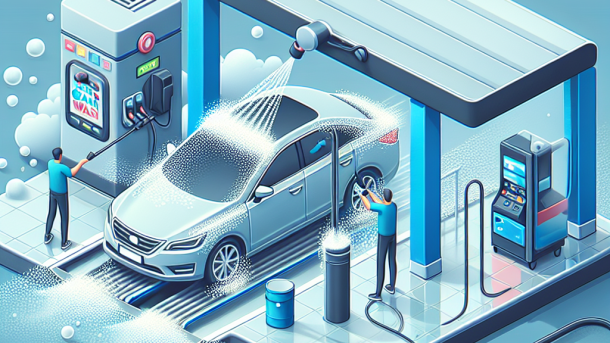
car wash revenue

How many cars are washed at a car wash?

Table of Content

TITLE: How many cars are washed at a car wash?
COUNTRY CODE: US
LANGUAGE CODE: en
TABLE OF CONTENT:

  • Introduction
  • Overview of Car Wash Industry
    • Types of car washes
    • Growth of the car wash market
  • Factors Influencing Car Wash Volume
    • Location and Demographics
    • Seasonality and Weather Effects
    • Marketing and Promotions
    • Service Quality and Reputation
  • Technology in Car Washes
    • Types of car wash equipment
    • Automation and Efficiency
  • Average Number of Cars Washed Per Day
    • Industry averages for different types of car washes
    • Variances in daily car wash numbers
  • Economic Impact of Car Wash Volumes
    • Revenue implications
    • Employment and job creation
  • Case Studies of Successful Car Washes
    • High-volume car washes
    • Strategies for increasing traffic
  • Key Takeaways
  • Conclusion

How many cars can a car wash handle daily? An industry overview

Introduction

Imagine a bustling highway, where every vehicle gleams under the sunlight, free of dirt and grime, thanks to a car wash. But have you ever wondered how many cars can actually be washed at a car wash in a day? This question takes us into the heart of the car wash industry, an essential segment of automotive maintenance that keeps our cars looking fresh and clean. As the car wash industry continues to evolve, understanding its dynamics, from the number of cars washed daily to the technology employed, becomes increasingly important.

In this comprehensive guide, we’ll explore the various factors that influence car wash volumes, the economic implications of these numbers, and the cutting-edge technology that ensures efficiency. If you’ve ever thought about owning a car wash, you may want to know how much you can make a year owning a car wash. By the end of this journey, you’ll have a clearer picture of the car wash industry’s inner workings and what it takes for a car wash to thrive in today’s market.

Overview of Car Wash Industry

The car wash industry is a dynamic sector that has grown significantly over the years. With a diverse array of services, car washes cater to the modern driver’s needs, ensuring that vehicles remain pristine. But what are the different types of car washes available, and how has this market evolved over time?

Types of Car Washes

Car washes come in various styles, each offering distinct services to suit different consumer preferences. From self-service options, where car owners take matters into their own hands, to fully automated systems that whisk your car through a series of cleaning stages, the choices are vast. If you’re curious about the profitability of these different models, consider exploring whether automated car washes make money.

Growth of the Car Wash Market

The car wash market has witnessed impressive growth, driven by increased vehicle ownership and a rising demand for convenient cleaning solutions. This industry has become a lucrative investment opportunity for savvy entrepreneurs. If you’re wondering whether car washes are a good investment, the answer lies in understanding the trends and consumer behaviors that fuel this sector’s expansion.

As we delve deeper into the car wash industry, we’ll uncover the factors that influence car wash volume and the technological advancements shaping this field, providing you with a comprehensive understanding of what makes it tick.

Factors Influencing Car Wash Volume

Ever wondered why some car washes seem bustling while others stand idle? The volume of cars serviced at a car wash is not just a matter of location or luck. Several key factors play a role in determining how many vehicles line up outside the wash bay. From the hustle and bustle of urban settings to the quieter pace of rural areas, location and demographics significantly shape car wash traffic. But it’s not just about where you are—it’s also about when you are.

Seasonality and weather effects can cause fluctuations in car wash volumes, turning rainy days into slow periods and sunny weekends into high-traffic opportunities. Marketing and promotions, much like a siren’s call, can draw in customers seeking deals, while the service quality and reputation act as the anchor, ensuring they return time and again. Just as a lighthouse guides ships safely to shore, these factors illuminate the path to a thriving car wash business.

As we dive deeper, we’ll explore how each element intertwines to create a tapestry that influences car wash volumes, offering insights into boosting your car wash’s appeal and efficiency.

Location and Demographics

The location of a car wash is like the cornerstone of its success. Imagine placing a car wash in a bustling city center—a hive of activity with cars buzzing around like bees. The urban backdrop provides a constant stream of potential customers, each seeking a quick polish before heading to their next destination. In contrast, a car wash nestled in a tranquil suburban area may experience a more steady but less frequent flow of patrons.

Demographics also weave into this narrative. Consider a neighborhood brimming with young professionals who prioritize convenience and efficiency. Such a demographic is likely to favor automated car washes for their time-saving benefits. Conversely, areas populated by retirees might lean towards self-service options, where time is less of a constraint, and there’s preference for a personal touch.

Understanding the intricate dance between location and demographics can empower car wash owners to tailor their services, ensuring they not only meet the needs of their community but also maximize their car wash volume. As we continue our exploration, we’ll delve into other factors that influence the ebb and flow of cars through these cleaning sanctuaries.

Seasonality and Weather Effects

Imagine a car wash as a stage, where the weather plays the role of both the conductor and the performer. The dance of the seasons dictates the rhythm of car wash volumes, swaying between bustling peaks and quieter interludes. During the warmer months, cars adorned with pollen and dust find their way to car washes, seeking a refreshing cleanse. However, as winter casts its frosty spell, the narrative shifts, and car washes often witness a lull, with fewer vehicles venturing out for a wash.

Rain showers, too, perform their own symphony. A sudden downpour might deter drivers from seeking a wash, while a streak of sunny days lures them back. This natural ebb and flow can be likened to a fisherman casting his net, with the weather determining the size of the catch. Understanding these weather patterns and their impact on car wash volumes can help owners plan and strategize, ensuring that they ride the waves of change with poise and preparedness.

As we continue our journey, we’ll explore how marketing, promotions, and service quality further shape the landscape of car wash volumes, offering a comprehensive view of what drives customer traffic to these essential automotive sanctuaries.

Marketing and Promotions

Picture a car wash as a well-kept secret, until the dazzling spotlight of marketing and promotions reveals its presence to the world. The art of attracting customers through strategic advertising can transform a quiet car wash into a bustling hub of activity. Imagine a grand carnival with banners waving, enticing offers, and the promise of an unforgettable experience—all designed to draw in the crowd.

Effective marketing can be likened to a siren’s song, captivating potential customers and pulling them towards the service. Promotions, such as discounts or special packages, act as irresistible hooks that encourage drivers to choose one car wash over another. However, these initiatives need to be well-timed and targeted to the right audience for maximum impact.

For instance, promoting a discount on a rainy day might not yield the desired results, but a sunny weekend with a “shine and dine” offer could see cars lining up, eager for a wash and a meal. To understand more about the revenue implications of increased car wash volumes, you may want to explore the financial potential of car washes.

As we delve further into the realm of car wash dynamics, we’ll uncover how service quality and reputation play pivotal roles in ensuring that the influx of customers remains consistent and loyal.

Service Quality and Reputation

In the world of car washes, service quality and reputation are akin to the delicate brush strokes on a masterpiece painting. They define the experience and leave a lasting impression on the canvas of customer minds. Imagine walking into a car wash where every detail is meticulously attended to, and the staff operates with precision and care. This level of service not only ensures a sparkling clean car but also builds a reputation that echoes beyond the wash bay.

Reputation, much like the ripples in a pond, extends its reach far and wide. A single positive experience can lead to a cascade of recommendations, creating a loyal customer base that returns time and again. Conversely, a tarnished reputation can be as damaging as a storm cloud on a sunny day, deterring potential customers from stepping foot into the facility.

To ensure consistent quality, car wash owners must invest in training and maintaining high standards, ensuring that every customer leaves with a smile. For those interested in the broader economic impact of car wash volumes, including revenue implications, exploring how car washes can be a good investment can provide valuable insights.

As we continue our journey, we’ll delve into the technological advancements that bolster service efficiency, offering a glimpse into the future of car wash operations.

Technology in Car Washes

In the realm of car washes, technology is the magic wand that transforms a simple wash into an enchanting experience. Imagine a futuristic symphony, where advanced machinery and automation work in perfect harmony to deliver a seamless service. This is the world of modern car washes, where cutting-edge technology reigns supreme.

At the heart of this transformation lies the diverse types of car wash equipment, each designed to cater to specific needs and preferences. From high-pressure jets that blast away stubborn grime to gentle brushes that caress the car’s surface, the technology employed is as varied as the cars themselves. But it’s not just about the equipment—it’s about the efficiency it brings.

Automation is the unsung hero of the car wash industry, ensuring that every vehicle is washed with precision and speed. Picture a well-oiled machine, where each component plays its part in a larger ballet. This level of efficiency not only boosts customer satisfaction but also enhances the revenue potential of the car wash. By embracing these technological advancements, car wash owners can pave the way for a prosperous and thriving business, ensuring that every car leaves their facility gleaming and customers come back for more.

Types of Car Wash Equipment

When you think of a car wash, it’s easy to imagine a simple hose and sponge. Yet, today’s car washes are like high-tech symphonies, with each piece of equipment playing a specific role in the grand performance of cleaning your vehicle. From the intense power of high-pressure washers to the gentle caress of soft-cloth brushes, each tool is designed to address different cleaning needs.

High-pressure washers are like the thunderous crescendos, blasting away stubborn dirt and grime with sheer force. Meanwhile, soft-cloth brushes work like a gentle lullaby, delicately polishing the car’s surface to a gleaming shine. There’s also the foam applicator, akin to a painter’s brush, covering the car in a uniform coat of soap, ensuring every nook and cranny is reached.

In the realm of automation, you’ll find sensors and conveyors working in perfect harmony, ensuring cars move seamlessly through the wash stages without a hitch. This orchestration of technology not only elevates the car wash experience but also enhances the efficiency and profitability of the operation. As we journey further into the realm of car washes, we’ll explore how automation and efficiency create a seamless experience for both car owners and operators alike.

Automation and Efficiency

Imagine a car wash as an orchestra, where each instrument plays its part in perfect harmony, creating a symphony of cleanliness and efficiency. In this intricate ensemble, automation is the conductor, orchestrating each movement with precision. The advent of automated car washes has revolutionized the industry, allowing for a seamless, time-efficient service that caters to the fast-paced lives of modern drivers.

Automation is the heart of a thriving car wash, ensuring that vehicles glide effortlessly through the cleaning process. Picture a conveyor system gently guiding cars through a series of meticulously timed stages, while sensors detect and adapt to each vehicle’s unique contours. This dance of technology not only enhances the quality of the wash but also maximizes throughput, allowing more cars to be washed in a shorter amount of time.

Efficiency is not just a goal; it is the lifeblood of automated car washes. By reducing manual labor and streamlining operations, car wash owners can minimize costs and increase profitability. If you’re pondering the financial benefits of embracing this technology, you may find insights by exploring whether automated car washes make money. As we continue our journey, we’ll uncover how these advancements impact the average number of cars washed per day, offering a glimpse into the future of car wash operations.

Average Number of Cars Washed Per Day

In the bustling world of car washes, the average number of cars washed per day can be likened to the pulse of the industry—a vital indicator of its health and efficiency. This number varies widely, influenced by the type of car wash and the specific conditions under which it operates. For instance, a self-service car wash might see a steady stream of customers, with drivers taking matters into their own hands. If you’re curious about the profits from such setups, you could explore how much a self-service car wash makes monthly.

Contrastingly, automated car washes, with their seamless and quick operations, often boast higher daily volumes. This efficiency is a testament to the power of technology, as discussed earlier. Yet, these averages aren’t set in stone. They ebb and flow with factors like weather, location, and even day of the week, creating a dynamic landscape that car wash owners must navigate.

The key is understanding these variances and leveraging them to optimize operations. By doing so, car washes can ensure that they not only meet customer demand but also maximize their revenue potential. As we dive deeper, we’ll explore the economic implications of these numbers and how they translate into real-world impacts on revenue and employment within the car wash industry.

Industry averages for different types of car washes

In the realm of car washes, the daily volume of cars washed is akin to a barometer, measuring the industry’s vitality and efficiency. Each type of car wash, from self-service to fully automated, boasts its own distinct averages, reflecting the unique dynamics at play. For instance, a self-service car wash might cater to a modest number of vehicles daily, as drivers take the reins in cleaning their cars. If you’re curious about the financial side, you might wonder how much a self-serve car wash makes monthly.

On the other hand, automated car washes often excel in speed and efficiency, allowing them to handle a higher volume of vehicles in a single day. These technologically advanced systems, with their synchronized operations, serve as a testament to the power of automation in maximizing throughput. Yet, industry averages are not set in stone; they ebb and flow with factors like location, weather, and demand.

Understanding these nuances can empower car wash owners to optimize their operations, ensuring that they not only meet customer needs but also tap into the full revenue potential of their facility. As we continue our exploration, we’ll delve into the economic impacts of these averages, shedding light on how they influence revenue and employment in the car wash sector.

Variances in daily car wash numbers

Just as a painter’s mood may vary, so too does the daily number of cars washed at a facility. On some days, car washes experience a flurry of activity, reminiscent of a bustling marketplace, while on others, the pace slows, akin to a quiet afternoon stroll in the park.

Several factors contribute to these fluctuations. Weather, for instance, plays a pivotal role. A sunny day might invite a surge in customers eager to rid their cars of dust, whereas a rainy day may deter them from venturing out. Similarly, special events or local happenings can cause spikes in demand, much like a concert drawing in a crowd. If you’ve ever pondered the economic impact of such variances, you might be interested in exploring how car washes make money.

Understanding these variances is key for car wash operators aiming to optimize their services. By anticipating busy periods and preparing accordingly, they can ensure a smooth and efficient operation, leaving customers satisfied and returning for more. As we proceed, we’ll delve into the broader economic implications of these daily variances, examining how they influence revenue streams and employment opportunities within the car wash industry.

Economic Impact of Car Wash Volumes

Imagine the car wash industry as a mighty river, where the flow of vehicles through its bay channels translates into economic currents, influencing both revenue streams and employment opportunities. The number of cars washed daily is more than just a statistic; it’s a lifeline that fuels the industry’s financial health and job creation potential.

Revenue implications are profound. Each car washed represents a transaction, a ripple in the economic pond that contributes to the overall earnings of the facility. The volume of cars washed can determine whether a car wash thrives or merely survives. If you’re curious about the financial prospects of owning a car wash, you might explore how much you can make a year owning a car wash.

Beyond revenue, car wash volumes also impact employment. High demand may necessitate a larger workforce, creating jobs and stimulating local economies. It’s a cycle of growth, where increased car volumes lead to greater revenue, which in turn supports more employment opportunities. As we delve further, we’ll explore specific case studies of successful car washes to uncover the strategies that drive high volumes and economic prosperity.

Revenue implications

Imagine the revenue generated by a car wash as a symphony of financial notes, each car passing through the wash bay contributing its own melody to the grand composition. The number of cars washed is the maestro, orchestrating the tempo and rhythm of income. High volumes can transform a modest car wash into a lucrative venture, much like a bustling marketplace filled with eager customers.

Every car washed translates to a transaction, a tangible contribution to the facility’s bottom line. The revenue implications of car wash volumes are significant, often determining the financial health and sustainability of the business. If you’ve ever considered the financial potential of owning a car wash, it’s worth exploring how much you can earn annually in this industry.

Moreover, increased car wash volumes can lead to additional revenue streams, such as upselling premium services or offering loyalty programs. This creates a virtuous cycle, where heightened demand drives revenue growth, enabling further investment in technology and services. As we continue our exploration, we’ll delve into how these financial dynamics impact employment and job creation within the car wash sector, shaping the broader economic landscape.

Employment and job creation

In the bustling world of car washes, the volume of cars washed extends beyond mere numbers; it serves as a catalyst for employment and job creation. Picture a thriving car wash as a hive, buzzing with activity and opportunities, where each vehicle that rolls in signifies not just a transaction but also a potential job for someone in the community.

As the demand for car wash services grows, so does the need for a skilled workforce to manage operations, from attendants who ensure each car gleams to technicians who maintain advanced equipment. This cycle of growth has a ripple effect, boosting local economies by providing stable employment and fostering a sense of community.

Furthermore, high car wash volumes can lead to innovative staffing solutions, such as flexible schedules and part-time positions, accommodating diverse workforce needs. For those intrigued by the economic benefits of car washes, exploring whether car washes make money can offer valuable insights into this sector’s potential.

As we delve deeper, we’ll examine specific case studies of successful car washes, revealing the strategies that drive job growth and contribute to the broader economic landscape. These insights will shed light on the symbiotic relationship between car wash volumes and employment, highlighting the industry’s role as a vital job creator.

Case Studies of Successful Car Washes

In the vast ocean of the car wash industry, some businesses emerge as shining beacons of success, navigating the waves with strategies that maximize both car volumes and customer satisfaction. These case studies offer a glimpse into the heart of thriving car washes, revealing the secret ingredients that set them apart from the rest.

Consider a bustling urban car wash that harnessed the power of strategic location and innovative marketing to transform its fortunes. Nestled in a high-traffic area, it capitalized on its prime position by offering early-bird specials and loyalty programs that drew in a steady stream of customers. This approach not only increased daily volumes but also fostered a loyal clientele eager to return for the exceptional service.

In another example, a rural car wash embraced the charm of personalized service, creating a warm and welcoming atmosphere that resonated with the community. By offering customized packages and engaging with customers on a personal level, it built a reputation that transcended the local area, attracting drivers from neighboring towns. If you’re curious about the revenue potential of such high-volume operations, you might explore the financial implications of owning a successful car wash.

These case studies highlight the diverse strategies that can lead to success in the car wash industry, providing valuable insights for aspiring owners and operators. As we delve deeper, we’ll uncover the specific tactics that drive high volumes and economic prosperity, offering a roadmap for those seeking to make their mark in this dynamic field.

High-volume car washes

Picture a bustling metropolis where the rhythm of life never slows. In such a setting, high-volume car washes thrive, becoming essential pit stops for drivers eager to maintain their vehicles’ pristine appearance. These car wash marvels operate like well-oiled machines, efficiently managing a constant flow of vehicles through their gates. But what sets them apart from the rest?

Strategic location is key. Nestled near busy highways or vibrant commercial hubs, these car washes capitalize on the sheer volume of traffic passing by. Their prime positioning ensures a steady stream of customers, much like a magnet attracting iron filings. Yet, location alone isn’t the only factor. High-volume car washes often employ cutting-edge technology, leveraging automation and efficiency to enhance throughput. From conveyor systems that glide cars through cleaning stages to advanced sensors that ensure every corner is polished, these innovations are the backbone of their success.

For those curious about the financial potential of such ventures, exploring how much a car wash can make annually offers valuable insights. High-volume facilities are not just cleaning cars—they’re driving economic growth, providing employment, and contributing to the local community. As we delve deeper, we’ll uncover the strategies that enable these car washes to maintain their high volumes and continue their trajectory of success.

Strategies for increasing traffic

Imagine a car wash as an art gallery, where each vehicle that enters is a masterpiece waiting to be unveiled. To attract more patrons to this gallery, car wash owners must employ a blend of creativity, innovation, and strategic planning. What are the key strategies that can transform a modest car wash into a bustling hub of activity?

One powerful approach is leveraging the magic of marketing and promotions. Just like a carnival that draws crowds with its vibrant lights and enticing attractions, a car wash can captivate potential customers through well-crafted advertising campaigns. Consider offering limited-time discounts or loyalty programs that encourage repeat visits. These promotions act as the pied piper’s melody, guiding customers to your facility.

Yet, promotions alone are not enough. Service quality and reputation play pivotal roles in ensuring that once customers arrive, they remain loyal. By focusing on excellence in service delivery, car washes can build a reputation that resonates far and wide. This reputation, much like a trusted lighthouse guiding ships, ensures that customers return time and again, bolstering traffic and revenue.

For those interested in the broader economic implications of increased traffic, you might explore whether car washes make money. As we continue our exploration, we’ll delve into the specific tactics that successful car washes employ to maintain their high volumes and economic prosperity.

Key Takeaways

As we journeyed through the dynamic landscape of the car wash industry, several crucial insights emerged. First and foremost, the location of a car wash plays a pivotal role in determining its success, much like the location of a lighthouse guiding ships to safety. A strategic position near bustling urban centers or high-traffic areas can significantly boost car wash volumes, leading to increased revenue and growth.

Moreover, the integration of technology, particularly automation, has become the heartbeat of modern car wash operations. With advanced equipment and efficient systems, car washes can handle higher volumes while maintaining service quality. If you are intrigued by the financial potential of car washes, consider exploring how owning a car wash can be a lucrative venture.

Service quality and reputation are the cornerstones of customer loyalty, akin to the brushstrokes on a canvas that define a masterpiece. Delivering exceptional service not only attracts new customers but also creates a loyal base that returns time and again. Finally, strategic marketing and promotions act as the siren’s call, drawing in customers and boosting traffic.

Understanding these key elements can empower aspiring car wash owners to navigate this vibrant industry successfully, ensuring their operations thrive amidst the ebb and flow of customer demand. As we conclude, we hope these takeaways provide a roadmap for those seeking to make their mark in the car wash sector.

Conclusion

As we draw the curtains on our exploration of the car wash industry, it’s clear that this dynamic sector is much more than a mere rinse and repeat process. From the bustling urban centers to the serene suburbs, car washes have become an integral part of our automotive lives, ensuring our vehicles shine like the stars in a clear night sky.

We’ve uncovered the myriad factors that influence car wash volumes, from the strategic location and demographic considerations to the ever-changing dance of the weather and seasons. We’ve also delved into the cutting-edge technology that fuels modern car washes, enhancing efficiency and customer satisfaction. If you’re considering whether car washes are a good investment, the insights shared here provide a comprehensive overview of the industry’s potential.

Ultimately, the success of a car wash hinges on the delicate balance of location, technology, service quality, and reputation. Much like an artist crafting a masterpiece, car wash owners must weave these elements together to create a thriving and profitable business. As you ponder the possibilities within this vibrant industry, remember that a well-executed strategy can transform a humble car wash into a beacon of success, shining brightly in the automotive landscape.

How much does a car wash owner make yearly?

Table of Content

TITLE: How much does a car wash owner make yearly?
COUNTRY CODE: US
LANGUAGE CODE: en
TABLE OF CONTENT:

  • Introduction
  • Understanding the car wash industry
    • Types of car washes
      • Self-service car washes
      • Automatic car washes
      • Full-service car washes
    • Industry trends and growth
  • Revenue streams for car wash owners
    • Car wash services and packages
    • Additional services and products
    • Membership and loyalty programs
  • Factors influencing a car wash owner’s income
    • Location and demographics
    • Operational efficiency and cost management
    • Marketing and customer retention strategies
  • Average earnings of car wash owners in the US
    • Income variations by car wash type
    • Regional differences in earnings
  • Challenges and risks in the car wash industry
    • Competition and market saturation
    • Environmental regulations
    • Economic factors and consumer behavior
  • Key Takeaways
  • Conclusion

How much can a car wash owner earn annually?

Introduction

In the world of automotive care, owning a car wash can be an intriguing business venture. Imagine the steady stream of vehicles under your care, each one gleaming like a polished gem. But beyond the suds and shine, how profitable is this enterprise really? With the car wash industry evolving rapidly, understanding the potential income for an owner is crucial.

As we delve into this topic, we will explore various factors that influence a car wash owner’s income, from the types of car washes available to the unique revenue streams they harness. Curious about how often the average person seeks these services? Check out our insights on car wash frequency to gain a better understanding of consumer behavior.

Furthermore, we’ll shed light on the challenges faced within the industry, such as competition and environmental regulations, and how these impact profits. For those considering diving into the car wash business, this exploration will provide valuable insights into potential earnings and the dynamics that shape them.

Understanding the car wash industry

The car wash industry is like a bustling metropolis, constantly evolving and adapting to the demands of modern-day drivers. As vehicles traverse the concrete jungles, they inevitably collect dust and grime, creating a steady demand for car wash services. But what lies beneath the glossy exterior of this industry? Let’s dive into the types of car washes available and the trends shaping this vibrant sector.

From the do-it-yourself charm of self-service car washes to the automated efficiency of drive-through systems, each type of car wash offers its unique appeal and operational model. This diversity caters to different consumer preferences, creating a rich tapestry of business possibilities.

Furthermore, the industry is not static; it grows alongside technological advancements and changing consumer habits. For an in-depth look at the financial potential within this field, consider exploring whether a car wash is good money to understand if this venture aligns with your financial goals.

As we journey through this exploration, we will uncover the myriad revenue streams and factors impacting a car wash owner’s income, painting a comprehensive picture of this ever-evolving industry.

Types of car washes

The car wash industry is as diverse as the array of vehicles it services. There are various types of car washes, each with its unique setup and customer appeal. Let’s take a deep dive into the three main types you might encounter:

Self-service car washes

Self-service car washes provide an opportunity for drivers to take the reins, quite literally. Imagine it as a DIY project where customers use high-pressure hoses and foamy brushes to pamper their cars. It’s a cost-effective option for those who enjoy a hands-on approach. But, is it cheaper to wash your car at home or use a self-service facility? We’ve got a detailed comparison on home vs. car wash costs for you to explore.

Automatic car washes

Automatic car washes are like a conveyor belt of cleanliness. Vehicles glide through on tracks, receiving a thorough scrub-down from an assembly of rotating brushes and sprayers. It’s the epitome of convenience, especially for those pressed for time. However, the number of cars that can be washed at an automatic facility varies, and you can learn more about it from our insights on car wash capacities.

Full-service car washes

Full-service car washes take customer satisfaction to the next level. They’re akin to a spa day for your car, offering comprehensive cleaning services both inside and out. It’s perfect for those who prefer to hand over the keys and enjoy a pristine vehicle without lifting a finger. Curious whether a full-service wash is worth the investment? We discuss the financial aspect in our guide on whether hand washing vs. car wash is more beneficial.

Each type of car wash has its unique charm, catering to different customer preferences and budgets. As the industry continues to grow and evolve, so do the services offered, ensuring there’s something for every vehicle owner.

Industry trends and growth

In the ever-evolving landscape of the car wash industry, staying ahead of the curve is like trying to catch the wind. The sector is not just about soap and water anymore; it’s a symphony of technological innovation and consumer-centric services.

Imagine automated systems powered by artificial intelligence, tailoring wash cycles to each vehicle’s unique needs. This is not science fiction but a reality that is rapidly becoming mainstream. Such advancements not only enhance efficiency but also appeal to the tech-savvy consumer, eager to embrace the future.

Moreover, environmental consciousness is driving growth in eco-friendly car wash solutions. Water conservation technologies and biodegradable products are no longer niche but are becoming the norm as consumers demand sustainable practices. This shift is opening new revenue streams for car wash owners, aligning profitability with planet-friendly initiatives.

Understanding how often vehicles require these services and the factors influencing these decisions is crucial. For insights into consumer habits, explore our detailed analysis on car wash frequency to gauge potential demand.

As the industry continues its upward trajectory, embracing these trends is paramount for car wash owners aiming to capture a slice of this lucrative market. The future is bright, and the opportunities are as vast as the open road itself.

Revenue streams for car wash owners

Owning a car wash is much like orchestrating a symphony, with various revenue streams playing together to create a harmonious financial outcome. The foundation of this symphony is the core car wash services and packages. Each service type, from basic washes to premium detailing, caters to different customer needs and price points, providing a steady stream of income.

Beyond the usual wash and rinse, car wash owners can tap into additional services and products. Think of it as adding layers to a cake, with offerings like waxing, interior cleaning, and even selling car care products. These extras not only enhance the customer experience but also boost the bottom line.

Another lucrative revenue stream is membership and loyalty programs. These programs are akin to a safety net, ensuring a consistent flow of customers who return regularly, often enticed by discounts and exclusive benefits. Such strategies not only enhance customer retention but also provide predictability in revenue.

In this ever-competitive landscape, understanding the financial dynamics is crucial. For insights into the financial viability of the car wash business, consider exploring whether a car wash is a profitable venture for a deeper understanding of potential earnings.

Car wash services and packages

When it comes to car wash services, variety is the spice of life. Just like a menu at a fine dining restaurant, car wash owners offer a range of services to cater to different preferences and budgets. From the basic wash that strips away the surface grime, to the deluxe package that leaves your vehicle gleaming inside and out, each service tier is meticulously designed to meet the diverse needs of customers.

Imagine walking into a car wash and being presented with a buffet of options. Do you choose the express wash for a quick clean, or do you indulge in the full-service detailing for a complete makeover? Each package is carefully curated, providing owners with multiple revenue streams. For those wondering if the investment in such services is justified, our insights on whether hand washing or a car wash service offers more value can be enlightening.

These structured packages not only maximize profits but also enhance customer satisfaction, ensuring that every car leaves the establishment as a rolling work of art. With a well-considered range of services, car wash owners can optimize their earning potential while delighting customers with a spotless ride.

Additional services and products

Much like adding toppings to a sundae, car wash owners can significantly increase profits by offering additional services and products. These extras not only satisfy customer desires for a more comprehensive clean but also enhance the overall customer experience. Imagine a customer leaving with a car that not only shines on the outside but smells fresh on the inside, thanks to an interior cleaning service.

Beyond the traditional wash, services such as waxing, tire detailing, and engine cleaning can be offered. These premium services allow car wash owners to cater to customers who want more than just a basic clean, capturing a lucrative segment of the market. Additionally, selling car care products like air fresheners and cleaning kits can turn a simple wash into a full-fledged shopping experience.

For those considering the financial benefits of running a car wash, it’s worth exploring how these additional offerings can impact profitability. Our detailed analysis on whether operating a car wash is financially rewarding can provide deeper insights into how these extras contribute to the bottom line.

By expanding beyond the basic wash, car wash owners can create a holistic experience that keeps customers coming back, ensuring a steady and diverse revenue stream.

Membership and loyalty programs

Imagine turning your car wash into a clubhouse where customers feel valued and appreciated. This is precisely the magic of membership and loyalty programs. These programs are like a golden thread weaving together customer satisfaction and recurring revenue, creating a win-win scenario for both owners and patrons.

Customers who join membership programs often enjoy exclusive benefits such as discounted rates, priority scheduling, or even complimentary services. It’s like having a VIP pass to a world of cleanliness and convenience. This not only attracts new customers but also fosters loyalty, ensuring they return time and again.

For car wash owners, these programs offer a predictable revenue stream, much like a subscription service. They also provide invaluable data on customer preferences and habits, enabling owners to tailor services and marketing strategies effectively. Curious about the potential profitability of car washes? Explore whether car washes are a lucrative business to understand how such programs can enhance profitability.

In essence, membership and loyalty programs are more than just an added perk; they are a strategic investment in customer relationships and long-term business success.

Factors influencing a car wash owner’s income

Owning a car wash is like conducting an orchestra, where each element plays a crucial role in creating a symphony of profits. But what are those elements that influence a car wash owner’s income? Let’s delve into the key factors that can make or break the financial success of this venture.

Location and demographics act as the stage for this symphony. A car wash situated in a bustling urban area with high traffic and a dense population is akin to a theater with a full house, setting the scene for robust earnings. Conversely, a remote location might struggle to attract the same audience.

Operational efficiency and cost management are the backbone of profitability. Streamlining processes, minimizing waste, and effectively managing resources can significantly impact the bottom line. It’s a delicate dance of balancing costs while ensuring quality service.

Marketing and customer retention strategies are the strings that tie it all together. Engaging promotions, loyalty programs, and exceptional customer service can draw a steady stream of repeat customers, much like an audience returning for an encore. For more insights on maximizing earnings, consider exploring whether a car wash is financially rewarding to grasp how these factors intertwine.

In the grand performance of the car wash business, understanding and optimizing these factors can lead to a standing ovation in terms of income and success.

Location and demographics

Imagine a car wash as a theater, where location and demographics are the audience eagerly awaiting the show. The success of a car wash largely hinges on its location, much like a blockbuster needs the right cinema for its premiere. A bustling urban area with high traffic is akin to a stage set for success, drawing in a steady stream of potential customers. In contrast, a car wash in a remote area may struggle to find its audience, much like a play performed in an empty theater.

Demographics also play a starring role. A location with a high concentration of vehicle owners and a favorable climate for car washing can significantly boost earnings. Understanding the preferences and habits of the local population is like knowing the tastes of your audience, allowing you to tailor services and marketing strategies effectively. To further explore how car wash frequency can be influenced by these factors, check out our insights on average car wash frequency and gain a deeper understanding of consumer behavior.

In essence, the right location and understanding of demographics can set the stage for a car wash’s financial success, ensuring a full house and raving reviews.

Operational efficiency and cost management

Running a car wash is much like orchestrating a well-tuned machine, where operational efficiency and cost management are the gears that keep it running smoothly. Imagine a symphony where every note is perfectly timed; this is the essence of operational efficiency in the car wash industry. It’s about finding the optimal balance between resources and output, ensuring that every dollar spent translates into value.

Efficiency can be enhanced through the adoption of advanced technologies, such as automated systems that reduce labor costs and increase throughput. These systems can wash more vehicles in less time, much like a maestro conducting a faster-paced symphony without missing a beat. Curious about how many cars a car wash can handle? Discover more in our analysis on car wash capacities.

Cost management, on the other hand, is like the prudent budgeting of a production. By minimizing waste, negotiating favorable supplier contracts, and maintaining equipment, car wash owners can keep expenses in check while maximizing profits. For a deeper dive into the profitability of car washes, explore whether a car wash is a lucrative venture to understand the financial dynamics at play.

In essence, operational efficiency and cost management are the conductors of the car wash business, ensuring a harmonious blend of cost savings and revenue generation, ultimately leading to a crescendo of success.

Marketing and customer retention strategies

In the vibrant theater of the car wash industry, marketing and customer retention strategies are the spotlight that highlights success. Imagine a car wash as a performance, where attracting and retaining customers is akin to keeping the audience enthralled and eager for more. The right strategies can transform a one-time visitor into a loyal patron, much like a captivating encore.

Effective marketing begins with understanding your audience. Tailored promotions, social media engagement, and community involvement can draw in new customers, casting a wide net. For insights into consumer behavior, our analysis on average car wash frequency can help you craft strategies that resonate with your target market.

Customer retention, however, requires more than just initial attraction. Loyalty programs, personalized experiences, and exceptional service are the keys to ensuring customers return time and again. These strategies are like the harmonious notes of a melody, creating an experience that customers want to relive. To delve deeper into the financial benefits of these strategies, explore whether operating a car wash is profitable to see how they contribute to long-term success.

Ultimately, by orchestrating effective marketing and retention strategies, car wash owners can ensure their business remains a timeless classic, continually drawing in and satisfying an eager audience.

Average earnings of car wash owners in the US

Imagine driving along the scenic routes of profitability, where the horizon is lined with the potential earnings of owning a car wash. But how much does a car wash owner actually make annually in the United States? This question often lingers in the minds of aspiring entrepreneurs, eager to gauge the financial rewards of this venture.

The average earnings of car wash owners can vary significantly based on several factors, including the type of car wash, location, and the range of services offered. For those pondering whether a car wash is a lucrative business, our insights on whether car washes are financially rewarding provide a detailed exploration of potential profitability.

Furthermore, earnings are not just determined by the number of vehicles served but also by the efficiency of operations and the ability to attract and retain customers. For a closer look at the financial dynamics, consider how many cars a typical facility can handle, highlighted in our analysis on car wash capacities.

As we delve deeper, we’ll uncover the nuances of income variations and regional differences that influence the financial landscape of car wash ownership, offering a comprehensive view of the potential earnings in this industry.

Income variations by car wash type

Imagine the car wash industry as a diverse marketplace, where each type of car wash presents a unique financial opportunity. Much like a menu offering different culinary experiences, each type of car wash has its own potential for income generation, catering to various business models.

**Self-service car washes** are the DIY projects of the car wash world, where customers do the work themselves. While the overhead costs are lower, the income may also be modest, much like a simple appetizer in a grand feast. Here, the key is volume, attracting a steady stream of customers who prefer a hands-on approach.

**Automatic car washes** are akin to a fast-food chain, offering convenience and speed. These facilities can handle a high number of vehicles in a short span, leading to potentially higher earnings. For a deeper understanding of their capacity, explore the insights on how many cars can be washed at a car wash.

**Full-service car washes** are the gourmet offerings, providing comprehensive cleaning and detailing. While the costs are higher, the income potential is significant, much like a luxurious dining experience. Customers are willing to pay a premium for the meticulous care their vehicles receive.

Understanding these variations is crucial for aspiring car wash owners, helping them choose the right type of facility that aligns with their financial goals and customer demographics.

Regional differences in earnings

Picture the vast expanse of the United States, where each region offers a unique economic landscape for car wash owners. Much like the varied terrains—from bustling urban centers to tranquil rural towns—regional differences significantly impact the earnings of car wash businesses.

In metropolitan areas, the high density of vehicles and elevated demand for convenience often lead to increased profits. It’s akin to setting up shop in a bustling marketplace, where the foot traffic is constant and opportunities abound. However, operating costs in these areas can also be higher, requiring astute financial management to maintain profitability.

Contrastingly, in rural regions, while the customer base may be smaller, the lower operational costs can offset the reduced volume of business. It’s like running a cozy corner store, where community loyalty can play a crucial role in steady earnings. For those interested in understanding how location affects car wash frequency, our insights on average car wash frequency illuminate these regional behaviors.

Ultimately, understanding these regional nuances is essential for car wash owners to tailor their business strategies effectively, ensuring they capitalize on the unique opportunities presented by their specific location.

Challenges and risks in the car wash industry

Owning a car wash business can be likened to navigating a winding road. Just as drivers anticipate unexpected turns, car wash owners must be prepared to face various challenges and risks that come their way. The industry is fraught with competition, market saturation, environmental regulations, and economic factors that can influence consumer behavior.

Think of fierce competition as a crowded race track. With numerous car washes vying for the attention of customers, standing out becomes crucial. Strategic marketing and unique service offerings are essential to outpace competitors and capture a larger market share.

Environmental regulations can be viewed as roadblocks that must be navigated carefully. These regulations aim to protect our planet and often require car wash businesses to implement eco-friendly practices, which can increase operational costs. To manage these challenges effectively, owners must stay informed and compliant, ensuring their business doesn’t hit any legal bumps in the road.

Lastly, economic factors and shifts in consumer behavior can resemble unpredictable weather conditions. During economic downturns, customers may opt to wash their cars less frequently, impacting revenue. Understanding how often consumers typically seek car wash services can provide valuable insights, as highlighted in our exploration of average car wash frequency.

By recognizing and addressing these risks, car wash owners can better prepare for the journey ahead, steering their business towards success and sustainability.

Competition and market saturation

In the bustling arena of the car wash industry, competition can feel like a high-stakes game of musical chairs. With numerous businesses vying for the same pool of customers, standing out becomes not just advantageous but necessary. Picture this: a vibrant neighborhood with car washes on every corner, each one offering a similar service. How does one carve out a niche in such a saturated market?

To navigate these competitive waters, car wash owners must innovate and differentiate their services. It’s like crafting a symphony where each note must be distinct yet harmonious. Offering unique packages, exceptional customer service, or eco-friendly options can set a business apart from the crowd. Understanding the financial potential of these strategies can be explored further in our analysis on whether a car wash is financially rewarding.

Moreover, effective marketing strategies are crucial. Promotional campaigns, social media presence, and community engagement can amplify a business’s visibility, much like a crescendo in a musical composition. For those curious about consumer habits, insights into car wash frequency can provide valuable guidance on targeting potential customers.

In essence, thriving amidst competition and market saturation requires creativity, strategic thinking, and a keen understanding of consumer preferences. By embracing these elements, car wash owners can ensure their business resonates with customers, much like a memorable melody that lingers long after the music has stopped.

Environmental regulations

In the car wash industry, navigating environmental regulations can feel like steering through a labyrinth of legalities and responsibilities. Picture these regulations as the guardrails that ensure businesses operate sustainably, much like how traffic signs guide drivers safely along their route. These legal frameworks are designed to protect our natural resources, primarily focusing on water usage and waste management.

Compliance with environmental standards often requires car wash owners to adopt eco-friendly practices, such as using biodegradable soaps and water recycling systems. While these measures may initially seem like speed bumps, they can ultimately enhance a business’s reputation and attract environmentally-conscious consumers. For those curious about the financial implications, understanding whether a car wash is a profitable venture can provide insights into balancing eco-friendly investments with income.

Moreover, as public awareness of environmental issues grows, consumers increasingly expect businesses to play their part in sustainability. Car wash owners who embrace this shift not only comply with regulations but also position themselves as leaders in the green movement. To understand how such factors might influence car wash frequency, consider exploring our insights on average car wash frequency.

Ultimately, by aligning their operations with environmental regulations, car wash owners can drive their business towards a sustainable future, ensuring they stay on the right side of both the law and consumer expectations.

Economic factors and consumer behavior

Imagine the car wash industry as a ship navigating through the vast ocean of economic fluctuations. Just as a skilled captain adjusts the sails in response to changing winds, car wash owners must adapt to the tides of economic factors and consumer behavior.

Economic downturns can lead to a tightening of consumer spending, much like stormy weather causing passengers to seek shelter. During such times, customers may opt to wash their vehicles less frequently, prioritizing essential expenses. For a deeper understanding of how often consumers typically visit car washes, explore our insights on average car wash frequency.

Conversely, during periods of economic prosperity, the demand for car wash services tends to surge. Picture a sunny day at sea, with customers eager to indulge in the luxury of a clean car. Understanding these economic ebbs and flows can help car wash owners tailor their pricing and marketing strategies to weather any financial climate.

Moreover, consumer behavior is influenced by evolving trends and preferences. The rise of environmentally-conscious consumers, for instance, demands a shift towards sustainable practices. Car wash businesses that embrace eco-friendly solutions not only align with consumer values but also enhance their competitive edge in the marketplace. For those pondering the financial viability of such investments, our analysis on whether a car wash is financially rewarding offers valuable insights.

Ultimately, by staying attuned to economic factors and consumer behavior, car wash owners can navigate the industry’s waters with agility and foresight, ensuring smooth sailing towards profitability and success.

Key Takeaways

In the intricate tapestry of the car wash industry, several threads weave together to determine the financial success of car wash owners. From understanding the diverse types of car washes to recognizing the impact of location and demographics, each element plays a pivotal role in shaping potential earnings.

By offering a range of services and leveraging additional revenue streams like membership and loyalty programs, car wash owners can enhance profitability. Successful navigation of operational efficiency and cost management is akin to fine-tuning an orchestra, ensuring a harmonious balance between expenditures and income.

Moreover, adapting to industry trends and embracing eco-friendly practices can position car wash businesses as leaders in sustainability, capturing the loyalty of environmentally-conscious consumers. For those considering entering this vibrant market, exploring the financial viability of running a car wash can be insightful. Our guide on car wash profitability offers an in-depth analysis of potential earnings and the dynamics shaping them.

In essence, success in the car wash industry requires a blend of strategic thinking, innovation, and adaptability. With the right approach, car wash owners can steer their business towards a prosperous future, much like a ship navigating through calm waters.

Conclusion

As we conclude our exploration of the car wash industry, it’s evident that owning a car wash is much like steering a ship through diverse landscapes of opportunity and challenge. The journey involves understanding the intricate dynamics of different car wash types, revenue streams, and the factors that influence income. With the right strategies, car wash owners can navigate the choppy waters of competition and regulations, steering towards profitability and sustainability.

The industry is not just about cleaning cars; it’s about creating a customer experience that resonates and retains. Whether through offering unique services, embracing eco-friendly practices, or leveraging marketing tactics, the potential for financial success is vast. For those curious about the financial rewards of this venture, our insights on car wash profitability provide valuable guidance.

Ultimately, the car wash industry offers a vibrant tapestry of possibilities, where innovation and adaptability are key. By embracing these qualities, car wash owners can chart a course towards a prosperous future, ensuring that their business shines as brightly as the vehicles they serve.

How much can you make a year owning a car wash?

Table of Content

TITLE: How much can you make a year owning a car wash?
COUNTRY CODE: US
LANGUAGE CODE: en
TABLE OF CONTENT:

  • Introduction
  • Types of Car Wash Businesses
    • Self-service car wash
    • Automatic car wash
    • Hand wash and detailing services
  • Initial Investment and Startup Costs
    • Equipment and technology
    • Location and lease agreements
    • Licenses and permits
  • Factors Affecting Car Wash Profitability
    • Location and customer demographics
    • Weather and seasonality
    • Pricing strategies and service offerings
  • Average Revenue and Expenses of Car Wash Businesses
    • Typical revenue figures
    • Common operating expenses
    • Profit margins in the car wash industry
  • How to Increase Profitability
    • Loyalty programs and customer retention
    • Expanding services and upselling
    • Effective marketing strategies
  • Case Studies and Success Stories
    • Case study 1: Successful self-service car wash
    • Case study 2: Profitable automatic car wash
  • Key Takeaways
  • Conclusion

How much can you make a year owning a car wash?

Introduction

Owning a car wash can be a lucrative venture, but how much can you actually make in a year? If you’ve ever found yourself pondering over this question, you’re not alone. The idea of transforming suds and water into a profitable business is both intriguing and nuanced. In this article, we’ll delve into the financial intricacies of owning a car wash, exploring the various business models, initial investments, and profitability factors that can influence your bottom line.

From the hustle and bustle of self-service stations to the automated precision of automatic car washes, each type offers its own unique potential for income. But what truly impacts how much you can make? Is it the number of cars that pass through your wash? Or perhaps the strategic pricing and service offerings? As we journey through this guide, we’ll uncover the secrets to maximizing revenue in the car wash industry.

Moreover, we’ll cover real-life case studies and success stories that highlight the triumphs and challenges faced by car wash owners. To get a comprehensive understanding of this business opportunity, let’s start by examining the types of car wash businesses you might consider venturing into.

Types of Car Wash Businesses

Imagine walking into a candy store, each sweet treat representing a different car wash business model. Choosing the right one can be just as delightful yet challenging. The car wash industry offers a variety of models, each with its unique blend of potential profits and operational dynamics.

Among these, the self-service car wash stands out for its simplicity and customer empowerment. Here, the driver becomes the artist, wielding the water hose like a paintbrush on the canvas of their vehicle. This model often requires a lower initial investment but relies heavily on location and foot traffic. Learn more about the frequency with which individuals choose to wash their cars at such venues.

Then there’s the automatic car wash, a marvel of technology and efficiency. Cars glide through a mechanical wonderland, emerging sparkling clean on the other side. This model demands a higher upfront cost for machinery but can process a high volume of vehicles, potentially leading to significant revenue.

Lastly, the hand wash and detailing services offer a bespoke experience. It’s akin to a spa day for cars, with meticulous attention given to every nook and cranny. While labor-intensive, this model can command premium pricing, attracting a clientele that values quality over quantity.

Each model has its allure and demands a strategic approach to maximize profitability. As we continue, we’ll dive into the investment and costs associated with setting up these car wash businesses.

Self-service car wash

Picture yourself standing in front of a blank canvas, only this time, the canvas is a car, and the paintbrush is a high-pressure hose. Welcome to the world of self-service car washes, where customers become artists, crafting a masterpiece of cleanliness. This model provides car owners with the autonomy to wash their vehicles at their own pace, adding a personal touch to the process.

The allure of self-service car washes lies in their relatively lower initial investment compared to other models. With minimal staffing requirements, the operational costs remain manageable. However, the location plays a crucial role in determining its success. A bustling area with heavy traffic can be a goldmine, drawing in a steady stream of customers eager to give their cars a quick refresh.

But how often do people visit these self-service havens? Understanding the frequency of car washes can help tailor your offerings and maximize profits. Self-service car washes capitalize on the convenience factor, allowing drivers to wash their cars whenever they wish, often leading to higher customer satisfaction and repeat business.

While it may not offer the high throughput of an automatic car wash, the self-service model thrives on customer engagement and simplicity, making it an attractive option for aspiring car wash entrepreneurs.

Automatic car wash

Envision a world where cars glide seamlessly through a technological wonderland, and emerge gleaming on the other side – welcome to the realm of automatic car washes. This model is akin to a symphony of machinery and efficiency, where vehicles are swiftly cleaned with minimal human intervention.

Automatic car washes offer the advantage of speed and volume, processing a high number of cars swiftly, akin to a well-oiled machine. However, this requires a substantial initial investment in state-of-the-art equipment and technology. Yet, the potential for revenue is significant, with the ability to serve numerous customers in a short span. For insights into the profitability of such ventures, you might consider exploring whether a car wash is indeed a lucrative business.

Location plays a pivotal role here as well. A car wash situated in a busy area can witness a steady flow of vehicles, akin to a river of potential profits. Moreover, integrating cutting-edge technology can enhance the customer experience, encouraging repeat visits.

While the initial costs are higher, the automatic car wash model thrives on efficiency and throughput, making it a compelling choice for those seeking to maximize revenue in the car wash industry.

Hand wash and detailing services

Imagine a serene oasis where every car is treated to a meticulous spa day, receiving the utmost care and attention to detail. This is the world of hand wash and detailing services, where each vehicle is pampered and polished to perfection. Much like a connoisseur savoring a fine wine, customers who opt for these services are often seeking a premium experience, valuing quality over speed.

Hand wash and detailing services stand out for their bespoke nature, offering a personalized touch that automatic systems simply can’t replicate. This model often demands a higher price point, appealing to a clientele that appreciates a thorough, hands-on approach. For those willing to invest time and effort, hand washing can be a rewarding way to build a dedicated customer base. However, keep in mind the potential costs involved in such meticulous work; it’s essential to weigh whether it is more cost-effective to handle these tasks in-house or to outsource them.

While the labor intensity of this model may not allow for the same volume as automatic car washes, its focus on high-quality service can result in significant customer loyalty and repeat business. By offering tailored packages and upselling additional detailing services, entrepreneurs can increase profitability, turning each vehicle into a canvas of opportunity.

Initial Investment and Startup Costs

Starting a car wash business is akin to planting the seeds of a future orchard. The initial investment and startup costs are the fertile soil needed for these seeds to flourish. But what exactly are these costs, and how do they shape the foundation of your car wash empire?

First, consider the equipment and technology. Just as a chef requires the finest tools to craft a culinary masterpiece, a car wash demands state-of-the-art machinery to ensure efficiency and quality. The choice between basic wash units and advanced automated systems can significantly impact startup costs. For a deeper dive into the financials, you might ponder the average cost of a car wash setup.

Next, we delve into location and lease agreements. The old adage “location, location, location” holds true here. A prime spot in a bustling area can drive traffic, much like a lighthouse guiding ships to shore. However, such locations come at a premium, impacting your initial budget.

Lastly, don’t forget the licenses and permits. These are the legal keys that unlock the doors to your business. Navigating the bureaucratic maze to obtain these can be daunting, but it’s a necessary step to ensure compliance and smooth operations. For those considering home-based car washing, understanding the cost implications is crucial.

Each of these components plays a vital role in setting the stage for your car wash journey. As we continue, we’ll explore the factors that can affect your profitability in this competitive industry.

Equipment and technology

Imagine embarking on a journey to build a castle, where each piece of equipment and technology serves as the sturdy stones and intricate fixtures that form its structure. In the realm of car washes, the choice of machinery and technology is pivotal, shaping the efficiency and quality of service offered to customers. The right equipment is akin to a skilled artisan’s tools, transforming each car into a gleaming work of art.

From basic wash units to cutting-edge automated systems, the spectrum of options is vast. Investing in advanced technology can enhance the speed and precision of the wash process, much like a maestro conducting a symphony of cleanliness. However, the initial outlay for such state-of-the-art equipment can be substantial, impacting the startup budget significantly. For those pondering the financial viability of this investment, insights can be gleaned by exploring whether a car wash is a profitable business.

Moreover, embracing innovation can set your car wash apart from competitors. Technologies such as water reclamation systems not only improve efficiency but also align with eco-friendly practices, appealing to environmentally-conscious customers. In this high-tech landscape, the right equipment and technology become the backbone of a successful car wash operation, ensuring a seamless and satisfying experience for every customer.

Location and lease agreements

Picture selecting the perfect plot for a grand vineyard; the location of your car wash is just as critical. In the bustling world of car wash businesses, your chosen location is the sun and soil that nurtures your enterprise. A prime spot with high visibility and traffic flow can attract a steady stream of vehicles, transforming your site into a thriving hub of activity. But this golden location often comes with a hefty price tag, akin to securing a piece of prime real estate.

Lease agreements are the legal frameworks that support your business, much like the sturdy trellises guiding the vines. Negotiating favorable lease terms is crucial, as these agreements dictate your long-term financial commitments and operational flexibility. It’s essential to balance the allure of a prime location with the financial implications of leasing costs. For more insights on managing costs, consider whether a home-based car wash might be a viable alternative.

Beyond the location, understanding local zoning laws and community regulations is vital. These factors can impact the feasibility of your chosen site, much like weather conditions affecting a vineyard’s yield. Navigating the intricacies of location and lease agreements is a strategic dance, setting the stage for your car wash business to flourish in its chosen plot of land.

Licenses and permits

Embarking on the journey to open a car wash is akin to setting sail on uncharted waters, with licenses and permits serving as the navigational charts guiding you to safe harbor. These legal authorizations are the keystones to your business, ensuring compliance with local regulations and safeguarding against potential pitfalls.

Securing the necessary licenses and permits can feel like unraveling a complex tapestry, with each thread representing a different requirement. From business licenses to environmental permits, the array of documents needed can be daunting. It’s a process that demands meticulous attention to detail, much like a captain plotting a course through turbulent seas.

Understanding the specific requirements of your location is paramount, as regulations can vary greatly from one jurisdiction to another. This is not merely a bureaucratic formality; it’s a vital step in legitimizing your enterprise and avoiding costly fines or operational disruptions. For those contemplating the nuances of car wash ownership, insights into how often cars should be washed can also inform service strategies and compliance with water usage regulations.

While navigating the legal labyrinth may be challenging, securing the appropriate licenses and permits lays a solid foundation for your car wash business, ensuring smooth sailing in the competitive waters of the industry.

Factors Affecting Car Wash Profitability

Imagine the car wash industry as a vast ocean, where waves of profitability ebb and flow with various factors. These determinants can significantly shape the financial landscape of your car wash business, much like the tides influence the seas. Understanding these factors is crucial to navigating the waters of success.

Firstly, location and customer demographics play a pivotal role. Much like a lighthouse guiding ships to safety, the right location can attract a steady stream of customers. Knowing your clientele’s preferences and behaviors can help tailor services to meet their needs. For instance, if your area is home to numerous families, offering family-friendly promotions could boost your appeal.

Then there’s the weather and seasonality factor. Similar to how farmers anticipate seasonal changes, car wash owners must adapt to weather patterns. Rainy seasons might deter customers, while sunny days could see a surge in business. Understanding these cycles can help optimize operations and staffing.

Lastly, pricing strategies and service offerings are akin to the sails that propel your business forward. Competitive pricing combined with diverse service packages can attract a wider audience. For more insights, consider whether offering affordable car wash options aligns with your business model.

In this ever-changing industry, being attuned to these factors allows you to chart a course towards profitability, steering your car wash business to greater heights.

Location and customer demographics

In the grand tapestry of car wash success, location and customer demographics are the vibrant threads that weave potential and prosperity. Think of your car wash as a beacon, drawing in a steady flow of customers like moths to a flame. But for this beacon to shine bright, it must be strategically placed in a location teeming with potential clientele—much like planting seeds in fertile soil.

Understanding the demographics of your chosen area is akin to knowing the climate in which you’re planting your seeds. Are you in a bustling urban center with a constant flow of vehicles, or a suburban neighborhood brimming with families? Such insights can inform your business model and service offerings. For instance, if you’re situated in a family-oriented community, offering special packages for multiple vehicles could resonate well. Insights into car wash frequency in your area can also guide your strategy.

Location isn’t just a factor—it’s a powerful catalyst that can propel your car wash business to new heights. By strategically positioning your services and understanding your audience’s needs, you can create a thriving enterprise that stands as a beacon of cleanliness and convenience in your community.

Weather and seasonality

Picture the car wash industry as a dance with nature, where weather and seasonality dictate the rhythm of foot traffic and demand. Just as a conductor orchestrates a symphony, understanding the interplay of weather patterns can help car wash owners harmonize their operations with the seasons.

In sunny, arid climates, car washes might experience a consistent flow of customers, akin to a gentle, steady stream. Conversely, areas prone to rain or snow might see erratic surges, with customers flocking in after a storm has passed, much like a tidal wave. It’s essential to recognize these cycles and plan accordingly, ensuring staffing and resources are optimized for peak times.

Seasonality also plays a significant role. For instance, the winter months may necessitate special services like road salt removal, while spring might see an influx of customers eager to clear away the remnants of winter grime. Strategic pricing and promotions tailored to these seasonal changes can help maintain steady revenue. For insights into how often car owners typically wash their vehicles, you might explore the average frequency of car washes.

By staying attuned to weather and seasonal shifts, car wash businesses can ride the waves of demand, ensuring their operations remain as dynamic and adaptive as the weather itself.

Pricing strategies and service offerings

Imagine pricing strategies as the sails of a ship, propelling your car wash business forward through the competitive waters of the industry. These strategies, combined with diverse service offerings, can captivate a wide audience, much like a mesmerizing melody drawing in listeners. Crafting the right pricing strategy requires a keen understanding of your target market and the value they place on convenience and quality.

Consider offering tiered service packages, where each tier adds a new layer of pampering for vehicles, akin to a multi-course meal at a fine dining restaurant. This approach not only caters to a range of customer preferences but also encourages upselling, increasing the average transaction value. For instance, you might offer a basic wash, a deluxe package that includes waxing, and a premium detailing service. Exploring whether hand washing or automatic options are more appealing can help refine your offerings.

Promotions and discounts can also play a pivotal role, drawing in customers like a lighthouse guiding ships to harbor. Limited-time offers or loyalty programs can foster customer retention, ensuring a steady stream of repeat business. Understanding the frequency with which customers wash their cars can help tailor these promotions.

By setting competitive prices and offering a variety of services, your car wash business can attract a diverse clientele, enhancing both profitability and customer satisfaction in this dynamic industry.

Average Revenue and Expenses of Car Wash Businesses

Imagine the car wash business as a bustling marketplace, where every vehicle that rolls in represents a potential gold coin in your coffer. But how much treasure can you truly amass in this enterprise, and what are the costs that may chip away at your earnings?

Understanding the typical revenue figures in the car wash industry is crucial. On average, a well-placed car wash can generate substantial income, especially if it services a high volume of vehicles. The number of cars processed daily is often a key determinant of revenue, with automatic car washes leading the pack in terms of throughput.

However, it is not all sunshine and rainbows. The common operating expenses can be substantial, ranging from water and electricity bills to maintenance and staffing costs. Understanding these expenses is akin to knowing the lay of the land, allowing you to navigate potential pitfalls and optimize your financial strategy. Exploring whether washing cars at home offers any cost benefits can also provide valuable insights.

Lastly, the profit margins in the car wash industry can vary greatly, influenced by factors like location, service offerings, and pricing strategies. By analyzing these elements, you can better understand the potential profitability of your car wash business and make informed decisions to enhance your bottom line.

Typical revenue figures

Imagine the car wash industry as a vibrant tapestry, woven with streams of vehicles and bustling activity. Each car that passes through represents an opportunity to capture revenue, much like a fisherman casting a net into a sea teeming with possibilities. But what are the typical revenue figures that car wash entrepreneurs can expect?

In the competitive arena of car washes, revenue can vary significantly based on factors such as location, customer volume, and service offerings. A strategically located car wash can potentially generate substantial income, with high-traffic areas often seeing the greatest returns. For instance, an average car wash might charge between $6 to $15 per wash, translating to significant earnings when multiplied by a steady stream of vehicles.

Self-service car washes typically yield lower per-vehicle revenue but make up for it with lower operating costs, while automatic systems can achieve higher throughput. The secret to maximizing revenue often lies in understanding the profitability dynamics of each model and tailoring services to meet customer demand.

By analyzing these revenue figures and considering the local market landscape, car wash owners can better position themselves to capture a steady stream of income, transforming their venture into a thriving oasis of profitability.

Common operating expenses

Envision running a car wash as steering a grand ship across the ocean. While the horizon promises treasure in the form of revenue, the journey is fraught with waves of expenses that can chip away at profits. Understanding these common operating expenses is crucial to navigating the financial seas successfully.

At the forefront are utilities, such as water and electricity, the lifeblood of any car wash. These costs can fluctuate based on usage and local rates, much like the ebb and flow of tides. For an in-depth look into the financial dynamics, consider whether washing cars at home offers any cost benefits over a professional car wash.

Next, factor in maintenance and repair costs, akin to the upkeep of a ship’s sails and hull. Regular maintenance ensures equipment runs smoothly, preventing costly breakdowns that could halt operations. Staffing expenses also play a role, with wages for attendants and managers ensuring the ship operates efficiently.

Finally, don’t overlook insurance and lease agreements, the protective sails that safeguard your business. These expenses are vital for mitigating risks and securing the location of your car wash.

By understanding and managing these common operating expenses, car wash owners can steer their ship towards profitability, ensuring smooth sailing across the competitive waters of the industry.

Profit margins in the car wash industry

In the world of car washing, profit margins are the golden compass guiding businesses towards financial success. Much like a seasoned sailor navigating the treacherous seas, car wash owners must steer their ventures wisely to ensure profitability. But what are the typical profit margins in this bustling industry?

On average, car wash profit margins can vary widely, typically ranging from 10% to 45%. This variance is akin to the unpredictable winds at sea, influenced by factors such as location, service offerings, and operational efficiency. For instance, an automatic car wash in a high-traffic area might achieve higher margins due to its ability to process a large volume of vehicles efficiently. For insights into the financial viability of car washes, you might explore whether a car wash is a good money-making venture.

Moreover, understanding the balance between revenue and expenses is crucial. Operating costs, such as utilities and maintenance, are essential considerations that can impact margins. To optimize profitability, car wash owners often explore diverse revenue streams, such as offering premium detailing services or implementing loyalty programs to encourage repeat business. For those curious about the cost dynamics, examining whether it’s cheaper to wash cars at home or at a professional car wash can provide valuable insights.

By analyzing these profit margins and fine-tuning their strategies, car wash entrepreneurs can set sail toward a prosperous future, turning their businesses into thriving beacons of success in the competitive car wash industry.

How to Increase Profitability

In the ever-evolving landscape of the car wash industry, increasing profitability is akin to discovering a hidden treasure chest. But what are the keys that unlock this treasure? Imagine your car wash business as a garden, where nurturing and strategically cultivating various elements can lead to a bountiful harvest of profits.

Firstly, consider implementing loyalty programs and customer retention strategies. Much like a gardener tending to their most prized plants, creating a loyal customer base ensures a steady stream of repeat business. Offering incentives such as discounts on future washes or a free service after a certain number of visits can foster customer loyalty and enhance satisfaction.

Next, think about expanding services and upselling opportunities. Just as a chef might offer a delightful array of side dishes to complement a main course, car wash owners can diversify their services to include premium detailing or additional protective treatments. This not only increases the average transaction value but also caters to a wider range of customer preferences.

Lastly, effective marketing strategies are the vibrant blooms that attract new customers to your garden. Utilizing social media, local advertising, and collaborations with nearby businesses can boost visibility and draw in new clientele. For more insights, consider exploring the benefits of different washing methods to refine your offerings.

By cultivating these strategies, car wash owners can unlock the potential for increased profitability, transforming their business into a flourishing oasis of success in the competitive car wash industry.

Loyalty programs and customer retention

Imagine your car wash business as a lush garden, where loyalty programs and customer retention are the watering can and fertilizer, nurturing the roots of repeat business. These strategies are the secret ingredients that can transform casual visitors into devoted patrons, much like a gardener cultivating a dedicated bed of perennial blooms.

Loyalty programs are akin to a treasure map guiding customers back to your establishment. By offering rewards such as discounts on future washes, free services after a certain number of visits, or exclusive member perks, you can encourage repeat business and foster a sense of community among your clientele. Dive deeper into the potential profitability of car washes by exploring whether a car wash is a lucrative venture.

Customer retention is the steady hand that guides your business through the ebbs and flows of market trends. By building strong relationships with your customers and ensuring a consistently high-quality experience, you can cultivate a base of loyal patrons who not only return but also spread the word, much like bees pollinating neighboring flowers. Understanding how often customers should wash their cars can help tailor your loyalty programs and promotions.

By implementing these strategies, car wash owners can cultivate a thriving customer base, ensuring their business remains a flourishing oasis in the competitive landscape of the car wash industry.

Expanding services and upselling

Envision your car wash business as a vibrant marketplace, where expanding services and upselling are the enticing stalls that draw in eager customers. Much like a skilled vendor offering a tantalizing array of goods, diversifying your offerings can captivate a wider audience and elevate your business’s profitability.

Start by exploring additional services that complement your core offerings. Think of these as the delectable side dishes accompanying a hearty main course. Premium detailing, waxing, and ceramic coating are just a few options that can enhance the customer experience and increase the average transaction value. For insights into whether these services align with customer preferences, consider investigating the benefits of hand washing versus automatic car washes.

Upselling is the art of gently guiding customers towards added value, much like a seasoned storyteller weaving a captivating narrative. By offering package deals or bundling services, you can entice customers to indulge in a more comprehensive car care experience. For example, a basic wash could be upgraded to include tire cleaning and interior vacuuming, enhancing both customer satisfaction and revenue.

By expanding your service menu and mastering the art of upselling, you can transform your car wash business into a bustling hub of activity, attracting and delighting customers while boosting profitability in this competitive industry.

Effective marketing strategies

Imagine your car wash business as a grand stage, and effective marketing strategies are the spotlight that cast your services into the limelight. In this theatrical production, your aim is to captivate your audience with a dazzling array of promotions and engagements, turning casual passersby into loyal patrons.

Start by leveraging the power of social media, a modern-day megaphone that can amplify your message far and wide. Platforms like Facebook and Instagram are ideal for showcasing before-and-after pictures of vehicles, running contests, or offering exclusive deals. This not only enhances visibility but also engages potential customers in a dialogue, much like a lively town crier drawing a crowd.

Consider collaborating with local businesses or community events, akin to a symphony orchestra where different instruments harmonize to create a captivating melody. Partnerships with nearby restaurants or retail stores can result in cross-promotions that benefit all parties involved. For those curious about the financial viability of car washes, exploring whether a car wash is a lucrative venture can provide valuable insights.

Traditional advertising methods, such as flyers and local radio spots, still hold value, especially when reaching a broader, more diverse audience. Tailoring these efforts to reflect your unique offerings and location can help your car wash business shine brightly in the competitive marketplace. By employing these effective marketing strategies, you can ensure your business takes center stage, attracting a steady stream of customers eager to experience your exceptional service.

Case Studies and Success Stories

Imagine stepping into a realm of inspiration, where the stories of successful car wash owners unfold like a riveting novel, each chapter filled with lessons, triumphs, and insights. These case studies serve as guiding stars, illuminating the path for aspiring entrepreneurs seeking to carve their niche in the car wash industry.

Consider the tale of a successful self-service car wash that transformed a modest venture into a bustling hub of activity. Nestled in a vibrant community, this car wash leveraged its strategic location and customer-centric approach to build a loyal customer base. By offering flexible payment options and maintaining pristine facilities, it became a go-to destination for car owners seeking convenience and quality.

Then, there’s the narrative of a profitable automatic car wash that embraced innovation and technology to drive efficiency and customer satisfaction. By investing in state-of-the-art equipment and implementing eco-friendly practices, this car wash not only reduced operational costs but also attracted environmentally-conscious customers. The result was a thriving business that stood as a beacon of modernity and sustainability.

These success stories exemplify the potential for growth and prosperity in the car wash industry. They underscore the importance of strategic planning, customer engagement, and adaptability in navigating the competitive landscape. As you delve into these narratives, consider the lessons that can be applied to your own car wash journey, unlocking the keys to success and profitability in this dynamic industry.

Case study 1: Successful self-service car wash

Imagine a quaint corner of a bustling town where a self-service car wash stands as a testament to entrepreneurial spirit. This is the tale of a successful self-service car wash that turned challenges into stepping stones toward triumph. Located strategically near a busy intersection, this car wash leveraged its prime location to attract a steady stream of vehicles, much like a magnet drawing in metal filings.

The owner, once a car enthusiast himself, understood the nuances of customer satisfaction. He invested in top-of-the-line equipment and maintained a pristine facility, ensuring each visit was a seamless and enjoyable experience. This attention to detail garnered a loyal customer base, who frequented the car wash with the same regularity they might visit a local café for their morning brew. For insights into the potential frequency of such visits, you might explore how often cars should be washed to maintain their pristine condition.

Furthermore, the introduction of flexible payment options, including contactless and mobile payments, positioned the car wash as a modern and convenient choice for the tech-savvy customer. This adaptability and focus on customer needs created a thriving business that not only survived but flourished in the competitive car wash industry. By learning from this success story, aspiring entrepreneurs can uncover strategies to cultivate their own flourishing self-service car wash ventures.

Case study 2: Profitable automatic car wash

Picture a bustling highway, where cars zip by like a never-ending stream. Amidst this kinetic energy stands a beacon of innovation—a profitable automatic car wash that has harnessed the power of technology to achieve remarkable success. This case study unfolds like a symphony of efficiency and modernity, with each technological note playing a pivotal role in its prosperity.

Strategically located to capture the steady flow of commuters, this automatic car wash invested heavily in cutting-edge equipment that could handle a high volume of vehicles with speed and precision. Imagine the seamless choreography of robotic arms and sensors, ensuring every car emerges sparkling clean, much like a dance performance executed with flawless precision. For those curious about the volume of vehicles processed in such a setup, understanding how many cars can be washed in a day provides valuable insights.

In addition to technological prowess, the car wash embraced eco-friendly practices, utilizing water reclamation systems and biodegradable cleaning agents. This commitment to sustainability resonated with environmentally-conscious customers, enhancing its reputation and drawing in a loyal clientele. By integrating innovative technology and green practices, this automatic car wash has not only driven efficiency but also carved out a competitive edge in the industry.

As an aspiring car wash entrepreneur, the lessons from this case study highlight the importance of location, technology investment, and sustainability in building a successful business. By weaving these elements together, you too can create a harmonious and profitable car wash venture, much like the symphonic success of this automatic car wash.

Key Takeaways

Embarking on the journey of owning a car wash can be likened to setting sail on a vast ocean of opportunities. Throughout this exploration, several key takeaways have emerged, offering valuable insights for aspiring entrepreneurs in the car wash industry.

Firstly, the choice of car wash model, whether it be self-service, automatic, or hand wash, serves as the foundation upon which your business will be built. Each model presents unique challenges and opportunities, much like choosing the right ship to navigate the seas. Delving into factors such as how many cars can be washed daily in each model can offer critical insights.

Another vital takeaway is the significance of strategic location and understanding customer demographics. A prime location acts as a beacon, drawing in a steady stream of vehicles, while tailored services and pricing strategies cater to the specific needs of your clientele. For insights into the cost dynamics, exploring whether it’s cheaper to wash cars at home can provide valuable context.

Additionally, embracing technology and sustainability can propel a car wash business to new heights. Investing in state-of-the-art equipment and eco-friendly practices not only enhances efficiency but also resonates with modern consumers seeking quality and environmental responsibility.

Finally, the power of effective marketing and customer retention strategies cannot be underestimated. Building a loyal customer base through loyalty programs and expanding service offerings can lead to sustained profitability and growth.

By weaving these key takeaways into your business strategy, you can navigate the waters of the car wash industry with confidence, steering your venture toward a prosperous future.

Conclusion

As we draw the curtains on our journey through the world of car wash entrepreneurship, it’s clear that the road to financial success in this industry is paved with strategic decisions and informed insights. Owning a car wash is akin to steering a ship through ever-changing waters, where each wave brings new challenges and opportunities. From understanding the frequency of car washes to optimizing pricing strategies, every detail plays a crucial role in crafting a thriving business.

We’ve explored the diverse types of car wash models, each offering its unique blend of potential and challenges. The importance of location and customer demographics cannot be overstated, as these factors serve as the compass guiding your venture toward profitability. Embracing technology and sustainability further enhances your competitive edge, while effective marketing and customer retention strategies are the sails that propel your business forward.

By weaving together these elements, you can transform your car wash enterprise into a beacon of success, attracting a loyal customer base and achieving remarkable profitability in the industry. So, as you embark on this exciting entrepreneurial journey, remember to chart your course with clarity, adaptability, and a keen eye on the horizon. The potential for prosperity awaits, and your car wash venture can undoubtedly become a shining star in the world of automotive care.

How much does a self serve car wash make monthly?

Table of Content

TITLE: How much does a self serve car wash make monthly?
COUNTRY CODE: US
LANGUAGE CODE: en
TABLE OF CONTENT:

  • Introduction
  • Understanding the Self Serve Car Wash Business Model
    • Types of Car Wash Services
    • Key Features of a Self Serve Car Wash
  • Factors Influencing Self Serve Car Wash Revenue
    • Location and Demographics
    • Pricing Strategies
    • Seasonality and Weather Impact
    • Operational Efficiency
  • Average Monthly Revenue for Self Serve Car Washes
    • Revenue Benchmarks Across the US
    • High-Demand vs. Low-Demand Areas
  • Strategies to Increase Revenue
    • Marketing and Promotions
    • Adding Additional Services
    • Loyalty Programs and Customer Engagement
  • Costs and Expenses Associated with Running a Self Serve Car Wash
    • Initial Setup and Equipment Costs
    • Ongoing Maintenance and Supplies
    • Labor and Utility Costs
  • Calculating Profit Margins
    • Understanding Gross and Net Profit
    • Ways to Optimize Profitability
  • Key Takeaways
  • Conclusion

How much does a self serve car wash make monthly?

Introduction

In the world of entrepreneurship, the allure of running a self serve car wash can be as appealing as a gleaming car on a sunny day. But how much does a self serve car wash actually make monthly? It’s a question that echoes in the minds of those considering diving into this business venture. The answer, however, is not as straightforward as one might hope. It involves navigating through an array of factors that can impact earnings, from location and demographics to operational efficiency.

Whether you’re a seasoned entrepreneur or a curious beginner, understanding the self serve car wash business model is crucial. By delving into the nuts and bolts of this enterprise, you can uncover insights that might just drive your aspirations into reality. To further explore this realm, you might also wonder, is a car wash good money? Indeed, it’s a question worth investigating as you embark on this journey.

In this article, we will explore the dynamics of self serve car washes, examining the potential revenue streams and strategies to maximize profitability. We’ll also delve into the costs and expenses associated with running such an operation. So, buckle up and prepare to explore the financial landscape of self serve car washes, where opportunity awaits at every turn.

For more on the economics of car washes, take a peek at how the U.S. Bureau of Labor Statistics views this sector. Additionally, delve into the significance of regular car washes and how they affect the average person at How often does the average person get a car wash?.

Understanding the Self Serve Car Wash Business Model

Embarking on the journey of owning a self serve car wash is akin to steering a ship through uncharted waters. The business model, while seemingly straightforward, is a tapestry woven with various threads of complexity. At its core, the self serve car wash offers customers the autonomy to wield hoses and brushes, transforming their vehicles from dusty road warriors into pristine chariots.

Imagine the self serve car wash as a stage where customers are the stars, orchestrating their own car cleaning performances. This model capitalizes on convenience and customer engagement, providing a cost-effective alternative to full-service washes. It’s a world where time is currency, and each minute spent scrubbing and rinsing adds to the revenue stream.

However, understanding this business model requires peeling back layers to reveal its key components. From selecting the right types of car wash services offered to ensuring the facility’s location and accessibility serve the target audience, each decision plays a pivotal role in shaping success. Just like the intricate gears of a clock, every element must work in harmony to propel the business forward.

While the self serve car wash is often seen through the lens of simplicity, it is, in fact, a dynamic enterprise that requires strategic insight and savvy navigation. As we delve deeper into this guide, you’ll uncover the revenue-driving mechanisms and strategies essential for mastering this business model and maximizing its potential.

To complement your understanding, you might ponder the question, how many cars are washed at a car wash? This will further illuminate the operational scale and throughput of such establishments.

For a broader perspective, explore how government insights, such as those from the U.S. Census Bureau, can provide valuable context on consumer behavior and demographics that influence the car wash industry.

Types of Car Wash Services

In the bustling world of car washes, variety is the spice of life, offering drivers a plethora of options to pamper their beloved vehicles. From automated tunnels to hand washes, each car wash service caters to different needs and preferences, much like a tailor crafting a bespoke suit for its wearer. However, when it comes to self serve car washes, the focus shifts to empowerment, allowing customers to roll up their sleeves and dive into the cleaning process themselves.

Consider the self serve car wash as a canvas, where drivers become artists, armed with pressure hoses and foamy brushes to sculpt their vehicles into gleaming works of art. This type of service stands in contrast to the automated washes that whisk cars through a symphony of spinning brushes and cascading water. Here, time and effort are the currency, and each car owner becomes the maestro of their car’s transformation.

Yet, the world of car wash services doesn’t stop there. It branches into full-service washes that offer meticulous detailing both inside and out, often accompanied by plush waiting lounges and complimentary coffee. For the environmentally conscious, there are eco-friendly washes that use biodegradable soaps and water-recycling systems. Meanwhile, the express exterior washes cater to those in a hurry, providing a quick shine without breaking the bank.

In this symphony of car wash services, the self serve model shines by offering flexibility and affordability, a harmonious blend that appeals to a wide array of customers. As you delve deeper into the nuances of this business model, you may find yourself pondering whether it’s better to hand wash or go to a car wash—a question that echoes the diverse choices available in the car wash universe.

Understanding the different types of car wash services is akin to exploring a kaleidoscope of possibilities, each offering unique experiences and benefits. Whether it’s the tactile satisfaction of a self serve wash or the convenience of an automated tunnel, the choice ultimately rests in the hands of the discerning driver.

Key Features of a Self Serve Car Wash

Imagine stepping into a realm where you control the destiny of your vehicle’s cleanliness—a place where you are the master of the wash. That’s the allure of a self serve car wash, a haven where drivers can indulge in the tactile pleasure of washing their own cars. But what are the key features that set a self serve car wash apart from its peers?

First, consider the power of choice. With an array of wash settings at your fingertips, you can tailor the experience to suit your vehicle’s needs. Whether it’s a gentle rinse or a robust scrub, the self serve car wash offers a palette of options, much like an artist selecting brushes for a masterpiece.

The facility itself is designed for ease of use, featuring intuitive controls and clearly labeled equipment. It’s a stage set for efficiency, where every minute counts in the quest for a spotless shine. Moreover, these car washes often operate 24/7, providing unparalleled convenience for those midnight cleaning urges.

Additionally, self serve car washes typically boast lower costs compared to full-service counterparts. This affordability transforms them into attractive options for budget-conscious drivers looking for a thorough clean without breaking the bank. You might even ponder, is it cheaper to wash your car at home or a car wash?, as you weigh your options.

Ultimately, the essence of a self serve car wash lies in its ability to empower drivers, offering them the tools and freedom to craft their own car-cleaning narratives. It’s a dance of water and soap, where each driver is the conductor, orchestrating their unique symphony of cleanliness.

Factors Influencing Self Serve Car Wash Revenue

Navigating the world of self serve car washes is akin to setting sail on a financial voyage, where the tides of revenue ebb and flow with various factors. Just as a seasoned captain reads the winds, understanding these factors is essential for any car wash entrepreneur looking to maximize their monthly earnings.

Imagine the location of your car wash as the anchor, deeply rooted in the demographics of its surroundings. A prime location can draw in a bustling clientele, while a less ideal spot might struggle to attract customers. For more context on the average number of vehicles washed and to understand the scale of operations, you might explore how many cars are washed at a car wash.

Pricing strategies are the sails that catch the wind, determining the speed at which revenue can grow. Crafting competitive pricing while offering value can be the difference between a flourishing venture and one that flounders.

Meanwhile, the weather plays the role of the fickle sea, with seasonality affecting customer demand. Rainy days may deter car washes, while a sunny streak can bring a wave of customers eager for a shine.

Lastly, operational efficiency is the compass that guides profitability. Streamlining processes and minimizing downtime ensures that each customer experience is smooth and satisfying, leading to repeat business.

Understanding these factors is akin to mastering the art of car wash navigation, steering your venture through unpredictable waters and towards the shores of success. To further your understanding of the financial implications, you might consider exploring government insights on business operations from the U.S. Census Bureau.

Location and Demographics

Imagine your self serve car wash as a beacon, its success greatly determined by where it stands and who surrounds it. The location is the lifeblood of this venture, a strategic chess piece in the game of business. Choosing a spot with high visibility and traffic can be as rewarding as striking gold. Consider it similar to a prime piece of real estate, where the hustle and bustle of daily life brings customers in droves.

Demographics are the pulse of this location, dictating the rhythm of your business. A neighborhood bustling with car owners is akin to a fertile field ready for harvest, offering a steady stream of potential customers. On the other hand, an area populated by public transport users might yield fewer prospects, akin to planting seeds in barren soil.

Just as a farmer studies the land, understanding the demographics of your chosen area is crucial. Is it populated by young families who may prioritize affordability, or is it a hub of professionals seeking quick and efficient services? Each demographic paints a distinct picture of the type of services that will thrive.

Explore the factors that influence car wash revenue further and ponder the average cost of a car wash to align your pricing strategy with the demographic’s expectations.

By carefully considering location and demographics, you lay the foundation for a successful self serve car wash, where customers flow as freely as water through the hoses, eagerly seeking the shine their vehicles deserve.

Pricing Strategies

In the realm of self serve car washes, pricing strategies are akin to the strings of a finely tuned instrument, harmonizing the balance between attracting customers and ensuring profitability. Crafting the perfect pricing model can be as challenging as walking a tightrope, requiring insight into consumer behavior and market trends.

Consider offering tiered pricing options, much like a menu at a restaurant, where customers can choose the level of service that best suits their needs and budget. This not only caters to a diverse clientele but also provides an opportunity to upsell premium services to those seeking a more thorough clean.

Incorporating loyalty programs can serve as a powerful pricing incentive, encouraging repeat visits by rewarding customers with discounts or free washes. Imagine this as a compass guiding them back to your establishment, fostering long-term relationships and steady revenue.

Additionally, competitive pricing is crucial in a saturated market, where even a slight difference in cost can sway a customer’s decision. Understanding the cost to wash your car at home can provide valuable insights into setting prices that are both attractive and viable.

Ultimately, the art of pricing is a dynamic process, one that requires constant evaluation and adaptation to ensure your self serve car wash remains an appealing choice for budget-conscious car owners.

Seasonality and Weather Impact

In the world of self serve car washes, the forces of nature play a symphonic role, dictating the rhythm of customer flow much like the ebb and flow of tides. Seasonality and weather are the maestros of this symphony, orchestrating peaks and troughs in demand that can significantly impact revenue.

Picture a sunny day as an open invitation for car owners to flock to your wash bays, eager to rid their vehicles of road grime and dust. Conversely, rainy days can wash away potential customers, leaving the bays deserted. Yet, just as spring brings blooms, so too do certain seasons herald increased demand, particularly in regions where harsh winters give way to the promise of spring cleaning.

Understanding these seasonal patterns is akin to reading a farmer’s almanac, enabling you to anticipate and prepare for fluctuations in business. For instance, offering promotional discounts during slower months can help maintain steady traffic, keeping your operations humming even when the skies are less than favorable.

Furthermore, investing in weather-resistant equipment ensures that your car wash remains operational through various conditions, providing a reliable service to customers regardless of the forecast. In this dance with the elements, adaptability is key, allowing you to harness the power of weather to your advantage.

For a deeper dive into how external factors influence car wash operations, explore insights on how often cars should be washed to better understand customer behavior throughout the year.

Operational Efficiency

Imagine a self serve car wash as a well-oiled machine, where operational efficiency is the heartbeat that keeps it running smoothly. Efficiency is not just a buzzword; it’s the silent conductor orchestrating the symphony of customer satisfaction and revenue generation.

Think of each wash bay as a cog in this machine, where minimizing downtime and maximizing throughput become crucial. Ensuring that equipment is meticulously maintained prevents unexpected disruptions, much like a watchmaker fine-tuning every gear for perfect timekeeping.

Streamlining processes can be as transformative as upgrading from a bicycle to a high-speed train. Implementing technology such as automated payment systems reduces bottlenecks, allowing customers to glide in and out with ease, while freeing up staff to focus on enhancing the overall experience.

Training employees to perform routine checks and swiftly address any issues is akin to having a pit crew ready to spring into action. This proactive approach keeps operations humming, ensuring that each customer leaves satisfied and likely to return.

For a broader understanding of operational strategies, consider exploring insights on how many cars are typically washed at a facility, which can provide valuable benchmarks for optimizing your own operations. Delve into how many cars are washed at a car wash to gain deeper insights.

Average Monthly Revenue for Self Serve Car Washes

As we venture into the financial realm of self serve car washes, it’s akin to embarking on an exhilarating roller-coaster ride—a journey marked by highs and lows, with each twist and turn revealing insights into potential revenue streams. But what does the average monthly revenue truly look like for these establishments?

Picture this: a bustling self serve car wash, with customers lined up as if they were at a popular amusement park ride. The revenue generated here can vary widely, influenced by a blend of factors, including location, pricing strategies, and even the weather. For a more detailed understanding of these influences, you might explore insights on what’s the average cost of a car wash.

On average, a self serve car wash might rake in anywhere between $8,000 to $20,000 per month, depending on its location and the volume of traffic it attracts. High-demand areas, akin to popular tourist destinations, often see higher footfall, translating into increased revenue. Conversely, those nestled in quieter locales might experience a more modest income stream.

Understanding these revenue benchmarks is akin to deciphering a financial roadmap, guiding entrepreneurs toward maximizing profitability in this dynamic industry. As you delve deeper into the mechanics of self serve car washes, consider the diverse factors at play and how they might shape your revenue landscape.

For further insight, exploring data from reputable sources like the U.S. Census Bureau could provide valuable context on consumer behavior and economic trends impacting the car wash market.

Revenue Benchmarks Across the US

Imagine the vast landscape of the United States as a sprawling tapestry, each region offering a unique pattern of economic potential for self serve car washes. From the bustling urban centers to the quiet rural towns, the revenue benchmarks for these car washes vary as widely as the American landscape itself.

In major cities like New York or Los Angeles, where traffic congestion is a daily symphony, self serve car washes can command higher revenues, with monthly earnings often reaching the upper echelons of the spectrum. These bustling metropolises, much like a beehive in constant motion, provide a steady stream of vehicles in need of a shine.

Conversely, in quieter suburban areas or rural regions, the pace slows down, and so do the earnings. Here, self serve car washes might garner more modest monthly revenues, akin to a serene river flowing steadily through a valley. The key to success in these areas lies in understanding the local demographics and tailoring services to meet their specific needs.

For a broader perspective, consider exploring insights on the U.S. Census Bureau, which provides valuable data on regional economic trends and consumer behavior, offering a compass to navigate the diverse revenue landscapes.

Ultimately, understanding these revenue benchmarks across the US is akin to reading a map, guiding entrepreneurs to strategically position their self serve car washes in regions where they can thrive. Each location is a unique opportunity, waiting to be seized by those who dare to delve into the financial intricacies of this flourishing industry.

High-Demand vs. Low-Demand Areas

In the realm of self serve car washes, location plays the role of a maestro, orchestrating the symphony of foot traffic and revenue. Imagine high-demand areas as bustling city centers, where the ceaseless flow of vehicles creates a vibrant tapestry of opportunity. These locations, akin to the heart of a metropolis, pulse with potential, drawing in a steady stream of customers eager to rid their vehicles of urban grime.

Conversely, low-demand areas are like serene countryside paths, where the pace is slower and the stream of cars thinner. Here, the challenge lies in creating a beacon that attracts even the most reticent of drivers. The key to success in these areas is to tailor marketing strategies and services to resonate with the local populace—like a gentle nudge encouraging them to embark on this cleansing journey.

Exploring the dynamics between these contrasting locales is crucial. In high-demand areas, the focus might be on optimizing throughput and efficiency to handle the influx, while in low-demand areas, the strategy could pivot to community engagement and loyalty programs. For more insights on strategies that might work in these areas, you might delve into is a car wash good money to gain a deeper understanding of the financial potential.

Ultimately, understanding the nuances between high-demand and low-demand areas allows car wash entrepreneurs to craft tailored strategies, ensuring that each location, whether bustling or serene, reaches its fullest potential in this competitive industry.

To further explore the economic implications of these areas, consider reviewing data from reputable sources like the U.S. Census Bureau, which offers valuable insights into regional economic trends and consumer behavior that can influence car wash demand.

Strategies to Increase Revenue

In the dynamic world of self serve car washes, unlocking the potential for increased revenue is akin to finding the key to a treasure chest. But what strategies can propel a car wash business to new financial heights? The answer lies in exploring innovative approaches that captivate customers and enhance profitability.

Imagine marketing and promotions as the beacon that draws in a crowd, much like the enticing aroma that lures patrons into a bakery. By crafting compelling advertising campaigns and offering limited-time discounts, car washes can attract new customers and encourage repeat visits.

Adding additional services can be likened to a restaurant expanding its menu. Consider offering vacuum stations, detailing products, or even a coffee kiosk to enhance the customer experience and boost revenue. It’s about creating a one-stop-shop that fulfills multiple needs, leaving customers delighted and satisfied.

Loyalty programs and customer engagement are the threads that weave lasting relationships. Think of them as a warm handshake that welcomes customers back time and again. By rewarding loyal patrons with discounts or free washes, car washes can foster a sense of community and encourage repeat business.

For a deeper dive into the financial aspects of car washes, explore insights on is a car wash good money to understand the potential for profitability.

Ultimately, these strategies serve as a roadmap, guiding car wash entrepreneurs toward maximizing revenue and ensuring their business thrives in this ever-evolving industry. For more insights into consumer behavior and economic trends, consider consulting reputable sources like the U.S. Census Bureau.

Marketing and Promotions

In the competitive world of self serve car washes, marketing and promotions act as the siren song, drawing customers in from the bustling streets. Imagine your car wash as a vibrant marketplace, where the right advertising can transform curious passersby into loyal patrons. Crafting engaging promotions is akin to setting the stage for a captivating performance, where each offer entices customers to take a step toward your wash bays.

Consider leveraging social media platforms as your digital billboard, showcasing eye-catching visuals and enticing offers that spark interest. Much like a magnet pulling iron shavings, a well-executed online campaign can attract a plethora of customers eager to experience your services. For more insights into the financial potential of car washes, explore is a car wash good money? to understand the profitability landscape.

Seasonal promotions, such as discounts during inclement weather or holiday specials, can act as a gentle nudge, encouraging customers to visit even when conditions aren’t ideal. Additionally, partnerships with local businesses can create a symbiotic relationship, where cross-promotions benefit both parties, much like a harmonious duet in a musical ensemble.

Ultimately, effective marketing and promotions are the lifeblood of a successful car wash, weaving a tapestry of customer engagement and increased revenue. For further insights into consumer behavior and economic trends, consider consulting reputable sources like the U.S. Census Bureau.

Adding Additional Services

Imagine your self serve car wash as an enchanting theme park, where every ride offers a new thrill. Adding additional services is akin to introducing exciting attractions that captivate visitors and keep them coming back for more. By diversifying the offerings, car wash businesses can enhance customer satisfaction and boost revenue in this competitive industry.

Consider integrating vacuum stations, a simple yet effective addition that transforms your car wash into a comprehensive cleaning destination. It’s like offering a refreshing drink to parched travelers—a small gesture with a big impact. Similarly, vending machines stocked with detailing products or air fresheners can serve as convenient upsells, satisfying customers’ needs and adding to the bottom line.

For those with a penchant for innovation, why not introduce a coffee kiosk? Imagine the delightful aroma of freshly brewed coffee wafting through the air, enticing customers to linger a little longer. This not only enhances the overall experience but also increases the likelihood of repeat visits, much like a favorite café that patrons return to for their daily caffeine fix.

Ultimately, adding additional services is about creating a holistic experience that fulfills various customer needs, leaving them delighted and eager to return. For insights into the financial viability of car washes and the potential for profitability, explore is a car wash good money?.

In this ever-evolving industry, embracing additional services can be the key to unlocking new revenue streams and ensuring your car wash business thrives. For further insights into consumer behavior and economic trends, consider consulting reputable sources like the U.S. Census Bureau.

Loyalty Programs and Customer Engagement

Picture your self serve car wash as a vibrant garden, where cultivating loyal customers is akin to nurturing blooming flowers. Loyalty programs and customer engagement are the rich soil that fosters these lasting relationships, ensuring that your business thrives in the competitive car wash landscape.

Imagine a loyalty program as a golden key that unlocks exclusive perks and rewards for your dedicated patrons. By offering discounts, free washes, or special promotions, you create a sense of belonging and appreciation, much like a warm embrace welcoming them back. It’s a gesture that says, “We value you,” and encourages repeat visits.

Engaging with customers goes beyond just transactional interactions; it’s about building a community. Consider hosting car care workshops or social media contests that invite customers to share their car wash experiences. This not only fosters a sense of camaraderie but also transforms customers into brand advocates, spreading the word about your exceptional services.

For insights into the financial potential of car washes and strategies to maximize profitability, explore is a car wash good money?. Understanding the profitability landscape can guide you in crafting effective loyalty programs.

Ultimately, loyalty programs and customer engagement are the lifelines that nourish your car wash business, transforming customers into loyal supporters who return time and again. For further insights into consumer behavior and economic trends, consider consulting reputable sources like the U.S. Census Bureau.

Costs and Expenses Associated with Running a Self Serve Car Wash

Imagine embarking on a journey to open a self serve car wash, where every decision feels like a step along a winding path. As you navigate this venture, understanding the costs and expenses becomes your map, guiding you towards sustainable success. From initial setup to ongoing operations, each financial aspect plays a crucial role in shaping the profitability of your business.

The initial setup and equipment costs are akin to the foundation of a grand structure, requiring careful planning and investment. These expenses include purchasing washing bays, high-pressure hoses, and essential cleaning supplies. It’s a substantial investment, but one that lays the groundwork for a thriving enterprise.

Ongoing maintenance and supplies are the lifeblood that keeps the car wash operational, much like the fuel that powers a vehicle. Regular maintenance ensures equipment runs smoothly, avoiding costly breakdowns that could halt operations. Similarly, stocking up on cleaning products ensures that customers always have access to the tools they need for a spotless wash.

Labor and utility costs are the gears that keep the car wash machine running. From staff wages to water and electricity bills, these expenses are an integral part of daily operations. Balancing these costs requires strategic planning, ensuring that the business remains efficient and profitable.

For further insights into the financial dynamics of car washes, consider exploring the question is it cheaper to wash a car at home or a car wash? Understanding these cost comparisons can inform pricing strategies and customer engagement efforts.

Ultimately, navigating the costs and expenses of running a self serve car wash is like steering a ship through financial waters, where each choice impacts the journey’s outcome. For more insights into economic trends and consumer behavior, consulting reputable sources like the U.S. Census Bureau can provide valuable context.

Initial Setup and Equipment Costs

Picture the initial setup of a self serve car wash as the foundation of a grand architectural masterpiece. Just as a sturdy base supports a towering structure, these upfront costs lay the groundwork for a successful venture. However, unlike a simple paint-by-numbers kit, setting up a car wash requires meticulous planning and strategic investment.

The cornerstone of these costs includes acquiring washing bays, pressure hoses, and essential equipment, which serve as the brushes and palettes for this vehicular canvas. Imagine them as the tools of an artist, each piece vital for crafting the perfect wash experience. The investment here can be substantial, akin to purchasing a ticket to the entrepreneurial stage where dreams come to life.

Beyond the basics, technology plays a pivotal role in the modern self serve car wash. Automated payment systems, for example, streamline operations, much like a conductor orchestrating a symphony. These innovations not only enhance the customer experience but also boost operational efficiency, leading to greater profitability.

For more insights into the financial implications of setting up a car wash and to understand the potential for profitability, consider exploring the question is a car wash good money? This exploration can provide valuable context as you embark on this business journey.

Ultimately, the initial setup and equipment costs are the stepping stones that pave the way for a prosperous self serve car wash. Investing wisely in this phase ensures a solid foundation, setting the stage for a flourishing business that attracts customers and generates revenue. For further insights into economic trends and consumer behavior, consulting reputable sources like the U.S. Census Bureau can provide valuable context.

Ongoing Maintenance and Supplies

Imagine the ongoing maintenance and supplies of a self serve car wash as the routine care that keeps a prized garden flourishing. Just as a diligent gardener tends to each plant, ensuring its health and vitality, car wash operators must nurture their facilities with regular upkeep and restocking. This continuous investment is the fuel that powers the engine of a successful car wash business.

Routine maintenance is akin to a skilled mechanic fine-tuning a beloved classic car, ensuring that every component runs smoothly. From oiling the machinery to inspecting hoses, timely checks prevent costly breakdowns that could disrupt operations. It’s about preserving the lifeline of the car wash, much like a watchmaker ensuring precision in every tick and tock.

Supplies, on the other hand, are the essential ingredients that make the cleaning magic happen. Consider the foamy soaps, sparkling waxes, and plush towels as the colors on an artist’s palette, each playing a vital role in crafting a pristine masterpiece. Regular restocking of these supplies ensures that customers always have access to the tools needed for a thorough wash.

To delve deeper into the economic considerations of maintaining a car wash, you might ponder the question how much money it costs to wash your car at home, providing a comparison to professional services.

Ultimately, ongoing maintenance and supplies are the heartbeat of a self serve car wash, ensuring that each day runs as smoothly as the last. For further insights into consumer behavior and economic trends, consider consulting reputable sources like the U.S. Census Bureau.

Labor and Utility Costs

Envision the labor and utility costs of a self serve car wash as the unseen gears turning behind the scenes, essential for keeping the entire operation running smoothly. Much like the hidden cogs in a clock, these expenses are crucial in ensuring the efficiency and profitability of your car wash venture.

Labor costs are akin to the talented musicians in an orchestra, each playing a vital role in the symphony of customer service. From welcoming patrons with a warm smile to assisting them in navigating the wash bays, employees are the face of your business. Ensuring competitive wages and providing training can boost morale and productivity, leading to a harmonious customer experience.

Utility costs, on the other hand, are the fuel that keeps the engine of your car wash humming. Water, electricity, and other utilities are the lifeblood of the operation, much like the essential nutrients that sustain a thriving garden. Implementing energy-efficient practices and water-saving technologies can help reduce these costs, allowing for a more sustainable business model.

To gain further insights into the financial dynamics of self serve car washes and explore cost-saving strategies, you might ponder the question is it cheaper to wash a car at home or a car wash? This exploration can provide valuable context for pricing and operational decisions.

Ultimately, managing labor and utility costs is like fine-tuning an instrument, ensuring that every component works in harmony to produce a successful and profitable car wash operation. For further insights into consumer behavior and economic trends, consider consulting reputable sources like the U.S. Census Bureau.

Calculating Profit Margins

Embarking on the journey to calculate profit margins for a self serve car wash is akin to solving a complex puzzle, where each piece—costs, revenue, and efficiency—fits together to reveal the bigger picture. Understanding these margins is crucial for any entrepreneur looking to gauge the financial health of their business.

Begin by considering the concept of gross profit, the golden crown in your financial kingdom. It is the difference between your revenue and the direct costs associated with delivering car wash services. Picture it as the lush garden you cultivate from seeds of opportunity, where diligent management yields bountiful results.

Net profit, on the other hand, is the treasure chest at the end of your financial quest. It accounts for all operating expenses, including labor, utilities, and maintenance. Calculating this requires meticulous attention to detail, much like a master jeweler crafting a flawless gem.

To optimize profitability, consider strategies that enhance efficiency and reduce costs. For instance, implementing energy-saving technologies or refining your pricing strategy can be as transformative as a gentle breeze lifting the sails of a ship. For further insights, explore the question is a car wash good money? to understand the potential for profitability.

Ultimately, calculating profit margins is an ongoing process, requiring regular evaluation and adjustments to ensure your car wash business remains a thriving enterprise. For further insights into economic trends and consumer behavior, consulting reputable sources like the U.S. Census Bureau can provide valuable context.

Understanding Gross and Net Profit

Delving into the world of finance, understanding the difference between gross and net profit is akin to uncovering the hidden layers of a complex tapestry. These financial metrics are the compass and map guiding car wash entrepreneurs through the intricate landscape of profitability.

Gross profit is the initial glint of treasure, the difference between your revenue and the cost of goods sold (COGS). In a car wash business, this includes expenses directly related to the service, such as water, soap, and other cleaning supplies. It’s the fertile ground from which net profit grows, offering a glimpse into the potential wealth of your venture.

Net profit, however, is the polished gemstone, the culmination of all revenue minus every expense encountered on your journey. It accounts for operating costs like labor, utilities, and maintenance—those hidden costs that, if unchecked, can erode your profits. It’s the true measure of profitability, reflecting the ultimate financial health of your business.

For car wash entrepreneurs, mastering the art of calculating and optimizing these profits is crucial. Strategies to enhance efficiency, such as investing in energy-saving technologies or refining pricing models, are akin to adding vibrant colors to a masterpiece. To further explore the financial potential and profitability of car washes, consider investigating is a car wash good money for more insights.

Ultimately, understanding gross and net profit is like peering through a financial lens, offering clarity and direction in the quest for a thriving car wash business. For further insights into economic trends and consumer behavior, consider consulting reputable sources like the U.S. Census Bureau.

Ways to Optimize Profitability

In the quest for optimizing profitability in the self serve car wash business, think of your operation as a dynamic ecosystem where every element plays a vital role in the overall health and prosperity. Just as a gardener carefully tends to each plant, nurturing your car wash requires strategic adjustments and thoughtful innovations.

One powerful approach is to harness the potential of technology. Imagine this as a wind turbine, capturing the energy of modern advancements to enhance efficiency and reduce costs. Automated payment systems, for instance, streamline transactions and minimize labor expenses, much like a conductor ensuring a seamless symphony.

Consider refining your pricing strategy as well, akin to a chef perfecting a recipe. Offering tiered pricing can cater to a diverse clientele, ensuring that each customer finds value in your services. Additionally, exploring the question what’s the average cost of a car wash can provide insights into competitive pricing.

Operational efficiency is another cornerstone of profitability. Streamlining processes, optimizing resource usage, and regularly maintaining equipment are akin to fine-tuning an instrument, ensuring harmonious operations and reducing downtime.

Ultimately, optimizing profitability in a self serve car wash is a continuous journey, requiring adaptability and innovation. For further insights into economic trends and consumer behavior, consulting reputable sources like the U.S. Census Bureau can provide valuable context.

Key Takeaways

As we journey through the financial landscape of self serve car washes, several key insights emerge, painting a vivid picture of the potential and challenges within this industry. Firstly, understanding the nuances of the business model, from location and demographics to operational efficiency, serves as the cornerstone for success. This knowledge is akin to navigating a map, guiding entrepreneurs toward profitable ventures.

Revenue potential varies widely, much like the diverse landscapes of the United States, with high-demand areas offering lucrative opportunities while low-demand regions require tailored strategies. The importance of strategic pricing, marketing, and the addition of complementary services cannot be overstated. These elements are the threads weaving the fabric of a successful car wash operation.

Moreover, managing costs and expenses, such as initial setup, maintenance, labor, and utilities, is crucial for ensuring a sustainable business. Understanding the financial dynamics, including gross and net profit, provides the clarity needed to make informed decisions. Exploring insights into questions like is it cheaper to wash your car at home or a car wash can further inform pricing strategies.

In essence, the self serve car wash industry offers a wealth of opportunities for those willing to delve into its intricacies. For further insights into consumer behavior and economic trends, consider consulting reputable sources like the U.S. Census Bureau. Armed with these takeaways, entrepreneurs can steer their ventures toward thriving success in this ever-evolving landscape.

Conclusion

As we reach the end of our exploration into the world of self serve car washes, it’s clear that this industry is as dynamic and multifaceted as the vehicles it serves. The journey from understanding the business model to calculating profit margins is akin to navigating a winding road, with each turn offering new insights and opportunities.

Embracing the factors that influence revenue, such as location, pricing strategies, and operational efficiency, is crucial for steering the business toward success. These elements form the backbone of a thriving car wash operation, much like the sturdy frame of a well-built car. For an in-depth look at car wash economics, consider exploring is it cheaper to wash your car at home or a car wash for additional insights.

Furthermore, the strategies to increase revenue, from marketing to adding services, are the gears that drive growth, while managing expenses ensures a smooth ride. The balance between costs and revenue is the engine that propels the business forward, requiring constant attention and adjustment.

Ultimately, the self serve car wash industry is a realm of possibilities for entrepreneurs willing to delve into its complexities. By leveraging the insights and strategies discussed, you can transform your car wash venture into a beacon of success, resonating with customers and generating substantial returns. For more insights into economic trends, consulting reputable sources like the U.S. Census Bureau can provide valuable context for making informed decisions.

How much money do you need to start a car wash business?

Table of Content

TITLE: How much money do you need to start a car wash business?
COUNTRY CODE: US
LANGUAGE CODE: en
TABLE OF CONTENT:

  • Introduction
  • What is a car wash business?
  • Types of car wash businesses
    • Self-service car wash
    • Automatic car wash
    • Full-service car wash
    • Mobile car wash
  • Initial costs of starting a car wash business
    • Property and location
    • Equipment costs
    • Licensing and permits
  • Ongoing expenses in a car wash business
    • Staffing and salary
    • Maintenance and supplies
    • Marketing and advertising
    • Utilities and insurance
  • How to secure funding for your car wash business
    • Personal savings and loans
    • Partnering with investors
    • Small business grants and loans
  • Revenue potential for car wash businesses
    • Pricing strategies
    • Profit margins
    • Driving factors for demand
  • Key Takeaways
  • Conclusion

How much money do you need to start a car wash business?

Introduction

Imagine the hustle and bustle of a thriving car wash business. The gentle hum of machines, the spray of water, and the satisfaction of seeing a car emerge sparkling clean. But have you ever wondered how much money it takes to start this venture? The dream of owning a car wash business is enticing, but it requires careful planning and a clear understanding of the financial landscape.

Starting a car wash business is more than just an entrepreneurial endeavor; it’s a ticket to a potentially lucrative market. However, the question remains: is a car wash good money? Delve into this guide as we explore the various types of car wash businesses, initial setup costs, ongoing expenses, and strategies for securing funding. With insights and knowledge, you can determine how to turn your car wash dream into a reality. Let’s dive into the financial intricacies of this exciting industry.

For further insights into how often individuals engage with car washes, check out our informative post on how often the average person gets a car wash.

To gain a deeper understanding of the entrepreneurial journey, explore resources like the US Small Business Administration and learn about small business strategies and support.

What is a car wash business?

Imagine a sanctuary where cars are pampered and polished, emerging gleaming and renewed, much like a phoenix rising from the ashes. A car wash business is precisely that—a service-oriented enterprise dedicated to cleaning and maintaining vehicles, ensuring they look their best.

This business goes beyond simply washing cars; it’s about providing an experience, a touch of care, and a commitment to quality. Whether it’s a quick rinse or a full-service detail, a car wash business caters to a wide range of customer needs and preferences, delivering convenience and satisfaction.

There are various types of car wash businesses, each with its unique approach and offerings. From self-service stations that empower customers to take charge of their car’s cleanliness to automated systems that provide a swift and efficient wash, the options are diverse. Full-service washes offer a comprehensive solution with added amenities, while mobile services bring the car wash experience directly to the customer’s doorstep.

To dive deeper into the numbers, you might wonder how many cars are washed at a car wash on a typical day. Understanding these dynamics can provide valuable insights into the potential of this business venture.

For those looking to explore the potential of starting their own car wash business, resources like the Entrepreneur website offer valuable guidance and inspiration for budding entrepreneurs.

Types of car wash businesses

Embarking on the journey of starting a car wash business involves a crucial decision: choosing the right type of car wash operation to suit your vision and market demand. The landscape of car wash businesses is as varied as the vehicles they serve, each offering distinctive experiences and services.

Firstly, there’s the self-service car wash, a haven for the DIY enthusiast. Here, customers can roll up their sleeves and take charge of their car’s cleanliness, using the available equipment at their own pace. It’s an economical option that appeals to those who enjoy hands-on involvement.

Next, we have the automatic car wash, a marvel of efficiency and convenience. With a simple drive-through process, machines take over, ensuring a quick and thorough clean. This type of car wash is perfect for those who value time and seek a hassle-free experience.

Then there’s the full-service car wash, a holistic approach to car care. It offers a comprehensive package that includes exterior washing, interior cleaning, and sometimes even detailing services. Customers can relax while professionals tend to every nook and cranny of their vehicle.

Lastly, the mobile car wash brings the service directly to the customer’s location. It’s the epitome of convenience, catering to busy individuals who prefer not to leave their homes or offices. With just a phone call, a mobile unit arrives, ready to shine their vehicle on the spot.

If you’re pondering over the cost implications of these different options, you might ask, is it cheaper to wash your car at home or at a car wash? Understanding these dynamics can help inform your decision-making process.

For those considering the environmental impact of their car wash business, the Environmental Protection Agency (EPA) provides insights and guidelines on sustainable practices in the industry.

Self-service car wash

The self-service car wash is akin to a DIY paradise for car owners. It offers a unique blend of control and cost-effectiveness, inviting customers to roll up their sleeves and indulge in the art of car cleaning. Imagine a place where you, the driver, become the artist, wielding hoses and brushes like paintbrushes, transforming your vehicle into a masterpiece of cleanliness.

In a bustling city, where the pace of life rarely slows, this type of car wash provides an oasis of calm. It allows you to take your time, ensuring every inch of your car gleams to your satisfaction. The self-service model typically involves stations equipped with high-pressure hoses, soap, and sometimes even waxing options, all designed to empower the customer.

For many, the appeal lies in its affordability and flexibility. Instead of paying for a full-service wash, you pay for what you use, making it a budget-friendly option. But have you ever wondered about the frequency of visits? Delve into our insights on how often you should wash your car to optimize your car’s maintenance schedule.

As you explore the potential of a self-service car wash venture, consider the community aspect. It’s a place where neighbors meet, share tips, and bond over their shared love for pristine automobiles. Learn more about the social dynamics of such businesses through resources from the SCORE organization, a valuable hub for small business advice and mentorship.

Automatic car wash

Picture this: a drive-through tunnel where your car is whisked away on a conveyor belt, enveloped in a caressing cascade of water and soap. The automatic car wash is a symphony of technology and efficiency, designed for those who desire a spotless vehicle without lifting a finger.

Automatic car washes cater to the fast-paced lifestyle of today’s world. As you sit back and relax, machines take over, orchestrating a seamless wash, rinse, and dry cycle. For the busy urbanite, it’s akin to a spa day for their car, offering a swift and effective solution with minimal effort.

The allure of an automatic car wash lies in its speed and convenience. However, you might wonder about the financial aspect—what’s the average cost of a car wash in this setting compared to others? Understanding these factors is crucial for those considering this business model.

For entrepreneurs eyeing sustainability, know that many automatic car washes are incorporating eco-friendly practices. They recycle water, use biodegradable soaps, and employ energy-efficient systems. Discover more about sustainable car wash practices through resources from organizations like the Greenpeace USA, which advocates for environmental conservation and green business practices.

Full-service car wash

Imagine stepping into a realm where your car is treated like royalty, receiving the full attention and care it deserves. This is the essence of a full-service car wash, where every detail matters and nothing is overlooked. It’s akin to a day at the spa for your vehicle, with a team of experts tending to its every need.

The allure of a full-service car wash lies in the comprehensive experience it offers. From exterior washing to interior vacuuming, and even detailing services, it’s a one-stop-shop for all your car care needs. Here, customers can relax in a cozy lounge, sipping coffee while their car undergoes a meticulous transformation.

But what about the cost? This premium service comes with a price tag. You might be curious, how much does it cost to wash your car at home compared to a full-service wash? Weighing these options helps customers make informed decisions.

For those considering the full-service model, it’s essential to balance quality with efficiency. Customers expect top-notch service and quick turnaround times. To delve deeper into the operational aspects and customer expectations, explore industry insights from reputable sources like the Consumer Reports, which provides valuable information on service standards and customer satisfaction.

Mobile car wash

Imagine the ultimate convenience: a car wash that comes to you. That’s the magic of a mobile car wash, a service that transforms your driveway or office parking lot into a car care sanctuary. It’s a solution crafted for those who value their time and prefer the luxury of service at their fingertips.

Mobile car washes are akin to personal valet services for your vehicle. With just a phone call, skilled technicians arrive armed with eco-friendly cleaning products, ready to pamper your car right where it sits. It’s an experience reminiscent of a home spa day, where your car receives personalized attention without you having to lift a finger.

This model caters to the modern lifestyle, where convenience reigns supreme. Yet, you might wonder about the financial implications—is a car wash good money when considering mobile options? Understanding the revenue potential and demand can guide your business decisions.

For entrepreneurs exploring this avenue, it’s essential to consider the logistics and customer preferences. Mobile car washes often emphasize eco-conscious practices, using minimal water and biodegradable products. For more information on sustainable business practices, the Natural Resources Defense Council offers insights into eco-friendly initiatives that can enhance your business’s appeal.

Initial costs of starting a car wash business

Embarking on the journey of establishing a car wash business is akin to setting the stage for a theatrical performance. Every detail, from location to equipment, plays a pivotal role in creating a seamless and successful operation. But what exactly does it cost to turn this vision into reality?

The initial investment in a car wash business can vary significantly based on the type and scale of the operation you envision. Factors such as the choice between a self-service model or an automatic car wash influence your budget. Additionally, the decision to opt for a full-service car wash or a mobile car wash introduces unique financial considerations.

Picture this: a bustling car wash, equipped with state-of-the-art machinery, strategically located to attract a steady stream of customers. But before that vision materializes, understanding the financial landscape, including the average cost of a car wash, is essential. This knowledge allows you to plan effectively, ensuring your business is not only operational but also profitable from the outset.

For a comprehensive guide on small business expenses and funding options, explore resources from the US Small Business Administration. They offer valuable insights and support for aspiring entrepreneurs navigating the complexities of starting a business.

Property and location

Imagine the perfect stage for your car wash business, a place where the roar of engines meets the gentle hum of washing machines. Selecting the right property and location is akin to choosing the heart of your operation—a decision that can dictate the rhythm of success.

Location is a storyteller, narrating the tale of convenience and accessibility. It whispers promises of high traffic and visibility, ensuring a steady stream of vehicles eager for a spotless shine. But what does it cost to set your business at such a prime spot? The answer varies, influenced by factors like local real estate prices and market demand.

When considering property, think about size and layout. Will it accommodate a bustling full-service operation, or is it tailored for a nimble mobile service? Each option presents unique spatial needs and financial implications.

As you delve into the intricacies of property investment, it’s wise to consult resources like the National Association of Home Builders. They provide insights into real estate trends and considerations crucial for making informed decisions.

Equipment costs

Imagine the gears and gadgets, the heartbeats of your car wash business, each piece meticulously chosen to bring vehicles to a shining finish. Equipment costs are the backbone of your setup, a symphony of hoses, brushes, and machines that come together to perform the dance of cleanliness.

Whether you’re considering an automatic car wash or a hands-on self-service model, the equipment you invest in will define your service quality and efficiency. The costs can vary widely, influenced by the brand, technology, and capacity of the machines. High-end automatic systems may promise speed and precision, while self-service setups offer flexibility and control.

But how much should you budget for these essential tools? It’s a question that demands careful consideration, weighing the balance between cost and capability. A well-equipped operation can minimize maintenance downtime and maximize customer satisfaction, ultimately impacting your profit margins. For insights on optimizing these financial decisions, explore industry standards and equipment reviews on platforms like the Consumer Reports, which provide valuable data on performance and reliability.

As you navigate this crucial aspect of your car wash business, remember that the right equipment is an investment in both your present operations and future success. Choose wisely, and your business will be primed for growth and prosperity.

Licensing and permits

Imagine the intricate dance of paperwork and approvals that pave the way for your car wash business to take center stage. Licensing and permits are the unsung heroes of your entrepreneurial journey, ensuring that your operation is not only legitimate but also compliant with local regulations.

Acquiring the necessary licenses and permits can be likened to obtaining a passport for your business, granting it the freedom to operate within the legal framework of your community. But what does this entail? Typically, it involves securing a business license, complying with zoning regulations, and obtaining environmental permits. Each of these steps is crucial, safeguarding both your business and the environment.

As you navigate this process, you’ll encounter a tapestry of regulations that vary by location. For instance, some areas may require specific permits for wastewater disposal, while others might mandate environmental impact assessments. It’s a complex landscape, but one that ensures your business operates responsibly and sustainably.

For a comprehensive understanding of the licensing and permitting requirements, explore resources offered by the USA.gov. They provide valuable guidance on state-specific regulations, helping you weave through the legal intricacies with confidence and clarity.

Ongoing expenses in a car wash business

Running a car wash business is akin to maintaining a well-oiled machine, requiring constant attention to various ongoing expenses. These costs, much like the continuous flow of water through a hose, are ever-present, ensuring smooth operations and customer satisfaction.

One of the primary ongoing expenses is staffing and salary. The workforce is the backbone of any car wash, providing the service and expertise that keep vehicles gleaming. Whether it’s attendants at a full-service car wash or technicians for an automatic system, their compensation forms a significant part of the operational budget.

Equally crucial are maintenance and supplies. Regular upkeep of equipment ensures longevity and efficiency, preventing costly breakdowns. Cleaning agents, soaps, and other supplies must be constantly replenished to uphold the quality of service.

Marketing and advertising are vital for attracting new customers and retaining existing ones. Crafting a compelling brand narrative and promoting it through various channels helps maintain a steady stream of clientele.

Lastly, utilities and insurance are the silent guardians of the car wash business. Water, electricity, and insurance policies provide the framework within which the business operates, safeguarding against unforeseen circumstances.

For a comprehensive overview of these ongoing expenses, consider consulting resources like the US Small Business Administration, which offers insights into managing business finances effectively.

Staffing and salary

Picture the symphony of a car wash business, where the conductor is none other than your dedicated team. Staffing and salary costs are integral to keeping this harmonious operation running smoothly. From attendants meticulously cleaning each vehicle to managers overseeing daily operations, every role is a note in the melody of success.

In a bustling full-service car wash, the staff is the face of your business, providing customer service that transforms a routine wash into an exceptional experience. Their expertise ensures that every car leaves your facility gleaming and every customer departs satisfied.

For those managing an automatic system, technicians play a crucial role, maintaining and operating the machinery efficiently. Their skills keep the gears turning, ensuring minimal downtime and optimal performance.

But what about the financial implications? According to the Bureau of Labor Statistics, understanding industry wage standards and employee benefits is essential for budgeting and attracting top talent. Investing in fair compensation and professional development fosters a motivated workforce, driving your business toward greater heights.

Maintenance and supplies

Imagine the gears of your car wash business turning smoothly, each component working in harmony to deliver a spotless shine. This seamless operation relies heavily on consistent maintenance and a steady supply of essentials. Without proper care and resources, even the most robust setup can falter, leading to disruptions and dissatisfied customers.

Maintenance is akin to a guardian angel, quietly ensuring that machines run efficiently and effectively. Regular upkeep not only extends the lifespan of your equipment but also prevents unexpected breakdowns that can halt operations and impact revenue. Whether it’s an automatic car wash or a self-service model, routine checks and timely repairs are crucial to maintaining service quality.

Then there are the supplies—cleaning agents, soaps, and other consumables that are the lifeblood of any car wash business. These essentials must be replenished regularly to ensure that each wash meets the high standards that keep customers coming back. The cost of supplies can vary, influenced by factors such as branding and environmental friendliness, which many customers value.

For insights into optimizing maintenance practices and supply management, explore resources from the National Carwash Solutions, a leader in car wash systems and support. Their expertise can guide you in maintaining a well-stocked and smoothly running operation, ensuring sustained success in your car wash business.

Marketing and advertising

Imagine your car wash business as a hidden gem, waiting to be discovered by car owners seeking that perfect shine. Marketing and advertising are the beacons that guide them to your doorstep, illuminating the unique offerings and quality service that set your business apart.

In the bustling world of car care, crafting a compelling narrative and ensuring it resonates with your target audience is paramount. Whether it’s through vibrant signage that catches the eye or engaging social media campaigns that build a community, your marketing efforts are the storytellers of your brand. But how does one effectively reach potential customers? Understanding the driving factors for demand in car washes can inform your strategies, allowing you to tailor messages that resonate deeply.

As you embark on this journey, remember that successful advertising isn’t just about reaching out; it’s about creating connections. Consider utilizing local partnerships, promotional events, and loyalty programs to foster a sense of belonging among your customers. For additional insights into effective marketing strategies, explore resources from the American Marketing Association. Their expertise can help you navigate the dynamic landscape of car wash marketing, ensuring your business shines brightly in the competitive market.

Utilities and insurance

Imagine the soft hum of machinery, the rhythmic flow of water, and the comforting glow of lights illuminating your car wash business. These elements, though often taken for granted, form the backbone of your operation, powered by reliable utilities. But have you pondered the cost of keeping these essentials running smoothly?

Utilities, such as water, electricity, and gas, are indispensable to a car wash business. They ensure the seamless operation of equipment and maintain a welcoming environment for customers. The cost of utilities can vary significantly based on location, usage, and efficiency measures implemented. For insights on how to manage these costs effectively, the U.S. Department of Energy provides valuable resources on energy-saving practices.

Then there’s the silent protector of your business—insurance. Much like a safety net, insurance safeguards your investment against unforeseen circumstances, from equipment breakdowns to liability claims. Choosing the right coverage is crucial, ensuring that your business is shielded from potential risks. For guidance on selecting comprehensive insurance policies, consult experienced providers like the Insurance Information Institute, which offers insights into industry standards and best practices.

Balancing these ongoing expenses is key to maintaining a sustainable and thriving car wash business. By managing utilities efficiently and securing robust insurance coverage, you create a resilient foundation that supports long-term success.

How to secure funding for your car wash business

Embarking on the journey of establishing a car wash business is akin to setting sail on an entrepreneurial voyage. However, before the anchor is lifted, securing the necessary funding is crucial to ensure smooth sailing. But where do you start?

Funding options for a car wash business are as diverse as the waves in the sea. Your first port of call might be personal savings and loans. Tapping into your own financial reserves or approaching a bank for a loan can provide the initial push needed to set things in motion. But how do you determine the cost comparison between doing it at home versus a business setup?

Another potential source of capital is partnering with investors. By sharing your vision and demonstrating the profit potential, you might attract investors willing to fund your venture in exchange for equity or a share of the profits. For insights into the financial viability, you might consider exploring whether a car wash is good money.

For those with a knack for navigating grants and low-interest loans, exploring small business grants and loans can be a worthwhile endeavor. Organizations like the US Small Business Administration offer resources and support to help entrepreneurs secure the necessary funding.

As you chart your course, remember that each funding path comes with its own set of opportunities and challenges. Evaluating the pros and cons of each option will enable you to make informed decisions, ensuring your car wash business is well-equipped to thrive in the competitive marketplace.

Personal savings and loans

Imagine your car wash business as a seed waiting to blossom into a thriving enterprise. In this journey, your personal savings can act as the nurturing soil, providing the foundation for growth. By investing your own funds, you not only demonstrate commitment but also retain full control over your business decisions.

However, building a car wash business often requires more than what personal savings alone can cover. This is where loans come into play, acting as a bridge to span the gap between your dream and reality. Approaching a bank for a loan can provide the necessary financial boost, allowing you to cover initial costs like equipment and property.

Before diving into loans, it’s essential to understand the financial landscape. Consider exploring resources like the Federal Reserve for insights into interest rates and lending practices. Armed with this knowledge, you can negotiate favorable terms and select a loan that aligns with your business goals, ensuring you set sail with confidence and clarity.

Partnering with investors

Envision your car wash business as a ship ready to embark on a journey, with investors serving as your trusted crew, propelling you forward. Partnering with investors can be a strategic move, providing not only the capital injection needed but also valuable expertise and networking opportunities.

Investors are akin to co-pilots, sharing your vision and helping steer your business toward success. By presenting a comprehensive business plan, highlighting the potential for profit and growth, you can attract investors who are eager to be part of your entrepreneurial voyage. This collaboration can be particularly beneficial if you’re exploring innovative models like a mobile car wash, which may pique the interest of forward-thinking investors.

It’s crucial to understand the dynamics of such partnerships. Investors typically seek a return on their investment, often in the form of equity or a share of the profits. This means you’ll need to balance their expectations with your business objectives, ensuring a mutually beneficial relationship.

For those navigating the waters of investor partnerships, resources from reputable platforms like Investopedia offer insights into investor relations and funding strategies. By aligning your goals with those of your investors, you can chart a course for a prosperous and thriving car wash business.

Small business grants and loans

Imagine a treasure chest buried beneath the sands of opportunity, filled with small business grants and loans that can propel your car wash business to new heights. These financial resources are the wind beneath your wings, providing the support needed to transform your entrepreneurial dreams into reality.

Small business grants are akin to finding a hidden gem, offering funds without the burden of repayment. They are awarded based on criteria such as innovation, market potential, and community impact. However, the competition is fierce, requiring a compelling business proposal that sets you apart. For guidance on crafting a winning application, explore the resources available at the US Small Business Administration, which offers advice on grant opportunities and application strategies.

On the other hand, loans offer a more traditional route, providing the necessary capital to cover initial expenses and ongoing costs. Whether it’s purchasing equipment or securing a prime location, loans can bridge the financial gap, allowing you to bring your car wash vision to life. But how can you balance these expenses effectively? Consider exploring options for cost-effective operations to ensure a sustainable business model.

As you navigate the landscape of grants and loans, remember that each funding source comes with its own set of requirements and benefits. By evaluating your options carefully and aligning them with your business goals, you can unlock the financial support needed to fuel your car wash business’s growth and success.

Revenue potential for car wash businesses

Imagine your car wash as a thriving marketplace, bustling with activity and offering a steady stream of revenue. But how do you ensure that your business isn’t just washing cars but also washing in profits? Understanding the revenue potential for car wash businesses is crucial to navigating this dynamic industry.

One of the key components of revenue generation is pricing strategies. Establishing competitive yet profitable pricing requires a keen understanding of market trends and customer expectations. For insights on pricing dynamics, you might want to explore average car wash costs and compare them to local offerings.

Next, consider the profit margins. While the initial setup and ongoing expenses can be significant, a well-managed car wash business can yield healthy profit margins. Understanding whether a car wash is good money can help clarify the financial viability and potential returns of your venture.

Finally, examine the driving factors for demand. Factors such as weather, location, and local competition play a significant role in influencing customer flow. Analyzing these elements can help you tailor your services and marketing strategies to maximize revenue. For more on optimizing demand and supply, explore resources like the United States Census Bureau, which provides valuable demographic and economic data that can inform your business decisions.

Pricing strategies

Imagine your car wash business as a bustling marketplace, where each price tag is a key that unlocks the door to customer satisfaction and profitability. Crafting effective pricing strategies is akin to setting the stage for a successful performance, where every detail matters and resonates with your audience.

To establish a competitive edge, consider researching the average cost of a car wash in your area. Understanding these benchmarks allows you to position your services as a valuable proposition, balancing affordability with quality. But don’t stop there—explore tiered pricing models that offer customers flexibility and choice, such as basic, premium, and deluxe packages, each with its unique offerings.

Moreover, consider seasonal promotions and loyalty programs that incentivize repeat visits and foster a sense of community. Such strategies can turn occasional customers into regulars, enhancing both revenue and customer relationships. For insights on consumer behavior and pricing trends, resources like the Nielsen research offer valuable data to inform your pricing decisions, ensuring your business not only attracts but retains a loyal customer base.

Profit margins

Imagine your car wash business as a well-oiled machine, humming with efficiency and precision, generating a steady flow of profits. Profit margins are the lifeblood of any business, and understanding how to optimize them is akin to fine-tuning an engine, ensuring it runs smoothly and effectively.

To achieve healthy profit margins, it’s crucial to balance costs and revenue. Start by scrutinizing your operational expenses. Evaluate areas where you can streamline processes or reduce costs without compromising service quality. This could involve leveraging technology for efficiency, investing in durable equipment to minimize maintenance costs, or renegotiating supply contracts.

On the revenue side, consider diversifying your offerings. Introduce premium services or detailing options that command higher prices, thus boosting your average transaction value. Additionally, analyze your customer base and identify opportunities to upsell or cross-sell complementary services.

But what about the overall viability of such a venture? Delve into insights on whether a car wash is good money, gaining a clearer picture of the financial landscape and potential returns.

For further guidance on optimizing profit margins, explore resources from the Harvard Business Review, which offers strategic insights into cost management and revenue generation, empowering you to drive your car wash business toward sustained profitability.

Driving factors for demand

Imagine a bustling city street, where every vehicle is a potential customer for your car wash business. The driving factors for demand are like the hidden currents that guide these vehicles to your doorstep, shaping the ebb and flow of business opportunities.

One pivotal factor is location. A car wash situated in a high-traffic area with easy access can attract a steady stream of customers. Proximity to busy roads, shopping centers, and residential areas enhances visibility and convenience, drawing in drivers seeking quick and efficient service.

Weather also plays a significant role. After a rainstorm, mud-splattered cars flock to washes, while dry spells may see a decline in visits. Understanding these patterns can help you anticipate busy periods and adjust staffing and supplies accordingly.

Furthermore, the local economy and consumer trends influence demand. Economic growth often leads to increased car ownership and maintenance, while eco-conscious consumers may seek washes that prioritize sustainable practices. For insights into broader economic trends, consider exploring data from the United States Census Bureau, which offers valuable demographic and economic information.

By understanding these driving factors, you can tailor your services and marketing strategies to align with customer preferences, ensuring your car wash business thrives amid the ever-shifting currents of demand.

Key Takeaways

As we wrap up our exploration of starting a car wash business, it’s clear that this venture offers a vibrant mix of challenges and opportunities. From choosing the right type of car wash to understanding the financial landscape, each decision plays a pivotal role in shaping your success.

1. **Diverse Business Models**: Whether it’s a self-service, automatic, full-service, or mobile car wash, each model offers unique benefits and cost structures. Choose one that aligns with your vision and market demand.

2. **Strategic Planning**: A thorough understanding of initial costs, ongoing expenses, and funding options is crucial. Resources like the US Small Business Administration can guide you in securing the necessary capital and planning effectively.

3. **Revenue Optimization**: Implementing competitive pricing strategies, understanding average car wash costs, and leveraging profit margins are key to maximizing financial returns. Explore whether a car wash is a profitable venture and tailor your approach accordingly.

4. **Market Awareness**: Recognizing the driving factors for demand, such as location, weather, and consumer trends, will enhance your ability to attract and retain customers. Utilize resources like the United States Census Bureau for valuable market insights.

By focusing on these key areas, you can position your car wash business for long-term success and navigate the industry’s dynamic landscape with confidence and clarity.

Conclusion

As our journey through the world of car wash businesses comes to a close, it’s clear that embarking on this venture requires a blend of creativity, strategic thinking, and financial acumen. From understanding the diverse types of car wash models to meticulously planning for initial and ongoing expenses, each step is a crucial thread in the tapestry of success.

Choosing the right business model, be it self-service, automatic, full-service, or mobile, aligns your venture with your vision and the market’s needs. This decision is akin to choosing the right vehicle for a long journey, setting the course for your entrepreneurial voyage.

Furthermore, navigating the financial landscape—understanding the costs, exploring funding options, and tapping into resources like the US Small Business Administration—ensures you’re equipped to handle the financial tides. It’s like having a reliable map and compass, guiding you through unfamiliar waters.

Ultimately, the car wash industry offers a vibrant blend of challenges and rewards. By focusing on strategic planning, optimizing revenue, and staying attuned to market dynamics, you can steer your car wash business toward long-term success. With the right approach and a clear vision, your venture can shine brightly in the bustling marketplace, much like a freshly washed car gleaming in the sun.

How much does a self-service car wash make a month?

Table of Content

TITLE: How much does a self-service car wash make a month?
COUNTRY CODE: US
LANGUAGE CODE: en
TABLE OF CONTENT:

  • Introduction
  • Understanding Self-Service Car Washes
    • What is a self-service car wash?
    • Types of self-service car washes
  • Factors Affecting Revenue
    • Location and demographics
    • Pricing strategy
    • Volume of traffic
    • Operating costs
  • Average Monthly Earnings
    • National average
    • Regional variations
    • Case studies of successful car washes
  • Strategies to Increase Profitability
    • Marketing and promotions
    • Implementing loyalty programs
    • Expanding services offered
  • Challenges and Risks
    • Seasonal fluctuations
    • Competition
    • Maintenance and equipment issues
  • Future Trends in the Car Wash Industry
    • Technological advancements
    • Eco-friendly practices
    • Changing consumer preferences
  • Key Takeaways
  • Conclusion

How much does a self-service car wash earn monthly?

Introduction

Imagine a bustling street corner where cars line up, gleaming under the sun, eagerly waiting to get their shine back—this is the world of self-service car washes. But have you ever wondered about the financial dynamics of such an enterprise? The question, “How much does a self-service car wash make a month?” often arises, sparking curiosity among potential entrepreneurs and industry enthusiasts alike. In this guide, we delve into the economic heartbeat of self-service car washes, exploring the factors that affect their revenue and profitability.

From considering car wash profitability to understanding the volume of cars washed, this exploration will cover numerous aspects that contribute to the monthly earnings of these facilities. As we journey through this informational landscape, we aim to provide a comprehensive understanding of how these car washes operate financially, setting the stage for aspiring car wash owners and those simply fascinated by the industry.

Join us as we unravel the monetary mysteries behind self-service car washes and discover what it takes to make them a lucrative venture.

For further insights on the car wash industry and understanding its revenue models, consider exploring resources from reputable organizations like the International Carwash Association.

Understanding Self-Service Car Washes

Self-service car washes are like a DIY paradise for car owners, allowing them to take control of their vehicle’s cleanliness. Imagine stepping into a high-tech playground where hoses and soap are your tools, and your car is the canvas. But what exactly defines a self-service car wash?

In essence, a self-service car wash offers the facilities and equipment necessary for customers to wash their own cars. This hands-on approach not only provides a sense of satisfaction but can also be a cost-effective alternative to full-service options. With a variety of options available, these car washes cater to different needs and preferences.

To explore the various types of self-service car washes and how they contribute to the overall car wash industry, you might find insights on how often cars are washed helpful. Understanding these types can provide a clearer picture of what makes self-service car washes a popular choice among car owners.

For a deeper dive into self-service car wash operations and their place in the larger car wash market, consider visiting the International Carwash Association, a notable source of industry standards and insights.

What is a self-service car wash?

A self-service car wash is a haven for car enthusiasts who prefer to roll up their sleeves and dive into the sudsy world of vehicle maintenance. Imagine a place where you, armed with buckets of foam and high-pressure hoses, become the artist and your car, the canvas. It’s a unique blend of autonomy and satisfaction, allowing drivers to wash their own vehicles at their own pace.

These facilities are equipped with all the essential tools and products needed for a thorough car cleaning. From soap dispensers to scrub brushes and dryers, a self-service car wash offers a comprehensive suite of options for those who wish to take a hands-on approach. This not only empowers car owners with a sense of accomplishment but is often seen as a cost-effective alternative to professional car washes.

For a broader understanding of how these fit within the car wash industry, consider exploring the factors that influence how often people get their cars washed. This insight can illuminate the popularity and viability of self-service stations in various markets.

To further immerse yourself in the world of self-service car washes, resources from the International Carwash Association offer valuable information on industry trends and standards, ensuring you’re well-versed in this dynamic field.

Types of self-service car washes

Much like the diverse flavors at an ice cream parlor, self-service car washes come in a variety of forms, each catering to different preferences and needs. Picture yourself as a conductor, orchestrating your car’s wash with precision and creativity. But what types of self-service car washes exist in this bustling industry?

  • Coin-operated Car Washes: The classic option, where you feed coins into a machine, granting access to a plethora of cleaning tools and time to make your car gleam.
  • Credit Card Operated Washes: A modern twist, providing a seamless experience by accepting credit cards for payments, making it convenient and hassle-free.
  • Automated Self-Service Bays: A blend of automation and personal touch, these facilities offer automated features like pre-soak or rinse cycles, alongside manual tools.

These diverse options allow car owners to choose the level of involvement they desire in the cleaning process, much like selecting the perfect playlist for a road trip. For further exploration into the financial aspects of these facilities, check out the average cost of a car wash to understand the investment and potential savings involved.

Dive deeper into the various self-service car wash types through resources like the International Carwash Association, which provides industry insights and trends, ensuring you’re equipped with knowledge about this multifaceted world.

Factors Affecting Revenue

When it comes to the financial success of a self-service car wash, several key factors come into play, each influencing the bottom line in unique ways. Imagine these factors as the gears of a well-oiled machine, each turning in harmony to drive the business forward. But what are these pivotal elements that determine how much a self-service car wash makes each month?

Firstly, location and demographics serve as the backbone of any car wash enterprise. A bustling urban area with a high density of car owners naturally provides more opportunities than a secluded rural spot. Next, the pricing strategy employed can attract budget-conscious customers or those seeking premium services, impacting revenue accordingly.

The volume of traffic passing by the car wash also plays a crucial role. More visibility means more potential customers, akin to a fishing net cast wide in a plentiful sea. Meanwhile, operating costs, including maintenance, staffing, and utilities, are like the tide that can either buoy profits or sink them. Understanding these factors is vital for maximizing earnings and ensuring a steady stream of income.

For further exploration of the intricacies of car wash revenue, consider resources like the International Carwash Association, which offers insights into industry standards and economic trends.

Location and demographics

Picture a self-service car wash as a beacon of opportunity, strategically positioned amidst a bustling cityscape or nestled within a suburban neighborhood. The location of a car wash can spell the difference between a steady stream of customers and an echoing emptiness. But why is location so crucial?

Urban areas with high traffic volumes and dense populations offer a fertile ground for car wash businesses. Imagine a river of cars flowing by your facility every day, each one a potential customer. The proximity to residential areas, shopping centers, or major highways further enhances visibility and accessibility, drawing in drivers who seek convenience.

Demographics play an equally vital role. Understanding the community’s economic profile, lifestyle, and car ownership trends can help tailor services to meet specific needs. A neighborhood with environmentally-conscious residents might appreciate eco-friendly car wash options, while a community with luxury vehicles may seek premium services.

For those intrigued by the financial dynamics of car washes, insights into how often cars should be washed can provide a glimpse into potential customer frequency and demand.

Exploring resources like the United States Census Bureau can offer valuable demographic data to help in making informed decisions about location and service offerings.

Pricing strategy

Imagine a self-service car wash as a marketplace of choices, where each price tag is a key that unlocks a world of possibilities for the customer and revenue streams for the owner. Pricing strategy is the art of balancing affordability with profitability, much like a tightrope walker maintaining equilibrium. But how does one set the perfect price?

A competitive pricing strategy can either attract budget-conscious customers or position the car wash as a premium service provider. Consider the psychological allure of offering tiered packages—ranging from basic to deluxe—each catering to different levels of cleanliness and care. This approach not only maximizes revenue but also appeals to a broader customer base.

Furthermore, analyzing competitors’ pricing can illuminate gaps in the market and opportunities for differentiation. Offering discounts or seasonal promotions can entice customers during off-peak periods, ensuring a consistent flow of traffic. It’s akin to a chess match, where every move must be calculated and strategic.

For insights into the broader implications of such strategies, exploring the International Carwash Association can provide guidance on industry trends and pricing benchmarks.

Volume of traffic

Envision a self-service car wash as a bustling marketplace where the volume of traffic acts as the lifeblood of the business. Like a busy intersection teeming with possibilities, the number of vehicles passing by can significantly impact revenue. But how does this flow of traffic translate into profitability?

The more vehicles that traverse the vicinity of a car wash, the higher the potential customer base, akin to a river teeming with fish ready to be caught. A strategic location on a busy road or near popular destinations can amplify visibility and accessibility, drawing in drivers who seek the convenience of a quick wash.

Timing also plays a crucial role. Understanding peak traffic hours and seasonal trends can help optimize operating hours and staffing, ensuring resources align with demand. It’s like adjusting sails to catch the wind, maximizing the facility’s capabilities.

For those exploring the dynamics of car wash revenue, insights into how many cars are typically washed at a car wash can provide a glimpse into the potential volume and frequency of customers.

Further exploration of traffic data can be gleaned from authoritative sources like the Federal Highway Administration, offering valuable statistics and trends to aid strategic planning.

Operating costs

Imagine a self-service car wash as a finely tuned orchestra, where each financial component plays its part in harmony to create a profitable symphony. Operating costs are the unsung heroes behind the scenes, ensuring that everything runs smoothly and efficiently. But what elements make up these costs, and how do they impact the bottom line?

Key components of operating costs include utilities like water and electricity, maintenance of equipment, and supplies such as soap and cleaning agents. Each of these elements contributes to the overall expenses, and their management is crucial to sustaining profitability. It’s akin to tending a garden, where careful nurturing and resource allocation lead to a bountiful harvest.

Staffing can also be a significant expense, particularly if attendants are employed to assist customers or maintain the facility. Balancing labor costs with operational efficiency is like a tightrope walk, requiring strategic scheduling and resource management.

For those looking to delve deeper into the financial dynamics of car washes, exploring resources on how much it costs to wash a car at home can offer insights into potential savings and areas for cost optimization.

To further understand how these costs fit into the broader economic picture, consider exploring data from reputable sources like the U.S. Bureau of Labor Statistics, which provides valuable insights into industry trends and economic factors affecting operating expenses.

Average Monthly Earnings

Imagine a self-service car wash as a financial puzzle, where each piece contributes to a picture of potential profit or loss. But how do these facilities fare in terms of average monthly earnings? Understanding this aspect can paint a clearer picture of the industry’s financial landscape.

On a national scale, the monthly earnings of self-service car washes can vary significantly, influenced by factors such as location, pricing strategy, and operational efficiency. For instance, a car wash situated in a high-traffic urban area might enjoy higher earnings compared to one in a rural setting. It’s a bit like comparing the bustling energy of a city to the serene pace of the countryside.

Regional variations further add to the complexity. Different areas may present unique opportunities and challenges, impacting the revenue potential. In some regions, the demand for car washes might soar due to climatic conditions or consumer preferences, while in others, competition might be more fierce.

For real-world insights, examining case studies of successful car washes can provide valuable lessons and strategies. These stories of triumph can offer inspiration and guidance for those looking to enhance their own operations.

To explore more about the financial dynamics of car washes, consider the profitability of the car wash business for a deeper understanding of potential earnings and successful strategies.

For comprehensive data on industry trends and financial benchmarks, the International Carwash Association is an excellent resource, providing insights into the economic landscape of the car wash industry.

National average

When envisioning the financial canvas of a self-service car wash, one might wonder about the national average earnings these facilities rake in monthly. Picture it as a tapestry woven with threads of various hues, with each thread representing different factors influencing income. But what does the average self-service car wash earn across the nation?

On a broad scale, monthly earnings can range from modest to substantial, often swayed by the wind of location, pricing strategies, and the volume of traffic. An urban paradise bustling with cars might see higher revenues compared to quieter rural areas. It’s similar to comparing the vibrant hustle of a city to the tranquil pace of a countryside.

Understanding these averages provides a benchmark for aspiring car wash entrepreneurs, offering a glimpse into potential profitability and setting realistic expectations. For those intrigued by the financial prospects, exploring whether a car wash is indeed a lucrative venture can provide additional insights into its potential.

For a deeper dive into the economic patterns and financial benchmarks of the car wash industry, the International Carwash Association offers valuable data and insights, painting a clearer picture of the national average earnings for self-service car washes.

Regional variations

Imagine the United States as a vast quilt of diverse regions, each patch with its own unique economic patterns and consumer behaviors. This diversity translates into varied earnings for self-service car washes across the nation. But how do these regional differences shape the financial landscape of the car wash industry?

In bustling metropolitan areas like Los Angeles or New York, the demand for car washes is often buoyed by high traffic volumes and a dense population of car owners. These regions might see self-service car washes thriving with consistent customer flow, akin to a river that never stops flowing. On the other hand, rural areas or smaller towns may present different challenges and opportunities, where lower competition or specific regional trends offer unique advantages.

Weather also plays a crucial role in these variations. In regions with harsh winters or frequent rain, car washes might experience seasonal fluctuations in demand. Understanding these regional nuances is key for car wash owners to tailor their strategies effectively.

For a deeper understanding of how regional differences impact the car wash industry, exploring resources like the International Carwash Association can provide valuable insights and trends tailored to specific areas, helping businesses navigate the diverse tapestry of the U.S. market.

Case studies of successful car washes

Imagine a self-service car wash as a stage where success stories unfold, providing valuable lessons and strategies for aspiring entrepreneurs. Like a well-directed play, each case study of a thriving car wash offers a glimpse into the artistry behind profitability. But what can we learn from these real-world examples?

Consider a self-service car wash nestled in the bustling heart of San Francisco. This facility leveraged its prime location to attract a steady stream of customers, akin to a magnet drawing in metallic filings. By offering environmentally-friendly options, it catered to the city’s eco-conscious residents, setting it apart from competitors. This clever adaptation to local preferences turned the car wash into a community favorite.

Another example is a rural car wash in Texas, where the owner capitalized on the region’s hot, dusty climate. By introducing a loyalty program and seasonal promotions, the business ensured a consistent flow of customers, much like a well-timed irrigation system nurturing crops.

These stories highlight the importance of understanding local dynamics and customer needs, offering a roadmap to success in the car wash industry. For those eager to explore the profitability of car washes further, examining whether car washes are a good investment can provide additional insights into successful ventures.

For more detailed success stories and strategies, consider consulting resources like the International Carwash Association, which provides valuable case studies and industry benchmarks to guide aspiring car wash entrepreneurs.

Strategies to Increase Profitability

Imagine a self-service car wash as a thriving garden, where profitability blossoms with careful attention and strategic nurturing. Like a skilled gardener tending to a plot, car wash owners can employ various strategies to enhance their financial yield. But what are the key tactics to ensure a bountiful harvest of profits?

Firstly, marketing and promotions play a vital role in drawing customers. Think of them as the vibrant banners that catch the eye of passersby, enticing them to explore the offerings within. Creative campaigns, coupled with seasonal discounts, can attract a steady stream of clientele, ensuring the wash bays are never idle.

Next, implementing loyalty programs can cultivate a dedicated customer base. Much like a club that rewards its members, these programs foster a sense of belonging and encourage repeat visits. Offering rewards or discounts for frequent users not only enhances customer satisfaction but also boosts revenue through regular patronage.

Additionally, expanding services offered can diversify income streams. Imagine adding a coffee kiosk or a pet wash station, transforming the car wash into a multifaceted hub of convenience. These supplementary services can cater to a broader audience, increasing foot traffic and overall profitability.

For those intrigued by the financial potential of car washes, exploring the question of whether hand washing or car washes are more profitable can provide further insights into maximizing returns.

For comprehensive strategies and insights, consider consulting resources like the International Carwash Association, which offers valuable guidance on enhancing profitability within the car wash industry.

Marketing and promotions

Picture a self-service car wash as a bustling marketplace, where marketing and promotions serve as the vibrant pennants that draw in customers from all directions. Imagine these strategies as a storyteller’s voice, captivating an audience with tales of convenience, quality, and value. But how do car wash owners effectively wield these tools to boost profitability?

Creative marketing campaigns are akin to beacons, illuminating the path for potential customers. Consider utilizing social media platforms to engage with the local community, sharing enticing visuals and customer testimonials. These digital narratives can create a sense of connection, encouraging patrons to experience the services firsthand.

Seasonal promotions and discounts act as magnets, pulling in customers during slower periods. Picture a winter wonderland sale or a summer splash special, each designed to capture the spirit of the season and offer irresistible deals. These promotions not only fill the wash bays but also foster customer loyalty, much like a warm cup of cocoa on a chilly day.

For more insights into maximizing car wash profitability, exploring the International Carwash Association can provide valuable guidance on industry trends and effective marketing strategies.

Implementing loyalty programs

Imagine a self-service car wash as a bustling café, where each customer is a cherished guest, returning time and again for a delightful experience. Loyalty programs are the friendly barista, remembering your name and favorite order, making you feel valued and appreciated. But how do these programs translate into increased profitability for car wash owners?

Implementing loyalty programs is akin to planting seeds of rapport with customers, nurturing repeat business and fostering a sense of belonging. Picture a rewards card that offers a free wash after a certain number of visits, or discounts on premium services for frequent patrons. These incentives serve as golden threads, weaving a tapestry of customer satisfaction and retention.

Moreover, modern technology allows for digital loyalty platforms, making the process seamless and engaging. Imagine an app that tracks usage, offers personalized deals, and even sends reminders for the next wash. This digital connection not only enhances the customer experience but also provides valuable data for tailoring future promotions.

For those exploring the financial potential of loyalty programs, insights into how often customers choose to wash their cars can offer a glimpse into the frequency and appeal of such initiatives.

To delve deeper into effective loyalty strategies, consulting resources like the International Carwash Association can provide valuable insights and best practices for implementing successful programs in the car wash industry.

Expanding services offered

Imagine your self-service car wash as a vibrant marketplace, each additional service offered akin to a new stall that attracts a wider array of customers. Expanding the services not only enhances the customer experience but also diversifies revenue streams, much like adding new attractions to a theme park.

Consider introducing a pet wash station, where pet owners can conveniently clean their furry companions while attending to their vehicles. This service caters to a niche market, offering a unique selling point that sets your car wash apart. Similarly, adding a small café or snack bar can transform the mundane wait time into a delightful experience, drawing in patrons who appreciate the added convenience.

Think beyond traditional car wash services—offering detailing packages, tire pressure checks, or even eco-friendly wash options can cater to diverse customer needs. These enhancements can boost foot traffic and increase overall profitability, much like the added toppings on a sundae that make it truly irresistible.

For those curious about the financial implications of expanding services, examining whether it’s cheaper to wash at home or at a car wash can provide insights into customer preferences and potential draw for new services.

For comprehensive strategies on expanding service offerings, consider resources from the International Carwash Association, which provides valuable insights into industry trends and innovative approaches to enhancing customer satisfaction and profitability.

Challenges and Risks

Imagine the world of self-service car washes as a thrilling roller coaster ride—exciting, yet fraught with unexpected twists and turns. While the potential for profitability is alluring, car wash owners must navigate an array of challenges and risks to sustain their venture. But what are these hurdles that can impact the success of a self-service car wash?

Firstly, seasonal fluctuations can resemble the changing tides, with demand ebbing and flowing based on weather conditions. The winter chill or summer downpours might deter car owners from visiting, creating periods of lower revenue. Much like a gardener contending with changing seasons, car wash operators must adapt strategies to maintain steady income.

Secondly, competition looms large, akin to rival ships vying for dominance on the open sea. The presence of numerous car wash facilities in a locale can saturate the market, making it essential for owners to differentiate their services to capture customer attention. Implementing unique offerings or promotions can provide a competitive edge, much like a beacon guiding ships safely to harbor.

Finally, maintenance and equipment issues can pose significant challenges, akin to stormy weather threatening a voyage. Regular upkeep and prompt repairs are crucial to ensure smooth operations and minimize downtime. Investing in quality equipment and adopting proactive maintenance practices can help weather these storms.

For further insights into the intricacies of car wash challenges, consult resources like the International Carwash Association, offering guidance and best practices for navigating the dynamic landscape of the car wash industry.

Seasonal fluctuations

Picture the self-service car wash industry as a ship navigating through the unpredictable seas of seasonal fluctuations. Just as sailors must adapt to changing tides and weather, car wash owners face the ebb and flow of customer demand with each passing season. But how do these fluctuations impact the profitability of a self-service car wash?

During the winter months, the icy grip of cold weather can deter even the most diligent car owners from venturing out for a wash. Snow, road salt, and icy conditions may keep customers away, akin to huddling indoors during a fierce storm. Conversely, the arrival of spring brings a flood of customers eager to wash away the winter grime, much like flowers blooming after a long frost.

Summer, with its sun-drenched days, often sees a steady stream of vehicles, as people prepare for road trips and outings. However, unexpected rain showers or heatwaves can cause temporary dips in demand, akin to sudden gusts of wind altering a ship’s course.

To navigate these seasonal shifts, car wash owners can employ strategies such as offering promotions during slower months or diversifying services to attract customers year-round. For further insights into managing seasonal challenges, the International Carwash Association provides valuable resources and industry standards to help businesses stay afloat amidst the changing tides.

Competition

Imagine the self-service car wash industry as a bustling marketplace, where competition is akin to the vibrant stalls of a busy bazaar. Each owner seeks to attract customers with unique offerings, much like vendors vying for the attention of passersby. But how does this fierce competition shape the landscape of self-service car washes?

In densely populated areas, the sheer number of car wash facilities can create a saturated market, making it challenging for individual businesses to stand out. It’s like a crowded orchestra, where each note must be distinct to be heard. To thrive amidst such competition, car wash operators must find ways to differentiate their services, whether by offering exceptional customer experiences, innovative wash packages, or eco-friendly options.

Moreover, understanding the local market and competitors is crucial for devising effective strategies. Just as a chess player anticipates an opponent’s moves, car wash owners can analyze competitors’ offerings to identify gaps and opportunities. This strategic approach can foster a loyal customer base and ensure sustained revenue.

For those exploring the dynamics of competition in the car wash industry, insights into whether a car wash is a profitable venture can provide a deeper understanding of potential challenges and rewards.

For comprehensive resources and best practices on navigating competition, consider consulting the International Carwash Association, which offers valuable insights into industry trends and strategies for gaining a competitive edge.

Maintenance and equipment issues

Imagine the self-service car wash as a finely tuned orchestra, where each instrument must be in perfect harmony to create a melodious experience. Maintenance and equipment issues are akin to unexpected discord, threatening to disrupt the symphony of operations. But how do these challenges impact the profitability and efficiency of a self-service car wash?

Equipment failures can be the proverbial wrench in the works, causing delays, customer dissatisfaction, and lost revenue. Imagine a bustling car wash suddenly silenced by a malfunctioning spray system—it’s like a conductor losing their baton mid-performance. Regular maintenance and prompt repairs are the unsung heroes, ensuring smooth operations and minimizing downtime.

Investing in quality equipment is akin to choosing the finest instruments for an orchestra. Reliable machinery not only reduces the frequency of breakdowns but also enhances the customer experience. Implementing a proactive maintenance schedule, much like tuning instruments before a concert, ensures that all components function optimally.

For those interested in the financial implications of maintenance, exploring the cost of washing a car at home can offer insights into potential savings and areas for cost optimization.

For comprehensive guidance on maintenance best practices, consult resources like the International Carwash Association, which provides valuable insights into industry standards and strategies to ensure that your self-service car wash operates like a well-oiled machine.

Future Trends in the Car Wash Industry

Imagine the car wash industry as a dynamic river, constantly evolving and adapting to the changing landscape of technology, environmental consciousness, and consumer preferences. As we look to the horizon, what future trends are poised to shape the self-service car wash industry?

Firstly, technological advancements are driving the industry towards greater efficiency and customer satisfaction. Picture a world where automated payment systems, app-based bookings, and advanced cleaning technologies streamline the car washing experience, much like a seamless symphony of automation and convenience. This digital transformation not only enhances operational efficiency but also caters to the tech-savvy consumer base.

Next, the rise of eco-friendly practices is a testament to the industry’s commitment to sustainability. Imagine car washes that utilize water recycling systems, biodegradable cleaning agents, and solar-powered facilities, reflecting a harmonious balance between business and nature. These green initiatives not only appeal to environmentally-conscious customers but also align with global sustainability goals.

Finally, changing consumer preferences are reshaping the industry landscape. The modern consumer seeks a blend of quality, convenience, and value, akin to a perfectly brewed cup of coffee. Offering personalized services, loyalty programs, and added amenities can set a car wash apart, capturing the hearts and minds of discerning customers.

For those intrigued by the future of the car wash industry, exploring resources from the International Carwash Association can provide valuable insights into emerging trends and innovative practices that will define the industry’s trajectory in the years to come.

Technological advancements

Imagine the car wash industry as a bustling metropolis, where technological advancements serve as the skyscrapers, reshaping the skyline with innovation and progress. These advancements are like a digital symphony, orchestrating a more efficient, convenient, and customer-focused car wash experience. But what are these technological marvels that are transforming the self-service car wash landscape?

Firstly, the integration of automated payment systems and app-based bookings is revolutionizing the way customers interact with car wash facilities. Picture a seamless transaction process, where payments are processed with a tap, and services are scheduled effortlessly through mobile apps. This convenience not only enhances customer satisfaction but also streamlines operations, much like a well-oiled machine.

Furthermore, advanced cleaning technologies are elevating the standard of car care. From high-pressure water jets to precision laser-guided washing systems, these innovations ensure a thorough and efficient clean, akin to a master craftsman honing their skills. These technologies not only save time but also reduce water and energy consumption, aligning with sustainability goals.

For those interested in exploring the impact of technological advancements on car wash profitability, examining whether a car wash is a lucrative investment can provide valuable insights into the potential returns from embracing cutting-edge innovations.

To delve deeper into the future of technology in the car wash industry, resources from the International Carwash Association offer valuable insights and guidance on embracing these technological trends to stay ahead in this dynamic field.

Eco-friendly practices

Imagine the car wash industry as a lush, green oasis, where eco-friendly practices flourish like vibrant flora, harmonizing business with nature. These sustainable initiatives are akin to a gentle breeze, guiding the industry towards a more environmentally responsible future. But what are the eco-friendly practices reshaping the self-service car wash landscape?

Firstly, the adoption of water recycling systems is akin to a river that flows continuously, minimizing waste and conserving resources. By capturing and treating used water, these systems reduce overall consumption, aligning with global sustainability goals. It’s a commitment to preserving our planet’s most precious resource, much like a guardian nurturing a delicate ecosystem.

Next, the use of biodegradable cleaning agents ensures that the products used in car washes are gentle on the environment. Imagine a car wash as a culinary masterpiece, where each ingredient is carefully selected to minimize impact. These eco-friendly detergents break down naturally, leaving no harmful residues in their wake.

Additionally, the incorporation of solar-powered facilities harnesses the sun’s energy to power operations, reducing reliance on non-renewable sources. Picture a car wash bathed in sunlight, turning solar rays into sustainable energy, like a sunflower soaking up the sun.

For further insights into the financial and environmental benefits of these practices, examining whether hand washing or car washes are more eco-friendly can provide valuable guidance on sustainable choices.

For additional information on eco-friendly car wash trends, consider consulting resources from the International Carwash Association, which offers valuable insights into sustainable practices and innovations shaping the industry’s future.

Changing Consumer Preferences

Picture the car wash industry as a constantly evolving canvas, where changing consumer preferences are the brushstrokes that create a masterpiece of modern convenience and quality. These preferences are akin to shifting tides, guiding the industry towards new horizons and redefining the customer experience. But what are these transformative trends that are reshaping the self-service car wash landscape?

Firstly, the modern consumer seeks a seamless blend of quality and convenience, much like a perfectly brewed cup of coffee that satisfies both the palate and the soul. This desire for efficiency and excellence has led to the rise of express services and on-demand options, providing customers with quick yet thorough car washes that fit into their busy schedules.

Additionally, there’s a growing demand for personalized experiences, where car washes offer tailored packages and incentives that cater to individual preferences. Imagine a car wash that remembers your vehicle’s specific needs, akin to a personal concierge ensuring every detail is attended to. This level of customization not only enhances customer satisfaction but also fosters loyalty.

Furthermore, as consumers become more environmentally conscious, they increasingly favor eco-friendly practices and sustainable options. A car wash that prioritizes water conservation and biodegradable products can attract a dedicated customer base, much like a beacon of green amidst a concrete jungle.

For those interested in understanding how these preferences impact car wash profitability, exploring how often cars should be washed can provide insights into customer behavior and market demand.

To delve deeper into the evolving consumer landscape, consider resources from the International Carwash Association, which offers valuable insights into consumer trends and innovative practices shaping the future of the car wash industry.

Key Takeaways

In the thrilling landscape of self-service car washes, understanding the factors that influence profitability is paramount. First, location and demographics play a crucial role, akin to setting up shop in a bustling marketplace versus a quiet alley. A prime location can be a magnet for customers, while understanding the local demographics ensures that services align with community needs.

Next, a well-crafted pricing strategy acts as a delicate balancing act between affordability and profitability. Offering tiered packages and promotions can attract a broad customer base, much like a menu that caters to varied tastes.

Furthermore, the volume of traffic is the lifeblood of a car wash, much like the constant flow of a river sustaining life along its banks. A strategic location near high-traffic areas can significantly boost visibility and customer turnout.

Finally, keeping a keen eye on operating costs and embracing technological advancements can streamline operations and enhance the customer experience. These efforts are akin to fine-tuning an orchestra, ensuring each component plays harmoniously to maximize revenue.

For those eager to explore more about the financial dynamics of car washes, the International Carwash Association offers invaluable insights and guidance, helping you navigate this dynamic industry with confidence.

Conclusion

In the ever-evolving landscape of self-service car washes, understanding the intricate tapestry of factors affecting profitability is akin to navigating a complex yet rewarding journey. From selecting the perfect location to crafting a competitive pricing strategy, each decision acts as a brushstroke in the masterpiece of running a successful car wash business.

As we’ve explored, elements such as traffic volume and operating costs play pivotal roles in shaping monthly earnings, much like the supporting pillars of a grand architectural structure. Moreover, embracing technological advancements and eco-friendly practices not only aligns with modern consumer preferences but also ensures a sustainable and efficient operation.

For aspiring car wash entrepreneurs and industry enthusiasts, the road ahead is paved with opportunities and challenges. By staying informed and adaptable, leveraging insights from resources like the International Carwash Association, one can navigate the dynamic tides of the car wash industry with confidence and foresight.

As you embark on this venture, remember that success lies in the harmonious blend of strategic planning, customer-centric services, and a commitment to innovation. May your self-service car wash thrive as a beacon of convenience and quality in the bustling world of automotive care.

Skip to content