car paint protection

Do touchless car washes damage paint?

Table of Content

TITLE: Do touchless car washes damage paint?
COUNTRY CODE: US
LANGUAGE CODE: en
TABLE OF CONTENT:

  • Introduction
  • What is a touchless car wash?
  • How do touchless car washes work?
  • Potential effects of touchless car washes on car paint
    • Common chemicals used in touchless car washes
    • Impact on different types of car paint
  • Pros and cons of touchless car washes
  • How to minimize potential damage from touchless car washes?
    • Choosing the right car wash options
    • Protective measures for car paint
  • Alternative car wash methods
    • Traditional car wash vs. touchless car wash
    • Do-it-yourself car washing tips
  • Expert opinions on touchless car washes
  • Key Takeaways
  • Conclusion

Do touchless car washes damage car paint? Understanding the risks and benefits

Introduction

In the ever-evolving world of car maintenance, the touchless car wash has emerged as a modern marvel, promising a pristine vehicle without the hassle of brushes and cloths. But as with many innovations, questions arise: Do touchless car washes damage paint? This query has swirled in the minds of car enthusiasts and everyday drivers alike, eliciting a range of expert opinions and scientific evaluations.

As we peel back the layers of this topic, you’ll discover the science behind touchless car washes, their potential effects on your vehicle’s paintwork, and the myriad benefits and drawbacks they present. From the bustling streets of New York City to the serene neighborhoods of Los Angeles, these high-tech washes have become a staple, offering convenience and efficiency. But are they safe for your car’s exterior?

Join us as we delve into the nuts and bolts of touchless technology, guided by insights from industry experts and reliable sources like Consumer Reports. By the end of this exploration, you’ll be armed with the knowledge to make an informed decision for your cherished vehicle.

What is a touchless car wash?

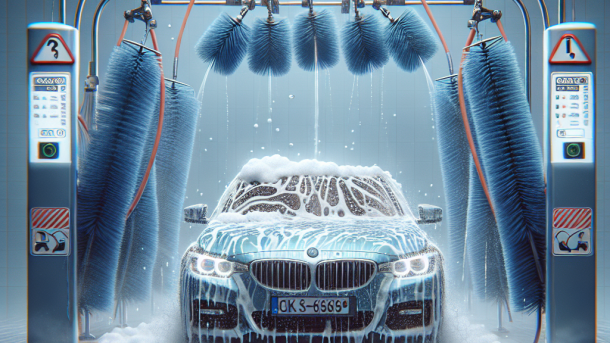
Imagine driving through a modern oasis where machines whisper to your car, gently cleansing it without ever laying a finger. This is the essence of a touchless car wash. Unlike its traditional counterparts, which rely on rotating brushes or soft cloth strips, the touchless wash employs high-pressure nozzles and a symphony of chemicals to remove dirt and grime.

The allure of a touchless car wash lies in its promise of a scratch-free experience. But what exactly happens during this process? Your car is enveloped in a mist of water and cleaning agents, akin to a rain shower infused with a careful blend of detergents designed to break down stubborn residues. Then, with the force of a gentle gale, the water is rinsed away, leaving behind a refreshed exterior.

As we explore this high-tech approach to car maintenance, it’s worth pondering the potential impact on your vehicle’s paint. Are touchless washes truly the guardians of your car’s luster, or do they harbor hidden risks? Delve deeper as we unravel the complexities of this modern marvel.

How do touchless car washes work?

Picture a symphony of precision and power as your vehicle enters a touchless car wash. It’s like a meticulous orchestra, where each instrument plays its part in perfect harmony to cleanse your car without a single touch. But how does this technological marvel operate?

At the heart of a touchless car wash are the high-pressure nozzles, akin to the trumpets of the ensemble, blasting jets of water that dislodge dirt and grime with pinpoint accuracy. These nozzles are complemented by an intricate choreography of sensors and timers, ensuring that your car receives the perfect symphony of cleansing.

Next, the cleaning agents take the stage. These specially formulated chemicals act as the gentle yet effective hands of the process, breaking down even the most stubborn residues. Unlike traditional methods that may leave scratches, the touchless approach ensures a pristine shine without the risk of abrasion.

Finally, the crescendo reaches its peak as the rinse cycle begins. The high-pressure water once again takes center stage, sweeping away the loosened dirt and chemicals, leaving your car glistening like a polished gemstone. But is this performance enough to safeguard your car’s paint? As we venture further, we’ll uncover the potential effects and how to protect your car’s paint from any hidden risks.

Potential effects of touchless car washes on car paint

In the grand theater of car maintenance, touchless car washes have taken center stage, promising a cleaning experience that leaves paint unscarred by brushes. But like any dramatic performance, there’s a subplot worth considering: the potential effects on your car’s paint. Could these high-tech marvels be concealing a hidden antagonist?

While touchless washes are designed to be gentle, they rely heavily on powerful chemicals to break down dirt. These chemicals, though effective, may sometimes pose a threat to certain types of car paint, especially if used frequently or if the paint is already compromised. Like a double-edged sword, they cleanse with vigor yet demand respect and caution.

Moreover, the high-pressure jets, much like an over-enthusiastic conductor, can occasionally disrupt the paint’s delicate harmony. For cars with delicate finishes or older paint jobs, this pressure might lead to unforeseen damage. As we navigate this complex narrative, let’s explore how different types of car paint respond to the touchless overture.

Stay with us as we delve into the specifics of paint types and how they fare in this high-stakes cleansing act. For a deeper dive into the financial aspects of car washes, check our analysis on owning a car wash and its profitability.

Common chemicals used in touchless car washes

In the world of touchless car washes, chemicals are the unsung heroes, orchestrating a careful dance to cleanse your vehicle. These potent concoctions, akin to a magician’s elixirs, work tirelessly to break down dirt and grime without the aid of brushes. But what exactly are these chemical wizards?

One of the primary agents used is an alkaline solution, which acts as the opening act, loosening the grip of dirt and road residue. Think of it as a gentle breeze that sways stubborn debris. Following this, acidic solutions step in, much like a powerful gust, to dissolve any remaining particles. These acids are formulated to tackle tough buildups without damaging the paint.

However, it’s essential to consider the long-term effects of these chemicals, especially on varied paint types. While they promise a spotless finish, frequent exposure can sometimes lead to subtle fading or discoloration. For those pondering the financial upside of such washes, insights on car wash profitability provide an intriguing perspective.

As we unravel the chemical symphony, it’s crucial to weigh the benefits against potential risks, ensuring that your car emerges not just clean, but with its paint gleaming vibrantly. Next, we’ll explore how these chemicals interact with different paint types, offering insights into safeguarding your vehicle’s exterior beauty.

Impact on different types of car paint

Every car paint is like an artist’s canvas, unique in its composition and response to external elements. When it comes to touchless car washes, the interaction with different types of car paint can vary significantly. Imagine a symphony where each instrument reacts differently to the conductor’s baton; similarly, paint types respond distinctively to the chemical concoctions used in touchless washes.

For cars adorned with high-quality clear coats, the touchless wash might be a harmonious experience, as these coatings are designed to withstand chemical exposure. However, for vehicles with older or oxidized paints, the high-pressure jets and chemicals might act like an overzealous musician, disrupting the delicate balance and leading to potential paint thinning or fading.

Additionally, custom paint jobs or matte finishes, much like a rare soloist in an orchestra, require special attention. These unique finishes might not fare well under the intense chemical regimen, risking discoloration or uneven wear. Understanding these nuances is essential, much like knowing how often cars should be washed to maintain their luster.

As we continue our exploration, it’s vital to consider these factors when deciding on a touchless wash, ensuring your car’s paint remains as vibrant as a masterpiece. Next, we’ll delve into the pros and cons of touchless car washes, offering insights to make informed choices for your vehicle’s care.

Pros and cons of touchless car washes

Touchless car washes, much like a double-edged sword, present both alluring benefits and potential drawbacks. On the one hand, they offer a swift, efficient cleaning experience that leaves your car sparkling without the risk of scratches from brushes. Picture it as a gentle symphony, where water and chemicals dance together, ensuring your vehicle gleams like a polished gem.

One of the standout advantages is convenience. In a world where time is a precious commodity, touchless washes swiftly cater to our busy lives. Moreover, for those with delicate paint finishes, the absence of physical contact can be a reassuring promise of protection.

However, this touch-free embrace isn’t without its caveats. The reliance on powerful chemicals raises questions about potential long-term effects on car paint. Frequent exposure might lead to subtle fading or discoloration, especially for vehicles with older or compromised paint jobs.

Furthermore, the high-pressure jets, while effective, may not always reach every nook and cranny, leaving behind stubborn residues. It’s akin to an orchestra missing a note, where the performance is good, yet not perfect.

As we weigh these pros and cons, it’s crucial to consider your car’s specific needs and condition. By doing so, you can decide whether the touchless wash is the maestro your vehicle deserves or if alternative methods might better suit your car’s care. For further insights on car maintenance, explore the financial aspects of investing in car washes.

How to minimize potential damage from touchless car washes?

When it comes to keeping your car in tip-top shape, a touchless car wash is like a magician’s wand—promising a clean without contact. But even magic has its caveats. How can you ensure that your vehicle emerges unscathed? Picture yourself as a conductor, skillfully navigating your car through this symphonic process with care and precision.

Choosing the right car wash options

The first step is selecting the right touchless wash. Not all washes are created equal; some may use stronger chemicals that, over time, could affect your car’s paint. When selecting, consider opting for washes that offer gentler, eco-friendly detergents, much like choosing a gentle shampoo for your hair. This choice can make all the difference in maintaining your car’s luster. For insights on choosing wisely, consider exploring the cost of washing your car at home versus commercial options.

Protective measures for car paint

Before driving into the touchless embrace, consider applying a protective wax or sealant to your car’s paint. Think of it as a shield, a knight’s armor, adding an extra layer of defense against the high-pressure jets and chemicals. This protective measure can help preserve your car’s paint, keeping it as vibrant as a freshly painted canvas.

Moreover, regular maintenance is key. Just as you wouldn’t skip a routine check-up, ensure your car’s paint is in good condition before using a touchless wash. For guidance on maintaining that pristine shine, visit our detailed guide on when to avoid washing your car to prevent unnecessary damage.

By taking these proactive steps, you can navigate the world of touchless car washes with confidence, ensuring your car emerges not only clean but with its paint gleaming vibrantly, much like a masterpiece that withstands the test of time.

Alternative car wash methods

As the curtain rises on the world of car care, touchless washes are but one act in a diverse performance. For those seeking alternatives, traditional methods and DIY approaches offer a different symphonic experience, each with its own rhythm and resonance. Let’s explore these paths, much like a connoisseur sampling varied genres of music, to find the perfect harmony for your vehicle.

Traditional car wash vs. touchless car wash

Imagine the traditional car wash as a classic orchestra, where brushes and cloths play the strings and percussion, meticulously scrubbing and polishing each note of your car’s exterior. While they offer a deep clean that might reach hidden nooks, there’s the ever-present risk of micro-scratches—a potential discord in the melody.

In contrast, the touchless wash is a modern jazz ensemble, improvising with high-pressure jets and chemicals. It promises a scratch-free finish, yet may not capture the same depth of clean as its traditional counterpart. For those pondering the financial angle, our insights on self-serve car wash earnings provide an intricate look into the business aspect.

Do-it-yourself car washing tips

For the DIY enthusiast, washing your car at home is like composing your own symphony. Armed with a garden hose, gentle soap, and soft cloths, you can craft a personalized cleaning experience. This hands-on approach allows for meticulous attention to detail, much like a soloist perfecting each note.

However, it’s essential to be mindful of water usage and environmental impact. Consider using biodegradable soaps and washing your car on grass or gravel to reduce runoff. For a cost comparison, explore how much it costs to wash your car at home, ensuring your DIY venture is not only effective but also economical.

As you navigate these alternative methods, remember that each choice is a brushstroke on your car’s canvas, contributing to the masterpiece you wish to create. Whether you opt for a traditional wash, touchless technology, or a DIY approach, your car’s care is a symphony uniquely your own.

Expert opinions on touchless car washes

In the realm of automotive care, experts often echo the sentiments of seasoned conductors, providing insights that harmonize the intricate nuances of car maintenance. When it comes to touchless car washes, their perspectives form a symphony of both caution and commendation.

Many automotive professionals highlight the convenience of touchless washes, likening them to a swift, efficient sonata that cleans without physical contact. This method is often praised for its ability to reduce the risk of scratches—a common concern with traditional washes. According to Consumer Reports, touchless washes are particularly beneficial for newer vehicles with pristine paint finishes, offering a gentle cleanse without the wear and tear of brushes.

However, some experts raise concerns about the potent chemicals employed in these washes. They caution that, like an overzealous maestro, these chemicals, if used frequently, might lead to subtle fading or discoloration, especially on older or less durable paint finishes. The consensus is that moderation and informed choices—such as opting for eco-friendly detergents—are key to preserving your vehicle’s paint.

Ultimately, the expert chorus suggests that touchless car washes can be a valuable tool in your car care repertoire, provided you consider your vehicle’s specific needs and condition. As you navigate the world of car washes, let these expert insights guide you like a skilled conductor, ensuring your car’s exterior remains a masterpiece for years to come.

Key Takeaways

In the vast landscape of car maintenance, touchless car washes have emerged as a modern marvel, offering a symphony of convenience and efficiency. They promise a scratch-free experience, much like a gentle waltz, where high-pressure jets and chemicals cleanse your vehicle without physical contact.

However, like any performance, there are nuances to consider. The reliance on potent chemicals, while effective, can sometimes pose risks to certain types of car paint, leading to subtle fading or discoloration. It’s akin to a delicate ballet, where each step must be carefully measured. For those with vehicles sporting older or custom paint jobs, this consideration becomes even more crucial.

As you weigh the pros and cons, it’s essential to take proactive measures to protect your car’s paint. Opt for washes offering gentler detergents, and consider applying protective wax or sealant prior to the wash. Regular maintenance, much like routine practice for a musician, ensures your car’s exterior remains vibrant and gleaming.

Ultimately, whether you choose a touchless car wash or explore alternative methods, your car’s care is a symphony uniquely your own. By making informed decisions, you can ensure your vehicle continues to shine like a masterpiece for years to come. For more insights on car maintenance, explore the financial aspects of car washes and their profitability, such as owning a car wash and its potential earnings.

Conclusion

As we traverse the winding roads of car maintenance, touchless car washes stand out as a modern marvel, much like a symphony conductor guiding an orchestra to a harmonious crescendo. They offer the promise of efficiency and a scratch-free experience, akin to a gentle ballet where every move is calculated to perfection.

However, like any tale, there’s a need for discernment. The powerful chemicals used, while effective, can sometimes pose risks to certain types of car paint, reminiscent of a delicate dance that requires careful steps. For those with vehicles sporting older or custom paint jobs, this consideration becomes paramount.

As you ponder the merits of touchless car washes, remember that your car’s care is a symphony uniquely your own. By weighing the pros and cons and taking proactive measures to protect your vehicle’s paint, you can ensure it remains a masterpiece for years to come. For insights into the financial aspects of car washes, consider exploring resources on topics such as self-service car wash earnings and their potential profitability.

Should I use Dawn dish soap to wash my car?

Table of Content

TITLE: Should I use Dawn dish soap to wash my car?
COUNTRY CODE: US
LANGUAGE CODE: en
TABLE OF CONTENT:

  • Introduction
    • Overview of using dish soap for car washing
  • What is Dawn dish soap?
    • Ingredients and formulation
    • Common uses and applications
  • Is it safe to use dish soap on a car?
    • The potential effects on car paint and finish
    • Impact on car wax and sealants
  • Why people consider using Dawn dish soap?
    • Cost-effectiveness
    • Availability and convenience
  • Alternatives to using Dawn dish soap
    • Automotive-specific car wash soaps
    • Benefits of using car wash products
  • How to properly wash your car?
    • Recommended tools and techniques
    • Steps for a thorough and safe car wash
  • User experiences and expert opinions
    • Testimonials from car owners
    • Insights from automotive care professionals
  • Key Takeaways
  • Conclusion

Should You Use Dawn Dish Soap to Wash Your Car? Pros and Cons Explained

Introduction

When it comes to car washing, the quest for the perfect cleaning agent is akin to finding the Holy Grail for many car owners. A product that is both effective and gentle on the vehicle’s exterior is highly sought after. Among the myriad of options, Dawn dish soap has emerged as a popular choice for some, sparking a debate on its suitability for car washing.

In this article, we’ll delve into the world of dish soap and its potential role in car maintenance. We’ll explore why some individuals consider it a viable option, and whether this common household item is a hero or a villain when it comes to maintaining your car’s pristine finish. Join us as we unveil the layers surrounding this topic, just like peeling an onion, to reveal the core truths about using dish soap for car washing.

For those pondering the financial aspects of car washing, you might find it intriguing to know how much can you make a year owning a car wash, which highlights the potential profitability of this industry.

Overview of using dish soap for car washing

On the surface, using dish soap like Dawn for car washing might seem like a harmless, even thrifty choice. After all, if it can cut through grease and grime on your dishes, surely it can do the same for your car, right? This is a question many car owners ponder, especially when they notice that trusty bottle of Dawn sitting under their kitchen sink.

However, beneath its vibrant blue facade, Dawn dish soap harbors secrets that may not be entirely favorable for your vehicle. It’s important to understand that while dish soaps are excellent at removing grease and food residue, they can be too harsh for a car’s paint. Dish soaps are formulated to break down oils and waxes, which can mean trouble for the protective layers on your car’s exterior. This could potentially lead to the dulling of your car’s finish over time.

For those curious about the financial side of car washing, it’s worth exploring do car washes make money to understand the business dynamics behind professional car washing services.

In the following sections, we’ll dive deeper into what makes Dawn dish soap tick, examining its ingredients and typical uses, and evaluate whether or not it truly deserves a place in your car cleaning arsenal.

What is Dawn dish soap?

Imagine a superhero in a blue bottle, lurking under your kitchen sink, ready to tackle the toughest of grease and grime. This superhero is none other than Dawn dish soap. Known for its powerful cleaning abilities, Dawn dish soap has become a household staple for many, thanks to its ability to effortlessly cut through stubborn food residues.

Ingredients and formulation

Dawn’s secret weapon lies in its unique formulation, which combines surfactants, enzymes, and other cleaning agents. These components work together to lift and break down grease, leaving your dishes sparkling clean. It’s a concoction that has been carefully crafted to deliver exceptional results, making it a favorite among kitchen-cleaning aficionados.

However, when considering using it for your car, it’s crucial to understand the potential effects these ingredients might have on your vehicle’s paintwork. This is especially important if you’re pondering the question, how often should cars be washed? and the best products to use.

Common uses and applications

Beyond its prowess in the kitchen, Dawn dish soap has found its way into various cleaning applications. From tackling oily hands to removing stains from clothing, its versatility is impressive. Some even use it as a degreaser for tools and equipment, highlighting its effectiveness across different surfaces.

Yet, despite its vast array of uses, the question remains: Is it truly suitable for car washing? As we journey further, we’ll explore the potential implications of using Dawn on your car, particularly its impact on the paint and protective finishes.

Is it safe to use dish soap on a car?

Picture yourself in a scene, armed with a sponge and a bottle of dish soap, ready to give your car a bath under the sun’s warm embrace. It seems like a straightforward task, but beneath this mundane activity lies a question that plagues many car enthusiasts: Is it safe? This question is not to be taken lightly, for the safety of your car’s exterior depends heavily on the products you choose. Let’s peel back the layers and delve into the potential effects of using dish soap on your car.

The potential effects on car paint and finish

While dish soap like Dawn might excel at cutting through grease, it harbors a hidden peril for your car’s paint. These soaps are designed to break down oils and waxes, which poses a threat to the protective layers on your car. Imagine your car’s paint as a knight’s armor, designed to shield it from the elements. Using dish soap could be akin to slowly chipping away at this armor, potentially leaving the paint vulnerable and dull over time.

If you’re curious about maintaining your car’s pristine condition, consider exploring when to not wash a car to ensure you avoid any potential damage during cleaning.

Impact on car wax and sealants

Another key consideration is the impact on car wax and sealants. These protective layers are carefully applied to preserve the shine and integrity of your car’s surface. Dish soap can strip away these protective coatings, leaving your car exposed to the elements. It’s like removing a shield in battle, leaving your car more susceptible to scratches, fading, and other damage.

For those who are meticulous about their car’s appearance, understanding the potential risks of using dish soap is crucial. In the following sections, we’ll explore why some individuals still consider Dawn dish soap a viable choice, and weigh up the pros and cons to help you make an informed decision. If you’re exploring professional cleaning options, you might also find it beneficial to understand whether car washes are a good investment and the benefits they offer.

Why people consider using Dawn dish soap?

In the vast universe of car cleaning products, one might wonder why Dawn dish soap, a humble kitchen staple, finds its way into car wash conversations. The answer often lies in two compelling factors: cost-effectiveness and availability. These considerations transform Dawn into a tempting option for many budget-conscious car owners.

Cost-effectiveness

Imagine walking through an aisle filled with expensive car wash products and then spotting the much cheaper Dawn dish soap. Its price tag is undeniably appealing, especially for those who wash their cars frequently. However, while saving money is attractive, one might question whether the short-term savings are worth the potential long-term damage to the vehicle’s finish. For those wondering about the financial aspects of car cleaning, understanding how much a self-serve car wash makes a month might provide interesting insights into the economics of car washing.

Availability and convenience

Another reason for Dawn’s popularity in car washing is its ubiquitous presence in households. Often, convenience drives decisions, and having a versatile cleaner at arm’s reach makes it easy to grab the dish soap when a car wash is due. Yet, while this choice might be convenient, it could lead to unintended consequences for your car’s exterior. As you ponder your car cleaning options, consider exploring more about the ideal car wash frequency and suitable products to maintain your vehicle’s shine.

Alternatives to using Dawn dish soap

As we voyage through the labyrinth of car washing solutions, it’s crucial to consider viable alternatives to using Dawn dish soap. Much like a knight needs the right armor to withstand the battle, your car requires the right products to maintain its sheen and resilience. Let’s dive into the realm of automotive-specific car wash soaps and uncover the treasure trove of benefits they offer.

Automotive-specific car wash soaps

Imagine a potion crafted specifically for your car’s needs, a magical elixir that cleans without stripping away its protective layers. This is precisely what automotive-specific car wash soaps offer. Designed with your vehicle’s finish in mind, these soaps are gentle yet effective, ensuring that your car retains its glossy appearance without compromising its protective wax or sealants.

If you’re curious about the financial side of car maintenance, check out the potential profitability of owning a car wash by exploring how automated car washes make money.

Benefits of using car wash products

Opting for car wash products tailored to automotive needs brings a cascade of benefits. These products are formulated to protect your car’s paint, prevent scratches, and enhance the longevity of wax and sealants. Think of them as a shield against the harsh elements, preserving your car’s pristine condition and extending the life of its exterior. Additionally, many of these products are eco-friendly, aligning with sustainable practices while delivering excellent results.

Before you decide on a product, consider the Safer Choice Program by the EPA to ensure you’re choosing environmentally-friendly options. By selecting the right car wash product, you’re investing in your car’s future, much like ensuring a wise investment in a business venture.

How to properly wash your car?

Washing your car is akin to giving it a spa day, a rejuvenating experience that leaves it gleaming and refreshed. But how do you ensure that your beloved vehicle emerges from this cleansing ritual unscathed and brighter than ever? Let’s embark on a step-by-step journey to mastering the art of car washing.

Recommended tools and techniques

Imagine you’re an artist, and your car is the canvas. To achieve a masterpiece, you’ll need the right tools. Invest in quality microfiber towels, a soft sponge or mitt, and a bucket equipped with a grit guard to prevent dirt from scratching your paint. Pair these with a dedicated automotive soap, and you’ll be set for success.

As you prepare to wash, remember to rinse your car thoroughly before applying any soap. This preliminary step helps remove loose dirt and debris, minimizing the risk of scratches. Wash your car from top to bottom, ensuring you rinse frequently to prevent soap from drying on the surface.

Steps for a thorough and safe car wash

Start by rinsing your car to remove excess dirt. Then, using a two-bucket method—one for soapy water and one for rinsing—begin washing from the roof downwards. This technique prevents dirt from being reintroduced to cleaned areas. Regularly rinse your mitt in the clean water bucket to avoid transferring grime back onto your car.

After washing, give your car a final rinse with clean water, ensuring no soap remains. Dry the surface with a microfiber towel to avoid water spots. For a professional touch, consider applying a coat of wax for added shine and protection.

If you’re curious about the cost of washing your car at home, explore the financial considerations in our guide on home car wash costs.

By following these steps, you’ll not only keep your car looking its best but also protect its finish, ensuring it remains a source of pride for years to come. For more insights on maintaining your vehicle, consider exploring the car wash tips by Consumer Reports.

User experiences and expert opinions

As we venture into the realm of user experiences and expert opinions, we find a tapestry of perspectives woven by both everyday car owners and seasoned automotive care professionals. These voices offer invaluable insights, shedding light on the enigmatic question: Is Dawn dish soap a friend or foe to your beloved vehicle?

Testimonials from car owners

Many car owners recount their experiences with Dawn dish soap in vivid detail, akin to sharing tales of a trusted companion. Some praise its ability to cut through stubborn grime, while others lament the gradual dulling of their car’s finish. These stories reflect the dual nature of this common household item, much like a double-edged sword.

For those curious about the financial dynamics of car washing, understanding how much a self-service car wash makes monthly can provide a broader perspective on cost-effective cleaning solutions.

Insights from automotive care professionals

On the expert front, seasoned automotive care professionals often caution against using dish soap on vehicles. They emphasize the importance of choosing products specifically designed for car care, highlighting the potential risks dish soap poses to a car’s paint and protective coatings. Their insights serve as guiding beacons, steering car owners toward safer choices.

For those pondering the investment potential of car cleaning services, exploring whether car washes are a good investment might offer a fascinating angle on the industry’s prospects.

By weaving together these experiences and expert opinions, we gain a clearer picture of the implications of using Dawn dish soap on cars. As we navigate this complex landscape, it’s essential to weigh both the benefits and potential pitfalls to make informed decisions about car care.

Key Takeaways

As we conclude our exploration into the world of using Dawn dish soap for car washing, several key points emerge, like constellations in the night sky guiding us to safer car care practices.

Firstly, while Dawn’s grease-cutting prowess may shine in the kitchen, it can spell trouble for your car’s paint and protective layers. Its ability to strip away oils and waxes can leave your vehicle’s exterior vulnerable, akin to a soldier without armor.

The allure of cost-effectiveness and convenience often tempts car owners to reach for dish soap, yet it’s crucial to weigh these factors against potential long-term damage. Opting for automotive-specific car wash soaps provides a safer alternative, preserving your car’s shine and integrity.

User experiences and expert opinions offer valuable insights, underscoring the importance of choosing products crafted for car care. They illuminate the path toward informed decisions, ensuring your vehicle remains a source of pride and joy.

Ultimately, the choice lies in balancing short-term convenience with long-term preservation. By understanding the implications of using dish soap and exploring trusted car wash tips, you can embark on a journey of car care excellence, safeguarding your vehicle’s beauty for years to come.

Conclusion

As we wrap up our exploration of using Dawn dish soap in the realm of car washing, we’ve uncovered a multifaceted picture. It’s like peeling back the layers of an onion, revealing the complexities beneath. While its grease-cutting capabilities make it a kitchen favorite, this very trait can become a double-edged sword for your car’s finish.

The economic allure of using dish soap often masks the potential risks it poses to a car’s paint and protective coatings. It’s like choosing between a short-term fix and long-term preservation. The stories shared by car owners and insights from experts serve as guiding lights, emphasizing the importance of opting for products specifically designed for automotive care.

Embracing automotive-specific car wash products is akin to investing in a suit of armor for your car, safeguarding its beauty and integrity. As you ponder your car care routine, remember that informed decisions today lead to a vehicle that shines bright tomorrow.

For more on maintaining your car’s appearance, consider checking out trusted resources like the car wash tips by Consumer Reports. With these insights, you’re well-equipped to embark on a journey of responsible car care, ensuring your vehicle remains a source of pride for years to come.

How long can a car go without a wash?

Table of Content

TITLE: How long can a car go without a wash?
COUNTRY CODE: US
LANGUAGE CODE: en
TABLE OF CONTENT:

  • Introduction
  • Why is it important to wash your car?
  • Factors affecting how long your car can go without a wash
    • Environmental factors
    • Geographical location
    • Frequency of use
  • Risks of not washing your car regularly
    • Damage to the paint and exterior
    • Build-up of harmful substances
    • Impact on vehicle resale value
  • How often should you wash your car?
    • Recommended guidelines
    • Adapting based on your environment and usage
  • Best practices for car washing
    • Choosing the right products and tools
    • Hand wash vs. automatic car washes
    • Preserving your car’s finish
  • Alternatives to traditional car washes
    • Waterless car cleaning methods
    • Using professional detailing services
  • Signs it’s time to wash your car
    • Visible dirt and grime
    • Poor visibility through windows and mirrors
    • Strange odors or buildup on the car interior
  • Key Takeaways
  • Conclusion

How long can a car go without a wash and why it matters?

Introduction

Imagine your car as a loyal companion, faithfully taking you on journeys through bustling city streets and scenic country roads. But, like any devoted friend, it needs care and attention to remain in prime condition. One crucial aspect of this care is washing your car regularly.

But how long can a car realistically go without a wash? And why does it matter? Understanding the balance between neglect and overcare is vital for maintaining your vehicle’s aesthetic appeal and longevity. Just as we wouldn’t skip brushing our teeth for weeks, our cars also deserve regular grooming to keep them sparkling and healthy.

In this exploration, we’ll delve into the factors affecting car wash frequency, the risks of neglect, and best practices for maintaining your car’s cleanliness. Curious about what’s involved in how often the average person washes their car? Or perhaps you’re wondering how often you should wash your car based on your environment and usage? Read on to discover insights and tips that will keep your ride looking its best.

For further details on maintaining your vehicle, consider checking reliable sources like the Consumer Reports Car Maintenance Guide.

Why is it important to wash your car?

Picture your car as a canvas, painted with the many adventures you embark upon. Each journey leaves a mark, be it a splash of mud, a sprinkle of dust, or a smear of grime. These elements, if left unattended, can become more than just unsightly blemishes—they can mar the surface and diminish the value of your beloved vehicle.

Washing your car is akin to a refreshing shower after a long day, helping to remove the layers of dirt and potential contaminants that can damage the paintwork and corrode the metal. Regular cleaning acts as a protective barrier against the elements, similar to a shield fending off the relentless forces of nature.

Moreover, a clean car isn’t just about appearances. It reflects your attention to detail and care, potentially enhancing its resale value. Neglecting to wash your car can lead to a buildup of harmful substances, which could eventually lead to costly repairs or a decrease in the car’s longevity.

Curious about whether it’s cheaper to wash your car at home or at a professional car wash? Check out this insightful discussion to weigh your options.

For more information on the importance of regular car maintenance, you might find the NHTSA Vehicle Maintenance Guide a reliable resource.

Factors affecting how long your car can go without a wash

Imagine your car as a seasoned traveler, journeying through various environments and terrains. The length of time it can roam without a wash is influenced by a medley of factors. Just like how a mountaineer dresses differently based on the weather, your car’s cleaning needs are affected by its surroundings and usage.

Environmental factors

Consider the role of nature—does your car brave dusty desert winds, coastal salt spray, or city pollutants? These elements can cling to your car’s surface, demanding more frequent attention. For example, the salty air in coastal regions can be particularly corrosive, necessitating regular washes to protect the paint.

Geographical location

Your location can act as both an ally and adversary. Urban areas with high pollution levels might require frequent washes compared to rural settings. Alternatively, if you’re in a place with heavy rainfall, your car might be self-cleansing to an extent, but don’t be fooled; rain can also leave behind acidic residues.

Frequency of use

Lastly, ponder the life of a car that’s constantly on the move versus one that takes leisurely outings. The more you drive, the more exposure your car has to dirt and debris. Thus, a daily commuter’s car might need more frequent cleaning compared to a weekend warrior’s ride.

For a deeper dive into how often you should wash your car under varying conditions, explore the recommended guidelines tailored to your unique situation. Additionally, the EPA’s air quality tips can provide insights on environmental impacts.

Risks of not washing your car regularly

Imagine neglecting to wash your car as akin to leaving a masterpiece painting exposed to the elements—over time, its beauty fades, and its value diminishes. Similarly, failing to maintain your car’s cleanliness can lead to a host of issues that extend beyond mere aesthetics.

Damage to the paint and exterior

The paint on your car acts as a protective layer, shielding the metal beneath from the wrath of nature. However, when neglected, dirt, grime, and pollutants can eat away at this armor, leading to scratches and faded paint. This damage, much like a scar on a once-pristine canvas, can be costly to repair and may reduce your car’s visual appeal.

Build-up of harmful substances

Consider the insidious nature of substances like tree sap, bird droppings, and road salt. These elements, if left unchecked, can corrode your car’s exterior and even lead to rust. The longer they sit, the more damage they cause, akin to a slow poison seeping into your car’s very essence.

Impact on vehicle resale value

When it comes to selling your car, appearance is everything. A clean, well-maintained vehicle can fetch a higher price, while a neglected one may be seen as a red flag to potential buyers. Regular washing is an investment in your car’s future, akin to nurturing a growing plant for a fruitful harvest.

Curious about the implications of not washing your car? For insights on how often you should wash your car to avoid these risks, visit our comprehensive guide. Additionally, the Consumer Reports Car Maintenance Guide offers further advice on preserving your vehicle’s condition.

How often should you wash your car?

In the world of car care, the question of frequency often dances on the tightrope of necessity and vanity. How often should you wash your car, you ask? It’s akin to asking how often one should wear their favorite suit—it depends on the occasion, the environment, and personal preference.

For those living in bustling cities with high pollution levels, weekly washes can help protect your vehicle from the harmful effects of grime and pollutants. On the other hand, if you’re nestled in a rural area with cleaner air, a bi-weekly or even monthly wash might suffice.

Seasonal changes also play their part. Winter’s salt-laden roads demand more frequent cleaning to prevent corrosion, while summer’s sun may necessitate washes to maintain the paint’s luster. Think of car washing as a ritual that adapts to the rhythm of nature’s dance.

Curious about the cost implications of different washing methods? Consider exploring whether it’s cheaper to wash your car at home or at a car wash. Additionally, the CDC’s motor vehicle safety tips offer insight into maintaining your car’s health and safety.

Recommended guidelines

Think of your car wash schedule as a tailor-made suit, designed to fit your specific lifestyle and environment. General guidelines suggest that washing your car every two weeks is a good rule of thumb for most people. However, this frequency can vary based on factors such as weather conditions, driving habits, and the substances your car is exposed to. For instance, if your car frequently battles muddy roads or salty air, increasing the washing frequency might be necessary to maintain its pristine appearance.

It’s crucial to assess the unique demands of your environment and adapt accordingly. For those curious about the average car wash frequency, consider taking a look at how often the average person gets their car washed in our insightful post. Additionally, the National Park Service Air Quality Index can provide useful information on how air quality in your region might impact your car wash regimen.

Adapting based on your environment and usage

Imagine your car as a chameleon, adapting its cleaning needs based on the environment and its daily adventures. Just as we adjust our clothing for the weather, your car’s washing schedule should be tailored to the conditions it faces and how often it hits the road. Consider the fast-paced life of a city dweller’s car, constantly bombarded by pollutants and road grime. Such a vehicle may require more frequent washes to maintain its shine and protect its paintwork.

Conversely, a car residing in a tranquil countryside setting, with less exposure to pollutants, might enjoy longer intervals between washes. Think of it as a leisurely vacation, where the car’s exterior can bask in the clean air without the constant need for cleansing. The key lies in striking a balance between necessity and indulgence, ensuring your car remains both pristine and protected.

Curious about the impact of your environment and driving habits on your car wash frequency? Our post on how often you should wash your car offers tailored insights for various scenarios. Additionally, the NOAA Winter Weather Safety tips provide guidance on how seasonal changes can influence your car wash routine.

Best practices for car washing

Imagine car washing as an art form, where the right tools and techniques can transform your vehicle into a gleaming masterpiece. Just as a painter selects the finest brushes and colors, choosing the appropriate products and methods is crucial for preserving your car’s luster. So, what are the secrets to a successful car wash?

Choosing the right products and tools

Think of the products and tools you use as the palette for your vehicular artwork. Opt for pH-balanced car shampoos and microfiber cloths to gently cleanse without scratching. The right combination can make all the difference, much like the perfect blend of colors creates a vivid painting.

Hand wash vs. automatic car washes

Hand washing is akin to crafting a bespoke suit, tailored to fit every curve and contour. It allows for a detailed clean, reaching areas that automatic car washes might miss. However, for those short on time, an automatic wash can be a convenient alternative, offering a quick yet effective cleanse. To explore whether hand washing or visiting a car wash is better, consider reading our post on the benefits of each method.

Preserving your car’s finish

Think of your car’s finish as the protective sealant on a valuable document. Regular waxing and polishing can shield against the elements, acting as a barrier against UV rays and pollutants. This practice not only enhances shine but also extends the life of your car’s exterior.

Curious about the costs associated with different car washing methods? Learn more about the average cost of a car wash to make informed decisions. For additional guidance on car care, the NHTSA Vehicle Maintenance Guide offers valuable insights.

Alternatives to traditional car washes

In the realm of car care, traditional car washes may seem like the only option, but there are alternatives that can serve as the unsung heroes of vehicle maintenance. Imagine these options as innovative solutions, each with its own charm and efficiency, waiting to be discovered by the discerning car owner.

Waterless car cleaning methods

Picture a world where car cleaning doesn’t require gallons of water. Waterless car cleaning methods, akin to a dry shampoo for your hair, offer a convenient and eco-friendly solution. These products, often in spray form, allow you to wipe away dirt and grime without the need for a hose, making them ideal for city dwellers or those in water-restricted areas.

Using professional detailing services

Think of professional detailing services as a spa day for your car. These experts provide meticulous care, using specialized tools and techniques to restore your vehicle’s shine and cleanliness. While it might be a more expensive option, the attention to detail ensures that every nook and cranny is spotless, much like the precision of a skilled artisan.

For more insights into the financial aspects of different washing methods, explore what car washes typically cost. Additionally, the EPA’s WaterSense provides information on water conservation, which is particularly relevant when considering waterless car cleaning alternatives.

Signs it’s time to wash your car

Picture your car as an esteemed guest at a grand ball, dressed to impress. However, just as a fine suit requires attention to maintain its elegance, your vehicle needs regular care to uphold its appearance. How do you discern when it’s time for a wash? Let’s explore some telltale signs that your car is ready for a refreshing cleanse.

Visible dirt and grime

The most obvious indicator is when your car looks like it’s just returned from a mud-wrestling match. Layers of dirt and grime can obscure its natural sheen, much like dust on a polished gem. If you can write “wash me” in the dust on your car’s hood, it’s high time for a bath.

Poor visibility through windows and mirrors

Imagine trying to peer through a foggy window—it’s not only frustrating but also potentially dangerous. If your car’s windows and mirrors are marred by streaks or smudges, your vision might be compromised. Just as a clear lens brings a photograph into focus, clean glass ensures you see the road ahead clearly.

Strange odors or buildup on the car interior

Sometimes, the signs are more subtle, such as an unusual smell wafting from the interior. This could be a result of accumulated dirt or spilled substances. Think of your car’s cabin as a sanctuary; keeping it clean ensures a pleasant and welcoming environment for every journey.

For insight into how often you should wash your car based on these signs, delve into our helpful guide. Additionally, for tips on maintaining your vehicle’s cleanliness, the NHTSA Vehicle Maintenance Guide offers valuable advice.

Key Takeaways

Maintaining your car’s cleanliness isn’t just an aesthetic pursuit; it’s an essential aspect of vehicle care that impacts both its longevity and value. Consider it akin to nurturing a cherished garden—consistent attention and care yield the best results. By understanding the factors that dictate how often you should wash your car, such as environmental conditions and usage frequency, you can tailor a cleaning regimen that suits your needs.

Neglecting regular washes can result in damage to your car’s paint and exterior, a build-up of harmful substances, and a decrease in resale value. On the flip side, adhering to recommended guidelines and adapting your schedule based on your environment can help preserve your car’s pristine condition. For more insights on how often you should wash your car, explore our comprehensive guide.

Finally, consider the diverse options available for car washing, from traditional methods to innovative alternatives. Whether you choose a hand wash, automatic wash, or professional detailing service, the key is to maintain your vehicle’s appearance and integrity. For additional advice on car care, the Consumer Reports Car Maintenance Guide provides valuable resources and tips.

Conclusion

In the grand tapestry of car care, washing your vehicle emerges as a fundamental thread, weaving together aesthetics, protection, and value. Just as we attend to our personal hygiene to maintain health and appearance, our loyal automotive companions deserve the same attention to remain in their prime.

Understanding how often you should wash your car depends on a myriad of factors—from environmental influences and geographical challenges to the frequency of use. By tailoring your washing routine to these unique conditions, you ensure your car not only looks its best but also stands resilient against the elements.

Moreover, exploring alternatives to traditional car washes, such as waterless cleaning methods and professional detailing, broadens your toolkit for maintaining a pristine vehicle. Each method offers its own set of advantages, allowing you to choose what best suits your lifestyle and budget.

Ultimately, maintaining your car’s cleanliness is more than just a chore—it’s an investment in its longevity and resale value. For further insights and expert tips on vehicle maintenance, consider consulting the Consumer Reports Car Maintenance Guide. By embracing these practices, you’re not only enhancing your car’s appearance but also safeguarding its future on the open road.

Does leaving your car dirty ruin the paint?

Table of Content

TITLE: Does leaving your car dirty ruin the paint?
COUNTRY CODE: US
LANGUAGE CODE: en
TABLE OF CONTENT:

  • Introduction
  • Understanding Car Paint
  • Common Elements That Damage Car Paint
    • Dirt and Dust
    • Bird Droppings
    • Tree Sap
    • Road Salt
    • Bug Splatter
  • Impact of Leaving Your Car Dirty
    • Short-term Effects
    • Long-term Consequences
    • Potential Repair Costs
  • How Dirt Speeds Up Paint Degradation
    • Chemical Reactions on Paint
    • Pitting and Surface Wear
  • Best Practices for Protecting Your Car’s Paint
    • Regular Washing Schedule
    • Using Protective Wax
    • Parking Solutions
  • How to Properly Wash Your Car to Preserve Paint
    • Recommended Tools and Products
    • Step-by-Step Cleaning Guide
  • Key Takeaways
  • Conclusion

Does leaving your car dirty ruin the paint? Find out the consequences and protective measures.

Introduction

Imagine your car as a knight, clad in shiny armor, bravely facing the elements. Yet, what happens when that armor is left unpolished, unkempt, and caked with dirt? Does it lose its sheen, its strength, its ability to dazzle? In much the same way, the paint on your car serves as its armor, protecting it from the harsh elements and keeping it looking pristine.

But have you ever pondered the consequences of neglecting this armor? Does leaving your car dirty actually ruin the paint? This question might seem trivial, yet it holds the key to maintaining your vehicle’s aesthetic appeal and long-term value. To unravel this mystery, we’ll delve into the impacts of dirt, explore the chemical reactions that occur, and discover how best practices, such as maintaining a regular washing schedule, can shield your car’s paint.

Join us as we embark on this journey, exploring the hidden dangers lurking beneath that layer of grime. Your car’s future may depend on the knowledge you gain today.

Understanding Car Paint

Car paint, much like the skin of a chameleon, plays a crucial role in defining the identity and allure of your vehicle. Beneath its glossy surface lies a complex composition of layers designed to provide both aesthetic charm and protection against the elements. But what exactly makes up this intricate shield?

Typically, car paint consists of multiple layers: a primer, base coat, and clear coat. The primer serves as the foundation, adhering to the metal surface and ensuring the base coat’s adhesion. The base coat, or color layer, is what gives your car its distinctive hue. Finally, the clear coat adds the glossy finish, acting as a barrier against environmental hazards.

However, even the most robust armor can falter under certain conditions. The clear coat, though resilient, is susceptible to damage from various elements like dirt, bird droppings, and tree sap. Understanding these vulnerabilities helps us appreciate why regular maintenance and protective measures are essential for preserving your car’s paintwork.

Interested in exploring how often you should maintain this protective shield? Discover insights on a regular washing schedule to keep your car’s paint in pristine condition.

Common Elements That Damage Car Paint

Imagine your car’s paint as a delicate canvas, exposed to a myriad of elements that aim to mar its appearance. These elements are like silent marauders, stealthily wreaking havoc on your vehicle’s pristine facade. Let’s unravel the enigma of these common culprits and understand how they threaten your car’s shimmer.

Dirt and dust might seem innocuous, but they act like fine sandpaper, gradually wearing down the paint’s protective layer. Bird droppings, on the other hand, are akin to acidic potions, their corrosive nature eating away at the clear coat and causing unsightly blemishes. Similarly, the sticky residue of tree sap is a stubborn adversary, bonding with the paint and becoming a magnet for grime.

As winter wields its icy hand, road salt becomes a villain, accelerating rust and corrosion. Meanwhile, bug splatter is the epitome of a sticky situation, its acidic properties leaving etchings on the paintwork. To combat these foes, a vigilant approach is necessary, ensuring your car’s armor remains unscathed.

Curious about the frequency of facing these challenges? Discover how often the average person might need a car wash to defend against such elements.

Dirt and Dust

Imagine the wind as a mischievous artist, wielding a brush laden with dirt and dust. With each gust, it paints an unwanted layer upon your car, turning its once-glossy surface into a canvas of grime. While these particles may seem harmless, they are, in fact, insidious culprits that can wreak havoc on your car’s paint.

Much like a thousand tiny grains of sandpaper, dirt and dust gradually abrade the clear coat, diminishing its luster and exposing the vulnerable layers beneath. This continuous wear and tear can lead to micro-scratches, dulling the paint’s shine and making it more susceptible to environmental damage.

For those who cherish their car’s appearance, understanding the impact of dirt and dust is vital. A consistent cleaning routine, such as adhering to a regular washing schedule, can help maintain the integrity of your car’s paint and ensure it remains a gleaming masterpiece on the road.

For more insights on the cost of keeping your car pristine, you may wonder if it’s cheaper to wash your car at home or at a car wash. Exploring these options can guide you in preserving your vehicle’s brilliance without breaking the bank.

Bird Droppings

Imagine a mischievous artist splattering your car with abstract designs of white and gray. While these patterns may seem like nature’s artistry, bird droppings are anything but harmless. They are, in fact, corrosive agents that can quickly undermine your car’s paint job.

Much like a potent potion, bird droppings contain uric acid, which reacts with the paint’s clear coat. This reaction can tarnish the sheen and etch unsightly marks into the surface. If left unattended, these blemishes can become permanent, requiring costly repairs or repainting.

For car enthusiasts, recognizing the threat posed by bird droppings is crucial. Regular cleaning and prompt removal of these droppings can prevent lasting damage. But how often should you wash your car to avoid such perils? Understanding the frequency and urgency of cleaning can save your vehicle’s paint from this avian assault.

For a scientific insight into the damage caused by bird droppings, the Science Daily offers a detailed analysis, emphasizing the importance of timely action to protect your car’s exterior.

Tree Sap

Picture yourself strolling through a tranquil forest, the air fragrant with the scent of pine. But as serene as it seems, a silent threat lingers in the form of tree sap, a sticky adversary that can mar the beauty of your car’s paint. This viscous substance, akin to nature’s superglue, adheres tenaciously to your vehicle’s surface.

Tree sap is not just a sticky inconvenience; it harbors compounds that can chemically interact with the paint, leading to discoloration and etching. Much like a stubborn stain on a cherished garment, the longer it remains, the more challenging it becomes to remove. If ignored, tree sap can become a permanent blemish, marring your car’s luster.

To safeguard your vehicle from this arboreal menace, it’s essential to remove sap promptly. Regular washing and protective measures, such as frequent car washes, can help maintain the integrity of your car’s paint.

For those intrigued by the science behind tree sap’s stickiness, the Scientific American provides an in-depth exploration, shedding light on this natural adhesive’s tenacious nature.

Road Salt

Picture winter’s icy hand casting its chill over the roads, rendering them slippery and treacherous. Enter road salt, the knight in shining armor, scattered to melt the ice and make pathways safe. Yet, this seemingly benevolent substance harbors a hidden menace to your car’s paintwork.

Much like a relentless villain, road salt can cling to your vehicle’s surface, initiating a corrosive dance. The moisture from melting snow and ice combines with the salt, creating a briny solution that seeps into every nook and cranny, accelerating rust and corrosion. Over time, this chemical reaction can eat away at the paint’s protective layers, leaving your car vulnerable to further damage.

To combat this wintry foe, a vigilant car owner should prioritize regular washing, especially during and after the snowy season. This proactive approach can help remove the salt residue and safeguard your vehicle’s paint. If you’re curious about the frequency of washes during winter, exploring insights on how often the average person might need a car wash can help tailor your maintenance schedule.

For more in-depth information on the effects of road salt, you can explore this informative article from NHTSA, which discusses the impact of salt on vehicle corrosion and offers preventive measures. Engaging in these practices can ensure that your car’s armor remains unblemished, even in the harshest of winters.

Bug Splatter

Imagine driving down a countryside road, the air filled with the sweet scents of summer, when suddenly, your windshield and paint become canvases for a swarm of bugs. These tiny invaders, unfortunately, leave more than a fleeting mark; they can be a persistent problem for your vehicle’s paintwork.

Bug splatter is not just a minor nuisance; it’s a chemical conundrum. The remains of bugs contain acidic compounds that can etch into the clear coat, leaving behind pockmarks and stains that resemble a painter’s accidental splatters. Over time, this can compromise the integrity of the paint, leading to dullness and blemishes that mar the car’s appearance.

For the diligent car owner, addressing bug splatter promptly is essential to maintain the car’s pristine look. Regular washing and using specialized cleaning products can help remove these stubborn remnants. Curious about how often such maintenance might be necessary? Delve into insights on maintaining a regular washing schedule to keep your vehicle shining.

For those seeking scientific insights on the effects of bug splatter, the Autogeek offers a detailed discussion on the subject, emphasizing the importance of prompt action to preserve your car’s exterior.

Impact of Leaving Your Car Dirty

Imagine your car as a delicate artwork, its paintwork a canvas that tells a story of elegance and care. But what happens when this masterpiece is left neglected, hidden beneath layers of dirt and grime? The impact of leaving your car dirty extends beyond mere aesthetics, potentially leading to significant consequences.

In the short term, a dirty car can lose its luster, appearing dull and unkempt. But the long-term consequences are far more insidious. Dirt and grime can act like tiny daggers, scratching the clear coat and exposing the paint to environmental hazards. Over time, this can lead to fading, oxidation, and even rust—transforming your car from a gleaming gem into a tarnished relic.

The potential repair costs of neglecting your car’s cleanliness can be steep, involving repainting and extensive restoration efforts. A proactive approach, such as maintaining a regular washing schedule, can help prevent these costly issues, preserving your car’s value and beauty.

For those pondering the economics of keeping their car clean, exploring whether it’s cheaper to wash your car at home or at a car wash can provide valuable insights. This knowledge can guide you in making informed decisions to protect your vehicle’s paint for the long haul.

Short-term Effects

Picture your car as a vibrant tapestry, each thread representing the care and attention you’ve woven into its appearance. Yet, when left dirty, this masterpiece begins to unravel, losing its brilliance. In the short term, dirt and grime can dull your car’s shine, making it look worn and neglected.

Think of these particles as a thin veil, obscuring the vivid colors beneath. Dust and dirt cling to the surface, acting like a shroud that robs your car of its luster. Bird droppings and bug splatter, with their acidic properties, can create unsightly marks that mar the once-flawless finish.

Regular cleaning can serve as a rejuvenating ritual, restoring your car’s gleam and safeguarding against these short-lived blemishes. Are you curious about how often this upkeep should occur? Discover insights on maintaining a regular washing schedule to ensure your car continues to captivate with its brilliant sheen.

For a broader perspective on maintaining your vehicle’s aesthetics, consider exploring the Consumer Reports guide on car maintenance. It offers practical tips for keeping your car in pristine condition, even in the short term.

Long-term Consequences

Imagine your car as a timeless masterpiece, a work of art meant to endure the test of time. Yet, neglecting its cleanliness can lead to the slow erosion of this artistry. The long-term consequences of leaving your car dirty can be as severe as a slow poison, gradually eating away at its beauty and value.

Over time, dirt and grime act like a corrosive agent, dulling the vibrant colors and eroding the protective clear coat. This persistent assault exposes the underlying layers, making the paint more susceptible to environmental damage. As the paint loses its integrity, oxidation sets in, leading to fading and discoloration.

Furthermore, prolonged exposure to corrosive elements like bird droppings, tree sap, and road salt can cause permanent etching and rust, compromising the structural integrity of the vehicle. These blemishes require extensive repairs or repainting, which can be costly and time-consuming.

Maintaining a regular cleaning regimen can thwart these long-term consequences and preserve your car’s allure. Curious about the financial implications of regular upkeep? Explore whether it’s cheaper to wash your car at home or at a car wash for insights that can help you protect your investment.

Potential Repair Costs

Picture the financial burden of an unexpected expense, much like an unwelcome guest at your doorstep. This is what potential repair costs feel like when you neglect your car’s cleanliness. What starts as a minor oversight of leaving your car dirty can balloon into significant repair bills.

Imagine dirt and grime as silent thieves, stealthily eroding the protective layers of your car’s paint. Over time, this leads to fading, oxidation, and even rust—issues that require professional intervention. Repainting a car isn’t just about aesthetics; it’s a costly endeavor involving labor-intensive processes to restore the paintwork.

Furthermore, the cumulative effect of corrosive elements like bird droppings and road salt can result in permanent damage, demanding extensive repairs that reach deep into your pockets. Regular maintenance, such as sticking to a regular washing schedule, can avert these costly repairs, preserving both your car’s beauty and your bank account.

If you’re weighing the cost-effectiveness of maintaining your car’s cleanliness, consider whether it’s cheaper to wash your car at home or at a car wash. This exploration can provide insights to make informed decisions that protect your vehicle’s paint and your finances.

How Dirt Speeds Up Paint Degradation

Imagine dirt as a silent saboteur, stealthily infiltrating the fortress of your car’s paint. It’s not just an innocent layer of dust; it’s a catalyst, accelerating the degradation of your vehicle’s protective armor. But how does this seemingly harmless substance wreak such havoc?

When dirt accumulates on your car’s surface, it creates a microenvironment ripe for chemical reactions. The particles trap moisture, leading to oxidation—a process akin to rusting, but for paint. This constant exposure to moisture weakens the clear coat, wearing it down over time and leaving the base coat vulnerable to the elements.

Additionally, dirt acts like a magnifying glass, intensifying the sun’s UV rays and causing the paint to fade prematurely. It’s like leaving your car under a relentless spotlight, slowly sapping its vibrancy. This degradation process can lead to costly repairs or repainting if not addressed promptly.

Maintaining a regular washing schedule can mitigate these effects, ensuring your car’s paint remains a vibrant and resilient shield against the elements. For more scientific insights into paint degradation, consider exploring EPA’s resources on automotive paint coatings and protection.

Chemical Reactions on Paint

Imagine your car’s paint as a delicate shield, constantly under siege by invisible forces. Dirt, seemingly innocent, is actually the mastermind behind a series of chemical reactions that can erode this protective barrier. But how do these reactions unfold, and what havoc do they wreak on your car’s paint?

When dirt settles on your car’s surface, it creates a perfect environment for moisture retention. This moisture, coupled with environmental pollutants, initiates oxidation—a process similar to rusting but affecting the paint. Oxidation gradually weakens the clear coat, exposing the paint to further degradation.

Furthermore, compounds present in bird droppings and tree sap can interact with the paint, causing corrosive damage. These substances act like tiny chemical grenades, etching into the clear coat and leaving permanent scars. Over time, these reactions result in fading, discoloration, and even peeling of the paint.

Regular maintenance, such as adhering to a consistent car washing schedule, can neutralize these chemical threats, preserving your car’s pristine appearance. For a deeper dive into the science of paint degradation, the Autogeek offers insights into effective car paint care and protection strategies.

Pitting and Surface Wear

Imagine your car’s paint as a smooth, unblemished lake, reflecting the sky’s azure hue. Yet, lurking beneath the serene surface, tiny forces of nature are at play, slowly eroding this tranquility. This is the menace of pitting and surface wear, where dirt and environmental aggressors carve minuscule craters into the paintwork.

Just as wind and water sculpt landscapes over eons, dirt particles act like abrasive winds on your car’s paint. As you drive, these particles collide with the surface at high speeds, leading to micro-abrasions that pockmark the clear coat. Over time, this relentless assault results in pitting—small indentations that mar the smoothness of the paint.

Surface wear, on the other hand, is akin to an artist’s brush, subtly altering the canvas. It’s the gradual wearing down of the paint’s protective layer, rendering it more susceptible to environmental damage. This process can lead to a dull, lackluster appearance, robbing your car of its showroom shine.

To combat pitting and surface wear, consider embracing a regular washing schedule to remove abrasive particles. This proactive approach can help preserve the integrity of your car’s paint, ensuring it remains as smooth and reflective as a tranquil lake.

For a scientific perspective on paint protection, the ScienceDirect provides in-depth research on automotive paint technologies, offering insights into advanced coatings that minimize pitting and wear.

Best Practices for Protecting Your Car’s Paint

Imagine your car’s paint as a delicate tapestry, woven with threads of color and gloss, each thread representing the care and attention you invest in its upkeep. To ensure this masterpiece remains vivid and pristine, one must adopt a vigilant approach to paint protection. But what are the best practices to shield this intricate artwork from the ravages of time and elements?

First and foremost, maintaining a regular washing schedule is akin to performing a ritual of renewal, cleansing the car of dirt, grime, and corrosive agents. This practice not only preserves the paint’s luster but also prevents long-term damage. Wondering how often this ritual should occur? Discover insights on an ideal washing frequency that aligns with your car’s needs and environment.

Additionally, applying a protective wax is like wrapping your car in an invisible shield, enhancing its resistance to environmental aggressors. This layer not only adds a gleaming finish but acts as a barrier against UV rays, pollutants, and moisture.

Furthermore, strategic parking solutions can play a vital role in paint protection. Parking under cover or using a car cover can safeguard your vehicle from bird droppings, tree sap, and the sun’s harsh rays.

For those seeking authoritative insights on automotive paint care, the EPA’s resources provide comprehensive guidance on paint protection technologies. Engaging in these best practices ensures your car’s paint remains a vibrant tapestry, telling a story of meticulous care and attention.

Regular Washing Schedule

Imagine your car as a treasured heirloom, its paintwork a shield that safeguards its beauty and value. Just as you wouldn’t neglect a prized possession, maintaining a regular washing schedule is essential for preserving your vehicle’s luster. But how often should you wash your car to keep it gleaming like new?

Think of washing your car as a ritual of renewal, a chance to cleanse away the dirt, grime, and corrosive elements that threaten its shine. For most vehicles, washing every two weeks is a recommended baseline, but factors such as local climate and driving conditions can influence this frequency. For example, if you live in an area with heavy pollution or near the coast, you might need to wash your car more frequently to combat salt and environmental contaminants.

Maintaining a regular washing schedule not only keeps your car looking its best but also prevents long-term damage. Curious about how often others wash their cars? Discover insights on the average frequency of car washes to tailor your own routine.

For more detailed guidance on car washing practices and schedules, the Consumer Reports offers practical tips to keep your car in top condition throughout its lifespan.

Using Protective Wax

Picture your car as a majestic steed, galloping through the elements with grace and poise. Yet, even the most noble charger requires armor to shield it from the trials of time. This is where protective wax comes into play, serving as the shining armor that envelops your vehicle’s paint in a protective embrace.

Applying wax to your car is akin to draping it in an invisible cloak, fortifying it against the relentless assault of environmental aggressors. This waxy shield enhances the paint’s resistance to UV rays, pollutants, and moisture, ensuring that your car’s vibrant hues remain untarnished.

Just as a knight polishes his armor before battle, regular waxing is essential to maintain this protective barrier. Ideally, waxing should be done every three months, or more frequently if your car is exposed to harsh conditions. This ritual not only adds a gleaming finish but also preserves the integrity of the paint, much like a guardian warding off potential threats.

For a deeper understanding of car care, consider the insights provided by Consumer Reports, offering practical guidance on maintaining your vehicle’s aesthetic appeal. Engaging in these practices ensures your car remains a radiant masterpiece, protected by its waxen armor.

Parking Solutions

Envision your car as a precious artifact, deserving of a secure sanctuary to shield it from the elements. Parking solutions play a pivotal role in safeguarding your vehicle’s paintwork, much like a protective fortress that guards its treasures. But how can you best defend your car from the onslaught of environmental hazards?

Consider the strategic placement of your car. Parking in shaded areas or under a carport can protect it from the sun’s harsh UV rays, which can fade and degrade the paint over time. In urban areas, garages serve as a haven, shielding your car from bird droppings, tree sap, and inclement weather.

For those without access to covered parking, car covers offer a portable solution. These protective shields are like armor, enveloping your vehicle and guarding it against dust, pollutants, and the elements. Investing in high-quality, breathable covers ensures that moisture doesn’t get trapped, preventing potential damage.

For insights on maintaining your car’s appearance, the Consumer Reports provides valuable tips on effective parking strategies and paint protection. By adopting these parking solutions, you ensure that your car’s paint remains as vibrant and pristine as a newly unveiled masterpiece.

How to Properly Wash Your Car to Preserve Paint

Imagine your car as a cherished piece of art, its paintwork a vibrant tapestry that deserves meticulous care. Properly washing your car is akin to restoring a masterpiece, ensuring that every stroke of color remains intact. But how can you achieve this level of care without compromising the paint’s integrity?

The process of washing your car is not merely a task—it’s a ritual of preservation. Begin by gathering the right tools and products, much like an artist selecting the finest brushes and paints. Quality car shampoos, microfiber cloths, and soft sponges are your allies in this endeavor.

Next, embrace a step-by-step cleaning guide that mirrors an artist’s careful strokes. Start with a gentle rinse to remove loose dirt, followed by a thorough wash using a two-bucket method—one for soapy water, the other for rinsing. This technique prevents dirt from scratching the surface, ensuring a pristine finish.

For those curious about the essentials of car washing, explore insights on whether it’s better to hand wash or go to a car wash. This knowledge can guide you in making informed decisions to preserve your car’s paint as a masterpiece on wheels.

For authoritative guidance on car washing techniques, consider the insights offered by Consumer Reports, which provides practical tips to maintain the brilliance of your vehicle’s paintwork. Engaging in these practices ensures your car remains a radiant testament to your care and attention.

Recommended Tools and Products

Imagine your car as a canvas, and you, the artist, meticulously maintaining its pristine allure. The right tools and products are your brushes and paints, essential for preserving the vibrancy of your vehicle’s paint. But which ones truly make a difference in this delicate art form?

Firstly, a high-quality car shampoo is like a gentle cleanser for your canvas, designed to lift dirt without stripping away the protective wax. Opt for pH-balanced formulas that safeguard the clear coat while providing a fresh, clean finish.

Microfiber cloths are your best allies, akin to soft, gentle brushes that prevent scratches and swirl marks. These cloths delicately glide across the surface, ensuring a smooth and flawless outcome. Pair them with a soft sponge or mitt for effective dirt removal.

The two-bucket method is a game-changer, much like an artist’s dual palette—one for soapy water, the other for rinsing. This technique minimizes dirt transfer, protecting your car’s paint as you wash.

Curious about the cost of maintaining your car’s brilliance? Explore insights on washing your car at home to strike a balance between quality and budget.

For a comprehensive guide on car care, the Consumer Reports offers expert advice on the best tools and products to keep your vehicle shining, ensuring your car remains a testament to your artistic care.

Step-by-Step Cleaning Guide

Imagine your car as a grand symphony, each note representing the meticulous care you invest in its upkeep. To preserve its harmonious beauty, a step-by-step cleaning guide is essential. But how can you conduct this cleaning symphony to perfection?

Begin with a prelude of rinsing, using a gentle spray to remove loose dirt and debris, much like clearing the stage for a performance. This initial rinse prevents scratches during the washing process. Next, mix your car shampoo in a bucket, creating a lather as rich as a maestro’s composition.

Use the two-bucket method—one for soapy water, the other for rinsing your mitt—as your conductor’s baton. This technique ensures that dirt is not transferred back onto the car, much like maintaining the purity of a musical note.

Start from the top, washing sections with a soft microfiber mitt in straight strokes, akin to a conductor’s precise movements. Rinse each section thoroughly before moving to the next, ensuring no soap residue lingers. This rhythm ensures an even, scratch-free finish.

Finally, dry your car using a microfiber towel, patting gently as if concluding a symphony with a soft, fading note. For insights on whether it’s better to hand wash or go to a car wash, explore options that align with your preferences and the care your car deserves.

For expert guidance on washing techniques, the Consumer Reports provides valuable tips to ensure your car’s paint remains a symphony of brilliance, echoing your dedication to its care.

Key Takeaways

Reflect on your car as a cherished relic, its paintwork a testament to the care you imbue within it. Over time, neglecting this vibrant shield can lead to a cascade of consequences, from the dulling of its luster to costly repairs. Maintaining a vigilant approach is paramount to preserving your vehicle’s aesthetic and value.

In our journey, we’ve unearthed the silent marauders—dirt, bird droppings, tree sap, and more—that threaten your car’s paint. These common elements, much like unseen forces, initiate chemical reactions that can erode the protective barrier. Understanding these threats emphasizes the importance of a regular washing schedule, a ritual of renewal that wards off potential damage.

Furthermore, adopting best practices like using protective wax and strategic parking solutions can serve as added layers of defense. These proactive measures ensure your car’s paint remains a vibrant tapestry, echoing the attention and care you invest. If you’re curious about whether it’s cheaper to wash your car at home or at a car wash, exploring these options can help you make informed decisions to protect your investment.

For authoritative guidance on car maintenance, the Consumer Reports offers practical insights to ensure your vehicle remains a pristine masterpiece, testament to your dedication and care.

Conclusion

As we conclude this exploration into the impact of dirt on your car’s paint, imagine your vehicle as a cherished heirloom. Its paintwork is not just a layer of color but a testament to your care and attention. Leaving your car dirty is akin to neglecting this precious artifact, allowing the elements to tarnish its beauty over time.

From the abrasive nature of dirt and dust to the corrosive threats posed by bird droppings and road salt, the enemies of your car’s paint are numerous and relentless. Yet, with knowledge comes power—the power to protect and preserve. By maintaining a regular washing schedule and utilizing protective measures such as waxing and strategic parking, you can safeguard your car’s paint against these adversaries.

Ultimately, your car is more than just a mode of transportation; it’s a reflection of your commitment to its longevity and appearance. Continuing this journey of care ensures that your vehicle remains a gleaming masterpiece on the road. For further insights into maintaining this brilliance, consider exploring resources like the Consumer Reports, which offers valuable tips on effective car maintenance.

By embracing these practices, you ensure your car’s paint remains a vibrant testament to your dedication, echoing the reverence you hold for this treasured possession.

Are car washes OK for your car?

Table of Content

TITLE: Are car washes OK for your car?
COUNTRY CODE: US
LANGUAGE CODE: en
TABLE OF CONTENT:

  • Introduction
  • Understanding Car Washes
    • Types of Car Washes
      • Automatic Car Wash
      • Hand Wash
      • Touchless Wash
      • Self-Service Car Wash
  • The Pros and Cons of Car Washes
    • Benefits of Regular Car Washes
      • Preserving the Car’s Paint
      • Maintaining Resale Value
    • Potential Risks of Car Washes
      • Scratches and Swirl Marks
      • Damage to Exterior Parts
  • Are Automatic Car Washes Safe for Your Car?
    • Considerations for Automatic Car Washes
    • Common Problems with Automatic Washes
  • Alternatives to Traditional Car Washes
    • Waterless Car Wash
    • Professional Detailing Services
  • DIY Car Washing Tips
    • Tools and Products Needed for a Safe Wash
    • Step-by-Step Guide to Washing Your Car at Home
  • Environmental Impact of Car Washes
    • Water Consumption and Wastewater Management
    • Eco-Friendly Car Wash Options
  • Summary and Recommendations
  • Conclusion

Are car washes OK for your car? Analyze the pros and cons.

Introduction

Imagine gliding your fingers over a car’s surface, feeling its sleek, polished exterior. This visual is often synonymous with a freshly washed car, gleaming under the sunlight. But have you ever paused to wonder if these washes are truly beneficial or if they might, in some way, be harming your cherished vehicle? In this comprehensive guide, we delve deep into the world of car washes, evaluating their impact on your car’s well-being.

From the convenience of automatic car washes to the meticulous touch of a hand wash, every method has its unique attributes and potential pitfalls. As we explore the pros and cons, armed with insights from industry experts and practical experiences, you’ll gain a better understanding of what’s truly best for your automobile.

Moreover, this guide will shed light on alternatives to traditional car washes, offering insights into methods that might be more suitable for those who prioritize the environment or wish to maintain their car’s pristine condition. Ready to embark on this journey? Let’s uncover the truth behind car washes and their impact on your beloved vehicle.

Understanding Car Washes

When it comes to maintaining the allure of your car, understanding the various car wash options is paramount. Picture yourself as a curator, choosing the best method to preserve the sheen of your prized possession. The world of car washes offers an array of styles, each with its own set of perks and challenges.

From the swift efficiency of an automatic car wash to the detailed precision of a hand wash, these methods cater to different needs and preferences. Like artists with their brushes, car wash options range from touchless techniques that resemble a gentle breeze to self-service setups where you’re the master of the wash.

Understanding these choices can be likened to knowing the characters in a story—each one plays its part and affects the narrative of your car’s care. Whether you prioritize convenience, a personal touch, or environmental considerations, diving into the nuances of each car wash type will help you make an informed decision that aligns with your car’s needs.

This exploration isn’t just about the aesthetics; it’s about preserving the essence of your vehicle, ensuring that it stands the test of time while maintaining its pristine charm. Let’s delve deeper into these methods and discover which might be the best fit for your car’s journey.

Types of Car Washes

In the grand tapestry of car maintenance, the type of car wash you choose can be likened to selecting the perfect brushstroke for a masterpiece. Each wash type brings its own flair and function, tailored to meet diverse needs and preferences.

Consider the automatic car wash as the swift and efficient artist, ready to cleanse your vehicle with minimal effort on your part. It’s a time-saver, especially in bustling cities where every minute counts.

On the other hand, the hand wash is the meticulous artisan, dedicated to every curve and crevice, ensuring a detailed finish. This method allows for personalized attention, making it ideal for those who cherish a hands-on approach.

The touchless wash stands as a gentle breeze, prioritizing the safety of your car’s paint by avoiding physical contact. It’s a modern marvel that caters to those wary of scratches and swirl marks.

Lastly, there’s the self-service car wash, where you become the artist, controlling every aspect of the wash. It’s an immersive experience, offering the satisfaction of personal handiwork.

Each car wash type holds its own story, and understanding their unique attributes will guide you in choosing the best method to maintain your vehicle’s shine and longevity.

Automatic Car Wash

Picture an automatic car wash as a bustling symphony of brushes, water jets, and soap suds, all orchestrated to rejuvenate your vehicle without demanding any effort from you. This method, often found in urban landscapes, is a beacon of convenience—allowing drivers to simply roll in, sit back, and watch as their car is cleansed in a matter of minutes.

Yet, like any grand performance, there are whispers of concern. Some drivers worry about the abrasive nature of the brushes, fearing that they might leave behind a trail of scratches or swirl marks. The debate continues: Is this speed and ease worth the potential risk to your car’s delicate paintwork?

However, not all automatic washes are created equal. Innovations have led to the development of soft-cloth washes and even brushless alternatives, aiming to reduce damage while maintaining efficiency. The key lies in choosing the right type of automatic wash that aligns with your car care priorities.

In essence, the automatic car wash is a tale of modern convenience, offering a quick solution for busy lives. But, as with any choice, it’s essential to weigh the pros and cons, ensuring that your car’s gleam isn’t compromised for the sake of speed.

Hand Wash

Imagine a hand wash as a soothing spa day for your car, where every detail is given meticulous attention. This method is akin to a skilled artisan delicately sculpting each curve with care. With soft sponges and gentle cloths, the hand wash is often revered for its ability to reach every nook and cranny, ensuring a thorough clean that automated systems might miss.

For those who consider their cars an extension of themselves, a hand wash offers a personal touch that’s hard to replicate. Each stroke is deliberate, each rinse purposeful—it’s a ritual that not only cleans but also connects you to your vehicle, much like a craftsman polishing a beloved piece of art.

However, it’s essential to choose your hand wash service wisely. Just as an artist relies on quality tools, the materials used in a hand wash can make all the difference. Opt for a service that prioritizes premium products and techniques to ensure your car’s paintwork remains pristine.

In the end, a hand wash is a testament to the bond between owner and vehicle, offering a level of care and detail that speaks to its value. It’s about cherishing the journey, one wash at a time.

Touchless Wash

Envision the touchless wash as a gentle rain shower, cleansing your car without the need for physical contact. This method is akin to a modern symphony of technology, where powerful jets of water and specially formulated detergents work harmoniously to remove dirt and grime. The absence of brushes or cloths ensures that your car’s paint remains untouched, reducing the risk of scratches or swirl marks.

For those who treasure their vehicle’s pristine finish, a touchless wash offers peace of mind. It’s like watching a skilled magician perform, as your car emerges gleaming and unscathed. However, this magic comes with its own set of considerations. While effective in removing surface dirt, touchless washes might struggle with more stubborn contaminants, requiring occasional manual attention.

In the vast world of car washes, the touchless option is a testament to the marriage of innovation and care. It’s a choice that balances convenience with caution, ensuring your car remains both clean and protected. If you wish to explore more about keeping your car’s exterior safe, you might find insights from Cars.com helpful.

Self-Service Car Wash

Imagine the self-service car wash as a blank canvas, where you are the artist, armed with a hose, soap, and a sponge. It’s a delightful dance between control and creativity, allowing you to cleanse your car to your heart’s content. For those who find joy in the process, this wash type offers the satisfaction of hands-on care.

At a self-service station, you are the master of your vehicle’s destiny, deciding which areas need extra attention and which spots can be left with a gentle touch. It’s akin to a sculptor shaping their masterpiece, with every stroke adding to the final brilliance.

This method is especially appealing to those who cherish personalization, ensuring every inch of their car is treated with the care it deserves. However, it also demands responsibility, as improper techniques or incorrect products might affect the finish of your vehicle. If you’re keen on diving deeper into this approach, our blog offers comprehensive tips and guidance for DIY enthusiasts.

Ultimately, a self-service car wash is a celebration of autonomy, letting you tailor the experience to your car’s unique needs. It’s a testament to the bond between you and your vehicle, where every wash becomes a cherished ritual.

The Pros and Cons of Car Washes

In the world of car care, the decision to wash your car often is akin to a double-edged sword. While it holds the promise of a sparkling clean exterior, it also brings with it some potential drawbacks. So, how does one navigate this delicate balance?

On one side of the spectrum, regular car washes can be a boon, acting as a shield to preserve your vehicle’s paint and maintain its resale value. Think of it as a protective armor, defending your car against the relentless onslaught of dirt, grime, and environmental elements.

Conversely, the very same washes that promise protection can sometimes be the culprits of unintended damage. Scratches, swirl marks, and damage to exterior parts are risks that lurk beneath the surface, waiting to mar your car’s finish.

To delve deeper into these dynamics, consider exploring insights from our car washing blog for a nuanced understanding of the benefits and potential risks involved. With a clearer picture, you can make informed decisions that best suit your car’s needs and your personal preferences.

In the following sections, we’ll dive deeper into the benefits and potential risks, painting a comprehensive picture of the car wash landscape. With this knowledge in hand, you’re better equipped to make choices that ensure your car remains both dazzling and damage-free.

Benefits of Regular Car Washes

Think of regular car washes as a spa treatment for your vehicle, rejuvenating its appearance while providing essential care. It’s not just about aesthetics; frequent washes play a vital role in preserving your car’s paint. Imagine the paint as your car’s shield, constantly battling against environmental aggressors like dirt, salt, and bird droppings. Regular cleaning helps in maintaining this armor, preventing corrosion and fading over time.

Moreover, consistent washing can significantly enhance the resale value of your car. A well-maintained exterior tells a story of care and attention, much like a well-kept book revealing its cherished history. Potential buyers are often drawn to vehicles that gleam with pride, a testament to their owners’ diligence.

For a more comprehensive understanding of the benefits of car washes, you might find our about us page insightful. It provides a deeper dive into the importance of regular maintenance and how it can affect your car’s longevity and value.

In essence, regular car washes are more than just a routine. They are an investment in your car’s future, ensuring it remains a source of pride and joy for years to come.

Preserving the Car’s Paint

Picture your car’s paint as a delicate canvas, constantly exposed to the harsh strokes of weather, road debris, and pollutants. Regular car washes serve as gentle restorers, meticulously removing these unwanted elements and preserving the vibrancy of your car’s exterior. It’s akin to a conservator restoring a timeless piece of art, ensuring its colors remain vivid and unblemished.

Over time, dirt and contaminants can become embedded in the paint, acting much like tiny, abrasive particles that gradually wear down its protective layer. This is where regular washing steps in, preventing these particles from causing long-term damage. It’s like donning a raincoat before a storm—an act of foresight and protection.

Yet, while washing is crucial, the method chosen plays an equally important role. Opting for gentle, paint-friendly techniques such as hand washes or touchless systems can prevent the risk of introducing scratches or swirl marks. These methods act like a soft, caring hand, safeguarding the integrity of your car’s paintwork.

In essence, regular car washes are an ode to preservation, ensuring your car’s paint continues to tell its story with brilliance and clarity. It’s a commitment to keeping your vehicle’s exterior as pristine as the day it first graced the road.

Maintaining Resale Value

Imagine your car as a prized possession, much like a rare artifact, whose value can be preserved through meticulous care. Regular car washes act as a guardian, ensuring your vehicle retains its allure and appeal over time. Much like polishing a treasured heirloom, these washes help maintain the exterior’s luster, making it more attractive to future buyers.

A well-maintained car exterior speaks volumes about its overall condition. It’s the first impression potential buyers get, akin to a book’s cover hinting at the story within. A sparkling clean car suggests diligent care and attention, which can significantly influence its resale value. It’s a testament to the importance of regular maintenance, as highlighted on our about us page.

Moreover, frequent washing helps to avoid long-term damage that could lead to costly repairs, much like tending to a garden to prevent weeds from overwhelming it. By preserving the vehicle’s exterior, you’re investing in its future marketability and desirability.

In essence, maintaining your car’s resale value through regular washes is an investment in its legacy. It’s about ensuring that when the time comes to part ways, your vehicle fetches a price that reflects its well-cared-for history, much like a cherished piece of art that has been lovingly preserved over the years.

Potential Risks of Car Washes

Imagine the allure of a pristine car, each wash promising a fresh start. Yet, beneath this surface lies a tale of caution, where potential risks lurk in the shadows. Car washes, despite their benefits, can sometimes be the unsuspecting culprits of damage. It’s akin to an unexpected twist in a seemingly straightforward story.

One of the most common concerns is the risk of scratches and swirl marks. These unwanted lines, often left behind by abrasive brushes or improper washing techniques, can mar your car’s finish. Think of them as tiny scars on your car’s surface, each telling a tale of a less-than-perfect wash experience.

In addition to aesthetic damage, car washes can also pose a threat to exterior parts. From antennas to side mirrors, these components can be vulnerable to the harsh embrace of automated systems. It’s a delicate dance, much like navigating a storm, where one must tread carefully to avoid potential pitfalls.

To gain a deeper understanding of these risks, consider exploring insights from our car washing blog. With this knowledge, you can make informed decisions, ensuring your car’s beauty and integrity remain intact throughout its journey.

Scratches and Swirl Marks

Imagine your car’s surface as a delicate tapestry, each scratch and swirl mark a blemish on its canvas. These unwelcome lines can often be traced back to abrasive brushes or improper washing techniques commonly found in certain car washes. It’s like a dance gone awry, where the intent was to cleanse, but the result was a series of unintended marks.

These imperfections can be likened to scars, each whispering tales of past washes that lacked the gentle touch required to maintain a car’s pristine finish. They can dull the sheen of your car, much like clouds obscuring a brilliant sky. For those who pride themselves on a flawless exterior, these marks are more than just visual distractions—they’re a call to reconsider the wash methods being used.

Understanding the risks of scratches and swirl marks is crucial in choosing the right car wash. Opting for gentle techniques, such as hand washes or touchless systems, can significantly reduce the likelihood of these unwanted blemishes. For further insights on protecting your car’s paint, our blog offers valuable tips and guidance.

In essence, being mindful of these risks is akin to safeguarding a cherished treasure, ensuring that your car’s surface remains as flawless and captivating as the day it first caught your eye.

Damage to Exterior Parts

Picture your vehicle as a carefully crafted sculpture, with every side mirror, antenna, and trim meticulously designed to contribute to its overall elegance. Yet, the very car washes that seek to enhance its appearance can sometimes pose risks to these delicate components. It’s a precarious balance, like navigating a tightrope between cleanliness and caution.

Automated car washes, while efficient, can occasionally misjudge the fragility of certain exterior parts, much like a bull in a china shop. The vigorous brushes and high-pressure jets, intended to cleanse, may inadvertently become the culprits of damage. Imagine a powerful gust of wind, capable of knocking over even the sturdiest of trees.

For those who value their vehicle’s integrity, understanding these risks is paramount. By opting for car washes that prioritize gentle handling, or even exploring alternatives such as professional detailing services, you can safeguard your car’s exterior from potential harm. Our blog delves deeper into methods and practices that ensure your vehicle remains unscathed.

In essence, protecting your car’s exterior parts is akin to guarding a masterpiece, ensuring that each element remains intact and flawless, ready to captivate and impress with every glance.

Are Automatic Car Washes Safe for Your Car?

Imagine the world of automatic car washes as a bustling metropolis, with cars moving in and out like clockwork, each one emerging gleaming and rejuvenated. But amidst this symphony of cleaning, a lingering question remains: Are these automatic washes truly safe for your beloved vehicle?

Automatic car washes offer unparalleled convenience, akin to a fast-food drive-thru, where you can have your car cleaned in mere minutes without lifting a finger. This efficiency is a saving grace for many, especially in the hustle and bustle of modern life. However, as with any quick fix, there are considerations to bear in mind.

Concerns often arise about the abrasive nature of brushes in traditional automatic car washes. These brushes, like overzealous painters, can inadvertently leave scratches or swirl marks on your car’s paint. It’s a trade-off, much like choosing between the quick convenience of fast food and the health benefits of a home-cooked meal.

For those who prioritize their car’s finish, newer technologies, such as soft-cloth or touchless washes, have emerged as safer alternatives. These options aim to minimize contact and reduce the risk of damage, offering peace of mind to those wary of scratches.

To delve deeper into the nuances of automatic car washes and their impact, you might consider exploring our car washing blog for insights and guidance on making informed choices that align with your car care priorities.

Considerations for Automatic Car Washes

Imagine stepping into an automatic car wash as embarking on a mysterious journey, where your car is enveloped in a whirlwind of water, soap, and brushes. While these modern marvels offer the convenience of a quick clean, akin to a bustling city’s efficient subway system, there are important factors to consider before diving in.

One critical aspect is the type of brushes used. Traditional brushes, much like a painter’s bristles, can sometimes be too harsh, leaving behind unwanted scratches and swirl marks. For those who cherish their car’s pristine finish, this is a pertinent concern.

Another consideration is the choice between a soft-cloth wash and a touchless system. Soft-cloth washes, akin to a gentle caress, aim to minimize damage while ensuring a thorough clean. On the other hand, touchless systems, like a gentle breeze, avoid physical contact altogether, relying on high-pressure jets and advanced detergents.

It’s essential to weigh these options, much like choosing a fine wine to complement your meal. For a more comprehensive understanding of automatic car washes and their potential impact on your vehicle, our car washing blog provides valuable insights and guidance.

Common Problems with Automatic Washes

Picture the automatic wash as a bustling city intersection—efficient, fast-paced, yet not without its share of hiccups. While automatic car washes promise convenience akin to a well-oiled machine, they sometimes unveil a different narrative, fraught with potential pitfalls.

One of the most glaring issues is the risk of scratches and swirl marks. Much like a hurried brushstroke on a canvas, the rapid movement of brushes can leave behind unintended marks that mar your car’s paint. It’s a trade-off, akin to choosing speed over precision.

In addition, certain car components, such as antennas or side mirrors, may not always fare well in these automated environments. Imagine them as delicate ornaments in a mechanical dance, vulnerable to missteps. The forceful jets and brushes can sometimes result in damage, prompting concerns about the safety of these vital parts.

For a deeper dive into these common issues and potential solutions, our blog offers insights and tips to help you navigate the world of automatic washes with confidence.

In essence, while automatic car washes are a testament to modern convenience, understanding and mitigating their potential drawbacks is key to ensuring your vehicle emerges unscathed and shining brightly, much like a star in a bustling urban sky.

Alternatives to Traditional Car Washes

In the quest for a cleaner car, traditional car washes often present themselves as the go-to solution. However, like a well-trodden path, they may not always be the best choice for every vehicle owner. Emerging alternatives offer innovative ways to maintain your car’s pristine appearance without the potential downsides of conventional methods.

Consider the waterless car wash as a revolutionary approach, much like the transition from a typewriter to a computer. This method requires no water, relying on specialized sprays and cloths to lift dirt and grime. It’s a convenient choice for urban dwellers or those conscious of water conservation, offering a quick cleanse without the need for a hose or bucket.

For those seeking a more thorough and professional touch, detailing services stand out as a bespoke option. Much like engaging a personal stylist for your wardrobe, these services offer meticulous attention to every detail of your vehicle. Professional detailers use high-quality products and techniques to ensure a deep clean, often surpassing the capabilities of a traditional wash.

In the grand tapestry of car care, these alternatives weave new possibilities. They cater to those who value convenience, environmental considerations, or simply wish to pamper their vehicle with the utmost care. For further insights into innovative car care practices, explore the various perspectives shared on our blog.

Waterless Car Wash

Envision the waterless car wash as a modern marvel, much like turning on a light with a simple clap. This innovative method allows you to clean your vehicle without the need for a single drop of water. Imagine the convenience of simply spraying a specialized solution onto your car, wiping it away with a soft cloth, and revealing a gleaming finish beneath.

For urban dwellers or those with limited access to water, the waterless car wash is a game-changer. It’s akin to having a portable cleaning kit in your trunk, ready to tackle grime and dirt wherever your journey takes you. Not only does it save water—a precious resource—but it also reduces runoff, making it a more environmentally friendly option.

However, the magic of a waterless wash lies in the quality of the products used. Much like a gourmet chef relies on premium ingredients, the effectiveness of this method depends on using high-quality sprays and microfiber cloths. These products are designed to lift dirt without scratching the surface, ensuring your car’s paint remains pristine.

In essence, the waterless car wash is a testament to modern ingenuity, offering a convenient and eco-friendly alternative to traditional methods. If you’re curious about exploring this approach further, our blog dives into the benefits and best practices for achieving a spotless shine without water.

Professional Detailing Services

Imagine professional detailing services as a luxury spa retreat for your beloved vehicle. It’s a meticulous process where every inch of your car is pampered, much like a skilled artisan crafting a masterpiece. These services go beyond the superficial, delving deep into the nooks and crannies that traditional car washes might overlook.

A professional detailer is akin to a maestro, orchestrating a symphony of high-quality products and techniques to rejuvenate your car’s appearance. From the delicate hand wash to the intricate waxing and polishing, each step is performed with precision and care, ensuring a result that is both stunning and long-lasting.

For those who consider their cars an extension of themselves, professional detailing offers a level of care that mirrors their own meticulous standards. It’s a comprehensive service that not only enhances your car’s aesthetic appeal but also preserves its value, much like a curator maintaining a priceless work of art.

In essence, professional detailing is more than just a service; it’s an investment in your car’s future. For more insights on how detailing can benefit your vehicle, dive into our car washing blog, where we explore the nuances of this luxurious care option.

DIY Car Washing Tips

Imagine the satisfaction of transforming your driveway into a car spa, where you become the artist, crafting a masterpiece of gleaming metal and polished glass. DIY car washing is not just about saving money; it’s about immersing yourself in the process, much like a gardener tending to their plants, cultivating both beauty and longevity.

Embracing the DIY approach allows you to personalize the care you provide. You can choose the best tools and products, tailoring each wash to your car’s unique needs. It’s akin to a chef selecting the finest ingredients for a gourmet dish, ensuring the end result is both delectable and satisfying.

For those seeking guidance, our blog offers a treasure trove of tips and tricks to elevate your DIY car wash game. From selecting the right soap to mastering the art of drying, you’ll find everything you need to ensure your car shines like a well-kept secret.

In essence, DIY car washing is a labor of love, a ritual that not only cleanses but also connects you with your vehicle. It’s about taking pride in your work, knowing that every swirl of the sponge and every rinse of the hose contributes to the enduring allure of your cherished ride.

Tools and Products Needed for a Safe Wash

Imagine embarking on a DIY car wash journey armed with the finest tools and products, each chosen to ensure your vehicle emerges unscathed and gleaming. Just as a painter selects the right brushes for their masterpiece, the tools and products you use are crucial in preserving your car’s finish.

At the heart of any successful car wash is a high-quality car shampoo. Think of it as the gentle cleanser that removes dirt without stripping away the wax or damaging the paint. Pair it with a soft microfiber wash mitt, akin to a delicate hand caressing your car’s surface, ensuring no scratches are left behind.

  • Microfiber towels: For drying, these are essential to avoid water spots and swirl marks.
  • Two buckets: Employ the two-bucket method, one for rinse water and another for soapy water, to minimize dirt transfer.
  • Wheel cleaner and brush: Like a sculptor’s chisel, these tools help remove brake dust and grime from your wheels.
  • Clay bar: For that extra touch, it removes embedded contaminants, leaving the surface smooth and ready for waxing.

These tools and products create a symphony of care, ensuring your car not only looks its best but remains protected from potential damage. Dive into our car washing blog for more insights and tips on achieving a professional-grade wash at home.

Step-by-Step Guide to Washing Your Car at Home

Embarking on a home car wash journey can be as fulfilling as painting a masterpiece. With each step, you’re not just cleaning; you’re orchestrating a symphony of care and precision. Here’s a step-by-step guide to ensure your car shines like a star.

  1. Preparation: Begin by parking your car in a shaded area to prevent soap from drying quickly and causing spots. Gather your tools and products, including microfiber towels, car shampoo, and a hose.
  2. Rinse: Start with a thorough rinse to remove loose dirt and debris. This acts like the initial sketch on a canvas, setting the stage for the detailed work to come.
  3. Wash: Use the two-bucket method: one for soapy water and one for rinsing your mitt. Begin washing from the top down, ensuring each section is cleaned with gentle, overlapping strokes.
  4. Wheels: Clean your wheels using a specialized cleaner and brush, much like a sculptor chiseling away imperfections to reveal the art beneath.
  5. Rinse Again: After washing, give your car a final rinse, ensuring all soap is removed, leaving behind a gleaming surface.
  6. Dry: Use microfiber towels to dry your car, preventing water spots. It’s akin to putting the final touches on your artwork, ensuring it’s ready for display.
  7. Optional Wax: For added protection and shine, apply a layer of wax, buffing it to a brilliant finish.

Each step in this process contributes to the overall brilliance and preservation of your vehicle. For more detailed tips and techniques, explore our car washing blog, where we dive deeper into the art of DIY car care.

Environmental Impact of Car Washes

Imagine a world where each car wash isn’t just about gleaming exteriors but also about being mindful of the environment. The journey of a car wash, much like a river flowing through a landscape, can have significant effects on the ecosystem. It’s a narrative that intertwines cleanliness with ecological responsibility.

Traditional car washes often consume vast amounts of water, akin to a waterfall cascading endlessly. This consumption not only depletes a precious resource but also creates wastewater that carries harmful chemicals into our waterways. It’s a double-edged sword, where the quest for a spotless car might inadvertently tarnish our natural surroundings.

However, the story doesn’t end here. Eco-friendly car wash options are emerging, offering a glimmer of hope. These methods, like a gentle breeze, aim to reduce water usage and minimize harmful runoff. They are the path forward for those who wish to keep their cars clean while preserving the planet’s health.

To explore more about sustainable car wash practices, our car washing blog offers insights into eco-conscious choices and innovative solutions that benefit both your vehicle and the environment.

Water Consumption and Wastewater Management

Imagine a car wash as a small waterfall, consuming gallons of water with each vehicle it cleans. This cascade, while efficient in removing grime, raises questions about sustainability. Traditional car washes can use between 30 to 100 gallons of water per wash, akin to a surging river that flows relentlessly without pause.

However, it’s not just about the volume of water consumed. The wastewater generated is a mix of detergents, dirt, and chemicals, which, without proper management, can seep into our water systems, much like a shadow lurking beneath the surface. This poses a threat to aquatic life and the wider environment.

Thankfully, many modern car washes are adopting water recycling systems, akin to a clever magician who reuses resources without depleting them. These systems capture and treat the water, allowing it to be reused multiple times, significantly reducing overall consumption. Moreover, the use of biodegradable detergents helps mitigate the impact on the environment, ensuring that nature’s tapestry remains unspoiled.

For those seeking eco-friendly alternatives, consider exploring options that prioritize water conservation and proper wastewater management. Our car washing blog offers insights into sustainable practices and how you can contribute to a greener future with each wash.

Eco-Friendly Car Wash Options

Imagine an eco-friendly car wash as a refreshing breeze on a hot summer day, offering a clean slate without compromising the planet’s well-being. These sustainable alternatives have emerged as beacons of hope, much like a gentle rain that nurtures the earth rather than depleting its resources.

One such option is the waterless car wash, which operates with minimal or no water. Instead, it relies on high-quality eco-friendly products that lift dirt without leaving harmful residues. It’s akin to a magician’s touch, where efficiency meets environmental responsibility.

Another innovative solution is the use of biodegradable detergents and soaps, which naturally break down, significantly reducing the impact on the environment. These products, much like a conscientious gardener’s tools, ensure that the earth’s health is prioritized with every wash.

Moreover, many car washes are now adopting water recycling systems, ensuring that the precious resource is reused efficiently. This is similar to a closed-loop cycle, where nothing is wasted, and everything is cherished. For more insights on how to embrace eco-friendly car wash options, explore our car washing blog, where you can find tips and recommendations for a sustainable car care routine.

Summary and Recommendations

In the tapestry of car maintenance, washing your vehicle is akin to a ritual that blends aesthetics with preservation. As we’ve journeyed through the myriad car wash options—from automatic systems to the meticulous hand wash—we’ve unveiled both the brilliance and the shadows that come with each choice.

The benefits of regular car washes cannot be overstated. They act as guardians, preserving your vehicle’s paint and enhancing its resale value. Imagine them as a protective shield, safeguarding your car against the relentless forces of nature. Yet, this protective shield can sometimes falter, with potential risks like scratches and damage to exterior parts lurking beneath the surface.

When considering automatic car washes, it’s crucial to weigh the convenience against possible drawbacks. Think of them as a double-edged sword, offering speed but sometimes at the cost of precision. Exploring alternatives like waterless washes or professional detailing services can provide a balanced approach, combining efficiency with care.

For those who cherish a personal touch, DIY car washing offers both satisfaction and control. By selecting the right tools and techniques, you become the maestro of your car’s care, ensuring it shines bright with every wash. Our car washing blog is a treasure trove of tips to guide your DIY endeavors.

Lastly, as stewards of our environment, embracing eco-friendly car wash options is not just a trend but a necessity. By choosing sustainable practices, we ensure that our quest for cleanliness doesn’t come at the expense of our planet’s well-being.

In essence, the journey of car washing is a harmonious blend of art and science. By understanding the nuances of each method and prioritizing both your vehicle’s needs and environmental considerations, you can craft a car care routine that is as responsible as it is effective. For more expert insights, visit our about us page, where we delve deeper into the world of car washes and maintenance.

Conclusion

As we conclude our journey through the intricate world of car washes, it’s clear that the choice of method is akin to selecting the perfect tool for an artist—a decision that requires both insight and intention. From the swift convenience of automatic washes to the meticulous care of hand washing, each option presents a unique blend of benefits and challenges.

While regular car washes can act as guardians, preserving your vehicle’s integrity and enhancing its resale value, potential drawbacks such as scratches and damage to exterior parts remind us of the importance of careful selection. It’s crucial to weigh the pros and cons, much like a seasoned explorer navigating uncharted waters.

For those who value a personal touch, DIY car washing offers both satisfaction and control, allowing you to tailor the process to your car’s unique needs. Our car washing blog provides a wealth of tips and insights to enhance your DIY endeavors.

Moreover, as stewards of our environment, embracing eco-friendly car wash options is not just a responsible choice but a necessary one. By adopting sustainable practices, we ensure that our pursuit of cleanliness does not come at the expense of our planet’s health.

In essence, the journey of car washing is a harmonious blend of art and science. By understanding the nuances of each method and prioritizing both your vehicle’s needs and environmental considerations, you can craft a car care routine that is as responsible as it is effective. For more expert insights and guidance, visit our about us page, where we delve deeper into the world of car washes and maintenance.

Skip to content