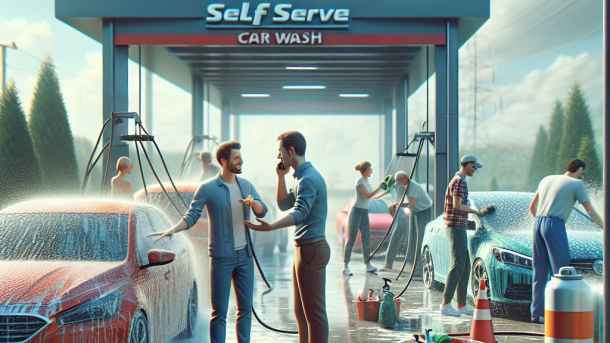
car cleaning

Is it dumb to get a car wash when it’s raining?

Table of Content

TITLE: Is it dumb to get a car wash when it’s raining?
COUNTRY CODE: US
LANGUAGE CODE: en
TABLE OF CONTENT:

  • Introduction
  • Why do people believe it’s dumb to wash a car in the rain?
  • The pros and cons of washing a car in the rain
    • Pros: Saving money and time
    • Cons: Limited cleaning effectiveness
    • Environmentally conscious decision
  • How rain affects the cleanliness of a freshly washed car
    • Acid rain and its impact on the car’s surface
    • Puddles and splashes: an inevitable consequence
  • When it might actually make sense to wash your car in the rain
    • The benefits of a pre-rain car wash
    • Situations that warrant a rainy-day wash
  • Tips for washing a car effectively during rainy weather
    • Choosing the right car wash products
    • Timing your wash for maximum benefit
  • Impact of rain on different types of car finishes
    • Paint finishes and protective coatings
    • Considerations for vintage and luxury cars
  • Key Takeaways
  • Conclusion

Is it dumb to get a car wash when it’s raining? Exploring the pros and cons

Introduction

Have you ever found yourself pondering the wisdom of washing your car while the skies weep above? It seems almost counterintuitive, doesn’t it? The notion of battling the elements with soap and water when Mother Nature’s tears are already doing half the job can feel like a paradox. Yet, the question remains: Is it dumb to get a car wash when it’s raining?

In this article, we’ll delve into the pros and cons of this perplexing practice, examining whether the stormy skies are a blessing or a curse for car enthusiasts. From the potential cost savings to the environmental impacts, we’ll leave no stone unturned. So, grab your umbrella and let’s journey into the world of car washing decisions in the rain.

And while we’re at it, let’s consider the bigger picture. Could this rainy-day ritual be an environmentally conscious choice? Or does it merely result in a less-than-stellar shine on your cherished vehicle? Stay tuned as we navigate through this stormy debate.

Why do people believe it’s dumb to wash a car in the rain?

Imagine you’re at the car wash, soap suds glistening under the overcast sky, and the attendant gives you a quizzical look. Why, indeed, do people think it’s foolish to wash a car when the heavens are open? It’s a question that has perplexed many, stirring up imagery of futility akin to painting in the rain.

At its core, this belief stems from the perceived contradiction between cleaning and nature’s relentless shower. The assumption is straightforward: the rain will clean the car anyway. However, this isn’t entirely accurate. Rain can often leave behind a residue of dirt and pollutants, leading to a car that is just as dirty, or even dirtier, than before. This is especially true in urban areas, where acid rain might leave a filmy layer on your car’s surface.

Moreover, the notion ties into the time-honored tradition of seeking the brightest shine after a car wash, a feat seemingly unattainable when raindrops are sabotaging your efforts. Yet, despite these beliefs, one may wonder, could there still be valid reasons to wash a car in the rain?

For those considering the economic aspect, it’s important to explore the financial dynamics. Understanding the cost of washing your car at home might shed light on decisions around rainy day washes.

The pros and cons of washing a car in the rain

Picture this: raindrops dance on your windshield as you drive to the car wash, wondering if this choice will save you time and money or leave you with a half-clean car. Like a double-edged sword, washing your car in the rain presents both benefits and drawbacks, much like deciding whether to walk through a field during a drizzle or wait for a sunny day.

Pros: Saving money and time

One of the enticing advantages of a rainy-day wash is the potential for saving money and time. With self-serve car wash profits fluctuating, some businesses offer discounts during rainy weather to attract customers. Capitalizing on these deals can be a smart move, allowing you to combine nature’s rinse cycle with a professional wash to achieve a cleaner car at a lower cost.

Cons: Limited cleaning effectiveness

Yet, the rain can be an unpredictable ally. While it may help rinse off surface dirt, it can also interfere with the cleaning process, making it difficult to achieve that pristine shine. Post-wash rain can lead to water spots and streaks, akin to trying to dry clothes in a storm. The cleaning effectiveness is often compromised, leaving some to wonder if the effort was worthwhile.

Environmentally conscious decision

On the flip side, washing your car in the rain could be seen as an environmentally conscious decision. By utilizing the rainwater, you reduce the amount of water used during the wash, a small yet meaningful contribution to conserving resources. Such an approach aligns with the environmentally friendly ethos that many aspire to, making it a choice worth considering for the eco-conscious driver.

In the end, deciding whether to wash your car in the rain is a balance of weighing these pros and cons. As we explore further, understanding how rain affects a freshly washed car could provide more clarity on this wet and wild decision.

How rain affects the cleanliness of a freshly washed car

There’s a certain irony in washing a car only to have it drenched by rain minutes later. Does this natural rinse cleanse your vehicle or undermine your efforts? Rain’s impact on a freshly washed car is akin to an artist’s brushstroke that can either enhance or obscure the masterpiece beneath.

Contrary to popular belief, rain doesn’t always leave cars squeaky clean. Often, it leaves a trail of mineral deposits and pollutants, forming unsightly water spots. This is especially true in areas with acid rain, where the raindrops carry acidic compounds that can mar the surface of your vehicle, impacting not just cleanliness but also the integrity of the paint.

Moreover, a freshly washed car faces the threat of splashes and puddles. Roads can transform into muddy obstacle courses, undoing the meticulous cleaning within seconds. It’s like polishing a gem, only to see it buried in sand.

Yet, understanding the dynamics of rain and car cleanliness can guide you in making informed decisions about car washing. For those curious about the broader financial implications of car maintenance, exploring how much one can make annually from a car wash business could offer valuable insights into the industry’s economics. You might want to check out annual earnings from owning a car wash.

Acid rain and its impact on the car’s surface

Imagine acid rain as an insidious artist, skillfully etching away at your car’s pristine facade. Comprised of sulfuric and nitric acids, this environmental villain has the potential to mar the glossy surface of your vehicle, leaving behind a canvas of blemishes. But how does this happen?

When acid rain falls on a freshly washed car, it can seep into the paint, causing chemical reactions that lead to corrosion and fading. Over time, these reactions can create a dull, weathered appearance, much like the patina on an ancient statue. The once-vibrant colors of your car might lose their luster, akin to a photograph left too long in the sun.

In areas plagued by industrial pollution, the effects of acid rain are more pronounced. It’s not just an aesthetic issue; the structural integrity of the paint can deteriorate, resulting in costly repairs. The impact of acid rain is a reminder that nature, while beautiful, can also be a relentless adversary.

Understanding the effects of acid rain on a car’s surface can help car enthusiasts and owners make informed decisions about maintenance and protection. For more insights into car washing practices, explore when it might be wise to refrain from washing your car by visiting when to avoid washing your car.

Puddles and splashes: an inevitable consequence

Imagine your car as a pristine canvas, freshly painted with care, only to be marred by the unpredictable strokes of paint splatters. Similarly, after a meticulous wash, the open road presents unavoidable hurdles in the form of puddles and splashes. It’s as if the universe conspires to undo the gleam you’ve just achieved.

These watery obstacles act as nature’s own wild paintbrush, splattering dirt and grime onto your vehicle’s surface. It’s a dance of chaos, where every puddle becomes a potential culprit, leaving behind trails of mud and debris. For many, this unintended artistry is a source of frustration, akin to watching a sandcastle succumb to the tide.

Despite the unpredictable nature of puddles, understanding their inevitability can help car owners strategize better. Opting for a wash before rain can occasionally mitigate the extent of this muddy assault. However, for those concerned about the long-term impacts of rain on car finishes, exploring how often cars should be washed might offer useful insights into maintaining that fresh-off-the-lot look.

As we navigate through these rainy day challenges, it’s essential to weigh the benefits and drawbacks. For those keen on making informed decisions, learning about the financial aspects of car washing businesses could be enlightening, like understanding the profitability of car washes.

When it might actually make sense to wash your car in the rain

Though it may seem like a paradox, there are certain scenarios where washing your car in the rain is not only sensible but advantageous. Think of it as nature’s way of providing a complementary rinse cycle, a symphony of water droplets working in harmony with your cleaning efforts. But when exactly does it make sense to embrace the rainy-day wash?

The benefits of a pre-rain car wash

Envision a situation where you wash your car just before the rain starts. The rainwater can act as a natural rinse, removing soap residue and leaving a fresh sheen. This strategy can be particularly helpful if you anticipate light showers rather than a deluge. For those interested in the environmental impact, exploring the investment potential of car washes could offer insights into eco-friendly practices.

Situations that warrant a rainy-day wash

There are times when a car wash during rain is more than convenient; it’s necessary. For instance, if you’re preparing for a special event or aiming to maintain a professional appearance, a clean car is essential, regardless of the weather. Moreover, if your car has been exposed to substances like bird droppings or tree sap, immediate washing can prevent damage, even if it means doing so in the rain.

Embracing these unique situations can turn the rain into an ally rather than an adversary. For additional car care tips during inclement weather, you might find it helpful to explore how frequently you should wash your car to maintain its pristine condition.

Tips for washing a car effectively during rainy weather

Washing a car in the rain might seem like a whimsical decision, but with the right approach, it can actually be quite effective. Imagine the rain as your co-pilot, working alongside you to achieve that gleaming finish. To make the most out of a rainy-day wash, a few well-considered tips can make all the difference.

Choosing the right car wash products

Like a painter selecting the perfect palette, choosing the right car wash products is crucial, especially when battling the elements. Opt for products designed to enhance water beading, such as waxes and sealants, which can help rainwater slide off the surface, minimizing streaks and spots. For those curious about the cost implications, understanding the cost of washing a car at home can provide useful insights.

Timing your wash for maximum benefit

Timing, they say, is everything. To harness the rain’s potential as a natural rinse aid, plan your wash around light showers rather than heavy downpours. This strategic timing allows the rain to assist in rinsing away soap residue, much like an unexpected encore at the end of a symphony. For those interested in the environmental perspective, exploring how automated car washes operate could shed light on efficient washing techniques.

By following these tips, you can turn a rainy day into a productive car washing opportunity. With the right products and timing, the rain becomes less of a hindrance and more of a helpful partner in maintaining your car’s shine.

Impact of rain on different types of car finishes

Just as a painter carefully chooses the right canvas for their masterpiece, car owners must consider how rain impacts different types of car finishes. Whether your vehicle sports a sleek modern paint job or boasts the unique charm of vintage lacquer, rain can play a varied role, much like a double-edged sword in the realm of automotive aesthetics.

Paint finishes and protective coatings

Modern paint finishes often come with protective coatings designed to shield against the elements. These coatings can help repel water, much like a knight’s shield deflecting arrows, reducing the risk of water spots and streaks. However, even with these defenses, persistent exposure to rain, especially acidic rain, can gradually erode the coating’s effectiveness, akin to the slow wearing down of armor over time. Understanding how rain interacts with protective coatings is crucial for maintaining that showroom shine. For further insights into maintaining car appearance, consider exploring the profitability of car washes which often include detailing services.

Considerations for vintage and luxury cars

For vintage and luxury cars, the rain can be a more formidable foe. These vehicles often have finishes that require extra care, much like a fragile antique that demands gentle handling. The absence of modern protective coatings means that rain, especially if it’s acidic, can cause more noticeable damage, leaving these automotive treasures vulnerable to the elements. Regular maintenance and careful washing techniques become essential to preserve their elegance. For those interested in the economics of maintaining such vehicles, exploring how much you can earn from a car wash business might provide a broader perspective on car care investments. Check out annual earnings from owning a car wash.

By understanding the impact of rain on different finishes, car owners can make informed decisions about protection and maintenance, ensuring their vehicle remains a gleaming testament to their care and attention.

Key Takeaways

As we navigate through the stormy debate of washing a car in the rain, several key takeaways emerge like guiding stars in a cloudy sky. First and foremost, the decision to wash your car during rainfall is not as black and white as it seems. It’s a decision that requires balancing pros and cons, much like choosing between the warmth of the sun and the cleansing power of the rain.

Economically, a rainy-day wash can present cost-saving opportunities, especially if local car washes offer discounts during inclement weather. However, the challenges of limited cleaning effectiveness, with potential water spots and incomplete drying, often linger like clouds after a storm.

Environmentally, embracing the rain as a natural rinse can be a conscientious choice, reducing water usage and aligning with eco-friendly practices. Yet, one must remain wary of the impacts of acid rain, which can harm a car’s surface, much like an unseen rust slowly eating away at metal.

Understanding the impact of rain on different car finishes, from modern protective coatings to the delicate surfaces of vintage cars, allows owners to make informed decisions on maintenance and care. For those curious about the financial aspects of car washing, exploring the profitability of car washes can offer valuable insights.

Ultimately, whether to embrace or avoid the rain during car washing is a personal choice. As we weigh these factors, the rain becomes less a hindrance and more a partner in our car care journey, with its own unique challenges and benefits.

Conclusion

In the grand tapestry of car maintenance, the decision to wash your car in the rain weaves its own intricate pattern. While it might initially seem like a fool’s errand, it’s essential to recognize the nuances involved in this decision. The rain, with all its unpredictable nature, can either be a benevolent ally or a mischievous foe, much like a capricious artist deciding the final strokes of a masterpiece.

Whether you choose to embrace the rain or wait for clearer skies, the key lies in understanding your car’s specific needs and the local environmental factors at play. For those pondering the implications of car washing, exploring the various facets of the car wash industry, such as investment opportunities and automated car wash earnings, can provide insightful perspectives.

Ultimately, the choice to wash your car in the rain is a reflection of personal priorities and environmental consciousness. As you ponder this decision, remember that the beauty of car care lies in its adaptability, and sometimes, the rain might just be the final touch needed to complete the picture.

Can you use Mr Clean in your car?

Table of Content

TITLE: Can you use Mr Clean in your car?
COUNTRY CODE: US
LANGUAGE CODE: en
TABLE OF CONTENT:

  • Introduction
  • What is Mr. Clean?
    • History and development
    • Common uses and effectiveness
  • Can Mr. Clean be used on car exteriors?
    • Pros and cons of using Mr. Clean on paint
    • Comparison with traditional car cleaning products
  • Is Mr. Clean safe for car interiors?
    • Using Mr. Clean on upholstery and carpets
    • Cleaning dashboards and other plastic surfaces
    • Considerations for leather interiors
  • Specific scenarios: When should you use Mr. Clean in your car?
    • Spills and stain removal
    • Deep cleaning before selling your car
    • Periodic maintenance vs. emergency cleaning
  • Best practices for using Mr. Clean in your car
    • Proper application techniques
    • Test areas to ensure safety
    • Alternative cleaning solutions for sensitive surfaces
  • Key Takeaways
  • Conclusion

Can you use Mr Clean in your car safely and effectively?

Introduction

Imagine driving your beloved car through the streets, only to realize it doesn’t quite shine like it used to. The grime, dirt, and stains have taken their toll. You might have wondered, “Can Mr. Clean be the magical solution to my car cleaning woes?” Known for its household prowess, Mr. Clean conjures images of spotless surfaces and pristine cleanliness.

But when it comes to your car, can this cleaning titan maintain its reputation? In this article, we’ll explore whether Mr. Clean is suitable for your car, examining its uses, benefits, and potential pitfalls. From handling stubborn stains to achieving a gleaming finish, we’ll uncover if this household hero can transition to your driveway.

We’ll delve into the depths of Mr. Clean’s capabilities, comparing it with traditional car cleaning products, and considering the safety of its use on both interiors and exteriors. Let’s embark on this journey to discover if Mr. Clean can truly make your car sparkle, or if it’s better left in the confines of your home.

What is Mr. Clean?

Mr. Clean, a household name in the realm of cleaning products, is like a magician’s wand for many homeowners. But how did this iconic brand come to be? The story of Mr. Clean began in the 1950s, developed by Linwood Burton, a marine ship cleaning businessman, who sought a more effective and safer alternative to harsh chemicals. Over the years, Mr. Clean has become synonymous with cleanliness, evolving to address a myriad of cleaning challenges.

In the world of cleaning, Mr. Clean is renowned for its versatility and effectiveness. From cutting through kitchen grease to eradicating stubborn bathroom mold, it has become a staple in many households. But with such a wide range of applications, the question arises: Can its magic be applied to car cleaning as well?

Interestingly, some car enthusiasts have experimented with using Mr. Clean on their vehicles, hoping to achieve the same spotless results. But before you reach for that bottle, it’s essential to understand its composition and evaluate if it’s truly compatible with your car’s surfaces.

History and development

The tale of Mr. Clean begins as a fascinating journey into the realm of cleanliness. It was the 1950s, a time when Linwood Burton, a marine ship cleaning entrepreneur, was on a mission to find a more efficient and less hazardous cleaning solution for ships. The result was the birth of Mr. Clean, a product that would eventually sweep across households worldwide, transforming cleaning practices.

Initially designed to tackle stubborn ship dirt, Mr. Clean quickly found its way into homes, thanks to its powerful yet gentle cleaning prowess. The product’s evolution over the decades is a testament to its adaptability, with new formulations and variations catering to an ever-growing list of cleaning needs. As the brand expanded, it became synonymous with sparkling cleanliness, a reputation it proudly upholds today.

But what about applying this household marvel to car cleaning? The possibility of using Mr. Clean on vehicles has intrigued many, prompting comparisons with traditional car cleaning products. Its versatility opens doors to potential uses beyond the home, yet it’s crucial to evaluate its compatibility with car surfaces before embarking on a cleaning adventure.

To learn more about Mr. Clean’s journey and explore its range of products, you can visit the Procter & Gamble official website.

Common uses and effectiveness

Mr. Clean has long been the unsung hero in households, tackling grime and dirt with an ease that could make even the messiest of homes shine like a star. From kitchen counters to bathroom tiles, its prowess is unmatched. But how does this cleaning virtuoso fare when it comes to cars?

For many, Mr. Clean is synonymous with versatility. It swiftly cuts through grease, lifts stubborn stains, and leaves surfaces gleaming. This versatility makes it a popular choice in a variety of cleaning scenarios. However, when considering car cleaning, one must tread carefully. While Mr. Clean may be effective in maintaining the sparkle of kitchen counters, it may not be as gentle on car paint and interiors.

Car enthusiasts often debate its effectiveness compared to traditional car cleaning products. While some swear by its ability to remove tough stains, others caution against its potential to strip away protective coatings. Thus, understanding when and how to use Mr. Clean in your car can save you from unintended mishaps.

To explore more about the various uses of Mr. Clean and its formulation, you can visit its dedicated page on Wikipedia.

Can Mr. Clean be used on car exteriors?

Picture this: your car gleaming under the sun, a reflection so clear you could almost mistake it for a mirror. This is what many of us envision when we think about the perfect car wash. But can the household hero, Mr. Clean, be the magic potion for our car’s exterior? Let’s dive into the possibilities and challenges.

Mr. Clean’s cleaning prowess is legendary in households, but when it comes to car exteriors, the tale takes a different turn. While its potent formula can remove stubborn grime, there’s a potential risk to consider. The very strength that makes Mr. Clean effective on home surfaces could potentially be too harsh for car paint.

Car enthusiasts often weigh the pros and cons of using household products versus traditional car cleaning solutions. While Mr. Clean might make your car sparkle in the short term, it’s crucial to evaluate its long-term effects on your vehicle’s paint and protective coatings. For those pondering the investment in car cleaning products, it’s essential to compare options and choose wisely. Delve into whether car washes are a good investment to gain more insight.

For a deeper understanding of car paint care and safe cleaning practices, you might find the information provided by the Environmental Protection Agency enlightening.

Pros and cons of using Mr. Clean on paint

Imagine Mr. Clean as a double-edged sword, ready to slash through dirt and grime but potentially leaving a mark on the surface it cleans. When it comes to car paint, this metaphor comes to life. Let’s explore the pros and cons of using Mr. Clean on your car’s exterior.

Pros:

  • Mr. Clean’s powerful formula can effectively remove tough stains, road tar, and grime that accumulate on your car’s paint.
  • Its versatility allows for cleaning multiple surfaces, offering a convenient all-in-one solution for your car cleaning needs.
  • It is readily available and often more affordable than specialized car cleaning products.

Cons:

  • The strong cleaning agents in Mr. Clean may strip away the protective wax or sealant on your car, potentially leading to dullness and fading over time.
  • Repeated use could damage the car’s paint, resulting in a less glossy finish and increased susceptibility to scratches.
  • Unlike products specifically designed for cars, Mr. Clean may not provide the same level of protection against environmental elements such as UV rays.

While Mr. Clean can offer a quick fix for stubborn dirt, it’s essential to be mindful of the potential impact on your car’s paint in the long run. For those considering the financial aspect, it may be worthwhile to investigate how owning a car wash can provide a more sustainable solution.

For further insights on maintaining your car’s paint and understanding the nuances of cleaning agents, you can explore the guidelines provided by the Autogeek’s Exterior Cleaning Guide.

Comparison with traditional car cleaning products

Imagine standing at a fork in the road, one path leading to the trusty Mr. Clean and the other to an array of traditional car cleaning products. Which route should you take for your car’s exterior? Let’s navigate this crossroads together by comparing these cleaning companions.

Traditional car cleaning products, often a staple in the automotive world, are like the expert craftsmen of the cleaning industry. Specifically formulated for vehicles, they provide a harmonious blend of cleaning power and protective care. Their ingredients are designed to uphold the delicate balance between removing dirt and preserving the paint’s integrity.

In contrast, Mr. Clean, with its multifaceted prowess, may seem like the jack-of-all-trades. While it can effectively cut through grime, its potent formula might not always be gentle on car surfaces, potentially removing protective coatings meant to guard against environmental damage.

When weighing the two options, consider the long-term effects on your vehicle. While Mr. Clean might offer a quick and convenient solution, traditional products are tailored to ensure your car maintains its sheen and durability. If you’re pondering whether automated car washes make money, it’s worth considering the investment in products designed to protect your vehicle over time.

For an in-depth understanding of traditional car care, the Consumer Reports provide valuable insights into selecting the best products for your car.

Is Mr. Clean safe for car interiors?

Imagine stepping into your car, greeted by the scent of freshness and the sight of spotless interiors. It’s a dream we all share. But can the household marvel, Mr. Clean, be your ally in achieving this pristine state? Let’s explore if this cleaning wizardry extends safely to your car’s interiors.

Mr. Clean, a maestro in household cleaning, often raises eyebrows when considered for car interiors. Its potent formula is undeniably effective, but is it gentle enough for delicate surfaces like upholstery and dashboards? When it comes to maintaining the charm of your car’s interiors, understanding the nuances of Mr. Clean’s applications is crucial.

For car enthusiasts, the debate continues: should one trust a household giant for their beloved vehicle, or stick to specialized products? The answer lies in understanding the balance between efficacy and safety. Discover more about the frequency of car washes and their impact on interior maintenance.

For clear insights into car interior cleaning practices, the AAA’s Guide to Car Interior Cleaning offers authoritative advice on maintaining a fresh and safe environment inside your vehicle.

Using Mr. Clean on upholstery and carpets

Imagine the plush softness of your car’s upholstery, the comforting feel of the carpets beneath your feet. Now, picture the unsightly stains and dirt that can mar this serene interior. Enter Mr. Clean, the household maestro renowned for tackling grime. But can it wave its magic wand over your car’s upholstery and carpets?

Mr. Clean’s versatility is its superpower, and many have turned to it for a quick fix on fabric surfaces. Its potent formula can effectively lift stains and refresh carpets, offering a tempting solution for car owners. However, caution is advised. While Mr. Clean may work wonders in the kitchen, its strength could potentially be too harsh for car fabrics, risking discoloration or damage.

Before embarking on a cleaning spree, it’s wise to test a small, inconspicuous area of your car’s upholstery or carpet. This precaution ensures that Mr. Clean’s mightiness doesn’t inadvertently spoil the beauty of your interior. For a deeper understanding of car interior care, explore the guidelines provided by the Consumer Reports.

To further ensure the longevity and cleanliness of your car’s interior, consider the benefits of regular maintenance. Learn more about the financial aspects of car cleaning and explore how self-serve car washes can be an investment for maintaining your vehicle’s pristine state.

Cleaning dashboards and other plastic surfaces

Imagine the sleek design of your car’s dashboard, a control center that deserves the same care and attention as the cockpit of a high-tech aircraft. Mr. Clean stands ready, like a trusty co-pilot, to ensure your dashboard and plastic surfaces remain spotless. But is this household hero truly up to the task?

With its powerful formula, Mr. Clean can effectively remove dust, grime, and fingerprints from dashboards and plastic surfaces, leaving them polished and refreshed. However, caution is key when using Mr. Clean on sensitive car interiors. Its strength may lead to unintended consequences, such as fading or discoloration over time.

For those who cherish the allure of a pristine dashboard, consider testing Mr. Clean on a small, hidden area before applying it broadly. This ensures that its potency doesn’t inadvertently dull the shine of your car’s interior. To explore further cleaning techniques and products, the Consumer Reports offers valuable insights into maintaining a spotless and safe interior environment.

For car owners considering the broader financial implications of maintaining a clean vehicle, it’s worth exploring how self-service car washes can be both an investment and a practical solution for regular maintenance.

Considerations for leather interiors

Picture the luxurious feel of your car’s leather seats, an epitome of elegance and comfort. But with luxury comes responsibility, and maintaining that pristine leather requires careful thought. Can the mighty Mr. Clean extend its magic touch to these sophisticated surfaces?

While Mr. Clean showcases its prowess across various cleaning tasks, leather interiors demand a gentler approach. The potent formula that works wonders on other surfaces may be too robust for delicate leather, potentially stripping away essential oils and causing it to dry out or crack. Therefore, caution is paramount when considering Mr. Clean for leather interiors.

For those who cherish the allure of their leather seating, the key is to opt for products specifically designed for leather care. These products provide the nourishment and protection needed to retain that supple texture and elegant sheen. To further explore the nuances of car interior maintenance, consider the insights provided by the Wikipedia on Leather Care.

Understanding the balance between cleaning and preservation is crucial for maintaining your car’s interior charm. For those pondering the financial aspects of car cleaning, exploring how car washes can be a wise investment might provide valuable insights into effective maintenance strategies.

Specific scenarios: When should you use Mr. Clean in your car?

Imagine the unexpected happens—a coffee spill during your morning commute or a mysterious stain appearing after a family road trip. In such scenarios, Mr. Clean can become your trusty sidekick, ready to tackle those sudden cleaning emergencies with finesse. But when is it truly appropriate to call upon this household hero for your car?

Mr. Clean shines brightest in situations requiring targeted stain removal. Its powerful formula can swiftly address spills, restoring your car’s surfaces to their former glory. Yet, it’s essential to exercise caution, ensuring the cleaning agent is suitable for the specific material you’re addressing. For those contemplating a thorough deep cleaning before selling your car, Mr. Clean can offer a quick uplift, making interiors and exteriors presentable to potential buyers.

However, for regular maintenance, it’s wise to balance between using Mr. Clean and products specifically designed for automotive care. This ensures long-term protection and preservation of your car’s surfaces. Understanding the best practices for using Mr. Clean, alongside alternative solutions, can help maintain your vehicle’s pristine condition without compromising its integrity.

For further insights into maintaining your car’s cleanliness and evaluating the cost-effectiveness of different cleaning methods, you might explore resources like the Consumer Reports.

Spills and stain removal

Picture this: you’re on a delightful road trip, enjoying your favorite iced coffee, when suddenly, a bump in the road turns your cup into a fountain, splashing its contents onto your car’s seat. In such moments of chaos, Mr. Clean can be your cleaning knight in shining armor, equipped to tackle spills and stains with aplomb.

Mr. Clean’s potent formula excels in breaking down stubborn stains, making it a formidable ally in unexpected spill scenarios. Whether it’s a splash of coffee or a splotch of ketchup, this cleaning marvel can work wonders to restore your car’s interior to its former glory. However, it’s vital to remember the diversity of car materials. Conducting a small patch test on upholstery or carpets ensures Mr. Clean’s mightiness doesn’t inadvertently cause discoloration or damage.

For those who frequent self-serve car washes, incorporating periodic maintenance can prevent stains from becoming permanent fixtures. If you’re curious about the financial benefits of such services, consider exploring how self-serve car washes are a sound investment. Additionally, for comprehensive guidance on stain removal and effective cleaning strategies, the Consumer Reports offers expert insights into tackling car interior mishaps.

Deep cleaning before selling your car

Picture this: your trusty car, a loyal companion on countless journeys, is now ready for a new owner. But before you hand over the keys, it’s time to give it a thorough makeover. Enter Mr. Clean, poised to transform your vehicle into a gleaming masterpiece, ready to impress potential buyers.

Deep cleaning your car before selling it can be a game-changer. The magic of Mr. Clean lies in its ability to tackle stubborn grime and refresh both interiors and exteriors with ease. A spotless car not only enhances its aesthetic appeal but also potentially increases its resale value, making it a more enticing proposition for buyers.

However, while Mr. Clean can work wonders, it’s crucial to complement its use with products specifically designed for automotive care. This ensures the long-term preservation of your car’s surfaces and avoids any unintended damage. For those considering the financial implications of car cleaning, exploring whether car washes are a wise investment might uncover cost-effective strategies for maintaining a pristine vehicle.

For a comprehensive guide on preparing your car for sale, you might find the insights provided by Kelley Blue Book invaluable, offering expert advice on maximizing your car’s market appeal.

Periodic maintenance vs. emergency cleaning

Imagine your car as a cherished garden, where regular care ensures its lush beauty, while sudden storms demand immediate attention. In the world of car care, periodic maintenance and emergency cleaning are akin to these two scenarios, each requiring a distinct approach.

Periodic maintenance is the gentle gardener, nurturing your car over time. Regular cleaning routines help preserve your vehicle’s appearance and functionality, preventing dirt and stains from taking root. Products like Mr. Clean can play a role in this upkeep, but it’s essential to balance them with specialized automotive solutions that cater to your car’s unique needs.

On the other hand, emergencies are the unexpected storms—a spilled coffee or a muddy adventure. In these moments, Mr. Clean can be your quick-acting savior, swiftly addressing spills and stains before they set in. However, caution is key; always ensure its suitability for the affected material, conducting a patch test if needed.

For those considering the financial implications of regular car maintenance, exploring how automated car washes could be a worthwhile investment might offer valuable insights. Additionally, for expert advice on balancing periodic and emergency cleaning, the Consumer Reports provides comprehensive guidance on effective car care strategies.

Best practices for using Mr. Clean in your car

When it comes to using Mr. Clean in your car, think of it as wielding a mighty sword; powerful, but requiring a deft hand. To harness this power without causing harm, consider following these best practices.

First, always start with a test area. Much like a chef tasting a dish before serving it, apply Mr. Clean to a small, inconspicuous spot to ensure it doesn’t damage the surface. This is especially crucial for delicate fabrics and painted areas.

Next, remember the art of proper application techniques. Dilute Mr. Clean appropriately and use a soft cloth or sponge to gently clean, avoiding abrasive materials that could scratch or damage. A gentle touch is key to preserving your car’s surfaces.

For sensitive surfaces, consider alternative cleaning solutions tailored to specific materials. Leather interiors, for example, are best treated with products designed to nourish and protect this luxurious material. You might want to explore recognized leather care techniques to maintain that supple charm.

Balancing Mr. Clean’s power with careful application can transform your car without unintended consequences. For those interested in the financial side of maintaining a pristine vehicle, exploring whether investing in car washes is beneficial might provide insightful strategies.

Proper application techniques

When it comes to using Mr. Clean in your car, think of it as wielding a mighty sword; powerful, but requiring a deft hand. To harness this power without causing harm, consider following these best practices.

First, always start with a test area. Much like a chef tasting a dish before serving it, apply Mr. Clean to a small, inconspicuous spot to ensure it doesn’t damage the surface. This is especially crucial for delicate fabrics and painted areas.

Next, remember the art of proper application techniques. Dilute Mr. Clean appropriately and use a soft cloth or sponge to gently clean, avoiding abrasive materials that could scratch or damage. A gentle touch is key to preserving your car’s surfaces.

For sensitive surfaces, consider alternative cleaning solutions tailored to specific materials. Leather interiors, for example, are best treated with products designed to nourish and protect this luxurious material. You might want to explore recognized leather care techniques to maintain that supple charm.

Balancing Mr. Clean’s power with careful application can transform your car without unintended consequences. For those interested in the financial side of maintaining a pristine vehicle, exploring whether investing in car washes is beneficial might provide insightful strategies.

Test areas to ensure safety

Imagine embarking on a culinary adventure, where each new recipe demands a taste test—similarly, using Mr. Clean in your car requires a meticulous approach to ensure safety. This begins with the concept of test areas, a crucial step in safeguarding your vehicle’s surfaces.

Before unleashing the power of Mr. Clean across your car, consider it like a painter testing shades on a canvas. Select a discreet spot on your car’s interior, such as under a seat or a corner of the dashboard, and apply a small amount. This test area acts as your safety net, revealing how Mr. Clean interacts with the material without risking the entire surface.

By adopting this precaution, you’re not only ensuring the safety of your car’s interiors but also preserving the investment you’ve made in its upkeep. For those curious about the financial benefits of regular car maintenance, exploring how automated car washes generate revenue might offer valuable insights into sustaining your vehicle’s pristine condition.

For further guidance on maintaining your car’s interior, the Consumer Reports provides expert advice on effective cleaning techniques and strategies.

Alternative cleaning solutions for sensitive surfaces

Picture your car’s interior as a delicate tapestry of textures and materials, each requiring its own gentle touch. When Mr. Clean’s mighty power feels too robust for certain surfaces, it’s time to explore alternative cleaning solutions that cater to your car’s unique needs.

Think of sensitive surfaces like leather seats or intricate dashboard panels as rare gems that need special care. Here, products specifically designed for these materials shine brightest. Leather conditioners, for example, are akin to a nourishing balm, ensuring your seats remain supple and crack-free. Similarly, specialized dashboard cleaners preserve the luster and integrity of your car’s control center.

For those who cherish their car’s luxurious features, it’s vital to seek out these tailored solutions. Protecting these surfaces not only enhances your driving experience but also safeguards the investment you’ve made in your vehicle. To delve deeper into the world of specialized car care, consider exploring the insights provided by Wikipedia on Leather Care.

Balancing Mr. Clean’s power with alternative solutions ensures a comprehensive approach to maintaining your car’s elegance. For those pondering the financial aspects of car maintenance, investigating whether car washes are a sound investment might provide valuable perspectives on effective car care strategies.

Key Takeaways

In the quest to keep your car looking its best, Mr. Clean emerges as a versatile ally, yet wielding its power requires thoughtful consideration. Whether tackling stubborn stains or refreshing interior surfaces, the key lies in understanding its strengths and limitations.

Versatility and Caution: Mr. Clean’s potent formula can effectively tackle grime on both interiors and exteriors. However, caution is crucial, especially on sensitive surfaces like car paint and leather, to avoid unintended damage.

Test and Explore: Always start with a test area to ensure compatibility and safety. This precautionary step protects your car’s surfaces and preserves their integrity.

Alternative Solutions: For delicate materials, seek out products specifically designed for automotive use. These tailored solutions ensure long-term preservation and enhance your car’s allure.

By balancing Mr. Clean’s power with careful application and alternative options, you can maintain your car’s beauty without compromising its integrity. For those considering the financial aspects of car maintenance, exploring whether car washes are a sound investment might provide valuable insights into effective strategies for preserving your vehicle’s pristine condition.

Conclusion

As we delve into the world of car care, the question of whether Mr. Clean can be your car’s best friend remains nuanced. While its potent formula offers a tempting solution for stubborn stains and grime, it requires careful consideration and application to avoid unintended damage to your vehicle’s surfaces. Remember, as with any powerful tool, wielding it requires both caution and skill.

In the grand tapestry of car cleaning, Mr. Clean emerges as a versatile ally, yet its power must be balanced with specialized automotive products that cater to your car’s unique needs. By understanding when and how to use Mr. Clean, you can keep your car’s surfaces pristine without compromising their integrity. For those contemplating the financial aspects of maintaining a clean vehicle, exploring whether car washes are a sound investment might provide valuable perspectives on effective car care strategies.

As you embark on your car cleaning journey, consider the key takeaways we’ve explored—versatility, caution, testing, and alternative solutions. By doing so, you’ll not only preserve your car’s beauty but also ensure its longevity and value. In the end, a well-maintained car is like a treasured companion, ready to accompany you on countless adventures with a renewed sense of pride and charm.

How often does the average person get a car wash?

Table of Content

TITLE: How often does the average person get a car wash?
COUNTRY CODE: US
LANGUAGE CODE: en
TABLE OF CONTENT:

  • Introduction
  • The Importance of Car Washes
  • Factors Influencing Car Wash Frequency
    • Climate and Environment
    • Type of Vehicle
    • Personal Preferences and Habits
  • How Often Do People Generally Wash Their Cars?
    • Survey Data and Statistics
    • Regional Differences in Car Wash Frequency
  • Types of Car Washes
    • Automatic Car Washes
    • Self-Service Car Washes
    • Professional Detailing Services
  • Benefits of Regular Car Washes
    • Protecting Vehicle Paint and Finish
    • Preserving Vehicle Value
    • Improving Aesthetic Appeal
  • Environmental Considerations and Alternatives
    • Water Usage and Conservation
    • Eco-Friendly Car Wash Options
  • Tips for Maintaining a Clean Car Between Washes
    • Routine Cleaning Practices
    • Using Waterless Car Wash Products
  • Key Takeaways
  • Conclusion

How often should you wash your car, and what influences the frequency?

Introduction

Have you ever wondered how the shimmering beauty of a freshly washed car seems to turn heads on the street? It’s more than just a sparkle; it’s a reflection of care and pride in one’s vehicle. But, how often should one indulge in the ritual of a car wash to maintain this allure? The answer isn’t as straightforward as one might think. It varies based on several factors, including individual habits and environmental conditions.

In this exploration, we’ll delve into the average car wash frequency, uncovering the influences that govern this seemingly mundane yet crucial aspect of car maintenance. From the impact of climate to the nuances of personal preferences, we aim to illuminate the path to a cleaner, more pristine vehicle. As we journey through the world of car washing, we’ll also consider the potential benefits of regular washing, such as protecting your vehicle’s value and appearance. Join us as we embark on this enlightening ride!

For further insights into car washing practices, you might find the comprehensive data and guidelines from the Environmental Protection Agency enlightening.

The Importance of Car Washes

Imagine your car as a loyal companion, always ready to take you on adventures, whether through bustling city streets or serene countryside roads. Just like any trusty sidekick, your vehicle needs a bit of pampering to stay in prime condition. Regular car washes are not just about keeping up appearances; they are an essential part of vehicle maintenance.

Dirt, grime, and environmental pollutants can cling to your car’s surface like unwelcome guests, slowly eroding the paint and finish. A regular car wash acts as a protective shield, warding off these intruders and ensuring your vehicle’s longevity. Furthermore, a clean car can contribute to better fuel efficiency by reducing aerodynamic drag—a feature often overlooked. To understand more about how often you should wash your car to maintain its optimal state, consider exploring how often you should wash your car.

In a world where first impressions matter, your car’s gleaming exterior can speak volumes. Whether it’s impressing a client or simply boosting your own confidence, a well-maintained car is your statement piece. To dive deeper into the benefits and considerations of regular car washes, you might also want to check resources like the Consumer Reports, which provide valuable insights into effective car maintenance practices.

Factors Influencing Car Wash Frequency

Have you ever pondered why some drivers wash their cars religiously, while others seem to let the dust settle for weeks on end? The frequency of car washes is influenced by a tapestry of factors that intertwine like a masterful painting.

From the relentless embrace of the climate to the unique demands of the vehicle type, each element plays a part in shaping our car washing habits. Even personal preferences and habits weave their way into this intricate dance, guiding how often we decide to give our beloved vehicles a refreshing cleanse.

Understanding these factors not only sheds light on our car washing routines but also unlocks the secrets to preserving the allure of our vehicles. To explore this further, consider diving into insights on how often you should wash your car and uncover the mysteries behind maintaining that sparkling shine.

Additionally, insights from reputable sources like NOAA Weather can provide valuable information about local climate impacts, helping you tailor your car wash schedule to your specific environment.

Climate and Environment

The climate and environment are like the invisible puppeteers controlling the strings of our car washing frequency. Imagine living in a coastal area where salty sea breezes dance around your vehicle, leaving a corrosive trail. In such places, the need for frequent car washes becomes as essential as breathing.

Conversely, in arid regions where dust storms are a regular visitor, the car might wear a dusty veil, urging its owner to reach for the hose more often. These environmental elements act as the unseen artists painting patterns of grime, dust, and salt on our cars, influencing how often we feel compelled to wash them.

For a more comprehensive understanding of how environmental factors affect car washing habits, exploring resources like the NOAA Weather can offer insights into local climatic conditions. Moreover, understanding the impact of weather conditions can guide you in determining how often you should wash your car to combat these environmental challenges effectively.

Type of Vehicle

The type of vehicle you own can be likened to the protagonist in a novel, dictating the narrative of your car washing routine. Picture a rugged off-road warrior, its tires caked with mud from thrilling adventures, demanding a more frequent visit to the car wash. In contrast, a sleek city sedan might glide through urban landscapes with minimal grime, requiring less frequent cleaning.

Each vehicle, with its unique purpose and design, influences how often it needs a wash. Larger vehicles like SUVs and trucks, often used for outdoor escapades, may gather more dirt and debris than their compact counterparts. Meanwhile, luxury cars, with their impeccable finishes, might beckon for frequent care to maintain their pristine allure.

To delve deeper into understanding how vehicle type impacts washing frequency, you can consider exploring insights on whether it’s better to hand wash or go to a car wash. Additionally, exploring authoritative insights like those from Car and Driver can provide valuable information on specific vehicle care needs, helping you tailor your car wash routine to your vehicle’s demands.

Personal Preferences and Habits

When it comes to car washing, personal preferences and habits are like the brushstrokes that paint the final touches on a masterpiece. Each driver, with their unique inclinations, dictates how often their vehicle receives a bath. Some see their cars as extensions of themselves, craving that perfect shine and making car washing a weekly ritual. Others might prefer a more laid-back approach, content with a monthly cleanse.

Imagine a person who views their car wash as a therapeutic escape, a moment to unwind and bond with their vehicle. For them, the frequency may be higher, driven by the joy of the process rather than necessity. Conversely, someone with a hectic schedule might stretch the intervals, prioritizing convenience over the pristine gleam.

Understanding your own habits can help you determine the ideal washing routine for your lifestyle. To further explore how personal washing habits align with vehicle maintenance, you might find it helpful to consider if it’s cheaper to wash at home or a car wash. Additionally, insights from resources like Psychology Today can provide intriguing perspectives on how personal habits form and influence behavior, including car maintenance practices.

How Often Do People Generally Wash Their Cars?

When it comes to washing cars, frequency is as varied as the colors of a rainbow. People approach this task with different mindsets, influenced by a combination of factors that we’ve explored in earlier sections. But what does the data say? How often does the average person get a car wash?

On average, car owners tend to drive their vehicles through a wash every two weeks, but this is not a hard-and-fast rule. Some enthusiasts might indulge in weekly washes, while others might stretch it out to once a month or even longer. The decision often hinges on factors like climate, vehicle type, and personal habits.

To paint a clearer picture of these trends, let’s dive into some survey data and statistics that reveal the fascinating variations in car washing habits across different regions and demographics. Alongside this, you might find it interesting to explore how various car wash facilities handle varying volumes of vehicles, providing a broader perspective on car washing practices.

Survey Data and Statistics

Peering into the world of car washes through the lens of survey data and statistics provides a fascinating glimpse into the habits and trends of vehicle owners. According to recent studies, about half of car owners in the United States wash their cars every two weeks. This frequency, however, often varies based on several factors, including climate, lifestyle, and personal preferences.

Interestingly, surveys reveal that urban dwellers tend to wash their cars more frequently than those in rural areas, possibly due to the higher levels of pollution and dirt in city environments. Moreover, statistics show that individuals with luxury vehicles or cars that are subject to harsh conditions—like salty coastal air or dusty rural roads—tend to invest more time in regular washing.

For those curious about the economic side of car washing, exploring the profitability of car wash businesses can provide insights into why car wash services are so prevalent and how they cater to varying consumer needs. Additionally, for more on vehicle washing habits, you might find the Statista automotive reports enlightening, offering comprehensive data on car maintenance trends and consumer behavior.

Regional Differences in Car Wash Frequency

Regional differences in car wash frequency are as varied as the landscapes they inhabit. Imagine the bustling streets of New York City, where vehicles are subjected to a constant barrage of dirt, grime, and pollutants. Here, frequent car washes are almost a necessity to maintain that coveted urban shine. Conversely, picture the wide open spaces of rural Montana, where the leisurely pace of life might allow a car’s dust coat to linger a bit longer.

These regional variations are influenced by factors such as climate, population density, and lifestyle. For instance, coastal areas might see salt and humidity take a toll on vehicles, prompting more frequent washes. Meanwhile, inland regions with less environmental stress might not require such regular attention. Understanding these differences helps tailor car washing habits to meet specific regional demands.

For those interested in exploring how regional climate impacts car maintenance, resources like NOAA Weather can provide valuable insights. Additionally, examining average car wash frequencies can further illuminate how geography plays a pivotal role in shaping car washing routines.

Types of Car Washes

Imagine a spectrum of options, each offering its unique approach to achieving that gleaming, freshly-washed car look. The world of car washes presents an array of choices, each catering to different needs and preferences. Whether you prefer the convenience of modern technology or the satisfaction of a hands-on approach, there’s a car wash type that aligns with your desires.

From the high-tech allure of automatic car washes, where machines delicately caress your vehicle with soap and water, to the hands-on experience of self-service facilities where you hold the power of the hose, each option offers its own charm. Or perhaps you crave the meticulous attention to detail provided by professional detailing services, where experts transform your car into a masterpiece.

As we explore these diverse types of car washes, consider how they fit into your routine and lifestyle. For those pondering whether it’s better to hand wash or go to a car wash, this section may provide valuable insights. Additionally, understanding the variety of car wash options can help you decide if it’s cheaper to wash your car at home or at a facility, offering a broader perspective on maintaining your vehicle’s shine.

Automatic Car Washes

Picture yourself driving into a car wash bay, where a symphony of machines awaits to perform their intricate dance. Automatic car washes are akin to an orchestra, with each component playing its part in delivering a harmonious and efficient cleaning experience. These facilities offer a convenient solution for busy individuals seeking a quick and effective way to maintain their vehicle’s shine.

With a simple drive-through process, your car undergoes a series of automated cleaning stages, from pre-soak to rinse, often completed in mere minutes. This mechanized approach is not just about speed; it ensures consistency, as each vehicle receives the same level of care, leaving no room for human error. However, the gentle caress of a machine may not always reach the nooks and crannies that a hand wash might.

For those contemplating whether an automatic wash is the right choice, it’s worth considering the balance between convenience and thoroughness. If you’re curious about how many cars these facilities can handle, explore insights on car wash volumes. Additionally, you might find the perspectives from Consumer Reports enlightening, offering valuable insights into the benefits and considerations of using automatic car washes.

Self-Service Car Washes

Picture yourself standing in the open air, wand in hand, ready to tackle the challenge of a self-service car wash. It’s a bit like being the artist and your car, the canvas. Here, you have the liberty to wield the hose, scrub the suds, and focus on every detail that demands your attention. Self-service car washes offer a unique blend of control and cost-effectiveness, allowing you to tailor the wash to your vehicle’s specific needs.

This hands-on approach is particularly favored by those who take pride in the personal touch. Whether it’s targeting a stubborn mud stain or ensuring the rims gleam like polished silver, the self-service option provides unparalleled flexibility. Plus, it can be a budget-friendly choice for those pondering if it’s cheaper to wash at home or a car wash, offering a middle ground between professional services and DIY methods.

For those curious about how self-service washes fit into the broader landscape of vehicle care, resources like Consumer Reports can offer valuable insights into the practicalities and benefits of this approach. Embrace the opportunity to be your car’s personal caretaker and enjoy the satisfaction of a job well done!

Professional Detailing Services

Imagine entrusting your vehicle to a team of skilled artisans, where each stroke and polish is executed with precision and care. Professional detailing services are akin to a spa day for your car, offering an unparalleled level of attention to detail and craftsmanship. These services go beyond the ordinary wash, delving into the intricacies of your vehicle’s interior and exterior to achieve a pristine finish.

Unlike a typical car wash, professional detailing encompasses a comprehensive range of services—from meticulous hand washes and wax applications to interior vacuuming and leather conditioning. It’s an experience tailored for those who seek perfection, transforming your vehicle into a gleaming masterpiece. For those curious about how often such services are utilized, you might find it intriguing to explore the recommended frequency of car washing.

For anyone pondering the investment in professional detailing, it’s worth considering the long-term benefits of maintaining your vehicle’s aesthetic and value. To explore more about professional detailing and its impact on vehicle maintenance, resources like Autoblog offer valuable insights and tips, helping you make an informed decision about this luxurious car care option.

Benefits of Regular Car Washes

Imagine your car as a gleaming knight, ready to conquer the roads with its polished armor. Regular car washes are the secret to keeping your vehicle’s shine and maintaining its value. Just as a knight’s armor requires care to stay free from rust and tarnish, so does your car need regular washing to fend off dirt and grime.

A regular car wash routine is not just a cosmetic indulgence; it plays a vital role in vehicle maintenance. By routinely washing your car, you protect its paint and finish from corrosive elements like road salts, bird droppings, and pollutants that cling like unwanted barnacles. This protective measure can save you from costly repairs and repainting in the future. For more insights on how regular washing can maintain your car’s value, you might want to explore the cost-effective benefits of car washing.

For those interested in understanding more about the environmental aspects of car washing, the Environmental Protection Agency offers guidelines that highlight the environmental advantages of frequent car washes, ensuring that your vehicle care routine is both effective and eco-friendly.

Protecting Vehicle Paint and Finish

Think of your car’s paint and finish as a delicate shield, protecting the heart of your vehicle from the relentless elements. Just like a knight’s armor, it requires diligent care to maintain its integrity and brilliance. Regular car washes are akin to polishing that armor, ensuring it remains untarnished by the ravages of time and environment.

When dirt, grime, and pollutants cling to your vehicle’s surface, they act as abrasive agents, slowly wearing away the protective layers. Frequent washing acts as a safeguard, removing these harmful substances before they can cause any damage. This simple yet effective routine can prevent rust, fading, and chipping, preserving your car’s aesthetic appeal and resale value.

For those curious about how often to wash their vehicle to ensure optimal protection, exploring insights on how often you should wash your car can provide valuable guidance. Additionally, understanding the importance of protecting your vehicle’s paint and finish can be further enhanced by resources like the Autoblog guide on paint protection, offering practical tips and techniques to maintain that showroom shine.

Preserving Vehicle Value

Imagine your vehicle as a prized possession, a timeless artifact that holds both sentimental and monetary value. Regular car washes are akin to a gentle curator, preserving the allure and worth of your treasured asset. Much like artwork, a vehicle’s value can diminish if not maintained, and neglecting its exterior could lead to costly devaluation.

Consistent car washing is more than just aesthetic upkeep; it protects your investment. By removing dirt, salt, and contaminants, you shield your vehicle from rust and corrosion, which are notorious for eating away at its resale value. A well-maintained car, with its paint and finish in pristine condition, often fetches a higher price in the market, reflecting its cared-for history.

For those pondering the financial benefits of maintaining a clean car, exploring insights on the cost of regular car washes might offer intriguing perspectives. Additionally, understanding how regular cleaning impacts vehicle depreciation can be further explored through resources like the Kelley Blue Book guide, giving you valuable tips on preserving your vehicle’s worth over time.

Improving Aesthetic Appeal

Imagine your car as an artist’s canvas, where every wash enhances the masterpiece with gleaming hues and vibrant reflections. Regular car washes are like the brushstrokes that add depth and beauty, transforming a mundane vehicle into a head-turning spectacle. They are the guardians of brilliance, ensuring that your car’s exterior remains a dazzling testament to your care and attention.

Each wash removes the layers of dust and grime that dull the paint, revealing the lustrous finish beneath. It’s a bit like unveiling a hidden gem, where every sparkle and shine speaks volumes about your vehicle’s maintenance. Whether you’re cruising through sunlit streets or parked under a moonlit sky, a clean car exudes confidence and pride, inviting admiration from all who behold it.

For those who wish to delve deeper into maintaining their car’s aesthetic allure, exploring whether it’s better to hand wash or go to a car wash might provide helpful insights. Additionally, resources like Consumer Reports offer valuable information on safe car washing practices, ensuring your vehicle’s beauty is preserved without compromise.

Environmental Considerations and Alternatives

Imagine the world as a fragile ecosystem, where every drop of water counts and each action leaves a lasting imprint. Car washing, while essential for maintaining your vehicle, also carries environmental implications that merit thoughtful consideration. The average car wash can use up to 150 gallons of water, contributing to water wastage and pollution if not managed responsibly.

In the quest for a cleaner vehicle, it’s vital to explore eco-friendly alternatives that minimize environmental impact. Innovations in waterless car wash products, for instance, offer a sustainable solution, allowing you to achieve a spotless finish without excessive water use. These products, often composed of biodegradable ingredients, provide an effective cleaning method while conserving precious resources.

For those curious about environmentally responsible car washing practices, exploring the EPA guidelines can offer valuable insights into sustainable vehicle maintenance. Additionally, considering whether it’s more eco-friendly to wash at home or use a car wash can help you make informed decisions about reducing your environmental footprint.

Water Usage and Conservation

Picture water as the lifeblood of our planet, a precious resource that sustains all living things. In the realm of car washing, water usage looms as a significant concern, with the potential for wastage casting a shadow over even the shiniest vehicles. On average, a single car wash might consume between 40 to 150 gallons of water, an amount that could fill an entire swimming pool if multiplied by the number of vehicles washed daily.

Thankfully, innovative minds have crafted solutions that allow us to indulge in car cleaning without compromising our environmental responsibilities. Water recycling systems, used in many commercial car washes, are akin to nature’s own cycle, capturing and purifying water for repeated use. Meanwhile, waterless car wash products offer an enchanting alternative, using sprays and biodegradable solutions to cleanse without a single drop of water wasted.

For those pondering eco-friendly car washing practices, delving into insights on whether it’s more sustainable to wash at home or at a car wash may provide valuable perspectives. Additionally, resources like the EPA’s WaterSense program offer guidance on water conservation, ensuring your car’s gleam doesn’t come at the planet’s expense.

Eco-Friendly Car Wash Options

Imagine a world where your car sparkles like a gem, and the planet breathes a sigh of relief. Eco-friendly car wash options are the bridge between maintaining your vehicle’s allure and preserving our precious environment. These alternatives offer a harmonious blend of cleanliness and conservation, ensuring that every wash is a gentle caress rather than a harsh footprint.

From waterless car wash products, which use innovative formulas to lift dirt without a drop of water, to biodegradable soaps that leave no trace behind, these options are tales of ingenuity and responsibility. Many modern car washes also employ water recycling systems, akin to nature’s own cycles, ensuring that the water usage is minimal and sustainable.

For those curious about how often to embrace these eco-friendly practices, exploring insights on how often cars should be washed can provide guidance on balancing vehicle care with environmental consciousness. Additionally, resources like the Union of Concerned Scientists offer valuable insights into eco-friendly washing techniques, empowering you to make environmentally sound choices while maintaining your vehicle’s shine.

Tips for Maintaining a Clean Car Between Washes

Imagine trying to keep a sandcastle intact as the tide rolls in—maintaining a clean car between washes can sometimes feel just as challenging. Yet, with a few simple habits, you can keep your vehicle looking fresh, extending that just-washed sparkle for longer.

Consider incorporating routine cleaning practices into your schedule. A quick wipe-down of the interior with a microfiber cloth can prevent dust from settling, while a portable vacuum keeps crumbs and debris at bay. For the exterior, a simple rinse with water can wash away loose dirt and prevent buildup. These small gestures are akin to daily grooming, ensuring your car remains pristine.

For those interested in exploring cost-effective ways to maintain their vehicle’s cleanliness, you might find insights on whether it’s cheaper to wash at home or a car wash valuable. Additionally, resources like Consumer Reports offer practical advice on keeping your car clean without breaking the bank.

Routine Cleaning Practices

Imagine your car as a cherished book, its pages open to the elements, collecting dust and fingerprints with every journey. Routine cleaning practices are like the gentle, loving care you give to a prized novel, preserving its beauty and ensuring it remains a joy to behold.

Start with the basics: a quick interior wipe-down using a microfiber cloth can work wonders, sweeping away dust and crumbs that settle like forgotten memories. A portable vacuum becomes your trusty companion, whisking away debris that might otherwise linger in the crevices. For the exterior, a simple rinse with water can act as a refreshing splash, preventing dirt from embedding itself into the paint.

These small yet impactful gestures are akin to daily grooming, keeping your car looking polished between washes. If you’re pondering the cost-effectiveness of maintaining your vehicle’s cleanliness, you might find insights on whether it’s cheaper to wash at home or a car wash valuable. Additionally, exploring resources like Consumer Reports can provide practical advice on keeping your car clean without breaking the bank.

Using Waterless Car Wash Products

Imagine a world where your car gleams in the sun, and not a drop of water is wasted. Enter the realm of waterless car wash products, where innovation meets environmental consciousness. These remarkable formulas are akin to a magician’s spell, lifting dirt and grime from your vehicle’s surface with just a spray and a wipe—no hose required.

Waterless car wash products are not only a boon for the environment but also a time-saving solution for those on the go. Picture yourself, cloth in hand, transforming your car into a shining masterpiece without the hassle of setting up hoses or dealing with water runoff. It’s as simple as spraying the solution onto the surface and gently wiping away the dirt, leaving behind a streak-free shine.

For those pondering the cost-effectiveness of these products, exploring insights on whether it’s cheaper to wash at home or a car wash can provide valuable perspectives. Additionally, resources like the Union of Concerned Scientists offer insights into the environmental benefits of waterless car wash options, empowering you to make eco-friendly choices while maintaining your car’s pristine appearance.

Key Takeaways

As we journey through the world of car washing, several insights emerge, painting a comprehensive picture of this essential vehicle maintenance ritual. Regular car washes are not just about aesthetics; they are a vital component in preserving your vehicle’s value and longevity. Whether you drive through an automatic car wash or opt for professional detailing, each choice offers its unique benefits and considerations.

The frequency with which people wash their cars is influenced by a myriad of factors, including climate, the type of vehicle, and personal preferences. Understanding these factors can help you tailor a washing routine that meets the needs of both your car and your lifestyle. Moreover, the advent of eco-friendly car wash options paves the way for responsible vehicle care, ensuring that our desire for cleanliness doesn’t come at the planet’s expense.

Finally, maintaining a clean car between washes can be achieved through simple yet effective practices, such as using waterless car wash products, which offer a sustainable and convenient solution. By embracing these insights, you can ensure your car remains a gleaming companion on your journeys, reflecting the care and pride you have in your vehicle.

Conclusion

In the symphony of car maintenance, the car wash stands as a crescendo, harmonizing aesthetics, preservation, and environmental responsibility. As we’ve traversed the landscape of car washing, we’ve uncovered how factors like climate, vehicle type, and personal habits weave the fabric of our car cleaning routines. From the bustling streets of urban centers to the serene expanses of rural regions, each driver’s approach to car washing paints a unique picture.

Understanding the benefits of regular washing, such as protecting your vehicle’s paint and preserving its value, is crucial. For those weighing options, the choice between hand washing or using a car wash facility offers varying levels of convenience, thoroughness, and cost-effectiveness. Resources like the comparison of washing methods can guide you in making an informed decision.

Moreover, embracing eco-friendly alternatives ensures that our quest for a pristine vehicle doesn’t compromise our planet. Whether it’s through waterless products or sustainable practices, there’s a path to cleanliness that respects our environment. For further exploration, resources such as the Union of Concerned Scientists provide valuable insights into responsible car washing practices.

In the end, a clean car isn’t just a reflection of your vehicle’s care; it’s a testament to your commitment to preserving its beauty and value. Let these insights guide you in crafting a car washing routine that resonates with your lifestyle, keeping your vehicle as a gleaming companion on life’s journeys.

What percentage of Americans wash their cars?

Table of Content

TITLE: What percentage of Americans wash their cars?
COUNTRY CODE: US
LANGUAGE CODE: en
TABLE OF CONTENT:

  • Introduction
  • The importance of washing your car
  • Statistics on car washing in the US
    • Percentage of Americans who wash their cars regularly
    • Frequency of car washing among Americans
  • Factors influencing car washing habits
    • Geographical differences in car washing
    • Climate and weather considerations
    • Urban vs. rural car washing trends
  • Methods of car washing
    • DIY vs. professional car wash services
    • Environmental impact of car washing methods
  • Benefits and drawbacks of regular car washing
    • Impact on car maintenance and longevity
    • Cost considerations
  • Alternatives to traditional car washing
    • Waterless car washing solutions
    • Eco-friendly car wash products
  • Key Takeaways
  • Conclusion

Car Washing Habits in the US: How Many Americans Keep Their Cars Clean?

Introduction

In the bustling world of automobiles, the ritual of car washing has become more than just a routine; it’s a dance of care and maintenance that many Americans partake in. But just how many of us are dedicated to this gleaming endeavor? This exploration delves into the statistics and habits surrounding car washing in the United States, shedding light on the percentage of Americans who regularly wash their cars and the myriad factors influencing these habits.

It’s fascinating to ponder the connection between a sparkling vehicle and the pride of ownership. In a nation where cars are not merely modes of transport but symbols of freedom and adventure, maintaining their cleanliness becomes an emblem of respect. So, let us embark on this journey, unraveling the mysteries of car washing practices across the country.

For further insights into what drives these habits, and how often the average person gets a car wash, you might find this discussion intriguing.

The importance of washing your car

Imagine your car as a loyal companion, always ready to whisk you away on life’s adventures. Just as you wouldn’t neglect your trusty friend, your car deserves a regular pampering session to keep it in tip-top shape. But why is washing your car so crucial?

Beyond aesthetics, washing your car is akin to giving it a protective shield. The road is a battlefield of grime, salt, and pollutants, all vying to wear down your car’s lustrous armor. Regular cleaning removes these harmful elements, preserving the paint and preventing rust from taking its toll.

Moreover, a clean car is a reflection of diligence and respect. It tells the world that you care for what you own, enhancing not only your pride but also the vehicle’s resale value. With regular washing, you’re not just maintaining your car; you’re nurturing an investment.

If you’re pondering whether it’s more economical to wash your car at home or opt for a professional car wash, consider exploring our detailed comparison.

For those curious about the financial aspects of car washes, our analysis might provide some valuable insights.

In essence, washing your car is not merely about vanity; it’s a vital ritual that ensures longevity and performance. So, the next time you see your dusty ride, remember that a simple wash might be the best gift you can give it.

Statistics on car washing in the US

As we dive into the world of car washing habits in the United States, the numbers reveal intriguing patterns. Have you ever wondered how many Americans are committed to keeping their cars pristine? Let’s explore the statistics that paint this picture.

Interestingly, a significant percentage of Americans wash their cars regularly. Whether driven by pride, necessity, or habit, many individuals prioritize this task. According to various surveys, a large portion of car owners indulge in this ritual on a consistent basis, ensuring their vehicles gleam under the sun.

Yet, the frequency of car washing varies greatly. Some folks embrace a weekly routine, while others might only wash their cars when the dust becomes too hard to ignore. This fluctuation often depends on individual lifestyles, environmental conditions, and regional norms. To gain a deeper understanding of how often people wash their cars, you might find our analysis enlightening.

For those curious about the frequency with which the average person indulges in a car wash, our discussion provides a glimpse into common practices. Let’s continue to unravel the factors influencing these habits, exploring the geographical and climatic influences that shape America’s car washing trends.

Percentage of Americans who wash their cars regularly

In the vast realm of car care, the percentage of Americans who regularly wash their cars is a testament to the nation’s dedication to vehicle maintenance. It’s estimated that approximately 60% of Americans consistently engage in this ritual, treating their cars to a routine cleanse. This figure reflects a blend of necessity and passion, highlighting the pride many take in maintaining their vehicles’ appearance.

Interestingly, the motivation behind regular car washing is as diverse as the American population itself. For some, it’s a matter of aesthetics, ensuring their cars shine with brilliance. For others, it’s a practical approach to protecting their investment from the harsh elements of nature. If you’re curious about how often individuals should ideally wash their cars, our in-depth guide offers valuable insights.

The dedication to keeping vehicles clean is a reflection of the broader cultural appreciation for automobiles in the U.S. Cars, often viewed as extensions of personal identity and freedom, deserve the care and attention that regular washing provides. As we delve deeper, let’s explore the frequency with which Americans indulge in this practice, shedding light on the rhythms of car washing across the nation.

Frequency of car washing among Americans

Amidst the daily hustle and bustle, how often do Americans find time to pamper their vehicles with a thorough wash? The answer, much like the American landscape itself, is varied and multifaceted. Some car owners adhere to a weekly ritual, ensuring their trusty steeds are always sparkling, while others may only roll up their sleeves once the dust becomes too conspicuous.

According to studies, the average American washes their car approximately every two weeks. However, this frequency can fluctuate significantly based on factors such as climate, lifestyle, and even regional traditions. For instance, those residing in harsh winter climates might wash more frequently to combat road salt and grime, while urban dwellers might opt for a less frequent schedule due to convenience and accessibility.

For a deeper dive into how often cars should be washed to maintain their pristine condition, our detailed guide provides actionable insights. Additionally, if you’re interested in understanding the average car wash habits, our discussion can shed more light on common practices.

In essence, the rhythm of car washing in America is a dance of necessity and personal preference, reflecting the diverse personalities and environments that define the nation. As we continue our exploration, let’s delve into the factors that influence these habits, from geographical nuances to weather patterns.

Factors influencing car washing habits

The decision to wash a car often goes beyond mere aesthetics; it’s a tapestry woven with threads of geography, climate, and lifestyle. Have you ever pondered why some regions boast gleaming vehicles while others seem to embrace a more rustic look? Let’s explore the factors that shape car washing habits across the United States.

Geographical differences play a pivotal role in these habits. For instance, those living in coastal areas might find themselves battling salt and sand, prompting more frequent washes. Conversely, residents in arid regions might wash less frequently, avoiding water wastage. For insights on how geographical nuances impact car washing, check out the detailed discussion.

Weather and climate also leave their mark. In snowy regions, road salt becomes a formidable adversary, necessitating regular washes to prevent corrosion. Meanwhile, those in sunnier climes might wash less often, enjoying the natural cleansing of occasional rain showers. This intricate dance with nature underscores the impact of climate on car washing practices.

Urban versus rural settings further influence these habits. Urban dwellers, with limited access to home washing facilities, might rely more on professional services, while rural residents may opt for the DIY approach. If you’re contemplating the convenience and cost-effectiveness of different car washing methods, our comparison offers valuable insights.

As we delve deeper, let’s uncover the diverse methods of car washing embraced by Americans, each reflecting personal preferences and environmental considerations.

Geographical differences in car washing

Imagine driving along the sun-kissed highways of California, where the salty breeze whispers tales of the ocean. Here, the geographical nuances dictate a more frequent car washing routine to combat the relentless embrace of salt and sand. The coastal climate becomes both a challenge and a reason to maintain that pristine shine.

In contrast, the arid landscapes of the Southwest tell a different story. The dry air and lack of rain lead to less frequent washes, as water conservation becomes a priority. These regions often advocate for a more restrained approach to car washing, reflecting a deeper connection to environmental sustainability.

Meanwhile, in the heartland of America, where the seasons paint the landscape in vibrant hues, car washing habits vary with the rhythm of nature. Snow-laden roads call for regular washes to ward off corrosive salts, whereas the gentle rains of spring might naturally cleanse the vehicle, allowing for a more relaxed washing schedule.

These geographical differences not only influence the frequency but also the methods of car washing. For instance, the bustling cities might lean towards professional car wash services due to convenience, while rural areas might see residents rolling up their sleeves for a DIY wash. To explore the nuances of whether it’s better to hand wash or opt for a car wash service, consider our detailed comparison.

In essence, the geographical tapestry of America weaves a diverse pattern of car washing habits, each thread reflecting the unique challenges and beauty of its environment. As we continue, let’s delve into how climate and weather further shape these practices.

Climate and weather considerations

The rhythm of car washing in America dances to the tune of climate and weather, creating a symphony of habits that ebb and flow with the seasons. Imagine the icy grip of winter, where snow blankets the streets and road salt becomes an unyielding adversary. In such frosty realms, regular washes are essential to fend off the corrosive embrace of salt, preserving the car’s luster.

Meanwhile, the sun-drenched expanses of the South tell a different tale. Here, the relentless sun bakes the earth, often accompanied by sporadic rain showers. These conditions might naturally cleanse the vehicles, leading to less frequent washing. Yet, the scorching heat can also demand more frequent attention to prevent paint damage.

In the Midwest, where weather changes like a kaleidoscope, car washing habits shift with the seasons. Spring’s gentle rains might suffice for a natural wash, while the autumn leaves and winter snow require a more vigilant approach.

For a comprehensive understanding of how often cars should be washed based on climate, our guide offers valuable insights. As we continue, let’s explore how urban and rural settings paint their own unique story in the tapestry of car washing practices.

Urban vs. rural car washing trends

In the bustling heart of urban America, where skyscrapers cast their shadows and cars weave through daily commutes, the trend of car washing takes on a unique rhythm. Here, the convenience of professional car wash services often reigns supreme, as city dwellers seek efficiency amidst their hectic schedules. The availability of automated car washes and detailing services offers a quick solution, allowing vehicles to gleam while their owners juggle the demands of urban life. For those contemplating if it’s more economical to wash at home or opt for a professional service, our detailed comparison provides valuable insights.

Meanwhile, in the tranquil embrace of rural landscapes, where nature’s beauty stretches as far as the eye can see, car washing trends reflect a different story. Here, the DIY approach often prevails, with residents rolling up their sleeves to wash their cars at home. The abundance of space and access to water sources make this a practical choice, fostering a sense of connection to the land and the vehicle.

Urban and rural settings thus paint contrasting pictures in the realm of car washing, each shaped by the unique demands and opportunities of their environment. As we continue our exploration, let’s delve into the diverse methods of car washing embraced across the nation, considering both environmental impact and personal preference.

Methods of car washing

In the kaleidoscope of car washing methods, each approach offers its own unique blend of convenience, effectiveness, and environmental impact. As drivers, we’re presented with a rich tapestry of choices, each reflecting different priorities and lifestyles. But what are these methods, and how do they resonate with our diverse needs?

The age-old debate between DIY and professional car wash services is akin to choosing between homemade meals and dining out. DIY enthusiasts might revel in the satisfaction of hand-washing their vehicles, feeling the cool water and soap suds as they caress the car’s surface. It’s a labor of love, offering a personal touch and attention to detail that machines may lack. If you’re curious about the cost-effectiveness of washing at home, consider our detailed comparison.

On the other hand, professional services offer the allure of convenience and expertise. With advanced equipment and trained staff, these establishments can provide a thorough clean with minimal effort from the car owner. For those who prefer efficiency and have busy schedules, this option might be the key to maintaining a pristine vehicle without sacrificing time.

As we explore further, let’s consider the environmental impact of these methods, weighing the benefits and drawbacks of each. The choice of car washing method is more than just a matter of preference; it’s a reflection of our values and environmental consciousness.

DIY vs. professional car wash services

In the vibrant world of car washing, the choice between DIY and professional services can feel like choosing between two distinct paths on a scenic journey. Each path offers its own unique experiences and benefits, catering to different preferences and priorities.

For the DIY enthusiast, washing a car at home is a ritual filled with satisfaction and personal touch. Imagine spending a sunny afternoon in your driveway, hose in hand, as you lovingly scrub away the remnants of the road. This approach allows for meticulous attention to detail, as you control every aspect of the cleaning process. Moreover, it’s an opportunity to connect with your vehicle, turning a routine task into a moment of zen. For those curious about the costs involved, our analysis offers valuable insights.

On the other hand, professional car wash services offer the allure of convenience and efficiency. With state-of-the-art equipment and skilled staff, these establishments can provide a thorough clean in a fraction of the time. For busy individuals, this option is a boon, allowing them to maintain a pristine vehicle without carving out time from their hectic schedules. If you’re considering whether it’s more economical to wash your car at home or opt for a professional service, our detailed comparison can guide you.

Ultimately, the choice between DIY and professional services is a reflection of personal values and lifestyle. Whether you cherish the hands-on experience or prefer the ease of a professional touch, both paths lead to the same destination: a clean, gleaming car ready to hit the road.

Environmental impact of car washing methods

When it comes to car washing, the environmental impact is like the unseen ripple in a pond, influencing ecosystems beyond the driveway. With each wash, water usage, chemical runoff, and energy consumption play their part in the ecological balance. But how do different methods weigh on Mother Nature’s scales?

DIY car washing at home, though intimate and satisfying, can be a double-edged sword. Without proper drainage, soap and grime can flow into storm drains, leading to water pollution. The use of biodegradable soaps and eco-friendly practices can mitigate this, yet many still unwittingly contribute to environmental strain. If you’re considering the cost of washing your car at home, our analysis sheds light on both expenses and environmental considerations.

Conversely, professional car wash services often incorporate water recycling systems and environmentally friendly products, minimizing their footprint. These establishments are bound by regulations to treat wastewater, preventing harmful chemicals from entering natural waterways. For those pondering the financial and ecological benefits, our comparison offers insights into the economic and environmental trade-offs.

Ultimately, the choice of car washing method reflects more than personal preference; it’s a commitment to sustainability and stewardship of the planet. As we explore further, let’s consider the benefits and drawbacks of regular car washing, balancing the pursuit of cleanliness with our responsibility to the environment.

Benefits and drawbacks of regular car washing

Regular car washing is a double-edged sword, much like a well-tended garden that flourishes but requires constant care. On one hand, it offers a plethora of benefits. Imagine your car as a knight in shining armor, its paint gleaming under the sun. Regular washing not only enhances its aesthetic appeal but also acts as a shield against the relentless assault of dirt, grime, and environmental pollutants.

By washing away corrosive elements, you’re preserving the vehicle’s paintwork and preventing rust, ultimately extending its lifespan. Moreover, a clean car reflects your attention to detail and pride in ownership, potentially boosting its resale value. For insights into how regular car washing impacts maintenance and longevity, our guide offers valuable perspectives.

However, the drawbacks must also be considered. Frequent washing, if not done correctly, can lead to scratches and swirl marks on the paint. There’s also the cost factor, as regular visits to a professional car wash can add up over time. If you’re weighing the financial implications, our analysis provides a detailed breakdown.

Balancing these benefits and drawbacks requires a thoughtful approach, ensuring your car remains a trusted companion without unnecessary wear and tear. As we continue, let’s explore alternatives to traditional car washing that might offer a more eco-friendly approach.

Impact on car maintenance and longevity

The act of washing your car regularly is akin to nurturing a cherished garden, where each meticulous wash serves as a protective embrace, guarding against the relentless foes of time and nature. Imagine your vehicle as a steadfast companion, its gleaming exterior a testament to the care you’ve bestowed upon it. But what impact does this ritual truly have on car maintenance and longevity?

Regular car washing is akin to providing a protective armor, shielding your vehicle from the corrosive elements it encounters on the road. Road grime, salt, and pollutants are relentless adversaries, but with consistent cleaning, you remove these threats, preserving the paint’s integrity and preventing rust from taking hold. This proactive maintenance not only enhances the car’s appearance but also significantly extends its lifespan, much like a well-tended suit of armor standing the test of time.

Moreover, the benefits extend beyond aesthetics. A clean car is often easier to maintain, as regular washing allows you to spot potential issues early, such as chipped paint or emerging rust. This vigilance ensures that minor problems are addressed before they escalate, ultimately reducing the need for costly repairs down the road.

If you’re curious about how often you should wash your car to maintain its pristine condition, consider exploring our insightful guide, which provides valuable perspectives on optimal washing frequency.

In essence, the impact of regular car washing on maintenance and longevity is profound, offering a blend of protection, vigilance, and pride. As we delve further, let’s consider the financial implications of this practice, weighing the costs and benefits of keeping your vehicle in peak condition.

Cost considerations

When it comes to regular car washing, cost considerations are akin to weighing the scales of practicality and luxury. Imagine each wash as a coin dropped into a piggy bank, accumulating over time. But how do these coins add up, and what should you consider when budgeting for car washes?

Firstly, the choice between washing your car at home and opting for professional services plays a significant role in the overall cost. Washing at home might seem more economical, as our comparison suggests, but it also requires an investment in cleaning supplies, equipment, and water usage. On the other hand, professional car washes come with a price tag, which varies depending on the type of service and frequency. For a detailed look at the expenses involved, our analysis offers valuable insights into the average costs.

Additionally, consider the hidden costs of not washing your car regularly. Neglecting this maintenance ritual can lead to long-term damage, such as rust and paint deterioration, which might result in costly repairs or decreased resale value. Balancing these financial factors requires a thoughtful approach, ensuring you maintain your car’s appearance and longevity without breaking the bank.

Ultimately, the cost of car washing is more than just a monetary calculation; it’s an investment in your vehicle’s health and your peace of mind. As we explore further, let’s delve into alternatives to traditional car washing that may offer cost-effective and eco-friendly solutions.

Alternatives to traditional car washing

In the quest to keep our vehicles pristine, the road less traveled often reveals innovative alternatives to traditional car washing. Imagine a world where water isn’t a prerequisite for cleanliness, and eco-friendliness takes center stage. These alternatives not only cater to environmental concerns but also offer convenience for the modern car owner.

One such alternative is waterless car washing solutions. Picture a spray-on formula that lifts dirt and grime, allowing you to simply wipe it away, leaving a polished finish. This method is not only time-efficient but also conserves water, making it an ideal choice for those in drought-prone regions or urban areas with water restrictions. For those curious about the environmental impact of various car washing methods, our discussion provides a comprehensive overview.

Eco-friendly car wash products are another avenue worth exploring. These products use biodegradable ingredients, reducing the harmful runoff that traditional soaps and detergents often produce. By choosing green alternatives, you’re contributing to a cleaner planet while ensuring your car remains spotless.

Ultimately, these innovative methods offer a blend of practicality and environmental stewardship, paving the way for a cleaner future. As we continue, let’s summarize the key takeaways from our exploration of car washing habits and methods in the United States, highlighting the choices that align with both our values and our vehicles’ needs.

Waterless car washing solutions

Imagine a world where cleaning your car doesn’t require a hose, buckets of water, or a driveway, but merely a spray bottle and a soft cloth. Welcome to the realm of waterless car washing solutions, a revolution in car care that marries convenience with environmental consciousness.

These innovative solutions are designed to lift dirt and grime with just a spritz and a wipe, leaving a polished finish without the need for rinsing. It’s like having a full car wash in the palm of your hand, cutting down both time and water usage—a boon for those in drought-prone areas or urban settings with water restrictions.

But the benefits don’t stop at water conservation. By eliminating runoff, waterless washes reduce the pollutants entering storm drains, making them a greener choice for eco-conscious drivers. For a deeper understanding of the environmental impact of various car washing methods, our comprehensive discussion provides valuable insights.

In essence, waterless car washing solutions offer a harmonious blend of practicality and sustainability, catering to the modern car owner’s needs while respecting our planet’s resources. As we wrap up our exploration, let’s consider the wider implications of embracing such eco-friendly alternatives in our car care routines.

Eco-friendly car wash products

Imagine a world where every sudsy splash and cleaning swipe contributes to the planet’s well-being. Enter the realm of eco-friendly car wash products, where green meets clean in an enchanting dance of sustainability. These products are like the gentle whispers of nature, offering a guilt-free way to maintain your vehicle’s gleam.

Eco-friendly car wash products utilize biodegradable ingredients, ensuring that every wash leaves behind not just a spotless car, but a clearer conscience. Unlike traditional car wash soaps that may release harmful chemicals into waterways, these green alternatives are designed to minimize environmental impact. It’s a choice that resonates with those who cherish Mother Earth while keeping their cars pristine.

Moreover, these products often require less water, aligning with the ethos of conservation. Whether you’re a DIY enthusiast or a professional car wash aficionado, opting for eco-friendly solutions is a step towards a cleaner, greener future. For those weighing the benefits of different car washing methods, consider our detailed comparison to make an informed choice.

In essence, embracing eco-friendly car wash products is more than just a trend; it’s a commitment to sustainability, offering a harmonious blend of care for both your car and the environment. As we conclude our exploration, let’s reflect on the profound impact of these choices on our planet and our automotive companions.

Key Takeaways

As we journey through the intricate world of car washing in the United States, several key takeaways emerge, painting a vivid picture of American car care habits. The percentage of Americans who regularly wash their cars reflects a blend of necessity and pride, with approximately 60% engaging in this ritual to maintain their vehicles’ appearance and longevity. This dedication underscores the cultural appreciation for automobiles as symbols of freedom and identity.

The frequency of car washing varies across the nation, influenced by factors such as geography, climate, and lifestyle. Whether it’s the coastal battle against salt and sand or the Midwest’s seasonal shifts, these regional nuances shape how often and why Americans wash their cars. If you’re curious about how often cars should ideally be washed, our comprehensive guide provides valuable insights.

In terms of methods, the choice between DIY and professional services highlights personal preferences and environmental considerations. From the hands-on satisfaction of home washing to the convenience of professional expertise, each approach offers unique benefits. For those pondering the cost-effectiveness of different methods, our detailed comparison may be enlightening.

Innovative alternatives like waterless car washing solutions and eco-friendly products pave the way for a more sustainable future, catering to modern drivers who prioritize environmental consciousness. As we reflect on these takeaways, it’s clear that car washing in America is a multifaceted practice, intertwined with personal values, environmental stewardship, and the ever-evolving landscape of automotive care.

Conclusion

As we wrap up our exploration of car washing habits in the United States, it’s clear that this seemingly mundane task reveals much about cultural values, environmental considerations, and personal preferences. With approximately 60% of Americans regularly washing their cars, this practice is not only about aesthetics but also about protecting one’s investment and expressing pride in ownership.

The diverse factors that influence these habits, from geographical differences to urban versus rural settings, paint a rich tapestry of how and why Americans approach car washing. Whether driven by the salty sea air of coastal regions or the harsh winters of the Midwest, these regional nuances highlight the adaptability and resourcefulness of car owners across the nation.

The choice between DIY and professional car wash services adds another layer of complexity, with each option offering distinct advantages. For those pondering the cost implications of washing at home versus a professional wash, our comparison provides a detailed breakdown.

Ultimately, innovative alternatives like waterless car washing solutions and eco-friendly products signal a shift towards more sustainable practices. These options not only conserve resources but also align with a growing awareness of environmental stewardship. As we conclude, let’s reflect on how these choices collectively shape the future of car care, balancing the needs of our vehicles with the health of our planet.

How long can a car go without a wash?

Table of Content

TITLE: How long can a car go without a wash?
COUNTRY CODE: US
LANGUAGE CODE: en
TABLE OF CONTENT:

  • Introduction
  • Why is it important to wash your car?
  • Factors affecting how long your car can go without a wash
    • Environmental factors
    • Geographical location
    • Frequency of use
  • Risks of not washing your car regularly
    • Damage to the paint and exterior
    • Build-up of harmful substances
    • Impact on vehicle resale value
  • How often should you wash your car?
    • Recommended guidelines
    • Adapting based on your environment and usage
  • Best practices for car washing
    • Choosing the right products and tools
    • Hand wash vs. automatic car washes
    • Preserving your car’s finish
  • Alternatives to traditional car washes
    • Waterless car cleaning methods
    • Using professional detailing services
  • Signs it’s time to wash your car
    • Visible dirt and grime
    • Poor visibility through windows and mirrors
    • Strange odors or buildup on the car interior
  • Key Takeaways
  • Conclusion

How long can a car go without a wash and why it matters?

Introduction

Imagine your car as a loyal companion, faithfully taking you on journeys through bustling city streets and scenic country roads. But, like any devoted friend, it needs care and attention to remain in prime condition. One crucial aspect of this care is washing your car regularly.

But how long can a car realistically go without a wash? And why does it matter? Understanding the balance between neglect and overcare is vital for maintaining your vehicle’s aesthetic appeal and longevity. Just as we wouldn’t skip brushing our teeth for weeks, our cars also deserve regular grooming to keep them sparkling and healthy.

In this exploration, we’ll delve into the factors affecting car wash frequency, the risks of neglect, and best practices for maintaining your car’s cleanliness. Curious about what’s involved in how often the average person washes their car? Or perhaps you’re wondering how often you should wash your car based on your environment and usage? Read on to discover insights and tips that will keep your ride looking its best.

For further details on maintaining your vehicle, consider checking reliable sources like the Consumer Reports Car Maintenance Guide.

Why is it important to wash your car?

Picture your car as a canvas, painted with the many adventures you embark upon. Each journey leaves a mark, be it a splash of mud, a sprinkle of dust, or a smear of grime. These elements, if left unattended, can become more than just unsightly blemishes—they can mar the surface and diminish the value of your beloved vehicle.

Washing your car is akin to a refreshing shower after a long day, helping to remove the layers of dirt and potential contaminants that can damage the paintwork and corrode the metal. Regular cleaning acts as a protective barrier against the elements, similar to a shield fending off the relentless forces of nature.

Moreover, a clean car isn’t just about appearances. It reflects your attention to detail and care, potentially enhancing its resale value. Neglecting to wash your car can lead to a buildup of harmful substances, which could eventually lead to costly repairs or a decrease in the car’s longevity.

Curious about whether it’s cheaper to wash your car at home or at a professional car wash? Check out this insightful discussion to weigh your options.

For more information on the importance of regular car maintenance, you might find the NHTSA Vehicle Maintenance Guide a reliable resource.

Factors affecting how long your car can go without a wash

Imagine your car as a seasoned traveler, journeying through various environments and terrains. The length of time it can roam without a wash is influenced by a medley of factors. Just like how a mountaineer dresses differently based on the weather, your car’s cleaning needs are affected by its surroundings and usage.

Environmental factors

Consider the role of nature—does your car brave dusty desert winds, coastal salt spray, or city pollutants? These elements can cling to your car’s surface, demanding more frequent attention. For example, the salty air in coastal regions can be particularly corrosive, necessitating regular washes to protect the paint.

Geographical location

Your location can act as both an ally and adversary. Urban areas with high pollution levels might require frequent washes compared to rural settings. Alternatively, if you’re in a place with heavy rainfall, your car might be self-cleansing to an extent, but don’t be fooled; rain can also leave behind acidic residues.

Frequency of use

Lastly, ponder the life of a car that’s constantly on the move versus one that takes leisurely outings. The more you drive, the more exposure your car has to dirt and debris. Thus, a daily commuter’s car might need more frequent cleaning compared to a weekend warrior’s ride.

For a deeper dive into how often you should wash your car under varying conditions, explore the recommended guidelines tailored to your unique situation. Additionally, the EPA’s air quality tips can provide insights on environmental impacts.

Risks of not washing your car regularly

Imagine neglecting to wash your car as akin to leaving a masterpiece painting exposed to the elements—over time, its beauty fades, and its value diminishes. Similarly, failing to maintain your car’s cleanliness can lead to a host of issues that extend beyond mere aesthetics.

Damage to the paint and exterior

The paint on your car acts as a protective layer, shielding the metal beneath from the wrath of nature. However, when neglected, dirt, grime, and pollutants can eat away at this armor, leading to scratches and faded paint. This damage, much like a scar on a once-pristine canvas, can be costly to repair and may reduce your car’s visual appeal.

Build-up of harmful substances

Consider the insidious nature of substances like tree sap, bird droppings, and road salt. These elements, if left unchecked, can corrode your car’s exterior and even lead to rust. The longer they sit, the more damage they cause, akin to a slow poison seeping into your car’s very essence.

Impact on vehicle resale value

When it comes to selling your car, appearance is everything. A clean, well-maintained vehicle can fetch a higher price, while a neglected one may be seen as a red flag to potential buyers. Regular washing is an investment in your car’s future, akin to nurturing a growing plant for a fruitful harvest.

Curious about the implications of not washing your car? For insights on how often you should wash your car to avoid these risks, visit our comprehensive guide. Additionally, the Consumer Reports Car Maintenance Guide offers further advice on preserving your vehicle’s condition.

How often should you wash your car?

In the world of car care, the question of frequency often dances on the tightrope of necessity and vanity. How often should you wash your car, you ask? It’s akin to asking how often one should wear their favorite suit—it depends on the occasion, the environment, and personal preference.

For those living in bustling cities with high pollution levels, weekly washes can help protect your vehicle from the harmful effects of grime and pollutants. On the other hand, if you’re nestled in a rural area with cleaner air, a bi-weekly or even monthly wash might suffice.

Seasonal changes also play their part. Winter’s salt-laden roads demand more frequent cleaning to prevent corrosion, while summer’s sun may necessitate washes to maintain the paint’s luster. Think of car washing as a ritual that adapts to the rhythm of nature’s dance.

Curious about the cost implications of different washing methods? Consider exploring whether it’s cheaper to wash your car at home or at a car wash. Additionally, the CDC’s motor vehicle safety tips offer insight into maintaining your car’s health and safety.

Recommended guidelines

Think of your car wash schedule as a tailor-made suit, designed to fit your specific lifestyle and environment. General guidelines suggest that washing your car every two weeks is a good rule of thumb for most people. However, this frequency can vary based on factors such as weather conditions, driving habits, and the substances your car is exposed to. For instance, if your car frequently battles muddy roads or salty air, increasing the washing frequency might be necessary to maintain its pristine appearance.

It’s crucial to assess the unique demands of your environment and adapt accordingly. For those curious about the average car wash frequency, consider taking a look at how often the average person gets their car washed in our insightful post. Additionally, the National Park Service Air Quality Index can provide useful information on how air quality in your region might impact your car wash regimen.

Adapting based on your environment and usage

Imagine your car as a chameleon, adapting its cleaning needs based on the environment and its daily adventures. Just as we adjust our clothing for the weather, your car’s washing schedule should be tailored to the conditions it faces and how often it hits the road. Consider the fast-paced life of a city dweller’s car, constantly bombarded by pollutants and road grime. Such a vehicle may require more frequent washes to maintain its shine and protect its paintwork.

Conversely, a car residing in a tranquil countryside setting, with less exposure to pollutants, might enjoy longer intervals between washes. Think of it as a leisurely vacation, where the car’s exterior can bask in the clean air without the constant need for cleansing. The key lies in striking a balance between necessity and indulgence, ensuring your car remains both pristine and protected.

Curious about the impact of your environment and driving habits on your car wash frequency? Our post on how often you should wash your car offers tailored insights for various scenarios. Additionally, the NOAA Winter Weather Safety tips provide guidance on how seasonal changes can influence your car wash routine.

Best practices for car washing

Imagine car washing as an art form, where the right tools and techniques can transform your vehicle into a gleaming masterpiece. Just as a painter selects the finest brushes and colors, choosing the appropriate products and methods is crucial for preserving your car’s luster. So, what are the secrets to a successful car wash?

Choosing the right products and tools

Think of the products and tools you use as the palette for your vehicular artwork. Opt for pH-balanced car shampoos and microfiber cloths to gently cleanse without scratching. The right combination can make all the difference, much like the perfect blend of colors creates a vivid painting.

Hand wash vs. automatic car washes

Hand washing is akin to crafting a bespoke suit, tailored to fit every curve and contour. It allows for a detailed clean, reaching areas that automatic car washes might miss. However, for those short on time, an automatic wash can be a convenient alternative, offering a quick yet effective cleanse. To explore whether hand washing or visiting a car wash is better, consider reading our post on the benefits of each method.

Preserving your car’s finish

Think of your car’s finish as the protective sealant on a valuable document. Regular waxing and polishing can shield against the elements, acting as a barrier against UV rays and pollutants. This practice not only enhances shine but also extends the life of your car’s exterior.

Curious about the costs associated with different car washing methods? Learn more about the average cost of a car wash to make informed decisions. For additional guidance on car care, the NHTSA Vehicle Maintenance Guide offers valuable insights.

Alternatives to traditional car washes

In the realm of car care, traditional car washes may seem like the only option, but there are alternatives that can serve as the unsung heroes of vehicle maintenance. Imagine these options as innovative solutions, each with its own charm and efficiency, waiting to be discovered by the discerning car owner.

Waterless car cleaning methods

Picture a world where car cleaning doesn’t require gallons of water. Waterless car cleaning methods, akin to a dry shampoo for your hair, offer a convenient and eco-friendly solution. These products, often in spray form, allow you to wipe away dirt and grime without the need for a hose, making them ideal for city dwellers or those in water-restricted areas.

Using professional detailing services

Think of professional detailing services as a spa day for your car. These experts provide meticulous care, using specialized tools and techniques to restore your vehicle’s shine and cleanliness. While it might be a more expensive option, the attention to detail ensures that every nook and cranny is spotless, much like the precision of a skilled artisan.

For more insights into the financial aspects of different washing methods, explore what car washes typically cost. Additionally, the EPA’s WaterSense provides information on water conservation, which is particularly relevant when considering waterless car cleaning alternatives.

Signs it’s time to wash your car

Picture your car as an esteemed guest at a grand ball, dressed to impress. However, just as a fine suit requires attention to maintain its elegance, your vehicle needs regular care to uphold its appearance. How do you discern when it’s time for a wash? Let’s explore some telltale signs that your car is ready for a refreshing cleanse.

Visible dirt and grime

The most obvious indicator is when your car looks like it’s just returned from a mud-wrestling match. Layers of dirt and grime can obscure its natural sheen, much like dust on a polished gem. If you can write “wash me” in the dust on your car’s hood, it’s high time for a bath.

Poor visibility through windows and mirrors

Imagine trying to peer through a foggy window—it’s not only frustrating but also potentially dangerous. If your car’s windows and mirrors are marred by streaks or smudges, your vision might be compromised. Just as a clear lens brings a photograph into focus, clean glass ensures you see the road ahead clearly.

Strange odors or buildup on the car interior

Sometimes, the signs are more subtle, such as an unusual smell wafting from the interior. This could be a result of accumulated dirt or spilled substances. Think of your car’s cabin as a sanctuary; keeping it clean ensures a pleasant and welcoming environment for every journey.

For insight into how often you should wash your car based on these signs, delve into our helpful guide. Additionally, for tips on maintaining your vehicle’s cleanliness, the NHTSA Vehicle Maintenance Guide offers valuable advice.

Key Takeaways

Maintaining your car’s cleanliness isn’t just an aesthetic pursuit; it’s an essential aspect of vehicle care that impacts both its longevity and value. Consider it akin to nurturing a cherished garden—consistent attention and care yield the best results. By understanding the factors that dictate how often you should wash your car, such as environmental conditions and usage frequency, you can tailor a cleaning regimen that suits your needs.

Neglecting regular washes can result in damage to your car’s paint and exterior, a build-up of harmful substances, and a decrease in resale value. On the flip side, adhering to recommended guidelines and adapting your schedule based on your environment can help preserve your car’s pristine condition. For more insights on how often you should wash your car, explore our comprehensive guide.

Finally, consider the diverse options available for car washing, from traditional methods to innovative alternatives. Whether you choose a hand wash, automatic wash, or professional detailing service, the key is to maintain your vehicle’s appearance and integrity. For additional advice on car care, the Consumer Reports Car Maintenance Guide provides valuable resources and tips.

Conclusion

In the grand tapestry of car care, washing your vehicle emerges as a fundamental thread, weaving together aesthetics, protection, and value. Just as we attend to our personal hygiene to maintain health and appearance, our loyal automotive companions deserve the same attention to remain in their prime.

Understanding how often you should wash your car depends on a myriad of factors—from environmental influences and geographical challenges to the frequency of use. By tailoring your washing routine to these unique conditions, you ensure your car not only looks its best but also stands resilient against the elements.

Moreover, exploring alternatives to traditional car washes, such as waterless cleaning methods and professional detailing, broadens your toolkit for maintaining a pristine vehicle. Each method offers its own set of advantages, allowing you to choose what best suits your lifestyle and budget.

Ultimately, maintaining your car’s cleanliness is more than just a chore—it’s an investment in its longevity and resale value. For further insights and expert tips on vehicle maintenance, consider consulting the Consumer Reports Car Maintenance Guide. By embracing these practices, you’re not only enhancing your car’s appearance but also safeguarding its future on the open road.

How often should I wash my car?

Table of Content

TITLE: How often should I wash my car?
COUNTRY CODE: US
LANGUAGE CODE: en
TABLE OF CONTENT:

  • Introduction
  • Why is washing your car important?
    • Maintaining car appearance
    • Protecting car paint and finish
    • Enhancing vehicle resale value
  • Factors affecting car wash frequency
    • Climate and weather conditions
    • Urban vs. rural driving environments
    • Car usage and mileage
    • Proximity to construction, industrial areas, and trees
  • Recommended car wash frequency
    • Regular weekly washes
    • Seasonal considerations
    • Post-road trip and special occasions
  • Different methods of car washing
    • Automatic car washes
    • Hand wash techniques
    • Waterless car washing products
  • Best practices for washing your car
    • Selecting the right cleaning products
    • Cleaning techniques to avoid damage
    • DIY vs. professional services
  • Common mistakes to avoid when washing your car
    • Using household cleaning products
    • Washing under direct sunlight
    • Forgetting to clean hard-to-reach areas
  • Environmental considerations
    • Water conservation techniques
    • Eco-friendly cleaning products
  • Key Takeaways
  • Conclusion

How often should I wash my car? A complete guide to keeping your car clean

Introduction

Imagine cruising down the highway in a gleaming, pristine car, the sunlight glinting off its polished surface like a well-cut diamond. But how often do you need to wash your car to maintain this sparkle? The answer isn’t as straightforward as you might think. Various factors, from the environment you drive in to the time of year, play a pivotal role in determining the ideal car wash frequency.

At the heart of this discussion lies a simple yet profound truth: regular car washing is not just about aesthetics. It’s about protecting your vehicle’s integrity, ensuring safety, and even preserving its resale value. As you embark on this journey to discover the nuances of car washing, consider the insights offered by authoritative sources such as EPA on environmental considerations or Consumer Reports on automotive maintenance.

So, buckle up as we delve into this comprehensive guide, exploring not just the “how often” but the “why” and “how” of keeping your car in top-notch condition. Let’s roll in!

Why is washing your car important?

Your car is more than just a mode of transportation; it’s a reflection of your personality and a testament to your care and attention. But why is washing your car so crucial? Think of it as the armor that shields your vehicle from the relentless forces of nature. Imagine your car as a knight, donning a suit of gleaming armor, ready to face the elements.

Firstly, maintaining your car’s appearance isn’t purely aesthetic. A clean car not only turns heads but also signals meticulous care. Regular washing helps preserve the vehicle’s paint and finish from the harsh impacts of dirt, grime, and pollutants. According to Consumer Reports, consistent cleaning can prevent contaminants from eroding the paintwork.

Secondly, a well-maintained vehicle often fetches a higher resale value. A potential buyer’s first impression can make or break a deal, and a sparkling exterior could be the winning stroke. In fact, studies suggest that a presentable car can boost its market value, making regular car washes a wise investment.

Lastly, think of it as an act of love. Your car faithfully serves you day in and day out, and keeping it clean is a simple way to return the favor. After all, a well-cared-for car is like a trusted friend, always ready for the next adventure.

Maintaining car appearance

Picture this: your car, a dazzling chariot of metal and glass, gliding smoothly through the streets, turning heads at every corner. How do you ensure it stays this way? Regular washing is the secret elixir that preserves your vehicle’s aesthetics, much like a painter meticulously maintaining their masterpiece.

Consistent cleaning not only removes the unsightly layers of dirt and grime but also keeps your car’s color vibrant and lustrous. Consider it akin to a skincare routine that preserves your car’s youthful glow. The accumulation of pollutants and road debris can act like a corrosive villain, slowly eating away at your car’s paint and finish. To protect this precious asset, frequent washes are essential.

Furthermore, maintaining your car’s appearance doesn’t just boost its visual appeal; it can also enhance its resale value. A pristine car is a testament to responsible ownership, making it more attractive to potential buyers. For insights into the cost of maintaining this shine, understanding the economics of car washing can equip you with the knowledge to make informed decisions.

Ultimately, maintaining your car’s appearance is a dance with time, ensuring your vehicle remains a beautiful and enduring companion on the road of life.

Protecting car paint and finish

Imagine your car’s paint as a knight’s shield, protecting it from the barrage of environmental elements. The sun, rain, and pollution are relentless foes, each with the potential to tarnish your vehicle’s once-pristine surface. Regular washing acts as a safeguard, much like a vigilant guardian, ensuring that your car’s finish remains as resilient and unblemished as ever.

Think of the paint as a delicate canvas, vulnerable to the harsh brushstrokes of dirt, bird droppings, and tree sap. These culprits, if left unchecked, can etch their mark, leading to unsightly blemishes or, worse, rust. Regular washing removes these harmful substances before they have a chance to inflict damage, preserving the integrity of your car’s finish.

Moreover, maintaining the paint and finish isn’t just about aesthetics. It’s about preserving the vehicle’s structural integrity, ensuring that it remains a reliable partner on your journeys. For those pondering whether it’s better to hand wash or go to a car wash, understanding the importance of protecting your car’s finish can guide your choice.

In essence, protecting your car’s paint and finish is an act of stewardship, ensuring that your vehicle remains a gleaming testament to your commitment and care.

Enhancing vehicle resale value

Imagine the day when you decide it’s time to part with your beloved car. As you prepare to place it on the market, one thing becomes abundantly clear: a well-maintained car can fetch a higher resale price. Regular washing plays a crucial role in this process, acting as a magical elixir that preserves your vehicle’s allure and market worth.

Much like a polished gemstone, a clean car radiates a sense of pride and attention to detail. Prospective buyers often equate a pristine exterior with a well-cared-for interior and engine. By maintaining the car’s appearance, you send a silent yet powerful message that the vehicle has been cherished and maintained with diligence.

In fact, studies suggest that cars with a clean and well-preserved exterior can command a premium in the resale market. The first impression sets the stage for negotiations, and a sparkling exterior may just tip the scales in your favor. To get an idea of how frequently this maintenance should occur, exploring insights on how often you should wash your car can provide valuable guidance.

Ultimately, enhancing your vehicle’s resale value through regular washing is an investment in your car’s future, ensuring it remains a sought-after treasure in a competitive market.

Factors affecting car wash frequency

When it comes to maintaining a pristine vehicle, not all roads lead to the same car wash schedule. Various factors influence how often your car needs to be scrubbed into shining perfection. Think of these factors as the weather patterns of your car’s world, dictating the ebb and flow of its cleanliness.

From the relentless sun of a desert landscape to the salt-laden air of coastal areas, climate and weather conditions play a significant role in determining the frequency of washes. Similarly, the hustle and bustle of urban environments, with their smog and road grime, necessitate more frequent attention compared to the tranquil backroads of rural settings.

Your car’s usage also factors into the equation. A daily commuter vehicle, traveling through construction zones or parked under trees, accumulates dirt faster than a weekend cruiser. Understanding these influences helps tailor a wash schedule that keeps your car in its best light.

Ultimately, recognizing the factors that affect car wash frequency is akin to understanding the seasons of your vehicle’s life, ensuring it remains a polished companion on every journey.

Climate and weather conditions

Climate and weather conditions are like the invisible artists shaping your car’s exterior over time. Imagine your vehicle as a canvas, each brushstroke of dust, rain, or snow adding layers that either enhance or detract from its beauty. In regions where the sun blazes down relentlessly, UV rays can fade and crack the paint, much like the sun’s effect on a forgotten beach towel. Regular washing becomes essential, akin to applying sunscreen to protect the car’s finish.

Conversely, in areas where rain is a frequent visitor, water spots and mineral deposits can mar the surface. In such climates, washing your car becomes a dance with nature, removing the remnants of each downpour before they leave a lasting impression. Similarly, the icy grip of winter brings road salt into play, a silent enemy that can corrode and damage your vehicle if not promptly washed away.

Understanding how climate and weather conditions affect your car can help you decide whether a home wash or professional service is best suited for your situation. Ultimately, adapting your washing routine to the whims of nature ensures your car remains a gleaming testament to your care and attention, regardless of what the weather throws at it.

Urban vs. rural driving environments

Picture your car as a traveler navigating the bustling streets of a city or the serene roads of the countryside. Each environment offers its unique challenges and influences the frequency with which your car should be washed. In urban settings, your car faces a constant barrage of pollutants, road grime, and the occasional splash of city puddles. It’s like a city dweller hustling through the crowds, accumulating the dust of the metropolis.

In contrast, rural environments present a different kind of challenge. While the air may be cleaner, dirt roads, mud, and even occasional bird droppings from the trees can become frequent culprits. It’s akin to a country wanderer, picking up traces of nature along the way. Whether in the city or the countryside, understanding how these environments affect your vehicle’s cleanliness is crucial.

For those wondering about the financial aspects of keeping your car clean, exploring whether it’s cheaper to wash your car at home or at a car wash can provide valuable insights. Ultimately, adapting your wash routine to suit your driving environment ensures that your car remains a polished companion, ready for every adventure.

Car usage and mileage

Envision your car as a trusty steed, galloping through adventures great and small. Each journey, each mile, leaves its mark, influencing how often your companion needs a refreshing wash. A daily commuter, akin to a marathon runner, accumulates layers of dust, grime, and road debris faster than a seldom-used vehicle. This high mileage can transform a once-shining exterior into a dull visage, demanding more frequent attention.

Conversely, the weekend cruiser, much like a leisurely stroller, may require less frequent scrubbing, basking in its well-preserved shine. Yet, even these vehicles aren’t immune to dust and dirt, especially when parked under trees or near construction zones. It’s essential to tailor your car wash routine to the rhythm of your journeys, ensuring your ride remains a gleaming beacon of care.

For those pondering whether the investment in regular washes is worth it, exploring if a car wash is good money can offer financial insights. Ultimately, understanding the impact of car usage and mileage can help you keep your vehicle as pristine as the day it first hit the road.

Proximity to construction, industrial areas, and trees

Imagine your car as a sentinel, standing guard amidst the hustle of construction zones, the hum of industrial areas, or the serene shadow of trees. Each of these environments leaves its distinct mark on your vehicle, affecting how often it demands a thorough wash. Construction sites, with their clouds of dust and potential for stray debris, can quickly turn your car into a canvas of grime. It’s like a knight returning from battle, armor dulled by the fray.

Similarly, industrial areas, spewing pollutants, can coat your car in layers of soot and residue, much like a chimney after a long winter. And let’s not forget the leafy sentinels, the trees, which, while offering shade, also present the risk of sap, bird droppings, and other organic matter marking your car’s surface.

For those pondering the wisdom of frequent washes in such conditions, insights on how often you should wash your car can provide valuable guidance. Ultimately, understanding the impact of these environments ensures your car remains a gleaming testament to your attentive care, ready to shine whatever the surroundings.

Recommended car wash frequency

When it comes to keeping your car in pristine condition, it’s essential to understand the ideal washing frequency. Picture this: your car as a prized orchid, requiring just the right amount of care to flourish. However, unlike a one-size-fits-all solution, the frequency at which you should wash your car varies based on several factors.

For most people, a regular weekly wash is recommended to maintain that showroom shine and protect the car’s finish from the relentless onslaught of dust, dirt, and pollutants. Think of it as a weekly grooming session for your trusty steed, ensuring it’s always ready for the next adventure. However, if you’re navigating through regions with harsh weather or high levels of pollution, you might need to adjust this schedule accordingly.

Seasonal considerations also play a role in determining how often you should lather up your vehicle. For instance, during the winter months, when road salt and grime are prevalent, more frequent washes may be necessary to prevent damage. Similarly, after a long road trip or special occasion, giving your car a thorough cleanse can help rid it of accumulated dirt and bugs.

To get a clearer picture of what suits your specific situation, insights on how often to wash your car can offer valuable guidance. Ultimately, understanding these nuances ensures your vehicle remains a gleaming testament to your care and attention, ready to shine on any journey.

Regular weekly washes

Imagine your car as a loyal companion, ever-ready for the journeys ahead. But like any steadfast ally, it requires regular pampering to maintain its vigor. Think of a weekly car wash as a rejuvenating spa day for your vehicle, a ritual that not only cleanses but revitalizes, ensuring it’s always in peak condition.

Regular weekly washes serve as a safeguard, protecting your car from the relentless assault of daily life. Dust, pollen, and road grime are like tiny invaders, eager to dull your car’s shine. By establishing a weekly cleaning routine, you shield your vehicle from their cumulative effects.

This consistent care also plays a pivotal role in maintaining the integrity of your car’s paint and finish. For those considering the economics of this routine, understanding the cost of washing your car at home can provide insights into balancing budget and maintenance.

Ultimately, regular weekly washes are more than just a chore; they’re a commitment to preserving your car’s beauty and longevity, ensuring it remains a gleaming testament to your dedication on every road it travels.

Seasonal considerations

As the seasons change, so does the care your car requires. Picture your car as a chameleon, adapting to the shifting landscape of weather and road conditions. Each season brings its unique challenges, requiring you to adjust your car wash frequency like a seasoned conductor guiding an orchestra through a symphony of elements.

In the winter, your vehicle faces the harsh embrace of snow, ice, and road salt. These elements can be as corrosive as a relentless tide, threatening to damage your car’s finish if not promptly washed away. During this time, more frequent washes are essential, acting like a protective shield against the elements.

Come spring, the world awakens with pollen and rain showers, painting your car with nature’s yellow dust and water spots. Regular washes during this season help keep the bloom at bay, ensuring your car remains a shining beacon amidst the vibrant landscape.

For insights on how often to wash your car during different seasons, exploring seasonal washing recommendations can provide valuable guidance. Ultimately, by understanding the rhythm of the seasons, you ensure your car remains a polished companion, ready to face the ever-changing world with grace and resilience.

Post-road trip and special occasions

Picture this: your car, a trusty stallion, galloping across endless highways on a road trip, collecting memories and, unfortunately, layers of dirt along the way. After such adventures, it deserves a thorough wash, akin to a rejuvenating spa retreat, to cleanse away the dust, bugs, and grime accumulated on the journey.

Post-road trip washes are about more than just restoring your car’s shine. They’re a ritual of gratitude, ensuring your vehicle is ready for the next adventure. It’s during these times that you might consider whether it’s better to hand wash or go to a car wash for a detailed clean.

Similarly, after special occasions, when your car serves as the chariot for life’s memorable events, a gentle wash can remove any celebratory remnants. Whether it’s confetti from a parade or dust from a countryside wedding, your car deserves a moment of pampering.

Ultimately, post-road trip and special occasion washes are more than just maintenance. They’re a celebration of your car’s role in your life’s journey, ensuring it remains a polished companion through every mile and memory.

Different methods of car washing

When it comes to washing your car, the choice of method can be as varied as the colors of a painter’s palette. Each technique offers a unique approach to achieving that coveted shine, much like a sculptor deciding between chiseling or molding. Let’s explore the different methods of car washing, each with its own set of benefits and considerations.

Automatic car washes are like the fast-food drive-thrus of the car cleaning world. Quick and convenient, they offer a speedy solution for those pressed for time. However, understanding the average number of cars washed at such facilities can give perspective on their efficiency and popularity.

On the other hand, hand wash techniques are the artisanal approach, akin to a chef crafting a gourmet meal. They provide a personal touch, ensuring every nook and cranny is meticulously cleaned. Meanwhile, waterless car washing products offer an innovative solution, like a magician conjuring shine without a drop of water. These products are perfect for those conscious of water conservation and seeking a quick, eco-friendly option.

Understanding these methods allows you to tailor your car washing routine to your preferences and needs, ensuring your vehicle remains a gleaming testament to your care and attention. For those weighing the options, insights into whether it’s better to hand wash or go to a car wash can provide valuable guidance on choosing the right approach for your lifestyle and vehicle.

Automatic car washes

Consider automatic car washes as the highway’s pit stops for your vehicle, offering a swift cleanse akin to a refreshing breeze on a hot day. These mechanized marvels combine efficiency with convenience, making them a popular choice for busy drivers. Imagine your car gliding through the tunnel of brushes and nozzles, emerging at the other end with a newfound sparkle.

Automatic car washes are designed for speed and consistency, much like a well-oiled assembly line. They provide a quick solution for those who need their vehicles pristine in a jiffy. However, with convenience comes trade-offs. The brushes, though efficient, might not be as gentle as a hand wash, and there’s always the consideration of how many cars are washed at such facilities each day.

For those pondering the economic aspect and wondering whether it’s cheaper to wash your car at home or at a car wash, automatic car washes often present a cost-effective alternative for the time-constrained. Ultimately, understanding the benefits and limitations of automatic car washes can help you make an informed decision, ensuring your car remains a shining beacon of your care and diligence.

Hand wash techniques

Imagine the art of hand washing your car as a soothing ritual, a personal symphony of care and attention. It’s akin to an artist delicately brushing each stroke on a canvas, ensuring every detail is captured with precision. Hand washing is about more than just cleanliness; it’s about connecting with your vehicle, much like a craftsman molding his masterpiece.

The process allows you to meticulously address every corner and contour, reaching areas that automatic washes might overlook. It’s like a personal spa day for your car, where you control the intensity and focus of the wash. This method provides an opportunity to use specialized products tailored to your car’s specific needs, ensuring the paint and finish are well-preserved.

However, hand washing requires time and effort, which begs the question: is it better to hand wash or go to a car wash? For those who savor the process and appreciate the personal touch, hand washing offers an unparalleled experience, transforming a routine task into a cherished ritual, ensuring your car remains a gleaming testament to your dedication and care.

Waterless car washing products

Imagine a world where your car can be cleaned without a single drop of water, as if a magician waved a wand and removed the layers of dirt and grime. Waterless car washing products offer this enchanting solution, providing an alternative approach to traditional washing methods. These innovative products are like the secret potions of the car care world, allowing you to achieve a gleaming finish without the need for hoses or buckets.

Waterless car washes are particularly beneficial in areas where water conservation is paramount. They function like a dry shampoo for your car, using specialized formulas that lift dirt and encapsulate it, ensuring a scratch-free clean. This method is not only eco-friendly but also time-saving, offering a quick solution for those on the go.

However, it’s essential to be mindful of the product’s application and the condition of your vehicle’s surface to prevent potential damage. For those pondering whether washing at home is cheaper, waterless products can often be a cost-effective option, especially when weighed against the convenience they offer. Ultimately, these products provide a modern twist on car care, ensuring your vehicle remains a shimmering beacon of your commitment to both cleanliness and sustainability.

Best practices for washing your car

Washing your car isn’t merely a chore; it’s an art form, a delicate dance between care and technique. Approaching this task with the right mindset and tools ensures that your vehicle remains as dazzling as a starry night. Imagine it as a ritual, where each step plays a crucial role in preserving your car’s beauty and longevity.

First, selecting the right cleaning products is like choosing the perfect ingredients for a gourmet meal. The wrong choice can spell disaster, much like using paint thinner on a masterpiece. Opt for products specifically designed for automotive use to ensure the protection of your car’s paint and finish. For insights on whether to wash your car at home or seek professional help, understanding product costs can guide your decision.

Next, employ gentle cleaning techniques to avoid damage, treating your car’s surface as you would a delicate flower. Avoid scrubbing too hard, and always use soft cloths or sponges to prevent scratches. For those deliberating between a DIY approach or professional services, insights into whether hand washing or car wash services suit your needs can be enlightening.

Ultimately, mastering the best practices for washing your car is akin to learning a cherished family recipe, ensuring that your vehicle remains a gleaming testament to your dedication and care, ready to shine on every journey.

Selecting the right cleaning products

Imagine your car as a canvas, waiting for the perfect hues and brushes to bring it to life. Selecting the right cleaning products is akin to choosing those colors and tools, ensuring that your vehicle’s beauty shines through without a blemish. Much like a chef carefully selecting ingredients for a gourmet meal, your choice of products can make all the difference.

Not all cleaning products are created equal. Using household cleaners on your car is like using sandpaper on silk—harsh and damaging. Opt for products specifically designed for automotive use, as they are formulated to protect your car’s paint and finish. For those considering the financial aspect, understanding the cost of washing your car at home with quality products can help weigh the benefits against the expenditure.

Additionally, the type of cleaning product should match your vehicle’s specific needs, whether it’s a gentle soap for regular washes or a specialized formula for removing stubborn road grime. Ultimately, selecting the right cleaning products is a crucial step in the art of car washing, ensuring your vehicle remains a gleaming masterpiece, ready to capture every eye on its journey.

Cleaning techniques to avoid damage

Imagine your car’s surface as a delicate piece of china, where one misstep could lead to unsightly damage. To avoid such mishaps, adopting the right cleaning techniques is paramount. Much like a conductor orchestrating a symphony, each action should be deliberate and harmonious, ensuring your vehicle gleams without a scratch.

First and foremost, always begin with a gentle rinse to remove loose dirt and debris, much like dusting off a precious artifact before polishing. Skipping this step could lead to scratches when these particles are dragged across the paint during washing. Using a soft, microfiber cloth or sponge is crucial to prevent micro-scratches that could mar the surface.

Additionally, avoid washing your car under direct sunlight, as it can cause soap and water to dry too quickly, leaving stubborn spots. Instead, choose a shady spot or wash during cooler parts of the day. For those contemplating whether to hand wash or go to a car wash, understanding these techniques can help you make an informed decision.

Ultimately, cleaning your car with care is akin to nurturing a cherished heirloom, ensuring it remains a gleaming testament to your dedication and attention. By mastering these techniques, you protect your vehicle’s beauty, ensuring it continues to shine through every journey.

DIY vs. professional services

Imagine standing at a crossroads, with one path leading to the DIY approach and the other to professional services. Each option offers its unique allure, much like choosing between crafting a homemade meal or dining at a five-star restaurant. But how do you decide which path to take when it comes to washing your car?

For the DIY enthusiast, washing your car at home can be a therapeutic ritual, akin to an artist meticulously painting a canvas. It allows you to tailor every step, from selecting the cleaning products to applying personalized techniques. Plus, it offers the satisfaction of knowing you’ve cared for your vehicle with your own hands. To understand the financial side of this approach, exploring the cost of washing your car at home can provide valuable insights.

On the other hand, professional services are like a spa day for your car, providing expertise and efficiency. These services often use state-of-the-art equipment and products, ensuring a thorough clean without the effort. For those debating whether the investment is worthwhile, considering if it’s better to hand wash or go to a car wash can help in making an informed choice.

Ultimately, whether you choose the hands-on approach of DIY or the convenience of professional services, both paths lead to the same destination: a gleaming, well-cared-for vehicle ready to accompany you on life’s journeys.

Common mistakes to avoid when washing your car

Washing your car may seem straightforward, but there are common pitfalls that can turn this routine task into a damaging ordeal. Imagine your car as a treasured book, with each wash either preserving its pristine pages or causing them to fray. Let’s explore the mistakes to avoid, ensuring your vehicle remains a shimmering testament to your care.

One prevalent error is using household cleaning products. These are like mismatched puzzle pieces; they simply don’t fit the requirements of automotive care. Such products can strip the wax and damage the paint, akin to using a coarse brush on delicate artwork. Instead, always opt for car-specific cleaning agents.

Another mistake is washing under direct sunlight. The sun acts like an impatient artist, drying soap and water too quickly, leaving unsightly spots and streaks. Aim to wash your car in the shade or during cooler parts of the day to let the rinse water and soap do their magic effectively.

Lastly, many overlook hard-to-reach areas, such as beneath the wheel arches or around the bumper. These spots are like the corners of a room, often forgotten yet crucial for overall cleanliness. Regular attention to these areas prevents the buildup of grime and potential rust.

For those considering whether professional help could avert these mistakes, exploring the benefits of car wash services can provide valuable insights. Ultimately, avoiding these mistakes ensures your car remains a gleaming companion, ready to shine through every journey.

Using household cleaning products

Imagine your car’s surface as a delicate piece of silk, requiring gentle care to maintain its allure. Using household cleaning products on your vehicle is akin to scrubbing that silk with sandpaper—harsh, abrasive, and ultimately damaging. These products, designed for different surfaces, can strip away the protective wax layers and potentially harm the paint, much like the wrong detergent ruining a cherished garment.

Household cleaners often contain chemicals not suited for automotive finishes. It’s essential to use products specifically formulated for cars, as they are designed to clean while preserving the integrity of the paint and finish. For those pondering the cost implications, understanding the cost of washing your car at home with the right products can provide valuable guidance on maintaining both budget and beauty.

Ultimately, sidestepping the temptation to use household cleansers is a crucial step in the art of car washing, ensuring your vehicle remains a gleaming testament to your care and attention, ready to shine on every road it travels.

Washing under direct sunlight

Picture this: your car, a gleaming sentinel, basking under the midday sun as you diligently scrub away. Yet, unbeknownst to many, washing your car under direct sunlight is akin to painting on a canvas that’s rapidly drying—leaving behind uneven streaks and unsightly spots. The sun, while a brilliant illuminator, is not a kind companion during a car wash.

The heat causes water and soap to evaporate quickly, leaving behind residues that can mar your car’s pristine finish. It’s like cooking a delicate dish on high heat—quick but not always the best outcome. Opting to wash your car in the shade or during cooler parts of the day can make a world of difference, ensuring the soap has time to work its magic without leaving a trace.

For those contemplating whether it’s better to hand wash or go to a car wash, understanding the impact of sunlight on washing can guide your choice. Ultimately, avoiding the sun’s harsh rays ensures your car remains a shimmering testament to your meticulous care, ready to dazzle with every journey.

Forgetting to clean hard-to-reach areas

Imagine your car as a finely tuned instrument, where even the smallest detail contributes to its harmonious performance and appearance. Neglecting hard-to-reach areas during a car wash is akin to skipping a note in a symphony—a minor oversight that can lead to discord over time. These hidden spots, often overlooked, are like the nooks and crannies of a cherished antique, requiring special attention to maintain their allure.

Areas such as wheel arches, door jambs, and under the bumper accumulate road grime, salt, and debris, much like dust settling in the corners of a room. Left unattended, this buildup can lead to rust and corrosion, silently eroding your vehicle’s integrity. Regularly cleaning these spots ensures your car remains in top-notch condition, ready to face the elements like a valiant knight.

For those wondering whether professional services could help in reaching these hidden areas, exploring whether it’s better to hand wash or go to a car wash can provide valuable insights. Ultimately, taking the time to clean hard-to-reach areas ensures your car remains a gleaming testament to your diligence and care, ready to shine through every journey.

Environmental considerations

In the quest to keep our cars gleaming, we must also consider the environmental footprint of our washing habits. Imagine your car wash routine as a delicate dance, one where each step can either leave a light imprint on the earth or a trail of disruption. Environmental considerations play a crucial role in ensuring that our pursuit of a clean car doesn’t come at the expense of our planet.

Water conservation is a primary concern. Traditional car washes can use a significant amount of water, akin to a small river flowing down your driveway. By adopting water-saving techniques, such as using a bucket and sponge or opting for waterless car washing products, we can reduce our water usage significantly. The Environmental Protection Agency offers valuable insights on responsible water use.

Moreover, selecting eco-friendly cleaning products is like choosing a path of harmony with nature. These products are biodegradable and free from harsh chemicals, ensuring that runoff doesn’t harm local waterways. By making conscious choices, we not only protect our cars but also the environment they traverse.

Ultimately, considering the environmental impact of car washing helps us maintain our vehicles responsibly, ensuring they not only shine on the road but also contribute to a brighter, more sustainable future.

Water conservation techniques

Imagine each drop of water as a precious gem, vital for sustaining life and preserving our planet. In the realm of car washing, water conservation techniques are akin to wise stewardship, ensuring these gems are used sparingly and responsibly. Embracing such methods not only protects our environment but also contributes to a more sustainable future.

One effective technique is using a bucket and sponge instead of a running hose, much like a painter conserving every stroke to create a masterpiece. This simple switch can save up to 50 gallons of water per wash. Additionally, incorporating a nozzle with a shut-off valve allows for control over water flow, ensuring that not a drop is wasted.

For those seeking innovative solutions, waterless car washing products offer a remarkable alternative. These eco-friendly formulas act like magic potions, lifting dirt without the need for rinsing. By understanding the benefits of these products, you can decide if washing at home is truly cheaper and more eco-friendly.

Ultimately, adopting water conservation techniques in car washing is like nurturing a delicate balance with nature, ensuring your vehicle remains a gleaming testament to your dedication and environmental consciousness, ready to shine on every journey without compromising our planet’s resources.

Eco-friendly cleaning products

Picture using cleaning products that not only make your car shine but also leave the earth smiling. Eco-friendly cleaning products are like the gentle rain that nourishes the soil without washing away its essence. These products provide a harmonious blend of effectiveness and environmental responsibility, ensuring that your car care routine supports a sustainable future.

Eco-friendly products are formulated without harsh chemicals, much like a chef choosing organic ingredients for a wholesome dish. They are biodegradable, ensuring that any runoff doesn’t harm the waterways. By opting for these products, you become a steward of the environment, protecting not just your car, but the planet it roams.

For those considering the impact and cost of these choices, exploring whether washing your car at home with eco-friendly products aligns with your values can provide valuable insights. Ultimately, using eco-friendly cleaning products transforms car washing into an act of love—not just for your vehicle, but for the earth itself, ensuring a cleaner ride and a cleaner world.

Key Takeaways

As we journey through the world of car washing, several key insights emerge, much like the guiding stars that illuminate the night sky. Regular washing is not just a matter of vanity; it’s a crucial practice that maintains your vehicle’s condition, enhances its resale value, and even contributes to environmental sustainability.

Understanding the factors that influence car wash frequency—such as climate, driving environment, and car usage—empowers you to tailor a washing routine that keeps your vehicle in prime condition. Whether you choose the swift efficiency of automatic car washes, the personal touch of hand washing, or the innovative approach of waterless products, each method has its unique advantages.

Avoid common pitfalls like using household cleaning products or washing under direct sunlight to ensure your car’s finish remains pristine. Embrace environmental considerations by conserving water and selecting eco-friendly products, ensuring your car care routine supports a sustainable future.

Ultimately, the art of car washing is a blend of science and care, a testament to your dedication to keeping your vehicle not only clean but also ready to shine on every journey. For further insights and guidance, explore resources like the Consumer Reports for expert advice on automotive care.

Conclusion

In the grand tapestry of car ownership, washing your vehicle is more than a mere task; it’s a ritual of care and preservation. Imagine your car as a loyal companion, deserving of attention and nurturing to ensure it remains a gleaming testament to your dedication. This guide has journeyed through the nuances of car washing, unveiling the factors, methods, and techniques that contribute to a pristine vehicle.

Whether your path leads to regular weekly washes or the occasional post-road trip cleanse, understanding the importance of protecting your car’s paint and finish, enhancing its resale value, and embracing environmental considerations ensures that your vehicle remains both a visual and functional delight. With insights into how often to wash your car, you’re equipped to tailor a routine that suits your lifestyle and environment.

In the end, the art of car washing is a harmonious blend of science and care, ensuring that your vehicle not only shines on the road but also contributes to a brighter, more sustainable future. As you set forth on your car care journey, remember that each wash is an investment in beauty, longevity, and the joy of driving a well-cared-for vehicle.

Skip to content