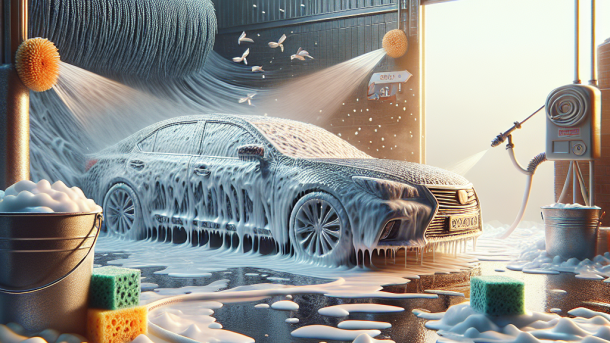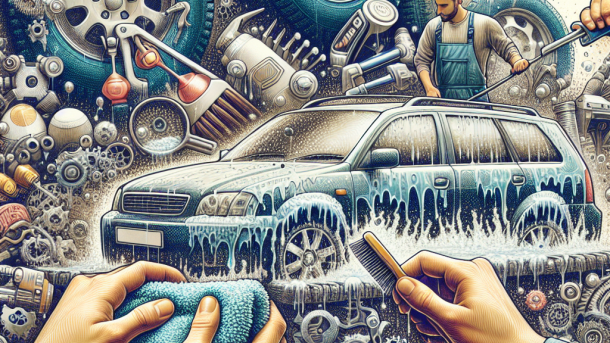
What is the safest car wash for your car?

Table of Content

TITLE: What is the safest car wash for your car?
COUNTRY CODE: US
LANGUAGE CODE: en
TABLE OF CONTENT:

  • Introduction
  • Understanding Car Wash Options
  • Risks Associated with Different Car Wash Types
    • Automatic Car Washes
      • Touchless Systems
      • Soft Cloth Systems
    • Hand Washing Services
    • At-Home Car Wash
  • The Safest Ways to Wash Your Car
    • Benefits of Touchless Car Washes
    • Proper Techniques for Hand Washing
    • Eco-Friendly and Safe Products
  • How to Choose the Right Car Wash for Your Vehicle
    • Factors to Consider: Car Paint and Finish
    • Assessing Maintenance Needs
  • Environmental Impact of Car Washes
    • Sustainability Considerations
    • Water Usage and Recycling
  • Conclusion

What is the safest car wash for your car?

Introduction

Imagine your car as a rolling masterpiece, a canvas reflecting not just your taste, but also the care you invest in it. But the question arises, what is the safest way to wash this cherished possession? With myriad options ranging from automated to hand washing, the choice can be overwhelming. Each method carries its own risks and benefits, making the decision not as straightforward as merely grabbing a sponge or driving through the nearest car wash.

In this exploration, we will delve into the various car wash options, understanding the potential risks associated with each, and uncovering the safest ways to maintain your vehicle’s pristine shine. As we navigate these waters, we will also consider the environmental impact of different car washing methods—because keeping your car clean should not come at the cost of our planet.

So, fasten your seatbelts as we embark on this journey to discover the safest car wash for your vehicle, keeping in mind not only your car’s aesthetics but also sustainable practices. For additional insights on car maintenance, you can explore resources like Consumer Reports.

Understanding Car Wash Options

Picture yourself at a crossroads, with each path leading to a different car wash option. The choices are as varied as the colors of a painter’s palette—each has its own pros and cons. Automatic car washes, for instance, offer the convenience of quick service, but they come with their own set of risks, especially if they use brushes that could potentially scratch your precious vehicle. Alternatively, hand washing services provide a more personal touch, allowing for meticulous attention to detail, but they can be time-consuming and, if done incorrectly, might still cause damage.

On the other hand, there’s the option of washing your car at home, where you have full control over the process. However, this method requires the right equipment and understanding the costs involved. It’s also crucial to be well-versed in water conservation practices to avoid wastage.

In this section, we’ll explore these car wash options in greater detail, helping you navigate through the sea of choices to find the one that best suits your vehicle’s needs and your lifestyle. For a deeper dive into choosing the right car wash, consider exploring resources like Popular Mechanics.

Risks Associated with Different Car Wash Types

Just as each snowflake is unique, so too are the risks associated with different types of car washes. It’s like choosing between a wild roller coaster ride and a gentle carousel—the thrill may be enticing, but the aftermath can leave you with unexpected surprises. Let’s delve deeper into these car wash options and unravel the hidden dangers that may lurk beneath their glossy promises.

Automatic car washes often boast convenience, but they can sometimes be like a bull in a china shop. Though efficient, the rotating brushes in some systems can be abrasive, potentially leaving unsightly scratches on your beloved vehicle. On the flip side, touchless systems promise a gentler approach, yet they may not always provide the deep clean needed, leaving stubborn grime clinging to your car’s surface. For more insights on whether automated car washes are a lucrative venture, check our detailed analysis.

Hand washing services, while seemingly meticulous, can harbor risks too. Without proper technique, one might inadvertently cause swirl marks or even strip protective layers off the paint. At-home car washes, though seemingly simple, demand a keen understanding of safe practices to avoid damage. For those curious about the financial aspect, delve into how owning a car wash can be profitable.

In the coming sections, we’ll explore the safest ways to wash your car, ensuring it remains as dazzling as the day it left the showroom floor. For further reading on car wash safety, refer to the comprehensive study by NHTSA, which highlights the importance of maintaining your vehicle’s exterior.

Automatic Car Washes

Imagine stepping into a world where your car is treated to an automated spa experience. Automatic car washes offer this promise, whisking your vehicle through a series of cleaning stages with mechanized precision. But as with any high-speed adventure, there are inherent risks. The very brushes that scrub away dirt can sometimes play the villain, leaving behind scratches or dulling your car’s pristine finish.

Yet, not all automatic car washes are created equal. Touchless systems, for instance, use high-pressure jets and detergents instead of brushes, minimizing the risk of scratches. However, this gentle approach might not always conquer the most stubborn grime. On the other hand, soft cloth systems can provide a gentler touch, but they still carry the risk of trapping dirt that could result in unwanted abrasions.

For a deeper dive into the profitability and dynamics of automated car washes, explore our analysis on whether automated car washes make money. As you weigh the convenience of automatic washes against potential risks, remember that informed choices can help your car emerge unscathed from its cleaning expedition.

For authoritative insights into vehicle maintenance and safety, the NHTSA offers valuable resources on maintaining your vehicle’s exterior, ensuring it shines bright after every wash.

Touchless Systems

In the realm of car washes, touchless systems stand as the gentle giants. Picture them as a refreshing rain shower for your vehicle, using high-pressure water jets and powerful detergents to cleanse without ever laying a hand—or brush—on your car’s precious surface. They promise to keep your car free from scratches, akin to a breeze brushing past a delicate flower without disturbing its petals.

However, like a gentle drizzle, touchless systems sometimes lack the power to remove stubborn grime and dirt. This limitation can leave your car looking less than its best, particularly if it has been through muddy adventures or long highway hauls. Despite this, the touchless approach remains a popular choice for those who prioritize minimizing physical contact and potential abrasions.

When contemplating the best choice for your vehicle, consider the balance of convenience and thoroughness. For insights on how automated systems fare in terms of profitability, delve into our analysis on whether automated car washes make money. For further understanding of the advantages of touchless systems, explore trusted resources like the NHTSA, which offers a wealth of information on keeping your car gleaming without compromising its integrity.

Soft Cloth Systems

Imagine a gentle caress that wipes away the day’s grime from your vehicle’s surface—this is the promise of soft cloth systems. Often likened to a tender hug from a plush blanket, these systems use fabric strips and rotating mechanisms to clean your car. While they offer a more delicate touch compared to their brush counterparts, they are not without their own set of risks.

Soft cloth systems, though gentle, can sometimes trap tiny particles of dirt within the fabric. These particles might act like sandpaper, leading to unintended scratches or swirl marks on your car’s finish. It’s a bit like allowing a gentle breeze to carry a few grains of sand—it feels pleasant until you realize the potential for abrasion.

When evaluating soft cloth systems, it’s essential to consider the overall condition of the car wash facility and the maintenance of its equipment. Regularly cleaned and well-maintained systems are less likely to harbor damaging debris. For an in-depth look at the economics of running such facilities, explore our insights on whether car washes make money.

Lastly, for comprehensive guidance on choosing the safest car wash method, you might want to refer to reliable resources such as Consumer Reports, which offers expert advice on maintaining your vehicle’s appearance and longevity.

Hand Washing Services

Hand washing services are akin to an artist meticulously crafting a masterpiece, one gentle stroke at a time. They promise a personal touch, allowing for the meticulous attention to detail that automated systems often lack. Imagine your car as a prized canvas, with every inch carefully cleaned and polished by skilled hands. However, even this artisanal approach is not without its potential pitfalls.

While hand washing can be incredibly thorough, it relies heavily on the expertise of the person wielding the sponge. Improper techniques or the use of unsuitable materials can lead to scratches, swirl marks, or even stripping of protective layers. It’s a bit like trusting someone to handle a delicate heirloom—care and knowledge are paramount.

When considering hand washing services, it’s essential to evaluate the skill and reputation of the provider. A well-trained professional can ensure that your vehicle receives the care it deserves. For those interested in learning more about the profitability and dynamics of running a car wash service, you can explore insights on how self-serve car washes fare financially.

For authoritative advice on maintaining your vehicle’s exterior, refer to trusted resources such as Consumer Reports, which offers valuable tips on preserving your car’s appearance and integrity through careful hand washing techniques.

At-Home Car Wash

Imagine a serene weekend morning, where you roll up your sleeves and take matters into your own hands—literally. An at-home car wash allows you to be the master of your car’s cleanliness, offering full control over every sud and scrub. It’s akin to crafting a gourmet meal in your kitchen, with each ingredient meticulously chosen to suit your taste. But, as with any fine dish, the right technique and tools are essential to ensure a perfect finish.

While washing your car at home can be a rewarding experience, it’s not without its challenges. Without the proper knowledge, one might inadvertently cause damage to the car’s paint or finish. Think of it like over-seasoning a dish—too much of anything can spoil the outcome. It’s crucial to choose the right cleaning products and tools, and to follow eco-friendly practices to minimize water usage and runoff. For a detailed guide on the expenses involved, explore our insights on washing your car at home.

By mastering the art of the at-home car wash, you can ensure that your vehicle remains as pristine as the day it rolled off the showroom floor, while also being environmentally conscious. For further guidance on sustainable car washing practices, refer to resources like the EPA, which provides valuable insights into water conservation and pollution prevention.

The Safest Ways to Wash Your Car

Imagine your car as a cherished companion, deserving of the utmost care and attention. Just as you would choose the most comfortable shoes for a long walk, selecting the safest car wash method is essential for preserving your vehicle’s beauty and longevity. In this section, we’ll explore the safest ways to wash your car, ensuring it remains as dazzling as the day it was first driven.

Touchless car washes are akin to a gentle rainstorm, offering a scratch-free cleansing experience through high-pressure water jets and specialized detergents. They minimize the risk of physical contact, safeguarding your car’s delicate finish. For more on the benefits of this approach, check out our insights on optimal car washing frequency.

Proper techniques for hand washing, akin to an artist’s careful brushstrokes, allow for meticulous attention to detail. Using the right materials and methods can avoid unwanted swirl marks and scratches. For those who prefer a hands-on approach, it’s crucial to learn the proper techniques to ensure a pristine finish. To delve deeper into the art of hand washing, explore expert resources like Consumer Reports.

Moreover, choosing eco-friendly and safe products, much like selecting organic ingredients for a recipe, ensures that you not only protect your car but also the environment. By using biodegradable soaps and conserving water, you can maintain your vehicle’s shine while being mindful of the planet. For guidance on eco-friendly practices, refer to the EPA’s water conservation tips.

By combining these methods, you can ensure that your car remains in pristine condition, reflecting both your care and commitment to sustainability. For further insights on maintaining your vehicle’s appearance, consider exploring our detailed guide on car wash profitability.

Benefits of Touchless Car Washes

Imagine gliding through a gentle rain shower, where every droplet dances over your car’s surface without a single touch. This is the essence of touchless car washes, a haven for those who cherish their vehicle’s pristine finish. Unlike traditional methods that can sometimes be as abrasive as sandpaper, touchless systems employ high-pressure water jets and specialized detergents to cleanse your car without physical contact.

The primary advantage of these systems is their ability to minimize the risk of scratches and swirl marks, ensuring your car remains as flawless as a freshly polished gemstone. Much like a gentle breeze that refreshes without disturbing, touchless car washes offer a safe and efficient cleaning solution. For more insights on maintaining your vehicle’s shine, consider exploring how often you should wash your car to keep it in top condition.

Furthermore, touchless car washes are designed to be environmentally friendly, using less water and biodegradable detergents. This approach not only protects your car but also reflects a commitment to preserving the planet. For guidance on sustainable car washing practices, refer to the EPA’s water conservation tips. By embracing touchless technology, you can enjoy a spotless vehicle while contributing to eco-friendly practices.

Proper Techniques for Hand Washing

Imagine your car as a prized work of art, and hand washing as the meticulous brushstrokes that preserve its beauty. Hand washing is an artisanal approach, allowing you to lovingly cleanse your vehicle with the care it deserves. Envision it as a delicate dance where each movement is intentional, ensuring every inch of your car gleams like a freshly polished diamond.

To master this technique, it’s crucial to use the right tools and materials. Start with a soft microfiber cloth or sponge to gently lift away dirt without scratching the surface. Use a high-quality car shampoo, akin to a gentle cleanser for your skin, to maintain the integrity of your vehicle’s finish. For more insights on maintaining your car’s shine, consider exploring how often you should wash your car.

When rinsing, a steady stream of water ensures that all soap residues are removed, much like a refreshing rain cleansing the air. And remember, drying with a clean, soft towel prevents water spots, leaving your car as immaculate as a clear blue sky. For comprehensive guidance on hand washing techniques, explore expert resources like Consumer Reports, which offers valuable tips on preserving your vehicle’s appearance and integrity.

Eco-Friendly and Safe Products

Imagine your car as a living organism, where every touch and product used contributes to its overall health. Embracing eco-friendly and safe car washing products is akin to choosing organic, wholesome ingredients for a meal — both your vehicle and the planet benefit from your conscientious choices.

Eco-friendly products, much like a gentle rain, cleanse without the harsh chemicals that can strip away the car’s protective layers. These products often contain biodegradable ingredients that break down naturally, leaving no harmful residue behind. It’s like giving your car a spa day, where every element is chosen to nurture and protect.

Moreover, when it comes to conserving water, consider using water-saving techniques. Opt for hose nozzles with a shut-off valve or a bucket wash method to minimize water usage, ensuring that every drop counts. By incorporating these practices, you not only maintain your car’s shine but also contribute to a healthier planet.

For a deeper understanding of how these choices impact your car and the environment, explore resources like the Consumer Reports, which provides expert advice on choosing products that uphold both car care and environmental responsibility.

How to Choose the Right Car Wash for Your Vehicle

Choosing the right car wash for your vehicle is akin to selecting the perfect outfit for a special occasion. It’s not just about appearance; it’s about the fit, the experience, and the long-term impact on your cherished ride. With numerous options available, how do you ensure you’re making the best choice for your car’s unique needs?

Your car’s paint and finish are like its skin, requiring specific care to maintain their luster. Factors such as the age of your vehicle, the climate you live in, and your personal maintenance routine all play a role in determining the most suitable car wash method. For instance, if your vehicle is brand new, you might lean towards a frequent but gentle wash to preserve its showroom shine.

Additionally, assessing your car’s maintenance needs is crucial. If you drive your car daily through dusty or muddy environments, a more thorough wash using proper techniques becomes essential. By understanding your vehicle’s requirements, you can select a car wash method that not only keeps it looking its best but also prolongs its lifespan. For those curious about the financial aspect of car washes, our insights on self-serve car wash profitability offer a detailed perspective.

Ultimately, the right car wash method is a blend of personal preference and informed decision-making. By considering these factors, you can ensure that every wash leaves your vehicle gleaming and well-protected. For further guidance on selecting the perfect car wash, explore resources like Popular Mechanics for expert advice.

Factors to Consider: Car Paint and Finish

Your car’s paint and finish serve as its armor, protecting it from the elements and maintaining its aesthetic appeal. Choosing the right car wash method can be the difference between preserving that glossy sheen or unwittingly inviting dullness and scratches. It’s akin to selecting the perfect fabric for an outfit — one that complements and protects without compromising style.

When considering car wash options, think about the age and condition of your vehicle. A newer car with a factory-fresh finish may require a gentler wash to maintain its original luster. In contrast, an older vehicle might benefit from a more thorough cleaning routine, coupled with waxing to restore its shine.

Additionally, the climate and environment in which you drive play a significant role. Dusty conditions may necessitate frequent washes, while humid areas might require attention to prevent mold or mildew. For guidance on maintaining your car’s appearance, delve into resources like Consumer Reports, which offer valuable tips and insights.

By understanding these factors, you can select a car wash method that not only enhances your vehicle’s aesthetics but also extends its life. For further reading on the impact of car wash choices, explore our analysis on how often cars should be washed to maintain their shine.

Assessing Maintenance Needs

Imagine your car as a loyal companion, always ready for the next adventure. Just like any companion, it has its own set of needs that require attention. Assessing the maintenance needs of your vehicle is akin to understanding the dietary requirements of a cherished pet—each one is unique and deserves personalized care.

Consider the roads your car travels. Is it a daily commuter navigating urban jungles, or does it brave the rugged paths of the countryside? Each environment imposes different challenges, necessitating distinct maintenance routines. For instance, a vehicle that frequently encounters dust and grit will require more frequent washes to prevent abrasive particles from dulling its finish. To better understand the financial aspect of maintaining such a routine, explore our insights on self-serve car wash profitability.

Moreover, assess the frequency of your car’s exposure to harsh weather conditions. Salt from winter roads or intense summer sun can wreak havoc on your vehicle’s exterior. Regular maintenance, including washing and waxing, can safeguard against these elements, much like applying sunscreen before a day at the beach. For comprehensive advice on car maintenance, refer to authoritative sources like Consumer Reports.

Ultimately, understanding your car’s maintenance needs ensures it remains ready for every journey, gleaming like a trusted steed. For additional insights into how often cars should be washed to maintain their appearance, explore our detailed analysis on car wash frequency.

Environmental Impact of Car Washes

Imagine the Earth as a grand tapestry, with each thread representing the delicate balance of our ecosystem. Every action we take can either strengthen or weaken this intricate weave. When it comes to car washes, the environmental impact is a factor that should not be overlooked. It’s akin to choosing eco-friendly fabrics that not only look good but also support sustainable practices.

Different car wash methods have varying effects on the environment. For instance, automated car washes often use recycled water and are designed to minimize waste, making them a more sustainable choice compared to at-home washes, which can lead to significant water runoff and waste. To dive deeper into these environmental considerations, you might explore resources like the Environmental Protection Agency for guidelines on water conservation.

Moreover, the use of biodegradable and eco-friendly cleaning products can further reduce the ecological footprint of car washes. Like choosing organic foods to nourish your body, selecting green products helps protect our planet’s health. For those curious about the economic aspects, our insights on car wash profitability offer a comprehensive view of the benefits of sustainable practices.

By being mindful of the environmental impact of car washes, you contribute to a cleaner, healthier world, ensuring that your vehicle’s shine does not come at the expense of our planet’s well-being. For further insights on sustainable car washing, refer to authoritative sources like Consumer Reports, which offer expert advice on eco-friendly practices and products.

Sustainability Considerations

Imagine the world as a delicate garden, where every decision we make impacts its growth and vitality. When it comes to car washes, sustainability considerations play a crucial role in maintaining this balance. It’s akin to choosing organic fertilizers that nurture the soil without depleting its resources. But how do car washes fit into this eco-conscious narrative?

Many commercial car washes have embraced sustainable practices, such as using recycled water and energy-efficient systems. These facilities are designed to minimize water consumption, reducing the ecological footprint of each wash. In contrast, at-home car washes can often lead to excessive water usage and potential contamination from runoff. To make informed decisions, you can explore guidelines on water conservation from the Environmental Protection Agency.

Moreover, choosing biodegradable and non-toxic cleaning products is akin to selecting eco-friendly materials for a building project. These products break down naturally, minimizing harm to aquatic life and the environment. For those interested in the economic aspects of sustainable car washes, our insights on whether car washes make money provide a comprehensive view of the benefits of environmentally conscious practices.

By integrating sustainability into car washing, we ensure that our vehicles shine while also preserving the planet’s beauty for future generations. For more expert advice on sustainable practices, consider exploring resources like Consumer Reports, which offers valuable insights into eco-friendly car care.

Water Usage and Recycling

Imagine water as the lifeblood of our planet, a resource as precious as gold in a parched desert. In the context of car washes, managing water usage is akin to conserving this vital resource, ensuring it remains abundant for future generations. But how do car washes, particularly automated ones, contribute to this cause?

Many commercial car wash facilities have adopted water recycling systems, where used water is treated and reused for subsequent washes. This approach not only significantly reduces water wastage but also aligns with sustainable practices, much like using a reusable water bottle instead of single-use plastics. These systems can save up to 60% of water compared to traditional at-home washes, where water often flows unchecked down driveways.

Additionally, the use of advanced filtration technologies in car washes ensures that contaminants are removed from the water before it is recycled, safeguarding our water bodies from pollution. For those interested in understanding the broader impact of water conservation technologies, resources like the Environmental Protection Agency offer valuable insights into sustainable water management practices.

By choosing car washes that prioritize water recycling, we take a small but significant step towards preserving our planet’s most precious resource. For further insights into sustainable car washing practices, consider exploring our detailed analysis on the optimal frequency of car washes to maintain both your vehicle’s shine and environmental responsibility.

Conclusion

Much like the grand finale of a symphony, choosing the safest car wash for your vehicle involves harmonizing various elements—convenience, care, and environmental responsibility. As we’ve explored, each car wash option presents its own set of advantages and risks, akin to selecting the perfect instrument to play the right tune. Whether it’s the gentle embrace of a touchless car wash or the meticulous craftsmanship of hand washing, the key is to align your choice with your car’s unique needs and your commitment to sustainability.

By understanding the nuances of each method, you can ensure that your cherished vehicle remains as radiant as a polished gem, all while contributing to a healthier planet. For further insights into maintaining your car’s integrity and exploring the potential profitability of owning a car wash, delve into our comprehensive guide on car wash profitability.

Ultimately, the journey to finding the safest car wash is a testament to your dedication to preserving your vehicle’s beauty and our environment’s well-being. For additional expert advice on car maintenance and eco-friendly practices, consider consulting resources like Consumer Reports, which offers invaluable guidance on safe and sustainable car washing techniques.
How often should you wash your sheets?

Table of Content

TITLE: How often should you wash your sheets?
COUNTRY CODE: US
LANGUAGE CODE: en
TABLE OF CONTENT:

  • Introduction
  • The Importance of Washing Your Sheets
  • How Often Should You Wash Your Sheets?
    • Factors Influencing Wash Frequency
      • Allergies and Asthma
      • Skin Conditions
      • Pets and Children
      • Personal Habits and Lifestyle
  • Best Practices for Washing Sheets
    • Choosing the Right Detergent
    • Optimal Water Temperature
    • Drying and Maintenance Tips
  • Environmental Considerations
    • Eco-friendly Detergents
    • Reducing Energy Consumption
  • Signs It’s Time to Wash Your Sheets
  • Common Mistakes to Avoid
  • Key Takeaways
  • Conclusion

How often should you wash your sheets?

Introduction

Imagine slipping into bed, enveloped by the soft embrace of your sheets, only to wonder: when was the last time they were washed? It’s a question that often lingers at the back of our minds, and yet, many of us are guilty of postponing this household chore. As trivial as it may seem, the frequency at which you wash your sheets can significantly impact your health and well-being.

In this guide, we’ll explore the mysteries surrounding bed sheets and unravel the secrets to maintaining their freshness. From understanding the right wash frequency to adopting eco-friendly practices, you’ll discover how to keep your sleeping environment clean and inviting. After all, if you spend a third of your life in bed, shouldn’t it be as pristine as possible?

The Importance of Washing Your Sheets

The allure of fresh sheets is undeniable; they whisper comfort and invite us into a restful slumber. But beyond their cozy promise, clean sheets play a vital role in safeguarding our health. Picture this: as we sleep, our bodies shed dead skin cells, sweat, and natural oils, creating a veritable feast for dust mites. These microscopic invaders thrive in such conditions, potentially triggering allergies or asthma symptoms.

Moreover, unwashed sheets can harbor bacteria and fungi, creating an environment conducive to skin conditions like acne or eczema. It’s not just about aesthetics or that fresh-linen scent—washing your sheets is a fundamental aspect of maintaining hygiene. For those sharing their beds with pets or children, the need becomes even more pressing, as allergens and dirt can accumulate at a faster rate.

To better understand the implications of sleeping on unclean sheets, consider the guidance provided by health organizations such as the CDC. Emphasizing regular washing practices can significantly reduce health risks, ensuring a serene and healthy sleeping space.

How Often Should You Wash Your Sheets?

The question of how often to wash your sheets can be likened to a dance of individual needs and lifestyle choices. While some might find solace in a weekly wash, others may stretch it to bi-weekly. But what truly dictates this rhythm? The answer lies in a blend of health considerations and personal habits.

Think of your sheets as silent witness to your nightly rituals—absorbing oils, sweat, and even the whispers of yesterday’s dreams. It’s no wonder experts, including those from the Sleep Foundation, suggest a weekly wash to maintain optimal hygiene and comfort.

Yet, this frequency isn’t set in stone. Factors like allergies, skin conditions, or even the presence of pets and children can influence the need for more frequent laundering. As we delve deeper, we’ll explore how these elements shape your sheet-washing schedule and help create a sanctuary of cleanliness and serenity in your bedroom.

Factors Influencing Wash Frequency

Like a symphony, the frequency at which you wash your sheets is orchestrated by various factors that harmonize to create a clean and cozy sleeping environment. Each element plays its part, contributing to the overall melody of your laundering routine.

Consider, for instance, the role of allergies and asthma. For those with sensitive respiratory systems, frequent washing can be a lifeline, reducing the presence of allergens such as dust mites that lurk within the fabric. The Asthma and Allergy Foundation of America offers valuable insights on maintaining an allergen-free haven.

Then there are skin conditions like eczema or acne, which may thrive on unwashed sheets. For those affected, regular laundering becomes an essential step in their skincare regimen, much like applying a soothing balm. And if your sheets share space with the playful paws of pets or the little feet of children, their presence can necessitate more frequent washing to remove fur, dander, and dirt.

Finally, personal habits and lifestyle choices have their say. Nightly snacking or skipping showers before bed introduces additional elements to the mix, potentially requiring more frequent washes. Understanding these factors helps you tailor your sheet-washing routine, ensuring that your bed remains a clean and inviting sanctuary.

Allergies and Asthma

Imagine your bed as a battleground, where invisible foes like dust mites wage war against your well-being. For individuals with allergies or asthma, this nightly skirmish can be particularly relentless. Sheets, laden with these microscopic adversaries, create an environment that exacerbates symptoms and disrupts restful sleep.

Dust mites, thriving in the warm, humid confines of your bedding, feast on dead skin cells and multiply with abandon. Their presence can trigger allergic reactions, leading to a cascade of sneezing, itching, and even respiratory distress. For those affected, washing sheets frequently becomes more than a chore—it’s a defense strategy, akin to donning armor in the battle for a good night’s sleep.

The Asthma and Allergy Foundation of America emphasizes the importance of regular laundering as part of a broader approach to managing allergy and asthma symptoms. By maintaining a vigilant wash schedule, you can significantly reduce allergen exposure, ensuring that your bed remains a haven of comfort rather than a source of distress.

Skin Conditions

Consider your bed as an intimate canvas that cradles your skin each night. For those with skin conditions such as eczema or acne, the cleanliness of this canvas can play a pivotal role in their skin health. Imagine waking up to find your skin aggravated by the very sheets meant to offer comfort; it’s a scenario all too familiar for many.

Unwashed sheets can harbor oils, sweat, and bacteria, creating an environment that may exacerbate skin issues. This is where regular laundering steps in, acting as a cleansing ritual that wipes the slate clean, much like an artist preparing a fresh canvas.

The National Eczema Association suggests that maintaining clean bedding can help reduce irritation and promote healthier skin. By washing your sheets frequently, you remove potential irritants and create a soothing sanctuary that nurtures your skin rather than inflaming it.

For those with sensitive skin, choosing gentle detergents and avoiding fabric softeners is also vital. Akin to selecting the right brush for a masterpiece, these choices can influence the overall outcome, ensuring that your bed remains a haven of comfort and healing.

Pets and Children

Picture your bed as a lively playground where the pitter-patter of little feet or the mischievous antics of furry friends unfold. For those sharing their sleeping space with pets or children, maintaining clean sheets takes on a whole new dimension. It’s not just a matter of hygiene; it’s about crafting a safe and cozy environment where everyone can snuggle up with peace of mind.

Our beloved pets, with their wagging tails and playful paws, often bring in more than just joy—they can also introduce fur, dander, and dirt to our sheets. Similarly, children, with their boundless energy, may leave traces of their daily adventures, from cookie crumbs to sandbox treasures. As such, washing sheets frequently becomes an essential ritual, much like a parent tidying up a playroom after a day of fun.

The presence of pets and children can necessitate more frequent laundering to ensure that allergens and dirt don’t accumulate, creating a haven of comfort and cleanliness. For those looking to maintain a pristine sleeping environment, understanding the impact of these delightful companions can guide your sheet-washing schedule, ensuring that your bed remains a welcoming sanctuary for all.

Personal Habits and Lifestyle

Imagine your bed as a silent observer, taking note of your nightly rituals and routines. Personal habits and lifestyle choices play a pivotal role in determining how often you should wash your sheets. For instance, if you enjoy a midnight snack or skip a shower before bed, your sheets may accumulate crumbs, sweat, and oils more quickly, necessitating more frequent laundering.

Consider, too, the impact of workouts and sleep patterns. For those who exercise regularly, perspiration can seep into the sheets, creating an environment ripe for bacteria. Similarly, if you tend to sleep hot or with minimal clothing, your bed may require more frequent washing to maintain freshness and hygiene.

Understanding these nuances allows you to tailor your sheet-washing schedule to fit your unique lifestyle. Just as a tailor customizes a suit to fit perfectly, adjusting your laundry habits to align with your personal routines ensures that your bed remains a clean and inviting sanctuary.

For more insights into personal habits that influence cleanliness, consider exploring resources from the Sleep Foundation. They provide valuable guidance on how to optimize your sleep environment, ensuring it remains a haven of comfort and cleanliness.

Best Practices for Washing Sheets

Washing sheets may seem like a straightforward task, but there’s an art to it—one that ensures your bedding remains as fresh and inviting as a morning breeze. By following best practices, you can prolong the life of your sheets and maintain their softness and comfort.

First, consider the detergent you use. Opting for a gentle, hypoallergenic detergent can safeguard sensitive skin and prevent fabric wear. While the allure of fragrant softeners may tempt, it’s often best to avoid them, as they can leave residue and reduce absorbency.

Next, the water temperature plays a crucial role. Hot water may be effective for sanitizing, but it can also cause colors to fade and fibers to weaken. Instead, consider using warm or cold water, which helps preserve the integrity of your sheets while still providing a thorough clean.

When it comes to drying, the key is moderation. High heat can damage delicate fibers, so it’s wise to use a low-heat setting or, if possible, air-dry your sheets. This approach not only conserves energy but also prevents shrinkage, ensuring your sheets remain a perfect fit.

Adopting these best practices can transform the mundane chore of washing sheets into a mindful ritual, ensuring your bedding remains a haven of comfort and cleanliness.

Choosing the Right Detergent

Picture your detergent as the unsung hero of your laundry routine, working behind the scenes to ensure your sheets emerge fresh and pristine. Selecting the right detergent can be akin to choosing the perfect conductor for an orchestra, harmonizing the elements to produce a flawless performance.

When it comes to washing sheets, opting for a gentle, hypoallergenic detergent can make all the difference, especially for those with sensitive skin. These detergents are like a soothing balm, ensuring your sheets remain soft against your skin without causing irritation. They also help maintain the fabric’s integrity, prolonging the life of your bedding.

Avoid the siren call of heavily scented detergents or fabric softeners, which can leave residues that irritate skin or reduce absorbency. Instead, choose products that emphasize clean ingredients and minimal fragrances. For those seeking to balance cleanliness with environmental consciousness, consider exploring eco-friendly detergent options that minimize your ecological footprint while ensuring your sheets remain a sanctuary of comfort.

Optimal Water Temperature

Water temperature can be likened to the maestro of your laundry symphony, conducting the intricate dance of cleanliness and preservation. Choosing the optimal water temperature for washing sheets ensures that your bedding emerges spotless while maintaining its vitality and longevity.

Hot water is often seen as a powerful ally, capable of vanquishing germs and bacteria lurking within the fabric. However, its intensity can also lead to color fading and fiber damage, much like a blazing sun that scorches delicate petals. For most sheets, a warm or cold water wash strikes a harmonious balance, offering a thorough clean without compromising the material’s integrity.

Cold water, in particular, is a gentle caress that preserves colors and reduces energy consumption, making it an environmentally friendly choice. It’s like a refreshing breeze that revitalizes without overwhelming. If you’re uncertain, consulting the care label on your sheets can provide valuable guidance, ensuring you select the ideal temperature for your specific fabric type.

Incorporating the right water temperature into your laundry routine elevates the simple act of washing to an art form, ensuring your sheets remain a welcoming embrace each night. For additional insights into maintaining your sheets’ vibrancy, consider exploring resources from the CDC on effective laundering practices.

Drying and Maintenance Tips

Imagine your sheets as delicate dancers, requiring the perfect stage to showcase their elegance. Drying them correctly is akin to setting the ideal scene, ensuring they remain soft and inviting. While the temptation to crank up the dryer’s heat may be strong, it’s often best to resist. High heat can be a harsh taskmaster, causing fibers to shrink and lose their suppleness.

Instead, consider using a low-heat setting or, better yet, hang your sheets to dry in the gentle caress of sunlight. This method not only conserves energy but also infuses your sheets with a fresh, natural scent, much like a meadow after a spring rain. For those seeking inspiration to align their laundering with environmental mindfulness, explore ideas on reducing energy consumption from the Department of Energy.

Once dried, store your sheets in a cool, dry place to preserve their freshness, and rotate sets regularly to ensure even wear. By treating your sheets with care, you maintain their elegance and longevity, ensuring they continue to envelop you in comfort and warmth night after night.

Environmental Considerations

In today’s world, where environmental consciousness is more important than ever, even the simple act of washing sheets can be part of a larger commitment to sustainability. By making mindful choices, we can transform our laundry routine into a gesture of respect for our planet.

One way to lessen our environmental impact is by selecting eco-friendly detergents. These products, like gentle guardians of the earth, are formulated to minimize harmful chemicals and reduce pollution. They ensure that our sheets remain clean without compromising the health of our water systems. For those interested in exploring sustainable detergent options, the EPA’s Safer Choice program offers a variety of certified products that balance cleanliness with environmental responsibility.

Another crucial aspect is reducing energy consumption during laundering. Opting for cold water washes and air-drying sheets are simple yet effective strategies to conserve energy. This approach is akin to harnessing the gentle power of nature, allowing us to tread lightly on the earth while still maintaining the comfort and cleanliness of our bedding.

By incorporating these environmental considerations into our sheet-washing routine, we not only ensure a fresh and inviting sleeping environment but also contribute to the greater good of our planet, creating a symphony of sustainability and comfort.

Eco-friendly Detergents

Imagine your detergent as the silent caretaker of your sheets, ensuring they remain as pristine as a mountain stream while respecting the earth’s delicate balance. In a world where our environmental footprint matters, choosing eco-friendly detergents can be a small yet significant step towards sustainability.

These detergents, like gentle custodians, are formulated with biodegradable ingredients that minimize harmful chemicals. They are designed to cleanse without leaving a trail of pollution in our waterways, much like a gentle breeze that refreshes without disturbing the landscape. By opting for eco-friendly options, you’re not only maintaining the cleanliness of your sheets but also safeguarding the planet’s health.

For those seeking to make environmentally conscious choices, the EPA’s Safer Choice program offers a selection of certified products that balance efficacy with eco-responsibility. These detergents ensure that every wash is a harmonious blend of cleanliness and environmental stewardship, transforming your laundry routine into a mindful act of care for both your sheets and the earth.

Reducing Energy Consumption

Visualize your laundry routine as a delicate dance, where each step can either lighten or burden the earth. In our quest for sustainability, reducing energy consumption when washing sheets is a pivotal move, ensuring our actions leave only the softest footprints on the planet.

Opting for cold water washes is akin to a gentle whisper, conserving energy without compromising cleanliness. It’s a simple change with a profound impact, much like choosing a bicycle over a car for a short journey. According to the Department of Energy, washing with cold water can significantly cut down on energy usage, as heating water accounts for a large portion of the energy consumed during laundry.

Moreover, consider air-drying your sheets, allowing them to bask in the sun’s gentle warmth. This method not only reduces energy consumption but also infuses your sheets with a natural freshness reminiscent of a sunlit meadow. By integrating these mindful practices, you transform the ordinary task of washing sheets into an act of environmental stewardship, ensuring that comfort and sustainability go hand in hand.

Signs It’s Time to Wash Your Sheets

Just like a garden needs tending, our sheets sometimes whisper subtle signs that they require attention. But how do you know when it’s time to refresh them? Much like a detective piecing together clues, you can identify when your bedding is calling out for a wash.

First, take note of any unusual odors. If your sheets emit a musty or stale scent, it’s a clear indication that they are ripe for a cleaning. This olfactory clue is like a gentle nudge, reminding you of the accumulation of sweat, oils, and perhaps even the presence of unwashed elements that have overstayed their welcome.

Next, pay attention to the feel of your sheets. If they no longer possess that inviting softness and instead feel grimy or sticky to the touch, it’s a sure sign they need a bath. This tactile sensation is akin to a warning bell, urging you to restore their former comfort and cleanliness.

Finally, consider any visible stains or discolorations. These blemishes are like a spotlight illuminating the need for a wash, revealing the traces of daily life that have left their mark. By recognizing these signs, you ensure that your sheets remain as welcoming as a warm embrace, enhancing your sleep experience and maintaining a pristine environment.

Common Mistakes to Avoid

Even the simplest tasks can sometimes lead us astray, and washing sheets is no exception. Like navigating a maze, it’s easy to encounter pitfalls that could compromise the freshness and longevity of your bedding. Let’s explore some common mistakes to avoid on your path to pristine sheets.

First, consider the temptation to overload the washing machine. While it might seem efficient to wash multiple sets at once, overcrowding can lead to uneven cleaning and increased wear and tear. Imagine a bustling city street where everyone jostles for space—your sheets need room to move freely for a thorough clean.

Next, avoid using too much detergent. More isn’t always better; excessive detergent can leave residue on sheets, making them uncomfortable and irritating to the skin. Instead, follow the recommended amount for your load size, ensuring a balanced wash.

Additionally, resist the urge to dry sheets on high heat. This can cause fiber damage and shrinkage, much like leaving a delicate fabric in the blazing sun. Opt for low or medium heat settings to preserve their integrity.

Finally, don’t forget to rotate your sheet sets. Regular rotation ensures even wear and helps maintain the quality of each set. By sidestepping these common missteps, you’ll ensure that your sheets remain a haven of comfort and cleanliness.

Key Takeaways

In the grand tapestry of maintaining a clean and inviting sleeping environment, washing your sheets plays an essential role. Regular laundering not only ensures comfort but also protects against allergens, bacteria, and other unwelcome guests that may disrupt your restful slumber. Embrace the rhythm of your lifestyle and health needs to tailor the perfect wash schedule, whether it’s weekly or more frequent.

When it comes to the mechanics of washing, choosing the right detergent and optimal water temperature can make a world of difference. These choices, akin to selecting the perfect brush and paint for an artist, preserve the vibrancy and integrity of your sheets. And let’s not forget the environmental considerations—opting for eco-friendly practices and reducing energy consumption not only benefits your home but also contributes to the greater good of our planet.

By recognizing the signs that your sheets need washing, avoiding common pitfalls, and adopting best practices, you create a sanctuary of comfort that enhances your sleep experience. Like a symphony conductor, orchestrate these elements to ensure your bedding remains a haven of cleanliness and serenity, night after night.

Conclusion

In conclusion, maintaining the cleanliness of your sheets is not just a matter of comfort but a crucial aspect of personal hygiene and well-being. Like the final notes of a symphony, the regular act of washing sheets brings harmony to your sleep environment, ensuring it remains a sanctuary of serenity and health.

By understanding the factors that influence wash frequency—such as allergies, skin conditions, and personal habits—you can tailor a laundering routine that suits your lifestyle. Embracing best practices, from choosing the right detergent to optimizing water temperature, ensures that your sheets retain their softness and longevity.

Furthermore, incorporating environmentally conscious choices, like using eco-friendly detergents and reducing energy consumption, transforms the mundane task of washing into a gesture of respect for our planet. By recognizing the signs that it’s time to refresh your sheets and avoiding common mistakes, you preserve the comfort and cleanliness of your bedding.

Ultimately, the effort invested in caring for your sheets pays dividends, enhancing your sleep quality and contributing to a healthier living environment. As you slip into bed each night, let the fresh embrace of your sheets be a testament to the care and consideration you’ve put into creating a restful haven.

How often should cars be washed?

Table of Content

TITLE: How often should cars be washed?
COUNTRY CODE: US
LANGUAGE CODE: en
TABLE OF CONTENT:

  • Introduction
  • Why is washing your car important?
    • Protecting the car’s paint and finish
    • Maintaining the value of the vehicle
    • Enhancing safety and visibility
  • Factors that influence wash frequency
    • Climate and weather conditions
    • Driving habits and environments
    • Type of car finish and materials
  • Recommended frequency for washing different types of vehicles
    • Daily drivers
    • Luxury and classic cars
    • Off-road and adventure vehicles
  • Types of car washes
    • Automatic car washes
    • Hand washing
    • Waterless car washes
    • Detailing services
  • Do-it-yourself vs. professional car washes
    • Pros and cons of DIY car washes
    • Benefits of professional car washes
  • Common mistakes to avoid when washing your car
  • Environmental considerations
    • Water usage and conservation tips
    • Eco-friendly car wash products
  • Key Takeaways
  • Conclusion

How often should cars be washed, and why it matters?

Introduction

Have you ever wondered how a gleaming car can turn heads and cast a spell on passersby? The secret lies not just in its design but in its maintenance. A regular car wash is akin to a refreshing shower after a long day—it rejuvenates and shines. But, how often should cars be washed, and why does it matter? As we cruise through the lanes of this topic, we’ll explore the hidden intricacies that make car washing an essential ritual.

From safeguarding your vehicle’s paint to enhancing its resale value, the benefits of a well-timed wash are numerous. Moreover, the frequency of washing isn’t just a one-size-fits-all scenario. Various factors, like climatic conditions and driving habits, play a significant role. So, fasten your seatbelts as we dive into the sudsy world of car washes, unraveling the mystery of how often and why it’s crucial to keep your car sparkling.

For comprehensive insights and professional advice, reputable sources such as Wikipedia can provide valuable information on the different types of car washes and their benefits.

Why is washing your car important?

Imagine your car as a knight in shining armor, battling the elements as it rides through dusty roads and rainy streets. Washing your car isn’t just about aesthetics; it’s a shield of protection against the wear and tear of time. But why exactly is it so essential?

Protecting the car’s paint and finish

Think of your car’s paint as its skin, vulnerable to the harsh rays of the sun, etching rain, and abrasive dust. Regular washing acts like a sunscreen, preserving its glossy finish. Without it, the paint can oxidize, leading to unsightly spots and peeling. For insights on how often this protective ritual should occur, consider exploring the subtleties of personal car wash frequency.

Maintaining the value of the vehicle

A well-maintained car is like a cherished heirloom; it holds its value over time. Regular washing can prevent rust, scratches, and other damage that can depreciate a vehicle’s worth. This is especially crucial if you’re planning to sell or trade-in your car in the future. Owning a car wash isn’t just profitable but reflects the same value maintenance principles.

Enhancing safety and visibility

Can you imagine driving through a foggy night with smeared windows? Dirt and grime accumulate, obstructing your view and posing safety risks. Regular washes ensure clear windows and mirrors, allowing you to drive safely. For further reading on how environmental factors play a role, the National Highway Traffic Safety Administration offers valuable road safety information.

Factors that influence wash frequency

Just like a recipe that changes with each chef’s touch, the frequency with which you should wash your car is influenced by a multitude of factors. It’s not a one-size-fits-all formula; rather, it’s a tailored approach that considers various elements. Let’s explore the ingredients that dictate how often your vehicle should indulge in a cleansing ritual.

Climate and weather conditions

Imagine living in a region where the sun blazes relentlessly or where rain falls like an unending symphony. Such weather conditions can dramatically impact how often you need to wash your car. In areas prone to heavy rainfall, the accumulation of dirt and road salt can be relentless, necessitating more frequent washes. Conversely, in sun-drenched locales, UV rays can cause paint oxidation, warranting regular cleaning to maintain your car’s sheen. For more on protecting your car against environmental conditions, check out the EPA’s guidelines.

Driving habits and environments

Think of your car’s daily journey as a tale of adventure through bustling cityscapes or serene countryside roads. Your driving habits and the environments you frequent play a pivotal role in determining wash frequency. City dwellers may contend with pollution and debris, while off-road enthusiasts face mud and dust. Understanding the unique challenges posed by your driving routine can help tailor a wash schedule that keeps your vehicle pristine. For off-road enthusiasts, insights on when not to wash your car can be invaluable.

Type of car finish and materials

The type of finish your car boasts—be it a matte, metallic, or classic gloss—can also dictate wash frequency. Different materials react differently to environmental stressors, necessitating tailored care. Some finishes require more frequent washing to maintain their allure, while others might demand specialized products. For further guidance on car maintenance, the Consumer Reports is an excellent resource for understanding the nuances of maintaining various car finishes.

Recommended frequency for washing different types of vehicles

Just as every individual has unique grooming needs, different vehicles demand distinct washing frequencies. Let’s explore how often various types of cars should be treated to a cleansing ritual, ensuring they remain in peak condition.

Daily drivers

For those trusty steeds that brave the daily commute, a regular wash is vital. Think of it as a weekly ritual, much like a Sunday morning coffee, to protect against relentless road grime and pollution. Regular care is essential to maintain both aesthetics and functionality. Curious about the financial aspect of car washes? Discover how much a self-serve car wash makes.

Luxury and classic cars

These vehicular masterpieces are akin to rare jewels, requiring gentle, frequent washing to keep their sheen. Every two weeks should suffice, allowing them to bask in their opulence without succumbing to the elements. For additional insights on investments, explore whether car washes are a good investment.

Off-road and adventure vehicles

These rugged warriors, often cloaked in mud and dust, need more frequent attention. A thorough cleaning after each escapade ensures that dirt doesn’t damage critical components. This is not just about appearance; it’s about preserving their adventure-ready spirit. For those interested in automated solutions, learn how automated car washes make money.

Each vehicle type has its unique washing rhythm, reflecting its lifestyle and environment. Embrace these recommendations to keep your vehicle shining brightly on its journey.

Types of car washes

When it comes to washing your beloved chariot, the choice of method can be as varied as the colors of a rainbow. Each type of car wash offers a unique blend of convenience, care, and cost. So, what are the options available, and which one suits your needs best?

Automatic car washes

Imagine driving through a tunnel of swirling brushes and jets, a whirlwind of cleansing magic. Automatic car washes are the epitome of convenience, offering a quick and efficient way to get your car sparkling. However, while they save time, they may not always be as gentle as other methods. For those curious about the financial side of things, you might wonder, do automated car washes make money?

Hand washing

Picture a craftsman meticulously polishing every curve and contour of a sculpture. Hand washing your car offers a personal touch, allowing you to address specific spots and apply gentle care. It’s a ritual for car enthusiasts who relish the tactile connection with their vehicle. If you enjoy the DIY approach, learn about the cost of washing your car at home.

Waterless car washes

In a world where water conservation is increasingly vital, waterless car washes emerge as a modern-day hero. Using special sprays that lift dirt without a drop of water, this method is both eco-friendly and efficient. It’s like giving your car a refreshing mist bath on a hot day.

Detailing services

For the ultimate pampering, imagine a spa day for your car. Detailing services go beyond the surface, offering deep cleaning, polishing, and even interior treatments. It’s an indulgence that leaves your vehicle looking and feeling brand new. For those considering professional options, learn about the profitability of car washes.

Each type of car wash offers distinct advantages, catering to different needs and preferences. Choose wisely, and let your vehicle bask in its newfound glory.

Do-it-yourself vs. professional car washes

In the grand theater of car maintenance, the act of washing stands as a pivotal performance. But the question remains: should you be the star of this show or let the professionals take the spotlight? Let’s explore the pros and cons of each approach to help you decide which path suits your needs.

Pros and cons of DIY car washes

Imagine rolling up your sleeves, bucket in hand, ready to shower your car with personal care. DIY car washes offer the satisfaction of hands-on maintenance, allowing you to tend to every nook and cranny. Plus, it can be a wallet-friendly option if you know the true cost of washing your car at home. However, be mindful of the potential pitfalls: improper techniques can lead to scratches, and without the right equipment, achieving a professional finish can be challenging.

Benefits of professional car washes

Picture your car being pampered in the capable hands of experts, much like a celebrity receiving red-carpet treatment. Professional car washes provide a level of expertise and equipment that ensures a thorough and high-quality finish. They offer convenience, saving you time and effort. Moreover, professional services often include protective treatments that can prolong your car’s shine and safeguard its paint. For those considering the business side, understanding how car washes make money can be enlightening.

Each option carries its own set of advantages and considerations. Whether you opt for the DIY route or professional services, the ultimate goal remains the same: to keep your car gleaming and well-maintained.

Common mistakes to avoid when washing your car

Washing your car is akin to giving it a rejuvenating bath, but even the most well-intentioned car owner can make mistakes. Just like an artist with a canvas, it’s essential to use the right tools and techniques to avoid turning a masterpiece into a muddled mess. Let’s explore some common missteps to steer clear of during this cleansing ritual.

One of the most frequent errors is using the wrong cleaning products. Household detergents might seem convenient, but they can strip away protective wax and damage the car’s finish. Always opt for car-specific cleaners designed to maintain the vehicle’s sheen without harming its surface.

Another pitfall is neglecting the two-bucket method. By using one bucket for the soapy water and another for rinsing the sponge, you prevent dirt from being reintroduced to the car’s surface, avoiding scratches and swirl marks. It’s a simple yet effective technique for a flawless finish.

Improper drying can also be a culprit. Allowing water to air dry can lead to unsightly water spots. Instead, use a soft microfiber towel to gently pat dry the car, ensuring a spotless shine.

For those contemplating washing at home, understanding the true cost of washing your car at home can offer valuable insights into potential savings.

Avoid these common mistakes, and you’ll ensure that your car remains a gleaming testament to your care and attention.

Environmental considerations

In a world increasingly conscious of its ecological footprint, the act of washing your car extends beyond mere aesthetics. It’s a dance with Mother Nature, where every drop of water and every product choice echoes through the environment. But how can we engage in this ritual responsibly, minimizing our impact on the planet?

Water usage and conservation tips

Picture a cascading waterfall—beautiful, yet precious. Water scarcity is a pressing concern, making conservation a top priority when washing your car. Consider using a nozzle-equipped hose or a pressure washer to reduce water waste. Opt for a waterless car wash method, a modern marvel that cleans your vehicle without a single drop of water. Additionally, washing your car on a permeable surface like grass allows water to seep back into the ground, replenishing the earth.

Eco-friendly car wash products

Much like choosing organic produce for yourself, selecting environmentally friendly car wash products can make a significant difference. Seek out biodegradable soaps and detergents that are gentle on the ecosystem. These products break down harmlessly, leaving no toxic residue behind. You can also explore car washes that adhere to eco-friendly practices, ensuring that your vehicle’s shine doesn’t come at the earth’s expense. For more on green cleaning solutions, the EPA’s greener product standards provide valuable guidance.

By embracing these environmental considerations, we can transform the simple act of washing our cars into a sustainable practice that echoes our commitment to a healthier planet.

Key Takeaways

As we’ve journeyed through the intricacies of car washing, several key lessons emerge. First and foremost, regular washing is not just about aesthetics; it’s a vital shield protecting your vehicle’s paint, value, and safety. The frequency of washes should be tailored to your unique circumstances, such as climate and driving habits, ensuring your car remains in optimal condition.

Exploring different types of car washes, from automatic to hand washing, reveals a spectrum of options, each with distinct advantages. Whether you choose the convenience of professional services or the personal touch of DIY, the goal remains a pristine vehicle. However, be wary of common mistakes, such as using inappropriate products, which can damage your car’s finish.

Finally, in our environmentally conscious age, it’s crucial to adopt sustainable practices and products, minimizing the ecological impact of washing your car. For further details on car wash profitability, explore how automated car washes and other car washes make money. By embracing these insights, you ensure that your vehicle shines brightly while contributing positively to the environment.

Conclusion

As we wrap up this journey through the world of car washing, it’s clear that maintaining your vehicle’s appearance is more than just a cosmetic endeavor. It’s a commitment to preserving its value, enhancing safety, and embracing an eco-friendly approach that respects our planet. By understanding the factors influencing wash frequency, such as climate and driving habits, and choosing between different washing methods, you can tailor a routine that suits your vehicle’s unique needs.

Whether you opt for the convenience of automatic washes or the satisfaction of a DIY session, remember that each choice contributes to your car’s overall health and longevity. Avoid common mistakes, like using improper cleaning products, to ensure a flawless shine every time. Additionally, by adopting sustainable practices and products, you can make a positive impact on the environment while keeping your car pristine.

For a deeper dive into the business side of car washes, consider exploring whether car washes make money and how they operate profitably. By integrating these insights into your car maintenance routine, you’ll ensure that your vehicle remains a gleaming testament to your care and attention.

How many cars are washed at a car wash?

Table of Content

TITLE: How many cars are washed at a car wash?
COUNTRY CODE: US
LANGUAGE CODE: en
TABLE OF CONTENT:

  • Introduction
  • Overview of Car Wash Industry
    • Types of car washes
    • Growth of the car wash market
  • Factors Influencing Car Wash Volume
    • Location and Demographics
    • Seasonality and Weather Effects
    • Marketing and Promotions
    • Service Quality and Reputation
  • Technology in Car Washes
    • Types of car wash equipment
    • Automation and Efficiency
  • Average Number of Cars Washed Per Day
    • Industry averages for different types of car washes
    • Variances in daily car wash numbers
  • Economic Impact of Car Wash Volumes
    • Revenue implications
    • Employment and job creation
  • Case Studies of Successful Car Washes
    • High-volume car washes
    • Strategies for increasing traffic
  • Key Takeaways
  • Conclusion

How many cars can a car wash handle daily? An industry overview

Introduction

Imagine a bustling highway, where every vehicle gleams under the sunlight, free of dirt and grime, thanks to a car wash. But have you ever wondered how many cars can actually be washed at a car wash in a day? This question takes us into the heart of the car wash industry, an essential segment of automotive maintenance that keeps our cars looking fresh and clean. As the car wash industry continues to evolve, understanding its dynamics, from the number of cars washed daily to the technology employed, becomes increasingly important.

In this comprehensive guide, we’ll explore the various factors that influence car wash volumes, the economic implications of these numbers, and the cutting-edge technology that ensures efficiency. If you’ve ever thought about owning a car wash, you may want to know how much you can make a year owning a car wash. By the end of this journey, you’ll have a clearer picture of the car wash industry’s inner workings and what it takes for a car wash to thrive in today’s market.

Overview of Car Wash Industry

The car wash industry is a dynamic sector that has grown significantly over the years. With a diverse array of services, car washes cater to the modern driver’s needs, ensuring that vehicles remain pristine. But what are the different types of car washes available, and how has this market evolved over time?

Types of Car Washes

Car washes come in various styles, each offering distinct services to suit different consumer preferences. From self-service options, where car owners take matters into their own hands, to fully automated systems that whisk your car through a series of cleaning stages, the choices are vast. If you’re curious about the profitability of these different models, consider exploring whether automated car washes make money.

Growth of the Car Wash Market

The car wash market has witnessed impressive growth, driven by increased vehicle ownership and a rising demand for convenient cleaning solutions. This industry has become a lucrative investment opportunity for savvy entrepreneurs. If you’re wondering whether car washes are a good investment, the answer lies in understanding the trends and consumer behaviors that fuel this sector’s expansion.

As we delve deeper into the car wash industry, we’ll uncover the factors that influence car wash volume and the technological advancements shaping this field, providing you with a comprehensive understanding of what makes it tick.

Factors Influencing Car Wash Volume

Ever wondered why some car washes seem bustling while others stand idle? The volume of cars serviced at a car wash is not just a matter of location or luck. Several key factors play a role in determining how many vehicles line up outside the wash bay. From the hustle and bustle of urban settings to the quieter pace of rural areas, location and demographics significantly shape car wash traffic. But it’s not just about where you are—it’s also about when you are.

Seasonality and weather effects can cause fluctuations in car wash volumes, turning rainy days into slow periods and sunny weekends into high-traffic opportunities. Marketing and promotions, much like a siren’s call, can draw in customers seeking deals, while the service quality and reputation act as the anchor, ensuring they return time and again. Just as a lighthouse guides ships safely to shore, these factors illuminate the path to a thriving car wash business.

As we dive deeper, we’ll explore how each element intertwines to create a tapestry that influences car wash volumes, offering insights into boosting your car wash’s appeal and efficiency.

Location and Demographics

The location of a car wash is like the cornerstone of its success. Imagine placing a car wash in a bustling city center—a hive of activity with cars buzzing around like bees. The urban backdrop provides a constant stream of potential customers, each seeking a quick polish before heading to their next destination. In contrast, a car wash nestled in a tranquil suburban area may experience a more steady but less frequent flow of patrons.

Demographics also weave into this narrative. Consider a neighborhood brimming with young professionals who prioritize convenience and efficiency. Such a demographic is likely to favor automated car washes for their time-saving benefits. Conversely, areas populated by retirees might lean towards self-service options, where time is less of a constraint, and there’s preference for a personal touch.

Understanding the intricate dance between location and demographics can empower car wash owners to tailor their services, ensuring they not only meet the needs of their community but also maximize their car wash volume. As we continue our exploration, we’ll delve into other factors that influence the ebb and flow of cars through these cleaning sanctuaries.

Seasonality and Weather Effects

Imagine a car wash as a stage, where the weather plays the role of both the conductor and the performer. The dance of the seasons dictates the rhythm of car wash volumes, swaying between bustling peaks and quieter interludes. During the warmer months, cars adorned with pollen and dust find their way to car washes, seeking a refreshing cleanse. However, as winter casts its frosty spell, the narrative shifts, and car washes often witness a lull, with fewer vehicles venturing out for a wash.

Rain showers, too, perform their own symphony. A sudden downpour might deter drivers from seeking a wash, while a streak of sunny days lures them back. This natural ebb and flow can be likened to a fisherman casting his net, with the weather determining the size of the catch. Understanding these weather patterns and their impact on car wash volumes can help owners plan and strategize, ensuring that they ride the waves of change with poise and preparedness.

As we continue our journey, we’ll explore how marketing, promotions, and service quality further shape the landscape of car wash volumes, offering a comprehensive view of what drives customer traffic to these essential automotive sanctuaries.

Marketing and Promotions

Picture a car wash as a well-kept secret, until the dazzling spotlight of marketing and promotions reveals its presence to the world. The art of attracting customers through strategic advertising can transform a quiet car wash into a bustling hub of activity. Imagine a grand carnival with banners waving, enticing offers, and the promise of an unforgettable experience—all designed to draw in the crowd.

Effective marketing can be likened to a siren’s song, captivating potential customers and pulling them towards the service. Promotions, such as discounts or special packages, act as irresistible hooks that encourage drivers to choose one car wash over another. However, these initiatives need to be well-timed and targeted to the right audience for maximum impact.

For instance, promoting a discount on a rainy day might not yield the desired results, but a sunny weekend with a “shine and dine” offer could see cars lining up, eager for a wash and a meal. To understand more about the revenue implications of increased car wash volumes, you may want to explore the financial potential of car washes.

As we delve further into the realm of car wash dynamics, we’ll uncover how service quality and reputation play pivotal roles in ensuring that the influx of customers remains consistent and loyal.

Service Quality and Reputation

In the world of car washes, service quality and reputation are akin to the delicate brush strokes on a masterpiece painting. They define the experience and leave a lasting impression on the canvas of customer minds. Imagine walking into a car wash where every detail is meticulously attended to, and the staff operates with precision and care. This level of service not only ensures a sparkling clean car but also builds a reputation that echoes beyond the wash bay.

Reputation, much like the ripples in a pond, extends its reach far and wide. A single positive experience can lead to a cascade of recommendations, creating a loyal customer base that returns time and again. Conversely, a tarnished reputation can be as damaging as a storm cloud on a sunny day, deterring potential customers from stepping foot into the facility.

To ensure consistent quality, car wash owners must invest in training and maintaining high standards, ensuring that every customer leaves with a smile. For those interested in the broader economic impact of car wash volumes, including revenue implications, exploring how car washes can be a good investment can provide valuable insights.

As we continue our journey, we’ll delve into the technological advancements that bolster service efficiency, offering a glimpse into the future of car wash operations.

Technology in Car Washes

In the realm of car washes, technology is the magic wand that transforms a simple wash into an enchanting experience. Imagine a futuristic symphony, where advanced machinery and automation work in perfect harmony to deliver a seamless service. This is the world of modern car washes, where cutting-edge technology reigns supreme.

At the heart of this transformation lies the diverse types of car wash equipment, each designed to cater to specific needs and preferences. From high-pressure jets that blast away stubborn grime to gentle brushes that caress the car’s surface, the technology employed is as varied as the cars themselves. But it’s not just about the equipment—it’s about the efficiency it brings.

Automation is the unsung hero of the car wash industry, ensuring that every vehicle is washed with precision and speed. Picture a well-oiled machine, where each component plays its part in a larger ballet. This level of efficiency not only boosts customer satisfaction but also enhances the revenue potential of the car wash. By embracing these technological advancements, car wash owners can pave the way for a prosperous and thriving business, ensuring that every car leaves their facility gleaming and customers come back for more.

Types of Car Wash Equipment

When you think of a car wash, it’s easy to imagine a simple hose and sponge. Yet, today’s car washes are like high-tech symphonies, with each piece of equipment playing a specific role in the grand performance of cleaning your vehicle. From the intense power of high-pressure washers to the gentle caress of soft-cloth brushes, each tool is designed to address different cleaning needs.

High-pressure washers are like the thunderous crescendos, blasting away stubborn dirt and grime with sheer force. Meanwhile, soft-cloth brushes work like a gentle lullaby, delicately polishing the car’s surface to a gleaming shine. There’s also the foam applicator, akin to a painter’s brush, covering the car in a uniform coat of soap, ensuring every nook and cranny is reached.

In the realm of automation, you’ll find sensors and conveyors working in perfect harmony, ensuring cars move seamlessly through the wash stages without a hitch. This orchestration of technology not only elevates the car wash experience but also enhances the efficiency and profitability of the operation. As we journey further into the realm of car washes, we’ll explore how automation and efficiency create a seamless experience for both car owners and operators alike.

Automation and Efficiency

Imagine a car wash as an orchestra, where each instrument plays its part in perfect harmony, creating a symphony of cleanliness and efficiency. In this intricate ensemble, automation is the conductor, orchestrating each movement with precision. The advent of automated car washes has revolutionized the industry, allowing for a seamless, time-efficient service that caters to the fast-paced lives of modern drivers.

Automation is the heart of a thriving car wash, ensuring that vehicles glide effortlessly through the cleaning process. Picture a conveyor system gently guiding cars through a series of meticulously timed stages, while sensors detect and adapt to each vehicle’s unique contours. This dance of technology not only enhances the quality of the wash but also maximizes throughput, allowing more cars to be washed in a shorter amount of time.

Efficiency is not just a goal; it is the lifeblood of automated car washes. By reducing manual labor and streamlining operations, car wash owners can minimize costs and increase profitability. If you’re pondering the financial benefits of embracing this technology, you may find insights by exploring whether automated car washes make money. As we continue our journey, we’ll uncover how these advancements impact the average number of cars washed per day, offering a glimpse into the future of car wash operations.

Average Number of Cars Washed Per Day

In the bustling world of car washes, the average number of cars washed per day can be likened to the pulse of the industry—a vital indicator of its health and efficiency. This number varies widely, influenced by the type of car wash and the specific conditions under which it operates. For instance, a self-service car wash might see a steady stream of customers, with drivers taking matters into their own hands. If you’re curious about the profits from such setups, you could explore how much a self-service car wash makes monthly.

Contrastingly, automated car washes, with their seamless and quick operations, often boast higher daily volumes. This efficiency is a testament to the power of technology, as discussed earlier. Yet, these averages aren’t set in stone. They ebb and flow with factors like weather, location, and even day of the week, creating a dynamic landscape that car wash owners must navigate.

The key is understanding these variances and leveraging them to optimize operations. By doing so, car washes can ensure that they not only meet customer demand but also maximize their revenue potential. As we dive deeper, we’ll explore the economic implications of these numbers and how they translate into real-world impacts on revenue and employment within the car wash industry.

Industry averages for different types of car washes

In the realm of car washes, the daily volume of cars washed is akin to a barometer, measuring the industry’s vitality and efficiency. Each type of car wash, from self-service to fully automated, boasts its own distinct averages, reflecting the unique dynamics at play. For instance, a self-service car wash might cater to a modest number of vehicles daily, as drivers take the reins in cleaning their cars. If you’re curious about the financial side, you might wonder how much a self-serve car wash makes monthly.

On the other hand, automated car washes often excel in speed and efficiency, allowing them to handle a higher volume of vehicles in a single day. These technologically advanced systems, with their synchronized operations, serve as a testament to the power of automation in maximizing throughput. Yet, industry averages are not set in stone; they ebb and flow with factors like location, weather, and demand.

Understanding these nuances can empower car wash owners to optimize their operations, ensuring that they not only meet customer needs but also tap into the full revenue potential of their facility. As we continue our exploration, we’ll delve into the economic impacts of these averages, shedding light on how they influence revenue and employment in the car wash sector.

Variances in daily car wash numbers

Just as a painter’s mood may vary, so too does the daily number of cars washed at a facility. On some days, car washes experience a flurry of activity, reminiscent of a bustling marketplace, while on others, the pace slows, akin to a quiet afternoon stroll in the park.

Several factors contribute to these fluctuations. Weather, for instance, plays a pivotal role. A sunny day might invite a surge in customers eager to rid their cars of dust, whereas a rainy day may deter them from venturing out. Similarly, special events or local happenings can cause spikes in demand, much like a concert drawing in a crowd. If you’ve ever pondered the economic impact of such variances, you might be interested in exploring how car washes make money.

Understanding these variances is key for car wash operators aiming to optimize their services. By anticipating busy periods and preparing accordingly, they can ensure a smooth and efficient operation, leaving customers satisfied and returning for more. As we proceed, we’ll delve into the broader economic implications of these daily variances, examining how they influence revenue streams and employment opportunities within the car wash industry.

Economic Impact of Car Wash Volumes

Imagine the car wash industry as a mighty river, where the flow of vehicles through its bay channels translates into economic currents, influencing both revenue streams and employment opportunities. The number of cars washed daily is more than just a statistic; it’s a lifeline that fuels the industry’s financial health and job creation potential.

Revenue implications are profound. Each car washed represents a transaction, a ripple in the economic pond that contributes to the overall earnings of the facility. The volume of cars washed can determine whether a car wash thrives or merely survives. If you’re curious about the financial prospects of owning a car wash, you might explore how much you can make a year owning a car wash.

Beyond revenue, car wash volumes also impact employment. High demand may necessitate a larger workforce, creating jobs and stimulating local economies. It’s a cycle of growth, where increased car volumes lead to greater revenue, which in turn supports more employment opportunities. As we delve further, we’ll explore specific case studies of successful car washes to uncover the strategies that drive high volumes and economic prosperity.

Revenue implications

Imagine the revenue generated by a car wash as a symphony of financial notes, each car passing through the wash bay contributing its own melody to the grand composition. The number of cars washed is the maestro, orchestrating the tempo and rhythm of income. High volumes can transform a modest car wash into a lucrative venture, much like a bustling marketplace filled with eager customers.

Every car washed translates to a transaction, a tangible contribution to the facility’s bottom line. The revenue implications of car wash volumes are significant, often determining the financial health and sustainability of the business. If you’ve ever considered the financial potential of owning a car wash, it’s worth exploring how much you can earn annually in this industry.

Moreover, increased car wash volumes can lead to additional revenue streams, such as upselling premium services or offering loyalty programs. This creates a virtuous cycle, where heightened demand drives revenue growth, enabling further investment in technology and services. As we continue our exploration, we’ll delve into how these financial dynamics impact employment and job creation within the car wash sector, shaping the broader economic landscape.

Employment and job creation

In the bustling world of car washes, the volume of cars washed extends beyond mere numbers; it serves as a catalyst for employment and job creation. Picture a thriving car wash as a hive, buzzing with activity and opportunities, where each vehicle that rolls in signifies not just a transaction but also a potential job for someone in the community.

As the demand for car wash services grows, so does the need for a skilled workforce to manage operations, from attendants who ensure each car gleams to technicians who maintain advanced equipment. This cycle of growth has a ripple effect, boosting local economies by providing stable employment and fostering a sense of community.

Furthermore, high car wash volumes can lead to innovative staffing solutions, such as flexible schedules and part-time positions, accommodating diverse workforce needs. For those intrigued by the economic benefits of car washes, exploring whether car washes make money can offer valuable insights into this sector’s potential.

As we delve deeper, we’ll examine specific case studies of successful car washes, revealing the strategies that drive job growth and contribute to the broader economic landscape. These insights will shed light on the symbiotic relationship between car wash volumes and employment, highlighting the industry’s role as a vital job creator.

Case Studies of Successful Car Washes

In the vast ocean of the car wash industry, some businesses emerge as shining beacons of success, navigating the waves with strategies that maximize both car volumes and customer satisfaction. These case studies offer a glimpse into the heart of thriving car washes, revealing the secret ingredients that set them apart from the rest.

Consider a bustling urban car wash that harnessed the power of strategic location and innovative marketing to transform its fortunes. Nestled in a high-traffic area, it capitalized on its prime position by offering early-bird specials and loyalty programs that drew in a steady stream of customers. This approach not only increased daily volumes but also fostered a loyal clientele eager to return for the exceptional service.

In another example, a rural car wash embraced the charm of personalized service, creating a warm and welcoming atmosphere that resonated with the community. By offering customized packages and engaging with customers on a personal level, it built a reputation that transcended the local area, attracting drivers from neighboring towns. If you’re curious about the revenue potential of such high-volume operations, you might explore the financial implications of owning a successful car wash.

These case studies highlight the diverse strategies that can lead to success in the car wash industry, providing valuable insights for aspiring owners and operators. As we delve deeper, we’ll uncover the specific tactics that drive high volumes and economic prosperity, offering a roadmap for those seeking to make their mark in this dynamic field.

High-volume car washes

Picture a bustling metropolis where the rhythm of life never slows. In such a setting, high-volume car washes thrive, becoming essential pit stops for drivers eager to maintain their vehicles’ pristine appearance. These car wash marvels operate like well-oiled machines, efficiently managing a constant flow of vehicles through their gates. But what sets them apart from the rest?

Strategic location is key. Nestled near busy highways or vibrant commercial hubs, these car washes capitalize on the sheer volume of traffic passing by. Their prime positioning ensures a steady stream of customers, much like a magnet attracting iron filings. Yet, location alone isn’t the only factor. High-volume car washes often employ cutting-edge technology, leveraging automation and efficiency to enhance throughput. From conveyor systems that glide cars through cleaning stages to advanced sensors that ensure every corner is polished, these innovations are the backbone of their success.

For those curious about the financial potential of such ventures, exploring how much a car wash can make annually offers valuable insights. High-volume facilities are not just cleaning cars—they’re driving economic growth, providing employment, and contributing to the local community. As we delve deeper, we’ll uncover the strategies that enable these car washes to maintain their high volumes and continue their trajectory of success.

Strategies for increasing traffic

Imagine a car wash as an art gallery, where each vehicle that enters is a masterpiece waiting to be unveiled. To attract more patrons to this gallery, car wash owners must employ a blend of creativity, innovation, and strategic planning. What are the key strategies that can transform a modest car wash into a bustling hub of activity?

One powerful approach is leveraging the magic of marketing and promotions. Just like a carnival that draws crowds with its vibrant lights and enticing attractions, a car wash can captivate potential customers through well-crafted advertising campaigns. Consider offering limited-time discounts or loyalty programs that encourage repeat visits. These promotions act as the pied piper’s melody, guiding customers to your facility.

Yet, promotions alone are not enough. Service quality and reputation play pivotal roles in ensuring that once customers arrive, they remain loyal. By focusing on excellence in service delivery, car washes can build a reputation that resonates far and wide. This reputation, much like a trusted lighthouse guiding ships, ensures that customers return time and again, bolstering traffic and revenue.

For those interested in the broader economic implications of increased traffic, you might explore whether car washes make money. As we continue our exploration, we’ll delve into the specific tactics that successful car washes employ to maintain their high volumes and economic prosperity.

Key Takeaways

As we journeyed through the dynamic landscape of the car wash industry, several crucial insights emerged. First and foremost, the location of a car wash plays a pivotal role in determining its success, much like the location of a lighthouse guiding ships to safety. A strategic position near bustling urban centers or high-traffic areas can significantly boost car wash volumes, leading to increased revenue and growth.

Moreover, the integration of technology, particularly automation, has become the heartbeat of modern car wash operations. With advanced equipment and efficient systems, car washes can handle higher volumes while maintaining service quality. If you are intrigued by the financial potential of car washes, consider exploring how owning a car wash can be a lucrative venture.

Service quality and reputation are the cornerstones of customer loyalty, akin to the brushstrokes on a canvas that define a masterpiece. Delivering exceptional service not only attracts new customers but also creates a loyal base that returns time and again. Finally, strategic marketing and promotions act as the siren’s call, drawing in customers and boosting traffic.

Understanding these key elements can empower aspiring car wash owners to navigate this vibrant industry successfully, ensuring their operations thrive amidst the ebb and flow of customer demand. As we conclude, we hope these takeaways provide a roadmap for those seeking to make their mark in the car wash sector.

Conclusion

As we draw the curtains on our exploration of the car wash industry, it’s clear that this dynamic sector is much more than a mere rinse and repeat process. From the bustling urban centers to the serene suburbs, car washes have become an integral part of our automotive lives, ensuring our vehicles shine like the stars in a clear night sky.

We’ve uncovered the myriad factors that influence car wash volumes, from the strategic location and demographic considerations to the ever-changing dance of the weather and seasons. We’ve also delved into the cutting-edge technology that fuels modern car washes, enhancing efficiency and customer satisfaction. If you’re considering whether car washes are a good investment, the insights shared here provide a comprehensive overview of the industry’s potential.

Ultimately, the success of a car wash hinges on the delicate balance of location, technology, service quality, and reputation. Much like an artist crafting a masterpiece, car wash owners must weave these elements together to create a thriving and profitable business. As you ponder the possibilities within this vibrant industry, remember that a well-executed strategy can transform a humble car wash into a beacon of success, shining brightly in the automotive landscape.

When not to wash your car?

Table of Content

TITLE: When not to wash your car?
COUNTRY CODE: US
LANGUAGE CODE: en
TABLE OF CONTENT:

  • Introduction
  • Why is car washing important?
  • Situations when you should avoid washing your car
    • During adverse weather conditions
    • After recent paintwork
    • Immediately after a long drive
    • Following the application of certain protective coatings
  • Impact of washing your car at the wrong time
    • Damage to the paint job
    • Waste of resources
    • Compromised protective features
  • Alternative car maintenance methods
    • Using waterless cleaning solutions
    • Frequent dusting and polishing
  • How to properly schedule your car washing
    • Best practices for different seasons
    • Using weather forecasts
  • Environmental considerations
    • Water conservation tips
    • Eco-friendly car cleaning products
  • Key Takeaways
  • Conclusion

When not to wash your car: A comprehensive guide

Introduction

Every car owner knows the joy of seeing their vehicle gleaming under the sunlight, freshly washed and pristine. However, have you ever paused to consider if there are instances when washing your car might do more harm than good? Just as there’s a perfect time to enjoy ice cream on a sunny day, there’s also a right time to wash your car. This guide delves into those moments when it’s best to hold off on the soap and water, ensuring your car remains in tip-top shape without unintended consequences. Understanding these nuances not only preserves your car’s appearance but also aligns with environmentally conscious practices.

For those pondering the financial side of car washing, exploring whether car washes make money can offer insights into the industry’s lucrative potential. Beyond aesthetics, knowing how often to wash your car plays a vital role in its maintenance and longevity.

By understanding when not to wash your car, you can make informed decisions that protect both your vehicle and the environment. So, let’s dive into the details and uncover the best practices for car washing.

Why is car washing important?

Imagine your car as a canvas, with every drive adding a stroke of dust, grime, and pollutants that dull its shine. Regular car washing is akin to a rejuvenating shower, maintaining not only the vehicle’s aesthetic appeal but also its health. It’s about more than just beauty; it’s a barrier against the elements. Dirt and debris can cause corrosion over time, impacting the longevity of the paint and even the metal beneath.

Moreover, a clean car isn’t just a sight to behold; it enhances safety. A spotless windshield and mirrors ensure unobstructed visibility, while clean headlights amplify brightness during nighttime drives. For those invested in the business side, understanding whether car washes are a good investment can reveal the significance of regular washes in maintaining vehicle value.

While it’s crucial to know when not to wash your car, recognizing the importance of consistent care ensures that your vehicle remains in optimal condition, ready to weather any journey. With the right balance, you can keep your car looking new and running smoothly, no matter the miles.

Situations when you should avoid washing your car

Just as a maestro knows when to pause between symphonies, a savvy car owner understands the art of timing when it comes to washing their vehicle. There are occasions where washing your car can lead to more harm than good, like attempting to capture a rainbow during a storm. Let’s explore these scenarios:

During adverse weather conditions

Much like trying to dry laundry in the rain, washing your car during adverse weather conditions is futile. Rain, snow, or extreme temperatures can negate the benefits of a wash, leaving streaks, water spots, or even ice on your vehicle. To understand the impact of weather on car maintenance, check out our guide on when to not wash a car.

After recent paintwork

Think of fresh paint as a delicate newborn. It needs time to cure and harden before facing the elements. Washing too soon can strip away the glossy finish or disturb the curing process, much like touching wet paint on a canvas before it dries.

Immediately after a long drive

Your car, after a long journey, is akin to a weary traveler. Washing it while the engine is still hot can lead to rapid water evaporation, leaving unsightly spots and potential damage. Allow your car to cool down, savoring its rest, before pampering it with a wash.

Following the application of certain protective coatings

After applying a protective coating, your car needs time to set and bond, much like a knight donning armor. Washing prematurely can strip away these protective layers, rendering them ineffective. To explore more car maintenance tips, consider how often cars should be washed for optimal care.

By avoiding these scenarios, you can ensure your car remains as pristine as a polished gem, ready to shine on the open road.

Impact of washing your car at the wrong time

Washing your car is like nurturing a delicate flower; the timing must be just right to ensure it flourishes. But what happens when you wash it at the wrong time? Like a gardener who waters during a storm, unintended consequences can arise. Let’s explore some of the potential impacts:

Damage to the paint job

Picture your car’s paint as a protective shield. Washing at the wrong time, especially in harsh weather or after fresh paintwork, can compromise this shield. Streaks, scratches, and water spots may appear, tarnishing that showroom shine. To prevent such mishaps, understanding when not to wash a car can be invaluable.

Waste of resources

Washing your car during adverse weather or when it’s too hot can lead to wasted water and cleaning products. Like pouring water into a sieve, these efforts wash away without benefit. Efficient resource use is crucial for both your wallet and the environment. For tips on minimizing waste, consider exploring how washing your car at home can be cost-effective.

Compromised protective features

Washing too soon after applying protective coatings or wax can strip these layers away, akin to removing a knight’s armor before battle. This leaves your car exposed to the elements, reducing its protection and longevity. For guidance on maintaining these features, delve into the ideal frequency of car washes.

By understanding these impacts, you can avoid costly and time-consuming mistakes, ensuring your car remains a gleaming symbol of pride and efficiency.

Alternative car maintenance methods

When the stars align against washing your car, fear not, for there are alternative ways to keep your vehicle sparkling and pristine. Just as a gardener tends to their plants with care, you can explore innovative methods to maintain your car’s allure without a drop of water. Let’s delve into these alternative car maintenance methods:

Using waterless cleaning solutions

Imagine a magical potion that wipes away grime without the need for a single drop of water. Waterless cleaning solutions are the modern-day elixirs for car enthusiasts. These products, available from reputable sources like Consumer Reports, are designed to lift dirt and polish your car’s surface with minimal effort. Perfect for times when water conservation is a priority, these solutions ensure your car remains as radiant as a morning dew-kissed rose.

Frequent dusting and polishing

Picture your car as a cherished heirloom, deserving of gentle dusting and polishing to maintain its luster. A simple microfiber cloth can be your trusty companion in this endeavor, whisking away dust and enhancing your car’s shine. Regular polishing, much like a jeweler buffing precious gems, keeps the paint smooth and protected. This method not only preserves your car’s appearance but also adds an extra layer of defense against the elements.

By embracing these alternative methods, you can ensure your car remains a beacon of beauty and sophistication, ready to conquer the road with grace and style. These techniques not only conserve resources but also provide a unique and personal touch to your car maintenance routine.

How to properly schedule your car washing

Just as a seasoned conductor orchestrates a symphony, knowing when to wash your car requires a keen sense of timing and precision. By scheduling your car washes thoughtfully, you ensure that your vehicle remains in peak condition, avoiding the pitfalls of untimely cleans. Let’s explore how to orchestrate the perfect car wash schedule:

Best practices for different seasons

Each season brings its own set of challenges and opportunities for car maintenance. In the vibrant embrace of spring, wash away accumulated winter grime, much like shaking off the last vestiges of hibernation. Summer sun demands frequent washes to combat dust and pollen, while autumn calls for removing fallen leaves and sap. As winter approaches, protect your car from road salt and slush with regular washes. For a deeper dive into seasonal care, discover how often cars should be washed.

Using weather forecasts

Leverage the power of modern meteorology to schedule your car washes. By consulting weather forecasts, you can avoid washing your car just before a rainstorm, akin to painting with the threat of rain overhead. Websites like NOAA’s National Weather Service offer reliable predictions to help you plan accordingly.

By mastering the art of timing and utilizing seasonal insights, you can maintain your car’s pristine condition while conserving resources. With a well-timed wash, your vehicle will shine like a star on the road, reflecting both your attention to detail and your commitment to excellence.

Environmental considerations

In today’s world, where every drop of water counts and sustainability is the mantra, it’s crucial to consider the environmental impact of our car washing habits. Much like a painter carefully selecting eco-friendly paints, we too can make choices that align with our environmental values. Let’s explore some thoughtful considerations:

Water conservation tips

Imagine a world where every drop of water is treasured like a rare gem. Embracing water conservation during car washes not only saves this precious resource but also reduces your ecological footprint. Simple techniques, such as using a bucket instead of a hose or employing a nozzle to control water flow, can make a significant difference. For more water-saving strategies, the EPA’s WaterSense Program offers valuable insights into efficient water use.

Eco-friendly car cleaning products

Picture eco-friendly car cleaning products as the gentle touch of a breeze on a warm day. These alternatives are designed to minimize harm to the environment while effectively cleaning your vehicle. Biodegradable soaps and non-toxic formulas ensure that your car remains spotless without leaving a negative impact on the earth. For a comprehensive list of recommended products, consider exploring resources from the Consumer Reports.

By incorporating these environmental considerations into your car maintenance routine, you contribute to a healthier planet while keeping your vehicle in pristine condition. It’s a harmonious balance, much like a symphony of nature and technology, where every choice resonates with responsibility and care.

Key Takeaways

Reflecting on the journey through car washing nuances, several essential insights emerge. First and foremost, timing is everything. Knowing when not to wash your car can save it from unnecessary damage and ensure its longevity.

Adverse weather, fresh paintwork, and the immediate aftermath of long drives are all scenarios best avoided for car washes. Recognizing these moments is akin to understanding the rhythm of nature, where patience often yields the best results.

Moreover, alternative maintenance methods, such as waterless cleaning solutions and regular dusting, offer practical options when washing isn’t ideal. These techniques not only conserve precious resources but also ensure your car shines like a gem, ready for any adventure.

Lastly, by incorporating environmental considerations, you play a part in promoting sustainability. Embracing water conservation and eco-friendly products supports a healthier planet, reflecting a commitment to responsible car care.

In essence, these key takeaways guide you to maintain your vehicle’s pristine condition, balancing care for both your car and the environment. For more insight on maintaining vehicle value, consider exploring whether car washes are a good investment and how they impact your car’s longevity.

Conclusion

In the grand tapestry of car maintenance, knowing when not to wash your car weaves a crucial thread. Just as a musician discerns the perfect moment to strike a chord, a car owner must master the art of timing to ensure their vehicle remains in peak condition. By understanding the factors that dictate when to hold off on washing, you safeguard your car’s beauty and longevity.

This journey has been a revelation, uncovering the nuances of car washing that often go unnoticed. From adverse weather to fresh paintwork, each scenario demands a mindful approach, much like a conductor leading an orchestra to harmonious perfection. Recognizing these moments not only prevents potential damage but also aligns with environmentally conscious practices.

Armed with these insights and alternative maintenance methods, you’re equipped to keep your vehicle gleaming without waste. Embracing eco-friendly practices and water conservation embodies a commitment to sustainable living, ensuring that our planet thrives alongside our cherished cars.

In essence, the knowledge shared here transforms car washing into an art form, where every decision reflects care, responsibility, and a passion for preservation. As you embark on this journey, may your car shine as a beacon of excellence, ready to conquer the road with grace and style.

How much does a car weigh?

Table of Content

TITLE: How much does a car weigh?
COUNTRY CODE: US
LANGUAGE CODE: en
TABLE OF CONTENT:

  • Introduction
  • What factors affect the weight of a car?
    • Types of car models
    • Materials used in manufacturing
    • Added features and technologies
  • Average weight of different types of cars
    • Sedans and hatchbacks
    • SUVs and crossovers
    • Trucks and vans
    • Electric and hybrid cars
  • How car weight impacts performance
    • Fuel efficiency
    • Handling and stability
    • Acceleration and speed
  • The importance of car weight in safety
    • Crash protection
    • Impact on braking distance
  • How to find your car’s weight?
    • Checking the owner’s manual
    • Looking at the vehicle identification number (VIN)
    • Weighing your car at a certified scale
  • Trends in car weight over the years
    • Impact of regulations and standards
    • Technological advancements in car manufacturing
  • Key Takeaways
  • Conclusion

How much does a car weigh and why it matters?

Introduction

Have you ever paused to ponder the weight of the vehicle you drive every day? It’s more than just a number; it’s a crucial factor that influences numerous aspects of a car’s performance, safety, and efficiency. In a world where vehicles range from the nimble hatchback to the towering SUV, understanding the weight differences becomes essential.

The weight of a car is not only a reflection of its size but also an intricate tapestry woven from the materials used, the features included, and the type of car it is. It’s like the backbone of a vehicle, silently dictating how it dances on the road, how it conserves fuel, and even how it protects its passengers in the event of a mishap.

In this exploration, we’ll delve into the various factors that determine a car’s weight and how it impacts various facets of driving. If you’re curious about how much a car typically weighs and the reasons behind it, you’ve come to the right place. As we unravel these mysteries, you’ll soon discover why car weight is a topic that truly matters.

What factors affect the weight of a car?

Imagine a car as a complex puzzle where each piece contributes to its overall heft. What makes one car feather-light while another feels as if it’s carrying the weight of the world? The answer lies in several key factors.

First, consider the types of car models. From compact sedans to robust SUVs, each type carries its own weight class. Sedans and hatchbacks, for instance, are typically lighter, whereas SUVs and trucks are designed to bear a heavier load, often due to their size and intended use.

The materials used in manufacturing also play a pivotal role. A shift from traditional steel to lighter materials like aluminum or carbon fiber has been a game-changer, enabling manufacturers to reduce weight without compromising strength.

Then there’s the inclusion of added features and technologies. Luxury amenities, advanced safety systems, and tech gadgets add layers of weight, which is why a fully-equipped model may tip the scales more than its base counterpart.

Understanding these factors not only helps us grasp why cars weigh what they do but also sheds light on how car washes make money by catering to different vehicle types. To dive deeper into the relationship between car types and weight, explore the comprehensive details available on Wikipedia’s Car Classification page.

Types of car models

Picture a spectrum of vehicles, each with its unique silhouette and purpose, from the nimble hatchback to the commanding presence of a truck. Each model type is like a character in a novel, bringing its own story and weight to the table. The diversity in car models significantly affects their weight.

Sedans and hatchbacks, often likened to agile dancers, are crafted for efficiency and maneuverability. Their lightweight nature allows them to glide effortlessly through urban landscapes. In contrast, SUVs and crossovers stand tall and robust, built to conquer rugged terrains and offer family-friendly spaciousness. Their additional heft comes from the reinforced frames and larger dimensions. Trucks and vans, the workhorses of the vehicle world, carry the weight of utility, designed to haul hefty loads with ease.

Finally, in the era of sustainability, electric and hybrid cars emerge as the phoenixes of the automotive world. While their batteries add weight, their streamlined designs often compensate, creating a balance between eco-friendliness and performance. To understand more about the impact of vehicle types on related industries, explore how diverse car models influence financial dynamics. Additionally, delve into the Fuel Economy Guide to see how different weights affect fuel consumption across various models.

Materials used in manufacturing

When it comes to understanding the weight of a car, the materials used in its manufacturing are akin to the ingredients in a recipe—each one plays a crucial role in determining the final outcome. The evolution of car manufacturing materials is a tale of innovation and adaptation, driven by the need for efficiency, safety, and sustainability.

Traditionally, cars were crafted from steel, a material known for its strength and durability. However, as the desire for lighter and more fuel-efficient vehicles grew, manufacturers began exploring alternatives. Enter aluminum and carbon fiber, the modern heroes of the automotive world. These materials offer a remarkable balance of strength and weight, allowing cars to shed pounds without sacrificing safety.

The transition to lighter materials is not just about performance. It’s a strategic move to enhance fuel efficiency, reduce emissions, and meet stringent environmental regulations. Additionally, the use of advanced composites opens up new possibilities in design and aerodynamics, creating vehicles that are both sleek and sustainable.

For a deeper dive into how these materials impact the industry, explore the relationship between manufacturing materials and profitability in sectors like the car wash industry, where understanding car weights can be crucial. Moreover, the ongoing advancements in material science continue to shape the future of automotive manufacturing.

Added features and technologies

When we think about added features and technologies in cars, it’s akin to dressing up a plain outfit with accessories. Each added component brings new utility and flair, but it also adds to the overall weight of the vehicle. In today’s rapidly advancing automotive world, cars are becoming more like tech-savvy companions on wheels.

Consider the inclusion of luxury amenities like premium sound systems, sunroofs, and heated seats. These features not only enhance comfort but also contribute to the car’s weight. Moreover, advanced safety systems, such as adaptive cruise control and lane-keeping assist, come with additional sensors and hardware that add heft to the vehicle.

The digital age has ushered in a host of tech gadgets, from in-car infotainment systems to integrated navigation and connectivity features. These technological marvels, while making the driving experience more enjoyable, also add layers of complexity and weight to the vehicle’s design.

For a glimpse into how these features impact the automotive industry, explore how car washes adapt to different vehicle features. Additionally, learn more about the relationship between technology and vehicle dynamics by visiting the National Highway Traffic Safety Administration’s page on technology and innovation.

Average weight of different types of cars

As we traverse the world of automobiles, it’s fascinating to see how each car type carries its own weight identity, like characters on a stage, each with their own story to tell. From the nimble sedans to the towering trucks, understanding the average weight of different car types provides insight into their unique purposes and capabilities.

Consider, for example, the sedans and hatchbacks. These agile performers are designed with urban mobility in mind, often weighing in at a feather-light range compared to their larger counterparts. Their streamlined designs and efficient builds make them ideal for city life.

In contrast, the SUVs and crossovers are the stalwart guardians of versatility. Built to accommodate families and adventure seekers, they carry extra weight due to their larger frames and added features. Learn about maintaining these larger vehicles for optimal performance and appearance.

Then come the trucks and vans, the workhorses of the automotive world. These vehicles are designed for carrying heavy loads and enduring tough conditions, thus adding significant weight to their profiles. Their robust builds make them indispensable for tasks that demand strength.

Lastly, the modern marvels of electric and hybrid cars take the stage. While the weight of their batteries is considerable, their innovative engineering balances this with efficiency and eco-friendliness. Curious about how these vehicles impact the car wash industry? Discover how different car types influence business dynamics.

To gain a deeper understanding of how these weights translate to real-world dynamics, explore the comprehensive data provided by reputable sources such as the Fuel Economy Guide, where you’ll find insights into how weight affects fuel consumption across various models.

Sedans and hatchbacks

Sedans and hatchbacks are often the unsung heroes of the urban jungle, gracefully weaving through traffic with the finesse of a ballet dancer. These vehicles, designed with precision and practicality in mind, generally weigh less than their larger counterparts. The average weight of a sedan or hatchback tends to hover in the range of 2,500 to 3,500 pounds.

This lightweight nature is no accident. It is a deliberate design choice aimed at enhancing fuel efficiency and ease of maneuverability. For city dwellers, these vehicles offer the perfect blend of comfort and performance, allowing them to navigate tight spaces with ease. The reduced weight also contributes to improved handling and stability, making them a joy to drive.

For those curious about maintaining these vehicles and ensuring their longevity, understanding how often to wash your car is crucial. Regular maintenance not only keeps them looking sleek but also preserves their performance. To delve deeper into the relationship between vehicle types and their upkeep, explore our guide on car washing frequency.

SUVs and crossovers

Imagine SUVs and crossovers as the sturdy giants of the highway, offering a harmonious blend of comfort and ruggedness. These vehicles are akin to the versatile Swiss army knives of the automotive world, ready to tackle any terrain while providing ample space for families and cargo. The average weight of SUVs and crossovers typically ranges from 3,800 to 5,500 pounds, reflecting their robust frame and added features.

Their hefty build is not just for show but serves a purpose. The additional weight enhances their ability to provide stability and a commanding presence on the road, making them a favorite among those seeking adventure or needing extra room for passengers and gear. However, this weight can also impact fuel efficiency and handling, requiring drivers to be mindful of their driving habits.

If you’re curious about maintaining these larger vehicles and ensuring their optimal performance, understanding the nuances of car care becomes essential. Discover how owning such a vehicle can influence your financial decisions by exploring how self-serve car washes cater to different vehicle types. Additionally, for those interested in the broader impact of SUVs and crossovers on the market, check out the insights provided by the Insurance Institute for Highway Safety.

Trucks and vans

Trucks and vans are the heavy-duty champions of the road, often shouldering the weight of the world on their robust frames. Much like the steadfast oxen of transportation, these vehicles are built to endure and excel in carrying significant loads, making them indispensable for a myriad of tasks. The average weight of trucks and vans typically ranges from 4,500 to over 7,000 pounds, reflecting their sturdy construction and capacity for heavy lifting.

This substantial weight is a testament to their engineering, designed to handle the demands of towing, hauling, and transporting goods across various terrains. The added heft provides stability and durability, ensuring these vehicles remain reliable workhorses for industries and individuals alike. However, this weight can also impact fuel efficiency and maneuverability, requiring careful consideration when operating these vehicles.

For those involved in industries relying on trucks and vans, understanding the implications of vehicle weight is crucial for efficiency and profitability. Explore how such vehicles influence business dynamics in sectors like car washes, where knowing vehicle weights can be a game-changer. Additionally, delve into the insights provided by the Automotive Fleet, a valuable resource for fleet managers navigating the complexities of truck and van utilization.

Electric and hybrid cars

Electric and hybrid cars are the trailblazers of the modern automotive world, leading the charge towards a more sustainable future. These vehicles, much like the mythical phoenix, rise from the ashes of traditional fuel consumption to offer a cleaner, greener alternative. The average weight of electric and hybrid cars generally falls between 3,500 to 4,500 pounds, largely influenced by the weight of their batteries.

The substantial weight of these vehicles is primarily due to the battery packs that power them. However, advancements in battery technology and lightweight materials are helping to offset this, ensuring that these cars remain efficient and eco-friendly. The strategic distribution of weight in electric vehicles also enhances stability and handling, making them a joy to drive.

For those interested in how these vehicles integrate into the car wash industry, understanding the nuances of maintaining electric and hybrid vehicles is essential. Explore how car washes adapt to modern car types and learn about the broader impact of electric and hybrid cars on the market by visiting the U.S. Department of Energy’s page on electric vehicles.

How car weight impacts performance

When it comes to the dance of a vehicle on the road, car weight plays a leading role, subtly dictating every move and turn. Imagine a car’s weight as the anchor that can either propel it forward with grace or hold it back like an anchor in the ocean. This significant factor impacts various aspects of a car’s performance, from fuel efficiency to acceleration and speed.

A lighter car often translates to better fuel efficiency, akin to a sprinter effortlessly gliding across the finish line. With less mass to move, the vehicle requires less energy, allowing it to sip fuel sparingly. This is why some may wonder how automated car washes cater to different vehicle types, considering weight differences.

On the other hand, a heavier vehicle can affect handling and stability, much like a sturdy ship navigating rough seas. While additional weight can enhance stability, it can also make the vehicle less nimble, requiring careful consideration of driving conditions.

Lastly, car weight has a direct impact on acceleration and speed. Imagine a heavyweight contender entering the ring; the extra mass may slow down acceleration, but it can also provide a powerful punch when momentum builds.

To explore more about the intricate dance between car weight and performance, delve into the Fuel Economy Guide, which offers insights into how weight influences fuel efficiency and driving dynamics.

Fuel efficiency

Picture fuel efficiency as the delicate art of balancing energy and movement, where every ounce of weight can tip the scales. In the world of automobiles, a lighter vehicle is like a nimble ballet dancer, gracefully consuming less energy as it pirouettes across the asphalt. The correlation between car weight and fuel efficiency is a dance that has captivated engineers and drivers alike.

When a car sheds pounds, it requires less power to propel itself forward, leading to improved fuel consumption. This is why many drivers ponder the economic impact of vehicle types and their weight on related industries. The lighter the vehicle, the less gravitational pull it must overcome, allowing it to glide effortlessly and sip fuel sparingly.

However, it’s not just a matter of weight. The materials used, aerodynamics, and engine efficiency all play a part in this intricate ballet. For those seeking to deepen their understanding of how weight affects fuel consumption, the Fuel Economy Guide serves as an invaluable resource, offering insights into the interplay between weight and fuel efficiency across various car models.

Handling and stability

When it comes to the intricate dance of a vehicle on the road, handling and stability take center stage, much like a seasoned conductor guiding an orchestra through a symphony. The weight of a car plays a pivotal role in this performance, dictating how gracefully it can navigate curves and corners.

Imagine a car as a tightrope walker, where balance is key. A heavier vehicle, akin to a sturdy bridge, offers a sense of stability, grounding the car and providing a steadfast grip on the road. This added weight can help in maintaining control, especially in challenging driving conditions, ensuring that the vehicle remains composed even in the face of external forces.

Conversely, a lighter car, like a nimble dancer, may be more agile, offering swift responses to driver inputs. However, it may also be more susceptible to external influences such as strong winds or uneven surfaces, requiring a delicate touch to maintain equilibrium. For those curious about how handling and stability influence related industries, explore how vehicle dynamics impact car wash businesses.

To delve deeper into the science behind handling and stability, and how weight interplays with these factors, consult reputable sources like the National Highway Traffic Safety Administration’s page on handling and stability, where you’ll find insights into the engineering behind safe and responsive vehicles.

Acceleration and speed

In the thrilling world of automobiles, acceleration and speed are the maestros orchestrating the exhilarating symphony of motion. Picture a car’s weight as the tempo that guides this symphony—a lighter vehicle dances with the nimbleness of a sprinter, while a heavier one moves with the commanding presence of a heavyweight champion.

Acceleration, the art of swiftly gaining velocity, is often inversely related to weight. A lighter vehicle, akin to a feather caught in the wind, can accelerate more rapidly, benefiting from reduced inertia. This swift response is why drivers often wonder how different car types influence the financial dynamics of related industries.

However, when it comes to maintaining high speeds, a heavier car can offer an advantage, providing momentum that sustains its velocity. It’s like a boulder rolling downhill, gathering speed as it goes. This balance between acceleration and speed is a dance that engineers masterfully choreograph, ensuring safety while delivering thrills.

For those intrigued by the science behind acceleration and speed, resources like the Wikipedia page on acceleration offer a treasure trove of knowledge, delving into the physics that govern this captivating aspect of automotive performance.

The importance of car weight in safety

In the realm of automotive safety, car weight stands as a silent sentinel, playing a crucial role in safeguarding passengers. Imagine it as the armor worn by a knight, offering protection and resilience in the face of danger. But how exactly does weight influence safety on the road?

First and foremost, the weight of a vehicle contributes to crash protection. Heavier cars often provide better protection during collisions, akin to a fortress withstanding an assault. The sheer mass can absorb more energy during an impact, reducing the force transferred to passengers. However, while weight is a factor, modern cars also rely on advanced safety features and engineering to enhance protection, as highlighted in the National Highway Traffic Safety Administration’s crashworthiness guidelines.

Additionally, car weight affects the impact on braking distance. A heavier vehicle requires more distance to come to a complete stop, much like a freight train slowing down on the tracks. This necessitates attentive driving and well-maintained brakes to ensure safety.

Understanding how weight interplays with safety not only informs drivers but also influences related industries. For instance, knowing how vehicle weight affects stopping distances can be crucial for businesses like car washes in assessing operational dynamics. As we explore these aspects, it’s evident that car weight is more than just a number—it’s a vital component in the pursuit of road safety.

Crash protection

In the grand tapestry of automotive safety, crash protection weaves a critical thread, with car weight acting as the guardian of passenger well-being. Imagine a vehicle as a medieval knight, clad in armor, prepared to withstand the forces of impact. The weight of a car often enhances its ability to protect occupants during collisions, serving as a buffer against external forces.

Heavier vehicles possess a natural advantage in crash scenarios, akin to a fortress standing strong against a siege. Their substantial mass can absorb and dissipate energy more effectively, minimizing the force transmitted to passengers. This is why weight is a key consideration in safety ratings, alongside advanced safety technologies and engineering innovations.

However, it’s not merely about heft. Modern cars are designed with sophisticated safety features, such as crumple zones and reinforced frames, to optimize crash protection. These innovations work in tandem with weight to create a cocoon of safety for passengers, as emphasized in the National Highway Traffic Safety Administration’s crashworthiness guidelines.

For industries like car washes, understanding vehicle weight and its impact on safety can be a game-changer in assessing operational dynamics and catering to diverse vehicle types. To explore how vehicle weight influences related industries, learn more about business dynamics in car washes.

Impact on braking distance

In the realm of automotive dynamics, braking distance is a critical factor influenced by the weight of a vehicle. Imagine a vehicle as a freight train, where the heavier it is, the longer it takes to come to a complete stop. This analogy illuminates the impact of car weight on braking performance, a vital aspect of road safety.

When a vehicle carries more weight, it requires additional force to halt its momentum, resulting in a longer braking distance. This is akin to a heavyweight boxer needing more time to stop a punch compared to a lighter counterpart. As a result, drivers must exercise caution, maintaining adequate following distances and ensuring their brakes are in optimal condition.

Understanding the impact of weight on braking distance is crucial not only for drivers but also for industries that cater to vehicles of varying sizes. For example, businesses like car washes must consider how different vehicle weights affect operational dynamics. Curious about how car types influence related industries? Explore insights on car wash profitability.

For a deeper dive into the science of braking, the National Highway Traffic Safety Administration’s page on brakes offers valuable insights into how weight and braking systems interplay to ensure safe stopping distances.

How to find your car’s weight?

Have you ever wondered about the exact weight of your trusty vehicle? Knowing your car’s weight is like having a missing puzzle piece that completes the picture of your car’s performance, efficiency, and safety. Thankfully, finding this vital information is easier than you might think. Let’s embark on this journey to uncover your car’s weight.

First on our list is checking the owner’s manual. This trusty booklet, often residing in your glove compartment, contains a wealth of information about your vehicle, including its exact weight. It’s like having a personal guide to your car’s intricacies right at your fingertips.

Next, there’s the vehicle identification number (VIN). This unique code, much like a car’s fingerprint, can be used to access detailed information about your vehicle, including its weight. Simply decode the VIN through online databases or services, and you’ll have your answer.

Lastly, for those who seek a hands-on approach, weighing your car at a certified scale provides the most accurate measurement. This method is akin to stepping on a scale yourself, offering a precise readout of your car’s weight.

Understanding your car’s weight can also influence related industries. For insights into how vehicle weight affects business dynamics, discover how car washes cater to various vehicle types. Additionally, for a deeper dive into finding your car’s VIN and decoding it, visit the National Highway Traffic Safety Administration’s VIN Decoder.

Checking the owner’s manual

Delving into the depths of your car’s owner’s manual is like unearthing a treasure trove of information about your vehicle. This trusty guide, often tucked away in the glove compartment, holds the secrets to your car’s specifications, including its weight. Think of it as the autobiography of your vehicle, detailing its story and vital statistics.

Inside the owner’s manual, you will typically find a section dedicated to specifications and technical details. Here, you can uncover the exact weight of your car, presented in straightforward terms. This information is essential for understanding how your car performs, its fuel efficiency, and even its safety dynamics. Just as knowing how much a car wash owner can earn annually sheds light on business profitability, knowing your car’s weight provides insights into its operational intricacies.

For more detailed guidance on finding your car’s weight through the owner’s manual, consider exploring comprehensive resources like the Consumer Reports on car owner manuals. This will enhance your understanding and appreciation of the valuable insights this manual offers.

Looking at the vehicle identification number (VIN)

The Vehicle Identification Number, or VIN, is akin to your car’s unique fingerprint, a 17-character code that holds a wealth of information about your vehicle. Much like a detective searching for clues, deciphering this code can reveal insightful details, including your car’s weight.

To access this treasure trove of information, begin by locating the VIN, which is often found on the dashboard, visible through the windshield, or on the driver’s side door frame. Once you have it, utilizing online VIN decoders or services can unravel the mysteries of your vehicle’s specifications, offering insights into its weight. This process is akin to unlocking a vault of knowledge about your car’s build and history.

Understanding your car’s weight through its VIN not only satisfies curiosity but also aids in making informed decisions regarding maintenance and performance. Curious about how vehicle specifications influence industry dynamics? Explore insights on self-serve car wash profitability. For further exploration, consult resources like the National Highway Traffic Safety Administration’s VIN Decoder to delve deeper into the secrets your VIN holds.

Weighing your car at a certified scale

Imagine weighing your car as an adventure to discover its true identity, much like stepping onto a scale at the doctor’s office to get an accurate measure of yourself. This hands-on approach involves taking your vehicle to a certified scale, where it is weighed to provide the most precise measurement of its weight.

Certified scales are typically found at truck stops, recycling centers, or specialized weighing stations. The process is straightforward—drive your car onto the scale, and within moments, you’ll receive an exact readout of its weight. This method is akin to unveiling the car’s hidden metrics, offering you an unfiltered glimpse into its heft.

Knowing your car’s weight through this method can be especially beneficial for those involved in industries where vehicle weight plays a pivotal role. For instance, understanding the weight can influence decisions in businesses like car washes, where the profitability of different vehicle types can vary. For more insights into how this knowledge impacts the industry, explore how self-serve car washes operate. Additionally, to locate certified scales near you, consider resources provided by transportation departments or reputable industry websites.

Trends in car weight over the years

The evolution of car weight over the years is akin to a journey through time, reflecting shifts in priorities and technological advancements. Picture the automotive industry as a dynamic canvas, where each era adds its unique brushstroke, influencing the weight of vehicles.

Historically, cars were built like tanks, with robust steel frames that prioritized durability over agility. However, as fuel efficiency and environmental consciousness took center stage, the industry began shedding pounds, much like a determined athlete on a fitness journey. The shift towards lighter materials such as aluminum and carbon fiber has not only improved fuel economy but also reduced emissions, aligning with global environmental goals.

Moreover, technological advancements have played a significant role in this transformation. From hybrid powertrains to electric vehicles, the focus has shifted towards balancing performance with sustainability. The integration of cutting-edge features and safety innovations has added complexity, yet manufacturers strive to offset these with lightweight engineering.

To explore further, delve into how these trends impact related industries, such as the car wash sector, where understanding vehicle weights can influence business dynamics. Additionally, for a broader historical perspective, consult resources like the Wikipedia page on automobiles to trace the fascinating evolution of car weight over the decades.

Impact of regulations and standards

In the grand theater of automotive evolution, regulations and standards have often played the role of a stern director, guiding the narrative of car weight over the decades. Imagine these rules as the invisible strings that orchestrate the dance between safety, efficiency, and innovation.

Historically, stringent safety regulations have necessitated the inclusion of reinforced structures and advanced safety features, adding to vehicle weight. However, the narrative took a turn with the rise of environmental awareness, prompting the introduction of fuel economy standards designed to curb emissions. This shift was akin to a call for actors to shed dramatic flair and embrace subtlety, leading manufacturers to explore lighter materials and innovative engineering solutions.

The impact of such regulations extends beyond the automotive industry, influencing related sectors like car washes, where understanding vehicle weights is crucial for operational dynamics. For insights on how these standards affect business profitability, explore how self-serve car washes operate. Additionally, delve into the comprehensive guidelines provided by the National Highway Traffic Safety Administration for a deeper understanding of how regulations shape the automotive landscape.

Technological advancements in car manufacturing

In the ever-evolving world of car manufacturing, technology acts as the maestro orchestrating a symphony of innovation. Imagine a futuristic landscape where the once-heavy symphonies of automotive design are now replaced with the sleek and efficient dance of technology. This transformation is driven by a relentless pursuit of excellence, balancing performance, safety, and sustainability.

One of the most notable technological advancements is the integration of electric and hybrid powertrains. These innovations are akin to a phoenix rising from the ashes of traditional combustion engines, offering a more eco-friendly and efficient alternative. As these vehicles become more prevalent, the car wash industry must adapt, exploring how different car types influence business models.

Moreover, the use of lightweight materials such as carbon fiber and advanced composites has revolutionized vehicle design. These materials are like the feathers on a bird, providing strength without the burden of excess weight. This shift not only enhances fuel efficiency but also allows for greater agility and performance on the road.

The integration of cutting-edge safety features and autonomous driving technologies further exemplifies the industry’s commitment to innovation. These advancements, much like a conductor guiding an orchestra, ensure that vehicles remain safe and responsive, adapting to the ever-changing demands of modern transportation.

For those intrigued by the intersection of technology and car manufacturing, exploring the insights provided by the Society of Automotive Engineers offers a glimpse into the future of this dynamic industry.

Key Takeaways

The journey through the realm of car weight reveals a tapestry woven from diverse elements that influence a vehicle’s performance, safety, and efficiency. Understanding the weight of a car is akin to uncovering the hidden dynamics that govern its dance on the road.

  • **Factors Affecting Weight**: Car weight is shaped by model type, materials used, and added features, each contributing uniquely to the vehicle’s heft.
  • **Impact on Performance**: Weight influences fuel efficiency, handling, and acceleration, making it a critical factor in a car’s driving dynamics.
  • **Safety Considerations**: Heavier vehicles often provide better crash protection, but weight also affects braking distance, underscoring the need for balanced design.
  • **Technological Shifts**: The evolution of materials and powertrains reflects a commitment to sustainability, influencing both the automotive and related industries.

For those involved in industries like car washes, understanding vehicle weight is crucial for evaluating profitability and operational dynamics. Discover how car washes adapt to diverse vehicle types and explore the broader implications of weight on business models. As we navigate the complexities of automotive design, it becomes evident that car weight is more than just a statistic—it’s a fundamental aspect of the automotive experience.

Conclusion

As we navigate the intricate world of car weight, it’s clear that this seemingly simple number holds immense significance in the realms of performance, safety, and efficiency. Much like the hidden foundation of a grand architectural marvel, a car’s weight influences every facet of its operation, shaping the driving experience in profound ways.

Understanding the weight of a vehicle is akin to unlocking the secrets of its character and capabilities. From the nimble sedan to the robust SUV, each car model carries its own story and purpose, dictated by the materials used, features included, and technological advancements embraced. As we delve into these complexities, we gain insights into how weight affects fuel efficiency, handling, and even cost considerations in car maintenance.

The evolution of automotive weight over the years reflects a delicate balance between tradition and innovation, with regulations and technology guiding the way. This dynamic interplay extends beyond cars, influencing related industries such as car washes, where understanding vehicle weights can impact profitability and operations.

As we conclude our exploration, it’s evident that car weight is a topic that truly matters. It serves as a reminder of the intricate dance between engineering, design, and the pursuit of a seamless driving experience. For those seeking a deeper understanding of car weight and its implications, resources like the Wikipedia page on automobiles offer a wealth of knowledge. Embrace this knowledge as you embark on your own journey, whether as a driver, enthusiast, or industry professional, and discover the profound impact of car weight on the road ahead.

Skip to content