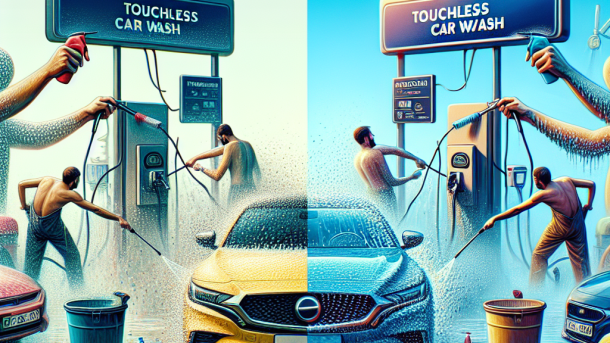
Car Wash

Why does touchless car wash not clean?

Table of Content

TITLE: Why does touchless car wash not clean?
COUNTRY CODE: US
LANGUAGE CODE: en
TABLE OF CONTENT:

  • Introduction
  • Understanding Touchless Car Wash Technology
    • How does a touchless car wash work?
    • The difference between touchless and traditional car washes
  • Common Reasons for Ineffective Cleaning in Touchless Car Washes
    • Limitations of water pressure and detergents
    • Challenges with removing tough dirt and grime
  • Environmental and Design Factors Affecting Cleaning Efficacy
    • Water temperature and quality
    • Vehicle design and how it impacts cleaning
  • Pros and Cons of Using Touchless Car Washes
    • Advantages of touchless car wash technology
    • Disadvantages and potential drawbacks
  • Alternatives to Touchless Car Washes for Better Cleaning
    • Brush car washes
    • Hand washing and detailing services
    • DIY car washing tips
  • Tips for Maximizing the Cleaning Effectiveness of a Touchless Car Wash
  • Key Takeaways
  • Conclusion

Why does touchless car wash not clean effectively?

Introduction

In the realm of car care, the touchless car wash emerges like a futuristic marvel, promising a pristine vehicle without the caress of bristles or cloth. But, why do some vehicles emerge from this process with less than gleaming results? Are these washes truly effective, or do they leave much to be desired? Understanding the intricacies of touchless car wash technology sheds light on these questions, revealing why the sparkle might sometimes be missing.

As we journey through this exploration, we’ll delve into the underlying technology, examine the reasons behind its varied effectiveness, and consider alternatives that might better satisfy your quest for a spotless ride. After all, in the world of car care, it’s not just about the shine; it’s about the journey to achieve it.

To gain a deeper perspective on the profitability of car wash businesses, explore how much a self serve car wash makes monthly, which can provide insights into the industry dynamics.

Understanding Touchless Car Wash Technology

Imagine a world where your car is bathed in a gentle rain of water and detergent, without ever feeling the pressure of a brush or the swipe of a cloth. This is the allure of touchless car wash technology. But how exactly does it work, and is it truly a match for traditional car washes?

At its core, a touchless car wash relies on high-pressure jets of water and specially formulated detergents to cleanse the vehicle. It’s akin to a gentle waterfall, designed to wash away dirt and grime without the risk of scratching the paint. Unlike traditional car washes that use brushes or sponges, touchless systems avoid direct contact, thereby minimizing the risk of scratches or abrasions.

While this technology offers a modern solution to car cleaning, it does come with its own set of challenges. Understanding the nuances of these systems can help car owners make informed choices about their car care routine. For a deeper dive into the economics of car washes, consider exploring whether automated car washes are profitable, as it provides a broader understanding of the industry’s landscape.

How does a touchless car wash work?

Envision your car enveloped in a misty embrace of water and detergent, much like a gentle rain shower. But what lies behind this seemingly magical process? In a touchless car wash, high-pressure jets of water and specially formulated detergents take center stage. These elements work in harmony, creating an orchestrated dance designed to whisk away dirt and grime without ever laying a finger—literally—on your vehicle.

These washes employ sophisticated sensors and computer systems, ensuring that every nook and cranny of your car is attended to, much like a meticulous artist painting a masterpiece. Yet, despite this technological prowess, the touchless car wash might leave some dirt lingering, particularly stubborn grime that traditional brushes might easily tackle.

For an understanding of the broader implications and potential earnings in this sector, one might consider exploring how car washes make money. This knowledge not only enlightens car owners but also potential investors in the car wash industry.

The difference between touchless and traditional car washes

Picture this: two vehicles side by side, each embarking on a journey through the cleansing embrace of a car wash. One encounters the gentle, non-contact caress of a touchless wash, while the other submits to the thorough scrubbing of a traditional car wash. But what truly distinguishes these two methods in the world of car care?

In a traditional car wash, brushes and cloths come alive like skilled choreographers, moving in unison to scrub away dirt and grime. This method, while effective, risks the potential of scratches, much like a dance partner stepping a bit too harshly on your toes. On the other hand, the touchless car wash, with its high-pressure water jets and specialized detergents, operates like a sophisticated symphony, cleansing without contact, yet sometimes leaving behind the most stubborn dirt.

While touchless technology promises a scratch-free shine, traditional washes often outperform in terms of thoroughness. It’s akin to choosing between a gentle breeze and a strong wind when you need to clear away leaves. Understanding these differences can guide car owners in selecting the best wash for their needs. If you’re considering investing in this industry, it’s worth investigating whether car washes are a sound investment, offering insights into potential returns and market dynamics.

Common Reasons for Ineffective Cleaning in Touchless Car Washes

In the world of touchless car washes, the promise of a spotless shine often meets the reality of lingering dirt. But why does this happen? What are the elements at play that can turn a promising wash into a less-than-satisfying experience? Let’s delve into the common reasons that can hinder the cleaning efficacy of touchless car washes.

While touchless technology employs advanced systems of high-pressure water and detergents, they face limitations that can impact their effectiveness. For instance, the water pressure and quality have a direct bearing on the wash results, much like the quality of ingredients in a gourmet meal. Additionally, tough dirt and grime can sometimes prove to be resilient opponents, refusing to budge despite the technological prowess of touchless systems.

Understanding these nuances is crucial for car owners seeking the best for their beloved vehicles. To further comprehend the dynamics of car wash businesses, one might explore how much one can make a year owning a car wash. This journey not only enlightens car enthusiasts but also potential entrepreneurs in the car wash market.

Limitations of water pressure and detergents

Imagine trying to wash away a stubborn stain with a mere trickle of water and a diluted soap solution. This is often the plight of touchless car washes, where the limitations of water pressure and detergents come into play. While they strive to create a seamless and non-invasive cleaning experience, these constraints can sometimes leave vehicles with less than satisfactory results.

Water pressure plays a crucial role, akin to the strength of a river’s current, in dislodging dirt particles. However, in touchless systems, the pressure is often regulated to prevent damage, which might not be enough to tackle hardened grime. Additionally, the detergents used, though specially formulated, might lack the potent punch required to dissolve the most resilient dirt.

These limitations highlight the balancing act between effective cleaning and maintaining a scratch-free wash. For those intrigued by car washing dynamics, it might be insightful to explore how much can you make a year owning a car wash, which delves into the business side of car cleaning, uncovering the profitability and challenges of the industry.

Challenges with removing tough dirt and grime

Imagine a relentless battle between a delicate artist and a stubborn canvas, where the touchless car wash emerges as the artist, and the dirt and grime stand defiant as the canvas. The touchless technology, with its gentle embrace of high-pressure water and specialized detergents, often struggles to overpower the most obstinate dirt—a bit like trying to untangle a tightly knotted thread with just air.

These touchless systems excel in removing surface-level dust and dirt, but when it comes to the hardened grime that clings to the vehicle like a tenacious barnacle, they may fall short. Without the mechanical action of brushes or sponges, some dirt remains steadfast, resisting the touchless wash’s best efforts.

Understanding these challenges underscores the importance of choosing the right type of wash for your vehicle’s needs. For those interested in the broader landscape of car care, exploring how often cars should be washed can offer insights into maintaining a vehicle’s pristine condition and navigating the world of car washes effectively.

Environmental and Design Factors Affecting Cleaning Efficacy

Imagine a delicate balance, much like a tightrope walker swaying between two worlds: the world of technology and the realm of nature. This is the challenge faced by touchless car washes, where environmental and design factors intertwine, influencing the final gleam of your vehicle. But how do these elements affect the cleaning efficacy?

Environmental factors such as water temperature and quality play pivotal roles. Think of them as the silent conductors of a symphony, orchestrating the effectiveness of the wash. If the water is too cold or the quality is compromised, the cleaning might fall flat, leaving you with a less-than-sparkling outcome. Additionally, vehicle design can also throw a wrench in the works. Intricate designs and hidden crevices might elude the reach of water jets, like elusive whispers in the wind.

These factors underscore the complexity of achieving a flawless clean. For those intrigued by the interplay of these elements, exploring whether automated car washes make money can provide insights into the broader industry dynamics and the challenges faced by car wash operators.

Water temperature and quality

Imagine a touchless car wash as a finely tuned orchestra, with water temperature and quality as its leading musicians. When these elements are in harmony, the result is a symphony of cleanliness. But when they falter, the performance can fall flat. Water temperature, much like the temperature of a soothing bath, plays a crucial role in loosening dirt and grime. Cold water can be less effective, akin to washing dishes in chilly water—leaving behind stubborn residues.

Quality, on the other hand, is the purity and clarity of the water. Contaminants or impurities can hinder detergents, much like a cloudy sky obscures the sun’s brightness. For touchless car washes, ensuring optimal water temperature and quality is paramount to achieving that coveted shine.

For those delving into the business side of car washing, understanding how much you can make a year owning a car wash provides insight into the profitability challenges tied to maintaining high standards in water use.

Vehicle design and how it impacts cleaning

Picture a car as a complex puzzle, composed of intricate curves, hidden crevices, and diverse textures. Each vehicle design presents a unique challenge to touchless car washes, akin to an artist trying to paint on a canvas with unseen contours. The very features that make a car stylish and aerodynamic can also serve as obstacles to thorough cleaning, as if the dirt is playing a game of hide and seek.

For instance, a vehicle with deep recesses or ornamental moldings might inadvertently shelter stubborn dirt and grime, evading the reach of high-pressure jets. The challenge is similar to attempting to sweep dust out of a room full of nooks and crannies—it’s quite the endeavor. Moreover, larger vehicles or those with accessories like roof racks might experience uneven cleaning coverage, leaving certain areas less pristine.

Understanding these design impacts is crucial for car owners striving for that perfect gleam. For more insights on maintaining your vehicle’s cleanliness, explore tips on how often you should wash your car, ensuring that its design doesn’t become an impediment to its shine.

Pros and Cons of Using Touchless Car Washes

Like a coin with two sides, touchless car washes offer a blend of advantages and drawbacks that car owners must weigh. Picture a world where your cherished vehicle is caressed only by water and detergent, avoiding the risks of abrasive bristles. Yet, does this gentle touch always translate into a pristine shine?

Let’s delve into the strengths and weaknesses of touchless car wash technology, examining the allure of a brush-free cleaning experience and the potential pitfalls that might leave you yearning for a more traditional wash.

For those intrigued by the business aspect of car washing, exploring whether car washes are a wise investment can provide insights into the industry’s dynamics and the evolving preferences of consumers.

Advantages of touchless car wash technology

Imagine a world where your car is gently caressed by a waterfall of water and detergent, leaving it sparkling clean without a single scratch. This is the magic of touchless car wash technology. But what makes it so appealing?

For starters, touchless car washes are akin to a soothing spa day for your vehicle, eliminating the risk of scratches or swirl marks that can occur with traditional brushes. This contact-free approach is perfect for car enthusiasts who cherish their vehicle’s pristine finish and want to avoid any potential damage.

Additionally, touchless car washes are often faster and more convenient, like a quick pit stop in your busy day, allowing you to maintain your car’s cleanliness without the hassle of a lengthy wash process. Furthermore, for those concerned about the environment, many touchless systems are designed to use less water and recycle it, making them a more sustainable choice.

For those curious about the profitability of such technologies, considering whether automated car washes make money can provide valuable insights into the financial benefits of adopting touchless car wash technology.

Disadvantages and potential drawbacks

While the allure of touchless car washes lies in their gentle, non-contact approach, they, like any innovation, come with their own set of challenges. Imagine a symphony without a conductor, where the harmony sometimes falters. The absence of direct contact means that touchless car washes may struggle to remove stubborn dirt and grime, akin to trying to catch a whispering breeze with your bare hands.

This lack of mechanical action can lead to less-than-perfect results, particularly for vehicles that have accumulated layers of tough dirt or reside in harsher environments. Furthermore, the reliance on water pressure and detergents, much like trying to rely solely on seasoning for flavor, might not always hit the mark in achieving a spotless clean.

In addition, touchless systems can sometimes be more sensitive to environmental factors, such as water temperature and quality, which can affect their overall effectiveness. These nuances can leave car owners pondering whether the convenience and safety offered by touchless technology outweigh the potential need for additional cleaning efforts.

For those evaluating the broader context of car care, exploring alternatives such as when to not wash a car can provide insights into making informed decisions about the best cleaning methods for different situations.

Alternatives to Touchless Car Washes for Better Cleaning

When the gentle caress of a touchless car wash leaves you yearning for more, it might be time to explore alternatives that promise a deeper clean. Picture a world where your vehicle is pampered like royalty, each inch attended to with precision and care. These alternatives offer a hands-on approach, ensuring every speck of dirt is whisked away, leaving your car gleaming like a polished gem.

From the vigorous embrace of brush car washes to the meticulous touch of hand washing and detailing services, these options beckon car owners seeking thoroughness. Whether you prefer the mechanical prowess of a brush wash or the personal touch of hand detailing, these alternatives cater to diverse needs and preferences. Additionally, for the DIY enthusiasts, there’s the rewarding satisfaction of rolling up your sleeves and washing your car at home, armed with the right tips and tricks.

For an in-depth understanding of car washing choices, exploring when to avoid washing your car can offer valuable insights into optimizing your car care routine, ensuring your vehicle remains pristine and well-maintained no matter the method you choose.

Brush car washes

Imagine your car as a canvas, and the brush car wash as the artist’s hand, meticulously stroking away the grime and dirt to reveal a masterpiece beneath. Brush car washes, with their rotating brushes and foamy lathers, offer a robust and thorough cleaning experience that can be likened to a deep tissue massage for your vehicle.

These systems are designed to tackle even the most stubborn dirt, much like a determined artist refusing to leave a single blemish on their work. The mechanical action of the brushes ensures that every inch of your car is attended to, making it an ideal choice for those who have vehicles that frequently encounter rough terrains or harsh weather conditions.

However, with such thoroughness comes the risk of scratches or swirl marks, especially if the equipment is not well-maintained. It’s a bit like using a coarse brush on a delicate surface—effective but requiring care. For those interested in the business side, you might explore whether car washes are a good investment to understand the balance between customer satisfaction and operational challenges.

Hand washing and detailing services

Picture a craftsman delicately sculpting a work of art, paying close attention to every curve and detail. This is the essence of hand washing and detailing services for your vehicle. Unlike automated systems, these services offer a personalized touch, akin to a tailor fitting a bespoke suit, ensuring that every nook and cranny of your car is attended to with precision and care.

From the gentle suds of a hand wash to the meticulous attention of detailing, these services promise a level of thoroughness and customization that machines simply can’t replicate. It’s akin to a spa day for your car, where skilled professionals dedicate their expertise to achieving that perfect shine. However, much like any premium service, hand washing and detailing often come with a higher price tag and require more time.

For car enthusiasts who value a spotless finish and the assurance that every inch of their vehicle has been cared for, hand washing and detailing services provide a level of cleanliness that is hard to match. To delve deeper into car maintenance, consider exploring tips on how often cars should be washed, which can help you strike a balance between frequency and thoroughness in your car care routine.

DIY car washing tips

Imagine rolling up your sleeves and channeling your inner artist as you transform your car from a dusty relic to a gleaming masterpiece. DIY car washing is not just a chore but a creative endeavor, allowing you to tailor each step to your vehicle’s unique needs. Armed with the right tips, you can achieve a professional-level clean from the comfort of your driveway.

Start by gathering the essentials: a high-quality car wash soap, soft microfiber mitts, and buckets for rinsing and washing. Think of these as your artist’s brushes and palette, each playing a role in crafting the final masterpiece. Begin with a pre-rinse to remove loose dirt, much like priming a canvas, before applying the soapy solution. Use gentle, circular motions akin to a painter’s strokes to avoid scratches.

Rinse thoroughly and finish with a microfiber towel to dry, ensuring no water spots remain. For an added touch of finesse, consider applying a protective wax, much like adding a varnish to a painting, to preserve the shine. For those curious about the costs involved, exploring how much money it costs to wash your car at home can provide insights into the economic side of DIY car washing, helping to balance quality with budget considerations.

Tips for Maximizing the Cleaning Effectiveness of a Touchless Car Wash

Imagine the touchless car wash as a symphony, where each element must play its part in harmony to deliver a sparkling finale. But how do you ensure your car gets that perfect clean? Here are some tips to help maximize the effectiveness of a touchless car wash, turning potential challenges into triumphs.

First, consider pre-rinsing your vehicle. Think of it as warming up before a workout, removing loose dirt that might otherwise hinder the wash process. Also, pay attention to the timing of your wash. Avoid peak hours when the system might be under strain, much like avoiding the rush at your favorite restaurant for the best service.

Another strategy is to choose the right wash cycle. Opt for a premium package that includes additional rinses or spot-free treatments, akin to ordering the full-course meal instead of just an appetizer. This ensures the detergents have ample time to work their magic, and residual water is effectively rinsed away.

For those keen on understanding the broader dynamics of car care, exploring when to not wash a car can offer insights into optimizing conditions for your touchless car wash adventures, ensuring your vehicle always emerges gleaming like a polished gem.

Key Takeaways

As we navigate the world of car washes, the touchless car wash emerges as a modern marvel, promising a gentle yet effective cleaning experience. Yet, like any technology, it has its nuances and challenges. Understanding the limitations of water pressure, the importance of high-quality detergents, and the influence of vehicle design is crucial for optimizing your car care routine.

While touchless systems offer a scratch-free alternative, they may not always achieve the deep clean that traditional methods provide. For those seeking thoroughness, alternatives like brush washes or hand detailing might be the answer, much like choosing a hearty meal over a light snack when hunger calls. Additionally, embracing DIY car washing offers a personalized touch, allowing you to customize your approach based on your vehicle’s needs.

Ultimately, the choice between touchless and other car wash methods depends on your priorities, whether it’s convenience, safety, or cleanliness. For those curious about the business side of car washes, exploring how much a self-serve car wash makes monthly can provide insights into the industry’s dynamics, helping you make informed decisions about your car care journey.

Conclusion

As we conclude our exploration of touchless car washes, it’s clear that while they offer a modern and gentle approach to cleaning, they also come with their own set of challenges. Much like a gentle breeze that can’t sweep away every leaf, touchless systems may not always achieve the thoroughness that some vehicles require.

The decision between touchless and traditional car washes is akin to choosing between a sleek sports car and a rugged SUV—each has its own advantages and is suited to different needs. For those who prioritize a scratch-free finish, the touchless car wash is an appealing option. However, if deep cleaning is essential, alternatives like brush washes or hand detailing services may provide the extra care needed.

Ultimately, the best choice depends on your vehicle’s specific requirements and your personal priorities. Whether you opt for the convenience of a touchless wash or the thoroughness of a traditional method, understanding the pros and cons will ensure your car remains in pristine condition. For further insights into car wash profitability and investment potential, consider exploring whether car washes are a good investment.

What to avoid in a car wash?

Table of Content

TITLE: What to avoid in a car wash?
COUNTRY CODE: US
LANGUAGE CODE: en
TABLE OF CONTENT:

  • Introduction
  • Understanding the Types of Car Washes
    • Automatic Car Washes
    • Hand Car Washes
    • Self-Service Car Washes
  • Common Mistakes to Avoid in a Car Wash
    • Using Cheap or Abrasive Soaps
    • Overlooking the Importance of Rinse Water Quality
    • Skipping the Pre-Wash Stage
    • Washing Under the Sun
  • Risks of Traditional Car Wash Methods
    • Scratches and Swirl Marks
    • Damaging Paintwork with Harsh Brushes
    • Water Spots from Improper Drying
  • What to Look for in a Quality Car Wash
    • Use of High-Quality Products
    • Attention to Detail
    • Environmentally Friendly Practices
  • Alternatives to Car Washes
    • DIY Home Car Wash Tips
    • Professional Detailing Services
  • Key Takeaways
  • Conclusion

What to avoid in a car wash: Common mistakes and risks

Introduction

Imagine driving your shiny, freshly washed car down the street, feeling like a million bucks. But what if your car wash routine is secretly sabotaging your vehicle’s gleam? In this guide, we delve into the often-overlooked pitfalls of car washing and the subtle risks lurking in traditional methods. From the perils of harsh chemicals to the sneaky damage caused by abrasive brushes, we explore how these factors can turn your car’s sheen into a dull finish.

It’s not just about aesthetics; improper car washing can impact the longevity of your vehicle’s paintwork. Whether you choose an automatic car wash or prefer the hands-on approach of a self-service car wash, knowing what to avoid is crucial. Understanding these risks allows you to make informed decisions, ensuring your car looks its best while maintaining its value.

Join us as we uncover the common mistakes in car washing and discuss alternatives that might just revolutionize your car care routine. Whether you’re a car enthusiast or someone who considers car washing a chore, this guide will equip you with the knowledge to protect your investment and keep your vehicle looking pristine.

Understanding the Types of Car Washes

When it comes to car washing, not all methods are created equal. Picture a symphony of choices, each offering its unique melody to the car care tune. From the mechanized efficiency of automated car washes to the artisanal touch of hand washes, and the DIY spirit of self-service car washes, the options are diverse.

Automatic car washes are akin to a fast-paced city life – quick, convenient, but sometimes lacking the personal touch needed to avoid potential paint damage. In contrast, hand car washes are like a bespoke tailor, offering fine attention to detail but demanding more time and possibly a higher cost. Then there’s the self-service option, where you become the maestro, orchestrating each step with precision and care.

Understanding these types means grasping their nuances and hidden pitfalls. It’s about aligning your car wash choice with your vehicle’s needs, your lifestyle, and your budget. So, as you navigate this world of car washes, consider what resonates with you and your beloved car. Which melody will you choose to keep your vehicle’s symphony in harmony?

Automatic Car Washes

Imagine your car moving through a tunnel, surrounded by whirling brushes and jets of water. That’s the world of automatic car washes – a realm of convenience and speed. These washes are the bustling highways of the car care landscape, designed for those who value time above all else. But, like a fast-paced city, it comes with its own set of challenges.

Automatic car washes use machinery that can sometimes be too aggressive, much like an overzealous chef who seasons with a heavy hand. The rotating brushes might not always be as gentle as you’d hope, potentially leaving scratches or swirl marks on your vehicle’s paintwork. Moreover, the soaps and chemicals used are often designed for efficiency rather than delicacy, which might not suit every car’s needs.

However, not all is bleak. By choosing a reputable establishment, you can mitigate these risks. Look for those that use touchless systems or soft cloth brushes to minimize the chance of damage. And remember, while these washes are quick, they might not match the detailed attention you’d get from a hand wash or a DIY approach.

In this fast-paced world, automatic car washes serve a purpose. They are a testament to modern convenience, yet they require a discerning eye to ensure your car remains in peak condition.

Hand Car Washes

Picture the meticulous craftsmanship of an artist, each stroke deliberate and full of care. Hand car washes embody this artistry, providing a personalized touch that no machine can replicate. They are the quiet, serene galleries in the bustling museum of car care, where skilled hands work to bring out the best in your vehicle.

Unlike the hurried pace of automated car washes, hand car washes offer a bespoke experience. Here, every nook and cranny is attended to with precision. The process is akin to a spa day for your car, rejuvenating its appearance with gentle, yet thorough, attention. High-quality products are often used to ensure a gleaming finish without compromising the integrity of the paintwork.

However, this level of detail comes at a cost—both in time and money. It demands patience, as each step is carefully executed. The price tag reflects the labor and expertise involved, making it a premium option. Yet, for those who cherish the craftsmanship and value the outcome, hand car washes offer unparalleled satisfaction.

In the symphony of car washes, hand car washes play a soothing, harmonious tune. They remind us that sometimes, the slower, more deliberate approach can yield the most beautiful results.

Self-Service Car Washes

Imagine a blank canvas and a palette of colors at your fingertips. This is the essence of a self-service car wash, where you are both artist and curator of your vehicle’s care. It’s the DIY adventure of the car wash world – empowering, flexible, and tailored to your rhythm.

In the realm of self-service, you hold the brush, deciding the strokes that will rejuvenate your car’s appearance. You choose the pressure of the water, the type of soap, and the attention to detail that your vehicle deserves. It’s an opportunity to connect with your car, understanding its contours and nuances as you wash away the remnants of the road.

Yet, with great power comes great responsibility. It’s essential to avoid common pitfalls such as using cheap or abrasive soaps that could harm your car’s finish. Additionally, it’s crucial to be mindful of the weather, as washing under the sun can lead to water spots, tarnishing your efforts. A self-service car wash requires a discerning eye and a gentle hand to ensure your vehicle emerges vibrant and pristine.

Whether you’re a car enthusiast or seeking a cost-effective option, the self-service car wash offers a symphony of possibilities. It’s where creativity meets practicality, providing a canvas for your car care artistry.

Common Mistakes to Avoid in a Car Wash

In the theater of car care, even the slightest misstep can lead to an unintended scratch on your vehicle’s glossy coat. Imagine attempting to perform a symphony without tuning your instruments—it’s a recipe for discord. Similarly, car washing demands attention to detail and awareness of potential pitfalls.

Many car enthusiasts unknowingly stumble into a maze of common mistakes, turning their efforts into a misadventure. From using harsh, abrasive soaps that strip away your car’s natural shine to overlooking the quality of rinse water, these blunders can tarnish your car wash experience. It’s like crafting a gourmet meal but using spoiled ingredients—disappointing and counterproductive.

Other oversights include skipping the crucial pre-wash stage, which is akin to jumping into a marathon without warming up, and washing under the glaring sun, risking unsightly water spots. Each mistake, small as it may seem, can resonate through your car’s appearance and longevity.

Understanding these errors is the first step in avoiding them, ensuring your car wash is a harmonious affair. By learning what to sidestep, you can protect your vehicle’s beauty and integrity, transforming every wash into a celebration of your car’s elegance.

Using Cheap or Abrasive Soaps

Imagine your car as a prized canvas and the soap as the artist’s choice of paint. Opting for cheap or abrasive soaps can be akin to using a coarse brush on delicate artwork. These low-quality soaps often contain harsh chemicals that strip away the protective wax and potentially damage the paintwork. It’s like using sandpaper instead of a soft cloth—counterproductive and damaging.

Quality matters, and when it comes to maintaining your car’s sheen, investing in high-quality car wash products is essential. It’s not just about the immediate shine but preserving the paint’s integrity over time. For instance, reputable car washes prioritize quality products that care for your vehicle’s finish. This choice is crucial, whether you’re visiting a professional car wash or opting for a DIY approach.

Ultimately, your car deserves the same care and attention you would give to any valuable possession. By avoiding the allure of cheap soaps, you ensure that your vehicle remains a masterpiece—gleaming, protected, and admired by all who see it.

Overlooking the Importance of Rinse Water Quality

Imagine crafting a beautiful sculpture only to tarnish it with unclean hands. That’s the risk you take when you overlook the quality of rinse water in your car wash routine. It’s a silent saboteur, quietly undermining your efforts to keep your vehicle in pristine condition.

Rinse water quality is crucial because residues in hard or contaminated water can leave unsightly spots and streaks on your car’s surface. These blemishes can be as disheartening as a beautiful painting with an unexpected smudge. Ensuring the use of soft, filtered water for rinsing is like giving your car a final, gentle polish, allowing its true brilliance to shine through.

When selecting a car wash service, inquire about their water filtration systems. It’s a detail that sets quality establishments apart, ensuring your car leaves with a flawless finish. For those opting for a DIY home car wash, investing in a water softener or filter can make a world of difference in your car’s appearance and upkeep.

In the end, paying attention to rinse water quality is like adding that final, perfect brushstroke to your masterpiece. It’s an investment in your vehicle’s long-term beauty and a testament to the care you bestow upon it.

Skipping the Pre-Wash Stage

Imagine a painter beginning their masterpiece on a dusty canvas. Skipping the pre-wash stage in car care is akin to this oversight. It’s a crucial step that prepares your vehicle, ensuring a flawless wash by removing loose dirt and debris. Without it, these particles can act like tiny sandpaper, scratching the paint as you proceed with washing.

The pre-wash stage is your car’s gentle awakening, a soothing rain before the storm of soap and water. It’s the unsung hero of car washing, quietly laying the groundwork for a thorough clean. By blasting away surface grime with a quick rinse, you’re setting the stage for a deeper, more effective wash.

For both self-service car enthusiasts and those who prefer professional services, acknowledging the pre-wash importance is vital. It’s a reminder that the journey to a pristine vehicle is not just about the end result but the meticulous care and attention paid at every stage.

In the pursuit of automotive brilliance, the pre-wash stage is your first brushstroke—delicate yet decisive, ensuring every subsequent step yields a harmonious, gleaming finale.

Washing Under the Sun

Imagine trying to paint a masterpiece under the relentless glare of the midday sun. The paint dries too quickly, leaving streaks and uneven patches. Washing your car under the sun can have a similar effect, causing water spots and soap streaks to set before you have a chance to rinse them away. It’s like trying to capture a perfect photograph with a glaring light obscuring the view.

When you wash your car under direct sunlight, the water and soap can dry faster than you can rinse them, leaving behind unsightly marks that mar your vehicle’s finish. This is why timing and location are essential. Aim for a shaded area or wash your car during cooler parts of the day, ensuring that the elements work with you, not against you.

Using a self-service car wash can provide the flexibility to choose the perfect time and setting for your wash. However, if you’re at home, consider investing in a portable canopy for shade or simply wait for an overcast day. Much like a photographer waiting for the golden hour, timing your car wash right can make all the difference in achieving a flawless finish.

For more tips on maintaining your car’s appearance, consider exploring professional detailing services, which often account for environmental factors to ensure a pristine result.

Risks of Traditional Car Wash Methods

In the grand theater of automobile care, traditional car wash methods can sometimes play the role of an unexpected villain. Imagine a ballet where the dancers’ movements leave marks on the stage floor. Similarly, these methods, while familiar and convenient, can inadvertently leave their imprint on your vehicle’s delicate surface.

The journey of a traditional car wash often begins with harsh brushes, akin to an unkind breeze sweeping across a serene landscape. These brushes, though efficient, can scratch and mar the paintwork, leaving behind unsightly swirl marks. It’s a silent rebellion, where the very tools meant to clean become the culprits of damage.

Moreover, the drying stage is a critical act in this performance. Improper techniques can result in water spots, much like an artist leaving paint droplets on a finished canvas. These spots not only dull your vehicle’s shine but can also etch into the paint over time, compromising its integrity.

Being aware of these risks is essential, whether you frequent car washes or prefer a hands-on approach. By understanding the potential pitfalls of traditional methods, you can take steps to protect your vehicle’s beauty, ensuring it remains a masterpiece in motion.

Scratches and Swirl Marks

Imagine your car as a pristine canvas, its surface gleaming in the sunlight. Now, picture a brushstroke gone awry, leaving a permanent mark. That’s the risk of scratches and swirl marks in traditional car washes—a silent artist’s touch that mars the masterpiece.

The culprits often lurk in the form of harsh brushes and abrasive cleaning materials. These tools, much like an untrained artist wielding a heavy hand, can create unsightly marks that catch the light in all the wrong ways. Each scratch is a tiny fissure, an imperfection that can detract from your vehicle’s overall allure.

It’s crucial to be vigilant when choosing a car wash. Seek out establishments that use soft cloths or touchless systems, minimizing the risk of damage. Alternatively, consider the gentle art of hand washing at home, where you control the pressure and materials, ensuring a delicate touch.

In the symphony of car maintenance, protecting against scratches and swirl marks is like ensuring each instrument plays in harmony. It’s about preserving the integrity and beauty of your vehicle, allowing it to shine as the true work of art it is.

Damaging Paintwork with Harsh Brushes

Imagine a gentle breeze suddenly turning into a fierce gust, leaving a trail of chaos in its wake. This is what harsh brushes do to your car’s paintwork during a traditional car wash. They are the brutish winds in the delicate dance of car care, often leaving behind a trail of scratches and blemishes.

These brushes, designed for efficiency, sometimes wield their power too aggressively, compromising the glossy veneer of your vehicle. It’s akin to using a scouring pad on a fine piece of china—effective in removing dirt, but at a cost to the surface’s integrity. The result? A landscape of scratches, resembling a tapestry of unintended art across your car’s body.

To mitigate this, consider opting for car washes that employ touchless technologies or soft cloth brushes. These methods are like a gentle breeze, cleaning without disturbing the tranquility of your vehicle’s surface. Alternatively, a DIY home wash allows you to control the pressure and tools used, ensuring a tender touch.

In the theater of car maintenance, avoiding harsh brushes is like choosing a skilled artist to craft your masterpiece. It’s about safeguarding the elegance and longevity of your vehicle, ensuring it remains a vibrant testament to your care and attention.

Water Spots from Improper Drying

Picture a rain-soaked landscape with the sun suddenly bursting through the clouds, leaving puddles that quickly evaporate. This is analogous to what happens when a car is improperly dried after a wash. Water spots, much like lingering raindrops on a sunlit pavement, can etch themselves into your vehicle’s finish, creating a constellation of blemishes that mar its luster.

These spots occur when the remaining water evaporates too quickly, leaving behind mineral deposits and impurities. It’s as if a fine wine is left uncorked, losing its essence and aroma. The once-glossy surface becomes a tableau of dullness, marked by unsightly rings and streaks.

To avoid this, ensure meticulous drying with a soft, clean microfiber towel, blotting rather than wiping, to eliminate every last drop of moisture. Consider using drying aids or water softeners, particularly if you’re tackling a DIY car wash at home. This step is akin to the final flourish in a dance, ensuring your car’s elegance is preserved and ready to dazzle once more.

In the symphony of car care, proper drying is the crescendo, the grand finale that ensures your vehicle maintains its radiant allure. By taking this extra measure, you protect your investment, allowing your car to shine as brightly as your pride in it.

What to Look for in a Quality Car Wash

In the vast landscape of car washes, finding the perfect one is akin to discovering a hidden gem—a sanctuary where your car emerges as a brilliant masterpiece. So, what should you seek in this quest for excellence?

First, consider the quality of the products used. High-grade soaps and waxes are like the finest oils and pigments in an artist’s palette, essential for preserving your car’s glossy finish and protecting its paintwork. Avoid the pitfalls of cheap, abrasive alternatives that risk dulling your vehicle’s luster.

Also, prioritize attention to detail. A quality car wash doesn’t just gloss over the surface; it delves into every nook and cranny, ensuring no speck of dirt remains. It’s the difference between a rushed sketch and a carefully crafted portrait.

Finally, look for environmentally friendly practices. A quality car wash respects not just your vehicle but the planet as well. From water recycling systems to biodegradable products, these practices reflect a commitment to sustainability—a value that resonates with conscientious car owners.

By choosing a car wash that excels in these areas, you ensure your vehicle receives the care it deserves, emerging as a testament to your dedication and pride.

Use of High-Quality Products

Imagine a chef crafting a gourmet dish; the quality of ingredients is paramount. Similarly, in the realm of car washes, the use of high-quality products is essential for achieving a pristine finish. These products, much like premium spices, enhance the overall appeal and longevity of your vehicle’s appearance.

High-quality soaps and waxes act as the guardians of your car’s gloss, protecting the paintwork from the harsh elements. It’s akin to a knight’s armor, safeguarding against scratches, fading, and other forms of damage. Unlike cheap, abrasive alternatives, these products ensure your car’s luster remains untarnished, turning heads wherever you go.

When selecting a car wash, inquire about the products used. Are they designed for efficiency or delicacy? The answer could mean the difference between a dull, lifeless finish and a vibrant, mirror-like sheen. Quality products not only enhance aesthetics but also play a vital role in preserving your car’s value over time.

In the grand tapestry of car care, the use of high-quality products is the brushstroke that defines your vehicle’s elegance. By choosing wisely, you ensure your car remains a masterpiece, a testament to your discerning taste and commitment to excellence.

Attention to Detail

Imagine a sculptor meticulously chiseling away at a block of marble, each stroke precise and purposeful. That’s the essence of attention to detail in a quality car wash. It’s not merely about the superficial shine but the thoroughness with which every inch of your vehicle is attended to.

A car wash that prioritizes detail takes the time to address the hidden nooks and crannies, ensuring no speck of dirt or grime is left behind. It’s akin to a fine tailor, making sure every seam is perfectly aligned. This level of care transforms a routine wash into a comprehensive pampering session for your car.

Such establishments often employ skilled technicians who treat each vehicle as their own, using gentle, yet effective techniques that protect and enhance the car’s finish. The result? A vehicle that not only looks immaculate but also maintains its value over time.

In a world where rushing has become the norm, finding a car wash that emphasizes attention to detail is like discovering a rare gem. It’s a testament to the artistry and dedication that goes into preserving the beauty and integrity of your vehicle.

Environmentally Friendly Practices

Imagine a car wash as a vibrant garden, where every drop of water is cherished, and every soap bubble is gentle on nature. In today’s world, choosing a car wash that embraces environmentally friendly practices is like tending to this garden, ensuring it thrives without harming the ecosystem.

Environmentally conscious car washes often employ water recycling systems, reducing waste and conserving precious resources. It’s akin to a well-tended garden where nothing goes to waste, each resource is repurposed for the greater good. These systems not only benefit the environment but also reflect a commitment to sustainable practices, a value that resonates with many car enthusiasts.

Additionally, opting for biodegradable products is like planting seeds that nurture the earth rather than deplete it. These products break down naturally, leaving no harmful residues behind. When visiting a car wash, consider inquiring about their environmental practices. The use of eco-friendly products and efficient water management is a testament to their dedication to preserving our planet.

By choosing a car wash that prioritizes environmentally friendly practices, you’re not just caring for your car; you’re contributing to a cleaner, healthier world. It’s a small step with a significant impact, ensuring your vehicle shines while leaving a minimal environmental footprint.

Alternatives to Car Washes

In the endless pursuit of perfection, car enthusiasts often explore alternatives to traditional car washes. These alternatives are like hidden gems, offering a personalized touch that standard washes might lack. They invite you to become the artisan of your vehicle’s care, promising results that mirror your dedication and craftsmanship.

One such alternative is the DIY home car wash. Imagine transforming your driveway into a canvas, where you dictate every brushstroke and every rinse. This method allows for an intimate understanding of your car’s needs, providing the flexibility to use quality products and techniques tailored to your vehicle’s specifications. However, it’s crucial to ensure you’re equipped with the right tools and knowledge to avoid common pitfalls, like washing under the sun or using abrasive soaps.

Another enticing option is professional detailing services. Think of these services as a spa day for your car, where experts with a keen eye for detail restore your vehicle to its former glory. From meticulous hand washes to advanced treatments like paint protection and interior cleaning, professional detailing ensures your car receives the royal treatment. While more expensive, the results are often unparalleled, leaving your car looking and feeling renewed.

Exploring these alternatives allows you to break free from the norm, embracing a car care routine that aligns with your values and expectations. Whether your heart leans towards the DIY approach or professional detailing, each path offers its own symphony of benefits, ensuring your vehicle remains a shining testament to your passion and care.

DIY Home Car Wash Tips

Imagine your driveway transforming into a personal car care studio, where every wash is a tailored masterpiece. A DIY home car wash offers this unique opportunity, allowing you to be the artist behind your vehicle’s shine. But like any great artist, having the right tools and techniques is essential for success.

First, gather quality supplies: a gentle car wash soap, soft microfiber towels, and a two-bucket system for washing and rinsing. This method helps prevent the dreaded scratches and swirl marks by keeping dirt and grime away from your car’s surface. Think of it as the palette and brushes in your artistic arsenal.

Next, choose the right time and place. Avoid washing under direct sunlight to prevent water spots from forming. Instead, opt for a shaded area or cooler parts of the day. It’s like waiting for the perfect light to capture a photograph, ensuring your efforts are not in vain.

Finally, pay attention to detail. Start with a pre-wash rinse to remove loose debris, then move from top to bottom in sections, ensuring no area is left untouched. For additional insights into maintaining your car’s appearance, explore resources on proper car washing techniques and products.

By embracing the DIY approach, you take control of your car care routine, crafting a wash that reflects both your passion and precision. Your driveway becomes a stage where your vehicle shines as the star, showcasing the care and dedication you invest in its upkeep.

Professional Detailing Services

Imagine your car being pampered like a guest at a luxurious spa retreat. This is the world of professional detailing services, where every curve and crevice of your vehicle is treated with meticulous care and expertise. It’s akin to entrusting a masterpiece to a seasoned curator, ensuring it receives the reverence it deserves.

Professional detailing goes beyond the surface, offering a comprehensive suite of services that restore and enhance your car’s appearance. From intricate hand washes to advanced paint correction and interior rejuvenation, these experts wield their tools like artists, bringing out the best in your vehicle. It’s a transformative experience, turning a routine wash into an elegant affair.

While the price tag might be higher than a typical car wash, the results are often unrivaled. The attention to detail and use of high-quality products ensure your car not only looks pristine but is protected against the elements. For those who value precision and excellence, professional detailing is a worthy investment.

By opting for professional detailing services, you are choosing a path that celebrates your car’s elegance and longevity. It’s a commitment to maintaining your vehicle as a testament to your care and passion, ensuring it remains a dazzling reflection of your pride.

Key Takeaways

Embarking on the journey of car washing is akin to an artist perfecting their craft, where every detail counts in preserving the beauty of your masterpiece. Whether you choose the quick convenience of automatic car washes or the personalized touch of hand and self-service car washes, understanding what to avoid is paramount in maintaining your vehicle’s allure.

Avoid the pitfalls of using cheap or abrasive soaps that can strip away your car’s natural sheen, much like an ill-chosen brush damaging a delicate painting. Be mindful of rinse water quality to prevent unsightly spots, and never skip the crucial pre-wash stage, which serves as a gentle awakening for your car’s surface.

Traditional car wash methods, although familiar, can sometimes be the silent culprits of scratches and swirl marks. It’s essential to choose car washes that prioritize gentle techniques and high-quality products, akin to a skilled artist using the finest materials.

Exploring alternatives like DIY home washes and professional detailing services can offer tailored care that reflects your dedication and passion. By making informed choices, you ensure your vehicle remains a testament to your care and attention, shining as brightly as your pride in it.

For additional insights into car wash practices and how they impact your vehicle’s appearance and value, consider exploring resources like the Consumer Reports. They offer valuable information on best practices for maintaining your car’s aesthetics and longevity.

Conclusion

As we conclude this journey through the car wash landscape, imagine your vehicle as a cherished work of art, deserving the finest care and attention. Car washing isn’t merely a routine; it’s a symphony of choices, each decision impacting your car’s aesthetic and longevity.

From avoiding the pitfalls of washing under the sun to selecting high-quality products, every step shapes the outcome. Whether you embrace the convenience of automatic washes, the precision of hand washes, or the creativity of self-service options, the key is informed decision-making.

Remember, your car reflects your dedication and pride. By understanding what to avoid and exploring alternatives like DIY techniques or professional detailing, you ensure it remains a brilliant testament to your care. As you drive away, let your car’s gleam be a tribute to your commitment, a shining beacon on the road.

For further reading on maintaining your vehicle’s condition, consider consulting reputable resources like Consumer Reports for expert guidance. With this knowledge, every car wash becomes an opportunity to celebrate your vehicle’s beauty and value.

What are the disadvantages of touchless car wash?

Table of Content

TITLE: What are the disadvantages of touchless car wash?
COUNTRY CODE: US
LANGUAGE CODE: en
TABLE OF CONTENT:

  • Introduction
  • Overview of Touchless Car Wash Systems
    • How Touchless Car Washes Work
    • Popularity and Prevalence
  • Disadvantages of Touchless Car Wash
    • Ineffectiveness on Tough Dirt and Grime
    • Potential Paint Damage
    • Chemical Residue Concerns
  • Environmental Impact
    • Water Usage and Wastewater Concerns
    • Chemical Pollution
  • Cost Considerations
    • Price Comparison to Traditional Car Washes
    • Long-term Maintenance Costs
  • User Experience and Satisfaction
    • Quality of Cleanliness
    • Customer Perception and Expectations
  • Alternatives to Touchless Car Wash
    • Traditional Hand Wash
    • Brush-Based Automatic Car Washes
  • Key Takeaways
  • Conclusion

What are the disadvantages of touchless car wash systems?

Introduction

In the modern era of convenience, the touchless car wash has emerged as a popular alternative to traditional car cleaning methods. Promising a swift and contact-free experience, these systems have captured the attention of busy car owners seeking efficiency. However, as with many innovations, touchless car washes come with certain drawbacks that often go unnoticed.

In this discussion, we’ll delve into the often-overlooked disadvantages of touchless car wash systems. From their potential impact on your vehicle’s paint to environmental concerns, we’ll explore the multifaceted nature of these automated cleaning solutions. Whether you’re a car enthusiast or simply someone who values their vehicle’s appearance, understanding the nuances of this washing technique is crucial. By the end of this exploration, you’ll be better equipped to make informed decisions about your car’s maintenance needs.

Furthermore, if you’re considering investing in a car wash business, it’s essential to weigh the pros and cons of various car wash types. For instance, are car washes a good investment? And how do the financials compare across different systems? These are just some of the questions we’ll touch upon as we unravel the intricacies of touchless car washes.

Overview of Touchless Car Wash Systems

Imagine a world where your car emerges gleaming and spotless without a single brush or sponge touching its surface. This is the promise of touchless car wash systems. By utilizing high-pressure jets and potent cleaning agents, these systems offer a quick and seemingly gentle alternative to traditional car washes.

But what fuels their rising popularity? In bustling urban landscapes, where time is a precious commodity, touchless systems present a swift solution. Drivers, eager to maintain their vehicle’s shine, often choose these automated options for their efficiency and ease. Yet, beneath this sheen of convenience lies a realm of complexities and caveats.

While the appeal of a touch-free wash is undeniable, it’s crucial to understand how these systems function. The absence of physical contact reduces the risk of scratches, but does it truly ensure a thorough clean? For those pondering the profitability of such systems, insights into how much a self-service car wash makes a month can be instrumental. This knowledge is vital for both car owners and potential investors navigating the car wash landscape.

How Touchless Car Washes Work

Imagine your car stepping into a dance, where water jets and detergents choreograph a symphony of cleanliness. That’s the essence of how touchless car washes operate. Without the caress of brushes or sponges, these systems rely on the precision of high-pressure water jets to dislodge dirt, grime, and road residue.

These jets, combined with specialized cleaning agents, form a dynamic duo, targeting the nooks and crannies of your vehicle’s exterior. The detergents, akin to a skilled magician, work to break down stubborn deposits, while the water jets sweep them away, leaving a glistening surface behind. Yet, the magic doesn’t end there. The final act involves a rinse and sometimes a quick drying process, ensuring your car departs without unsightly water spots.

For those considering venturing into the car wash business, understanding this process is pivotal. It’s not just about the appeal of a contact-free wash; it’s about evaluating whether automated car washes make money. This knowledge can shape your strategy, guiding you through the complexities of this automated realm and helping you determine its potential profitability.

Popularity and Prevalence

In today’s fast-paced world, where time is often the most valuable currency, touchless car washes have become a favored choice. Their appeal lies in the promise of a swift, efficient wash without the risk of abrasive contact. But what has driven this surge in popularity?

Imagine a bustling city street, where every second counts, and convenience rules the day. It’s here that touchless car washes thrive, offering a rapid solution for those seeking to maintain their vehicle’s luster amidst the chaos. The allure of driving away with a pristine car, free from the scratches and swirls often associated with traditional methods, is undeniable.

Yet, as we delve deeper, it’s crucial to weigh this convenience against potential drawbacks. Are touchless systems truly as effective as they claim? And for those considering the financial side, weighing whether car washes make money is essential. This exploration will guide both car enthusiasts and investors as they navigate the shimmering but complex world of touchless car washes.

Disadvantages of Touchless Car Wash

While touchless car washes may seem like a modern marvel, they come with their share of shortcomings. Imagine a tool that’s powerful but not versatile, like a hammer that can’t turn a screw. These systems, while efficient, often fall short in the face of stubborn dirt and grime. The absence of physical contact means that tough residues might cling on, resisting the high-pressure jets.

Moreover, there’s a lurking danger of potential paint damage. The powerful chemicals used can sometimes be harsh, akin to a double-edged sword that cleans but also corrodes. Over time, frequent exposure can dull the shine and vitality of your vehicle’s paintwork. This raises a crucial question: Is the convenience worth the potential risk?

Beyond the direct impact on your car, there’s a concern about the chemical residues left behind. Just like a lingering ghost, these residues can attract more dirt, negating the initial clean. When contemplating the financial aspect, it’s important to consider how much one might make owning a car wash and whether these drawbacks might affect customer satisfaction and return visits. Understanding these disadvantages can help car owners and potential investors make informed decisions in the shimmering world of touchless washes.

Ineffectiveness on Tough Dirt and Grime

Picture your car after a long road trip, covered in a stubborn layer of mud and grime. A touchless car wash, while seemingly efficient, may struggle against such tenacious adversaries. Think of it as a gentle breeze trying to sweep away a mountain—strong yet not enough to dislodge the most determined dirt.

Without the mechanical agitation of brushes, touchless systems often rely solely on water jets and chemicals. This means that while they might work wonders on light dust or pollen, they can falter when faced with entrenched contaminants. The high-pressure jets are akin to a persistent drizzle on a parched desert—it helps but isn’t always enough.

For those weighing the profitability of car wash systems, it’s essential to consider whether this limitation could deter customers. After all, the promise of a pristine vehicle is what draws them in, but the reality of lingering dirt might lead to dissatisfaction. In this context, understanding the best conditions for washing a car becomes crucial. This insight can guide both car owners and potential business operators in navigating the delicate balance between promise and performance.

Potential Paint Damage

Imagine your car’s paint as a delicate canvas, each brushstroke representing layers of protection and beauty. While touchless car washes promise a contact-free experience, the potent chemicals they employ can sometimes be too aggressive, akin to an overzealous artist inadvertently marring their masterpiece.

These chemicals, designed to strip away dirt, can also strip away the luster of your car’s paint over time. It’s like using a sledgehammer to crack a nut—effective but potentially damaging. The repeated exposure to such harsh agents might lead to fading, discoloration, or even peeling, leaving your vehicle’s surface vulnerable to the elements.

For those considering the financial viability of car wash businesses, weighing the potential for customer dissatisfaction due to paint damage is crucial. If patrons fear their car’s aesthetic might be compromised, they may seek alternative cleaning methods. Understanding how often cars should be washed and the impact of different washing techniques can guide both car owners and entrepreneurs in making informed choices about maintaining their vehicle’s integrity and appeal.

Chemical Residue Concerns

Imagine stepping into a room filled with an invisible mist that, while unseen, lingers on every surface. This is the reality of chemical residues left behind by touchless car washes. While these systems promise a pristine finish, the chemicals used often cling to your vehicle like an unwelcome guest.

These residues, much like a shadow that refuses to fade, can attract dust and grime over time. It’s akin to a freshly polished floor that, without proper care, becomes a magnet for dirt. The initial shine of your car can quickly dull, leaving it susceptible to further contamination. This raises a pivotal question: does the convenience of a quick wash outweigh the potential for a compromised finish?

For car owners and potential investors, understanding the implications of these residues is vital. It’s like knowing the hidden costs of a seemingly perfect deal. Is it worth the risk to your car’s appearance? Those pondering if washing your car at home might be a better option should consider the long-term effects of chemical residues. Balancing immediate convenience with future implications ensures informed decisions in the world of car maintenance.

Environmental Impact

In the grand theatre of car care, touchless car washes take center stage, but lurking in the shadows are significant environmental concerns. Imagine a stage where the performers, in this case, water and chemicals, leave behind a trail of consequences after the curtains fall. The environmental impact of touchless car washes is a narrative that demands attention.

Picture gallons of water cascading down the car, carrying not just dirt, but also chemical residues, into the ecosystem. This scenario raises the curtain on the critical issue of water usage and wastewater concerns. While water dances in abundance during the wash, it becomes a silent threat when mixed with potent cleaning agents, potentially leading to chemical pollution in local water systems.

As conscientious stewards of the environment, it’s essential to consider these ramifications. Are the short-term benefits of a quick and convenient wash worth the long-term environmental costs? For those pondering the broader implications, understanding how car wash types differ in their environmental footprint can be enlightening. Balancing our desire for convenience with our responsibility to the environment is a delicate act, akin to a tightrope walk in the world of car maintenance.

Water Usage and Wastewater Concerns

Imagine the scene: a cascade of water enveloping your vehicle, a cleansing torrent that seems endless. While touchless car washes promise a sparkling result, the sheer volume of water used can be staggering, akin to opening a floodgate for every wash. This abundance, however, is not without its drawbacks.

As water dances over your car’s surface, it becomes a carrier of chemicals, dirt, and grime, spiriting them away into the environment. This scenario unveils a significant concern: wastewater management. The runoff, laced with cleaning agents, journeys beyond the car wash, potentially disrupting local ecosystems and contaminating water supplies.

For environmentally conscious car owners and potential business investors, the question looms large: is the convenience of a touchless wash worth the environmental toll? Understanding the intricacies of water usage and its subsequent impact is crucial. Considering alternatives, such as how much it might cost to wash your car at home with more sustainable practices, can offer a balance between maintaining your vehicle and safeguarding the planet. The delicate dance between efficiency and environmental stewardship remains a pivotal consideration in the realm of car maintenance.

Chemical Pollution

Imagine a vivid tapestry of life, teeming with vibrant colors and delicate ecosystems, suddenly marred by unseen chemical threads. This is the undercurrent of chemical pollution associated with touchless car washes. While they may offer a quick and efficient cleaning solution, the chemicals employed can have far-reaching consequences.

These potent agents, designed to strip away grime and dirt, often find their way into waterways, akin to an uninvited guest at a serene gathering. Once there, they can disrupt the balance of aquatic ecosystems, much like a discordant note in a symphony. The impact can be both immediate and long-lasting, affecting not only water quality but also the flora and fauna that rely on pristine conditions.

For those contemplating the broader implications of touchless car washes, it’s crucial to weigh the convenience against the potential environmental cost. Much like considering whether car washes make money, understanding the environmental impact of these systems is vital. Balancing the need for efficient car cleaning with the responsibility to protect our natural world is akin to walking a tightrope—requiring careful consideration and informed choices.

Cost Considerations

In the realm of car maintenance, cost is often a deciding factor. Imagine standing at a crossroads, with one path leading to convenience and another to potential savings. Touchless car washes, with their modern allure, often entice drivers with the promise of a quick clean. But what lies beneath this glossy exterior when it comes to expenses?

While the initial price tag of a touchless wash might seem reasonable, it’s essential to delve deeper. Consider the cumulative effect of frequent washes, much like raindrops that eventually fill a bucket. Over time, these costs can add up, potentially surpassing those of traditional methods. This raises a critical question: is the convenience of touchless systems worth the long-term financial commitment?

For those pondering the profitability of car wash businesses, understanding the cost dynamics is crucial. Comparing the expenses of touchless systems to traditional alternatives, like a self-service car wash, can shed light on potential earnings and customer appeal. Balancing immediate convenience with long-term financial implications is akin to navigating a complex financial landscape—requiring careful analysis and informed decisions.

Price Comparison to Traditional Car Washes

Imagine standing at a bustling marketplace, with sellers vying for your attention. Each offers a different spin on the same product, much like the choices between touchless and traditional car washes. The touchless option, with its modern technology, might initially seem like a premium offering. However, when we delve into the numbers, the picture becomes more nuanced.

Traditional car washes, with their brushes and manual labor, often come with a lower price tag per visit. It’s like choosing a cozy diner over a high-end restaurant—the former may lack the glitz but offers satisfying value. Over time, the cumulative cost of frequent touchless washes can exceed the seemingly modest savings from traditional methods. This raises a vital question: does the allure of cutting-edge technology justify the higher price?

For potential investors or those considering owning a car wash, understanding the financial landscape is crucial. Comparing the profit margins of touchless systems to traditional setups can reveal insights into customer preferences and business viability. After all, knowing how much a self-service car wash makes a month can be instrumental in navigating this complex marketplace. Balancing innovation with cost-effectiveness remains a pivotal consideration in the world of vehicle maintenance.

Long-term Maintenance Costs

Imagine embarking on a journey, where the path is paved with unforeseen expenses. Touchless car washes, while offering immediate convenience, may lead to hidden long-term maintenance costs. Much like a seemingly serene lake that conceals turbulent currents beneath its surface, these costs can catch car owners off guard.

The potent chemicals used in touchless systems can, over time, take a toll on your vehicle’s paint and finish. It’s akin to a relentless tide, gradually wearing down even the most resilient surfaces. As a result, car owners might find themselves facing costly repairs or repainting jobs, reminiscent of patching up a beloved heirloom.

For those weighing the financial implications of touchless car washes, it’s essential to consider these potential expenses. Understanding the balance between immediate convenience and long-term costs can guide both car owners and investors in making informed decisions. As you ponder the profitability of car wash systems, comparing the expenses of touchless systems to traditional alternatives, such as a self-service car wash, can provide valuable insights. Navigating these waters requires careful consideration, much like charting a course through unpredictable tides.

User Experience and Satisfaction

Imagine a world where every car owner drives away from a wash with a smile, their vehicle gleaming like a polished gem. This is the ideal user experience that touchless car washes strive to deliver. But does the reality align with this aspiration? In the quest for convenience, satisfaction becomes a key player in this narrative.

For many, the allure of a touchless wash lies in its promise of a quick and contact-free clean. However, when the final curtain falls, the quality of cleanliness can leave some drivers wanting more. It’s like expecting a gourmet meal but receiving fast food instead—efficient but not entirely fulfilling. The absence of physical brushes might mean fewer scratches, but it also raises questions about the thoroughness of the clean.

For potential investors, understanding the nuances of customer perception and expectations is crucial. Are patrons truly satisfied with the results, or does the convenience come at the cost of a less-than-perfect finish? Balancing these factors is essential in determining the potential success of a car wash business. For those pondering the profitability of such ventures, evaluating whether car washes are a good investment can shed light on customer satisfaction dynamics. Navigating this landscape requires a keen understanding of both the technology and the human element, much like conducting an orchestra to achieve a harmonious performance.

Quality of Cleanliness

Imagine unwrapping a long-awaited gift, only to find it slightly underwhelming. This is often the sentiment some car owners experience after a touchless car wash. While the promise of a contact-free wash is tempting, the absence of physical brushes can sometimes result in a less thorough clean. It’s like brushing your teeth without a toothbrush—effective to a degree, but not always comprehensive.

The high-pressure jets and chemicals, much like a maestro conducting an orchestra, can remove surface dirt and grime. However, stubborn residues, akin to a persistent stain on a favorite shirt, might remain, challenging the wash’s effectiveness. For those who cherish a pristine vehicle, this can be a source of dissatisfaction, reminiscent of a meal missing its key ingredient.

For potential investors in the car wash industry, understanding customer expectations is paramount. Does the allure of convenience outweigh the need for a meticulous clean? As you navigate the complexities of this business, it’s crucial to gauge how often customers might opt for alternate cleaning methods, such as a traditional hand wash. Balancing quality with convenience is like walking a tightrope—requiring precision and insight to ensure customer satisfaction and business success.

Customer Perception and Expectations

Imagine entering a theater with the anticipation of a grand performance, only to find the show falls short of its promise. This is the delicate dance of customer perception and expectations when it comes to touchless car washes. While these systems boast a sleek, modern approach to vehicle cleaning, the reality might not always meet the high expectations set by their marketing allure.

For many car owners, the appeal lies in the promise of a swift and contact-free wash. Yet, the final act—the quality of cleanliness—can sometimes leave audiences wanting more. It’s akin to a movie with stunning visuals but a lackluster storyline—eye-catching but not entirely satisfying. The absence of the traditional touch leaves some questioning the thoroughness of the clean, especially when stubborn dirt clings on like an uninvited guest.

For investors, understanding these nuances is crucial. Customer satisfaction is a cornerstone of success, and if the experience doesn’t match expectations, repeat business might dwindle. It’s vital to consider whether the convenience of touchless systems outweighs the need for a deeper clean. As you explore the potential of car wash ventures, evaluating whether car washes are a good investment can provide insights into customer satisfaction dynamics. Navigating this complex landscape requires a keen understanding of both the technology and the expectations of those who seek its services, much like crafting a symphony that resonates with its audience.

Alternatives to Touchless Car Wash

As you stand at the crossroads of car maintenance choices, you might wonder if the touchless car wash is the best option for your beloved vehicle. Fortunately, there are alternatives that cater to different needs and preferences, each with its own set of benefits.

Traditional hand washes, for instance, offer a personal touch and meticulous attention to detail. Imagine artisans carefully polishing a statue, ensuring every crevice gleams. This method allows for a thorough clean that can address even the most stubborn grime. For those who value a pristine finish, this might be the ideal choice.

On the other hand, brush-based automatic car washes provide a balance between efficiency and effectiveness. Think of them as a symphony of technology and touch, harmonizing to deliver a comprehensive clean. While they might not be as gentle as a hand wash, they offer speed and convenience without the chemical intensity of touchless systems.

For those considering the profitability aspect, understanding the dynamics of these alternatives is crucial. Whether you’re pondering the financial viability of owning a car wash or simply seeking the best option for your vehicle, exploring these alternatives can guide you in making an informed choice. After all, the world of car care is as diverse as the roads we travel, offering a solution for every journey.

Traditional Hand Wash

Imagine sculptors meticulously shaping their masterpieces, their hands deftly tracing every curve and contour. This is the essence of a traditional hand wash for your car. With each stroke of a sponge or cloth, the focus is on precision and care, much like an artist bringing a canvas to life.

Unlike touchless systems, a hand wash provides the opportunity to address every nook and cranny of your vehicle, ensuring a thorough clean that leaves no spot untouched. It’s akin to a tailor crafting a suit to fit perfectly—personalized and attentive to detail. For those who cherish the appearance of their vehicle, this method offers unparalleled satisfaction, ensuring even the most stubborn dirt and grime are whisked away.

From a business perspective, understanding the appeal of hand washes is crucial. Customers seeking a bespoke cleaning experience are often willing to invest in quality. For potential car wash owners, evaluating whether this approach aligns with customer expectations and profitability is essential. Delving into the financial aspects, like how much a car wash owner can earn annually, can provide insights into the viability of offering traditional hand wash services. Balancing the art of hand washing with the demands of modern convenience is a delicate dance, ensuring that every car departs as a gleaming testament to the craftsmanship involved.

Brush-Based Automatic Car Washes

Envision a symphony of synchronized brushes and water jets, working in harmony to restore your vehicle’s lustrous shine. This is the essence of brush-based automatic car washes. Unlike their touchless counterparts, these systems incorporate the tactile advantage of brushes, which can effectively scrub away stubborn dirt and grime, much like a seasoned chef skillfully whisking ingredients to create a perfect dish.

The brushes, akin to a painter’s precise strokes, ensure that every nook and cranny of your vehicle is attended to, providing a comprehensive clean that touchless systems sometimes struggle to achieve. The combination of gentle friction and cleansing agents delivers results that resonate with car owners seeking both efficiency and effectiveness. It’s a delicate balance, much like a conductor ensuring each instrument plays its part in an orchestral masterpiece.

For potential investors or car wash operators, understanding the dynamics of brush-based systems is key. The allure of a thorough clean combined with the speed of automation can attract a broad customer base. Exploring the profitability of such systems, much like contemplating whether automated car washes make money, can guide investment decisions. Navigating the intersection of technology, customer satisfaction, and financial viability is crucial for those wishing to thrive in the car wash industry.

Key Takeaways

In the quest for a pristine vehicle, touchless car washes offer a modern solution, blending convenience with technology. However, like a double-edged sword, these systems come with their own set of challenges and considerations.

Firstly, while touchless systems promise a contact-free clean, they often fall short against entrenched dirt and grime. This limitation, akin to a sword that cannot pierce armor, can lead to dissatisfaction among car owners. Furthermore, the powerful chemicals used can be harsh on your car’s paint, much like an overzealous artist inadvertently marring a masterpiece.

Environmental concerns also loom large. The high water usage and potential chemical pollution pose significant risks, much like a river swelling beyond its banks. For the environmentally conscious, this raises questions about the sustainability of such systems.

On the financial front, while touchless car washes may seem cost-effective initially, the long-term expenses, including potential paint maintenance, can add up. This dynamic is reminiscent of a budget slowly eroding over time.

Ultimately, whether you’re a car owner or a potential investor, understanding these dynamics is crucial. Delving into alternatives, such as a traditional hand wash or brush-based systems, can guide you toward making informed decisions. Navigating the complex landscape of car washes requires a balance between innovation, environmental stewardship, and financial prudence.

Conclusion

As we traverse the shimmering world of touchless car washes, it becomes evident that while they offer a modern marvel of convenience, they also present a complex tapestry of considerations. Like a high-speed train racing towards its destination, these systems promise efficiency but may occasionally sideline other crucial factors.

From the potential ineffectiveness on stubborn grime to the lurking threat of paint damage, the touchless car wash is indeed a double-edged sword. One must also weigh the environmental repercussions, akin to a shadow that follows, concerning water usage and chemical pollution. These aspects urge car owners and potential investors alike to pause and ponder: is the allure of convenience worth the potential costs?

For those contemplating the financial landscape, it’s vital to understand the nuances of different car wash systems. Whether considering the profitability of owning a car wash or exploring the dynamics of traditional and brush-based alternatives, informed decisions are paramount.

Ultimately, making the right choice in car maintenance is much like navigating a labyrinth. Each turn, each decision, demands a balance between innovation, environmental responsibility, and financial wisdom. As you ponder the best path for your vehicle or business, remember that the journey is as important as the destination.

What is the best homemade car wash soap?

Table of Content

TITLE: What is the best homemade car wash soap?
COUNTRY CODE: US
LANGUAGE CODE: en
TABLE OF CONTENT:

  • Introduction
  • Why choose homemade car wash soap?
    • Cost-effectiveness
    • Environmental benefits
    • Customizable formulas
  • Essential ingredients for homemade car wash soap
    • Common household ingredients
    • Naturally derived ingredients
    • Ingredients to avoid
  • Top recipes for homemade car wash soap
    • Simple dish soap mixture
    • Baking soda and vinegar solution
    • Eco-friendly citrus soap blend
  • How to use homemade car wash soap effectively
    • Pre-washing steps
    • Applying and rinsing techniques
    • Post-wash care tips
  • Common mistakes to avoid
    • Using the wrong ingredients
    • Incorrect dilution ratios
    • Neglecting the final rinse
  • Comparison: Homemade soap vs. Commercial products
    • Effectiveness and results
    • Cost comparison
    • Environmental impact
  • Conclusion and Key Takeaways

Discover the Best Homemade Car Wash Soap Recipes

Introduction

Imagine a world where your car gleams under the sun, sparkling like a gem, without costing you a fortune or harming the environment. Welcome to the realm of homemade car wash soaps! Crafting your own car wash solution is not only an easy and effective way to maintain your vehicle’s shine but also a step towards a more sustainable lifestyle. In this guide, we’ll delve into the art of making the best homemade car wash soap using ingredients you likely already have at home. From cost-saving benefits to eco-friendly practices, discover the secrets behind a spotless car with a conscience.

As we journey through this guide, you’ll find that the allure of homemade car wash soap lies in its simplicity and versatility. You can tailor each recipe to suit your specific needs, ensuring your car receives the personalized care it deserves. So why wait? Dive in and start transforming your car cleaning routine today!

Why choose homemade car wash soap?

Why indeed would one opt for homemade car wash soap? Picture this: a potion brewed in the comfort of your own kitchen, where the magic of everyday ingredients comes alive, offering a bespoke cleaning experience for your cherished vehicle. But beyond the whimsical allure, there are concrete reasons to choose homemade solutions.

Cost-effectiveness

In a world where every penny counts, creating your own car wash soap can be a wallet-friendly alternative. By utilizing common household items, you save on the recurring cost of commercial cleaners, making it a savvy choice for budget-conscious car owners. Curious about how much money it costs to wash your car at home? We’ve got you covered with insights that shed light on potential savings.

Environmental benefits

Our planet’s call for eco-conscious choices is louder than ever. Homemade car wash soaps can be crafted with biodegradable and non-toxic ingredients, reducing harmful runoff into waterways. This small step can contribute significantly to a healthier environment—a choice Mother Earth would applaud.

Customizable formulas

Imagine the power to tailor your car wash solution to meet specific needs. Whether you seek a gentle touch for delicate finishes or an intense clean for stubborn grime, homemade car wash soaps offer flexibility that store-bought options simply can’t match. For those wondering about the right time to wash a car, knowing your soap’s capabilities can make all the difference.

Essential ingredients for homemade car wash soap

Step into the kitchen, the heart of many homes, and you’ll find a treasure trove of ingredients waiting to be transformed into a car wash soap that caters to your vehicle’s every need. So, what are these magical components that promise a gleaming ride with a touch of DIY flair?

Common household ingredients

Your pantry is a goldmine of cleaning potential. Common items like dish soap, known for its grease-cutting prowess, baking soda for its gentle abrasive quality, and white vinegar for its natural cleaning power, become the heroes of your homemade concoction. These ingredients are often the cornerstone of successful car cleaning routines, ensuring a pristine finish without the hefty price tag.

Naturally derived ingredients

For those with an eye on sustainability, naturally derived ingredients like citrus extracts or essential oils not only elevate the cleaning power but also infuse a delightful fragrance. Imagine the scent of lemon or orange wafting through the air as you wash away grime, all while embracing an eco-friendly approach. This aromatic experience can be just as satisfying as a natural cleaning product.

Ingredients to avoid

Not all that glitters is gold, and the same goes for ingredients in your homemade car wash soap. Steer clear of harsh chemicals like bleach or ammonia, which can damage your car’s paint. These substances may promise a powerful clean but at a cost that could compromise your vehicle’s finish.

Armed with this knowledge, you’re ready to embark on a journey of creating car wash soaps that not only meet your needs but also align with your values. Just remember, the best homemade car wash soap starts with the right ingredients!

Top recipes for homemade car wash soap

Now that we’ve unraveled the essential ingredients, it’s time to transform them into potent elixirs that will leave your car sparkling. Each recipe is a blend of simplicity and effectiveness, much like a master chef’s secret sauce, crafted to cater to different cleaning needs. Let’s dive into these concoctions that promise not just a clean car, but an experience.

Simple dish soap mixture

Perhaps the most straightforward and widely used method is the dish soap mixture. A few drops of dish soap in a bucket of warm water can work wonders on your car’s surface, cutting through dirt and grime with ease. However, remember to rinse thoroughly to avoid any soap residue. If you’re curious about the frequency of car washing, understanding the effectiveness of this simple recipe can guide your routine.

Baking soda and vinegar solution

Channeling the power of science, this recipe uses the fizzing action of baking soda and vinegar to lift dirt without harsh chemicals. Mix these two household staples in a bucket, and watch as they work together to gently clean your car. It’s an eco-friendly choice that aligns with sustainable practices, much like choosing to invest in eco-conscious solutions.

Eco-friendly citrus soap blend

For a fragrant and effective clean, the citrus soap blend is your go-to. By combining a mild soap with citrus juices or essential oils, you not only remove dirt but also leave a refreshing scent. This blend is perfect for those who value a holistic approach to car care, akin to the principles found in eco-friendly automobiles.

Each of these recipes holds its own charm, providing a personalized touch to your car cleaning routine. With these homemade solutions, you’ll not only achieve a spotless finish but also take a step towards a more mindful and sustainable way of life.

How to use homemade car wash soap effectively

Unleashing the full potential of your homemade car wash soap requires more than just mixing ingredients; it’s an art form that combines technique with care. By following a few strategic steps, you can ensure that your car shines like a diamond while also preserving its finish. Let’s embark on this journey to discover the secrets of using your DIY concoctions effectively.

Pre-washing steps

Think of pre-washing as laying the groundwork for a masterpiece. Before applying your homemade soap, rinse your car with water to remove loose dirt and debris. This step prevents scratches during the washing process. Additionally, park your car in a shaded area to avoid the soap drying too quickly, which can lead to streaks. For a deeper understanding of when not to wash a car, consider weather conditions and environmental factors to keep your vehicle in top condition.

Applying and rinsing techniques

Application is where your homemade soap truly gets to shine. Using a soft sponge or microfiber cloth, apply the soap in circular motions to gently lift and remove grime. Rinse thoroughly with clean water, ensuring all soap residue is washed away. This meticulous approach guarantees a spotless finish, akin to the precision of an artist’s brushstroke.

Post-wash care tips

The final touch is like signing a masterpiece. After rinsing, dry your car with a soft, lint-free towel to prevent water spots. Applying a coat of wax can add an extra layer of protection, enhancing the shine and safeguarding the paint. For those curious about the annual profits of owning a car wash business, these meticulous techniques can be a key factor in maintaining customer satisfaction and loyalty, much like the insights found in car wash profitability.

By mastering these techniques, you’re not just cleaning your car; you’re crafting an experience that marries efficiency with care. Embrace the art of car washing and watch your vehicle transform into a gleaming testament to your dedication.

Common mistakes to avoid

Even the most seasoned car enthusiasts can slip up when it comes to washing their beloved automobiles. But fear not, for awareness is the first step to perfection! Let’s explore some common pitfalls and how to steer clear of them, ensuring your homemade car wash soap journey is as smooth as a freshly waxed fender.

Using the wrong ingredients

Imagine a chef accidentally using salt instead of sugar in a cake. The result? A culinary disaster! Similarly, using harsh chemicals like ammonia or bleach in your car wash soap can wreak havoc on your vehicle’s paint. Stick to gentle, natural ingredients to preserve your car’s lustrous finish. For more on maintaining your car’s shine, consider the frequency of washes and how often to wash your car.

Incorrect dilution ratios

Picture this: a potion brewed too strong, overpowering its intended effect. When mixing your homemade car wash soap, it’s vital to get the dilution ratios right. Too much soap can leave a sticky residue, while too little might not clean effectively. Achieving the perfect balance is key to a successful wash.

Neglecting the final rinse

A beautifully painted canvas isn’t complete without a finishing seal. Similarly, after applying your homemade soap, a thorough rinse is essential. Leaving soap on the car’s surface can lead to unsightly streaks or spots, marring the shine you worked so hard to achieve. Rinse away all remnants to reveal a pristine, polished vehicle.

By avoiding these common mistakes, you’re not just washing your car; you’re ensuring it remains a dazzling masterpiece on wheels. Remember, the devil is in the details, and with a little care, you can achieve a flawless finish every time.

Comparison: Homemade soap vs. Commercial products

In the vast arena of car care, a silent battle rages: homemade soaps versus commercial products. Which side should you choose? Let’s dive into this sudsy showdown and explore the nuances of each contender.

Effectiveness and results

Homemade car wash soaps, crafted with love and care, provide a gentle yet effective clean. Their customizable nature allows for targeted action on specific grime challenges. On the other hand, commercial products often boast advanced formulations with powerful cleaning agents. While they promise a swift, spotless finish, the trade-off may be in the harshness of chemicals used. For a detailed analysis of automated car washes and their efficiency, consider the impact of commercial products within these setups.

Cost comparison

Your wallet may find a friend in homemade soaps. Using everyday ingredients, these DIY solutions often come at a fraction of the cost of their commercial counterparts. While initial investments in commercial products might seem hefty, consider their convenience and time-saving attributes. For a deeper dive into car wash economics, explore the financial aspects of self-serve car washes.

Environmental impact

As we turn our gaze to Mother Earth, homemade soaps often shine as the eco-friendly choice. Free from synthetic chemicals, they are kinder to the environment and contribute less to water pollution. Commercial products, while efficient, can contain ingredients that may harm ecosystems. Embracing homemade solutions aligns with a sustainable and responsible lifestyle, much like the principles outlined by the EPA.

In the end, the choice between homemade and commercial car wash soaps hinges on personal priorities—be it cost, convenience, or environmental consciousness. Each has its merits, and the decision rests in your hands, as you craft the perfect car care routine that aligns with your values.

Conclusion and Key Takeaways

As we wrap up our exploration into the world of homemade car wash soaps, it’s clear that the allure lies in their simplicity, effectiveness, and eco-friendliness. Crafting your own car wash soap not only offers substantial cost savings but also allows for a personalized touch that caters to your car’s unique needs. Whether you’re drawn to the gentle touch of a dish soap mixture or the invigorating scent of a citrus blend, each recipe holds the promise of a spotless and gleaming vehicle.

Moreover, opting for homemade solutions is a nod to sustainable practices, reducing harmful runoff and embracing biodegradable ingredients. It’s a small yet significant step towards a healthier planet, resonating with the core values of eco-conscious living as advocated by organizations like the EPA.

In this sudsy showdown between homemade and commercial products, the choice ultimately lies in balancing effectiveness, cost, and environmental impact. By understanding the benefits and potential pitfalls, you’re well-equipped to craft a car care routine that aligns with your values and priorities.

So, as you embark on this journey of homemade car wash soaps, remember that you’re not just cleaning your car—you’re embracing a lifestyle of mindful choices and sustainable practices. Here’s to a sparkling vehicle and a greener future!

Are automatic car washes bad for your car?

Table of Content

TITLE: Are automatic car washes bad for your car?
COUNTRY CODE: US
LANGUAGE CODE: en
TABLE OF CONTENT:

  • Introduction
  • What are automatic car washes?
    • Types of automatic car washes
    • How do automatic car washes work?
  • Potential risks of using automatic car washes
    • Scratches and paint damage
    • Damage to antennas and side mirrors
    • Effects on car wax and sealants
  • Benefits of using automatic car washes
    • Convenience and time-saving
    • Water conservation and environmental impact
    • Affordability and accessibility
  • How to minimize damage during automatic car washes
    • Choosing the right type of wash
    • Proper vehicle preparation
    • Alternatives to automatic car washes
  • Comparing automatic car washes with manual car washes
  • Key Takeaways
  • Conclusion

Are automatic car washes bad for your car?

Introduction

In today’s fast-paced world, where time often slips through our fingers like grains of sand, automatic car washes emerge as a beacon of convenience. Imagine a car wash as a magical tunnel where your vehicle enters dusty and weary, only to emerge gleaming like a knight in shining armor. But, have you ever paused to wonder if this modern-day magic might come at a price?

While these automated wonders save us time and effort, they often raise questions about their impact on our precious vehicles. Are they friend or foe in the quest for maintaining our car’s pristine condition? The journey through an automatic car wash may seem like a carefree ride, but lurking beneath those swirling brushes and powerful jets could be potential risks that might cause more harm than good.

In this exploration, we’ll delve into the mechanics of automatic car washes, unravel the possible pitfalls, and weigh the benefits against the risks. So, buckle up as we navigate the world of automatic car washes and discover whether this convenience truly aligns with the care your car deserves.

What are automatic car washes?

Picture a bustling cityscape where cars zip by like shooting stars, each vying for a moment of sheen and sparkle. Amidst this urban ballet, automatic car washes stand as modern-day saviors, offering a quick and efficient solution to an age-old problem—keeping our vehicles clean and shiny.

Automatic car washes are sophisticated systems designed to clean cars with minimal human intervention. They range from simple, touchless systems that rely on high-pressure water jets and detergents to more intricate setups featuring rotating brushes and cloth strips. These mechanisms transform the mundane task of car washing into a seamless dance of technology and precision.

But how do these automated marvels operate? In essence, your car is gently guided onto a conveyor belt or into a stationary bay, where the wash cycle begins. Sensors and computer systems orchestrate a symphony of water, soap, and air to cleanse your vehicle, leaving it spotless in a matter of minutes.

While the convenience is undeniable, it’s essential to weigh the potential risks. For more insights into the earnings of such establishments, explore how much a self-serve car wash makes monthly. These insights may surprise you and add another layer of appreciation for the technology at work.

Types of automatic car washes

As you drive through the city, you might notice that not all automatic car washes are created equal. Like different chapters in a book, each type of automatic car wash offers its own unique approach to pampering your vehicle. But which one truly stands out as the hero of cleanliness?

First, we have the **Touchless Car Wash**. This method is like a gentle breeze that cleanses without ever laying a finger—or brush—on your car. Instead, it uses high-pressure jets of water and a carefully concocted mix of detergents to wash away dirt and grime. This can be a safer option for delicate finishes, reducing the risk of scratches.

Next, the **Soft Cloth Car Wash** emerges as a more traditional character in our story. Imagine a team of well-trained hands, in the form of rotating cloth strips, sweeping across your car’s surface. This method offers a more thorough clean but may pose a higher risk of minor abrasions if the equipment isn’t well-maintained.

Finally, the **Hybrid Car Wash** combines elements of both touchless and soft cloth systems to offer a balanced cleaning experience. It aims to deliver the best of both worlds, ensuring an effective wash while minimizing potential damage.

The variety in types ensures that there’s an option for every preference. However, regardless of choice, it’s wise to consider the potential implications. For deeper insights into the financial viability of such ventures, explore whether car washes are a good investment.

How do automatic car washes work?

Imagine stepping into a perfectly orchestrated symphony, where each note contributes to an experience that’s both mesmerizing and functional. That’s what happens when your car enters an automatic car wash. But how does this intricately choreographed performance unfold?

As your car glides onto the conveyor belt, it becomes the star of the show. The wash begins with a pre-soak phase, where your car is gently showered with water to loosen any stubborn dirt. It’s like the opening act, setting the stage for what’s to come.

Next, a carefully calibrated mixture of cleaning agents envelops your vehicle, akin to a soothing bath. This is followed by an engaging dance of brushes or cloth strips—depending on the type of wash—which scrub and polish every surface. These brushes are synchronized to move in harmony, ensuring even the most stubborn grime doesn’t stand a chance.

The process continues with a rinse cycle, akin to a refreshing splash of water, washing away the soap and leaving your car gleaming. Finally, powerful blowers step in to dry your car, like a gentle breeze that ensures no droplet is left behind.

While this automated ballet is efficient, it’s essential to consider the potential risks involved. Learn more about the implications of such washes by exploring how car washes make money and the impact they might have on your vehicle.

Potential risks of using automatic car washes

Like a double-edged sword, automatic car washes offer both convenience and potential pitfalls. While we relish the ease and speed they provide, it is crucial to understand the risks that may lurk beneath their seemingly harmless appearance. In this section, we’ll explore some of the hidden dangers associated with these mechanical marvels.

Firstly, consider the risk of scratches and paint damage. The rotating brushes and cloth strips, if not meticulously maintained, can become abrasive over time. This wear and tear might transform your car’s glossy finish into a canvas marred by unwanted scratches.

Secondly, the **delicate appendages** of your vehicle, such as antennas and side mirrors, are not immune to the potential for damage. The forceful jets and brushes may inadvertently cause harm to these vulnerable parts, leaving you with more than just a shiny exterior.

Finally, the impact on car wax and sealants should not be overlooked. While your car emerges looking pristine, the chemical agents used in automatic car washes can strip away protective layers, leaving your car’s surface exposed to the elements.

Understanding these risks empowers you to make informed decisions about your car’s care. For a deeper dive into the financial side of car washes, explore how much you can make a year owning a car wash and the broader implications on vehicle maintenance.

Scratches and paint damage

Imagine your car as a piece of fine art, its surface a canvas that tells countless stories of your journeys. But what if this canvas, instead of reflecting elegance and adventure, begins to bear the marks of battle scars? That’s the risk you run when venturing into the world of automatic car washes.

These mechanical marvels, while efficient, can sometimes be the harbingers of unwanted scratches and paint damage. The brushes or cloth strips, if not properly maintained, can harbor dirt and debris, transforming them into unintentional artists that leave unsightly streaks on your car’s finish. Such marks, though often superficial, can mar the beauty of your vehicle and diminish its aesthetic appeal.

The paint damage doesn’t stop there. Repeated exposure to the harsh chemicals used in some automatic car washes can weaken the protective layers of your car’s paint, making it more susceptible to chipping and fading. It’s like subjecting your car to a relentless barrage of tiny attacks that chip away at its luster.

While these risks are concerning, they don’t spell doom for automatic car washes. By choosing well-maintained facilities and understanding the potential implications, you can still enjoy the convenience they offer. For insights into the financial aspects of maintaining car wash facilities, explore the question of whether automated car washes make money. Understanding the business side can provide perspective on the importance of equipment upkeep and customer satisfaction.

Damage to antennas and side mirrors

Picture your car adorned with its intricate appendages, much like a knight equipped with ornate armor. These delicate features—antennas and side mirrors—are crucial for the vehicle’s functionality and aesthetics. Yet, they can be vulnerable during the seemingly innocuous journey through an automatic car wash.

As your vehicle is whisked through the wash, these protruding parts face the potential wrath of rotating brushes and powerful water jets. Antennas, often likened to a knight’s plume, can be knocked askew or even snapped off by the vigorous movements of the wash. Side mirrors, acting as your car’s vigilant eyes, are also at risk of being battered or misaligned.

While these incidents are not the norm, they highlight the importance of awareness and caution. Choosing an automatic car wash with a gentle touch can help mitigate these risks. Moreover, understanding the business’s focus on customer satisfaction and equipment maintenance, as seen in when to avoid certain washes, can guide you in selecting a facility that prioritizes both your car’s safety and your peace of mind.

Effects on car wax and sealants

Imagine your car’s wax and sealants as a protective shield, much like a knight’s armor, guarding against the elements and maintaining its lustrous finish. However, this shield may not be impervious to the rigors of an automatic car wash.

As your vehicle passes through the wash, the potent cleaning agents used can gradually strip away these protective layers. This can leave your car’s surface vulnerable to the harsh realities of weather, pollution, and the relentless sun. It’s akin to shedding a layer of armor, leaving the underlying surface exposed and unprotected.

Without the protective barrier of wax and sealants, your car’s paint can become susceptible to fading, oxidation, and even minor scratches. This exposure can diminish the overall appearance and longevity of your vehicle’s finish, much like a knight’s armor losing its shine over time.

To safeguard your car’s pristine condition, consider occasional manual waxing or opting for more gentle car wash methods. For further insights into the cost of different car wash options, including at-home alternatives, explore how much it costs to wash your car at home. Balancing convenience with care can help preserve your car’s gleam and ensure it remains a shining example of automotive beauty.

Benefits of using automatic car washes

Imagine a world where time is your most precious commodity, and the quest for convenience reigns supreme. In this bustling realm, automatic car washes emerge as the unsung heroes, offering a swift and efficient solution to keep your vehicle gleaming without devouring your day. But what makes them so appealing?

One of the foremost advantages is convenience and time-saving. In a world where every minute counts, automatic car washes provide an almost magical experience, transforming a dusty vehicle into a pristine chariot in mere moments. It’s like waving a wand and watching the grime vanish, leaving you with more time for life’s other adventures.

Additionally, these car washes offer a positive environmental impact by conserving water. Unlike manual washing, which can use gallons upon gallons, automated systems are designed to utilize water efficiently, reducing waste and promoting sustainability. This eco-friendly approach mirrors the aspirations of a world seeking to preserve its resources.

Moreover, automatic car washes boast affordability and accessibility. With numerous locations available, they offer a cost-effective alternative to hiring professional detailing services or dedicating your weekend to scrubbing away. This widespread accessibility means that a sparkling clean car is never far from reach.

For those contemplating the financial viability of investing in such facilities, car washes are a good investment, offering insights into their profitability and potential as a business venture. Balancing these perks with potential risks can help ensure your car remains both stylish and safe.

Convenience and time-saving

In the bustling tapestry of our modern lives, where time is often likened to a precious gemstone, automatic car washes stand out as beacons of efficiency. Imagine having a genie at your disposal, ready to grant you the wish of a pristine car without the hassle of manual labor. That’s the magic of automatic car washes—a quick and effortless solution to maintaining your vehicle’s shine.

These mechanical marvels offer a seamless experience, transforming a dusty car into a gleaming chariot within minutes. It’s as if the car wash casts a spell, whisking away dirt and grime with a mere wave of its automated wand. This time-saving convenience allows you to reclaim those precious minutes and channel them into the more meaningful pursuits of life.

Moreover, the widespread availability of automatic car washes ensures that a clean car is never out of reach. Whether you’re on a lunch break or en route to a special occasion, a sparkling vehicle is just a drive-through away. The allure of convenience and efficiency is undeniable, making automatic car washes an integral part of our fast-paced world.

For those exploring the financial aspect of car wash facilities, consider delving into whether car washes are a good investment. This insight can provide a deeper understanding of the economic benefits that accompany the convenience of these automated wonders.
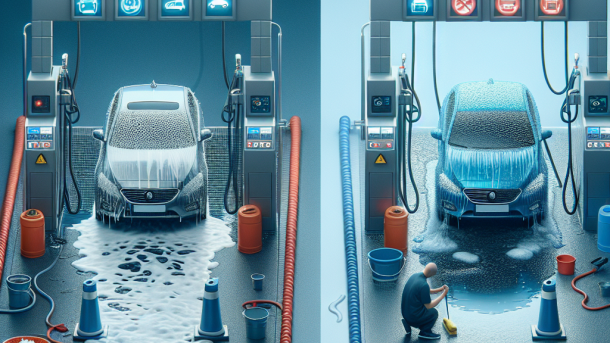
Water conservation and environmental impact

In an age where environmental consciousness often leads the charge, automatic car washes stand as champions of water conservation. Imagine a world where every drop counts, and these mechanical marvels are poised to make a difference. How, you might ask, do they accomplish this feat?

Unlike traditional hand washing, which can use a staggering amount of water, automatic car washes are designed to be water-efficient. These systems utilize advanced technology to minimize water waste, employing high-pressure jets that do more with less. It’s like a symphony of water droplets, orchestrated to cleanse and conserve simultaneously.

Moreover, many automatic car washes are equipped with water recycling systems that capture, filter, and reuse water, reducing their environmental footprint. This sustainable approach mirrors the aspirations of a world striving to safeguard its natural resources. It’s akin to planting a tree—small actions that collectively make a significant impact.

For those considering the broader implications of car washing, understanding the financial aspects can provide valuable insights. Explore whether car washes are a good investment to gain a deeper understanding of the balance between economic viability and environmental responsibility.

Affordability and accessibility

In a world where budgets often dictate our choices, automatic car washes emerge as a beacon of affordability and accessibility. Imagine being able to indulge your vehicle in a spa-like experience without the hefty price tag. These car washes provide a cost-effective solution, allowing us to maintain our cars’ appearances without burning a hole in our pockets.

The widespread presence of automatic car wash facilities ensures that a sparkling clean car is always within arm’s reach. Whether you’re in the heart of the city or on the outskirts of town, these convenient locations make it easy for anyone to access their services. It’s like having a personal car care assistant available at your convenience.

Moreover, the affordability of automatic car washes makes them an attractive option for those who might otherwise forego regular vehicle maintenance due to cost constraints. This accessibility ensures that everyone, regardless of budget, can enjoy the benefits of a well-maintained car.

As you ponder the financial implications of investing in such facilities, consider exploring whether car washes make money. This insight can provide a comprehensive view of the balance between affordability, accessibility, and economic potential, guiding you in making informed decisions about your car’s care and investment opportunities.

How to minimize damage during automatic car washes

In the realm of automatic car washes, where convenience meets potential risks, the art of safeguarding your vehicle becomes paramount. While these mechanical wonders offer swift and efficient cleaning, it’s essential to take proactive measures to minimize any potential damage. But how can you ensure your car emerges unscathed and gleaming?

Firstly, choosing the right type of wash is akin to selecting the perfect attire for a special occasion. Opt for a car wash facility that prioritizes maintenance and upkeep of its equipment. Well-maintained brushes and cloth strips reduce the risk of scratches and paint damage, ensuring a safe and effective cleaning experience.

Next, consider proper vehicle preparation before entering the wash. Remove or retract antennas, fold in side mirrors, and secure any loose parts to prevent accidental damage. This simple step is like donning armor before a battle, protecting your car’s delicate features from potential harm.

Lastly, explore alternatives to automatic car washes that offer gentler cleaning methods. Handwashing or using touchless car washes can provide peace of mind, particularly for cars with delicate finishes or unique features. For insights into when to avoid certain washes, explore guidelines on when not to wash a car.

By taking these precautions, you can enjoy the convenience of automatic car washes without compromising your vehicle’s pristine condition.

Choosing the right type of wash

Imagine standing in front of a grand wardrobe, each outfit more dazzling than the last, but you must choose the one that fits the occasion perfectly. Similarly, selecting the right type of car wash involves discerning the ideal method that aligns with your vehicle’s needs and your own preferences.

Firstly, consider the **Touchless Car Wash**, a gentle option that relies on high-pressure jets and cleaning solutions. This method can be likened to a gentle rain shower, cleansing without physical contact and reducing the risk of scratches. It’s perfectly suited for vehicles with delicate finishes or intricate designs.

Alternatively, the **Soft Cloth Car Wash** offers a more hands-on approach, akin to a soothing massage. This method employs rotating cloth strips to scrub away dirt and grime, providing a thorough clean. However, ensure that the facility maintains its equipment diligently to avoid unwanted abrasions.

Lastly, the **Hybrid Car Wash** combines elements of both touchless and soft cloth systems, offering a balanced cleaning experience. It’s like enjoying the best of both worlds, ensuring an effective wash while minimizing potential risks.

Choosing the right wash type is crucial for preserving your vehicle’s beauty and integrity. For insights into the financial aspects of car wash facilities, consider exploring whether automated car washes make money to understand the importance of equipment upkeep and customer satisfaction in this industry.

Proper vehicle preparation

Think of your car as a noble knight gearing up for a quest, where every piece of armor must be meticulously secured to withstand the challenges ahead. Similarly, preparing your vehicle before entering an automatic car wash is an essential step in ensuring its safety and preserving its pristine condition.

Begin by retracting or removing antennas. These appendages, much like a knight’s plume, are delicate and can be easily dislodged by the vigorous motions of the wash. By tucking them away, you safeguard them from potential damage.

Next, fold in your side mirrors. These vigilant eyes of your vehicle, akin to a knight’s visor, are vulnerable to the swirling brushes and jets. Protecting them ensures they remain intact and aligned, ready to guide you on your journey.

Secure any loose parts, such as roof racks or decorative elements, to prevent them from being dislodged during the wash. This precaution is akin to fastening every piece of armor, ensuring nothing is left to chance.

For additional insights into choosing the right wash and ensuring optimal vehicle care, explore tips on when not to wash a car. These guidelines can help you make informed decisions and keep your vehicle in top form.

Alternatives to automatic car washes

Imagine a world where your car care routine is as personal and unique as a bespoke suit, tailored precisely to your vehicle’s needs. In this realm, alternatives to automatic car washes await, offering a personalized touch that can’t be replicated by machines.

Firstly, consider the **Hand Wash** method, akin to a meticulous artist crafting a masterpiece. This approach allows you to control every aspect of the cleaning process, ensuring that each stroke is gentle and precise. It’s particularly beneficial for vehicles with delicate finishes or intricate detailing.

Next, the **Waterless Car Wash** emerges as a modern marvel, requiring no water at all. Instead, it utilizes specialized cleaning solutions that lift dirt and grime effortlessly, much like a magician’s sleight of hand. This method is not only eco-friendly but also convenient for those without easy access to water.

Lastly, the **DIY Wash at Home** offers a hands-on experience, where you become the maestro of your car’s care. Armed with the right tools and products, you can achieve a thorough clean while enjoying the satisfaction of a job well done. For insights into the cost-effectiveness of this approach, explore how much it costs to wash your car at home.

By exploring these alternatives, you can tailor your car care routine to suit your preferences and maintain your vehicle’s shine and integrity.

Comparing automatic car washes with manual car washes

Imagine two roads diverging in the realm of car cleaning—one paved with the efficiency of automation, the other meandering through the personal touch of manual labor. As you stand at this crossroads, which path should you take to keep your car gleaming like a prized gem?

**Automatic car washes** offer the allure of speed and convenience, whisking away dirt and grime in a matter of minutes. They are akin to a fast-paced dance, where your vehicle emerges spotless with minimal effort on your part. These systems often feature advanced technology and water-saving mechanisms, ensuring an eco-conscious clean. Nevertheless, the risk of scratches and paint damage lurks, as we explored earlier, due to the forceful nature of brushes and chemicals.

On the other hand, **manual car washes** are like a slow, deliberate waltz, where every move is carefully orchestrated. Offering a more thorough and gentle clean, manual washing allows you to address each nook and cranny, ensuring no spot is left untouched. This method can be particularly beneficial for cars with delicate finishes or intricate designs. However, it demands time and effort, and may not be as environmentally friendly due to higher water usage.

Ultimately, the choice between automatic and manual car washes hinges on your priorities. If convenience and speed top your list, automated systems may be your go-to. But if you cherish the personal touch and attention to detail, manual washing might be the path to follow. For insights into the financial viability of car wash ventures, explore whether car washes are a good investment. Understanding the economic aspects can provide further perspective on the choices available.
Key Takeaways

As we journey through the realm of automatic car washes, several important points emerge, guiding us in our quest for maintaining our vehicle’s pristine condition. These car washes, akin to magical tunnels, offer undeniable convenience and time-saving benefits. Picture your car as a weary traveler, transformed into a shining chariot with minimal effort on your part.

However, it’s crucial to remain vigilant about the potential risks. Scratches and paint damage can mar the beauty of your vehicle, while the intricate appendages like antennas and side mirrors face the threat of damage. Moreover, the effects on car wax and sealants remind us that even the most seemingly gentle washes can strip away protective layers, leaving our cars vulnerable to the elements.

Yet, the benefits of automatic car washes are not to be overlooked. They champion water conservation, offering an environmentally friendly approach to car cleaning. Their affordability and widespread accessibility ensure that a sparkling clean car is always within reach.

To navigate these waters wisely, consider choosing the right type of wash and preparing your vehicle adequately. Exploring alternatives to automatic car washes, such as manual or DIY methods, can provide a more tailored cleaning experience. For further insights into the financial aspects of car wash ventures, consider whether car washes are a good investment. Balancing these considerations allows you to enjoy the convenience of modern technology while safeguarding your car’s integrity.

Conclusion

As we reach the end of our exploration into the world of automatic car washes, it’s clear that these modern marvels offer a blend of both benefits and risks. They stand as a testament to our quest for convenience, providing a fast and efficient means to keep our vehicles gleaming without the toil of manual labor. Picture them as the knights of our fast-paced lives, ready to whisk away dirt and grime with the flick of a switch.

However, it’s essential to balance convenience with caution. While automatic car washes save time, they can also pose risks to your vehicle’s paint, antennas, and side mirrors. It’s like walking a tightrope between efficiency and potential damage. Therefore, taking steps to minimize these risks, such as choosing the right type of wash and preparing your vehicle, can make all the difference.

For those who seek to delve deeper into the financial aspects of this industry, exploring whether car washes make money can provide valuable insights. Understanding the economic side can help you appreciate the importance of equipment upkeep and customer satisfaction in maintaining these facilities.

Ultimately, the choice between automatic and manual car washes comes down to personal preferences and priorities. By weighing the pros and cons, you can make informed decisions that ensure your vehicle remains a shining example of automotive beauty, ready to take on the world with confidence.

Do you really need soap to wash your car?

Table of Content

TITLE: Do you really need soap to wash your car?
COUNTRY CODE: US
LANGUAGE CODE: en
TABLE OF CONTENT:

  • Introduction
  • The Basics of Car Cleaning
  • Do You Really Need Soap to Wash Your Car?
    • The Role of Soap in Car Washing
    • Potential Risks of Using Soap
  • Alternative Methods for Cleaning Your Car
    • Water-Only Rinsing
    • Using Natural Cleansers
    • Waterless Car Washes
  • The Benefits of Using Soap vs. Not Using Soap
  • Environmental Impact of Car Washing
    • Choosing Environmentally Friendly Soap
    • Water Conservation in Car Washing
  • How to Choose the Right Soap for Your Car
  • Tips for Effective Car Washing
    • Washing Technique
    • Frequency of Car Washing
    • Drying Your Car
  • Key Takeaways
  • Conclusion

Do you really need soap to wash your car?

Introduction

Imagine a world where your car gleams in the sunlight, free of dirt and grime, without the need for soap. Sounds too good to be true, right? In the grand scheme of car maintenance, washing is as essential as oil changes and tire rotations. But the question arises: do you really need soap to wash your car?

As we delve into the depths of vehicle hygiene, we will explore the basics of car cleaning and the role soap plays in this ritual. We will weigh the benefits of using soap against going soap-free and uncover alternative methods that might just surprise you.

Moreover, with growing awareness about environmental responsibility, it’s crucial to understand the environmental impact of car washing. Whether it’s selecting eco-friendly products or conserving water, every choice matters. So, let’s embark on this journey to reveal if soap truly holds the crown in the world of car washing.

For further insights into car washing practices, you can explore resources from reputable sources like Wikipedia to enhance your understanding.

The Basics of Car Cleaning

Picture this: your car is like a blank canvas, and every drive paints a new layer of dust, grime, and pollution onto its surface. Just like a painter cleans their brushes, your vehicle needs regular cleaning to maintain its shine and integrity. But what are the cornerstone elements of effective car cleaning?

At its core, car cleaning involves removing contaminants that can dull your car’s finish and even cause long-term damage. Regular washing helps preserve the paint job and prevents rust and corrosion. Deciding on the frequency of car washes can be guided by factors like weather conditions and driving habits. For a deeper dive, check out our insights on ideal car washing frequency.

Equally important is understanding the balance between removing dirt and protecting your car’s surface. This balance leads us to the age-old debate of using soap versus alternative cleaning methods. In our next section, we’ll explore whether soap is truly a necessity in the car cleaning ritual.

For more comprehensive details on car maintenance, the Autoblog Car Wash Tips can be a valuable resource.

Do You Really Need Soap to Wash Your Car?

Imagine setting off on a journey without a map. That’s what washing your car without soap can feel like to many. But is soap the indispensable guide in this process? Let’s take a closer look.

Soap in car washing acts like a compass, directing the dirt and grime away from your vehicle’s surface. It breaks down contaminants, making it easier to rinse them off. Yet, many car enthusiasts wonder if it’s absolutely necessary. Could alternative methods suffice, or even outperform, the traditional soap-laden wash?

Intriguingly, some enthusiasts argue that a soapless rinse can be as effective, especially for vehicles with a high-quality protective coating. This raises the question: Is the soap component more about tradition than necessity?

Engage in this thought experiment: What if soap is not the hero we thought it was? As we explore the role of soap in car washing, it’s important to ponder its potential risks and whether it holds the crown or simply shares the stage with alternative cleaning methods.

For a broader perspective on the car wash industry, consider delving into more about water conservation practices from reputable sources like the NRDC.

The Role of Soap in Car Washing

Imagine soap as the magician in your car wash toolkit, conjuring away dirt and grime with a wave of its wand. But what makes it such an enchanted component in the car cleaning ritual?

Soap plays a pivotal role by acting as a surfactant, breaking the bond between dirt particles and your car’s surface. It reduces surface tension, allowing water to slide under the dirt and lift it away effortlessly. This magical interaction not only cleans but also protects the paint from abrasive particles.

However, not all soaps are created equal. Using household soaps can strip away protective coatings, leading to damage. That’s why selecting the right soap is crucial. For those considering a soap-free approach, it’s worth exploring alternative methods that might suit your needs better.

Additionally, using soap in a car wash is akin to performing a symphony, where each note contributes to the harmony of a spotless car. Without it, you might be missing a key component in your cleaning repertoire, but some argue that the melody can still play on without it.

For an in-depth understanding of how soap interacts in car washes, you might want to explore resources like Wikipedia’s surfactant page to gain more insights into its chemical magic.

Potential Risks of Using Soap

Imagine soap as both a friend and a foe in your car cleaning journey. While it has the ability to whisk away dirt and grime, it can also bring about unintended consequences if not used judiciously. What are these potential pitfalls?

First and foremost, using the wrong type of soap can inadvertently strip away the protective wax and sealant from your car’s surface. Household detergents, for instance, are notorious for their harshness, leading to a dull finish and even damage to the paintwork. Choosing the right soap is crucial to avoid these risks. For guidance on selecting the right product, you can explore our insights on cost-effective car wash options.

Moreover, excessive use of soap may leave residues that attract more dirt, creating a vicious cycle of more frequent washes. Imagine your car as a magnet, with soap residues acting as the iron filings that cling to it. This not only increases your cleaning efforts but also impacts the environment negatively, as more soap means more pollutants in the water system. To understand the balance between soap usage and environmental care, you can refer to EPA’s guidelines.

In your quest for a spotless car, remember that soap, like any tool in your arsenal, requires careful handling. The key is to strike a balance that maintains your vehicle’s luster while mitigating potential risks.

Alternative Methods for Cleaning Your Car

Imagine a world where your car gleams without the traditional sudsy embrace of soap. Could it be possible? As we navigate through the myriad of car cleaning options, let’s explore soap-free alternatives that promise the same shine without the bubbles.

Perhaps you’ve heard whispers of a water-only rinse or even the enchanting allure of natural cleansers. These methods, much like a gentle breeze, offer a fresh take on maintaining your car’s brilliance. It’s akin to discovering a new path in a well-trodden forest, offering both excitement and curiosity.

But how do these alternatives stack up against the tried-and-true soap method? Are they merely a passing trend or a viable option for modern-day car care? As we delve deeper, we’ll examine the potential benefits and challenges of these soapless wonders. You might find that these methods not only clean effectively but also align with environmentally conscious practices, making them an appealing choice for the eco-aware driver.

To embark on this journey of discovery, consider exploring insights from trusted resources like the NRDC, which offers valuable perspectives on car washing and water conservation.

Water-Only Rinsing

Imagine setting sail on a sea of simplicity, where water alone glides over your car, washing away the dust of the journey. Water-only rinsing, a method as pure as its name suggests, is like a gentle rain, refreshing and revitalizing your vehicle without the complications of soaps or chemicals.

This approach, akin to a minimalist’s dream, can be surprisingly effective for lightly soiled cars. It offers a straightforward solution, especially when your car has a protective wax layer that repels dirt. Think of it as a quick shower rather than a deep dive into cleanliness, perfect for those in-between moments when a full wash isn’t necessary.

Yet, one must tread carefully. While water can rinse away surface dirt, it may not be as effective in breaking down tougher grime or oil-based residues. In such cases, it might be wise to explore other methods or use it as a preliminary step before a more thorough cleaning.

For those intrigued by this method’s simplicity, it’s essential to consider its limitations and strengths. Explore more on when to opt for a water-only rinse by checking out our insights on car washing decisions and make informed choices for your vehicle’s care.

Using Natural Cleansers

Imagine harnessing the power of nature itself to cleanse your car. Using natural cleansers is like inviting Mother Nature to be your co-pilot on this journey to a spotless vehicle. These eco-friendly solutions, often derived from ingredients like vinegar, baking soda, and citric acid, offer a gentle yet effective way to remove dirt and grime without the harsh chemicals found in traditional soaps.

Picture your car as a canvas, and these natural cleansers are the gentle brushstrokes that reveal its true luster. They work by disrupting the bonds between dirt and your car’s surface, much like a gentle breeze disperses leaves from a path. This method can be especially appealing to those who are environmentally conscious, as it reduces chemical runoff into water systems and minimizes the impact on our planet.

However, it’s vital to understand that natural cleansers may not pack the same punch as their chemical counterparts for heavily soiled vehicles. Think of them as a light drizzle rather than a torrential downpour, perfect for maintenance but perhaps not for a post-adventure cleanup.

For more insights into eco-friendly car care, you might explore resources from reputable sources like the EPA’s Green Vehicle Guide, which provides valuable perspectives on reducing your vehicle’s environmental footprint.

Waterless Car Washes

Imagine a world where your car sparkles like a diamond under the sun, all without a single drop of water. Enter the realm of waterless car washes—a modern marvel that offers a convenient and eco-friendly solution to traditional car cleaning methods. But how does this sorcery work?

Waterless car washes employ a special solution that lifts dirt and grime from your car’s surface, enveloping contaminants like a cocoon before gently wiping them away. It’s like a magician’s spell, transforming a dusty car into a gleaming chariot without the need for a hose or bucket. This process not only saves water but also reduces chemical runoff, making it a sustainable choice for the environmentally conscious car owner.

However, it’s essential to recognize that while waterless car washes are perfect for light cleaning and maintenance, they may not be as effective for vehicles caked in heavy mud or dirt. Think of them as a gentle pat rather than a deep scrub, ideal for urban dwellers with limited access to water.

For those intrigued by this innovation, consider exploring resources like the NRDC’s guide on water conservation to understand more about environmentally friendly car wash practices.

The Benefits of Using Soap vs. Not Using Soap

Picture this: your car is a knight in shining armor, ready to face the elements, whether it’s a dusty road or a sudden rainstorm. But what keeps this knight gleaming? Is it the trusty soap, or can it shine without it?

Using soap in car washing is like wielding a powerful shield. It creates a slippery barrier that lifts dirt and grime away from the paint, ensuring minimal abrasion during cleaning. This not only maintains the car’s luster but also extends the life of the paintwork. Soap’s ability to break down and remove stubborn contaminants makes it a reliable choice for thorough cleaning sessions.

On the flip side, going soap-free can offer its own unique benefits. For vehicles with a high-quality wax or sealant, a water-only rinse or natural cleansers can suffice, providing a gentle, eco-friendly touch. This approach can help reduce chemical runoff and conserve water, aligning with a more sustainable lifestyle.

Ultimately, the choice between using soap or not depends on your car’s needs and your environmental priorities. It’s about finding the right balance, much like choosing the perfect playlist for a road trip. For more insights into car washing options, explore our guide on self-service car wash earnings to see how different methods can influence your car care routine.

Environmental Impact of Car Washing

Imagine your car wash as a ripple in a pond, with each drop of water and suds spreading out, touching everything around it. Car washing, while essential for maintaining your vehicle’s aesthetics, can have far-reaching effects on the environment. But how significant is this impact, and what can we do to minimize it?

The traditional soap-and-water car wash often involves significant water usage. This water can carry detergents and pollutants from your car into storm drains, affecting aquatic ecosystems. It’s crucial to consider water conservation strategies such as opting for eco-friendly soaps and utilizing waterless car wash solutions. For further insight into water conservation practices, check out resources from the NRDC.

Additionally, the choice of soap can play a pivotal role in reducing environmental impact. Selecting biodegradable and non-toxic car wash products helps in protecting both your vehicle and the environment. For guidance on choosing the right products, you can explore our insights on car wash investments, which also cover environmentally friendly practices.

Ultimately, it’s about making informed choices, much like steering your car down the right path. By understanding the environmental implications of car washing, we can all contribute to a cleaner planet while keeping our vehicles shining bright.

Choosing Environmentally Friendly Soap

Imagine choosing a soap for your car that not only cleans but also sings a lullaby to Mother Nature. The magic lies in selecting environmentally friendly soaps, which are like gentle whispers rather than the cacophony of harsh chemicals. But how do you find such a harmonious option?

Eco-friendly car wash soaps are typically biodegradable, meaning they break down naturally without causing harm to aquatic life. These products often eschew phosphates and other harsh chemicals that can wreak havoc on the environment. It’s akin to swapping out a roaring engine for a silent, efficient electric motor—a choice that’s both effective and considerate.

When browsing for such soaps, look for labels indicating biodegradable ingredients, non-toxic formulations, and certifications from environmental organizations. Much like a knight choosing the right armor, your car deserves the best protection without compromising the planet’s well-being.

For those keen on exploring more about eco-conscious car care, resources like the EPA’s Green Vehicle Guide offer valuable insights into making environmentally responsible choices. By selecting the right soap, you take a significant step toward sustainable car maintenance.

Water Conservation in Car Washing

Imagine a world where every drop of water used in a car wash is a precious gem, carefully preserved and cherished. Water conservation in car washing is not just a trend but a necessity that echoes the broader call for environmental stewardship.

Traditional car washes can consume vast amounts of water, akin to a torrent rather than a trickle. However, by adopting water-saving techniques, we can turn this flow into a gentle stream. For instance, using high-pressure nozzles allows for efficient cleaning with minimal water usage. It’s like harnessing the power of a waterfall in a controlled, eco-friendly manner.

Moreover, integrating water reclamation systems can significantly reduce water waste. These systems recycle and filter water, much like a natural spring, ensuring that nothing goes to waste. Opting for self-service car washes can also help in conserving water, as they often allow you to control the amount used.

For those seeking to dive deeper into water conservation strategies, the NRDC provides valuable insights and practical tips to ensure that every car wash is a step towards a sustainable future. By embracing these methods, we can all contribute to preserving our planet’s most vital resource.

How to Choose the Right Soap for Your Car

Choosing the right soap for your car is like selecting the perfect wine for a fine meal—it’s all about finding the right balance and harmony. But what factors should guide your choice in this soapy symphony?

First and foremost, consider the composition of the soap. Opt for products specifically designed for automotive use, as they are formulated to be gentle on your car’s paint while effectively removing dirt and grime. Household detergents may seem tempting, but they often contain harsh chemicals that can strip away protective wax and damage the paint. For cost-effective solutions, explore insights on home car wash options.

Next, think about environmental impact. Look for biodegradable and phosphate-free soaps that are kinder to the planet. These products not only clean your car but also ensure that harmful chemicals do not end up in the ecosystem. It’s akin to choosing a path that’s not only beautiful but also sustainable.

Lastly, consider your car’s specific needs. Vehicles with a protective coating might benefit from a milder soap, while those exposed to tougher conditions might require a more robust solution. It’s about tuning into your car’s unique melody and finding the soap that hits all the right notes.

For more insights into making informed choices, you might explore resources like the EPA’s Green Vehicle Guide, which offers valuable perspectives on environmentally responsible car care. By choosing the right soap, you ensure that your car remains a shining star on the road.

Tips for Effective Car Washing

Imagine car washing as an art form—each stroke deliberate and calculated, transforming your vehicle into a masterpiece. Achieving this level of perfection requires mastering a few key techniques. So, what secrets do seasoned car washers hold?

Firstly, let’s talk technique. Think of your cleaning tools as an artist’s brush—using gentle, circular motions ensures that dirt is lifted rather than scratched into the paint. This method not only protects the surface but also enhances the shine. For a deeper dive into effective methods, consider exploring our guide on car washing decisions.

Next is the frequency of washing. Like watering a garden, too much or too little can be detrimental. Your environment plays a significant role; urban dwellers may need more frequent washes due to pollution. To determine the ideal frequency, check out our detailed insights on car washing frequency.

Finally, drying—a crucial step often overlooked. Think of it as the finishing touch on a painting. Using a microfiber cloth reduces water spots and ensures a streak-free finish. It’s like polishing a gemstone, revealing the car’s true brilliance.

By following these tips, you’re not just cleaning your car; you’re ensuring it remains a work of art on wheels. For more comprehensive insights into car maintenance, consider resources from authoritative sources like the Autoblog Car Wash Tips.

Washing Technique

Imagine washing your car as a dance, where each movement is precise and synchronized, leading to a perfect finish. The technique you employ can make all the difference between a dull surface and a gleaming masterpiece. But what are the steps to achieving this rhythmic harmony?

The first step in this dance is choosing the right tools. Opt for a soft microfiber mitt, as it’s like a gentle caress, ensuring dirt is lifted away without scratching the paint. Start from the top and work your way down, much like painting a canvas, to prevent dirt from resettling on your freshly cleaned surface.

Next, use the two-bucket method—one for soapy water and one for rinsing. This approach ensures that you’re not reintroducing dirt to your car, akin to using a fresh brushstroke each time. For more insights on car wash techniques, you can explore our guide on deciding the right time to wash your car.

Finally, embrace a gentle circular motion when washing. This technique mimics the swirl of a painter’s brush, ensuring even coverage and a scratch-free finish. With these steps, you’re not just washing your car—you’re performing an artful ritual that leaves your vehicle shining like a star.

Frequency of Car Washing

Imagine your car as a living, breathing being that thrives on regular care and attention. Just as we have routines to keep ourselves healthy, our vehicles need a consistent schedule to maintain their shine and performance. But how often should this ritual take place?

The frequency of car washing depends largely on your environment and driving habits. In bustling urban areas, where pollution and dust are rampant, your car might cry out for a wash every week or two. Conversely, if you reside in a more rural area with less exposure to pollutants, a monthly wash might suffice. Think of it like watering a plant; too much or too little can have adverse effects.

Additionally, consider the seasons. Winter roads often come with salt and grime, necessitating more frequent washes to protect the paint. In contrast, spring showers might naturally rinse away some dirt, reducing the need for constant attention. For more guidance on determining the ideal washing frequency, delve into our detailed insights on how often cars should be washed.

Ultimately, regular washing not only enhances your car’s appearance but also extends its lifespan by preventing rust and corrosion. By understanding your car’s unique needs and adjusting your washing schedule accordingly, you ensure that your vehicle remains a gleaming companion on every journey.

Drying Your Car

Imagine the final act of a symphony, where each note must be struck with precision to achieve a harmonious finale. Drying your car is that crucial last step—a moment when the curtain falls, revealing a gleaming masterpiece free of water spots. But how does one perfect this art?

First, think of your drying tool as a maestro’s baton. A plush microfiber towel is your best ally, absorbing water without leaving scratches or lint behind. It’s akin to a gentle conductor leading an orchestra, ensuring every surface is left spotless and streak-free.

Begin by blotting, not rubbing, to prevent swirling. This method is much like dabbing paint on a canvas, preserving the integrity of the surface. Pay special attention to crevices and seams where water might linger, as these spots can harbor dirt and lead to corrosion. For further insights on effective car care, consider exploring our guide on timing your car wash for optimal results.

Finally, for a touch of brilliance, use a quick detailer spray to add a layer of protection and shine. This final flourish is like the encore of your performance, leaving your car radiant and ready for the road ahead. By mastering the drying process, you elevate your car from clean to dazzling, ensuring it remains a showstopper at every turn.

Key Takeaways

As we journeyed through the world of car washing, several truths emerged, each shining with its own significance. So, what are the essential lessons to carry forward in our quest for car care excellence?

Firstly, the role of soap in car washing is both profound and nuanced. It serves as a powerful ally in lifting dirt and protecting the paint, yet, it should be chosen with care to avoid harming your car’s surface or the environment.

Secondly, alternative methods, such as water-only rinsing and natural cleansers, offer viable options for the eco-conscious, proving that soap isn’t always necessary. These methods, akin to a gentle breeze, provide a fresh and sustainable approach to car care.

Moreover, the frequency of car washing plays a crucial role in maintaining your vehicle’s aesthetic and structural integrity. Tailoring your washing schedule to your environment and driving habits ensures optimal results, much like a well-tuned symphony.

Lastly, the environmental impact of car washing cannot be overlooked. By embracing water conservation techniques and choosing eco-friendly products, we contribute to a cleaner planet while keeping our vehicles in top shape.

These key takeaways remind us that car washing is not just a task but an art form, where each choice and action harmonizes to create a beautiful, lasting masterpiece. For a deeper understanding of car washing practices, consider exploring resources from authoritative sources like the EPA’s Green Vehicle Guide.

Conclusion

As we conclude our exploration of car washing, it’s clear that the journey is as intricate as the art of maintaining a masterpiece. The question of whether soap is necessary reveals a world of possibilities, from traditional methods to innovative, eco-friendly alternatives. Each approach carries its own merits, much like choosing a different path on a well-trodden road.

Soap, with its tried-and-true effectiveness in lifting dirt and protecting paint, remains a stalwart choice for many. However, the advent of natural cleansers and waterless options offers a fresh perspective, especially for those mindful of the environmental impact. It’s akin to discovering new colors in a painter’s palette, enriching the experience of car care.

As we reflect on the lessons learned, it’s essential to remember the balance between maintaining your vehicle’s appearance and preserving our planet’s health. By making informed choices, from selecting the right soap to adopting water conservation practices, we ensure that our cars continue to shine brightly without compromising the environment.

Ultimately, car washing transcends mere maintenance; it becomes an expression of care and responsibility. For further insights into environmentally conscious car care, resources like the EPA’s Green Vehicle Guide offer valuable perspectives. With this knowledge in hand, we can all embark on a journey that keeps our vehicles and our planet in harmony.

Skip to content