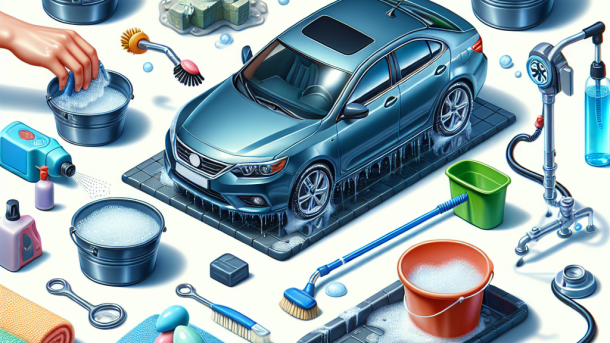
Car Wash

What are the disadvantages of washing car daily?

Table of Content

TITLE: What are the disadvantages of washing car daily?
COUNTRY CODE: US
LANGUAGE CODE: en
TABLE OF CONTENT:

  • Introduction
  • Understanding Car Washing
    • Types of car washing methods
    • Why people wash their cars daily
  • Potential Disadvantages of Washing Car Daily
    • Damage to paint and finish
      • Impact of water spots and mineral deposits
      • Scratches from improper washing techniques
    • Increased costs
      • Cost of water and detergents
      • Energy consumption
    • Water wastage and environmental impact
    • Long-term issues with car materials
  • Alternatives to Daily Car Washing
    • Opting for a weekly or bi-weekly schedule
    • Using waterless car wash products
    • Investing in professional car care services
  • Best Practices for Car Maintenance Without Daily Washing
    • Regular interior cleaning
    • Protecting the car with a cover
    • Promptly removing bird droppings or sap
  • Key Takeaways
  • Conclusion

Disadvantages of washing car daily: Frequency vs Maintenance

Introduction

In the world of automotive care, maintaining the pristine appearance of a vehicle can feel like a never-ending quest. For some, this journey involves washing their car daily, an effort driven by a desire for constant shine and cleanliness. But is this practice truly beneficial, or does it come with hidden costs that outweigh its glossy rewards?

While the allure of a spotless car is undeniable, washing your car daily can have unintended consequences. From potential harm to the vehicle’s paint and finish to the environmental impact of water wastage, the disadvantages of frequent washing can be significant. Moreover, the cost implications, both in terms of water and energy, can add up over time, leaving car owners to ponder whether their efforts are truly worth it.

In this article, we’ll explore the various downsides of washing your car daily. By understanding these drawbacks, you can make informed decisions about your car maintenance routine and discover alternative methods to keep your ride looking its best without daily washing. For more insights into car maintenance, you can check how often cars should be washed, helping you strike the perfect balance between cleanliness and care.

Understanding Car Washing

When you think of car washing, images of sudsy water glistening under the sun might come to mind. But this seemingly simple task is more nuanced than it appears. There are various types of car washing methods that cater to different needs and preferences. From the classic hand wash to the convenience of automated car washes, each method has its own set of pros and cons.

For many, the allure of a sparkling vehicle is irresistible, and some even make it a ritual to wash their cars daily. It’s a reflection of pride and meticulousness, but this habit is not without its fair share of potential drawbacks, such as excessive water usage and increased costs. The question then becomes, is this daily ritual truly necessary, or is it a case of overzealous maintenance?

As we delve deeper into the motives that drive individuals to wash their cars daily, we unravel a desire for perfection and a commitment to preserving the vehicle’s aesthetic appeal. However, it’s crucial to weigh these motivations against the potential disadvantages that may arise from this practice, ensuring that the quest for cleanliness doesn’t lead to unintended consequences.

To further explore the impact of frequent car washing, let’s take a closer look at the potential disadvantages it poses, from damage to the car’s finish to the environmental footprint it leaves behind. Additionally, examining Wikipedia’s entry on car washing offers a broader understanding of this common practice, its history, and its evolution over time.

Types of car washing methods

When it comes to car washing, a myriad of techniques exists, each with its own unique charm and effectiveness. At the heart of this soapy saga is the age-old hand wash, a method that allows car enthusiasts to personally pamper their prized possessions. This meticulous approach ensures every nook and cranny is attended to, but it requires time and elbow grease.

On the other hand, the hustle and bustle of modern life have given rise to automated car washes, where machines take the wheel. These mechanical marvels offer convenience and speed, often at the expense of detailed precision. Some wonder, do they truly make money while delivering such services?

Then there’s the touchless wash, a gentler option that uses high-pressure water jets and specialized detergents to cleanse without physical contact. It’s a safe bet for maintaining the car’s finish, but it might leave behind stubborn dirt. For those seeking an eco-friendly alternative, the waterless wash steps in, using chemical solutions to lift away grime without H2O.

Each method, from the traditional to the innovative, caters to different needs. As you ponder how often to indulge in such rituals, consider the frequency of washing that best suits your vehicle’s needs and lifestyle.

Why people wash their cars daily

In the pursuit of perfection, some car owners find themselves indulging in the daily ritual of car washing. This practice, akin to a morning routine, is often fueled by the desire to maintain a pristine, gleaming vehicle that turns heads as it cruises down the street. But what drives this commitment to cleanliness?

For many, it’s about preserving the car’s value and aesthetic appeal—an investment in the vehicle’s longevity. Regular washing helps ward off contaminants like bird droppings and tree sap, which can mar the paint and finish over time. Moreover, for individuals living in regions with harsh weather conditions or frequent exposure to road salt, daily washing becomes a defensive strategy against corrosion and deterioration.

However, it’s crucial to balance this dedication with the potential drawbacks of daily washing. The costs, both financial and environmental, can add up. Instead, consider exploring alternatives to daily washing, such as investing in professional car care services or using waterless car wash products that offer a sustainable approach to maintaining your car’s shine.

Ultimately, understanding the motives behind this habit allows car enthusiasts to make informed decisions about their maintenance routines, ensuring that their quest for perfection doesn’t lead to unintended consequences. For more insights, you might explore the environmental impact of car washing as discussed by the EPA and find ways to conserve resources while keeping your vehicle looking its best.

Potential Disadvantages of Washing Car Daily

While the allure of a freshly washed car shimmering in the sunlight is undeniable, the practice of washing your car daily does come with its own set of pitfalls. Imagine a pristine lake, every ripple in its water a testament to time and nature. Now, imagine that lake being stirred and disturbed daily. Just like the lake, your car’s finish can suffer from this constant agitation.

First and foremost, the frequent washing can lead to erosion of the vehicle’s paint and finish. Each wash, especially when done hastily or without proper technique, can introduce scratches and water spots, marring the car’s surface. Moreover, the minerals in water can leave deposits, acting like tiny daggers that dull the sheen over time.

Then there’s the financial aspect. Costs associated with water, detergents, and energy can accumulate, creating a dent in your wallet. This begs the question: is the daily shine worth the expense? Additionally, the environmental impact of water wastage is a growing concern. As stewards of the Earth, we must ponder the significance of our daily actions.

Furthermore, frequent washing can cause long-term issues with car materials, potentially leading to premature wear and tear. It’s crucial to weigh these disadvantages against the perceived benefits. For more insights into the financial implications, you might want to read about the costs associated with washing your car at home.

Ultimately, while the desire to maintain a spotless car is commendable, it’s essential to consider alternative methods that strike a balance between aesthetics and sustainability. Engaging in mindful car maintenance can ensure that your vehicle remains in pristine condition without the drawbacks of daily washing.

Damage to paint and finish

Picture your car as a canvas, each layer of paint a brushstroke of artistry. Over time, daily washing can act like an abrasive scrub, slowly wearing away the masterpiece. The once-pristine finish, glistening like a polished gem, can become dulled and marred. Why, you ask? Because every wash introduces tiny scratches and imperfections, akin to a relentless artist erasing and redrawing lines on a delicate painting.

Moreover, the persistent presence of water spots and mineral deposits can be likened to a stubborn stain on a cherished photograph. They cling to the surface, slowly eroding the luster and brilliance of your car’s exterior. These blemishes, often overlooked, are the silent saboteurs of your vehicle’s aesthetic appeal.

Even the most technologically advanced car washes aren’t immune to causing potential harm. The harsh chemicals and powerful jets meant to cleanse can sometimes strip away protective layers, leaving your vehicle vulnerable to the elements. It’s a delicate dance between cleanliness and preservation, a balance that, when tipped, can lead to long-term damage.

To safeguard your vehicle’s paint and finish, consider adopting alternative car maintenance practices that reduce the frequency of washes. For further insights, exploring the investment in professional car care services might be a prudent decision, ensuring your car remains a work of art without compromising its integrity.

Impact of water spots and mineral deposits

Imagine your car’s surface as a mirror, reflecting the world around it with clarity and brilliance. Now envision a veil of tiny specks marring that reflection, like a constellation of imperfections. These are water spots and mineral deposits, tenacious foes in the realm of car maintenance. Each droplet left to dry in the sun can etch itself into the paint, leaving behind a mark that diminishes your car’s once-dazzling luster.

Water spots, often overlooked, are the ghosts of raindrops past, leaving behind a residue of minerals such as calcium and magnesium. These minerals, harmless in a glass of water, become abrasive when left on a car’s surface, slowly eroding the finish. The hard water that carries these deposits is like a silent artist, painting your car with a palette of unsightly blemishes.

To combat this, consider adopting a more mindful car washing routine. Frequent washing can exacerbate the problem, especially if not done correctly. Opting for a less frequent washing schedule or using deionized water can help prevent these spots from becoming a permanent fixture on your vehicle’s surface. After all, maintaining that mirror-like finish requires more than just soap and water; it demands a strategy that balances cleanliness with care.

Scratches from improper washing techniques

Imagine a beautiful, untouched canvas, marred not by time, but by careless strokes. This is akin to what your car experiences when subjected to improper washing techniques. Each swipe of a dirty cloth, every hasty rinse, can be like wielding a paintbrush dipped in sand, leaving behind a tapestry of fine scratches and swirls.

These imperfections, often invisible from a distance, become glaringly apparent under direct sunlight, much like a hidden flaw revealed by a spotlight. The culprit? Tiny particles of dirt and grit, clinging to the washing mitt or sponge, scratching the surface with each pass. It’s a paradox, the very act of cleaning becoming the source of blemishes.

Modern car washes, while convenient, may not always guarantee protection. Automated brushes can sometimes harbor debris, turning them into unwitting accomplices in the crime against your car’s finish. To avoid these pitfalls, consider adopting a more meticulous approach. Ensure that your tools are clean, use the two-bucket washing method, and always rinse thoroughly.

For those seeking to protect their vehicle’s aesthetic value, exploring options like investing in professional car care services can provide peace of mind. Such services, often more than just an investment, can ensure your car’s exterior remains a masterpiece in the gallery of the world.

Increased costs

The allure of a showroom-shine car might be hard to resist, but the financial burden of daily washing can quickly add up. Imagine your bank account as a reservoir, and every wash siphons off valuable resources. From the cost of water and detergents to the energy consumed in the process, each wash is a subtle draw on your financial reserves.

Consider the cumulative effect: a drip here, a splash there, until the expense becomes a veritable waterfall. The cost of water alone, especially in regions where it is a precious commodity, can be significant. Detergents and cleaning agents, often taken for granted, also contribute to the mounting bill. Not to mention the environmental impact; excessive water usage can strain local resources, leaving communities to ponder the broader implications.

Moreover, there’s the hidden cost of wear and tear on washing equipment or the occasional need for repairs from overuse. As stewards of our planet, it’s worth considering alternatives that can balance the sheen we desire with the sustainability we need. By exploring options like washing your car at home less frequently or using waterless products, you can maintain your vehicle’s gleam without draining your financial resources or the planet’s.

Cost of water and detergents

When you think of washing your car, the image of sparkling water and a frothy lather of soap may come to mind. However, behind this picturesque scene lies a less glamorous reality—the mounting cost of water and detergents. Imagine each droplet of water not just as a means to an end, but as a coin slipping away from your pocket. The financial impact might seem insignificant at first, but over time, it accumulates like grains of sand forming a dune.

Water, especially in drought-prone regions, is a precious resource, and frequent car washing can lead to significant usage. According to the EPA, a single car wash can use anywhere from 20 to 100 gallons of water. Multiply this by a daily habit, and the numbers can be staggering, both in terms of cost and environmental impact.

Detergents, while essential for a thorough clean, also come with their own price tag. These cleaning agents, often formulated with specialized ingredients, can add up over time, creating a substantial recurring expense. Additionally, improper disposal of soapy runoff can harm local ecosystems, raising ethical considerations.

To mitigate these costs, consider alternatives such as adopting a less frequent washing schedule or exploring waterless car wash products that offer an eco-friendly approach. By balancing cleanliness with cost-consciousness, car owners can maintain their vehicle’s allure without breaking the bank or compromising the environment.

Energy consumption

Picture an invisible meter, ticking away with every turn of the faucet and every squeeze of the spray nozzle. This is the reality of energy consumption when it comes to washing your car daily. Each wash not only taps into water resources but also draws on energy, akin to a hidden siphon draining from your power supply.

Consider the energy used in heating water, powering pressure washers, and running automated car washes. It’s a cost that often goes unnoticed, much like a shadow following silently behind. The cumulative effect of this energy draw can be significant, impacting both your utility bills and the environment.

Moreover, automated car washes, while efficient, are energy-intensive operations. The machinery involved requires substantial power to operate, contributing to a larger carbon footprint. This raises an important question: Is the convenience worth the environmental cost?

For those seeking to reduce energy consumption, alternatives like using manual washing techniques or opting for professional car care services, which often employ energy-efficient practices, may be wise choices. Balancing the desire for a gleaming vehicle with sustainable practices can help ensure that our quest for cleanliness doesn’t come at the expense of the planet. To learn more about the cost-effectiveness of car washing, consider exploring the insights on how much a self-service car wash makes a month, which can offer valuable perspectives on the financial and environmental aspects of car maintenance.

Water wastage and environmental impact

Imagine an oasis in a desert, a precious reservoir of life-giving water. Now picture that oasis slowly draining away, drop by drop, with each seemingly innocuous action. This metaphor aptly describes the environmental impact of washing your car daily. It’s not just about keeping your vehicle pristine; it’s a matter of conservation and responsibility.

Water is a vital resource, and its excessive use for car washing can lead to significant wastage, particularly in areas prone to drought. According to the EPA, conventional car washes can use between 20 to 100 gallons per wash. Multiply this by a daily routine, and you have a staggering amount of water slipping away.

Beyond water wastage, the runoff from car washes often contains pollutants like oil, grease, and detergents, which can contaminate local water bodies and harm aquatic ecosystems. It’s a silent ripple effect, where each wash contributes to a larger environmental footprint.

To mitigate these impacts, consider exploring alternative methods, such as using waterless car wash products or reducing the frequency of washes. These approaches not only conserve water but also reduce pollution, helping preserve our planet’s precious resources. For further insights, you might explore how often cars should be washed, which offers guidance on balancing cleanliness with environmental stewardship.

Long-term issues with car materials

Imagine your car as a finely crafted tapestry, each thread representing materials engineered to withstand the test of time. However, daily washing can be akin to a relentless, subtle unraveling. Over time, the constant exposure to water, detergents, and harsh chemicals may weaken the very fibers that constitute your vehicle’s structure.

Materials such as rubber and plastic, so vital in protecting and insulating different components, can suffer from degradation. Repeated exposure to detergents and water can lead to drying and cracking, much like the way a river slowly erodes the banks it flows against. The seals, designed to keep moisture out, may lose their elasticity, allowing water to seep into places it shouldn’t be.

Furthermore, metal parts, while often treated to resist rust, are not immune. Continuous washing can strip away protective coatings, leaving them vulnerable to corrosion. Picture it as armor slowly losing its shine and strength, subject to the relentless assault of the elements. This degradation can lead to long-term issues, such as leaks or even structural damage.

To mitigate these risks, consider balancing your car maintenance routine. Avoid daily washing and instead focus on regular checks and protective measures. Using covers and ensuring proper drying techniques can help keep your car’s materials intact and robust. For more insights, you might explore professional car care services that can offer targeted solutions and longevity for your vehicle.

Alternatives to Daily Car Washing

In our relentless pursuit of keeping our cars in pristine condition, we often overlook the potential downsides of daily washing. But fear not! There are alternatives that can help maintain your vehicle’s shine without the daily ritual of soapy suds. Consider these strategies as your car’s personal spa day, designed to pamper without the pitfalls.

One practical approach is to adopt a weekly or bi-weekly washing schedule. This not only reduces water consumption but also helps preserve the car’s finish by minimizing exposure to harsh chemicals and potential scratches. While it might seem like a longer interval, in reality, it strikes a balance between cleanliness and conservation.

For those seeking a more eco-friendly option, waterless car wash products offer an innovative solution. These products, akin to a magic eraser, lift dirt and grime without the need for water, leaving your car sparkling clean with minimal effort. They’re a boon for those in drought-prone areas or anyone looking to reduce their environmental impact.

Moreover, investing in professional car care services can provide a comprehensive approach to vehicle maintenance. These services often use specialized techniques and products that protect your car’s finish while delivering a thorough clean. It’s an investment in your car’s longevity, ensuring it remains a gleaming masterpiece.

Ultimately, by exploring these alternatives, you can maintain your vehicle’s allure without the drawbacks of daily washing. For more insights into car maintenance strategies, you might find it helpful to learn about how often cars should be washed, offering guidance on optimal cleaning frequencies.

Opting for a weekly or bi-weekly schedule

Imagine savoring a luxurious dessert, but instead of indulging every day, you relish it once a week. This is akin to choosing a weekly or bi-weekly car washing schedule, where you strike a balance between indulgence and moderation. This approach not only conserves water but also preserves the vehicle’s finish, reducing exposure to potential damage from excessive washing.

By spacing out your washes, you allow the car’s protective coatings time to settle, akin to a fine wine aging gracefully. It’s a dance of patience and prudence, ensuring that your vehicle remains a gleaming spectacle without the daily grind. Moreover, this schedule can significantly cut down on costs associated with water and detergents, offering a breath of relief to both your wallet and the environment.

For those in regions with harsh weather conditions, a bi-weekly schedule might seem like a longer stretch. However, the benefits far outweigh the cons, providing ample time for the paint to breathe and the car to shine. To ensure your vehicle stays pristine between washes, consider using car covers to protect against dust and debris.

Ultimately, adopting a less frequent washing routine can help you maintain your vehicle’s allure without the drawbacks of daily washing. For more insights into maintaining your car’s cleanliness, you might explore optimal cleaning frequencies and discover what best suits your lifestyle and vehicle needs.

Using waterless car wash products

Think of waterless car wash products as the magic wands in the world of automotive care. These innovative solutions, much like an artist’s brush, can transform the appearance of your vehicle without a single drop of water. Imagine a desert landscape, arid yet beautiful, where every resource is precious—waterless car washes are your desert oasis.

These products work by encapsulating dirt and grime, lifting them away from the surface without scratching the paint. It’s akin to a gentle embrace, leaving your car as spotless as a freshly polished gem. They are particularly advantageous in regions where water scarcity is a pressing concern, allowing car enthusiasts to maintain a pristine finish without guilt.

Moreover, waterless car wash products are not just environmentally friendly; they are also time savers. In the hustle and bustle of daily life, they offer a swift and effective alternative to traditional methods. For those pondering whether self-serve car washes can compete, remember that these products provide a convenience that is unmatched.

Incorporating waterless car wash products into your car care routine can provide a sustainable yet effective way to keep your vehicle looking its best. For more insights, consider exploring Wikipedia’s entry on car washing, where you can delve deeper into various methods and their environmental impacts.

Investing in professional car care services

Imagine your car as a cherished masterpiece, deserving of expert attention and meticulous care. Investing in professional car care services can be akin to entrusting your prized possession to a skilled artisan, ensuring it remains in pristine condition. These services, much like a bespoke tailor crafting a perfect suit, provide personalized and comprehensive maintenance tailored to your vehicle’s unique needs.

Professional car care services offer a range of treatments, from thorough detailing to protective coatings that shield your car from the elements. It’s a holistic approach, addressing both the aesthetic and functional aspects of your vehicle. This investment, while initially more costly than a DIY wash, can save you money in the long run by preventing damage and preserving the car’s value.

Moreover, professional services often utilize advanced techniques and eco-friendly products that minimize environmental impact. It’s a commitment not just to your car’s well-being but also to sustainable practices. For those considering the financial aspect, exploring how much you can make a year owning a car wash might provide insights into the value and potential return on such investments.

Ultimately, opting for professional car care services can be a wise choice for maintaining your vehicle’s allure and longevity. By prioritizing quality and expertise, you ensure that your car remains a shining example of automotive excellence.

Best Practices for Car Maintenance Without Daily Washing

Maintaining a car’s pristine condition without resorting to daily washing can seem daunting, yet it is entirely achievable with strategic care. Imagine your vehicle as a fine-crafted watch, where each cog and wheel works in harmony, requiring only occasional adjustments to keep time flawlessly. Here are some best practices that allow your car to remain in top form without incessant washing.

First, consider regular interior cleaning. Much like the heart of a home, the car’s interior sets the tone for your driving experience. A clean and tidy interior not only enhances comfort but also prevents dust and debris from accumulating, which can eventually seep into more sensitive components.

Another practice is protecting the car with a cover. Think of it as a cozy blanket shielding your vehicle from the elements, whether it’s harsh sunlight, rain, or dust. This protective layer helps maintain the car’s finish, reducing the need for frequent external washes.

Lastly, promptly removing bird droppings or sap is essential. These can be likened to stubborn stains on a favorite shirt, capable of causing permanent damage if left unattended. Quick action ensures that your car’s paint remains unblemished and vibrant.

By incorporating these practices, you can ensure your car remains a gleaming testament to your care and attention without the drawbacks of daily washing. For more insights into effective car maintenance, you might explore how often cars should be washed, which provides valuable guidance on finding the right balance between cleanliness and care.

Regular interior cleaning

Think of your car’s interior as the living room of your home—a space that reflects your personality and comfort. Just as you wouldn’t let dust and grime accumulate in your living space, regular interior cleaning is crucial for your vehicle’s well-being. It’s like giving your car a refreshing breath of air, ensuring that every journey is a pleasant experience.

Regularly vacuuming the seats and carpets, wiping down surfaces, and using air fresheners can make a world of difference. Imagine the satisfaction of stepping into a car that feels as fresh as a morning breeze, untainted by the remnants of yesterday’s snacks or dust accumulating over time. For those pondering the cost-effectiveness of such practices, you might find it enlightening to explore how much it costs to maintain your car’s cleanliness at home.

Moreover, a clean interior isn’t just about aesthetics; it also contributes to the longevity of your car’s components. Dust and debris can infiltrate air vents and electrical systems, potentially leading to costly repairs down the line. By embracing regular interior cleaning, you not only enhance your driving experience but also protect your investment.

Incorporating these practices into your routine can keep your car’s interior as inviting and immaculate as the day you first drove it. For further insights into maintaining your car’s allure, consider exploring Wikipedia’s entry on car interiors for a deeper understanding of the components and their care.

Protecting the car with a cover

Think of a car cover as a guardian angel, shielding your vehicle from the elements with unwavering diligence. It’s akin to wrapping your car in a protective cocoon, safe from the harsh sun, relentless rain, or drifting dust. This simple yet effective measure ensures that your car’s finish remains as pristine as a freshly polished gem.

A cover acts like an umbrella, offering refuge from the sun’s UV rays, which can fade paint over time, and fending off rain that could lead to water spots and mineral deposits. Moreover, it prevents dust and debris from settling on the surface, minimizing the need for frequent washes. It’s a proactive approach to car care, much like wearing a raincoat before stepping into a storm.

Beyond aesthetic preservation, a cover can also deter potential thieves by keeping your vehicle’s contents hidden from view. It’s a silent sentinel, standing guard over your prized possession. For those considering the financial implications, investing in a quality cover is a cost-effective strategy that can extend the life of your car’s exterior.

By incorporating the use of a car cover into your maintenance routine, you can ensure that your vehicle remains in top condition without the drawbacks of daily washing. For more insights into effective car maintenance, you might explore how often cars should be washed, which provides valuable guidance on balancing cleanliness with care.

Promptly removing bird droppings or sap

Picture your car as a canvas, a masterpiece of design and engineering. Yet, even the most exquisite artwork can be marred by unsightly blemishes. Bird droppings and tree sap are the paint splatters of the automotive world, capable of causing irreparable damage if left unchecked. Like an artist preserving their work, it’s crucial to act swiftly in removing these contaminants.

Bird droppings, rich in acidic content, are like tiny chemical bombs that can eat away at the clear coat and paint, leaving behind dull spots. Similarly, tree sap is a sticky nuisance that adheres to the surface, hardening over time and potentially leading to permanent stains. These unwelcome intrusions are akin to stubborn stains on a pristine white shirt, requiring immediate attention.

To combat these nuisances, keep a microfiber cloth and a bottle of quick-detailing spray handy in your car. Like a first-aid kit for your vehicle, these tools allow for prompt intervention, ensuring that your car’s finish remains unblemished. By treating such contaminants as emergencies, much like a doctor addressing a wound, you can protect your car’s aesthetic value.

For further insights into maintaining your car’s allure without daily washing, consider exploring how often cars should be washed, which provides guidance on balancing cleanliness with care. Additionally, learning about the environmental impact of car washing from authoritative sources like the EPA can offer valuable perspectives on sustainable car maintenance practices.

Key Takeaways

As we journey through the landscape of car maintenance, it’s clear that daily washing, while tempting, isn’t always the best route. Imagine your car as a delicate flower; too much water can drown its beauty, while just enough keeps it flourishing. Balancing the desire for a spotless vehicle with practical concerns is crucial.

Frequent washing can damage the paint, increase costs, and impact the environment. Instead, consider alternatives like weekly washing schedules or waterless products. These methods conserve resources and protect the car’s finish, much like a skilled gardener tending to their prized plants.

Regular interior cleaning and using car covers can also maintain your car’s allure without the need for daily washes. These practices are akin to nurturing a personal sanctuary, ensuring your vehicle remains a haven of comfort and style.

Ultimately, finding the right balance between cleanliness and sustainability will allow your car to remain a gleaming masterpiece without the pitfalls of daily maintenance. For more car maintenance insights, consider how much you can make a year owning a car wash, which offers perspectives on balancing cost and care.

Conclusion

As we wrap up our exploration of car maintenance, it becomes evident that while the sparkle of a freshly washed car is captivating, daily washing might not be the wisest choice. Much like a delicate piece of art, your vehicle requires thoughtful attention and care, balancing the need for cleanliness with the potential downsides.

Frequent washing can unintentionally harm your car’s finish, elevate costs, and contribute to environmental challenges. Instead, embracing alternative methods such as a weekly washing routine or utilizing waterless products can provide a harmonious blend of preservation and sustainability. These approaches act like a gentle breeze, maintaining your car’s allure without stirring up the storm of daily maintenance.

Furthermore, regular interior cleaning, the use of car covers, and prompt attention to contaminants like bird droppings or sap can play pivotal roles in keeping your vehicle in pristine condition. These mindful practices ensure that your car remains not only a mode of transport but a cherished possession, polished and protected.

Ultimately, the key lies in finding a maintenance rhythm that aligns with both your lifestyle and environmental considerations. By doing so, you can enjoy the gleaming beauty of your vehicle while safeguarding its longevity and the planet. For those interested in exploring the financial aspects of car care, learning about how much a self-service car wash makes a month can offer valuable insights into balancing cost and care.
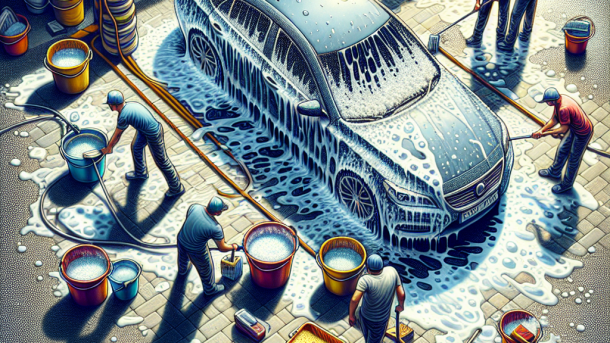
How safe are drive through car washes?

Table of Content

TITLE: How safe are drive through car washes?
COUNTRY CODE: US
LANGUAGE CODE: en
TABLE OF CONTENT:

  • Introduction
  • Understanding Drive-Through Car Washes
    • Different Types of Drive-Through Car Washes
    • How Do Drive-Through Car Washes Work?
  • Benefits of Using Drive-Through Car Washes
    • Convenience
    • Cost-Effectiveness
  • Potential Risks Associated with Drive-Through Car Washes
    • Physical Damage to Vehicles
    • Effect on Automotive Paint and Finish
  • How to Minimize Risks in Drive-Through Car Washes
    • Choosing the Right Type of Service
    • Inspecting Your Vehicle Before and After
  • Comparing Drive-Through Car Washes with Other Car Cleaning Methods
    • Hand Washing
    • Automated Touch-Free Washes
  • Environmental Impact of Drive-Through Car Washes
    • Water Consumption
    • Use of Chemicals and Detergents
  • Key Takeaways
  • Conclusion

How safe are drive-through car washes? Risks and benefits explained

Introduction

Picture this: a busy day, and your car is in desperate need of a wash. Time is of the essence, and you spot a drive-through car wash ahead. Convenient, isn’t it? But amidst the foam, brushes, and water jets, how safe are these drive-through car washes really? This question often lingers in the minds of car owners, much like a persistent tune stuck in one’s head.

Drive-through car washes have become a staple in the modern world, offering a quick and efficient way to keep your vehicle gleaming. Yet, the question of safety—whether physical or environmental—remains. There’s no need to feel like you’re stuck in a foggy maze; we’ll guide you through the risks, benefits, and best practices of using these facilities.

From potential vehicle damage to environmental concerns, our exploration will cover all the bases. Along the way, you’ll gain insights into how to minimize risks and maximize the advantages. So, buckle up as we take a closer look at the safety of drive-through car washes and their impact on your beloved ride.

Understanding Drive-Through Car Washes

Imagine diving into a world where your car is the protagonist of an exhilarating ride through foamy tunnels. Drive-through car washes are a fascinating blend of technology and convenience, akin to a mechanical symphony where each brush and nozzle plays its part.

These car washes come in various forms, each offering a unique experience. There are the classic automatic washes with spinning brushes and cloth strips, like friendly giants giving your car a bubbly embrace. Then there’s the touchless variety, where high-pressure jets and potent detergents work their magic, leaving your vehicle untouched by mechanical hands.

Understanding how these systems work is essential for any car owner. As your vehicle progresses through the wash, sensors detect its presence, triggering a series of well-choreographed actions. From pre-soak to rinse cycles, each step is meticulously timed to ensure a thorough clean.

However, like a carefully balanced equation, the effectiveness of a drive-through car wash relies on several factors. Regular maintenance, quality of equipment, and choice of detergents all contribute to the outcome. To explore how much a self-service car wash can make monthly, check out the insights on self-serve car wash earnings.

In the next section, we’ll delve into the benefits of using drive-through car washes, from their unparalleled convenience to the cost-effectiveness they offer in our fast-paced lives.

Different Types of Drive-Through Car Washes

Imagine your car as an explorer embarking on a journey through the mysterious realms of drive-through car washes. Each wash type offers a distinct experience, akin to choosing between a serene walk in the park or a thrilling roller coaster ride.

First, we have the *soft cloth* wash. Picture gentle giants caressing your car with soft fabric, ensuring a tender yet thorough cleanse. It’s like a spa day for your vehicle, pampering every inch with care.

Then, there’s the *brushless or touchless* wash. Imagine a powerful rainstorm, where high-pressure water jets and potent detergents work together, dancing around your car to remove dirt without any physical touch. It’s the perfect choice for those wary of potential scratches.

Lastly, the *hybrid wash* combines elements of both, offering a balanced approach. The brushes handle heavy grime, while touchless techniques take care of the finer details, ensuring a pristine finish.

Each type has its own charm and set of advantages, much like selecting the right outfit for an occasion. Choosing the right one depends on your vehicle’s needs and your own preferences. To further understand the potential earnings from car washes, explore whether automated car washes are profitable.

In the next section, we’ll uncover the mechanics behind how these fascinating systems operate, illuminating the innovative processes that make them tick.

How Do Drive-Through Car Washes Work?

Think of drive-through car washes as an orchestrated performance where every component plays its role with precision. As your vehicle begins its journey, it’s akin to stepping onto a moving walkway that carries it through a series of stages, each designed to ensure a sparkling clean.

First, your car is greeted by a *pre-soak* phase, where detergents are applied to loosen dirt and grime. It’s like prepping a canvas before painting—essential for a masterpiece outcome. Next, automated brushes or high-pressure jets swoop in to scrub away the loosened debris, each movement carefully calibrated to avoid damage while achieving maximum cleanliness.

As the process continues, your vehicle is enveloped in a cascade of water during the *rinse cycle*. It’s a cleansing rainstorm, washing away the suds and leaving a refreshed surface. Finally, the journey concludes with powerful dryers that whisk away excess moisture, ensuring your car emerges gleaming and ready for the road.

The magic lies in the technology and timing. Sensors and control systems work in tandem, adjusting the equipment to suit your car’s size and shape. If you’re curious about car wash earnings, you might find insights in understanding how much a car wash owner can earn annually. To explore more, consider reading about annual earnings from owning a car wash.

In our next segment, let’s explore the myriad benefits that drive-through car washes offer, from their convenience to their cost-effectiveness in our bustling lives.

Benefits of Using Drive-Through Car Washes

Imagine stepping into a world where time bends to your will, and convenience reigns supreme. Drive-through car washes offer just that—a seamless blend of efficiency and practicality, making them an appealing choice for car owners navigating the fast-paced currents of modern life.

Firstly, the *convenience* factor cannot be overstated. Picture a busy day where every minute counts, and your car appears weary from the road. With a drive-through car wash, you breeze through the process, leaving with a clean, refreshed vehicle without ever stepping out. It’s like a magic spell that transforms grime into gleam with a simple drive.

Moreover, these facilities are *cost-effective*. Unlike detailed hand washes that might dent your wallet, drive-through options often come with budget-friendly packages. They offer a range of services, from basic washes to premium treatments, ensuring that you can choose based on your needs and budget.

These benefits make drive-through car washes an attractive option for those who value time and money. To explore whether car washes are a lucrative investment, consider reading about car wash investments.

In the upcoming sections, we’ll delve into the potential risks associated with drive-through car washes, shedding light on aspects that every car owner should be aware of.

Convenience

Imagine cruising through a bustling city, juggling errands and commitments, when suddenly, your car screams for a wash. Enter the drive-through car wash—a beacon of convenience in the whirlwind of modern life. It’s like having a personal cleaning crew on standby, ready to refresh your ride whenever you need it.

In a drive-through car wash, you remain comfortably seated as your vehicle embarks on a swift and efficient journey through cleansing waters and foamy cascades. It’s akin to a quick pit stop in a marathon, rejuvenating without missing a beat. This efficiency is particularly appealing when time is of the essence.

Moreover, the strategic locations of these car washes add to their allure. Nestled near shopping centers or along busy thoroughfares, they fit seamlessly into your routine, allowing you to tick off multiple tasks in one go. To compare the convenience with other methods, explore the pros and cons of car wash frequency.

In the next section, we’ll unravel the cost-effectiveness of drive-through car washes, exploring how they strike a balance between quality and affordability.

Cost-Effectiveness

In the grand tapestry of life’s expenses, maintaining a clean car can sometimes feel like an unnecessary luxury. Yet, drive-through car washes weave a tale of affordability—a realm where your car’s cleanliness doesn’t come at a princely sum. It’s akin to finding a hidden gem in a sea of expenses, offering a sparkle without breaking the bank.

Drive-through car washes often present tiered pricing models, allowing you to choose services that suit both your car’s needs and your wallet. From basic washes to premium packages, the options are as varied as a painter’s palette, each offering a blend of value and service. This flexibility makes them a cost-effective choice for those who wish to balance quality with savings.

Moreover, these car washes minimize the hidden costs of time and effort. Instead of spending hours hand-washing your vehicle, you can swiftly pass through a drive-through, emerging with a gleaming car and more time in your pocket. To understand more about the financial aspects of car washes, consider exploring how car washes generate profit.

As we continue, let’s delve into the potential risks associated with drive-through car washes, offering insights that every prudent car owner should consider.

Potential Risks Associated with Drive-Through Car Washes

As with any convenience, drive-through car washes come with their own set of caveats. Picture this: your vehicle, a prized possession, venturing into the unknown realms of automated brushes and high-pressure jets. While these washes offer speed and ease, they can sometimes be a double-edged sword, posing risks that every car owner should be aware of.

One of the primary concerns is the potential for *physical damage* to vehicles. Imagine your car being wrapped in the embrace of spinning brushes, which, if not maintained properly, might carry debris that could scratch the paint or even damage external features. It’s akin to entrusting your delicate garment to a rough tumble in a washing machine.

Additionally, there’s the *effect on automotive paint and finish*. Over time, repeated exposure to the powerful chemicals and abrasive materials used in some car washes can lead to the dulling of your car’s shine. It’s like a favorite photograph gradually fading with each exposure to sunlight.

To ensure your car remains safe, it’s crucial to be discerning in your choice of car wash. Consider opting for well-maintained facilities and conducting thorough inspections of your vehicle before and after each wash. If you’re interested in learning about the costs of washing your car at home, you might find insights in the article on home car wash costs.

In the following sections, we’ll explore methods to minimize these risks, ensuring your experience with drive-through car washes remains as smooth as your vehicle’s finish.

Physical Damage to Vehicles

Imagine your car as a knight in shining armor, venturing into the lair of a mechanical beast—the drive-through car wash. While these facilities promise a pristine finish, they also harbor the potential for physical wear, much like a warrior returning with battle scars.

One of the primary concerns is the *contact with brushes or cloth strips*. These elements, if not meticulously maintained, can harbor dirt and debris, transforming them into abrasive foes that might scratch or mar your vehicle’s surface. It’s akin to rubbing sandpaper across a polished mirror.

Additionally, *misaligned equipment* poses a risk, where the forceful embrace of brushes might be uneven, leading to dents or dislodged parts. Imagine a dance where the partners are out of sync, resulting in unintended collisions.

It’s essential to ensure that the car wash facility you choose maintains its equipment regularly and uses high-quality materials. A proactive approach can save your vehicle from unnecessary distress. For a broader understanding of car wash profitability, consider reading about whether car washes generate profit.

In the next section, we’ll delve into the impact on automotive paint and finish, exploring how these washes can affect your car’s gleam over time.

Effect on Automotive Paint and Finish

Imagine your car’s paint as a delicate canvas, each layer meticulously applied to create a masterpiece. The vibrant hues and glossy finish are akin to a prized artwork. However, the very nature of drive-through car washes can sometimes pose a threat to this delicate artistry, much like a storm threatening to wash away the colors of a painting.

One of the key concerns is the *abrasiveness* of some cleaning agents and brushes. Over time, repeated exposure to these elements can gradually erode the clear coat, leaving the underlying paint vulnerable to the harsh elements. It’s akin to the gradual weathering of a statue standing against the relentless forces of nature.

Moreover, *chemical residues* left behind by powerful detergents can have a corrosive effect, dulling the shine and luster of your vehicle’s finish. Imagine the slow fading of a photograph left in direct sunlight, its vibrancy diminishing with each passing day.

To protect your car’s paint and finish, consider selecting car washes with gentle, high-quality materials and opting for touchless options where possible. Regular waxing and maintenance can also help preserve your car’s brilliance. For insights on how often you should wash your car to maintain its condition, explore the article on car wash frequency.

In the following sections, we’ll explore how to mitigate these risks and ensure your drive-through car wash experience remains a boon rather than a bane for your vehicle’s aesthetics.

How to Minimize Risks in Drive-Through Car Washes

Imagine your car as a beloved companion, deserving of the utmost care and protection. As you venture into the realm of drive-through car washes, it’s essential to adopt strategies to minimize potential risks, ensuring that your vehicle emerges unscathed and sparkling. It’s akin to navigating a labyrinth with a trusty map in hand, guiding you through every twist and turn.

One of the first steps is *choosing the right type of service*. Consider opting for touchless washes or those with soft cloths to reduce the risk of scratches. It’s like choosing a gentle breeze over a gusty wind—both effective, but one is kinder to your car’s surface.

Additionally, *inspecting your vehicle before and after* the wash is crucial. Take note of any existing dents or scratches, much like a detective examining clues before and after an investigation. This vigilance will help you identify any new damage promptly and address it with the car wash facility.

By adopting these practices, you can ensure that your drive-through car wash experience is both safe and satisfying. For further insights on selecting the best car wash options, consider exploring how timing can impact your car’s wash.

In the next sections, we’ll delve into the specifics of these strategies, starting with how to select the right car wash service for your vehicle’s needs.

Choosing the Right Type of Service

Picture your car as a cherished friend, deserving nothing but the finest care. Choosing the right type of service in a drive-through car wash is akin to selecting the perfect treatment for your beloved pet. It requires consideration and understanding to ensure that the experience is safe and beneficial.

Start by evaluating the *touchless options*. These rely on high-pressure water jets and powerful detergents to cleanse, ensuring that no physical contact is made with your car’s surface. It’s like brushing your teeth with a gentle electric brush—effective yet non-invasive. This option is particularly favorable for those wary of scratches or abrasions. To gain deeper insights into whether automated options are financially viable, you may explore automated car wash profitability.

If your preference leans towards traditional methods, opt for services that employ *soft cloths*. These are akin to a soft touch, providing a thorough clean while minimizing the risk of damage. It’s like choosing a plush towel over a coarse fabric—both serve the purpose, but one does so with a tender touch.

Ultimately, the right choice depends on your vehicle’s specific needs and your level of comfort with each method. By selecting wisely, you can ensure your car’s journey through the wash is both safe and rewarding.

Inspecting Your Vehicle Before and After

Imagine your car as a precious artifact, deserving careful attention before and after every drive-through car wash venture. Think of it like a ritual of safeguarding your prized possession, much like a curator meticulously examining a valuable painting for any blemishes or marks.

Begin by conducting a *thorough pre-wash inspection*. This involves a careful walk-around, noting any existing dents, scratches, or imperfections. It’s akin to a detective gathering clues before a mystery unfolds. This preemptive step ensures that you are aware of your car’s condition before the wash.

After the wash, perform a *post-wash inspection*. This is your moment of revelation, where you compare the pre-wash notes to the present state of your vehicle. Look for any new damages, much like an artist inspecting their work for any unintended strokes. Should you discover any discrepancies, promptly address them with the car wash facility.

These inspections act as your shield, protecting your vehicle from potential harm and ensuring your drive-through car wash experience is as smooth as your car’s finish. For a deeper understanding of how to maintain your vehicle’s condition, consider exploring the insights on timing your car wash.

Comparing Drive-Through Car Washes with Other Car Cleaning Methods

Imagine your car as an elegant masterpiece, deserving of the finest care. When it comes to maintaining its pristine appearance, the question arises: how do drive-through car washes stack up against other cleaning methods? It’s like choosing between a quick sketch and a detailed painting—each has its unique charm and purpose.

Hand washing, for instance, is the artisan’s choice, offering a personal touch and meticulous attention to detail. It’s like an artist delicately crafting each stroke, ensuring every nook and cranny is attended to. This method allows you to customize the process, selecting the gentlest products to preserve your vehicle’s finish.

On the other hand, automated touch-free washes rely on technology to provide a non-invasive clean. Picture a gentle breeze sweeping away dust and debris, leaving your car untouched by mechanical hands. This method has become increasingly popular for those concerned about potential scratches or abrasions.

Each method has its merits, and the best choice depends on your priorities—whether it’s time efficiency, cost-effectiveness, or the preservation of your car’s aesthetics. To further explore the financial aspects of car washes, consider reading about the earnings of self-service car washes.

In the following sections, we’ll delve deeper into hand washing and automated touch-free washes, exploring their benefits and considerations in detail.

Hand Washing

Imagine your car as a cherished canvas, and hand washing as the artist’s meticulous touch. Hand washing offers a level of precision and care that automated methods often can’t match, akin to a skilled painter attending to every detail with a fine brush.

This method allows you to tailor the cleaning process to your vehicle’s unique needs, selecting the gentlest products to protect its finish. It’s much like choosing a custom-made suit over an off-the-rack option—personalized and crafted with attention to detail. However, this level of care requires time and effort, making it a labor of love for car enthusiasts who relish the process.

While hand washing may be more time-consuming, it offers the advantage of detecting and addressing minor issues before they escalate. It’s a bit like a detective uncovering clues that could prevent future mysteries. For insights on maintaining your car’s condition and the costs involved, you might find it helpful to explore the article on home car wash costs.

In the next section, we’ll explore automated touch-free washes, highlighting their benefits and how they compare to the hands-on approach of hand washing.

Automated Touch-Free Washes

Imagine your car as a delicate sculpture, and automated touch-free washes as the gentle breeze that cleans without contact. These washes are a marvel of modern technology, offering a non-invasive cleaning experience akin to a soft rain washing away dust and grime.

This method relies on high-pressure water jets and potent detergents to cleanse your vehicle, ensuring no physical contact is made. It’s like a choreographed dance of precision and care, preserving your car’s finish while delivering a thorough clean. For those wary of scratches and abrasions, this method is a safe haven, much like a protective bubble against potential harm.

Touch-free washes are also time-efficient, allowing you to maintain your vehicle’s gleam without sacrificing precious minutes. They are particularly appealing for busy individuals seeking a quick yet effective cleaning solution. To further explore the profitability of automated car washes, consider reading about automated car wash earnings.

In our next section, we’ll summarize the key takeaways from our exploration of drive-through car washes, helping you make informed decisions about your vehicle’s care and maintenance.

Environmental Impact of Drive-Through Car Washes

Imagine the environment as a delicate tapestry, with each thread representing a vital aspect of our planet’s well-being. Drive-through car washes, while convenient, can sometimes tug at these threads, impacting the environment in ways that are often overlooked. It’s akin to a ripple in a pond, where the initial splash creates far-reaching effects.

One of the primary concerns is water consumption. Drive-through car washes can use significant amounts of water, akin to a cascading waterfall that, if unchecked, could contribute to water scarcity. However, many modern facilities are implementing water recycling systems, acting like efficient sponges that maximize water reuse and minimize waste.

Another aspect to consider is the use of chemicals and detergents. These substances, though effective in cleaning, can sometimes find their way into local waterways, affecting aquatic life. It’s like a drop of ink spreading through clear water, altering the ecosystem. To learn more about environmental considerations and safe car washing practices, consider exploring the guidelines provided by the Environmental Protection Agency.

In the upcoming sections, we’ll delve deeper into each of these environmental aspects, offering insights into how drive-through car washes are striving to reduce their ecological footprint.

Water Consumption

Imagine a drive-through car wash as a bustling waterfall, cascading water over every vehicle that passes through. It’s a marvel of modern convenience, yet beneath the surface, lies a concern over water consumption. In fact, some car washes can use over 100 gallons of water per vehicle, akin to a small pond being emptied with each wash cycle.

However, not all is lost in this watery tale. Many car washes today are embracing innovative water recycling systems, much like a wise steward managing resources efficiently. These systems capture, filter, and reuse water, significantly reducing the overall consumption. It’s like a perpetual cycle of rain, ensuring that every drop is maximized before it returns to the earth.

For car owners and operators alike, understanding water usage is crucial. By choosing facilities that prioritize conservation, you’re not just giving your car a clean slate—you’re also contributing to the preservation of our planet’s precious resources. To explore more about the environmental considerations of car washes, consider visiting the EPA guidelines for responsible car washing practices.

In the next section, we’ll delve into the use of chemicals and detergents in drive-through car washes, examining their impact on the environment and potential solutions to mitigate their effects.

Use of Chemicals and Detergents

Imagine a drive-through car wash as a bustling kitchen, with cleaning agents and detergents as the spices that bring out the shine in every vehicle. While these chemicals are essential for a thorough clean, they can also have unintended consequences on our environment, akin to spices overpowering a delicate dish.

One of the primary concerns is the potential for these substances to enter local waterways, where they can disrupt aquatic life and ecosystems. It’s like a drop of oil in a clear stream, creating ripples that affect the entire ecosystem. However, many modern car washes are taking steps to mitigate this impact by using environmentally friendly detergents and advanced filtration systems.

These systems act like vigilant gatekeepers, ensuring that harmful chemicals are captured and treated before they can escape into the environment. It’s a responsible approach, much like a chef ensuring that no ingredient goes to waste. For car owners, choosing facilities that prioritize eco-friendly practices can make a significant difference in reducing the environmental footprint of car washes.

To understand more about environmental best practices in car washes, you can refer to the comprehensive guidelines provided by the Environmental Protection Agency. In the next section, we’ll summarize the key takeaways from our exploration of drive-through car washes, helping you make informed decisions about your vehicle’s care and maintenance.

Key Takeaways

In our exploration of drive-through car washes, we’ve ventured through the twists and turns of their benefits and potential risks, much like navigating a winding road with scenic views and occasional bumps. Here are the key takeaways from our journey:

  • Convenience and Cost-Effectiveness: Drive-through car washes offer unparalleled convenience and affordability, making them an attractive choice for time-conscious car owners. It’s like having a quick, budget-friendly spa day for your vehicle.
  • Potential Risks: The risks of physical damage and impact on automotive paint and finish are real concerns. It’s crucial to be discerning in your choice of car wash to protect your vehicle’s aesthetics, much like selecting the finest ingredients for a gourmet dish.
  • Minimizing Risks: By choosing the right type of service and conducting pre- and post-wash inspections, you can mitigate potential risks. It’s akin to using a map to navigate a complex labyrinth, ensuring a safe and rewarding experience.
  • Environmental Impact: Drive-through car washes can have significant environmental effects, such as water consumption and chemical use. Opting for eco-friendly facilities can help reduce your ecological footprint, much like choosing sustainable practices in everyday life. For further guidance on safe car washing practices, consider exploring the insights provided by the Environmental Protection Agency.

With these insights in hand, you’re now equipped to make informed decisions about your vehicle’s care, balancing convenience with caution, and sustainability with satisfaction. As you continue your car care journey, remember to explore the profitability of car washes by checking if car washes are a good investment.

Conclusion

As we draw the curtain on our exploration of drive-through car washes, it’s clear that these modern marvels offer a blend of convenience and potential risks, much like a double-edged sword. The allure of a quick, cost-effective solution for maintaining your vehicle’s shine is undeniable, akin to a fast food drive-through for your car.

Yet, beneath the surface lies the importance of careful consideration. The risks of physical damage, impact on paint, and environmental concerns must be weighed with diligence. It’s like walking a tightrope, where balance is key to ensuring your vehicle remains unscathed.

By selecting the right type of service, conducting thorough inspections, and opting for eco-friendly facilities, you can navigate this landscape with confidence. It’s akin to choosing a trusted guide to lead you through uncharted territories. To further explore the financial aspects of car washes, you might find insights in understanding how much a car wash owner can earn annually. To explore more, consider reading about annual earnings from owning a car wash.

As you continue your journey in car care, remember that informed decisions pave the way for a smooth ride, where convenience and caution coexist harmoniously. With these insights at your disposal, you’re well-equipped to embrace the benefits of drive-through car washes while safeguarding your beloved vehicle against potential pitfalls.

How much does it cost a car wash to wash one car?

Table of Content

TITLE: How much does it cost a car wash to wash one car?
COUNTRY CODE: US
LANGUAGE CODE: en
TABLE OF CONTENT:

  • Introduction
  • Factors Affecting Car Wash Costs
    • Location and regional pricing differences
    • Type of car wash: self-service, automatic, full-service
    • Seasonal variations
  • Breakdown of Costs for Different Car Wash Types
    • Self-service car wash costs
    • Automatic car wash costs
    • Full-service car wash costs
  • Operating Expenses for Car Wash Businesses
    • Water and utilities costs
    • Cleaning supplies and chemicals
    • Labor and staffing expenses
    • Equipment maintenance and repair
    • Insurance and permits
  • Cost-saving Strategies for Car Wash Owners
    • Investing in efficient equipment
    • Adopting eco-friendly practices
    • Partnering with local businesses for promotions
  • Average Cost to Wash a Car across the US
  • Key Takeaways
  • Conclusion

How much does it cost a car wash to wash one car on average?

Introduction

Imagine your car is like a beloved painting, and each wash is a brushstroke that preserves its beauty. The cost to wash a car at a car wash can vary greatly, influenced by a myriad of factors that car owners and operators must consider. Whether you drive through the hustle and bustle of a city or the serene landscapes of the countryside, the price you’ll pay can range dramatically. This guide will delve into the intricate details of car wash pricing, offering insights into what goes into determining the cost of washing one car. From self-service car washes to full-service options, we’ll explore the elements that affect expenses and uncover strategies for cost savings. Join us on this journey to understand the economics behind the sparkling clean of your vehicle.

The importance of understanding car wash costs extends beyond mere expenses—it touches on environmental considerations, business operations, and consumer choices. As we navigate through the various aspects of car wash pricing, you’ll gain a comprehensive view that could help you make informed decisions, whether you’re a car owner seeking the best deal or an entrepreneur eyeing the car wash industry as a potential venture. For more information on the profitability of such businesses, see how car washes make money.

With the expertise and insights shared in this guide, you’ll be better equipped to understand and perhaps even master the art of car washing, ensuring both your car’s shine and your wallet remain intact.

Factors Affecting Car Wash Costs

Just as a painter considers the type of canvas and paint for a masterpiece, various elements influence the cost of washing a car. From geography to the season, each factor plays a role in crafting the final price. One might wonder, do location-based differences in pricing align with the additional services offered? The truth is, whether you’re in bustling New York City or a quaint town in the Midwest, regional differences can be stark. A comprehensive exploration of these factors is essential for understanding how car wash pricing is constructed.

Firstly, location and regional pricing differences significantly impact costs. Urban areas often experience higher prices due to increased demand and operational expenses. In contrast, rural areas might offer more competitive rates. Additionally, the type of car wash—be it self-service, automatic, or full-service—brings its own set of costs and conveniences. Each type caters to different consumer needs and budgets, shaping the pricing landscape.

Seasonal variations also play a part in determining the cost. For instance, winter months may see higher prices due to the increased need for specialized services like salt removal. Understanding these factors can offer valuable insights into how much a car wash could potentially earn yearly and help both consumers and business owners make informed decisions.

In a world where every dollar counts, deciphering the nuances of car wash costs can guide you in making smarter choices, whether you’re washing your own car or considering opening a car wash business. As we dive deeper into this topic, you’ll discover not just the costs involved, but also the strategies that can lead to significant savings.

Location and regional pricing differences

In the world of car washing, location is akin to the setting of a grand stage, influencing every aspect of the performance. Just as a play might command a different ticket price in New York City versus a small town theater, car wash prices vary based on where you are. Urban areas, bustling with activity and demand, often see elevated prices. The overhead costs—ranging from rent to utilities—tend to be higher, driving up the price per wash.

Conversely, in quieter, rural areas, the scene changes. With fewer cars and less competition, car washes might offer more competitive rates, enticing customers with attractive pricing. Regional differences extend beyond mere location; they encompass the socioeconomic fabric of an area. For example, luxury neighborhoods may offer premium services with corresponding prices, while budget-friendly options might prevail in more modest locales.

These regional pricing differences also reflect the diversity of services offered. In cities, you might find a plethora of options, from self-service stalls to full-service pampering, each tailored to different customer desires. This variance in offerings and pricing highlights a crucial aspect of the car wash industry—its adaptability to the unique characteristics of each location. To explore how these differences impact the profitability of car washes, take a look at how car washes make money.

Type of car wash: self-service, automatic, full-service

Imagine a car wash as a culinary art, where each type offers a distinct dining experience. Self-service car washes are like a do-it-yourself meal, providing all the ingredients and tools for you to craft your own masterpiece. This option tends to be the most economical, catering to those who enjoy the hands-on process of washing their car with precision and care. The cost is typically lower, as you’re investing your own time and effort.

Automatic car washes, on the other hand, mimic a fast-food experience—quick, efficient, and convenient. These washes often utilize state-of-the-art technology to whisk your vehicle through a series of cleaning stages. While the price is usually higher than self-service, the time saved and the ease of use make it a popular choice for busy individuals. Curious about the profitability of such facilities? Discover how automated car washes make money.

Full-service car washes provide a gourmet dining experience, where skilled professionals take care of every detail. These are the most expensive, reflecting the personalized attention and comprehensive service provided. From interior cleaning to exterior detailing, full-service washes cater to those seeking a luxurious touch. Each type of car wash serves its own segment of the market, offering unique benefits and pricing structures. Understanding these options allows you to choose the one that best aligns with your needs, budget, and preferences.

Seasonal variations

Just as a garden flourishes in spring and rests in winter, car wash costs can sway with the seasons. Picture this: during the winter months, vehicles often battle snow, salt, and grime, demanding more frequent and specialized cleanings. This necessity can lead to higher prices as car wash services ramp up their offerings to address these specific challenges.

In contrast, summer brings its own set of considerations. Dust, pollen, and the occasional rain shower can dictate the need for washes, affecting demand and, consequently, pricing. It’s a dance with nature, where each season choreographs a unique rhythm of supply and demand.

These seasonal fluctuations aren’t just about adjusting pricing; they reflect a car wash’s adaptability to changing conditions. Understanding this ebb and flow can provide valuable insights into both consumer behavior and business strategy, helping to determine when a car wash might see increased activity and revenue.

As we navigate through the nuances of car wash expenses, the impact of these seasonal dynamics becomes a crucial piece of the puzzle. For a deeper dive into the financial implications, consider exploring the annual earnings potential of owning a car wash.

Breakdown of Costs for Different Car Wash Types

Imagine a symphony, where each instrument plays a unique role, yet together they create a harmonious masterpiece. Similarly, the cost of washing a car varies greatly depending on the type of car wash—each one offering its own melody of expenses. Let’s dive into the specific costs associated with self-service, automatic, and full-service car washes.

For those curious about the inner workings of a self-service car wash, it’s akin to a do-it-yourself project. Here, the customer bears some of the load, resulting in lower operational costs. In contrast, automatic car washes resemble a well-oiled machine, where technology takes the reins, leading to moderate costs.

On the luxurious end, full-service car washes unfold like a pampered spa day for your vehicle—offering a suite of services that comes with a higher price tag. Each type of wash caters to different needs and budgets, forming a diverse tapestry of choices for consumers.

Understanding these cost breakdowns not only aids consumers in selecting the most suitable option but also provides insight into the operational expenses faced by car wash businesses. For more on the financial side of car washes, consider reading about how car washes make money and what factors contribute to their profitability.

Self-service car wash costs

Picture a canvas where you’re the artist, painting every stroke with care—self-service car washes offer this personalized touch. Here, the cost is akin to buying the paints and brushes yourself, allowing for a budget-friendly experience. Typically, the expenses revolve around the water, detergents, and equipment usage, often charged by the minute or based on the amount of cleaning solution dispensed.

In the grand scheme of car washing, self-service options are the most economical, appealing to those who enjoy the satisfaction of hands-on care. This type of wash not only saves money but also provides control over the cleaning process. Curious about the financial aspects of running such an establishment? Discover how much a self-service car wash earns monthly.

While the costs are relatively low, the value of time and effort invested becomes a personal calculation. For some, the opportunity to meticulously clean their vehicle outweighs the cost savings. The self-service car wash, like an open palette, offers flexibility and affordability, catering to the practical car owner.

Automatic car wash costs

Imagine an orchestra where every instrument plays in perfect harmony—an automatic car wash operates with similar precision, offering a seamless and efficient cleaning experience. The costs associated with these technological marvels are akin to paying for a ticket to witness this symphony in action. Typically, the expenses stem from the advanced machinery, water usage, and specialized cleaning agents that ensure your vehicle emerges sparkling clean.

Automatic car washes are the middle ground in the car wash spectrum, offering convenience without the hefty price tag of full-service counterparts. They often include various packages, allowing customers to select the level of service that best suits their needs and budget. From basic rinses to deluxe washes with wax and polish, the cost varies based on the complexity of the chosen package.

The beauty of automatic car washes lies in their ability to deliver consistent results quickly and conveniently. For those intrigued by the financial side of these operations, delve into the insights on how automated car washes generate revenue. The fusion of technology and efficiency makes automatic car washes a favored choice for many, offering a reliable and time-saving solution.

Full-service car wash costs

Envision a luxurious spa day, where every detail is meticulously attended to—this is the experience a full-service car wash offers for your vehicle. The costs associated with this premium service reflect the comprehensive care provided, akin to indulging in a complete relaxation package. From exterior washing and waxing to interior vacuuming and detailing, full-service car washes encompass it all.

These services generally command higher prices, as they involve skilled labor, quality cleaning products, and often state-of-the-art equipment. The attention to detail in a full-service wash ensures that every nook and cranny of your vehicle receives the care it deserves, making it an ideal choice for those seeking a thorough clean.

Such indulgence doesn’t come cheap, but for many, the value lies in the pristine condition and enhanced appearance of their vehicle. For a deeper understanding of the financial dynamics of car washes, explore how much they make by reading about the annual earnings potential of owning a car wash. With its comprehensive offerings, a full-service car wash stands as a testament to the art of automotive pampering, catering to those who cherish their vehicle’s gleam and glamour.

Operating Expenses for Car Wash Businesses

Running a car wash business is akin to orchestrating a complex ballet, where every component must move in harmony to achieve success. The operating expenses involved in this venture are numerous, each playing its unique role in the overall performance. Imagine water and utilities as the lifeblood that powers the entire operation—essential yet often overlooked. These costs can fluctuate based on location and usage, demanding keen attention from business owners.

Cleaning supplies and chemicals add another layer to the expenses. They are the brushes and colors that bring the performance to life, ensuring each car leaves in pristine condition. The choice of products can impact both quality and cost, making it a critical decision for any car wash operator.

Labor and staffing expenses are the skilled dancers in this ballet, driving the business forward with their expertise and dedication. From greeting customers to meticulously cleaning vehicles, their contribution is invaluable, and so are the costs associated with wages and benefits.

Equipment maintenance and repair form the backbone of the operation, akin to tuning an instrument for a flawless performance. Regular upkeep ensures that machinery functions optimally, preventing costly breakdowns and ensuring customer satisfaction.

Lastly, insurance and permits provide the safety net and legitimacy for the business. These expenses are essential for protecting the business from unforeseen events and ensuring compliance with regulations. For a deeper dive into the financial dynamics of the car wash industry, explore how car washes manage to make money despite these various expenses.

Water and utilities costs

Picture a car wash as a bustling hive of activity, where water flows like lifeblood, fueling the entire operation. The costs associated with water and utilities are akin to the foundation of a grand theater, essential for everything that follows. In a car wash business, water consumption is one of the most significant expenses, with gallons upon gallons needed to ensure each vehicle emerges spotless.

Utilities, like electricity and gas, also play a crucial role, powering everything from washing equipment to drying systems. These costs can vary based on location, usage, and the type of car wash facility. Urban areas may face higher utility rates, adding to the operational challenges. Efficient water management and energy-saving practices are key strategies for controlling these expenses.

Understanding the financial impact of water and utilities is vital for car wash owners seeking profitability. By exploring innovative technologies and eco-friendly solutions, they can not only reduce costs but also contribute to environmental sustainability. For more insights on making a car wash business financially viable, check out how car washes make money and explore effective cost-management strategies.

Cleaning supplies and chemicals

In the vibrant world of car washes, cleaning supplies and chemicals are the vibrant hues that bring each vehicle’s cleanliness to life. These indispensable elements serve as the secret ingredients in the recipe for a sparkling finish. Just as a chef selects the finest spices to enhance a dish, car wash operators carefully choose high-quality cleaning agents to ensure every surface gleams with perfection.

The costs associated with these supplies can vary significantly, influenced by the type and brand of products used. Some car washes may opt for environmentally friendly solutions, catering to eco-conscious consumers. While these choices might come with a slightly higher price tag, they resonate with a growing demand for sustainable practices. For those interested in exploring sustainable options, adopting eco-friendly practices can be a strategic move that aligns with both consumer values and potential cost savings.

Understanding the financial implications of cleaning supplies is vital for car wash businesses aiming for profitability. By selecting the right products and optimizing their usage, operators can maintain high standards while managing expenses effectively. For a comprehensive look at how car washes navigate these costs and maintain profitability, consider examining the various ways in which car washes make money, shedding light on the intricate balance between quality and cost-efficiency.

Labor and staffing expenses

In the grand symphony of a car wash business, labor and staffing expenses are the talented musicians that bring the composition to life. They are the heartbeat of the operation, providing the meticulous care and attention needed to ensure each vehicle leaves with a dazzling shine. From the friendly greeters who welcome customers to the skilled technicians who handle the intricacies of detailing, every role is vital.

These expenses encompass wages, benefits, and training, forming a substantial part of the overall cost structure. Just as a conductor carefully selects and trains their orchestra, car wash owners must invest in hiring and developing a team that meets the business’s standards of excellence. Effective management of labor costs can significantly impact profitability, making it crucial to balance staffing levels with demand.

Exploring creative strategies such as flexible scheduling, cross-training employees, and offering incentives can help optimize labor efficiency and reduce turnover. As the car wash industry continues to evolve, understanding the dynamics of labor expenses is key to maintaining a harmonious and thriving business. For insights into how car washes manage to maintain profitability amidst these expenses, consider exploring how car washes make money and the factors contributing to their success.

Equipment maintenance and repair

Picture a car wash as a finely tuned orchestra, where each instrument plays a crucial role in creating a harmonious performance. In this symphony, equipment maintenance and repair are akin to the meticulous tuning that ensures every note resonates perfectly. For car wash businesses, maintaining equipment is not merely a routine task—it’s a vital investment in the smooth operation and longevity of the machines.

The costs associated with equipment maintenance and repair can fluctuate, influenced by factors such as the age of the equipment, usage frequency, and the type of car wash facility. Regular maintenance is essential to prevent unexpected breakdowns that could disrupt operations and lead to costly repairs. It’s the unsung hero of the business, quietly ensuring that every wash runs smoothly.

For car wash owners, adopting a proactive approach to equipment care can lead to significant long-term savings. Investing in high-quality equipment and adhering to a robust maintenance schedule can reduce the likelihood of major repairs and extend the lifespan of the machines. To gain insights into how these practices contribute to the overall profitability of car washes, explore how car washes manage to make money despite various operational expenses.

Insurance and permits

Imagine the car wash business as a majestic ship navigating through the vast sea of regulations and unforeseen events. In this voyage, insurance and permits are the sturdy sails and compass, guiding the enterprise safely and legally. They are not mere formalities but essential components that provide protection and legitimacy to the operation.

Insurance, akin to a safety net, offers coverage against potential liabilities, accidents, and damages. It ensures that the business can weather unexpected storms without capsizing financially. On the other hand, permits are the keys that unlock the doors to legal operation, ensuring compliance with local regulations and standards.

The costs associated with insurance and permits can vary based on location, the size of the business, and the specific services offered. While these expenses might seem like an added burden, they are vital investments in safeguarding the business’s future. For car wash owners, understanding and managing these costs is crucial to maintaining a reputable and compliant operation. Explore how car washes manage to make money while balancing these necessary expenses, shedding light on the delicate dance between compliance and profitability.

Cost-saving Strategies for Car Wash Owners

Running a car wash business is like steering a ship through ever-changing tides; knowing the right strategies can help you navigate toward profitability. Savvy car wash owners understand the importance of implementing cost-saving tactics without compromising on quality. Let’s explore some of the key approaches that can significantly impact the bottom line.

One of the most effective strategies is investing in efficient equipment. Much like equipping a chef with high-quality knives, modern and reliable machinery can drastically reduce water and energy consumption. This not only lowers utility expenses but also enhances operational efficiency, leading to long-term savings.

Adopting eco-friendly practices is another powerful approach. By using biodegradable cleaning agents and recycling water, car wash businesses can appeal to environmentally conscious customers while slashing costs. These sustainable methods can also improve your establishment’s reputation, attracting a broader clientele.

Finally, consider partnering with local businesses for promotions. It’s akin to a symphony where each instrument enhances the overall performance. Collaborations can broaden your reach and bring in new customers, creating a win-win scenario. For more insights into maximizing profitability, explore how car washes manage to make money through strategic partnerships and innovative practices.

Investing in efficient equipment

Picture a car wash as a bustling kitchen, where the right tools can transform a simple dish into a culinary masterpiece. Investing in efficient equipment is akin to arming a chef with the finest utensils, streamlining operations and enhancing the quality of service. Modern machinery, designed with cutting-edge technology, can significantly reduce water and energy consumption, leading to substantial cost savings over time.

Consider the impact of upgrading to energy-efficient pumps and high-pressure nozzles, which not only minimize waste but also improve the speed and effectiveness of each wash. This investment mirrors the precision of a well-honed knife, cutting through inefficiencies and boosting productivity. By reducing operational expenses, car wash owners can enhance their profit margins and ensure long-term viability.

Moreover, efficient equipment can provide a competitive edge, attracting customers seeking quick and environmentally friendly services. This strategic investment pays off not only in immediate savings but also in building a reputation for quality and sustainability. For a deeper understanding of the financial dynamics of running a car wash, explore how car washes manage to make money while maintaining efficiency and reliability.

Adopting eco-friendly practices

Imagine a car wash as a verdant oasis, where sustainability and efficiency coalesce to create a serene experience. Adopting eco-friendly practices is akin to cultivating a garden that flourishes with minimal resources. By embracing biodegradable cleaning agents, businesses can reduce environmental impact while maintaining the quality of service. This shift not only resonates with eco-conscious consumers but also contributes to significant cost savings.

Water recycling systems, for instance, act as the lifeline of this green oasis, reducing water consumption and lowering utility bills. These systems ensure that every drop counts, mirroring the precision of a gardener nurturing each plant with care. By minimizing waste and optimizing resources, car washes can enhance their efficiency and appeal to a broader clientele.

Furthermore, implementing solar panels for energy needs can transform a car wash into a beacon of sustainability, harnessing the sun’s power to fuel operations. This investment pays off in reduced energy costs and positions the business as a leader in eco-friendly practices. For those curious about the financial benefits of such initiatives, explore how car washes manage to make money while maintaining their commitment to environmental stewardship.

Partnering with local businesses for promotions

Imagine a car wash as the centerpiece of a vibrant marketplace, where collaboration sparks new opportunities. By partnering with local businesses, car wash owners can weave a tapestry of mutual benefit and community engagement. This strategy is akin to a harmonious orchestra, where each player enhances the overall melody, creating a symphony of success.

Local partnerships can take many forms, from cross-promotional deals with nearby cafes and retailers to loyalty programs that incentivize repeat visits. These collaborations help widen the customer base, drawing in patrons who might not have otherwise considered a car wash. It’s like planting seeds across a field, each one blooming into a potential customer relationship.

Moreover, such alliances can lead to creative marketing campaigns, showcasing both businesses’ unique offerings. By tapping into each other’s customer networks, both parties stand to gain increased visibility and brand recognition. For those interested in exploring how these strategies contribute to car wash profitability, delve into how car washes manage to make money through innovative partnerships and community-driven initiatives.

Average Cost to Wash a Car across the US

Imagine traversing the vast landscapes of America, from the bustling streets of New York City to the serene plains of Kansas. Just as diverse as the scenery is the cost of washing a car across this great nation. The average cost to wash a car can vary significantly depending on a myriad of factors that influence pricing.

In urban areas, where convenience and speed are prized, a drive-through automatic car wash might cost anywhere from $10 to $20. These facilities offer quick and efficient services, catering to the fast-paced lifestyles of city dwellers. For those seeking a more thorough clean, full-service car washes, which include interior vacuuming and detailing, can range from $30 to $100 or more, reflecting the personalized attention given to each vehicle.

In contrast, self-service car washes, often found in suburban or rural areas, provide a more economical option. With costs typically around $5 to $10, these facilities offer the necessary tools for car owners to take matters into their own hands, making it a budget-friendly choice for those willing to invest their time and effort. Interested in understanding more about the revenue generated by these car wash types? Explore insights on how much self-service car washes earn monthly.

Regardless of the location or type, the cost to wash a car is a reflection of the services offered, the local market, and the individual preferences of consumers. As you consider your options, remember that the final price is not just a number—it’s a sum of the experience, convenience, and care you desire for your vehicle.

Key Takeaways

As we journey through the diverse world of car wash pricing, several key insights emerge, much like a painter stepping back to admire their completed work. Firstly, the cost of washing a car is influenced by various factors, including location, type of car wash, and seasonal variations. Just as an artist considers the canvas and colors, these elements shape the final price, ensuring a tailored experience for every vehicle owner.

Understanding the earnings potential of self-service car washes and the operational expenses involved provides a clear picture of the economics behind these businesses. From water and utilities to labor and equipment maintenance, each component plays a vital role in determining the overall cost structure.

For car wash owners, adopting cost-saving strategies such as investing in efficient equipment and partnering with local businesses can enhance profitability. These approaches, much like a well-planned composition, ensure the business remains sustainable and appealing to customers.

Ultimately, the average cost to wash a car across the US reflects not only the services offered but also the value placed on convenience and care. As you navigate your car wash options, consider the insights gained from this exploration, and make informed decisions that align with your needs and preferences.

Conclusion

As we wrap up this exploration of car wash costs, imagine yourself as an artist, equipped with all the knowledge needed to paint the perfect picture of your car’s care. The journey through the intricate details of car wash pricing has unveiled a landscape rich with variables, each influencing the cost to wash a car. From bustling city centers to the tranquil countryside, the diverse options available cater to every need and budget, much like a palette offering endless possibilities.

The insights shared here illuminate the operational expenses, from water and utilities to labor and equipment maintenance, providing a thorough understanding of what goes into every wash. By adopting cost-saving strategies and considering the potential earnings of various car wash types, both consumers and business owners can make informed decisions that strike a balance between quality and cost-efficiency.

As you ponder your next car wash, remember that the price is not just a reflection of the service but a testament to the value and care you seek for your vehicle. Whether you opt for the hands-on approach of a self-service wash or the luxurious touch of a full-service experience, the knowledge gained here empowers you to choose wisely. For further insights on the economic potential of car washes, explore how much a car wash can make in a year by visiting Car Wash Revenue Potential.

Are automatic car washes good for cars?

Table of Content

TITLE: Are automatic car washes good for cars?
COUNTRY CODE: US
LANGUAGE CODE: en
TABLE OF CONTENT:

  • Introduction
  • Understanding Automatic Car Washes
    • Types of Automatic Car Washes
    • How Automatic Car Washes Work
  • Pros of Using Automatic Car Washes
    • Convenience and Time-Saving
    • Cost-Effectiveness
    • Environmental Benefits
  • Cons of Using Automatic Car Washes
    • Potential Damage to Car Paint and Finish
    • Ongoing Maintenance and Upkeep
    • Limitations in Cleaning Effectiveness
  • Comparing Automatic Car Washes with Other Methods
    • Hand Wash versus Automatic Car Wash
    • Touchless versus Brush Automatic Washes
  • How to Minimize Potential Damage
    • Choosing the Right Car Wash
    • Pre-Wash Preparations
    • Post-Wash Maintenance Tips
  • Future of Automatic Car Washes
    • Technological Advancements
    • Eco-Friendly Innovations
  • Key Takeaways
  • Conclusion

Are automatic car washes good for cars?

Introduction

In today’s fast-paced world, where time is as precious as gold, automatic car washes have emerged as a popular choice for car owners seeking to maintain their vehicles’ cleanliness. But are these convenient solutions a boon or a potential bane for your cherished automobile? This question echoes in the minds of many, as we weigh the time-saving allure against the potential risks to our car’s paint and finish.

As we delve into the realm of automatic car washes, we’ll explore both the shiny and the gritty aspects. Whether you’re pondering the convenience factor or concerned about the long-term effects on your vehicle’s aesthetics, this exploration will guide you through the pros and cons, and offer insights into why automated car washes have become a mainstay in the automotive care industry.

Throughout this journey, we’ll also compare these mechanized marvels to other car cleaning methods, providing you with a comprehensive understanding of how to keep your car gleaming while safeguarding it from potential harm. So, buckle up as we navigate the world of automatic car washes.

Understanding Automatic Car Washes

In the bustling hustle of our daily lives, automatic car washes often stand as the unsung heroes of convenience. Imagine them as the mechanical maestros, orchestrating a symphony of suds, sprays, and driers to make your car sparkle. But what lies behind these miraculous machines that promise to transform a grimy vehicle into a gleaming chariot?

Automatic car washes come in various forms, each with its own unique approach to rejuvenating your ride. Some employ soft cloth brushes that gently caress the car’s surface, while others utilize a touchless system, relying on high-pressure jets to rinse away dirt. It’s essential to understand how these washes function, as they might impact your decision on which service to choose.

These car washes operate through a seamless dance of technology and precision. As your car is guided through the wash tunnel, a series of sensors and automated systems work in harmony to ensure every inch of your vehicle is attended to. This process, while efficient, is also a testament to the marvel of engineering that has made car cleaning faster and more accessible than ever before.

For those interested in the business side, you might wonder how much a self-serve car wash can make. Indeed, the demand for automated and self-service car washes continues to grow, reflecting their popularity and profitability.

Types of Automatic Car Washes

As we dive deeper into the realm of automatic car washes, it’s crucial to understand the diverse types that cater to various needs and preferences. Much like choosing the right tool for a task, selecting the appropriate car wash can make all the difference in preserving your vehicle’s allure.

Firstly, we have the Soft Cloth Car Wash, where gentle brushes, akin to a painter’s delicate strokes, gracefully glide over the car’s surface. This type of wash is often favored for its ability to remove grime without scratching the paint.

Next, the Touchless Car Wash employs high-pressure jets, much like a powerful waterfall, to rinse away dirt. This method is ideal for those wary of potential brush-induced abrasions. However, it might not be as effective in removing stubborn stains.

Lastly, the Hybrid Car Wash combines elements of both soft cloth and touchless washes, offering a balanced cleaning experience. This option strives to provide the best of both worlds, ensuring thorough cleanliness while minimizing the risk of damage.

Understanding these types can help car owners make informed decisions, ensuring their vehicle receives the care it deserves. For those considering the business potential, you might also explore whether car washes are a good investment as their popularity continues to soar.

How Automatic Car Washes Work

Imagine entering a world where machines take over the mundane task of washing your car, transforming it into a gleaming masterpiece in mere minutes. This is the magic of automatic car washes, where technology meets the art of cleanliness.

As your vehicle glides into the wash bay, a choreographed dance begins. Sensors detect the car’s size, adjusting the machinery to ensure a snug fit. A pre-soak, akin to a gentle rain, prepares the surface, loosening dirt and grime. Next, soap suds envelop your car like a soft, cleansing cloud, with rotating brushes or jets meticulously scrubbing away the filth.

Rinsing follows, as streams of water cascade down, stripping away the soap and dirt, leaving only a pristine surface. Finally, powerful dryers, like a gusty wind, whisk away moisture, unveiling your car’s lustrous finish. Through this symphony of processes, automatic car washes balance efficiency with effectiveness.

For those contemplating the business side, understanding how car washes make money can provide insight into their economic significance. This seamless blend of technology and convenience continues to make automatic car washes a staple in modern vehicle care.

Pros of Using Automatic Car Washes

Picture this: you’re racing against time, juggling commitments, and your car sits there, wearing a cloak of dust. Enter automatic car washes, the time-saving saviors that swoop in like superheroes to wash away your vehicular woes. They offer a myriad of benefits, bringing convenience and efficiency to our bustling lives.

Automatic car washes are not only convenient but also cost-effective, providing a quick fix without burdening your wallet. This value-for-money proposition often makes them the go-to option for busy individuals seeking a clean car with minimal fuss.

Moreover, there’s an environmental angle to consider. These car washes often utilize advanced systems that recycle water, reducing wastage and conserving resources. It’s like giving Mother Nature a high-five while keeping your car pristine.

For those pondering the frequency of washes, exploring how often cars should be washed can guide you in maintaining that perfect balance between cleanliness and care.

In essence, automatic car washes are a boon for modern living, catering to the needs of both time-strapped individuals and eco-conscious consumers. They are the embodiment of efficiency, ensuring your car remains a shining testament to your lifestyle.

Convenience and Time-Saving

In a world where every tick of the clock seems to sprint away from us, automatic car washes stand as the epitome of convenience. Imagine them as the express trains of the cleaning world, swiftly and effectively transforming your dusty road warrior into a gleaming chariot, all while you remain comfortably seated.

These car washes are designed with the modern, busy individual in mind, offering a quick pit-stop that fits seamlessly into your packed schedule. No more spending precious hours scrubbing and rinsing by hand; instead, you glide through a tunnel of suds and sprays, emerging on the other side with a vehicle that reflects your fast-paced lifestyle.

Moreover, automatic car washes operate like clockwork, ensuring that each visit is a predictable, time-saving experience. For those wondering about the financial side, it’s interesting to note how much you can make owning a car wash, demonstrating their enduring appeal and efficiency in both cleaning and business.

In essence, automatic car washes are more than just a convenience; they are a testament to modern ingenuity, allowing us to keep up with life’s relentless pace without compromising on our vehicle’s appearance.

Cost-Effectiveness

Picture this: a rainy day, a muddy road, and your car, once pristine, now a canvas of dirt. As you contemplate the time and effort required for a manual wash, automatic car washes emerge as the unsung heroes of cost-effectiveness. These mechanized marvels offer a wallet-friendly solution that doesn’t skimp on quality.

Imagine paying a fraction of what a professional detailing might cost, yet still achieving a sparkling result. Automatic car washes streamline the process, reducing both time and labor, which translates to savings that echo in your bank account. They often employ water-efficient systems, contributing to lower operational costs and, in turn, more affordable services for customers.

For the environmentally-conscious consumer, it’s heartening to know that many of these car washes utilize water recycling technologies, blending cost-effectiveness with eco-friendliness. Interested in the business perspective? Discover how much a self-service car wash can earn monthly to fully grasp their economic significance.

In essence, automatic car washes are a testament to getting more for less, offering an economical alternative that keeps both your car and your budget in check. They are the embodiment of efficiency, ensuring you save both time and money while keeping your car in pristine condition.

Environmental Benefits

As we hurtle forward into an eco-conscious age, the spotlight on sustainable practices grows ever brighter. Automatic car washes, with their high-tech wizardry, have stepped up to the plate, offering significant environmental benefits that go beyond just a clean car.

Picture this: a well-oiled machine, orchestrating a dance of water and soap with precision. These car washes often utilize sophisticated water recycling systems, drastically reducing water consumption compared to traditional hand washes. It’s like having a water magician, conjuring the same drop to perform multiple acts of cleaning wizardry.

Additionally, many modern car washes use biodegradable cleaning agents, ensuring that any runoff is kinder to the environment. This harmonious blend of technology and nature makes automatic car washes not just a convenience but a step towards a greener planet.

For those intrigued by the business side, you might wonder if car washes are a good investment in our eco-conscious world. Indeed, their sustainable practices and growing popularity reflect a promising future.

In essence, automatic car washes symbolize a marriage of cleanliness and conservation, allowing us to maintain our vehicles while treading lightly on the planet. They are the vanguards of environmental stewardship, proving that cleanliness and sustainability can go hand in hand.

Cons of Using Automatic Car Washes

While automatic car washes offer undeniable convenience, they also come with certain drawbacks that car owners should consider. It’s like a double-edged sword, where the ease of use might sometimes clash with the desire for perfect car care. Let’s delve into the potential downsides and see how these could impact your cherished vehicle.

One of the primary concerns revolves around the potential damage to your car’s paint and finish. The brushes and high-pressure jets, while efficient, can sometimes be too aggressive, leading to scratches or wear over time. It’s akin to having a rough painter who occasionally leaves brush marks on a masterpiece.

Moreover, the ongoing maintenance and upkeep required for these machines mean that not all car washes offer the same level of care. Some might not be as well-maintained, leading to inconsistent cleaning results. Like any machinery, regular maintenance is crucial to ensure optimal performance and prevent potential issues.

Additionally, automatic car washes might fall short in tackling stubborn or intricate dirt deposits, particularly in hard-to-reach areas. It’s like having a dance troupe that performs beautifully on stage but occasionally misses the subtle nuances. For those interested in car maintenance tips, exploring when to avoid washing your car can provide valuable insights.

In summary, while automatic car washes offer a quick and efficient solution, it’s essential to weigh these cons against the convenience they provide. By being aware of these potential drawbacks, car owners can make informed decisions to ensure their vehicle remains in top condition.

Potential Damage to Car Paint and Finish

Imagine your car as a delicate piece of art, its paint and finish akin to the vibrant hues on a canvas. Now, consider the potential threats automatic car washes might pose to this masterpiece. While they promise convenience and speed, these mechanized cleaners can sometimes be the unexpected villains in your car’s tale.

The brushes and high-pressure jets, designed to cleanse, can occasionally be too harsh, much like a painter wielding a coarse brush over a fine artwork. Over time, this can lead to scratches or dullness, subtly eroding the car’s once-glorious sheen. It’s a bit like the ocean waves gradually wearing down a majestic cliff.

Moreover, certain automatic car washes may not be maintained properly, harboring grit and grime that can further exacerbate the wear on your vehicle’s finish. As with any machinery, regular upkeep is essential to ensure these car washes operate at their best, safeguarding your car’s appearance.

For those who ponder the frequency of washing, it’s worthwhile to explore how often you should wash your car to strike a balance between cleanliness and preservation. By being mindful of these potential risks, you can make informed choices to protect your car’s aesthetic allure.

Ongoing Maintenance and Upkeep

Much like any mechanical marvel, automatic car washes require regular maintenance to ensure they operate efficiently and safely. Imagine them as intricate machines that, if neglected, can falter in their promise of delivering a pristine vehicle. This upkeep is akin to the regular tune-ups your car demands to keep purring like a contented cat.

Regular maintenance of automatic car washes involves checking the brushes, jets, and sensors to ensure they are in top condition. Failure to do so might lead to inefficient cleaning or, worse, potential damage to your vehicle. It’s like a finely tuned orchestra where each instrument must be in harmony for the symphony to sound perfect.

Moreover, the cleaning agents and water recycling systems require periodic inspections to maintain their effectiveness and eco-friendliness. The art of maintaining these systems is similar to a gardener tending to a lush, thriving garden, ensuring each element contributes to the overall beauty.

For those curious about the business side of things, understanding how automated car washes make money can provide insight into the importance of keeping these machines well-maintained. By prioritizing upkeep, car wash operators can ensure a consistent, high-quality service that keeps customers returning for more.

Limitations in Cleaning Effectiveness

Imagine entrusting your vehicle to an automatic car wash, hoping for a gleaming ride, only to find remnants of stubborn dirt clinging defiantly to its surface. While these mechanized marvels promise swift and efficient cleaning, they’re occasionally met with challenges akin to a chef missing a key ingredient in a gourmet dish.

Automatic car washes, despite their efficiency, can sometimes fall short in reaching the nooks and crannies of your vehicle. Think of it like a sweeping dance performance where the dancer misses a step—certain areas, especially intricate spaces like wheel wells and undercarriages, might not receive the thorough cleansing they deserve.

Additionally, while high-pressure jets and brushes can handle general grime, they may struggle with tough stains or debris. It’s akin to using a broad brush to paint a detailed portrait; the finer elements might escape attention. For those curious about maintaining car cleanliness at home, you might explore the cost of washing your car at home to see how DIY efforts compare.

By recognizing these limitations, car owners can make informed decisions about when to opt for an automatic wash and when a more detailed hand wash might be necessary. Balancing convenience with effectiveness ensures your vehicle remains as pristine as a work of art.

Comparing Automatic Car Washes with Other Methods

In the vast world of car cleaning, automatic car washes stand as one of the many contenders vying for your attention. But how do they measure up against the age-old techniques of hand washing or the innovative touchless systems? It’s like comparing different cuisines, each offering unique flavors and experiences.

Hand washes, for instance, are akin to a bespoke tailor fitting a suit, offering meticulous attention to detail. Every curve and crevice of your vehicle receives personalized care, but it demands time, effort, and sometimes a higher cost. On the other hand, automatic washes provide a quick, convenient, and cost-effective solution, perfect for those with a packed schedule.

Touchless systems, much like a gentle breeze, utilize high-pressure jets without physical contact, reducing the risk of scratches. However, they might not always achieve the depth of clean that brushes can provide. This balance between thoroughness and gentleness often defines the choice between these methods.

As we delve deeper into the nuances of these car cleaning techniques, it’s essential to weigh the pros and cons of each. Whether you value the personal touch of a hand wash or the efficiency of an automatic system, understanding these differences can help you make an informed decision tailored to your vehicle’s needs.

Hand Wash versus Automatic Car Wash

Imagine your car is like a beloved heirloom, deserving of the utmost care and attention. This is where the age-old debate of hand wash versus automatic car wash enters the spotlight, much like a grand duel between tradition and modernity.

Hand washing, akin to a skilled artisan crafting a masterpiece, allows for meticulous attention to every detail of your vehicle. It’s a labor of love, where each curve and corner is gently caressed, ensuring a spotless and scratch-free finish. However, this method demands time, effort, and sometimes, a higher cost.

In contrast, automatic car washes are the epitome of convenience, operating like well-oiled machines that promise a quick and efficient clean. They are the fast food of car washing—satisfying and cost-effective, yet sometimes lacking the finesse of a gourmet meal. Automatic washes can be a boon for those with busy schedules, but may occasionally leave behind stubborn spots or scratches.

For those pondering whether car washes are a lucrative investment, exploring the potential of car washes as an investment reveals their enduring popularity and economic appeal.

Ultimately, the choice between hand washing and automatic car washes depends on your priorities and circumstances. Balancing the personal touch with efficiency can help maintain your vehicle’s brilliance while accommodating your lifestyle.

Touchless versus Brush Automatic Washes

In the world of automatic car washes, the choice between touchless and brush systems can feel like choosing between two maestros orchestrating a symphony of cleanliness. Each has its own unique melody, offering distinct advantages that cater to different preferences and concerns.

Touchless car washes, akin to a gentle breeze, utilize high-pressure water jets and specialized cleaning agents to whisk away grime without physical contact. This method is a boon for those concerned about potential scratches, as it eliminates the risk of abrasive brushes marring the car’s finish. However, while touchless systems are gentle, they may sometimes struggle to remove stubborn dirt and debris, much like a whisper trying to be heard in a bustling room.

On the other hand, brush car washes are like a vigorous dance, with soft cloth or foam brushes scrubbing the car’s surface to achieve a thorough clean. These systems are often more effective at removing tough grime, but the risk of micro-scratches looms, especially if the brushes aren’t meticulously maintained. It’s a bit like choosing between a gentle caress and a firm handshake—each with its own appeal and potential drawbacks.

Understanding these differences can help you make an informed choice, balancing the desire for a gentle touch with the need for a deep clean. For those exploring the financial side of car washes, learning how much you can make owning a car wash sheds light on the business potential of these cleaning systems.

How to Minimize Potential Damage

Imagine your car as a prized possession, its glossy finish akin to a mirror reflecting your pride. But how do you protect this treasure from the potential damage automatic car washes might inflict? Fear not, for there are steps you can take to safeguard your vehicle’s luster while enjoying the convenience of automated cleaning.

Firstly, selecting the right car wash is paramount. Just as you would choose a trusted jeweler for your finest gems, opt for a reputable car wash with well-maintained equipment. This ensures that brushes and jets are in optimal condition, minimizing the risk of scratches.

Pre-wash preparations are equally crucial. Removing loose dirt and debris before the wash can prevent abrasive particles from being pressed against your car’s surface, much like gently dusting a cherished painting before displaying it.

Post-wash maintenance is the final step in preserving your car’s brilliance. Regularly applying a high-quality wax can provide an additional layer of protection, akin to a knight’s armor shielding against harm. This not only enhances the shine but also guards against environmental factors.

For those curious about frequency, exploring how often your car should be washed can help maintain its gleam without overexposing it to potential risks. By taking these measures, you can enjoy the convenience of automatic car washes while ensuring your vehicle remains a shining testament to your care.

Choosing the Right Car Wash

Imagine you’re selecting a tailor to craft a bespoke suit that fits your car perfectly. Choosing the right car wash is akin to this delicate decision, ensuring that your vehicle receives the tender care it deserves while avoiding potential pitfalls. But how do you discern the diamond among the stones in the realm of car washes?

The key lies in research and reputation. Seek out car washes known for their meticulous maintenance and state-of-the-art equipment. Much like preferring a renowned chef for a gourmet meal, opt for establishments that prioritize quality and customer satisfaction. Reviews and recommendations can be valuable guides in this quest.

Consider the type of wash that aligns with your needs. A touchless wash may be ideal for those wary of scratches, while a hybrid wash can offer a balanced approach. Understanding the unique offerings of each type ensures your car receives the optimal treatment.

For those contemplating the business angle, learning about the profitability of car washes can provide insights into the industry’s standards and best practices. By choosing wisely, you not only protect your car’s aesthetics but also ensure a seamless and satisfying wash experience.

Pre-Wash Preparations

Think of pre-wash preparations as the opening act to a grand concert, setting the stage for a flawless performance. Before your car enters the automatic wash, a few simple steps can make all the difference in safeguarding its precious exterior from potential harm.

Start by gently removing any loose dirt and debris from the surface. This is akin to dusting off a beloved book before reading, ensuring that no particles remain to scratch the pages during the journey. A quick rinse with a hose can work wonders, dislodging grit that might otherwise become abrasive under the pressure of the wash.

Next, check your car for any existing damage—tiny chips or cracks that might worsen during washing. It’s like a careful inspection before embarking on a voyage, ensuring your vessel is seaworthy. Addressing these minor issues beforehand can prevent them from becoming more significant problems.

For those who are curious about the times to avoid washing a car, being mindful of weather conditions is also crucial. Avoid washing immediately after a long drive or when the car is hot, as this can affect the cleaning process.

By investing a little time in pre-wash preparations, you can ensure your vehicle is ready for the automated wash, minimizing potential damage and enhancing the overall effectiveness of the cleaning process. It’s a small effort that pays off in the long run, keeping your car’s exterior as pristine as a well-cared-for heirloom.

Post-Wash Maintenance Tips

Imagine stepping out of a spa, feeling rejuvenated and refreshed, but knowing that the real magic happens when you maintain that glow. Your car, too, deserves a bit of post-wash pampering to keep its shine alive and well. But how do you ensure that your vehicle remains as radiant as the moment it left the automatic car wash?

First, consider applying a high-quality car wax or sealant. This step is akin to putting on sunscreen after a day at the beach—a protective layer that guards against UV rays and environmental pollutants. Wax not only enhances the car’s glossy finish but also acts as a shield, prolonging the effects of your wash.

Next, pay attention to the details. Inspect your vehicle for any water spots or soap residues that might have been left behind, like a pesky piece of confetti after a celebration. Gently buffing these areas with a microfiber cloth can restore your car’s pristine look.

Additionally, regularly check tire pressure and clean the wheels to ensure they match the car’s newly polished appearance. It’s like ensuring your shoes are as impeccable as your outfit—attention to detail makes all the difference.

For those wondering about the financial side, understanding how automated car washes make money can offer insights into the importance of maintaining a clean and appealing vehicle.

By integrating these post-wash maintenance tips into your routine, you can preserve the beauty of your car, keeping it as dazzling as a gem freshly unearthed. It’s the final touch that ensures your vehicle continues to turn heads long after leaving the car wash.

Future of Automatic Car Washes

As we stand at the crossroads of technological innovation and environmental consciousness, the future of automatic car washes gleams with promise. Imagine a world where these machines not only clean your vehicle but do so with unparalleled efficiency and eco-friendliness, akin to a maestro conducting a symphony of sustainability.

The horizon is already dotted with whispers of technological advancements poised to revolutionize the car wash industry. Picture sensors that adapt to the specific needs of each vehicle, ensuring a tailor-made wash experience that caters to every nook and cranny. These advancements are not merely about efficiency; they are a testament to the ingenuity of modern engineering, where precision meets practicality.

Moreover, as the world embraces eco-friendly innovations, automatic car washes are poised to lead the charge in sustainable practices. Imagine systems that recycle water with remarkable efficacy, reducing wastage and conserving precious resources. It’s like turning a drop into a deluge of environmental benefits.

For those pondering the business potential, automatic car washes are indeed a lucrative opportunity. Discover how automated car washes make money and how they remain a vital fixture in our fast-paced lives.

In essence, the future of automatic car washes is a harmonious blend of cutting-edge technology and environmental stewardship, ensuring that our vehicles shine brightly without dimming the planet’s resources. It’s a future where cleanliness and conservation walk hand in hand, guiding us toward a greener tomorrow.

Technological Advancements

As we gaze into the crystal ball of car cleaning technology, the future of automatic car washes is set to be as dazzling as the northern lights. Imagine a world where these machines are not just efficient cleaners but sophisticated wizards conjuring a personalized car wash experience. With each wash, your vehicle gets a bespoke treatment, much like a tailor crafting a suit to fit every curve and contour.

One of the most promising advancements is the integration of smart sensors and AI-driven systems. These technologies promise to revolutionize the industry by adapting the wash process to suit the unique needs of each vehicle. It’s like having a seasoned chef who knows precisely how to cater to your culinary preferences, ensuring that every inch of your car is attended to with precision and care.

Moreover, the future holds the potential for self-maintaining car washes, where machines diagnose and repair themselves, ensuring optimal performance. This is akin to a self-healing garden that always remains lush and vibrant, no matter the season.

The allure of such innovations makes one ponder the potential profitability of car washes in this age of technological marvels. As these advancements unfold, automatic car washes will continue to be a cornerstone of modern convenience, delivering a dazzling experience while maintaining a focus on efficiency and sustainability.

Eco-Friendly Innovations

As we journey into a future where environmental consciousness is paramount, automatic car washes are evolving into the eco-friendly stewards of car care. Picture them as green magicians, conjuring up sustainable solutions that not only clean but also conserve. This transformation is akin to turning a simple stream into a mighty river of environmental benefits.

One significant innovation lies in advanced water recycling systems, designed to minimize water usage while maximizing cleaning efficiency. Imagine a perpetual cycle where every drop is reused, reducing wastage and ensuring that the car wash leaves as little environmental footprint as possible. It’s like having a master recycler, turning a single droplet into a cascade of conservation.

Moreover, eco-friendly car washes are embracing biodegradable cleaning agents that are as gentle on the planet as they are tough on grime. This shift mirrors a chef choosing organic ingredients, ensuring that every wash is as kind to the environment as it is effective. With these initiatives, automatic car washes are paving the way for a cleaner, greener future.

For those intrigued by the business potential of such innovations, exploring the investment potential of car washes in this eco-conscious era can offer valuable insights. As these green practices become more prevalent, automatic car washes will continue to shine as beacons of sustainability, offering a cleaner world for all.

Key Takeaways

As we journeyed through the world of automatic car washes, we’ve uncovered both the sparkling advantages and the hidden challenges that come with this modern convenience. The allure of time-saving efficiency and environmental benefits makes automatic car washes a popular choice in today’s fast-paced world. They offer a seamless blend of technology and convenience, transforming a dusty vehicle into a gleaming chariot with minimal effort.

However, like a double-edged sword, there are potential downsides to consider. The risk of damage to your car’s paint and finish, and limitations in cleaning effectiveness, highlight the need for careful selection and maintenance of car wash facilities. It’s crucial to weigh these factors against the benefits to ensure your vehicle receives the care it deserves.

For those pondering the financial side, the profitability of car washes remains significant, reflecting their enduring appeal and economic potential. Exploring topics like car wash investments can provide valuable insights into this thriving industry.

In essence, automatic car washes are a testament to modern ingenuity, offering a quick and eco-friendly solution to car cleaning while demanding a mindful approach to maximize their benefits. As technology and sustainability continue to drive innovation, the future of car washes looks promising, promising a cleaner world for all.

Conclusion

As we reach the end of our exploration into the realm of automatic car washes, it’s clear that these modern marvels offer more than just a shiny surface. They embody the harmony of convenience, technology, and eco-consciousness, making vehicle maintenance both effortless and environmentally friendly. Yet, like a coin with two sides, they come with potential risks to be mindful of.

Automatic car washes provide a swift, cost-effective cleaning solution, perfect for those with a packed schedule. They are the epitome of efficiency, allowing us to keep our vehicles pristine without sacrificing precious time. Moreover, their water-saving technologies and biodegradable cleaning agents make them a greener choice, aligning with the growing emphasis on sustainability.

However, the possibility of damage to your car’s paint and limitations in deep cleaning underscore the importance of choosing the right service. By staying informed about the different types of car washes and maintaining a regular care routine, car owners can enjoy the benefits while minimizing potential pitfalls.

For those contemplating the business side, it’s insightful to explore how car washes make money and the industry’s growth potential. As technology continues to evolve, the future of automatic car washes holds exciting possibilities, promising a cleaner, more sustainable world for both car enthusiasts and the environment.

How often do I get my car washed?

Table of Content

TITLE: How often do I get my car washed?
COUNTRY CODE: US
LANGUAGE CODE: en
TABLE OF CONTENT:

  • Introduction
  • Factors Influencing Car Wash Frequency
    • Environmental factors
    • Driving habits
    • Location and climate
  • Benefits of Regular Car Washing
    • Protection against rust and corrosion
    • Maintaining paint and exterior condition
    • Increasing resale value
  • Types of Car Washes
    • Automatic car washes
    • Hand washes
    • Self-service car washes
    • Mobile car wash services
  • Recommended Car Wash Frequency
    • Weekly or biweekly recommendations
    • Adjustments for seasonal changes
    • Special cases: off-road and high-use vehicles
  • DIY Car Washing Tips
    • Essential supplies and tools
    • Proper washing techniques
    • Eco-friendly car washing methods
  • Common Car Wash Mistakes to Avoid
  • Key Takeaways
  • Conclusion

How often should you wash your car, and why is it important?

Introduction

In the bustling rhythm of modern life, the humble car often becomes an unsung hero, tirelessly carrying us from point A to B. But how often do we pause to consider its upkeep, particularly when it comes to washing? Regular car washing is more than just a cosmetic indulgence; it’s a vital component of vehicle maintenance, intertwined with the longevity and performance of your four-wheeled companion.

Understanding how often cars should be washed involves a delicate balance of several factors. From environmental challenges that bombard the exterior, to driving habits that affect dirt accumulation, the frequency of car washes can vary significantly. Moreover, the type of car wash you choose can play a crucial role in maintaining the paint and exterior condition, ultimately impacting the car’s resale value.

In this comprehensive guide, we’ll explore the myriad of elements that influence car wash frequency, delve into the benefits of regular cleaning, and provide practical tips for both DIY enthusiasts and those who prefer professional services. So, buckle up as we embark on a journey to unveil the secrets of keeping your car spotless and gleaming.

Factors Influencing Car Wash Frequency

Have you ever wondered what determines the rhythm of your car’s spa day? The frequency of car washes is not just a matter of preference but a dance of various factors that impact your vehicle over time. Let’s delve into the elements that might dictate how often you should roll up your sleeves or head to the car wash.

Environmental factors

Picture this: Your car is like a shield, constantly warding off external foes such as bird droppings, tree sap, and road salt. These environmental factors are relentless, and if left unchecked, they can lead to rust and corrosion. Regular washing acts as a protective armor, defending your car from these unseen adversaries. For more on how regular washing can stave off rust, you might find this resource on how often you should wash your car insightful.

Driving habits

Your driving habits narrate a tale of dust and grime. Are you an urban warrior navigating the city streets, or do you conquer off-road terrains? The dirt and debris accumulated during your journeys play a significant role in determining wash frequency. If you drive on dusty roads or in harsh conditions, a more frequent wash schedule is essential.

Location and climate

The climate whispers secrets to your car, influencing its cleanliness. In regions prone to heavy rain or snow, washings should be more frequent to remove mud and salt deposits. Conversely, in arid climates, dust becomes the protagonist, requiring regular attention to ensure your car remains pristine. For those curious about the financial aspect of car maintenance, exploring car wash revenue potential might provide intriguing insights.

Understanding these factors is the first step in crafting a tailored car wash schedule that will keep your vehicle not only looking great but also running smoothly for years to come.

Benefits of Regular Car Washing

Imagine your car as a knight in shining armor, gallantly battling the elements day and night. Regular car washing is akin to polishing this armor, ensuring its gleam remains undiminished and its protection unwavering. But what treasures lie hidden beneath the suds and sprays? Let’s explore the myriad benefits that regular car washing bestows upon your trusty steed.

Protection against rust and corrosion

Like a silent villain lurking in the shadows, rust and corrosion can gradually devour your car’s metal surfaces. Regular washing acts as a vigilant guardian, sweeping away harmful elements such as road salt and grime that contribute to this metallic menace. To delve deeper into the importance of washing to protect your vehicle, you can explore when not to wash a car and understand the nuances of timing in this protective ritual.

Maintaining paint and exterior condition

The paint on your car is like a vibrant canvas, reflecting your vehicle’s character. Regular washing preserves this canvas, preventing the dulling effects of accumulated dirt and contaminants. It’s a simple yet effective way to uphold the exterior’s allure and ensure your car turns heads wherever it goes.

Increasing resale value

A well-maintained car is akin to a prized artifact, commanding respect and value in the marketplace. By keeping your car clean and well-cared for, you’re not just enhancing its aesthetic appeal but also boosting its resale value. A car with a gleaming exterior and pristine interior tells a story of care and attention that prospective buyers find irresistible.

As you see, regular car washing is not merely a task but a profound investment in your vehicle’s longevity and value. For those curious about car washes as a financial endeavor, understanding these benefits might inspire new perspectives on this routine activity.

Types of Car Washes

In the realm of car washing, a variety of services beckon, each with its own unique charm and effectiveness. But which type best suits your needs and preferences? Let’s explore the different types of car washes, each akin to a distinct style of dance, inviting your vehicle to join in and twirl away the dirt.

Automatic car washes

Imagine a quick waltz through a tunnel, where machines dance around your car with precision and speed. Automatic car washes offer convenience and efficiency, making them a popular choice for those with a bustling schedule. However, be mindful of the potential for minor scratches from the brushes, and consider alternatives if your vehicle sports a delicate finish.

Hand washes

A hand wash is like a gentle ballet, where skilled hands meticulously cleanse every nook and cranny of your car. This method provides a personal touch and is ideal for those who cherish their vehicle’s aesthetics. While it takes more time, the attention to detail can yield a pristine finish that’s hard to match.

Self-service car washes

For the DIY enthusiast, a self-service car wash is akin to a solo performance, where you take the lead in choreographing your car’s cleanse. These facilities offer the tools and space for you to wash your car at your own pace. Curious about the business side of this option? Delve into the potential earnings of self-serve car washes for an enlightening read.

Mobile car wash services

Picture a tailored service that comes to you, much like a personal stylist attending to your needs. Mobile car wash services bring the convenience of professional cleaning to your doorstep, allowing you to continue with your day while your car receives a thorough cleanse.

Choosing the right type of car wash is a personal decision, influenced by time, budget, and the level of care you wish to bestow upon your vehicle. For those pondering the profitability of car wash ventures, exploring how car washes generate revenue might offer intriguing insights into this industry.

Recommended Car Wash Frequency

Have you ever wondered how often your trusty steed needs a bath? The answer isn’t a one-size-fits-all, but rather a symphony of factors harmonizing to determine the ideal schedule. Let’s explore the recommended frequency with which your car should be pampered to maintain its charm and functionality.

Weekly or biweekly recommendations

For many, a weekly or biweekly wash is the sweet spot. This frequency is often sufficient to remove the everyday grime and pollutants that accumulate during regular use. It’s like a refreshing shower that keeps your car looking and feeling its best. If you’re curious about the different types of car washes and their efficiency, dive into the realm of how often cars should be washed to unravel more insights.

Adjustments for seasonal changes

Seasons bring their own set of challenges and adjustments to your car wash routine. In winter, road salt becomes a notorious foe, necessitating more frequent washes to prevent corrosion. Conversely, spring may herald a break from the harsh elements, allowing for less frequent visits to the car wash. Embracing these seasonal shifts is key to preserving your vehicle’s luster.

Special cases: off-road and high-use vehicles

For those who venture off the beaten path or rely on their vehicle for demanding tasks, a more rigorous washing schedule is warranted. Off-road enthusiasts and high-use vehicles face unique challenges that can lead to rapid dirt accumulation. Regular cleaning is vital to maintain both appearance and performance.

Understanding these recommendations helps craft a car wash schedule that respects your vehicle’s needs and the environment it’s exposed to. For a deeper dive into how car washes can be a lucrative venture, consider exploring the monetary aspect of automated car washes.

DIY Car Washing Tips

Envision transforming your driveway into a personal car spa, where the gentle caress of water and the scent of soap dance in the air. For those who relish the satisfaction of a DIY project, washing your car at home can be a rewarding experience that blends practicality with creativity. Here, we’ll explore essential tips to ensure your car washing endeavor is both effective and enjoyable.

Essential supplies and tools

Before embarking on your car washing adventure, arm yourself with the right supplies. A quality car wash soap, soft microfiber towels, sponges, and a hose with a spray nozzle are your trusty companions. These tools provide the foundation for a thorough clean, ensuring every inch of your vehicle gleams with pride. For insight into the cost of washing your car at home, you might find this resource on home car wash expenses enlightening.

Proper washing techniques

Think of washing your car as a delicate ballet, where each movement is precise and purposeful. Begin by rinsing the car to remove loose dirt, then apply soap with a gentle touch. Use a separate cloth for the wheels to prevent scratches. Rinse thoroughly and dry with a microfiber towel to avoid water spots. This method ensures a sparkling finish worthy of admiration.

Eco-friendly car washing methods

In the spirit of sustainability, consider eco-friendly techniques that minimize water usage and environmental impact. Opt for biodegradable soaps and wash your car on the grass to allow the ground to absorb runoff. These mindful practices not only preserve the environment but also enhance the joy of your DIY car wash experience.

By embracing these DIY tips, you’ll not only maintain your car’s pristine condition but also create cherished moments of tranquility and accomplishment. For those interested in the broader realm of car wash ventures, exploring the investment potential of car washes might offer intriguing insights into this industry.

Common Car Wash Mistakes to Avoid

As you embark on the noble quest of car washing, be wary of the pitfalls that can lurk beneath the suds. These common mistakes can transform a well-intentioned cleaning session into a potential hazard for your vehicle’s pristine appearance. Let’s uncover these traps and learn how to sidestep them, ensuring your car emerges gleaming and unharmed.

One prevalent misstep is using dish soap instead of a dedicated car wash soap. Though it may seem harmless, dish soap can strip away protective wax, leaving your car vulnerable to environmental elements. Instead, opt for a soap specifically designed for vehicles, preserving the delicate balance of shine and protection.

Another common error is neglecting to rinse thoroughly before washing. Residual dirt and debris can act like sandpaper, scratching the paint as you scrub. Begin with a gentle rinse, washing away loose particles, and then proceed with your washing routine.

Moreover, avoid using one cloth for the entire car. Separate cloths for different areas, especially the wheels, prevent cross-contamination and potential scratches. Lastly, drying your car with a regular towel can leave unsightly water spots. Use a microfiber towel to achieve a spotless finish.

By steering clear of these mistakes, you ensure that your car wash experience remains a rewarding endeavor. For those contemplating the financial aspects of car washes, exploring whether car washes are a good investment might provide valuable insights into the industry.

Key Takeaways

As we journey through the myriad aspects of car washing, several key takeaways emerge, offering valuable insights into maintaining your vehicle’s luster and performance:

  • **Regular car washing** is not just a superficial task but a critical maintenance routine that shields your car from detrimental environmental elements and enhances its longevity.
  • The **frequency of washes** should be tailored to your specific circumstances, including environmental conditions, driving habits, and seasonal changes. This personalized schedule ensures optimal protection and appearance.
  • Exploring various **types of car washes**—from automatic to hand washes—allows you to choose the best method that aligns with your vehicle’s needs and your personal preferences.
  • **DIY car washing** can be a rewarding endeavor, offering an opportunity for hands-on care with the right techniques and eco-friendly practices, as detailed in our guide on home car wash expenses.
  • Steering clear of **common car wash mistakes** ensures that your efforts result in a pristine and protected vehicle, safeguarding its value and aesthetic appeal.

Embracing these insights not only maintains your vehicle’s charm but also fosters a deeper appreciation for the care and attention it deserves. For those considering the business side of car washes, the question of whether they are a sound investment is further explored in our article on car wash investments.

Conclusion

As we reach the end of our journey through the world of car washing, it’s clear that this seemingly simple task is imbued with layers of significance. Not only does it enhance the visual appeal of your car, but it also plays a pivotal role in maintaining its structural integrity and resale value. Like a silent guardian, regular car washing shields your vehicle from the relentless onslaught of environmental elements.

Whether you opt for the convenience of automated car washes or the meticulous care of a hand wash, understanding the nuances of each method ensures your car receives the attention it deserves. For those who enjoy a hands-on approach, DIY car washing offers a satisfying experience, blending practicality with creativity. Just remember to avoid common pitfalls, from using the wrong soap to neglecting proper rinsing techniques.

Ultimately, the choice of car wash frequency and type should align with your lifestyle, driving habits, and environmental conditions. By embracing a consistent routine, you not only preserve your car’s beauty but also extend its life, ensuring it continues to serve you faithfully. As you ponder the broader implications, consider exploring whether car washes are a sound investment, as detailed in our article on car wash investments.

So next time you wash your car, remember—it’s not just about a sparkling finish. It’s about honoring your trusty companion and ensuring it remains a steadfast ally on the road of life.

When should you not wash your car?

Table of Content

TITLE: When should you not wash your car?
COUNTRY CODE: US
LANGUAGE CODE: en
TABLE OF CONTENT:

  • Introduction
  • Understanding Car Washing: The Basics
  • Why is Washing Your Car Important?
  • When is it Regrettable to Wash Your Car?
    • Weather Conditions
      • During Rainy Weather
      • Freezing Conditions and Snow
      • High Winds or Dust Storms
    • Specific Situations
      • Direct Sunlight and High Temperatures
      • Shortly Before a Drive on Muddy Roads
      • During Water Restrictions or Droughts
  • How Often Should You Wash Your Car Under Normal Circumstances?
  • Alternatives to Washing Your Car in Unfavorable Conditions
    • Waterless Cleaning Solutions
    • Automated Car Washes with Underbody Sprays
  • Tips for Maintaining Your Car’s Appearance Without Frequent Washing
  • Environmental Considerations and Responsible Car Washing
  • Key Takeaways
  • Conclusion

When is it best to avoid washing your car?

Introduction

Picture this: a glistening car, reflecting the golden rays of the sun, turning heads as it cruises down the street. That’s the magic of a pristine wash. But, as with all good things, timing is everything. Understanding when to avoid washing your car can save you from ineffective results and potential damage.

In this guide, we’ll explore the art of car washing, uncovering not just the ideal moments but also those times when it’s best to hold back. From weather whims to particular scenarios, discover how to keep your vehicle looking its best without unnecessary washes, while also being mindful of environmental considerations.

Why does this matter? Because the key to maintaining that showroom shine lies in knowing when to wield the sponge and when to pause. As we dive into this topic, think of your car as a canvas – one that deserves the right conditions for its masterpiece to shine through. Ready to explore the nuances of car care? Let’s drive into the details!

Understanding Car Washing: The Basics

Imagine your car as a cherished novel, its pages filled with stories of your journeys. Just as you wouldn’t let dust gather on a treasured book, your vehicle deserves regular attention and care. Car washing, at its core, is not merely about aesthetics; it’s about preserving the integrity of your ride.

Every wash is akin to a protective layer, guarding against the elements that seek to tarnish your car’s beauty. Dirt, grime, and road salt are relentless adversaries, eager to corrode and blemish. But fear not, for the act of washing is your car’s armor, shielding it from these harmful invaders.

Yet, timing is pivotal. Washing your car too frequently can strip away essential wax protection, while neglecting it can lead to a buildup of contaminants. The art lies in striking a balance, ensuring that each wash is a rejuvenating ritual. For more insights on how often your car should be washed, delve into our detailed guide.

As we embark on this journey of understanding, remember that each wash is a step towards preserving your car’s legacy, a testament to the adventures it has witnessed and the roads it has yet to conquer.

Why is Washing Your Car Important?

Think of your car as a suit of armor, embarking on daily quests against the elements. Each time you wash your car, it’s akin to polishing that armor, ensuring it gleams under the sun’s watchful gaze. But why is this ritual so vital?

Washing your car isn’t just about aesthetics; it’s about safeguarding your investment. Dirt and grime act as silent saboteurs, potentially eroding the paint and leading to costly repairs in the future. Just as you wouldn’t leave a delicate fabric exposed to harsh conditions, your car deserves the same vigilance.

Moreover, a clean car is a testament to responsible ownership. It’s a reflection of your dedication to maintaining its longevity and performance. Regular washes can even enhance your vehicle’s resale value, proving that a little care can go a long way. While it’s essential to know when not to wash your car, understanding the importance of regular maintenance is equally crucial.

In essence, washing your car is more than a chore; it’s an act of preservation, a commitment to ensuring your trusty steed remains reliable and radiant for years to come.

When is it Regrettable to Wash Your Car?

Imagine planning a grand feast only to have it ruined by a sudden downpour. Similarly, washing your car at the wrong time can be a fruitless endeavor. There are moments when it’s best to refrain from reaching for that bucket and sponge.

Mother Nature, with her whimsical moods, plays a significant role in determining the perfect time for a car wash. Weather conditions such as rain, snow, and high winds can make your efforts go in vain. A freshly washed car can quickly transform into a muddy mess when these elements are at play. To explore further, read more about when to avoid washing your car to prevent such mishaps.

Avoiding washes shortly before a drive through muddy roads or during water restrictions is also prudent. Not only can washing in these conditions be ineffective, but it may also lead to unexpected outcomes like water waste or damage. Understanding these situations ensures that your car’s shine is preserved without unnecessary washes.

Let your car’s maintenance be a strategic game, where the right moves ensure its gleam lasts longer. By being mindful of timing, you’re not only protecting your car but also acting as a considerate steward of the environment.

Weather Conditions

Have you ever washed your car only to see it rain the next day? It’s like baking a cake and having it fall flat. Understanding the role of weather conditions in car washing can save you from frustration and wasted efforts.

Rain, snow, and high winds are not just weather phenomena; they can be your car wash’s worst enemies. Imagine the irony of washing your car under a clear sky, only for a sudden downpour to undo your hard work. It’s a common dilemma many have faced. For those wondering when not to wash your car, these conditions are prime examples.

But it’s not just rain that can ruin your efforts. High winds can carry dust and debris, scratching and dulling your car’s finish. Snow, with its salt and grime, can stick stubbornly to a freshly washed car, mocking your efforts.

Thus, timing your car washes around favorable weather is crucial. By doing so, you ensure your vehicle remains bright and unblemished, and your efforts are not in vain. After all, a little patience can lead to a much more satisfying shine.

During Rainy Weather

Imagine spending your weekend meticulously washing your car, only to have rain clouds roll in, rendering your efforts futile. It’s like building a sandcastle at high tide. Washing your car during rainy weather is often counterproductive, akin to cleaning a window before a storm.

Rainwater, though seemingly clean, can carry impurities and pollutants from the atmosphere. When it dries on your car’s surface, it can leave unsightly water spots and residues, diminishing that freshly washed look. This can be particularly troublesome in urban areas where rain may contain higher levels of pollutants.

Moreover, the effect of washing your car during rain is short-lived, as the continuous downpour can quickly undo the shine. In such conditions, waiting for clearer skies can be more beneficial. By doing so, you not only save time and effort but also ensure your vehicle maintains its gleam.

As a rule of thumb, always check the weather forecast before planning a car wash. This foresight can prevent your hard work from being washed away. To explore more about when you should avoid washing your car, delve into our comprehensive guide.

Ultimately, patience is key. Waiting for the right moment ensures that your car remains a gleaming testament to your care and diligence.

Freezing Conditions and Snow

Imagine washing your car in freezing conditions, only to have the water transform into a thin sheet of ice. It’s like trying to paint a masterpiece while your canvas is still wet. Washing your car during freezing temperatures and snowy conditions can be more harmful than beneficial.

When the mercury drops, water on your car’s surface can freeze quickly, creating a slippery layer of ice. This not only poses a risk for scratches as you attempt to dry your car but can also trap salt and grime underneath, potentially leading to corrosion. Salt, used on roads during snowy conditions, is a relentless adversary, eager to feast on your car’s metal.

Moreover, snow carries its own set of challenges. It can blanket your car in a layer of moisture, making it difficult to dry thoroughly. The moisture can seep into crevices, freeze, and cause damage over time. For car owners pondering when not to wash your car, snowy and icy conditions are prime candidates for caution.

Instead of washing during these times, consider alternative methods such as visiting an automated car wash with underbody sprays designed to combat salt buildup. This proactive approach ensures your car remains protected without the risk of icy mishaps.

High Winds or Dust Storms

Envision a day where high winds whip through town, carrying with them clouds of dust and debris. Washing your car in such conditions can be likened to painting a masterpiece only to have a gust of wind blow a layer of sand across it. High winds and dust storms are formidable adversaries to a freshly washed car.

During these blustery occasions, the air is filled with tiny particles that can settle on your car’s wet surface, acting like abrasive sandpaper. This can lead to scratches and dullness, diminishing your car’s pristine finish. The havoc wreaked by dust storms is so pronounced that it can sometimes feel as though the very elements are conspiring against your efforts to maintain a clean vehicle.

In such instances, timing is crucial. Opt for washing your car when the winds have settled and the atmosphere is clear. This ensures that your efforts are not in vain and that your car remains a shining testament to your care. If you’re unsure about when not to wash your car, understanding the impact of high winds and dust can guide you in making the right decision.

Ultimately, patience and a keen awareness of weather conditions will ensure that your car retains its gleam without any unintended blemishes. So, hold off on washing during these tempestuous times and wait for calmer days to let your car shine without interference.

Specific Situations

Beyond unpredictable weather, there are certain specific situations when washing your car might be more of a faux pas than a favor to your ride. Much like wearing sunglasses at night, some actions just don’t quite fit the scenario. Let’s explore these unique instances where restraint can be your vehicle’s best ally.

For instance, washing your car in direct sunlight and high temperatures can have unintended consequences. The intense heat can cause the water to evaporate too quickly, leaving behind streaks and water spots. It’s akin to painting on a canvas that’s too hot to handle, where your masterpiece ends up marred by unintended marks. For more on maintaining your car’s shine, consider reading about when to avoid washing your car to get better results.

Another situation to avoid is washing your car shortly before driving on muddy roads. Think of it as laying fresh sod only to host a muddy soccer game immediately after. Your efforts will be swiftly undone, and your car will bear the marks of your misjudgment.

Additionally, during times of water restrictions or droughts, washing your car might not only be frowned upon but also against local regulations. In these instances, turning a blind eye to environmental considerations can sully your reputation as a responsible car owner.

By being mindful of these specific situations, you ensure that your car remains a beacon of care and consideration, glistening when the time is right and waiting patiently when circumstances demand it.

Direct Sunlight and High Temperatures

Imagine washing your car on a blistering summer day, only to see it marred by streaks and watermarks. It’s like trying to paint a delicate portrait under a harsh spotlight, where every brushstroke evaporates before it settles. Washing your car in direct sunlight and high temperatures can be just as fruitless.

The sun, while a source of warmth and light, can be a formidable adversary when it comes to car washing. The intense heat causes the water to evaporate rapidly, leaving behind unsightly streaks and spots. It’s an unwelcome transformation that diminishes the gleam you worked so hard to achieve.

Moreover, the heat can also cause soap and cleaning agents to dry too quickly, potentially etching into the paint. This quick evaporation makes rinsing off residues a challenge, leading to frustrating blemishes. For those who are keen on maintaining their car’s luster, understanding when not to wash your car can be a valuable insight.

To ensure a pristine finish, opt for washing your car during cooler parts of the day, such as early morning or late afternoon. This timing helps to avoid the sun’s peak intensity, allowing your car to bask in its newfound shine without the interference of unwanted streaks.

Shortly Before a Drive on Muddy Roads

Consider the scenario: you’ve just finished meticulously washing your car, ensuring every inch sparkles like a diamond in the sun. But then, you embark on a drive down a muddy road. It’s akin to donning a pristine white suit only to jump into a mud puddle. The aftermath? A car that looks as though it never met a drop of soap.

Washing your car right before traversing muddy roads is often an exercise in futility. The mud, with its sticky embrace, clings to your vehicle, undoing every bit of your hard work. It’s not just the exterior that suffers; mud can splatter onto the undercarriage, potentially leading to longer-term issues like corrosion if not addressed promptly.

In these situations, timing is everything. It might be wiser to delay the wash until after your off-road adventure. This way, you save your efforts and ensure a longer-lasting clean. For more insights on the best times to wash your vehicle, consider reading about when to avoid washing your car to get optimal results.

Remember, a little patience can preserve your car’s luster and keep it looking its best, even when the roads seem determined to leave their mark.

During Water Restrictions or Droughts

Imagine a parched landscape, where every drop of water is as precious as gold. In times of water restrictions or droughts, washing your car can seem as indulgent as watering a garden under the midday sun. Environmental responsibility takes the driver’s seat here, urging car owners to rethink their washing habits.

During such periods, local authorities often impose water usage restrictions to conserve this vital resource. Ignoring these restrictions not only puts you at odds with the law but also paints you as someone indifferent to the broader environmental concerns. It’s akin to ignoring a “Road Closed” sign and speeding ahead, oblivious to the consequences.

Instead of a traditional wash, consider alternatives such as waterless cleaning solutions. These innovative products allow you to maintain your car’s appearance without a single drop wasted. For more insights on car maintenance during challenging conditions, check out our guide on cost-effective car washing at home.

Embracing these alternatives not only reflects a conscientious approach to car care but also underscores your commitment to environmental stewardship. After all, in times of scarcity, every action counts, and your choice to conserve water today can ripple into a better tomorrow for all.

How Often Should You Wash Your Car Under Normal Circumstances?

Imagine your car as a beloved companion, always ready for the next adventure. Just like any trusted ally, it deserves regular care to ensure it performs at its best. So, how often should you wash your car under normal conditions? This question, much like the perfect cup of coffee, depends on a blend of factors.

Typically, a bi-weekly wash is recommended for most cars. This frequency allows you to remove the buildup of dust, dirt, and pollutants that your car encounters daily. However, if your journeys often lead you through muddy roads or bustling cities with heavy pollution, a more frequent wash might be necessary.

On the other hand, if your car spends most of its time in a garage or in areas with minimal environmental exposure, you might extend the interval between washes. It’s akin to adjusting a recipe to suit your taste. For those interested in deeper insights, our guide on how frequently you should wash your car offers valuable advice tailored to various circumstances.

Remember, regular maintenance isn’t just about appearances. It’s a proactive measure to protect your car’s integrity, ensuring it remains a gleaming testament to your care and attention, ready for every road ahead.

Alternatives to Washing Your Car in Unfavorable Conditions

Think of those times when the universe seems to conspire against your car washing plans—rainy days, water restrictions, or even that dreaded dusty wind. When Mother Nature throws her curveballs, what can you do? Thankfully, there are savvy alternatives to keep your car looking its best without the need for traditional washing methods.

One such alternative is the use of waterless cleaning solutions. These remarkable products act like a magician’s wand, whisking away dirt and grime without a single drop of water. They are especially handy during droughts or when water restrictions are in place. For a deeper understanding of the cost implications of washing at home, explore our comprehensive guide on home car washing costs.

Another option is to visit automated car washes equipped with underbody sprays. These facilities are designed to efficiently clean your car, especially in winter months when salt and grime cling to the undercarriage. Not only do they save water, but they also provide a thorough clean that traditional methods may struggle to achieve. To learn more about the profitability and features of automated car washes, check out our insights on automated car wash profitability.

In essence, these alternatives are not just a substitute for washing; they are a testament to modern ingenuity, offering solutions that respect both your vehicle’s appearance and the planet’s resources. Embrace these options, and ensure your car remains a shining example of care, regardless of the challenges posed by the elements.

Waterless Cleaning Solutions

Imagine having the power to clean your car without a single drop of water, like a conjurer wielding a magic wand. Waterless cleaning solutions offer exactly this kind of enchantment. These innovative products are designed to whisk away dirt and grime, leaving your vehicle gleaming and refreshed.

In regions where water scarcity is a pressing issue, such as during droughts or periods of water restrictions, these solutions become invaluable allies. They not only conserve precious resources but also allow car owners to maintain their vehicles’ appearance without guilt or environmental impact.

The process is simple: apply the solution, wait a moment for it to work its magic, and then wipe away the dirt with a microfiber cloth. The result? A clean, glossy car ready for any adventure. For more insights into the cost-effectiveness of washing your vehicle at home, consider exploring our guide on washing costs at home.

Embrace the future of car maintenance with waterless cleaning solutions, ensuring your vehicle remains a sparkling testament to your care, no matter the environmental challenges you face.

Automated Car Washes with Underbody Sprays

Picture your car entering an automated car wash, akin to a knight donning armor, ready to face the elements. These modern marvels, equipped with underbody sprays, are not just about convenience; they’re about safeguarding your vehicle from the hidden hazards beneath.

During winter, when road salt and grime cling tenaciously to your car’s undercarriage, these automated washes offer a thorough cleanse that manual methods might miss. The underbody spray acts like a diligent squire, meticulously removing salt and debris that could lead to corrosion.

Not only do these car washes provide a comprehensive clean, but they also save precious resources like water, making them an environmentally friendly choice. For those curious about the profitability and benefits of automated car washes, our detailed exploration on automated car wash profitability offers valuable insights.

Embrace the efficiency and thoroughness of automated car washes with underbody sprays, ensuring your car remains protected and pristine, ready to conquer the roads, come rain or shine. In a world where every drop of water counts, these facilities stand as a testament to innovation and environmental stewardship.

Tips for Maintaining Your Car’s Appearance Without Frequent Washing

Imagine your car as a treasured jewel, gleaming with pride as it navigates through life’s journeys. Yet, maintaining that shine doesn’t always require frequent washes. With a few savvy tips, you can keep your car looking its best, even when washing isn’t feasible.

Start by using a quality car cover when your vehicle is parked. This simple barrier acts like a knight’s shield, protecting against dust, debris, and the sun’s harsh UV rays. A cover can significantly reduce the need for washes by keeping your car clean longer.

Regularly waxing your car is another powerful strategy. Wax creates a protective layer, much like a second skin, that repels dirt and contaminants. This not only preserves your vehicle’s shine but also makes future cleaning sessions easier and less frequent.

Consider using detailing sprays for quick touch-ups. These sprays are like a magician’s touch, instantly refreshing your car’s appearance without the need for water. They’re perfect for removing minor spots and restoring that showroom shine.

Lastly, ensure your car’s interior remains as pristine as the exterior. Regular vacuuming and using protective seat covers can prevent dirt buildup and make your car feel fresh and inviting.

By incorporating these tips, you can maintain your car’s appearance with minimal effort, ensuring it remains a sparkling testament to your care, ready for every adventure without constant washing.

Environmental Considerations and Responsible Car Washing

Imagine washing your car as an art form, where each stroke not only enhances its beauty but also respects the planet. In today’s world, environmental responsibility is not just a choice but a necessity, especially when it comes to car maintenance.

Car washing, while essential for maintaining your vehicle’s appearance, can have environmental impacts if not done thoughtfully. Traditional methods often consume large amounts of water and can introduce harmful chemicals into the ecosystem. But fear not, there are ways to wash your car that are both effective and eco-friendly.

Opt for biodegradable soaps and cleaning agents that won’t harm aquatic life. This simple switch ensures that your car’s shine doesn’t come at the expense of the environment. Additionally, consider using a waterless cleaning solution, which conserves water and provides a thorough clean without runoff.

For those washing at home, wash your car on the lawn or a gravel driveway. This allows the water to be absorbed, reducing harmful runoff into storm drains. Alternatively, visit professional car washes that recycle water and properly dispose of waste.

Embrace these responsible practices, and let your car be a reflection of not just your care for it, but also your commitment to a healthier planet. For further insights on the cost implications of home washing, check out our guide on washing costs at home.

Key Takeaways

In the art of car maintenance, timing and technique are everything. Knowing when to avoid washing your car can save you from ineffective efforts and possible damage. Weather conditions such as rain, snow, and dust storms can quickly undo your hard work, while specific scenarios like washing in direct sunlight or before a muddy drive require strategic thinking.

Embrace alternatives during unfavorable conditions, such as waterless cleaning solutions or automated car washes with underbody sprays, which offer both convenience and environmental benefits. These methods ensure that your car remains a gleaming testament to your care, come rain or shine.

Furthermore, maintaining your car’s shine doesn’t always require frequent washes. Using a car cover, regular waxing, and detailing sprays can keep your vehicle looking pristine without constant cleaning.

Lastly, responsible car washing is about balancing aesthetics with environmental stewardship. Opt for eco-friendly products and techniques that minimize water usage and environmental impact, ensuring your car’s beauty doesn’t come at the planet’s expense. For further insights, explore our guide on washing costs at home.

With these key takeaways, you’re well-equipped to maintain your car’s appearance responsibly and effectively, preserving its shine and your investment for years to come.

Conclusion

As we draw the curtain on this exploration of car washing intricacies, it’s clear that understanding when not to wash your car is as crucial as the wash itself. Like a seasoned captain navigating tumultuous seas, the savvy car owner knows when to steer clear of unfavorable conditions and when to embrace alternative methods.

Whether it’s avoiding the temptation to wash your car during a rainstorm or choosing eco-friendly solutions during water shortages, each decision reflects a commitment to your vehicle and the environment. By implementing the insights shared here, you ensure that your car remains not just a mode of transport, but a gleaming testament to thoughtful care and attention.

For those curious about the financial aspects of maintaining their vehicle’s shine, delve into our guide on cost-effective home car washing. This resource offers valuable insights into the balance of aesthetics and economy.

In essence, car care is a journey, one that intertwines art, science, and responsibility. As you continue to navigate this journey, may your car always be a reflection of the meticulous care you invest in it, brightening not just the road ahead but also the world around you.

Skip to content